Category: Medical

  • Searching for the Best Hearing Aids?

    Searching for the Best Hearing Aids?

    When you can’t hear, it’s miserable.

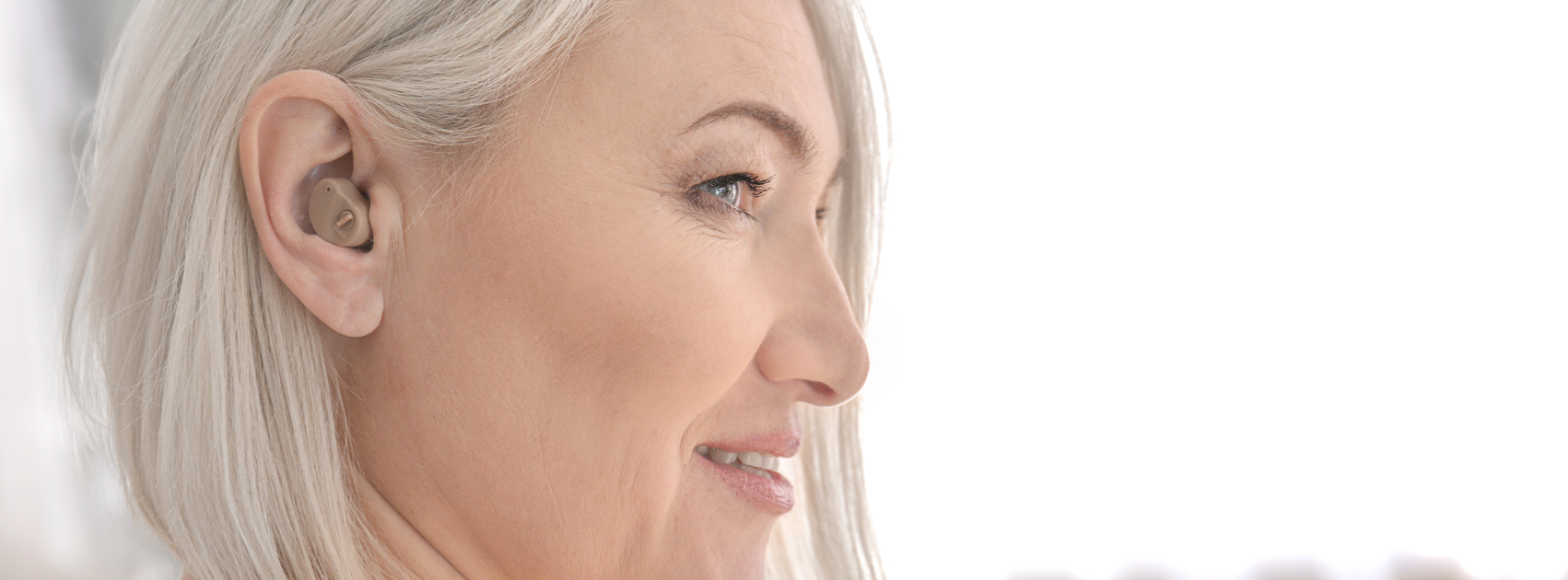
    Don’t let that loss dictate your life and lifestyle! Try out some of the top hearing aids and see how new technology can help you get back into the conversation!

    The 3 Best Brands
    Accolades Best Overall Best Design Best Connectivity
    Bluetooth Yes Yes Yes
    Phone Compatibility Yes Yes Yes
    Low Profile Yes Yes Yes


    An Overview of Hearing Loss

    Hearing loss due to aging is a common condition that impacts many older adults. Almost 1 in 2 adults over age 65 experience some degree of hearing loss. Age-related hearing loss is also known as presbycusis. Hearing loss can affect anyone at any age and the statistics according to the National Institute on Deafness and Other Communication Disorders are astonishing. On top of that, the average delay between the time someone is affected by hearing loss and when they finally seek treatment is a long 7 years. Lucky for you, you have come to the right place to learn about hearing loss. Let’s look at the 7 Signs of Hearing Loss.

    Two Types of Hearing Loss
    1. Sensorineural
    Sensorineural hearing loss is the most common type of hearing loss. It is permanent and caused either by damage to tiny hair-like cells in the inner ear or to the auditory nerve. The auditory nerve carries important information about the loudness, pitch, and meaning of sounds to the brain.
    2. Conductive
    Conductive hearing loss is caused by a mechanical problem in the outer or middle ear or an obstruction in the ear canal such as ear wax that blocks sound from getting to the eardrum. It can be permanent but more often, it is temporary and can be medically treated. Mixed hearing loss results when there are components of both sensorineural and conductive hearing loss present.

    7 Signs of Hearing Loss

    1. Words Begin to Drop from Conversations
    Increasing difficulty with understanding other people, especially in noisy environments such as crowded shopping malls or loud parties, may reveal a declining ability to distinguish speech from noise. It’s common for people to respond to this problem by asking for speakers to repeat themselves, to speak more loudly, or to slow down. Television and radio speech may also seem to fade into unintelligible gibberish. Conversations in general seem to lose their color and vibrancy.

    2. Becomes Increasingly Difficult to Have ‘Normal’ Social Situations
    Without quite realizing why, a person suffering from creeping hearing loss may increasingly retreat from social situations. They somehow seem too difficult, often leading to awkward moments when a critical point is missed, or a joke is misheard. It begins to seem as if plunging into even a crowd of longtime friends or close business associates results in nothing but inexplicable, growing social isolation.

    3. People Sound Like They Are Mumbling
    Other people may seem to slowly acquire a bad habit of failing to clearly enunciate their words. Consonants disappear into the mist as vowels rudely strut to the fore. This perception often indicates a loss of the ability to clearly hear higher-frequency or softer sounds such as sibilants. Similarly, snakes lose their hisses, clock alarms ditch their high-pitched beeps, and machine clicks such as those from automobile turn signals seemingly disappear.

    4.Tinnitus (Random Non-Existant Noises)
    Unexplained sounds such as buzzing, ringing, or clicking in one or both of your ears could very well indicate a significant medical problem that requires professional attention. Long-term exposure to loud sounds such as unmuffled gunshots, blaring rock-music concerts, and clanging industrial machinery can produce persistent, sometimes permanent tinnitus. Sinus and ear infections, hormonal changes in women, and common reactions to many medications can result in temporary or persistent tinnitus.

    5. It Becomes Increasingly More Difficult To Hear Children and Womens’ Voices
    Females and children generally have higher, softer voices than adult males, which means communication with children and grandchildren may be one of the first victims of encroaching hearing loss. For a devoted parent or grandparent, this can be devastating. A spouse may begin to drift away from a significant other because ordinary conversations have become oddly difficult. A similar problem may arise with failing to understand strongly accented voices as their tonal edges seem to gradually disappear.

    6. Turning Up The Volume On All Devices
    Routine annoyance with strangely soft audio levels from televisions, smartphones, and other audio devices may instead constitute a barely noticed symptom of gradual hearing loss. A growing habit of cranking up the sound to unusually high levels often signifies that it’s time to seek professional testing for hearing problems.

    7. Loss of Richness in Sounds
    Regardless of their volume or nature, sounds from all sources seem to grow muffled and flat. Birdsong becomes simpler and less nuanced, and human voices seem to abandon their ordinary tonal ranges. Long-loved musical performances and songs grow dull and uninteresting. Even ordinary noises like hammering from construction projects and the roar of motor vehicles seem to devolve into dull cartoon versions of their former selves. Such an evolution from complexity into lifeless simplicity is oddly easy to overlook if it happens slowly enough.

    The Final Thought
    While hearing loss before 55 is rare, the ratio is 1:2 in those older then 55. Hearing aids can be rather expensive, but may be covered by your part B Medicare plan. Original Medicare and most Medicare Supplement (or Medigap) Plans don’t cover hearing aids, routine hearing exams, or fittings for hearing aids. This means that without other insurance, you could pay 100% of the cost for routine hearing exams, fittings, and hearing aids.

    Medicare Part B does, however, cover diagnostic hearing tests that your doctor orders for a medical need like a recent hearing loss due to illness or injury. If your doctor orders a diagnostic hearing test. You would pay 20% of the amount approved by Medicare, plus the Medicare Part B deductible.

    Visiting an audiologist is usually the first response to possible hearing loss. If necessary, an otolaryngologist — an ear, nose, and throat specialist — can conduct a thorough examination to uncover underlying medical issues. Treatment might include simple removal of excessive earwax, antibiotics for a sinus infection, or even small, unobtrusive hearing aids that can reclaim much of your lost sound. Only your medical professional can provide comprehensive information on possible causes and treatments.

    Related Posts

    Top Arthritis Pain Remedies

    More than 50 million people in the United States are affected by arthritis, and up to 67 million are expected to be diagnosed by the year 2030. Arthritis pain can be downright incapacitating if it gets intense enough. Wrists and joints ache and you feel as though nothing can make you feel normal. Every joint […]
    Searching for Medicare Part D?

    If you rely on Medicare for your health care, you may find that Medicare doesn’t cover everything. For those on a fixed income, it can be extremely difficult to afford medication or any additional health care costs not covered by Medicare. If you are currently in a difficult situation where the health care bills are […]
    0 comments

    Have You Gained Weight over the Holidays? Simple Diet Changes That Lead to Weight Loss

    Are you looking to lose weight? Have you gained the ‘stay-at-home’ 15? Losing weight isn’t easy, but if you pay attention to what you eat, you may be surprised at the weight you can lose. Simple choices like replacing ultra-processed foods that come out of bags, boxes or cans can make a big improvement to […]
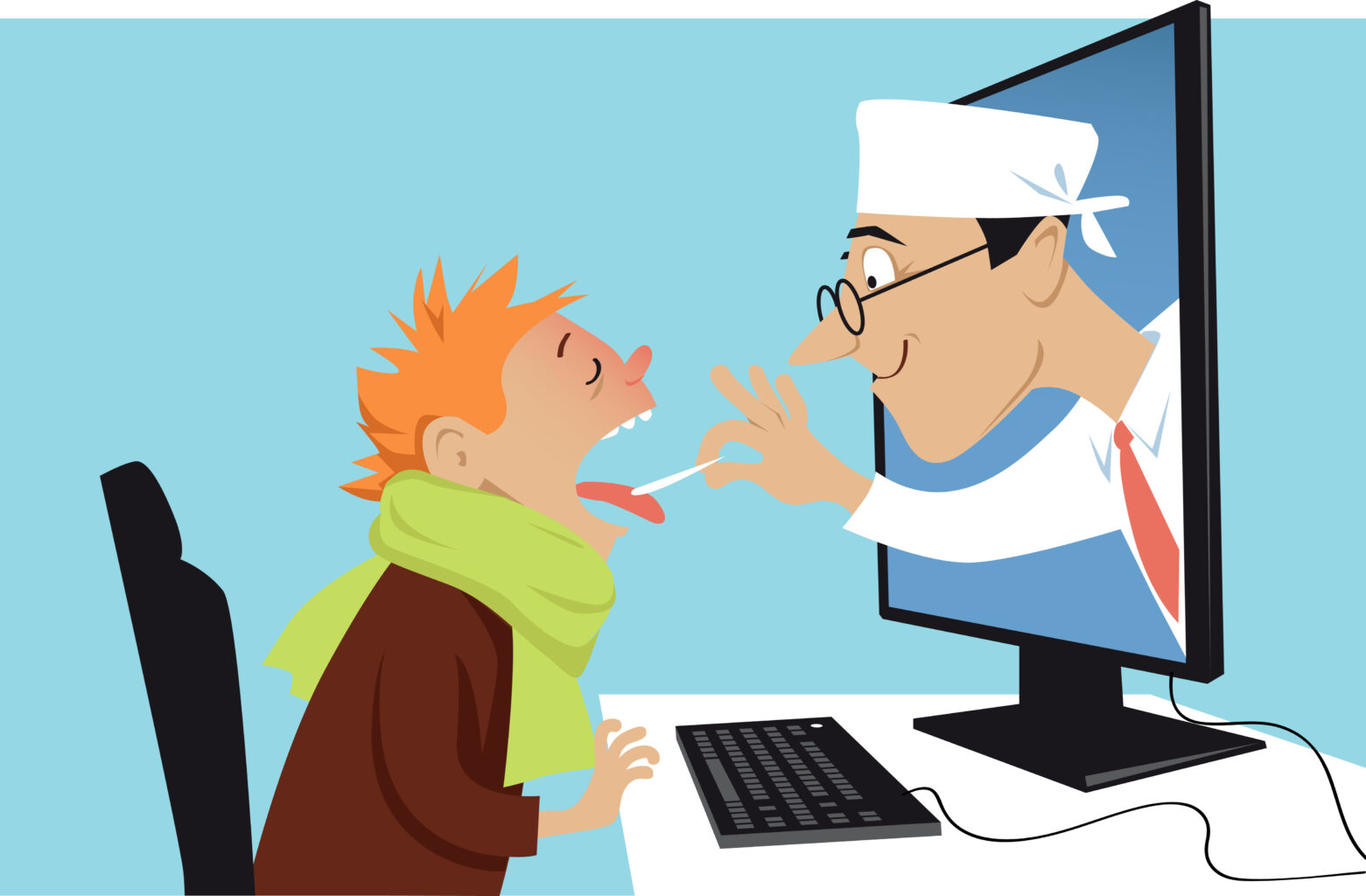
    Best Online Doctor Apps

    Have you been meaning to get to the Doctor, but haven’t had the time or are worried about COVID-19? Depending on your issue, a telemedicine app may be the right solution. If you’re not familiar, telemedicine apps allow you to receive remote healthcare services from a doctor- without having to go into the Doctor’s office! Our team […]
    Tips on How to Quit Smoking

    It’s neither controversial nor shocking to say that cigarettes are bad for you. It’s now no secret that smoking can cause heart problems, lung disease, a stroke and cancer. Nearly everyone who smokes is fully aware of the nature of just how bad cigarettes are for your body. Your risk of cancer, lung and heart problems and […]

    0 comments
    arthritis

    What is Rheumatoid Arthritis?

    Rheumatoid arthritis is a commonly-occurring autoimmune disorder that often occurs in older patients. RA is caused by the body’s own immune system mistakenly attacking its own tissues and resulting in inflammation. In particular, RA attacks the lining of the joints, resulting in stiffness, soreness and joint pain. What is Rheumatoid Arthritis? Arthritis Overview Generally speaking, […]

  • Best Online Doctor Apps

    Best Online Doctor Apps

    Have you been meaning to get to the Doctor, but haven’t had the time or are worried about COVID-19? Depending on your issue, a telemedicine app may be the right solution.

    If you’re not familiar, telemedicine apps allow you to receive remote healthcare services from a doctor- without having to go into the Doctor’s office! Our team took a look at some of the most popular telemedicine apps in terms of user ratings, reliability and quality. All of these apps are free to download.

    BCBSM Online Visits: This free app works with almost any Blue Cross/Blue Shield health plan.

    • iPhone Rating: 4.9 stars.
    • Android Rating: 4.7 stars

    Spruce- Care Messenger: The Spruce app has a great dashboard for providers and patients to understand your health needs. All of your medial information is kept private through HIPAA compliance laws.

    • iPhone Rating: 4.9 stars.
    • Android Rating: 4.8 stars

    Amwell: Doctor Visits 24/7: Users of the Amwell app can schedule appointments and see a doctor typically within 24-48 hours. Services cost around $68 before insurance. Psychiatry visits are also available.

    • iPhone Rating: 4.9 stars.
    • Android Rating: 4.3 stars

    PlushCare: Video Doctor Visits: Prescriptions and treatment for ongoing and non-emergency situations are available. The app is designed simply and performs efficiently.

    • iPhone Rating: 4.9 stars.
    • Android Rating: 4.6 stars

    Doctor on Demand: Face to fave time is available with a doctor, psychologies and psychiatrists whether you have insurance or not. Hundreds of issues can be treated through online video.

    • iPhone Rating: 4.9 stars.
    • Android Rating: 4.9 stars

    Lemonaid: Same Day Online Care: A $25 doctor consultation fee is all it takes to same day consultation from a Doctor. Most consultation can happen within 2 hours.

    • iPhone Rating: 4.9 stars.
    • Android Rating: 4.5 stars


  • Seasonal Allergies: Best Treatments And Prevention

    Seasonal Allergies: Best Treatments And Prevention

    What Are Seasonal Allergies?

    Fall means that millions of Americans will suffer runny nose, congestion, sneezing, watery, itchy eyes and other symptoms of what we refer to as seasonal allergies, or hayfever. It is caused by pollens from trees, flowers, and grasses, like ragweed, in the spring and fall.

    Here are a few of the more common medicinal and natural remedies for seasonal allergies:

    Antihistamines

    Antihistamines block production of histamine, the agent responsible for your symptoms, and are effective in treating and preventing seasonal allergies.

    Benadryl is a powerful antihistamine and drying agent that is still the ‘gold standard’ in treating seasonal allergies, but due to its high degree of sedation many people avoid it.

    Fexofenadine (Allegra), cetirizine (Zyrtec), and loratidine (Claritin) are also available without a prescription, with the advantages of once daily dosing, and they are non-drowsy.

    Topical Steroids

    Fluticasone (Flonase) is a topical steroid that is available without a prescription, and is sprayed in the nostrils. It is very effective at preventing allergies.

    Natural Remedies

    Locally grown honey can help you boost your immune system in fighting allergy symptoms, and is a powerful cough suppressant.

    Apple cider vinegar has many uses, including fighting symptoms of seasonal allergies.The dose is usually one teaspoonful daily.

    Get started before symptoms of seasonal allergies occur.


  • Relieve Back Pain Naturally

    Relieve Back Pain Naturally

    Take a look at these natural pain-relieving strategies and find out what works best for you:

    To relieve back pain, enjoy an anti-inflammatory drink every day. When you consume anti-inflammatory foods regularly, several antioxidant, anti-inflammatory, and even anti-cancer agents can build up in your blood. Over a period of time, these potent agents can play a significant role in reducing and/or eliminating inflammatory reactions in the body. Here are a few anti-inflammatory drinks to try:

    1. Tumeric Milk
    2. Ginger Green Tea
    3. Tart Cherry Juice

    Prevent stress and fatigue on your spinal joints and muscles by considering:

    • Avoiding excessive sitting
    • Checking your posture
    • Rotating activities
    • Stretch your joints and back through Yoga
    • Meditating
    • Exercising in water
    • Keeping a self-activating heat patch

  • What is COPD? Search for COPD Treatment and information.

    What is COPD? Search for COPD Treatment and information.

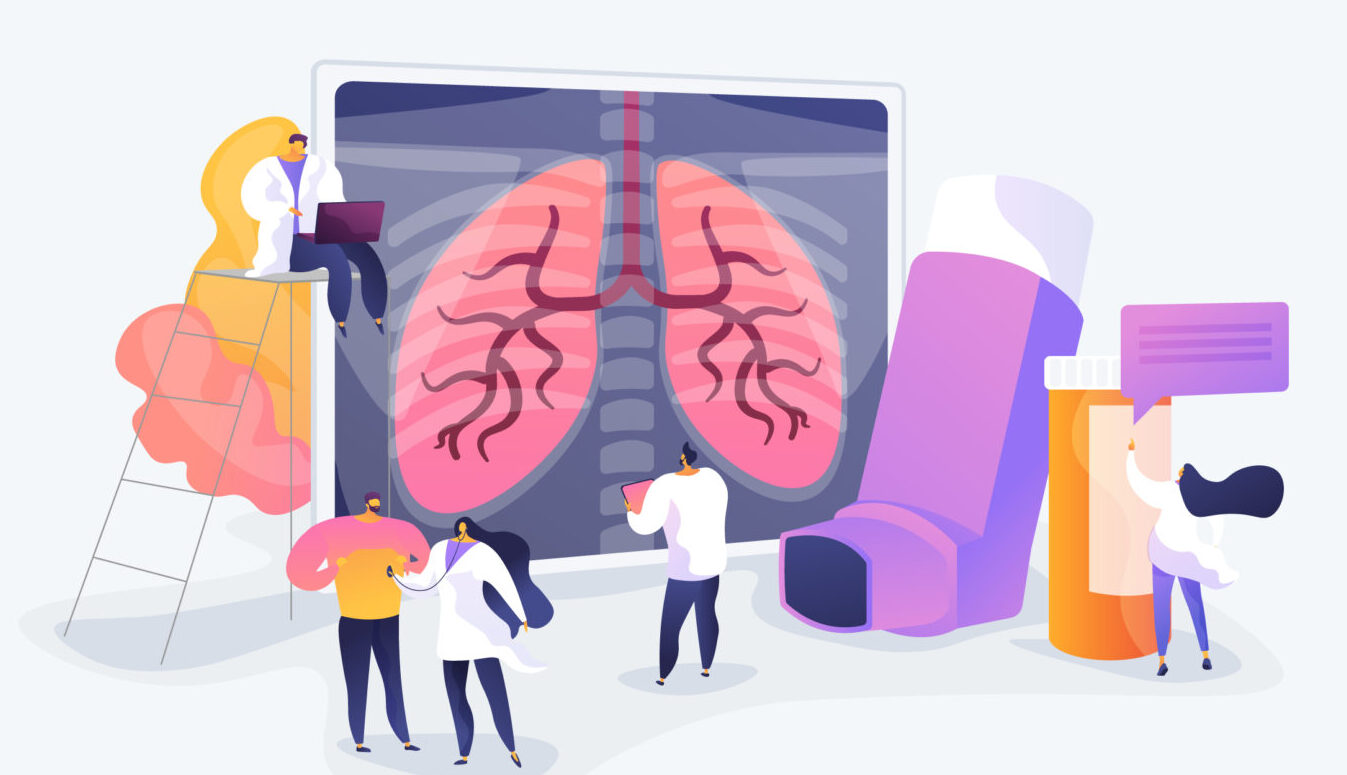
    What is COPD?  COPD is a chronic lung disease which can include emphysema and chronic bronchitis. COPD impacts the lungs and causes reduced airflow making it harder to breathe.

    Statistics: Approximately 15.5 million Americans are diagnosed with COPD, but millions more may have COPD and not know it.

    Symptoms: 

    1. Chest Tightness
    2. Shortness of Breath
    3. Persistent Cough
    4. Wheezing

    Main Causes: Cigarette smoking is the most common cause of COPD. In addition, there are other potential causes of COPD including: Dust, Chemical fumes at work/home, Outdoor air pollution, Respiratory illness, and overall indoor or outdoor air quality.

    Common Treatments: 

    1. Quitting Smoking: Quitting all smoking is the most essential step in any treatment plan for COPD.
    2. Medications: Several medications are available and used to treat symptoms and complications. See your doctor first.
    3. Inhalers: Bronchodilators are medications that usually come in inhalers. They relax the muscles around your airways which can relieve coughing and shortness of breath. Depending on how severe your disease is, you may need short acting bronchodilator or  long lasting, or both.
    4. Lung therapies: Doctors often prescribe additional therapies for the lungs including oxygen therapy or pulmonary rehabilitation programs.

  • Health Hack for your Next Cold: Advil+Tylenol

    Health Hack for your Next Cold: Advil+Tylenol

    Everyone occasionally experiences the common cold or flu. In many cases it is unnecessary to visit a health care provider to obtain prescription medications. Many over the counter products are both effective and safe and can help restore your health. Advil and Tylenol are good examples.

    Benefits Of Taking Advil And Tylenol

    While either of these products can be considered one of the best remedies for a cold, taking both of these medications together is a great best practice when you have the flu or a cold. As each has its own medical classification, the combination is an excellent way to achieve relief.

    The common symptoms in colds and flu are related to inflammation. This makes Advil a popular choice. It blocks enzymes that normally cause prostaglandins to form. Prostaglandins affect the processes of inflammation and healing. When their formation is blocked, it reduces common symptoms of inflammation, including fever and pain. You will feel much better when your temperature returns to normal, and you are no longer suffering from a headache, body aches, and muscle aches. Tylenol is also useful when you are dealing with a cold or flu. It can produce some of the same results as Advil. However, it is an entirely different medication, and it works in different ways. First, as an analgesic, Tylenol is a painkiller. It works on the central nervous system and the peripheral nervous system. Tylenol is also classified as an antipyretic. Its effects on the hypothalamus cause your body to lower its temperature. This, in turn, reduces your fever. As aches, pains, and fever are common symptoms in both colds and flu, all of these benefits are useful. Instead of suffering for a long period of time, you can have relief. When you use both of these medications, you can feel better, and be on your way to healing and health.

    Advil And Tylenol: Best Practices

    While you can have better results from both medications instead of taking only one, there are some sensible practices you should follow. Neither medication will interfere with the other medication’s effects, and taking both will not increase your risk of side effects. There is no drug interaction between Advil and Tylenol. When you follow some best practices, you can have the results you want without any disadvantages.

    One of the easiest approaches is to take medications every four hours, and alternate between medications. As an example, you can take Advil now, and then take Tylenol two hours later. Two hours after you have taken Tylenol, it is time to safely take another dose of Advil. Continuing this pattern can really help ease symptoms.

    Perhaps you are wondering if you can simply take both at the same time- the answer is yes. Not only do they work differently, they are also cleared differently by your body. Your kidneys will eliminate Advil, whereas your liver will eliminate Tylenol. This means there is no extra strain on your organs. If you prefer to take both together, you can. However, alternating the medications usually produces the most effective results.

    There are some additional points to keep in mind.

    First, while you should drink a full glass of water regardless of the medication you are taking, you should also have something to eat when you take Advil. You will be at a lesser risk of stomach discomfort. It should not be taken on an empty stomach. When you have a bad cold or the flu, you may not want a full meal. A couple of crackers, or a small serving of cereal can be helpful. If you do not feel like eating at all, drink a glass of milk shortly before you take the medication. In contrast, you do not need to eat before taking Tylenol. It is not harmful to take the product on an empty stomach. It is entirely up to you, whatever your preference may be.

    Second, only take the recommended dosage for your weight and age. You can find this information on the label. If you have any questions, or are unsure of the dosage that is right for you, you can call your doctor or your pharmacist.

    Third, neither product separately or combined is meant to be taken for long periods of time. Advil and Tylenol should not be taken for more than three days. If your symptoms are not relieved, contact your doctor. You should also contact your doctor immediately if you notice any side effects.

    Fourth, while Advil and Tylenol are safe for most people, ask your physician’s advice if you are taking any other medications. Drug interactions may occur, whether you take prescription medications or over the counter products.

    Taking Advil With Acetaminophen: What To Avoid

    Although they are safe products, over the counter medications are still drugs. They can cause complications if you do not take sensible precautions. One of the most important dangerous approaches is taking too much. It is not impossible to overdose on either of these drugs. Overdosing on Tylenol can result in confusion, excessive perspiration, vomiting, nausea, stomach pain, weakness, or loss of appetite. If you do not receive prompt treatment, a large overdose may result in liver failure and death. Instead of overcoming a cold or flu, you can die within days. Overdosing on Advil can lead to serious, permanent health complications. It can permanently damage your stomach, kidneys, and intestines. You can develop a much greater risk of stroke or a fatal heart attack. It is even more dangerous if you already have heart disease.

    Considering all the complications that can occur from an overdose, you must avoid taking more pills than you should, and avoid taking them more often than you should.

    Avoid these medications unless you have a doctor’s approval if you already have high risk factors. For Advil, this includes a history of heart disease, high cholesterol, ulcers, high blood pressure, medications that affect blood clotting, or diabetes. For Tylenol, this includes kidney or liver problems. Only use the products if your doctor says they are safe for you.

    While side effects are uncommon, they can occur. Some people experience a variety of gastrointestinal problems when taking Advil. The risks can be reduced by eating or drinking milk before taking the product. Serious side effects are less common, but do not ignore a problem if it does occur. Advil may increase your risk of heart failure, kidney problems, liver problems, and fluid retention. If you experience difficulty speaking, sudden numbness or weakness, difficulty breathing, or chest pain, obtain medical help immediately.

    Tylenol can also cause side effects. In most cases they are minor. You may experience loss of appetite, a headache, nausea or stomach discomfort, or darker urine or stools. If you experience serious side effects, such as trouble breathing or dizziness, seek medical help immediately.

    Some people are allergic to even the safest over the counter products. Swelling, itching, hives, and rashes are examples. If you are taking these products and believe you are having an allergic reaction, see a medical professional as quickly as possible.

    Do not take Advil or Tylenol if you are pregnant or breastfeeding. Although studies show both products are safe, you should not take any medications at all without direct approval from your own doctor.

    Take special precautions if your child has a cold or flu. As a parent, it is understandable that you do not want your child to suffer. The Advil and Tylenol products you use for yourself, though, are not made for children. Fortunately, both companies do make products specifically for youngsters. You can even find liquid and flavored products for children that are too young to swallow pills, or do not like the taste of regular medications. Avoid giving your children medications that are made for adults. Instead, choose a children’s product, and follow the recommended dosage based on your youngster’s age and weight.

    For that matter, you can also avoid the misconception that adults have only one option when using Advil and Tylenol for a cold or flu. Both companies offer a variety of products for this specific purpose. Although you will need to check the dosage information on the labels, you can find numerous cold-and-flu medications, extra-strength options, and even nighttime medications that can relieve your symptoms so you can get a good night’s sleep.

    Good Health With Advil And Tylenol

    These precautions should not deter you from using Advil and Tylenol when you have a cold or flu. It only means you should be sensible when you take these products, and stay alert to possible side effects. Advil and Tylenol are both excellent medications, and you can benefit from using them. When you are not bothered by common symptoms, you can start to recover without spending a long period of time in bed. Without the symptoms, you may feel up to meeting your daily responsibilities and living your everyday life. Advil and Tylenol do not carry the health risks of many prescription medications. While some people should not take these products, they are safe and effective for most adults. Because they are safe, they can be purchased at any pharmacy, grocery store, or online, and you do not need a prescription. They are also inexpensive.

    You can be confident in these products because they are made by well-known, well-respected companies. Advil, which has been available since 1984, is produced by Pfizer. Tylenol is made by Johnson & Johnson’s subsidiary, McNeil Consumer Healthcare, and has been around since 1955. These products have been tested and found to be effective and safe. They have helped countless numbers of people for many decades. The same cannot be said for many medications. Both over the counter and prescription medications are often too new to be considered trustworthy. Too often, products are available to the public for a long time before health hazards are discovered. You never need to have this concern with Advil and Tylenol. They are products you can trust, made by companies you can trust. Generations of consumers have already proven this is true.

    Almost everyone has had bad colds and the flu. Not only can it interfere with your life, you may not even feel like getting out of bed. Perhaps you do not have the option of sleeping all day, or you may even feel too sick to sleep. This does not mean you must stay in bed for a week, or call your doctor for an expensive prescription that might cause serious side effects. You can simply ask a friend or family member to go to the store and buy Advil and Tylenol for you.

    A good idea, though, is to plan in advance. Learn which Advil and Tylenol products are available, choose the options that are right for you and others in your family, and keep them in your medicine cabinet. When you take this approach, you will always be prepared whenever anyone in your household becomes ill. You will not need to rush to the store, or ask for help. You should not overexert yourself when you have a cold or flu, but you do not need to be bedridden and miserable. As long as you take sensible precautions, and use these products according to directions, they can greatly reduce your symptoms without any unnecessary complications.

    There are two points to keep in mind when you are considering taking Advil with acetaminophen. Together, they are the best remedies for a cold or flu because you will have relief from your symptoms when you start taking these products, and you will not have any complications afterward. Unless you are one of the few individuals who should not take these medications, it is your first step to achieving good health.


  • Atrial Fibrillation and Strokes: What you Need to Know

    Atrial Fibrillation and Strokes: What you Need to Know

    The heart is one of the most important organs in the body. The beating heart keeps the body going. The upper chambers of the heart are called the atria and the two lower chambers of the heart are called the ventricles. When they operate at the same time this will allow for the heart to pump efficiently. The beat of the heart is controlled by an electrical impulse that begins in the SA node which is direct to the right of the atrium. Normally they can adjust to the heart rate based on physical activity of when the body is at rest. When there are problems with this connection and the SA nodes are not working properly a person can be at serious health risk. Atrial Fibrillation also is known as AF or AFib is an issue that affects the heart and the way the current work.

    What is Atrial Fibrillation?

    This condition is where a person will have an irregular heart rhythm that begins with the atria. The SA node may have a different impulse and it may fire quickly which will lead to a fast and unsteady rhythm in the atria. The atria will not be able to squeeze and it will not be able to get into the ventricle. The impulses will not have a chance to travel into the ventricles and when they do they will be disorganized. A person can experience a heartbeat between 300 and 600 beats per minute.

    When the arteries that carry the blood from the heart to the brain, the brain will not be able to get the proper amount of oxygen. This is often due to a blood clot. If the nerve cells in the brain do not get the oxygen they die. Dead brain cells cannot be restored. This will lead to a stroke. When the heart is working too hard, when it is weakened, or even it becomes enlarged the blood forms a pool in the atria. If a person has atrial fibrillation the blood will not be able to empty of the chamber in the heart and a clot will form in the atria. There are cases when the blood clot will break loose in the heart. It can then be transported to the arteries that go to the brain. This will then block off the blood flow and the oxygen from reaching the brain. This can cause a stroke. The longer that the artery is blocked the more nerve cells will die.

    Atrial Fibrillation and Stroke

    Each year there are 700,000 people in the United States alone that experience a stroke. Around 500,000 of these cases are first attacks. Atrial Fibrillation makes up around 20 percent of all stroke cases and a person with this condition is five times more likely to experience a stroke. Around 35 percent of people that have been diagnosed with atrial fibrillation will have a stroke during their life. As a person ages the risk for a stroke ill increase especially for those over the age of 55.

    High Blood Pressure and a Stroke
    People with high blood pressure or hypertension and more likely to have a stroke. If the blood pressure is high the arteries leading to the brain have become weakened.
    High blood pressure can put a person at risk for a stroke in two ways. High blood pressure can lead to a clot in the arteries leading to the brain and a person will have a stroke. They will have an ischemic stroke. If the blood clot burst or one of the blood vessels leading to the brain a person will have a hemorrhagic stroke. The brain will not get oxygen and the cells will begin to die.

    Prevention
    There are some things that a person can do to reduce the risk of having a stroke. They need to take measures to keep their blood pressure at a stable level. Blood pressure levels should be less than 120/80. To lower blood pressure a person needs to carefully monitor their intake of salts of fats as this can cause the blood pressure to increase. A person should also try to get at least 30 minutes of exercise a day to keep the body in shape. Cigarette smoking can lead to a stroke so a person should quit if they are a smoker. If a person has diabetes they need to take measures to control their blood sugar levels. People that are overweight tend to have health issues that will raise their blood pressure. A person should aim for a box mass index of 25 or less. They should also limit their calorie intake and get more exercise to get down to a healthy weight. Over time high blood sugar levels can damage the blood vessels and lead to a clot. A person should also see their doctor regularly and be checked for atrial fibrillation. The doctor may recommend a blood thinner such as Coumadin to help with this condition.

    Medications
    If a person does have atrial fibrillation there are some medications that the doctor can prescribe to help control their heart rate. These medications can help restore the heartrate to a close to the normal level. A person can also take a rhythm control medication which will help the heart go back to the nature beating rhythm in the body. There are also anticoagulant medications that can be prescribed. These will help control the thickness of the blood and prevent clotting. This will reduce the chance a person has for a stroke.
    A stroke leads to a person being paralyzed or it may even lead to their death. If a person has a condition such as atrial fibrillation they should see their doctor. There are some lifestyle changes that can be made and some medication that can help reduce the chance of having a stroke. A person needs to take the steps to manage this condition and help restore the heart rate to its normal functioning and rhythm.


  • Get Better Sleep! Here’s How:

    Get Better Sleep! Here’s How:

    When was the last time you had a good night’s sleep? If you are like most people these days, you probably have not thought about it. Even if you know sleep is important, it may not be high on your list of priorities. Now is the time to make some changes! Full nights of restful sleep can lead to better health and a more fulfilling life.

    Why Do You Need Sleep?

    Sleep is your body’s opportunity to restore and repair itself. As you sleep, organs, muscles, and cells throughout your body are repaired. Your immune system is strengthened by chemicals circulating through your bloodstream while you sleep. For these reasons, your overall good health depends on sleep. Your brain requires sleep, too. It is essential for your brain to function properly. Your ability to learn, remember, process information, be creative, and be attentive all depend on sleep. As sleep repairs your body, it also repairs your mind.Sleep affects the hormone levels in your body. As you may know, hormones play many roles. As examples, your hormones affect your fight-or-flight response, and your ability to lose weight. Most people, though, notice one main reason sleep is so important. It affects the way you feel during the day. Virtually every aspect of your daily life can be affected by sleep deprivation.

    What You Need To Know About Sleep Deprivation

    When you do not get a good night’s sleep, you feel terrible during the day. You feel tired, listless, and want to go back to bed. All of these features can affect your everyday life. You do not feel up to meeting your responsibilities at home or work, have less interest in your personal relationships, and do not feel like having fun. However, while you notice the effects of sleep deprivation on the way you feel and your daily life, there can be more serious complications. Lack of sleep greatly increases your risk of accidents. From slip and fall accidents to accidents while driving, sleep deprivation means you are impaired. Neither your judgment nor your motor skills function as well when you have not slept. Your coordination and balance are both affected by lack of sleep. The effects on your body increase your risk of illness. As sleep deprivation weakens your immune system, you are more likely to develop minor illnesses such as colds. If you do become ill, it will take longer for you to recover. Lack of sleep can also increase your risk of serious medical conditions, including high blood pressure, heart disease, diabetes, obesity, kidney disease, stroke, and some forms of cancer. If you have been trying to lose weight but not succeeding, sleep deprivation may be the reason. In addition to hormones that control your appetite, hormones also control your insulin levels. If your hormone levels are not stable, it can be difficult to maintain your ideal weight. Sleep deprivation can interfere with emotional balance. You may feel grumpy, argumentative, depressed, or even out of control. Perhaps you want to pick fights with everybody, or simply withdraw from everyone around you. Your ability to react appropriately can also be impaired. Your stress hormones may result in irrational responses to stressful situations. There can be many complications associated with impaired brain function. From concentration to memory and decision-making processes, your brain cannot work at its best when you do not get enough sleep. Chronic sleep deprivation can increase your risk of mental health problems. Examples include frustration, confusion, depression, and anxiety. Your life expectancy can be shortened if you suffer from sleep deprivation. Some studies show the risk of premature death is increased by 12 percent in people who do not get enough sleep. For individuals whose insomnia is chronic and long-term, the risk is significantly higher.

    Why Do You Have Insomnia?

    There are numerous medical conditions and mental health conditions that can affect a person’s ability to sleep. There are also various medications that can have this effect. This is why it is a good idea to discuss your sleep problems with your doctor. In most cases, though, insomnia is caused by lifestyle factors. Poor sleep habits, an erratic schedule, too much alcohol, and stress are only a few examples. The good news is lifestyle factors can be changed so you enjoy a good night’s sleep.

    Best Practices To Get A Good Night’s Sleep

    When you want healthy, restful sleep to be part of your life, you have a number of options. One option is to consider lifestyle changes. You can enjoy the benefits of sleep by making some changes in your daily life. First, prepare your bedroom so you will look forward to bedtime. As each person has their own preferences, choose the temperature that is comfortable for you. You may decide to open the window for fresh air, turn on the air conditioner, or change the temperature setting on your thermostat. Preparation includes making your bedroom an inviting place. Remove clutter and debris so the room is neat and clean. Make sure your bedding is attractive, fresh, and comfortable. Assess the condition of your mattress. You cannot sleep very well if your mattress is old, lumpy, or torn. Consider investing in a new mattress with the firmness that meets your needs. Some people like to sleep in the dark, while others prefer some light. Choose the option that works best for you. Eliminate distractions and noise, such as electronics and pets. Decide on the time you must be awake in the morning, and set your alarm clock to reflect 8 hours of sleep. Choose this as your bedtime. Adhere to it unless there is a genuine emergency. Preparing for sleep should start hours before plan to go to bed. Avoid activities that promote alertness, such as strenuous exercise, using electronic devices, and late naps. While you should not eat heavy meals in the evening, there are some foods and beverages you should definitely avoid. Do not eat or drink anything that contains caffeine, highly spiced foods, or alcohol. If you use tobacco products, this is a good time to quit. If you are not ready to take this step, limit your use to earlier in the day.

    Natural Techniques For Better Sleep

    When you want all the benefits of sleep, you need to be physically, mentally, and emotionally relaxed at bedtime. There are some natural ways you can achieve these goals. One option is to practice yoga. The simplest poses will relax your body, mind, and spirit. You do not need to be an expert to enjoy and appreciate these benefits. A second option is to soothe yourself with a long, warm bath. You will start to feel your stress and worries drift away as you relax in the tub. If you wish, you can create a relaxing atmosphere with bubble bath or scented oils. A third option is to read a book. For the best results, choose reading material that is interesting but calm. When you want to fall asleep easily, you do not want a book that causes strong emotional reactions. A fourth option is an old-fashioned approach that works. Treat yourself to a warm glass of milk. If you prefer, you can add a small amount of honey. This warm drink is soothing and relaxing.

    Over The Counter Sleep Aids

    You may find some of these options useful, but are still having trouble with sleep. Perhaps you have been told over the counter products are dangerous. If you choose a natural sleeping aid, though, you can avoid the complications. Natural products do not contain drugs, and they are not habit-forming.

    Natrol’s Melatonin Advanced Sleep is one of the best sleeping pills in this category. It is an all-natural supplement containing melatonin, calcium, and Vitamin B-6. Melatonin may help you fall asleep faster, and increase your overall quality of sleep. As melatonin is a natural hormone, most people do not experience serious side effects. This product has a time-controlled formula. The initial dosage in a pill helps you fall asleep, and the remaining dosage can help you stay asleep. The Vitamin B-6 helps your body produce more natural melatonin.

    Vitafusion Sleep Well is an edible gummy. In addition to melatonin, it contains herbal ingredients. Passion Flower Extract may reduce stress. Chamomile Flower Extract has calming effects and acts like a mild tranquilizer. Lemon Balm Leaf Extract is a natural sleep aid.

    Sleep Support Plus is another highly rated over the counter sleep aid. Customers have given it a 5-star rating. This all-natural product contains melatonin, tryptophan, Lemon Balm, Goji Berry, Chamomile, and Valerian. You can feel calm, relaxed, and ready for sleep from its natural formula. It is said to be one of the most effective natural products for sleep.

    These three over the counter products contain no drugs. However, some people should check with their doctors before using any supplement. If you are pregnant, breastfeeding, taking prescription medications, or have a serious medical condition, ask your physician’s approval before taking one of these products.

    Prescription Sleep Aids

    In some cases, all of the best efforts do not result in restful sleep. If this describes your experiences, do not hesitate to consult with your personal physician. You may have an underlying medical issue that affects your ability to sleep, or your doctor may simply recommend a method you have not tried. If your doctor advises a prescription sleep aid, though, it is wise to follow his advice. Never use a prescription medication unless it was given to you by your own doctor.

    Ambien and Ambien CR are commonly-used prescription sleeping pills. These pills work somewhat differently. Ambien can help you fall asleep, while Ambien CR can help you stay asleep throughout the night. As your doctor takes your medical history, he will know which product is right for you.

    Lunesta, a sedative, works on chemicals in your brain. It can help you become relaxed, fall asleep, and sleep throughout the night. While side effects are generally minor, some people experience severe side effects. Discuss your medical history and your concerns with your physician.

    Prosom is also used to treat insomnia. It is meant to balance the chemicals in your brain. Minor side effects may include dizziness, and sleepiness during the daytime. While serious side effects are rare, they can occur.

    Doxepin may be prescribed if your insomnia is due to tension, stress, or anxiety. It is a tricyclic antidepressant. The product increases natural substances that are in your brain. It can help you achieve a balanced mental state so you can fall asleep. While it may cause a wide range of minor side effects, serious side effects may also occur.

    If your physician prescribes a medication, it is because he believes its benefits are greater than its risks. You should make sure he has full information on your medical history, any health problems you currently have, and any other medications you are taking whether they are prescriptions or over the counter. The more your doctor knows about your health, the easier it will be for him to choose the product that is best for you.

    You Too Can Enjoy The Benefits Of Sleep

    If it has been a long time since you had a full night of sleep, you can prepare for some wonderful changes! You will start to awaken in the mornings feeling rested and refreshed. You will be ready for the day. Instead of feeling fatigued, uncoordinated, and foggy, you will feel good! Unless you have a medical condition for which your doctor recommends a different sleep schedule, consider 8 hours of sleep each night to be ideal. After you have started sleeping through the night, you may find 7 hours or 9 hours works better for you. Perhaps you recall what it was like in childhood when you had a bedtime every night. Regardless of your age, or how long you have had trouble sleeping, it is not too late to return to those positive sleep habits. Whether you simply need to change some lifestyle factors, learn relaxation techniques, try a natural product, or seek help from your doctor, your life will change for the better. With restful sleep each night, you will be rewarded with good health and a happier life.


  • Tips on How to Quit Smoking

    Tips on How to Quit Smoking

    It’s neither controversial nor shocking to say that cigarettes are bad for you. It’s now no secret that smoking can cause heart problems, lung disease, a stroke and cancer. Nearly everyone who smokes is fully aware of the nature of just how bad cigarettes are for your body. Your risk of cancer, lung and heart problems and issues with your kidneys and intestines are all increased by smoking. However some smokers still fail to accept these proven risks and give up cigarettes. People who smoke die an average of 13 to 14 years sooner than nonsmokers. Smoking can also cause sexual and reproductive issues. Pregnant women who smoke risk the health of their unborn child as well. Quitting can be extremely difficult as nicotine and smoking has been proven to be highly addictive. What is the main reason why you want to quit smoking? It is important to establish why you want to quit to stay motivated during what could be a long process.

    Tips on How to Quit Smoking:

    Talk to People About It:You don’t have to go it alone. In fact, if you try to handle this by yourself, you’re likely going to relapse. So, to prevent the likelihood of that, tell people in your life that you’re trying to quit. Talking about things helps to make them feel more real. It’s harder to stay consistent if there’s no one to hold you accountable. Get the people closest to you on board in this process!

    Get Help:Whether it’s medical help or therapy, you should look beyond just moral support of friends and family. Addiction is a serious thing, and it takes some serious work to undo the claws tobacco products have in your central nervous system. Things like nicotine gum, patches and support groups are all excellent steps to combat the issue.

    Eliminate All Traces of Smoking from your Personal Space:This one might seem obvious, but it goes deeper than you think. Start by throwing away or giving away all of your cigarettes, ash trays, lighters and matches. Then, shampoo your carpets, clean your drapes and do everything you can to eliminate the smell. You don’t want that smoke smell welling up and driving your desire to light one up.

    Find Healthy Alternatives:Even if you’d prefer to not use nicotine in your efforts to quit smoking, look for other ways to relax. The biggest draw to smoking is the relaxation that follows a cigarette as nicotine sinks into your system. In order to combat the worst cravings, seek out other relaxing activities. Meditation, yoga, tai chi and hobbies like painting, drawing or making music are all great alternatives. If you can afford it, getting professional massages hits similar mental notes as smoking a cigarette! These activities are good for your mental health as well as your physical health.

    Don’t Give Up: If you slip up and smoke a cigarette after weeks of being smoke-free, it’s not the end of the world. Don’t sweat the small lapses like that, and don’t let them convince you to pick smoking back up. No one is perfect: small mistakes don’t define you. Keep up the good effort and follow the advice in this article. You’re strong enough to quit smoking, so keep at it!