Category: Smart Devices

  • IFA 2018 Rumor Roundup

    IFA 2018 Rumor Roundup

    IFA occurs yearly in the German capital, rounding up tons of new types of consumer technology. Everyone who’s anyone in the world of technology will be there, and we can expect to see tons of new types of tech. From smartphones to smart home speakers to anything else you could think of, it’ll all be there. Today we’re rounding up the rumors and news slated to come through at IFA 2018. Who are some of the big names we can expect to see?

    Big Names to Watch for at IFA 2018

    Sony

    Sony is an oddball in the world of consumer electronics. While they offer a ton of premium electronics, they’re actually terribly unprofitable in this sector. Sony is currently afloat only thanks to their video game division. As such, there is tremendous pressure on this wing of the company to begin to turn a profit. Sony’s showing at IFA 2018 is expected to show off their smartphone range. Their Xperia XZ3 and XZ3 Compact are expected to make a big showing, given Sony’s dedication to their smartphone line. Also, likely to appear is the LF-S50G, Sony’s smart home speaker. Attempting to break into the smart home market in 2018 is incredibly difficult, but Sony seems like they’re really trying to hack it.

    Samsung

    While Samsung’s Note 9 has already been unveiled, the company is likely to show off their Galaxy S4 tablet. Tablets are struggling to break even in the tech market at the moment, as phablets and smartphones edge them out. In a similar vein to that, wearables have been underperforming recently but may be a focus of Samsung’s show at IFA 2018. The Gear S4 watch, perhaps under the name Galaxy Watch, could be making an appearance. Oddly, we may even see the Gear Fit 3 fitness tracker alongside the more smart-functionality focused Galaxy watch.

    Acer

    Computer maker Acer is expected to come into IFA 2018 with new gaming-focused PC rigs. PC gaming has seen an explosion in popularity in recent years, and Acer is certainly looking to cash in on this wave. The recent downturn in cryptocurrency values and growing uncertainty around them has led to decreased prices for GPUs. This, in turn, has further increased popular attention and demand for PC gaming. Acer showed off a number of exciting new gaming rigs at IFA 2017, and is expected to show off a similar lineup this weekend.

    Lenovo

    Chinese computer maker Lenovo will almost certainly be talking VR this year. Last year they introduced their Lenovo Explorer VR headset. While it caught a great deal of attention, it didn’t exactly catch in the crowded and underhyped VR market. This year they’re likely to focus on their more affordable Mirage Solo that was announced recently. Another potential point of focus for Lenovo may be a new version of their ThinkPad laptop, perhaps geared to go head-to-head with the Dell XPS 15.

  • Galaxy Note 9 and Other Top Android Phones

    If you’re looking for the very best Android phones, odds are good the name Galaxy has come up a lot in your searches. Of course, Galaxy is an awesome brand. However, it’s not the only game in Android! Today, we’re looking at the top Android phones!

    Top Android Phones

    5. OnePlus Six

    One Plus Six equals a great phone, not seven! This Chinese smartphone maker is a well-respected name in the Far East. Sporting a great portrait mode, a bright, vivid display and a good price tag, this is hard to beat. You can get the OnePlus Six online for around $650, making it a pretty reasonable purchase for a high-end Android smartphone. The only downsides are no waterproofing and unavailability on Verizon and Sprint.

    4. Huawei P20 Pro

    Stellar cameras make this a must-have for shutterbugs. The three cameras can snap amazing photos in low light, making it great for those night owls. It’s a little pricey, at around $760 or more, but it’s a rather premium device. It lacks a headphone jack and doesn’t support wireless charging, though, so that’s a bummer.

    3. LG V30

    LG is a perennial smartphone maker for a reason: they make good products. The V30 is no exception: it’s waterproof, sports a great camera and has exceptional battery life. There’s a lot to love about this little wonder! The ergonomics are a bit lacking, sadly, making this a slightly awkward phone to hold. That said, it’s still a great purchase at $650, easily one of the best Android phones on the market.

    2. Samsung Galaxy S9

    Unsurprisingly, Samsung’s flagship Galaxy phone snags the number 2 spot. It’s not as expensive as it was, coming in around $620. That said, it’s got premium features: wireless charging, water resistance and a blazing fast processor all make this phone great. The face-unlock feature is a joke, though, clearly a rushed attempt to match Apple’s Face ID. However, it’s a small spot for an otherwise stellar phone.

    1. Samsung Galaxy Note 9

    The current cream of the crop when it comes to Android phones, the Galaxy Note 9 is a beast. The huge, gorgeous display catches the eye, and looks great in any lighting. The S Pen is awesome for productivity, allowing you to doodle and scribble and take notes. The built-in Bluetooth button on the pen can allow for some neat remote functionality, too. It can be a shutter for the selfie cam, flip the pages in a slideshow presentation and more.

    Oh, did we mention the Dex mode that emulates a desktop? Yeah, this phone is so strong it can pass as a laptop for a second. That said, you pay for these features: the Galaxy Note 9 retails for $1,000, the same as the iPhone X. That’s a huge price for this huge phone! However, you get what you pay for, as this is easily the best Android phone on the market.

  • Top Five Cell Phone Plans

    Cell phone plans are hard to weigh against one another. Most of the cell companies have some claim to be the “best” or having the “most coverage.” They also almost all have terrible records of customer satisfaction and it seems like everyone hates their phone provider. So, with that in mind, how do you pick a cell phone plan? Today we’ll look at the top five cell phone carriers and their plans.

    Sprint

    Sprint has aggressive pricing and solid speeds on their unlimited data plans. However, they are consistently rated very low on customer satisfaction. Sprint has a habit of slipping hidden fees onto customers’ bills, is generally disagreeable on a corporate level and acts antagonistic to their customer base. They also lag behind the other four on this list on raw speed. If you can afford a better plan, do so. If not, they’re passable.

    Metro PCS

    This oddly-named cell carrier is a solid budget pick. They don’t have the best support, but they offer good pricing for solid network performance. They’re actually a T-Mobile subsidiary, so they use the same network. That’s a good thing, as it turns out, since T-Mobile has really solid performance. If you’re looking for a good budget option, this is the one for you!

    T-Mobile

    Speaking of T-Mobile, they’re our next pick. They offer good network speeds at reasonable prices, and they’re really friendly. It helps a lot that their customer service and corporate side are helpful and knowledgeable. For us, though, they don’t have quite enough coverage or speed to land in the top spot. We largely feel as though they’re tied for second place with AT&T, though, due to their great customer service.

    AT&T

    AT&T is also our second-place pick, but, like we said, they’re tied with T-Mobile. They offer slightly better overall coverage, and their speeds are just a bit better than T-Mobile. What they lack, however, is solid customer service. That’s not to say their customer service is bad, per se, but it’s just not what we’d expect from such a big company. They’re often unsure of how to help or just seem generally unprepared. They also have slightly higher prices than T-Mobile, which make them a little too niche to nab the top spot.

    Verizon

    Verizon is our pick for top, but it’s a close one. Really, it’s nearly a three-way tie between the top three! That said, Verizon does edge out the competition (but just.) They offer slightly better coverage than AT&T and T-Mobile, and their network speeds really are the best. Thankfully, the heated competition ends up being great for the customers (that’s us!) as all of these carriers are fine options. However, Verizon does just enough right to grab the top pick. Good customer service, unlimited plans and great speeds make them the best option, even if they are a bit pricey.

  • Xiaomi Mi A2 Spec Roundup: Ditching the Headphone Jack

    Xiaomi Mi A2 Spec Roundup: Ditching the Headphone Jack

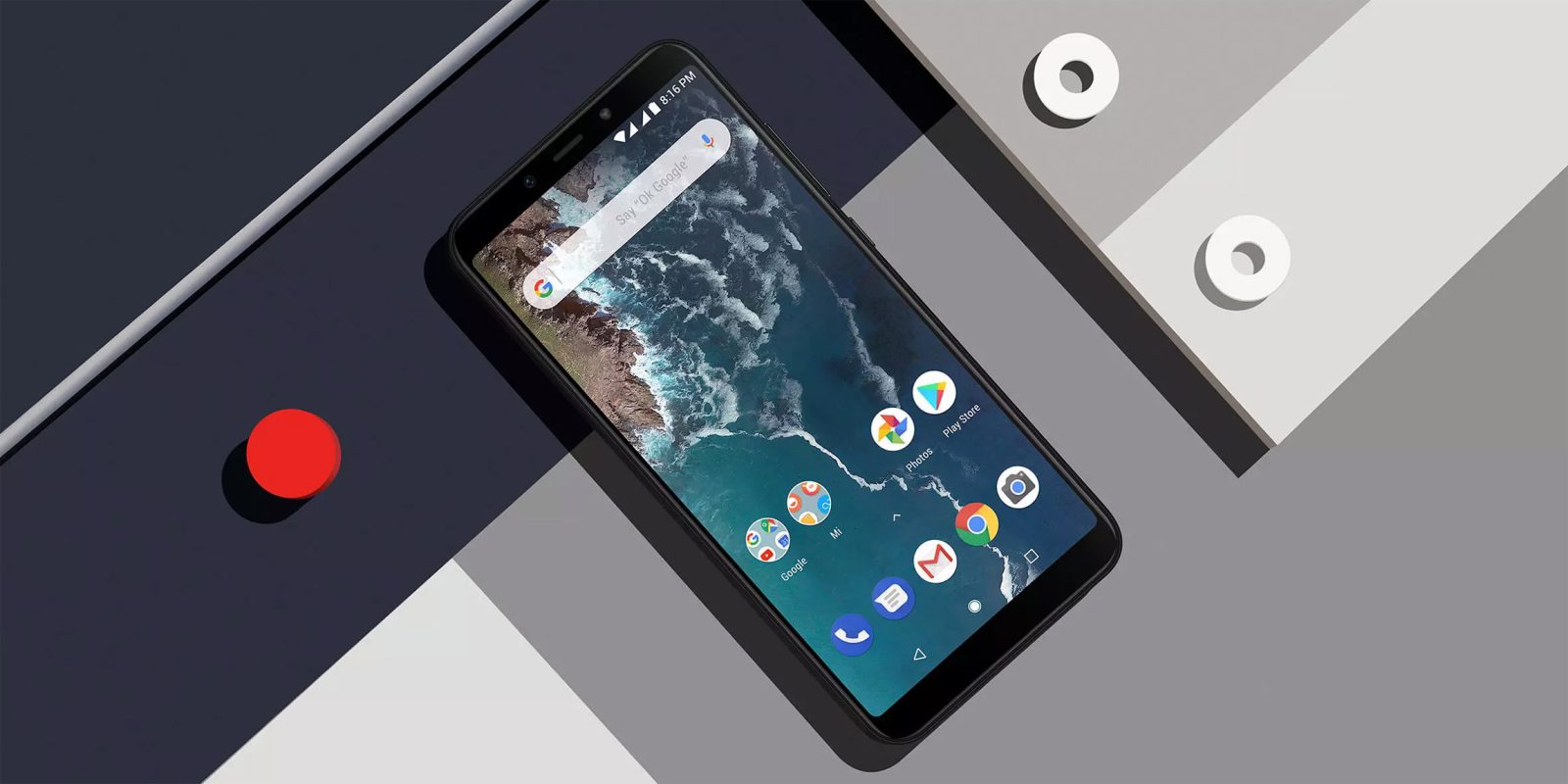
    Xiaomi might not be a terribly recognizable name in the US, but they’re a juggernaut in China. They primarily make low-end smartphones, at least price-wise, that function well nonetheless. The newest batch of phones they’ve announced are the Xiaomi Mi A2 and the Xiaomi Mi A2 Lite. The normal Mi A2 follows a few trends started by Apple in order to stay modern and fresh. Let’s look at some of the newly-announced specs of this Chinese smartphone.

    So Long, 3.5mm Jack

    It seems modern smartphones are allergic to 3.5mm jacks. Case in point? Even budget smartphones are ditching them now. This design trend has been partly in order to increase waterproofing, and partly to streamline designs. As the Mi A2 isn’t waterproof, in this case we can only assume the lack of the jack is to mirror the designs of premium smartphones. The Mi A2 Lite, however, retains the legacy output port. Those who still love their traditional wired headphones need not despair—yet.

    Hello, USB-C

    Instead of the micro-USB sported by the Mi A2 Lite, the Mi A2 has a USB-C port. Again, this seems to keep the phone in line with the design features of modern smartphones. USB-C is a great standard, allowing for fast charging and allowing for dongles for 3.5mm jacks to convert to the USB-C. This is a good switch, to be sure, and it’s good to see even low-end phones adopting the style.

    Xiaomi Mi A2 Specs

    The Mi A2 has reasonable specs for a smartphone of its price. It starts with 4GB of RAM and 32GB of storage. It also carries a Snapdragon 660 processor and an Adreno 512 GPU.  Oddly, it has a smaller battery than its little sibling, the A2 Lite. It sports a back-mounted fingerprint scanner and an IR blaster, as well, which both function reasonably well.

    Interestingly, the A2 doesn’t have a notch design, but the A2 Lite does. This somewhat muddies the connection between the standard A2 and a premium smartphone look but isn’t exactly a negative. In fact, many Android enthusiasts see the notch as ugly, or a reminder of Apple’s design philosophy.

    Bottom Line

    The standard Xiaomi Mi A2 runs right around $290, while the Lite runs around $209. Neither will receive a normal American release, but you will be able to buy them online if you’re interested in the combination of low price and reasonable performance.

  • Three More Cities Getting 5G: AT&T

    Three More Cities Getting 5G: AT&T

    5G network connectivity is seen as foundational technology for the future of high-tech solutions. Self-driving cars, streaming virtual reality and more hinges upon 5G networks. In much the way that 4G LTE was a huge step up from 3G, 5G is slated to revolutionize network speeds. As such, each city slated for the early rollout of the technology is excited to see what it brings. T-Mobile recently remarked that it felt as though New York was more important than Waco in the rollout of the new network. AT&T begs to differ, though.

    AT&T and 5G

    A recent statement by AT&T, regarding the T-Mobile comments, had this to say. “We politely disagree — all Americans should have access to next-gen connectivity to avoid a new digital divide.” Putting their money where their mouths are, AT&T also promised three more cities receiving the 5G rollout. Charlotte and Raleigh, NC, as well as Oklahoma City will be receiving the trials of the new tech. That’s a big deal: those are interesting markets to target. North Carolina is hardly “backwoods” area and focusing on it will allow AT&T to gather important network data.

    Timetable

    Major cell service providers are rushing to have 5G live by early 2019. That’s about the time we expect to see the first 5G-compatible handsets. Handsets made before then won’t be able to make use of the new network standard, sadly. However, the earliest we’ll see nationwide 5G coverage is likely early 2020. That’s even assuming that the networks work that quickly. LTE took a number of years to go from small-scale tests to nationwide-rollout.

    Even then, each network is different. Sprint users are all-too-familiar with being in LTE deadzones and relying on 3G, or worse, 1x services. The more stable providers like AT&T and Verizon will likely have wider network coverage faster, if history repeats itself. That said, this technology is foundational, and will likely change the nature of wireless technology in the years to come.

  • Say So-Long, Smudge: New Matte Glass Fixes Issue with Glass Phones

    Say So-Long, Smudge: New Matte Glass Fixes Issue with Glass Phones

    If you own a phone with a Gorilla Glass back, then you know just how much they love to collect smudges. It’s hard to use your phone for anything without it getting dirty. Well, there’s a new development in the world of smart phones that might make things easier. Glass backs are great for both 5G service and wireless charging. Not to mention, they’re water-resistant since glass isn’t porous. As such, phone makers want to continue using glass for phone backs. As for the smudges? Say hello to the new matte glass from Corning. Yes, matte glass.

    Matte Glass

    Corning, the company behind the Gorilla Glass found on high-end smartphones, has developed a new inkjet process. This process will allow them to print designs directly onto the glass back of a phone. While these designs don’t eliminate fingerprints, they do render them much less noticeable. They also give the back of the phone a distinctly matte texture. That gives the phone more grip, making it feel less slippery. The matte finish also helps phones stay in place on charging pads instead of sliding off.

    This technology is referred to as Vibrant Satin Corning Gorilla Glass, and it’s been seen on laptops. Lenovo and Acer, to name a few, have incorporated the technology into some of their higher-end laptop designs. As of yet, however, there are no plans for any phones that use the technology. As it stands, glass-backed phones are still somewhat new. Many phone makers are seeking to have glass-backing become the norm before they shake things up with Satin Glass.

    Customization

    Thanks to the nature of the inkjet process, the design on the glass could appear different based on the customer. A customer could, for instance, have a screenshot from their favorite movie or TV show be their phone back. This would largely step on the toes of personalized cases, though. As such, expect early forays with this matte glass to feature solid colors or simple patterns. However, as stated earlier, there are currently no smartphones with plans to implement this Satin Glass technology from Corning.

    Feature Image Credit: CNET

  • Moto E5 Plus Feature Round-up: Worth the Money?

    Moto E5 Plus Feature Round-up: Worth the Money?

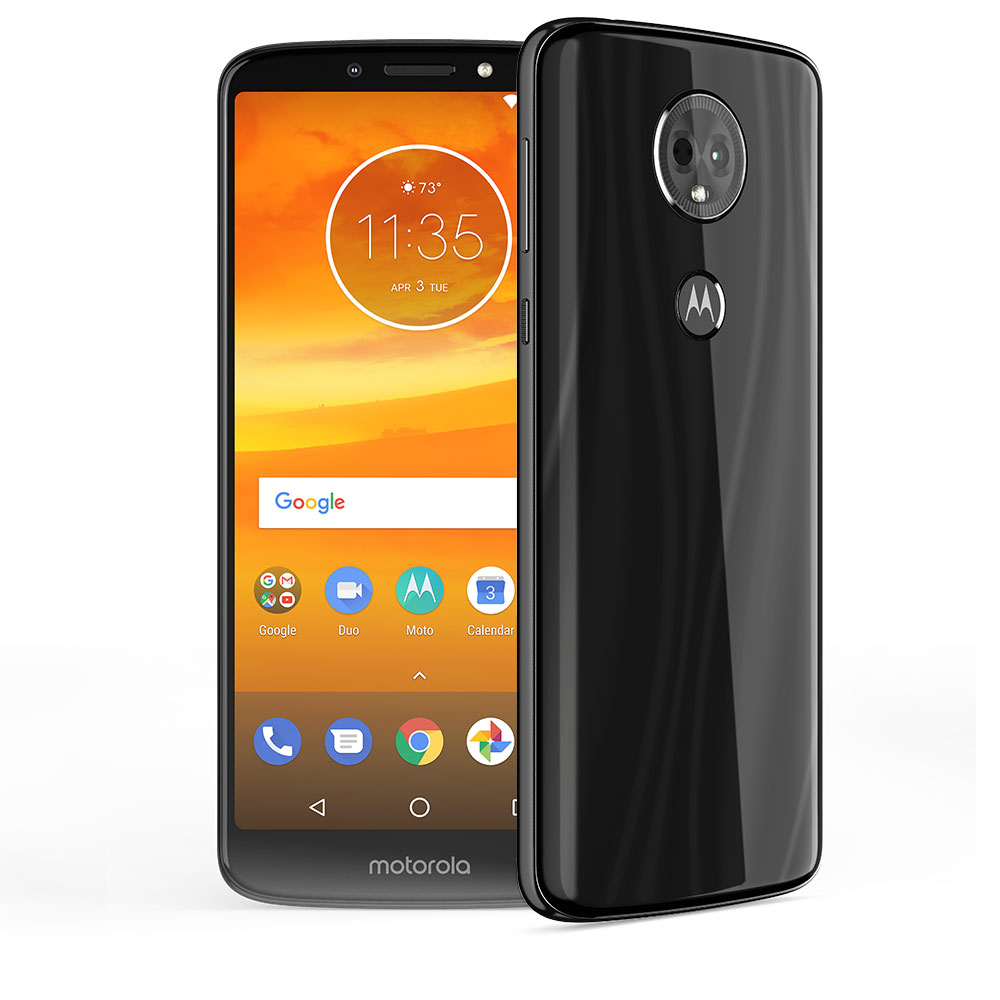
    Motorola, an old name in the cellphone industry, has been somewhat revived from the dead. The original company went under years ago, but Lenovo holds the rights to make handsets with the Moto name. That said, today we’re looking at the Moto E5 Plus, a “budget” phone with a huge screen. Is it worth the money, or should you stick to its siblings?

    Pricing and Availability

    The first stumble for the Moto E5 Plus is the availability. It’s only available on Sprint and Cricket, and neither of those are particularly strong networks. While they’re both serviceable, they’re less than ideal. That said, this is marketed as a budget phone, so being on budget networks shouldn’t be too big an issue. However, that’s the second stumble for this phone: the price. On Cricket, the Moto E5 Plus runs for $180, but on Sprint it’s $288. That’s absurd, to be honest, as you’re getting the exact same phone for $108 extra. Trust us, Sprint’s network and customer service don’t merit that much of an upcharge.

    At least on Cricket the $180 price sounds more reasonable. But how does the phone perform?

    Performance and Design

    In a word, the phone performs poorly. Yeah, unfortunately it’s not even worth $180. The camera, the screen and the processor are all just cheap. The screen isn’t as bright and vibrant, and there’s some notable delay on inputs. The processor doesn’t help here, as the phone sluggishly tries to keep up with apps. The camera is grainy, images are fuzzy, and the low-light performance is abysmal. If you’re on Sprint, don’t even think of getting this phone. If you’re on Cricket, it’s hardly worth it unless you love the design.

    On that front, the phone fares a bit better. The screen is quite large, which is nice if you have large hands. The resolution is really low, though, so images don’t look crisp. If you have small hands, you’ll hate this phone. The rounded design makes it easy to lose a grip on if your hands are smaller. That said, those with larger hands may like the design. Another positive, it has a long battery life, which is about the only good thing we can say about it.

    Moto E5 Plus Bottom Line: Skip This Phone

    If you’re looking for a good budget smartphone from Motorola, look for one like the Moto G6. That phone has a Gorilla Glass back, slick design and better overall performance. The crazy part it, the Moto G6 only costs $249, making it cheaper than Sprint’s price for this phone. All in all, this is a forgettable Android phone that’s overpriced for what it does. Skip this one!

  • Feature Roundup: Google Assistant Visual Snapshot

    Feature Roundup: Google Assistant Visual Snapshot

    Google’s push for its assistant to make your life easier continues with the Visual Snapshot. Featuring a dashboard that helps you organize your life at a glance, Visual Snapshot is set to revolutionize how you interact with your virtual assistant. It’s set to go live soon, and we’re pretty excited about it!

    What’s the Deal with Visual Snapshot?

    The feature’s first and foremost function is its use as a personal assistant. It’ll remind you of flights and reservations, of course, and even tells you how much traffic is between you and your destination. The first page is entirely dedicated to these travel times, since your life is certainly busy enough that you need to keep ahead of traffic.

    That’s not all it does, either. It can remind you of when deliveries are expected to arrive. The assistant can remind you about movies and events you’ve got tickets for, or appointments you’ve made. All of the cards that host this information are available in the app, and the AI that runs it will curate the information based on where you are. For instance, if you’re at the office, you’ll see traffic info for how to get home the fastest. If you just walked in the door, you might see a notification about when your grocery delivery is arriving.

    Proactive Notifications

    The most interesting feature in the new Snapshot is proactive notifications. These are notifications you receive if your plans need to change. For instance, if your dinner reservation is at 8, but traffic is very heavy, you might be prompted to leave early to make it on time. If your flight gets a delay, you’ll be notified. You can even be notified of bills that need to be paid so that you aren’t caught off guard.

    When Can I Try It?

    Visual Snapshot is launching later this week! You can access it through your Google Assistant or through an iOS app. Get ready to get organized as this new feature rolls out!

  • Nest CEO Steps Down After Google Rearranges

    Nest CEO Steps Down After Google Rearranges

    Google acquired smart thermometer maker Nest in 2014. Nest, founded by ex-Apple engineer Tony Fadell, has experienced a ton of shakeups lately. New reports from C-NET indicate that Alphabet, Google’s parent company, even shopped the company around to Amazon at one point. Given Google and Amazon’s current relationship, that’s honestly quite surprising.

    Nest CEO Marwan Fawaz

    Fawaz was installed in 2016 after Fadell left the company. According to anonymous sources from within Nest, he wasn’t exactly an office favorite. Many felt that Fadell was a visionary, and his brand of leadership inspired the team. His Apple-inspired product design led to clean, effective products. Fawaz, on the other hand, proved to be a bit more of a “logistics guy.” It’s not so much that he was disliked, according to sources, as he was un-charismatic.

    Many sources stated that they felt as though Fawaz was more of a “numbers guy,” someone who was more suited to logistics than leadership. In fact, Fawaz is moving to an advisory position within Alphabet, which indicates that his bosses felt the same.

    Google’s Fight to Dominate Smart Homes

    In February, Alphabet rolled Nest back into the fold after leaving them as a semi-independent entity since 2015. In the interim since Google acquired Nest, the smart home market has heated up significantly. Amazon holds nearly half of the market, its Alexa virtual assistant being a household name. Google, by contrast, only holds about a quarter of the market. This is something they wish to change, of course.

    Amazon doesn’t sell Google’s smart home products, generally. Nest thermostats and some other Nest devices appear on the site, but Google’s proprietary Google Home is nowhere to be seen. That has certainly limited Google Home’s reach, and the company has been playing catch-up in that regard. However, Google has also pursued upgrades for its assistant through its incorporation in their smartphones. Google Pixel phones and Android OS both support Google Assistant, just like Google Home. This gives them a unique edge over Amazon, one that they plan to leverage.

    However, the relatively unstable Nest situation has certainly not helped them achieve smart home domination. In that light, Fawaz’s redeployment as an advisor makes sense, as Google reworks the hierarchy of their smart home division. The heat is on, and they want to win the race with Amazon.

  • New Samsung DRAM Chip Set to Overhaul Smartphones

    New Samsung DRAM Chip Set to Overhaul Smartphones

    Processors in smartphones are receiving countless upgrades these days. Industry mainstay Qualcomm is ahead of the curve, producing chips for Android phones that rival some laptops. Apple’s A11 Bionic processor is like lightning on a chip, performing tasks with blistering speed. The newest entry into this smartphone race is Samsung, the Korean juggernaut that makes the Galaxy line of phones. Testing on their 8GB LPDDR5 DRAM line of new chips has begun in earnest. This new DRAM chip is slated to ship in AI-powered 5G smartphones.

    Less Power Consumption

    The biggest takeaway from Samsung’s marketing of this new DRAM chip is the low power consumption. In general, they promise that the chip is overall more efficient and will help save battery life. More importantly, though, the “deep sleep mode” offered by the chip will help ensure that battery consumption is low when the phone isn’t being used. Samsung claims this will lead to an average of 30 percent longer battery life for phones with these new DRAM chips.

    Surprising Power

    The 8GB LPDDR5 DRAM also boasts some impressive specs. The data rate is much faster than standard chips are currently, transferring around 51GB in a second. That’s a bit hard to visualize, so here’s an example: that’s about 14 HD video files per second. Which is, frankly, nuts.

    The combination of that high amount of transfer speed and low consumption will be critical for AI phones. AI will likely require large amounts of through-put for data as it parses information. Similarly, the always-learning programs will benefit from lower consumption of power and longer battery lives. This means that Samsung’s newest chips will likely give it a competitive edge as personal phones with AI companions become the industry standard. Programs like Alexa, Siri and Bixby will likely evolve alongside new chips in this vein, taking advantage of their strengths. The future of phones is AI, and Samsung has set themselves up for success in this field.