Tag: android

  • iPhone vs Android: Which is Right for You?

    iPhone vs Android: Which is Right for You?

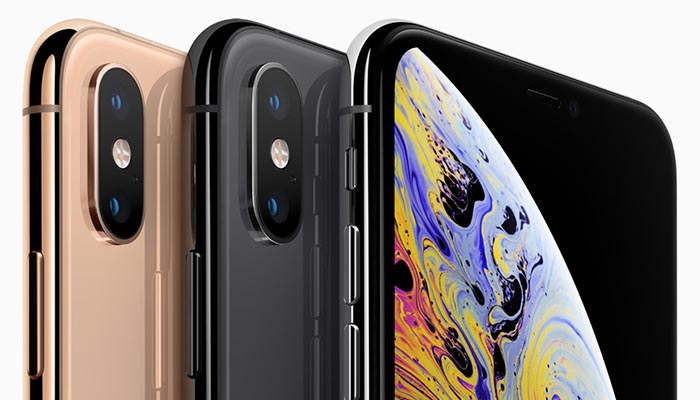
    One of the fiercest rivalries in the tech world today is the ongoing feud between Google and Apple over control for the soul of the smartphone. Despite ostensibly designing the first true smartphone with 2007’s iPhone, Apple doesn’t enjoy the majority market share that Google’s Android does today. What’s the deal with the Android versus iOS feud? Which of the two big operating systems is better for you, and why?

    Today, we’re going to look at the two OS’s, what makes them different, and whether you should be “taking a side” in this battle. We’ll be looking at features, phones and corporate cultures in order to give you a full picture of the battle of the smartphones.

    Design Ethos

    Google and Apple have very different design strategies when it comes to their operating systems. Much like Apple’s own Mac line of computers, iPhones operate in a sort of “walled garden.” There’s less software available on Apple products overall, but the company curates the selection very diligently. Ostensibly, you won’t find shovelware on the App Store, nor will you be at any risk of ever happening upon a virus.

    However, with Apple, you’re stuck playing inside the wall: you’ll likely not find the same breadth of customization and modularity you see on Android. Google’s more hands-off approach to their OS has made it very wide-ranging in appeal: manufacturers from Samsung to Huawei all create phones that run on some variation of the Android OS. The more open, customizable user interface of Android is more popular with some users who like to fine-tune their own experience.

    “It Just Works”

    Apple is often described as “high technology for people with low tech tastes,” and this is often true in practice. Apple’s products tend to be bleeding edge, top-of-the-line, and terribly expensive. Their user interface tends to be easy-to-navigate and aesthetically pleasing, and people who even have little tech knowledge are usually able to easily find what they’re looking for. In short, it just works.

    Android is a different story. Less tech-savvy users might find it difficult to navigate Android’s more open-ended operating system: there is little structure or direction unless the phone manufacturer has installed their own proprietary launcher. Launcher, in turn, can be downloaded for any Android device to help tailor your phone more explicitly to your tastes and preferred experience.

    Security Features

    This might come as a surprise to Android users, or be a strange statement if you’re an iOS user, but the iOS platform only has one app store. It’s just called the App Store, and it’s locked down tight. Apple strictly controls what can be put up for sale or download on the App Store, meticulously combing for any potential security threats to their users. Viruses on Apple devices are literally unheard of for this reason.

    Likewise, Apple users might be shocked to hear that Android devices actually have several third-party app stores available. As such, viruses are a reality on Android devices. They’re far from common, and you’d be hard-pressed to get one unless you were being careless, but they’re still a cause for some concern. The more pressing reality of Android’s open-ended style is that more apps are allowed in, but there’s less quality control.

    Cognitive Load and User Functionality

    On a more academic note, researchers have found that Apple’s clean, no-frills design ethos lessens cognitive load when using their devices when compared to Android. Android home screens can be done up with tons of widgets and information, making them significantly more likely to overwhelm some users.

    However, this isn’t to say Android is inferior: far from it! However, Android and iOS are simply designed for different types of buyers. In the end, Android remains more popular primarily because it’s available on a wider variety of devices. Further, those devices run the gamut from high-end flagship phones to budget handsets, while Apple’s iOS is only available on the premium-priced iPhone line.
  • Which Galaxy Phone Is Right For You?

    Which Galaxy Phone Is Right For You?

    Samsung has been pretty busy making smartphones in their Galaxy family of phones. No fewer than nine Galaxy devices are new for this year, so it might be difficult deciding which is right for you. Thankfully, we’ve got the lowdown for you: here’s our guide to the Galaxy family of phones.

    Samsung Galaxy Guide

    Samsung Galaxy S10

    For starters, the Galaxy S10 is the flagship phone of the Galaxy line. It offers the most standard-style experience, with a medium screen size, solid build quality, great battery life and a sharp display. Lots of unique features, like the in-display fingerprint scanner and the ability to wirelessly charge, aren’t quite as new and flashy as they once were.

    However, just because its family of phones offers some of its cool features elsewhere doesn’t mean you should write off the S10: at $900, it represents a great price for the mainline Galaxy phone lineup. For those looking for a great, standard-style handset with the best build quality and don’t mind a high price tag, the S10 is one of the best Android phones out there.

    Galaxy S10 Variants

    The S10E is the budget version of the Galaxy S10, occupying a similar space to the iPhone XR and Pixel 3A. Unlike its bigger brother, the S10E retails for only $750, and it sports a smaller overall display and handset size. If you’re looking for a phone with a lot of features and a smaller profile that fits easily in a pocket, the S10E is a good option. However, if you love massive displays and cutting-edge tech, consider looking into the full-fledged S10 line.

    On the other end of the spectrum from the budget S10E is the S10 Plus, a $1,000 smartphone with a 6.4-AMOLED screen that looks downright amazing. Fans of huge screens and long battery life should consider the S10 Plus a must-buy, as it offers both in abundance. If you can swing the huge price, this is easily the best S-line Galaxy phone that Samsung has yet made, though its massive size might be a bit of a drawback for those who prefer smaller handsets. A 5G-enabled version of the S10 Plus is also available for $1,300.

    Samsung Galaxy Note 10 Line

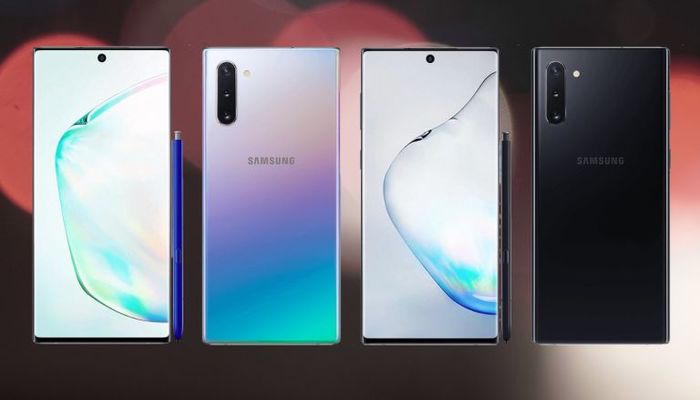
    The Note line of phones popularized the massive “phablet” size handsets that are commonly sold as “Plus” or “XL” models of other flagship lines. Ironically, despite the note being the “plus size” Galaxy phone, the Galaxy S10 Plus offers a bigger screen than the Note 10. The main difference, however, is that the Note sports the excellent S Pen, a productivity aid that doubles as a Bluetooth trigger for the camera. Coming in at $950, the Note 10 actually slots comfortably between the S10 Plus and the standard S10.

    Samsung Galaxy Note 10 Plus sports an extremely massive 6.8-inch display that easily bests every other Galaxy device (barring, of course, the Galaxy Fold). It retails for $1,100, making it the most expensive non-folding Galaxy device as well as the largest. Unlike the standard Note 10, the Plus offers expandable memory with an SD card. There is also a 5G-enabled Note 10 Plus, retailing for $1,300.

    Samsung Galaxy A50

    The discount-priced Galaxy A50 is one of our favorite budget Android phones. The A50 sports an in-display fingerprint scanner, a big 6.4-inch screen and three great cameras. For the old-school users, this phone also sports a conventional 3.5mm headphone jack! For only $350, this is a great entry-level, budget smartphone. If you’re looking for something with lots of new bells and whistles, though, the A50 might not be the best choice for you.

    Samsung Galaxy Fold

    The yin to the Samsung Galaxy A50’s yang, the Galaxy Fold will retail for $1,980 and offers a tremendous 7.3-inch, tablet-like inner display. The front face of the folded device is only 4.6 inches, though its far from the main attraction on this stylish and futuristic phone. If you’re looking for the fanciest and craziest smartphone in the world, the Fold is what you’re after. That is, of course, if you can swing the two thousand bones to buy the thing.


  • Want the New Galaxy S Pen for Free? Here’s How:

    Want the New Galaxy S Pen for Free? Here’s How:

    The Samsung Galaxy line of devices still has that one feature, that one tool that no other phone pulls off quite as well – the S Pen stylus. Are you interested in the new S Pen but not quite ready to dish out $1,000+ on a new smartphone? Here’s a hack on how you can get it for free:

    If you’re like most Android or Apple users, you probably just upgraded your smartphone not too long ago. But, as usual, the new versions keep rolling out. Who can keep up? We’ve got great news, these retailers are slashing $100 – $150 off the Samsung Galaxy Tab S4, which includes the brand-new S Pen! We’ve got the scoop on the best deals.

    Samsung is a dominant player in the smartphone industry, so it should come as no surprise that the company also makes a great range of tablets. Named of the best iPad Pro alternatives, the Samsung Galaxy Tab S4 brings more than just a tablet experience into the table. You can now take advantage of the portability of a tablet with the productivity of a desktop computer, all in one device.

    If you’ve been eyeing that brand-new S Pen and could use a new tablet, this is your chance! Check out this list of retailers slashing major $$$ off prices:

    Amazon

    Amazon currently has a deal on the Samsung 9.7-inch Galaxy Tab S3 (S Pen included) that lets you have it for only $449 – that’s 18% lower than its usual $550 price tag. From entertainment and creativity to productivity, there’s so much you can do with the Samsung Galaxy Tab S3. Grab the black version today on Amazon at a discounted price of $449 while in stock.

    Walmart

    If you are looking for an all-around premium tablet, the Samsung Galaxy Tab S4 10.5-inch Tablet a legit contender – and it comes with that S Pen you’ve been eyeing. Available in 64GB and 256GB models, Walmart is giving away $150 discounts on both variants, selling it now for $498 and $598 from its original price of $648 and $748, respectively.

    Best Buy

    The cheapest Samsung Galaxy Tab S4 model typically sells for $650, but you can get one right now for just $500 from Best Buy. Apart from the $150 discount, customers who purchase the tablet will also receive a free S Pen and a $50 e-gift card, and a six-month Trend Micro Internet Security subscription.


  • Samsung Galaxy S Pen: Best Phone Peripheral Ever?

    Samsung Galaxy S Pen: Best Phone Peripheral Ever?

    Samsung’s Note series of phones started the trend of the massive, tablet-like smartphones called “phablets”. What was once a niche size of phone for those who wanted massive screens and huge batteries has become industry standard. Now, nearly every flagship smartphone has a “plus” or “XL” version that comes with even more bells and whistles. As such, the Galaxy Note has become a little less special for its size. That said, it still has an ace in the hole that makes it impressive.

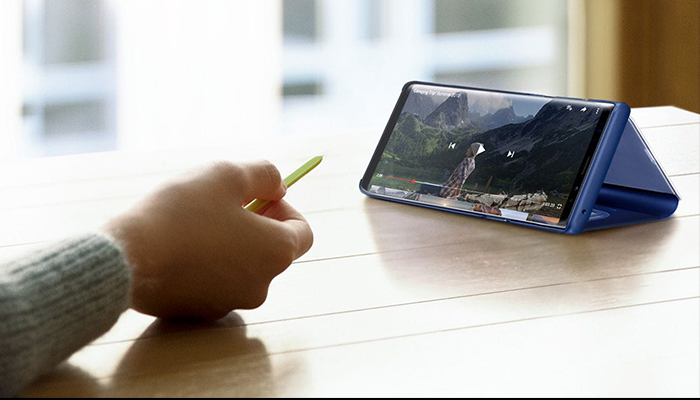
    That ace in the hole comes from the S Pen peripheral. Part stylus, part Bluetooth remote controller, the S Pen is a huge part of the Note’s ability to overperform as a productivity phablet. Now in its ninth generation as the Galaxy Note 10 (remember, they skipped 6 and went straight to 7 from 5), the Note is back with even more features for its unique stylus. Let’s take a look at what may be the best smartphone peripheral ever: the S Pen.

    S Pen Origins

    Undoubtedly, the Galaxy Note was originally meant to win over power-users who loved the stylus of their Blackberry devices. Handheld PDAs and productivity technology were red-hot in the late nineties and mid-aughts, but after the iPhone blew the doors off of the smartphone market and started a touchscreen revolution, brands like Blackberry fell out of fashion. That’s where the Note came in, complete with a handy stylus and tons of productivity-minded functionality.

    Originally, the S Pen was essentially just a Bluetooth-enabled stylus. It was helpful for navigating precise menus and checking emails, of course. You could take notes with it, as the phone’s name suggests, as well. As such, it was a popular choice among both professionals and students, allowing them to organize their important documents and notes all from their smartphones. Essentially, the S Pen allowed the Note to work almost like a laptop.

    Newest Features

    The Note line of phones has always sported the most cutting-edge tech seen in Samsung handsets, and each new iteration has brought new features to the S Pen. While each successive phone has brought new features like in-display fingerprint scanners and bezel-free screens, the S Pen has also been changed to keep up.

    For example, on the Note 10, the S Pen has the ability to convert your handwriting to text. This is a huge feature for people who need to take quick notes on the fly and then have text versions of them quickly, such as assistants, professionals and students. These text copies can then be copied and pasted into other fields, allowing you to rapidly create transcripts of your notes.

    Air Actions

    Another new feature on the S Pen for Note 10 is the introduction of Air Actions. These are somewhat like gestures you can perform with the pen in order to make your phone take certain actions. For instance, when you’re using the camera, you can use Air Actions to change the camera mode, or to zoom in. Alternatively, you could even use the button on the S Pen to snap a picture, even when you’re not directly at your phone.

    While the Air Actions are a little wonky at first, they become quite intuitive after a few uses. When you add it all together, between the zoom function and switching camera modes, as well as snapping pictures with a button press, it’s easy to see the Note 10 as a great phone for fans of photography! Other new features on display with the new S Pen include AR doodles, which allow you to draw objects onto a digital space and share the drawing with your friends. All said, there’s a lot to love about the new S Pen, and it carries on a great tradition of productivity aids for Note smartphones!


  • Which Galaxy is Which? Our Guide to the Crowded Samsung Phone Lineup

    Which Galaxy is Which? Our Guide to the Crowded Samsung Phone Lineup

    Samsung has been pretty busy making smartphones in their Galaxy family of phones. No fewer than nine Galaxy devices are new for this year, so it might be difficult deciding which is right for you. Thankfully, we’ve got the lowdown for you: here’s our guide to the Galaxy family of phones.

    Samsung Galaxy Guide

    Samsung Galaxy S10

    For starters, the Galaxy S10 is the flagship phone of the Galaxy line. It offers the most standard-style experience, with a medium screen size, solid build quality, great battery life and a sharp display. Lots of unique features, like the in-display fingerprint scanner and the ability to wirelessly charge, aren’t quite as new and flashy as they once were.

    However, just because its family of phones offers some of its cool features elsewhere doesn’t mean you should write off the S10: at $900, it represents a great price for the mainline Galaxy phone lineup. For those looking for a great, standard-style handset with the best build quality and don’t mind a high price tag, the S10 is one of the best Android phones out there.

    Galaxy S10 Variants

    The S10E is the budget version of the Galaxy S10, occupying a similar space to the iPhone XR and Pixel 3A. Unlike its bigger brother, the S10E retails for only $750, and it sports a smaller overall display and handset size. If you’re looking for a phone with a lot of features and a smaller profile that fits easily in a pocket, the S10E is a good option. However, if you love massive displays and cutting-edge tech, consider looking into the full-fledged S10 line.

    On the other end of the spectrum from the budget S10E is the S10 Plus, a $1,000 smartphone with a 6.4-AMOLED screen that looks downright amazing. Fans of huge screens and long battery life should consider the S10 Plus a must-buy, as it offers both in abundance. If you can swing the huge price, this is easily the best S-line Galaxy phone that Samsung has yet made, though its massive size might be a bit of a drawback for those who prefer smaller handsets. A 5G-enabled version of the S10 Plus is also available for $1,300.

    Samsung Galaxy Note 10 Line

    The Note line of phones popularized the massive “phablet” size handsets that are commonly sold as “Plus” or “XL” models of other flagship lines. Ironically, despite the note being the “plus size” Galaxy phone, the Galaxy S10 Plus offers a bigger screen than the Note 10. The main difference, however, is that the Note sports the excellent S Pen, a productivity aid that doubles as a Bluetooth trigger for the camera. Coming in at $950, the Note 10 actually slots comfortably between the S10 Plus and the standard S10.

    Samsung Galaxy Note 10 Plus sports an extremely massive 6.8-inch display that easily bests every other Galaxy device (barring, of course, the Galaxy Fold). It retails for $1,100, making it the most expensive non-folding Galaxy device as well as the largest. Unlike the standard Note 10, the Plus offers expandable memory with an SD card. There is also a 5G-enabled Note 10 Plus, retailing for $1,300.

    Samsung Galaxy A50

    The discount-priced Galaxy A50 is one of our favorite budget Android phones. The A50 sports an in-display fingerprint scanner, a big 6.4-inch screen and three great cameras. For the old-school users, this phone also sports a conventional 3.5mm headphone jack! For only $350, this is a great entry-level, budget smartphone. If you’re looking for something with lots of new bells and whistles, though, the A50 might not be the best choice for you.

    Samsung Galaxy Fold

    The yin to the Samsung Galaxy A50’s yang, the Galaxy Fold will retail for $1,980 and offers a tremendous 7.3-inch, tablet-like inner display. The front face of the folded device is only 4.6 inches, though its far from the main attraction on this stylish and futuristic phone. If you’re looking for the fanciest and craziest smartphone in the world, the Fold is what you’re after. That is, of course, if you can swing the two thousand bones to buy the thing.


  • Should Samsung Fans Get the Galaxy Fold or the Note 10?

    Should Samsung Fans Get the Galaxy Fold or the Note 10?

    Samsung fans have a busy end-of-year ahead of them. If you love your Samsung phones and you’re looking to keep up with the hottest new technology, there are two phones vying for your attention. The first is the Note 10, the newest iteration of the popular phablet line of Android smartphones. The second is the revolutionary folding Samsung Galaxy Fold. Which should you buy?

    Galaxy Fold vs Note 10

    Price Point

    It’s important to start with the price point, as these phones are dramatically different in base price. The Note line of smartphones typically retails for around $1,000, while the Samsung Galaxy Fold will retail starting just under $2,000. This means that fans looking for a more traditional phablet may stick with the Note 10, while those looking for the most cutting-edge offering from Samsung will look to the Galaxy Fold.

    Galaxy Fold Issues

    If you remember hearing about the Fold a while back, there’s a reason for that. It was meant to launch in April, and even went up for pre-order then. The Galaxy Fold was delayed to address some issues with the screen and hinge that cropped up with review devices. A few issues like screen failures, bulges from debris working under the screen and an odd issue with a film that could be removed from the screen, have been directly addressed by Samsung.

    Now, the device is set to launch by the end of September, putting its launch date right alongside the Note 10’s likely launch. It’ll also be going head-to-head with Apple’s newest offerings, meaning that competition in the already-crowded premium smartphone market will be intense.

    Note’s Odd Position

    When the first Galaxy Note was released in 2011, its 5.3-inch screen was massive compared to the competition. However, most smartphone manufacturers now make “plus” or “max” versions of their phones that sport screens as large as 7.2 inches for the Huawei Mate 20 X. Ironically, even the Galaxy S10 has a Plus model with a screen roughly the same size as the recent Note handsets.

    When Samsung unveils more details about the Note 10 on Wednesday, we’ll find out where the screen size falls on this spectrum. However, for those truly invested in having a huge screen for all their entertainment and browsing, the Note isn’t exactly the king anymore. That title goes to the absolutely massive screen on the Galaxy Fold.

    Folding Innovation

    The entire purpose of the Note when it was first unveiled was to bridge the gap between tablets and smartphones by offering a compromise. A tablet small enough to fit into your pocket, or a phone big enough to compete with tablets; whichever way you want to look at it, this was the market purpose of the Note. However, new technology makes a much more interesting compromise possible.

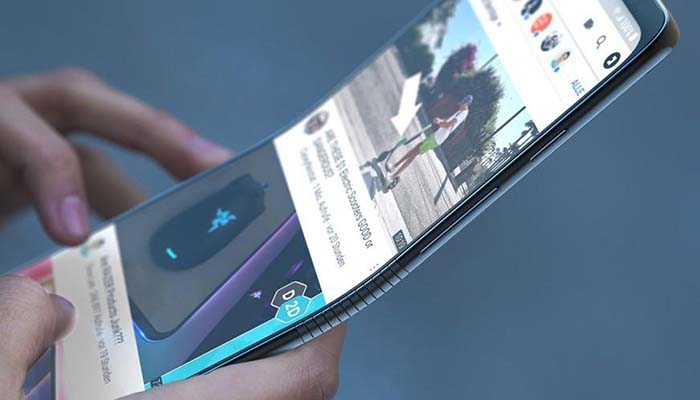
    The Fold’s screen is made of a unique plastic that folds up and bends when you close the device. This allows it to have a massive, tablet-like screen when you’re using it, but then folds down to a manageable smartphone size when you’re not using it. This means it’s literally a tablet that will fit in your pocket. However, will this convenience be worth $2,000 for Samsung fans?

    Bottom Line

    If you want to stick with the tried-and-true Note style, complete with S Pen functionality and the same form factor you know and love, the Note 10 will be a good pick for you. It’ll likely retail for around $1,000, which isn’t cheap, but it’s a far cry from the Fold’s $2,000 asking price. Meanwhile, if you want to be on the cutting edge of Samsung’s newest tech, the Galaxy Fold offers an exciting new form factor and could be a glimpse into the future of smartphones.


  • Is $1000 too Much for a Smartphone? Price Trends

    Is $1000 too Much for a Smartphone? Price Trends

    In the last few years, we’ve seen premium smartphone prices get a little out of control. When Apple unveiled the iPhone X and the public found out it would cost a cool $1,000, people were a little shocked. Likewise, when the Samsung Galaxy S9 was announced to be at that same price point, people were concerned about the trajectory of smartphone prices.

    The latest move in this direction has been the absurd asking price for the upcoming Samsung Galaxy Fold. The super-premium smartphone will retail for nearly $2,000, making it twice as expensive as the line that many feel is too high for smartphones. In addition to this, smartphone sales are lagging across the board. What does this mean for the industry?

    Sales Trends

    Apple has been posting consistently slumping sales for the iPhone line. This isn’t due to the quality of the phones: ostensibly, the iPhone XS is the best iPhone ever. The XR, it’s less-expensive cousin, has sold far better, though, despite having notably weaker hardware under the hood. This is because it costs a solid $250 less. It seems consumers don’t mind shelling out $750 on the high end, but $1,000 is simply unreasonable for the average consumer.

    Samsung has experienced similar sales trends. Their tremendously expensive Galaxy S9 and Galaxy S10 handsets have sold poorly when compared to their predecessors, though Samsung’s A-series of more budget-friendly phones has sold incredibly well. If this has taught phone manufacturers anything, it’s that less-expensive phones are the preferred type in the modern landscape. But why is that?

    Stronger Phones, Longer Lifespans

    There was a point in time when people would trade their phones out for the newest model once every two years or so. This cycle was so consistent that manufacturers literally had strong years and weak years to incentivize it. Today, though, the average consumer is waiting three years or more before they trade their phone up for a new one. Phones aren’t just more expensive, they’re better across the board than in the past.

    In general, smartphones are better now than ever before. Crisp screens, unbelievable cameras, fast processors. Even phones in the $500 to $750 range are unbelievably powerful. For the average consumer, a strong phone with a good camera that gets tons of software updates is just as good as the hottest new thing. Besides, why shell out $1,000 for a new phone when your current phone works fantastically well?

    Software, not Hardware

    Hardware revisions in recent years have slowed in intensity greatly. At one point in time, each new generation of phones brought huge increases in power and speed. Now, each new model year is iterative instead of revolutionary. There’s not a lot distinguishing the iPhone X from the XS, or the Galaxy S9 from the S10.

    Instead, software updates are the meat of the current smartphone cycle. Android is polishing their next OS update, Android Q, while Apple is hard at work on iOS 13. These two are likely to be bigger news than whatever new handsets the two companies drop this September. After all, iPhones all the way from the SE can use the new iOS, making them feel like they have a new lease on life.

    What Will Change

    It wouldn’t surprise us if the big phone manufacturers slowed down significantly on hardware production. Rather than trying to dress up minor revisions as brand-new handsets, it’s more likely we’ll see them issue a main flagship phone, its budget sibling and an XL version, and hold on to those for around three years. Then, when a major shift does come along, they can push out their newest handset, organically picking up new users along the way with software updates.

    Or maybe they’ll keep throwing $2,000 folding phones at us. Who knows?


  • Google Takes Aim at iPhone with Pixel 4 Features

    Google Takes Aim at iPhone with Pixel 4 Features

    Back in June, Google “leaked” their own official image of the Pixel 4. Then, they unveiled a YouTube video that showcases the Pixel’s motion sensing technology, and, most impressively, face unlocking technology. Clearly, Google’s got its eyes set on taking a piece of Apple’s pie. Let’s talk about some of the features confirmed to be coming to Google’s newest flagship phone.

    Pixel 4 Features

    Rear Cameras

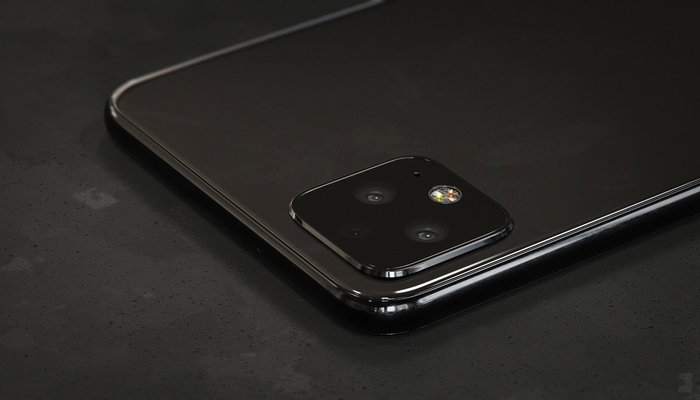
    One of the confirmed features coming to the Pixel 4 is a multi-camera array on the rear of the phone. The Pixel phones have all sported rather impressive cameras over their lifespan, rivalling even Samsung and Apple for their camera fidelity. While the confirmation that the Pixel 4 is a powerhouse in terms of cameras is far from surprising, it’s still comforting.

    That multi-camera array is housed in a square-shaped setup on the back of the phone, in the top corner. This square isn’t dissimilar from leaked photos we’ve seen of iPhone 11s, which are also set to release with a multi-camera array in a square housing. As Google continues to make moves to position themselves as “Apple, but open source” its not surprising that they’re emulating the Cupertino design ethos.

    Face Unlock

    The recently-unveiled YouTube video from Google’s official account goes into more detail about the upcoming phone’s features. Notable among them is the face unlock functionality, which Google promises to be robust and responsive. The company has a bit of an uphill battle when it comes to making this technology competitive with Apple’s offering, though.

    Apple’s Face ID technology is downright astonishing. Men using the phone can shave their beards and still be identified. Women under heavy amounts of makeup can still unlock their phones. Essentially, the Face ID technology blows fingerprint scanners out of the water in terms of both security and convenience. Google’s likely trying to emulate this intersection of secure and useful with their own iteration of the face unlock feature.

    Motion Detection

    A very unique aspect of the Pixel 4 is the motion-detecting software shown off by Google in the promotional material. This “touchless” input form isn’t unlike the LG G8 ThinQ, which also allows for various inputs in the form of gestures made with the handset. Google promises functions like skipping songs, pausing videos, silencing calls and snoozing alarms will all be capable through the use of the motion technology.

    Both the motion detection and face unlock seem to be based in the Soli radar chip. This is likely why the phone has only one front-facing camera in spite of offering face unlock. The radar chip can detect distance and motion in ways that other phone chips simply can’t. Apple’s Face ID, for instance, requires two cameras to take a 3D scan of your face in order to secure unlock your device.

    Pixel 4 in Context

    It’s no secret that Google is less than pleased about the sales performance of the Pixel 3 line. There are a number of hurdles that the handset simply couldn’t overcome in order to break through for Samsung-like success in the crowded Android market. For instance, it’s only available through Google’s site or in Verizon stores, though it can operate on any network. Another thing holding the phone back is stiff competition from Samsung, OnePlus, LG and Huawei.

    The Pixel 4 will need to be exceptional to catch the eyes of Android users. By positioning themselves as the “Android iPhone,” Google’s doubling down on the boutique-style, “all in house” feel that Apple offers with their tight focus on iOS through their own devices. Hopefully, for Google, they have more in their bag of tricks this time around to make the Pixel 4 a popular choice for Android users.


  • Snapdragon 855+: What’s Up With this New Android Chip?

    Snapdragon 855+: What’s Up With this New Android Chip?

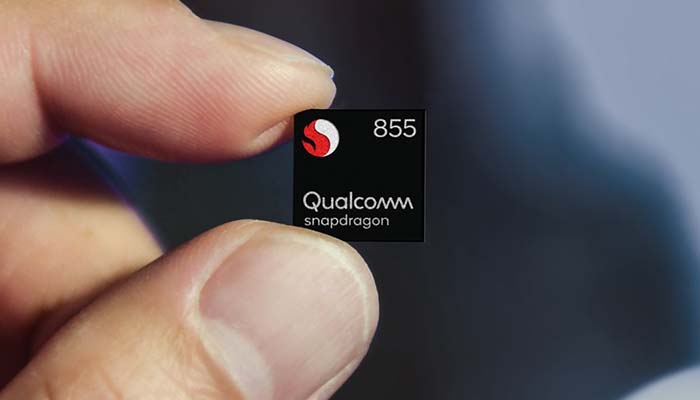
    Qualcomm, one of the biggest manufacturers of Android phone chips, has announced a mid-cycle upgrade for their Snapdragon 855 system on a chip (SoC). The newly-announced Snapdragon 855+ is still an eight-core SoC, and it’s still 7nm, but it has some notable upgrades. What does this mean for upcoming Android phones?

    Today we’re taking a closer look at the hardware that goes into making smartphone tick. We’ll be diving into the technical side of Qualcomm’s SoCs, and what a mid-cycle upgrade could mean for upcoming Android phones. Let’s talk about some silicone.

    System on Chip

    Firstly, a quick primer. A system on a chip means exactly what it sounds like: it’s a computer system on a single chip. While the system in a full-fledged computer, like a desktop or a laptop, has chips specifically for things like processing, graphical capabilities and the like. By contrast, smartphones, tablets and other small technological devices don’t have the space for all of these spread-out components.

    Enter the SoC, and its incredibly useful space-saving capabilities. While you don’t get the same power as you would from a more full-fledged computer, an SoC allows for good performance on a small device without sacrificing much in the way of space or thermal usage. In short, it’s this technology that makes smartphones possible. Were it not for complex and robust SoCs, like Qualcomm’s Snapdragon series, we’d still be using flip phones.

    The Snapdragon 855+

    So, what does this new mid-cycle upgrade mean for Qualcomm? Well, the Prime CPU in the SoC has been bumped up in clock speed. It now clocks in at 2.96GHz, where it was hitting 2.84GHz. This means that the chip can refresh faster, allowing it to accomplish more complex tasks. One of the 855’s strengths is its unusual CPU setup, which sports a “big” cluster of four cores and a smaller set of cores for more power-efficient tasks.

    The 855+ has a new paradigm for this: instead of having a cluster of cores for its “big” core, it now has one Prime core with Cortez A76 infrastructure to handle big tasks. Meanwhile, the new usage of the Prime infrastructure should be useful in delegating tasks, meaning the device will be more powerful overall while also offering better thermals and a lower power consumption for simpler tasks. In short, the 855+ will always use the right tool for the job.

    In Action

    In action, this will mean faster graphics rendering, higher clock rates and better performance. For people interested in using their phones for gaming, levels and textures will load faster. For people more concerned with augmented reality, the graphics will be quicker and more seamlessly integrated. Power users will be able to squeeze tons of utility out of such an upgraded chip, maximizing both their power and battery life.

    Even for users who prefer to use their phones for just browsing the web, answering emails and taking calls, the upgraded chip will offer a ton of new utility and power for any tasks they need to tackle. Swapping between apps, multitasking, screen-in-screen and more will all be faster and more responsive.

    The Phones

    The first phone to roll out with the new chip will be the Asus ROG Phone 2, which will be hitting on July 23rd. We also wouldn’t be surprised to see the new chip infrastructure showing up in the Galaxy Note 10 on August 7th.

    In short, this new Snapdragon 855+ will make for a great upgrade to existing Android phone user interfaces, making gaming and daily use alike faster and more responsive. It’s good to see Qualcomm keeping up with the competition from Apple, who are hard at work on the next iteration of their powerful Bionic chip family.


  • iPhone vs Android: Which is Right for You?

    iPhone vs Android: Which is Right for You?

    One of the fiercest rivalries in the tech world today is the ongoing feud between Google and Apple over control for the soul of the smartphone. Despite ostensibly designing the first true smartphone with 2007’s iPhone, Apple doesn’t enjoy the majority market share that Google’s Android does today. What’s the deal with the Android versus iOS feud? Which of the two big operating systems is better for you, and why?

    Today, we’re going to look at the two OS’s, what makes them different, and whether you should be “taking a side” in this battle. We’ll be looking at features, phones and corporate cultures in order to give you a full picture of the battle of the smartphones.

    Design Ethos

    Google and Apple have very different design strategies when it comes to their operating systems. Much like Apple’s own Mac line of computers, iPhones operate in a sort of “walled garden.” There’s less software available on Apple products overall, but the company curates the selection very diligently. Ostensibly, you won’t find shovelware on the App Store, nor will you be at any risk of ever happening upon a virus.

    However, with Apple, you’re stuck playing inside the wall: you’ll likely not find the same breadth of customization and modularity you see on Android. Google’s more hands-off approach to their OS has made it very wide-ranging in appeal: manufacturers from Samsung to Huawei all create phones that run on some variation of the Android OS. The more open, customizable user interface of Android is more popular with some users who like to fine-tune their own experience.

    “It Just Works”

    Apple is often described as “high technology for people with low tech tastes,” and this is often true in practice. Apple’s products tend to be bleeding edge, top-of-the-line, and terribly expensive. Their user interface tends to be easy-to-navigate and aesthetically pleasing, and people who even have little tech knowledge are usually able to easily find what they’re looking for. In short, it just works.

    Android is a different story. Less tech-savvy users might find it difficult to navigate Android’s more open-ended operating system: there is little structure or direction unless the phone manufacturer has installed their own proprietary launcher. Launcher, in turn, can be downloaded for any Android device to help tailor your phone more explicitly to your tastes and preferred experience.

    Security Features

    This might come as a surprise to Android users, or be a strange statement if you’re an iOS user, but the iOS platform only has one app store. It’s just called the App Store, and it’s locked down tight. Apple strictly controls what can be put up for sale or download on the App Store, meticulously combing for any potential security threats to their users. Viruses on Apple devices are literally unheard of for this reason.

    Likewise, Apple users might be shocked to hear that Android devices actually have several third-party app stores available. As such, viruses are a reality on Android devices. They’re far from common, and you’d be hard-pressed to get one unless you were being careless, but they’re still a cause for some concern. The more pressing reality of Android’s open-ended style is that more apps are allowed in, but there’s less quality control.

    Cognitive Load and User Functionality

    On a more academic note, researchers have found that Apple’s clean, no-frills design ethos lessens cognitive load when using their devices when compared to Android. Android home screens can be done up with tons of widgets and information, making them significantly more likely to overwhelm some users.

    However, this isn’t to say Android is inferior: far from it! However, Android and iOS are simply designed for different types of buyers. In the end, Android remains more popular primarily because it’s available on a wider variety of devices. Further, those devices run the gamut from high-end flagship phones to budget handsets, while Apple’s iOS is only available on the premium-priced iPhone line.