Tag: android

  • Huawei Ban: What This Could Mean

    Huawei Ban: What This Could Mean

    Huawei, the world’s second-biggest smartphone manufacturer, has been having a rough couple of months. Most recently, the Trump Administration issued an executive order that cuts the Chinese company off from American resources such as Google’s Android platform.

    Trump’s order, called “Securing the Information and Communications Technology and Services Supply Chain,” effectively bans Huawei from doing business in America, or with American companies. What does this mean for the Android brand and for Huawei?

    Huawei Ban

    What Does This Entail?

    The Department of Commerce released a statement on the ban in order to explain what it means.

    “The executive order prohibits transactions that involve information and communications technology or services designed, developed, manufactured, or supplied by persons owned by, controlled by, or subject to the jurisdiction or direction of a foreign adversary whenever the secretary of commerce determines that a transaction would pose a threat to national security,” reads the statement.

    This means, in effect, that Huawei, as a Chinese communications company that is known to have close ties to the Chinese government, is being viewed as a “foreign adversary”.

    Why Did This Happen?

    This ban reflects years of tense relations between Chinese and American companies in the tech sector. In 2012, the federal government warned carriers in the US of carrying Huawei’s handsets. There has been a fear that Huawei would use its devices to spy on American corporations and steal secrets.

    In fact, there has long been speculation that Huawei’s meteoric rise and unparalleled technological advancement in the last decade was largely a result of stealing intellectual property from tech companies in other countries. Huawei, for their part, has repeatedly denied any claims that it has stolen IP or engaged in any form of corporate espionage.

    What Will This Mean?

    In the short term, this ban might not amount to any real damage. Without wading too deep into foreign policy, the Trump Administration is in the midst of a very tense trade standoff with China. It’s likely that this Huawei play will be used as a bargaining chip in future trade talks between the two massive economies.

    In the long term, if the ban stays in effect, it’s likely it will slow the US rollout of 5G communications tech. Many telecom companies rely on technology imported from China, much of it made by Huawei. Unlike Samsung or Apple, Huawei is as much a telecom company as a smartphone manufacturer.

    Global Scale

    While Huawei remains a major player in China, their decoupling from Google could prove disastrous for their bottom line. Google has announced they’ll be honoring the executive order, pulling support for their Android operating system from Huawei. That means that Huawei devices won’t be getting updates for their OS, or critical security updates from Google.

    Huawei has stated it will support its own devices with regular security updates, though this is a bold claim. It’s unclear if the company has the programming staff to undertake such a massive job. Meanwhile, the lack of support from Google means that Huawei will have to rely on an open-source version of Android. This will have them several months behind the competition in terms of updates and features.

    Samsung Ascendant

    Huawei was on track to dethrone Samsung as the de facto king of Android. Recent advances in Huawei’s tech had them nipping at Samsung’s heels. For their own part, the Korean smartphone manufacturer has been lagging behind on innovation, with their recent slate of phones being more iterative than revolutionary.

    The ban from Washington DC could prove to be a huge windfall for the Korean company, however. Samsung stands to gain a lot from their chief rival being halted in their tracks and cut off from Google’s support. Samsung, meanwhile, continues to enjoy its partnership with Google, getting early test builds of Android OS to make sure their phones run smoothly.
  • OnePlus 7 Pro: Can it Take on Samsung as an Android Flagship?

    OnePlus 7 Pro: Can it Take on Samsung as an Android Flagship?

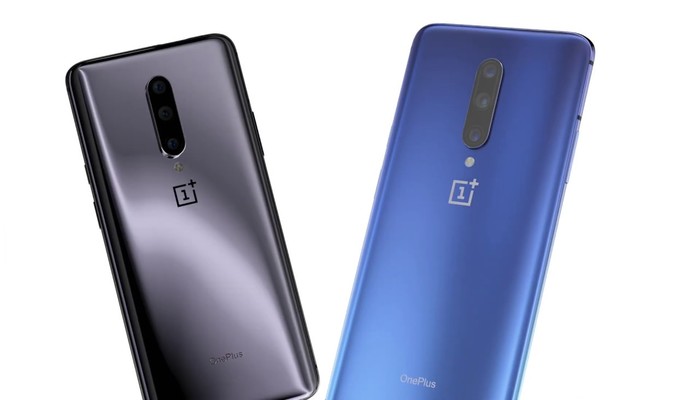
    Samsung is the name to beat in the world of flagship Android devices. However, OnePlus, a premier Chinese manufacturer, is gunning for the throne. Their recent releases have been of exceptional quality, all while coming in at a lower cost than the average Galaxy phone or iPhone. Is the OnePlus 7 Pro on this same track, or is it a lesser phone than its siblings?

    OnePlus 7 Pro Review

    The Pros

    OnePlus is pulling no punches with their newest handset. The OnePlus 7 Pro sports three rear cameras, a huge screen and a pop-out selfie cam. In light of the numerous selfie cam solutions that phone makers have come up with, we love the huge, break-free screen on the OnePlus 7. The pop-out selfie cam is a little unusual at first, but we much prefer it to a notch or cut-out in the gorgeous screen.

    This phone has excellent performance, befitting of a flagship phone going toe-to-toe with Samsung. All of this power, the gorgeous cameras and top-of-the-line parts all come in at a surprisingly low starting price of $669. That makes this cheaper than both the iPhone XR and the Galaxy S10E.

    The Cons

    This phone isn’t without its faults. Glaringly, this phone lacks a lot of features that are standard among other flagships. It supports no wireless charging, it isn’t water resistant and it has a heavy, plastic construction. This phone doesn’t feel great in the hand the way an iPhone XS or Galaxy S10 does. Frustratingly, there is also no headphone jack, which is the worst impulse of any new flagship phone.

    The Verdict

    The OnePlus 7 Pro is likely the best value for your buck you can pick up in an Android phone. For the low price, this phone sports amazing specs, great performance and a gorgeous display. If you’re looking for a flagship Android phone and don’t want to break the bank, this is the phone for you.

  • Foldable Phone Support Coming to Android Q

    Foldable Phone Support Coming to Android Q

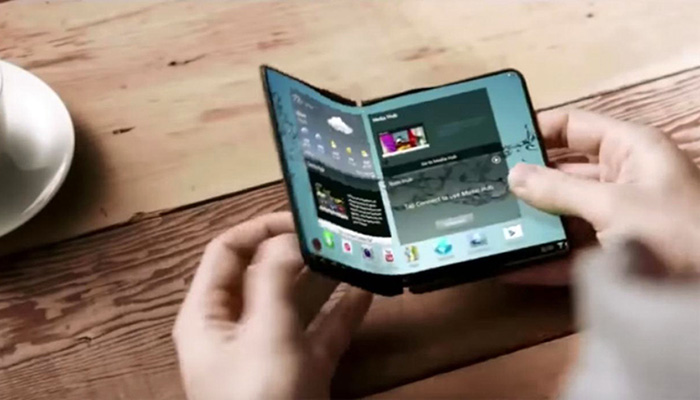
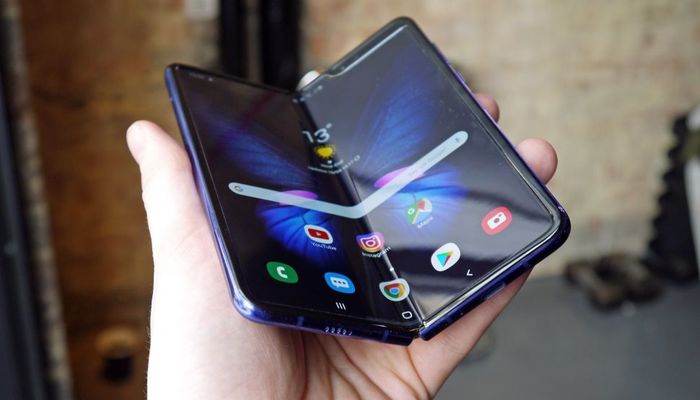
    Google’s newest update for the Android OS will include support for foldable phones like the Galaxy Fold, according to new reports. Despite the Fold’s early stumbling blocks, Google is pushing ahead with full OS support for the new type of smartphone. It seems Google has faith that the foldable phone style will be more than a short-lived fad.

    Android Q and Foldable Phones

    Samsung Galaxy Fold

    The only current example of a folding smartphone is the Samsung Galaxy Fold, which has hit a number of stumbling blocks out of the gate. Early review models experienced some serious issues, including flickering or dying screens, bulges beneath the screen and creases in the center of the inner screen. In light of these issues, Samsung delayed the Fold’s launch, making many question the entire folding phone experiment.

    Potential for Folding Phones

    Clearly, Google believes there’s some potential for folding phones. Android Q will ship with support for the new, dual-screen, folding style of phone that Samsung is previewing. Reviewers have noted that, while expensive, the Galaxy Fold is a great phone.

    Notably, a folding phone bridges the gap between phones and tablets. You can fold them up small enough to go in your pocket, and they’re easy to use for making phone calls in their folded configuration. However, when you want to watch videos or play games, unfold the phone and enjoy the massive inner screen.

    Issues to Overcome

    Of course, folding phones offer issues for developers as well as consumers. App developers need to account for the potentially massive screen sizes when developing their products. Likewise, apps need to support the ability to be displayed on a smaller outer screen and then be transferred to the larger inner screen. This makes for a complex problem for designers.

    At time of writing, the Galaxy Fold has been delayed with no release date from Samsung yet known. The company is currently looking into the issues reviewers had with their handsets to ensure the phone launches without issues. This is wise for Samsung, as they have been burned on hasty releases of untested new phones before, like when the Galaxy Note 7 had issues with the battery literally exploding.

  • The Best Budget Android? Google Pixel 3a Review

    The Best Budget Android? Google Pixel 3a Review

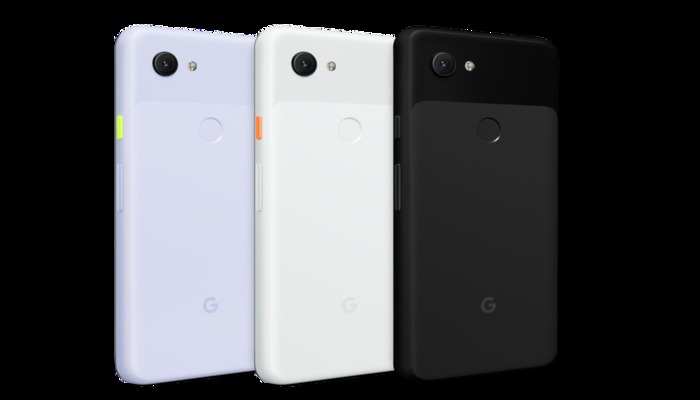
    The only drawback to Google’s stellar Pixel 3 smartphone is the high price tag. That means that the budget-friendly Pixel 3a was high on our radar. Does the handset stack up to the pedigree of its namesake, or has Google cut too much from this budget handset? Let’s get into it.

    Google Pixel 3a

    Overview

    The Pixel 3a is a $400 smartphone with a $1,000 camera. The camera that the Pixel series is so well-known for is here and it looks great. Google wisely cut only the most expensive features and left a pared-down, lean and powerful smartphone with the features all users can enjoy.

    Features

    Essentially, the Pixel 3a and 3a XL function as throwbacks to about three years ago. There’s no in-display fingerprint scanner, no Face ID unlocking, no wireless charging. Instead, this is a bare-bones smartphone that sticks with traditional bezels, a normal fingerprint scanner and even a 3.5mm headphone jack.

    If these features all sound like welcome returns to you, then you’re probably the right person for the 3a. While the features that the 3a lacks are certainly cool on top-of-the-line phones, they’re largely unnecessary. And what new features it brings, it brings well.

    What You Get

    Picture quality on the 3a is incredible, easily matching the earlier phones in this line for capturing beautiful images. The screen is also wonderful, sporting an HD+ OLED panel that’s big and vibrant. While you might not have the most elaborate housing for the screen, it’s still a wonderful smartphone screen.

    You do, however, have some trade-offs. The Snapdragon 670 under the hood is a notably wimpier chip than the Snapdragon 845 found in the normal Pixel 3. However, most users won’t even notice the decrease in power. Also, the phone has a plastic casing, which feels cheap and slippery compared to the glass-and-steel construction of modern flagship phones.

    Bottom Line

    If you’re in the market for a new phone and don’t want to spend $1,000, but still want the best you can get, the Pixel 3a is a very good deal. It’s hard to knock the budget smartphone, as it brings a ton of value for its low price. This is truly the best budget Android device on the market.

  • Which is the Better Smartphone OS, Android or iOS?

    Which is the Better Smartphone OS, Android or iOS?

    When it comes to smartphone platforms, there are two big names to choose from. On the one hand, you have iOS, the original smartphone operating system and a very stable option from Apple. On the other hand, you have the much more open Android system from Google that is used on most other major smartphones. Which is the right call for you?

    Android vs iOS

    Open vs Closed Systems

    Apple is known for their user-friendly, “it just works” attitude towards design. In order to achieve this, however, Apple’s platforms, like iOS and Mac OS, are much more closed-off. While iOS is a very user-friendly and pleasing platform, it doesn’t offer the same range of customization and granularity that Android does.

    Android, on the other hand, has a bit more of a learning curve. It’s more akin to using a Windows computer than a Mac. There are a ton of options available to users, but they also require you learn a lot about your phone and how it works. That said, this openness also comes with a price: platform instability and malware.

    Aesthetics and Functionality

    Generally speaking, both iOS and Android allow users to do roughly the same things. Sending text messages, making phone calls, navigating the internet and using apps are all the same across the two systems. Both allow for music playback, both have support for all major apps and neither has a glaring hole in its functionality.

    If you like the idea of controlling the aesthetics of your phone’s operational appearance, however, Android is for you. Landing pages, backgrounds and basic phone operations are much more malleable on Android, though this does mean you can accidentally make your phone very difficult to navigate effectively.

    The Phones

    One of the biggest drawbacks to iOS is the closed nature of the system in more ways than one. Namely, iOS is only available on iPhones, and not everyone loves Apple’s design ethos. Some people just can’t afford the newest Apple phones, while others don’t like the minimalist design.

    Android, on the other hand, is available on phones from a wide number of manufacturers at wildly varying price points and design styles.

    Bottom Line

    If you’re the kind of person who likes an “all-in-the-box” design style, you’ll love Apple’s iOS. If you prefer to customize your phone and make everything your own, however, you’ll likely prefer to use Android.

  • Early Galaxy Fold Models Experiencing Critical Failures

    Early Galaxy Fold Models Experiencing Critical Failures

    Samsung’s taking a huge gamble with their foldable smartphone. The Galaxy Fold is the first foldable smartphone with a plastic display hitting the market. However, within a few hours of each other, several prominent reviewers had their Fold review models begin experiencing critical screen failures and issues.

    Galaxy Fold Early Woes

    The Errors

    The errors on display have varied by reviewer, but they almost all include issues with the inner screen. The fold has a normal, Gorilla Glass display on the outside. The inside of the phone sports a huge 10-inch screen that folds in the middle, and this is the one experiencing issues.

    Primarily, the issues appear to be related to parts of the screen flickering, blacking out or breaking. One reviewer has a strange bulge under their screen. Another reviewer has one half of their screen blacked out entirely. Yet another has one side of the screen flickering and washing out in strange patterns.

    Crucial Points

    This is a critical point for Samsung. As the first company to hit the market with a foldable phone, all eyes are on them to deliver a top-quality product. With so many reviewers experiencing issues with their early production models, concerns are growing that Samsung’s ambitious phone might be dead on arrival.

    Samsung has stated that they’re aware of the issues the reviewers are having and are sending technicians out in person to review the damage.

    Causes

    It’s unclear what, exactly, is causing the damage to the screens. There is a thin layer of protective film on the inner screen that has is to not be removed. Some of the reviewers removed this film, resulting in the issues. Others, however, didn’t remove it and are still experiencing strange problems with their screens.

    Hopefully Samsung will be able to address the problem with the screens before the first mass production models hit store shelves. For Samsung, if the Galaxy Fold goes down as a buggy, easily-broken mess, then foldable displays might be perceived as an unrealizable fad.

  • Galaxy S10 Too Pricey? Say Hello to LG G8

    Galaxy S10 Too Pricey? Say Hello to LG G8

    The Android phone market is rather saturated at the moment. Between Samsung’s numerous Galaxy handsets, Google’s Pixel line and ample competition from other third-party developers, Android users have a ton of options. The newest competition for Samsung’s Galaxy S10 flagship phone is the LG G8, a more budget-friendly Android heavy-hitter.

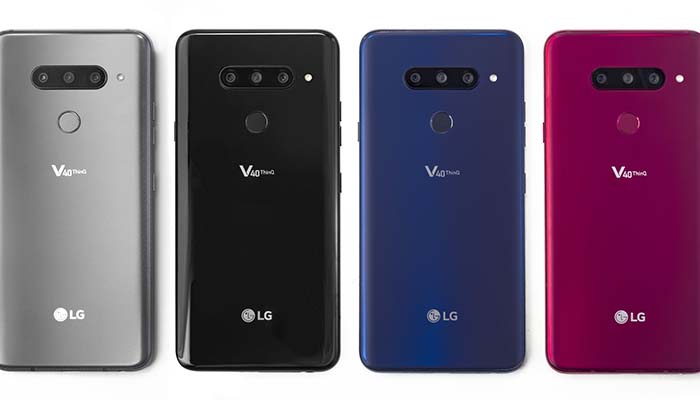
    LG G8

    Head to Head

    The LG G8 is expected to retail for around $820, a solid $80 less than Samsung’s own Galaxy S10. How does it stack up in terms of features, though? Well, the G8 sports a 6.1-inch display, gorgeous OLED screen and bright colors contrasted with deep blacks.

    The design is entirely water-resistant, like all modern smartphones, and it sports wireless charging capabilities. It runs on the same Android Pie operating system as the S10, and sports similar specs. The Snapdragon 855 chipset is as impressive as ever here, and the 3,500-mAh battery offers ample time away from the charger.

    What’s Different

    There are a few things going on here that set the G8 ThinQ apart from the competition. One such wrinkle is the presence of an actual headphone jack, something that premium smartphones haven’t sported for a couple of years. While most phones offer a dongle to convert your old-school headphones to USB-C, it’s nice to not need that.

    Is it Worth It?

    Samsung announced an astonishing five new phones while LG was launching the G8. Among them are the Galaxy Fold, the long-rumored folding phone that Samsung has been teasing for years. It’s clear that the LG G8 ThinQ has to go head-to-head with the Galaxy line.

    From price point to features, the G8 is clearly a direct challenge to Samsung. Can it stand up against the competition though? Aside from the headphone jack and a unique look, it doesn’t bring a lot to the table. Its features are largely found elsewhere, done better and with more style.

    Bottom Line

    The Samsung Galaxy S10 is a bit pricier, but only a bit. For an extra $80 you can upgrade to the best Android phone money can buy. If the LG G8 cost $700, or maybe $600, this would be a different article altogether. However, for the surprising sticker price of $820, it’s simply not worth it.

    Everything you find here is solid, but is done better on other phones in the same price range. After all, you could spend a similar amount of money on a Google Pixel 3 and end up with a much superior product. Sadly, this is a phone for no one: not high-end enough to beat Samsung, not inexpensive enough to be a budget option.

  • Even More Samsung Phones on the Horizon

    Even More Samsung Phones on the Horizon

    Samsung Galaxy S9’s are the newest Samsung phones, right? No, actually, the Galaxy S10 line just launched. There’s an S10 Plus that’s larger, and there’s the normal one. There’s even more Samsung phones coming soon: the massive Note 10 phones will be the follow-up to last year’s Note 9 phones.

    According to new rumors swirling, the Note follow-ups could be coming as soon as the end of this Summer. This would bring Samsung up to staggering 7 new phone releases in fiscal 2019. Could this kind of release schedule be sustainable for the Korean manufacturer?

    Samsung Note 10

    Specs

    It’s early yet, but we do know a few things about the Note 10. Firstly, it’ll come in two flavors, one with a 6.28-inch screen and one with a 6.75-inch screen. If those sound like ridiculously huge screens, that’s because they are. Tremendously so. However, that’s the entire appeal of the Note line of phones: they’re essentially phones mixed with tablets.

    Early rumors hold that the Note 10 phones will be released in both LTE and 5G compatible configurations. 5G is the coming network connectivity type that will allow for even faster wireless internet. If these rumors are true, it’s likely we’ll see these phones later in the year, around August or September.

    Samsung’s Release Schedule

    These rumors are a bit confusing, as this would mean that Samsung is releasing a full 7 new phones in the 2019 fiscal year. However, this comes amid the growing concerns that smartphone market saturation is reaching its peak.

    Samsung is, far and away, the most successful phone manufacturer in the world. The Korean phone manufacturer is rivaled only by Huawei, a Chinese smartphone company that is embroiled in legal drama at the moment. However, can even the juggernaut support so many phones coming out so quickly?

    Smartphone Saturation

    Smartphones are slowing in innovation as the limits of handsets are pushed by each new generation. Likewise, smartphone prices have climbed above the $1000 mark for many flagship phones. This has come to result in the slowdown of smartphone sales.

    Consumers hang on to their three- or four-year-old phones in lieu of upgrading for a huge fee. It’s not hard to see why: wages have been flat for decades in the West, and inflation hasn’t been met with rising wages. Can Samsung support a release schedule of so many high-priced phones in the face of this economic reality?

  • Our Favorite Android Phones

    Our Favorite Android Phones

    The Android platform for smartphones is a very popular operating system. Many people are often wondering what the best phone on the OS is. If you’re looking to get the biggest bang for your buck with an Android phone, you might be wondering what our picks are.

    Today, we’re breaking down our favorite Android phones.

    Our Favorite Android Phones

    Samsung Galaxy S10

    Samsung’s name is nearly synonymous with high-quality Android phones. The Galaxy line has been consistently impressive in the decade since its launch, and the S10 is no exception. This phone has a big, beautiful screen and a wonderful display. If you’re a fan of watching videos or playing games on your phone, the Galaxy S10 is a great phone for you.

    Likewise, the processor in the S10 is a fantastic companion for gaming and multitasking. It’s fast-paced, allowing for quick flipping to various apps and high productivity. In short, the S10 is one of the best phones on the Android OS. It’s on the pricey side, however, as it’s the newest smartphone from Samsung. It comes in at $750

    Google Pixel 3

    Google’s becoming a big name in the world of Android phones recently, which is an interesting twist. Despite owning the Android operating system, Google hasn’t been a huge name in terms of hardware until recently. The Pixel 3 sports a beautiful display, a top-notch camera and a stellar processor.

    The Pixel also offers a great series of features, including wireless charging, water-resistance and a Night Mode for shooting in low-light conditions. There’s a lot to love about the Pixel, though it is a bit more expensive than the Galaxy S10. Starting at $799 for the normal Pixel 3, that shoots up to $999 for the XL version.

    OnePlus 6T

    If you’re looking for a great value on a high-tech smartphone, the OnePlus 6T is a huge bargain. Coming in at $550, the 6T is an import-only phone but a surprising value for the price. It sports a slick in-display fingerprint scanner, a gorgeous screen and good cameras.

    While it’s not going to go toe-to-toe with Google or Samsung’s phones, the OnePlus 6T is still a solid phone for Android lovers. If you’re looking for a high-quality smartphone that doesn’t break the bank, the 6T is a great place to start. It’s at the intersection of high tech and budget friendly.

  • Android: The Story of the Biggest Mobile Operating System

    Android: The Story of the Biggest Mobile Operating System

    When Apple unveiled the iPhone in 2007, it started the smartphone revolution. It’s hard for some people to remember a time before smartphones, in fact.

    However, for those who kept up with technology back in the late 2000s, it was like watching history unfold before one’s eyes.

    Shortly after the introduction of the iPhone, Google purchased Android, Inc., a company hard at work on their own mobile operating system.

    The Android system would function as a platform-agnostic OS for use by any third-party phone manufacturer. The rest, as they say, is history…

    The Story of Android

    Beginnings

    Android Inc. began work on the Android OS in 2005, a full two years before their acquisition by Google. When Apple up-ended the mobile phone market with the iPhone in 2007, Google moved quickly to get their slice of the pie. They snatched up Android, Inc. and unfurled plans to license the OS for third-party phone manufacturers.

    In this way, Android is not dissimilar from Microsoft’s Windows operating system. Much like Windows, Android can be used on third-party hardware, is more “open,” and competes directly with a proprietary Apple system.

    Hardware

    The very first commercially-available Android device was the HTC Dream, released in September 2008. This began the long-lasting association between HTC and Android, as HTC’s flagship phones defined the Android platform for years.

    However, HTC’s dominance in the field would wane eventually. In recent years, HTC has been eclipsed by Samsung’s Galaxy line of phones. Likewise, Google’s own Nexus line of devices has since given way to the Google Pixel lineup. Countless other devices have used the Android OS, from Motorola to Huawei, and the platform runs nearly unopposed in the Chinese smartphone market.

    Today

    In the modern era, Android supports 2 billion users, making it the largest mobile OS in the world by a wide margin. This is due to a few factors. For one thing, it has no meaningful competition outside of Apple’s iPhone line of products. While some competitors, like Windows Phone, have appeared, they’ve largely been unable to make a dent in Android.

    While iPhone’s Apple OS is a solid and user-friendly mobile OS, its biggest limitation is also its biggest strength. It’s closed-off and appears only on Apple devices. Android, on the other hand, is an open OS that can appear on pretty much any manufacturer’s phones. This gives it reach that Apple’s OS simply can’t have, as only so many iPhones will be sold.

    The future today seems to be quite bright for the Android OS. As it stands, it seems unlikely any other mobile OS could overtake the dominant Android. Even Apple, with their highly successful iPhone, isn’t in any danger of being overtaken by a new competitor. Time will tell, however, what new permutations the Android OS takes as phone change and evolve with new technology.