Tag: android

  • Which Tablet is Worth your Money?

    Which Tablet is Worth your Money?

    Smart phones are nice, but sometimes you want a bigger screen for your smart device. Whether you’re drawing, looking at photos, watching movies or playing games, tablets are awesome addition to your smart device arsenal. When you just want that bigger screen for a handheld touch device, nothing else will do!

    Nothing says quality, solid build and premium design more than our 5 best premium tablets. From major manufacturers such as Apple, Samsung, Amazon, Microsoft and Google these tablets carry the state of art in technology and design. With that in mind, let’s check out some of our favorite premium tablets!

    Microsoft Surface Pro

    This tablet is so premium that it’s also a laptop. The Surface Pro made our list of best touchscreen laptops, too, which might sound weird until you see one in person: it really is both. With a stellar screen and great form factor, you can’t get a much cooler 2-in-1 tablet. Retailing for $659, it’s not too pricey.

    There are only a few real downsides for the Surface Pro. The very incremental advances it possesses when compared to its predecessors are slightly disappointing.  Additionally, the design is a little too minimalist: there is no USB-C port! Then again, it’s still a great tablet, so it’s a small nitpick.

    Google Pixel C

    Your favorite Android tablet, the Google Pixel C performs like a giant version of its phone siblings. The Pixel C also has an optional magnetic keyboard that is quite solid, letting the tablet act as a laptop. This is easily the most powerful Android tablet that exists, for what it’s worth. The tablet performs great while multitasking and rarely suffers stutters or slowdown.

    If you need a tablet for work or just like pushing your technology to its limit, this is a great pick for you. On the other hand, this one is a bit expensive, retailing for $950. Additionally, many users see Android as a drawback instead of a feature. Many apps are released on iOS first and often perform better there to boot.

    The Samsung Galaxy Book

    This tablet rightfully belongs on the quickly growing list of impressive Microsoft Surface Pro contenders. The Samsung Galaxy Book is a top-shelf Windows tablet with a price to match. Its robust processing power, high-end display and essential add-on accessories make it one of the best tablet-hybrids.

    It’s a Windows 10 tablet with a stunning 12-inch Super AMOLED display, Intel’s latest processors and detachable keyboard cover with stylus. It starts at $1,130 for the Wi-Fi-only version and $1,300 for the LTE model, sold via Verizon, which was the configuration we reviewed. Samsung offers a 10-inch variant that runs for $630, but this review is of the 12-inch model.

    iPad Pro

    No list of premium tablets would be complete without Apple’s contender in the mix. And this time around, unsurprisingly, Apple is our favorite. The iPad pro is a rock-solid tablet, with a gorgeous Retina display and fantastic performance. Many users have a preference for iOS, and for good reason. Slowdown is almost nonexistent, and app support is fantastic.

    If there are any drawbacks, they’re the same ones that apply to all Apple products: expensive peripherals and proprietary charging. If you want the Apple Pencil or proprietary keyboard to go with it, this one will run you some serious cash. For just the iPad itself, you’ll be spending around $600.
  • 5 Things We Found Out About the Galaxy S9

    5 Things We Found Out About the Galaxy S9

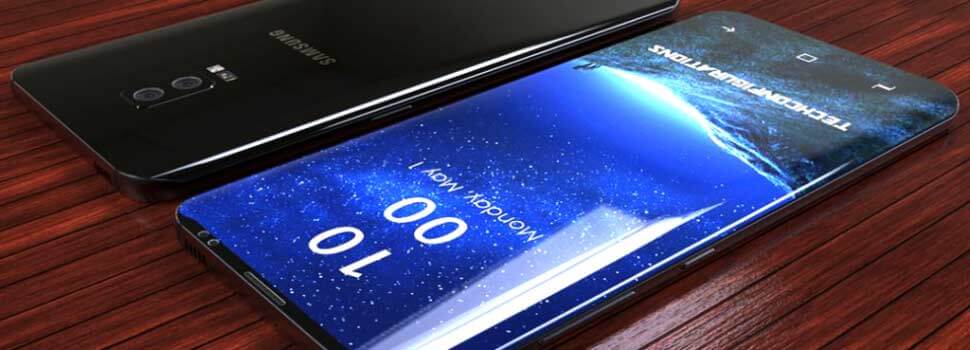
    Think you know everything about the Samsung Galaxy S9 and Samsung Galaxy S9+?  We have been posting, researching, speculating on the next big thing in the android world for a year now. Finally it has be unveiled, and we were mostly correct but here are 5 unsuspected things we were surprised to learn about the S9

    1.The bezels are thinner then the S8, but the phone is more durable

    The top bezel lands at 8.21mm with a 0.39mm reduction, while the bottom bezel measures in at 6.99mm. Impressively, that’s a reduction of 1.01mm. In both cases, the reduction in bezels actually brings the size of the device down by 1.2mm and 1.4mm on the S9 and S9+ respectively. Samsung has made the S9 more durable compared to its predecessor. In short, this comes as the result of using a different type of aluminum.

    2. The camera is quieter and does much better in low light

    I was blown away by how well the S9+ performed in dim conditions, because the variable aperture on the Galaxy S9 and S9+ goes as wide as f/1.5. Samsung says that its new flagships let in 28 percent more light. With the support of a  wider aperture, f/1.7,  that kicks in when the ambient light is 100 Lux or below.  100 Lux is the light you’ll see on overcast day or in most office settings.  At the same time, Samsung added dedicated memory to its camera in order to reduce noise.

    3. Dedicated Fingerprint

    This is a new feature for this year’s flagship phones and is for the Secure Folder element. This folder is a compartment for files and apps that you want to keep separate from the rest of the phone. It uses your Samsung account and you can access it using the same security protocol, fingerprint, passcode, iris recognition etc as you do to unlock your phone. Once you’ve moved files to the Secure Folder, nobody can see them without your passcode, fingerprint or whatever.

    4. We Get to Keep the Headphone Jack

    The S9 and S9 Plus have retained their headphone jacks, unlike other phones in the class, including the iPhone X, 8, and 8 Plus, Pixel 2 XL, or the Huawei Mate 10 Pro. That’s a blessing for audiophiles who just aren’t satisfied with the current state of wireless audio and for people who even have a designated pouch for their dongles but still lose them. Admit it dongles are tiny and easy to misplace.

    5. That Sound Really Bumps

    Dual stereo speakers to the device for the first time . The S9 finally  have Dolby’s surround-sound Atmos technology built-in.  Samsung created a device that offers premium sound experiences with stereo speakers tuned by AKG. Whether users are watching their favorite movie or streaming their favorite artist’s latest album, sounds are clear, crisp and rich in quality.


  • Android Pie Available Now on Pixel Phones

    Android Pie Available Now on Pixel Phones

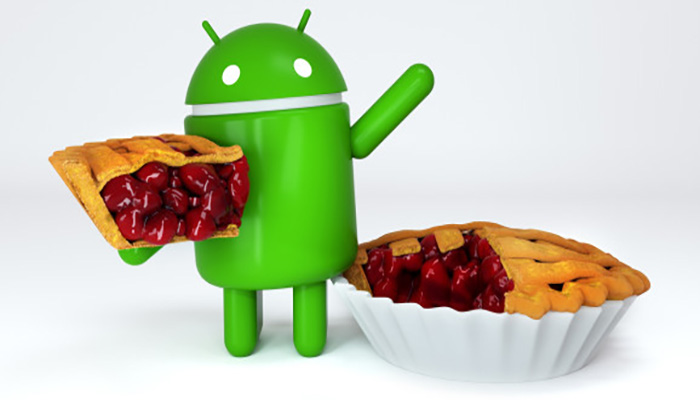
    Android P, now officially named Android Pie, is available now on Google’s own Pixel phones. It will be rolled out to other phones near the end of the year, or maybe early in 2019. In any event, the Android OS powers around 90% of all smartphones on Earth, so any updates to it will affect a huge portion of the population. Today, we’re looking at the new features and characteristics you’ll find in the newest Android OS.

    Notch Support

    This one’s a big more of an under-the-surface upgrade, but you’ll notice it if your phone has a notch at the top. The top notch, popularized by Apple’s phenomenal iPhone X, is a divisive design feature, but it’s here to stay. The support for notches is baked into the new Android OS, allowing apps to be made with a few different notch styles in mind. These easy designs will make the apps cleaner, clearer and have less information lost by the notch placement. Win-win!

    Gesture Control

    In another iPhone X-inspired upgrade, Android Pie allows for gesture controls. This is likely to preempt the removal of a home button from various upcoming Android phones. Home buttons are likely to go the way of the headphone jack: eliminated for space. Home buttons take up valuable front-space, taking away from full-screen displays that run edge-to-edge.

    Android Pie: The AI Operating System

    AI is the future of smartphones. Android Pie is leaning into this future with several functions that will help make your phone more efficient and save your battery. The first of these is “slices” of apps appearing when you need information. For instance, if you’re looking for movie showtimes, Android will show you slices of the Fandango app for ticket prices and showtimes without opening the app itself. This saves you time and saves your phone’s battery.

    Another functionality that is AI-powered coming to the Android OS is app suggestions. These suggestions follow your trends for when and where you open different apps. By intelligently spinning up apps you often use before you need them, the OS will be more efficient, battery-saving and modern. What’s not to love?

    Availability

    Android Pie is available on Google Pixel smartphones now. It will be rolled out to other smartphones that use Android over the next few months. Stay posted for updates, we’ll bring them to you as more information is made available!

  • Galaxy Note 9 and Other Top Android Phones

    If you’re looking for the very best Android phones, odds are good the name Galaxy has come up a lot in your searches. Of course, Galaxy is an awesome brand. However, it’s not the only game in Android! Today, we’re looking at the top Android phones!

    Top Android Phones

    5. OnePlus Six

    One Plus Six equals a great phone, not seven! This Chinese smartphone maker is a well-respected name in the Far East. Sporting a great portrait mode, a bright, vivid display and a good price tag, this is hard to beat. You can get the OnePlus Six online for around $650, making it a pretty reasonable purchase for a high-end Android smartphone. The only downsides are no waterproofing and unavailability on Verizon and Sprint.

    4. Huawei P20 Pro

    Stellar cameras make this a must-have for shutterbugs. The three cameras can snap amazing photos in low light, making it great for those night owls. It’s a little pricey, at around $760 or more, but it’s a rather premium device. It lacks a headphone jack and doesn’t support wireless charging, though, so that’s a bummer.

    3. LG V30

    LG is a perennial smartphone maker for a reason: they make good products. The V30 is no exception: it’s waterproof, sports a great camera and has exceptional battery life. There’s a lot to love about this little wonder! The ergonomics are a bit lacking, sadly, making this a slightly awkward phone to hold. That said, it’s still a great purchase at $650, easily one of the best Android phones on the market.

    2. Samsung Galaxy S9

    Unsurprisingly, Samsung’s flagship Galaxy phone snags the number 2 spot. It’s not as expensive as it was, coming in around $620. That said, it’s got premium features: wireless charging, water resistance and a blazing fast processor all make this phone great. The face-unlock feature is a joke, though, clearly a rushed attempt to match Apple’s Face ID. However, it’s a small spot for an otherwise stellar phone.

    1. Samsung Galaxy Note 9

    The current cream of the crop when it comes to Android phones, the Galaxy Note 9 is a beast. The huge, gorgeous display catches the eye, and looks great in any lighting. The S Pen is awesome for productivity, allowing you to doodle and scribble and take notes. The built-in Bluetooth button on the pen can allow for some neat remote functionality, too. It can be a shutter for the selfie cam, flip the pages in a slideshow presentation and more.

    Oh, did we mention the Dex mode that emulates a desktop? Yeah, this phone is so strong it can pass as a laptop for a second. That said, you pay for these features: the Galaxy Note 9 retails for $1,000, the same as the iPhone X. That’s a huge price for this huge phone! However, you get what you pay for, as this is easily the best Android phone on the market.

  • New Galaxy Watch and What We Know

    New Galaxy Watch and What We Know

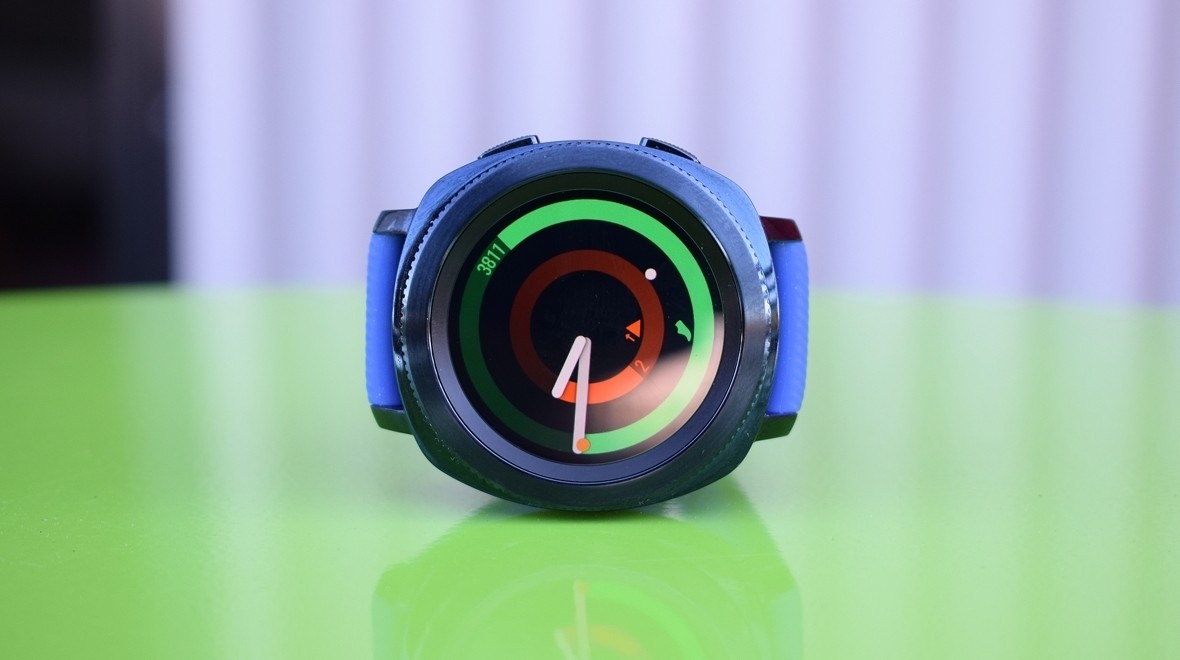
    The Samsung Gear was lackluster and not a commercial hit. The adoption in comparison is dismal to the iWatch’s success. Samsung is looking to change that with its next Galaxy Watch. While its name, its OS, and its features are pretty much still in flux, which, at the very least, makes it sound a bit more exciting.

    What We Know

    Very little Im afraid. There have not been alot of details released yet. Lets start with what we know. It will be round for starters, they will not be adapting to Apples square face. Bixby will be a huge and integral part of this watch.Although Bixby has been out for more than a year now, Samsung’s homegrown AI assistant has not descended on any of the current smartwatches. That will change with the Galaxy Watch. Oh yeah,  Presumably we also have a name, ,A registered trademark on “Galaxy Watch” has been leaked.

    Its Safe To Assume

    While we don’t have any confirmation its safe to assume the next line in the Galaxy Watch will be a big upgrade from previous models. For it to compete with the legendary and most popular watch on the planted, the iWatch, it will have to be something special. Look for vast strides in the ai and voice control aspect. Bixby will do things Siri just cant and hasn’t even though of yet. It will be much easier to use and that in turn will give this the commercial appeal all of android is been lacking since the dawn of time, or 2010.

    What Would Be Cool in the Galaxy Watch

    This is the part of these articles I like the most. This is where we get to throw in all the stuff my little heart could desire in a new Galaxy Watch. What do I want, I want battery. Battery Life, I can not stress this enough. A watch I  don’t have to worry about charging for a week. Use that cool Rolex kinetic energy technology they have been using since the beginning of watches to recharge my smartwatch. A big face, 52-54mm. Make is glorious and a true fashion and status statement, like a watch should be. Holograms? ummm yes please. a bit better speaker, just to make taking a phone call on your watch actually viable. Last but not least, lets change Bixby to Sam. Sam, short for Samsung seems like a friendly guy I would like to chat with. The name is also very gender neutral and could easily pair with a nice female voice.  Plus we get the added feeling of being Dick Tracy and talking to Sam back at the station.

    The Final Thought

    Whats left to say? Well plenty. We will have more solid info when these details emerge. My industry sources tell me look for a Note release in late Aug for this new Galaxy Watch.

  • Oppo R15 Pro: Worth the Buy?

    Oppo R15 Pro: Worth the Buy?

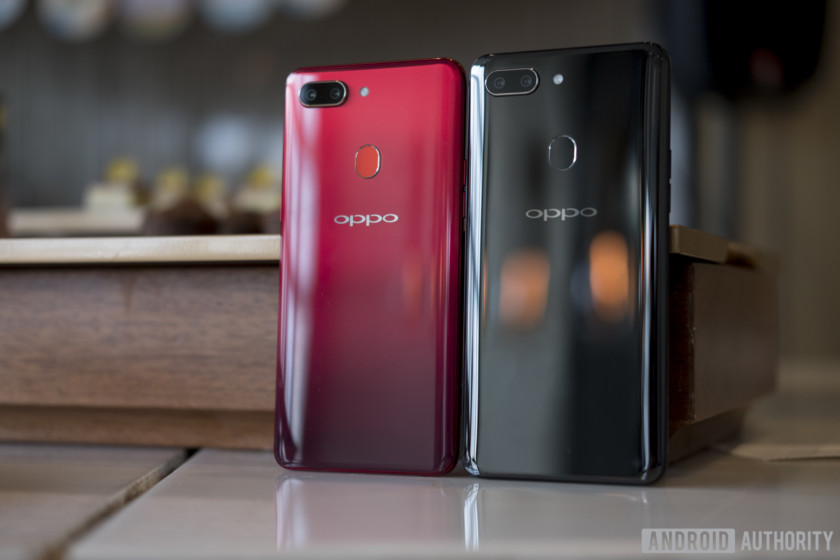
    You might have never heard of Chinese smartphone brand Oppo. Odds are good you’ve heard of their sibling company, OnePlus, though. Oppo, ironically, is the bigger brand in China, but OnePlus tends to steal headlines with their bold designs. The newest Oppo phone, the Oppo R15 Pro, is out now. Is it a worthy competitor in the crowded Android market, or is the brand’s obscurity in the US warranted? Let’s find out. 

    Design 

    The R15 Pro is a very clean, modern-looking phone, with a big 6.28-inch display. It sports an iPhone X-style notch, and, in fact, is very much an homage to the iPhone. The Color OS spin on Android OS is pretty much a one-to-one recreation of iOS 11, which isn’t exactly a bad thing. It does make the phone feel unoriginal, but it doesn’t detract from the end user experience. 

    The Oppo R15 Pro has asolid make, too. The phone sports a headphone jack, unlike some newer phones, and has a metal back. That somewhat old-fashioned design decision is underscored by the phone’s charging port, which is micro-USB. The charging port works fine, but it is odd to see such an old port when USB-C is officially the preferred charging method of other android phones. 

    Cameras 

    The cameras on this phone are quite solid. It has two back-facing cameras for portrait mode, and pictures taken in it look fine, if a little washed out. The back cameras are both 20-megapixel, while the front one is 16. Pictures taken normally look pretty good, considering this phone has a mid-range price! It even sports automatic HDR that looks really great.  

    Oppo R15 Pro Performance 

    While design and camera quality are important, the actual phone performance is the big deal. The R15 doesn’t disappoint, but it’s certainly no powerhouse. Sporting a 2.3GHz octa-core Kirin 970 processor, the phone does okay in most tasks. Gaming and other processor-intensive tasks are a little less snappy than on higher-end phones, but it’s usually fine.  

    The battery life is rather excellent, only a fraction worse than the OnePlus 6, which is still impressive. You’ll likely finish the day with a good chunk of battery left, which is great.  

    Bottom Line 

    The final word on the R15 Pro? It’s an excellent phone for its mid-level price. Coming in around $515, this phone has no glaring drawbacks and works reasonably well in most tasks. If you like the look of iOS but want to stick with an affordable Android, consider getting an R15 Pro. You’ll also get a ton of odd looks from people who have no idea what phone you have, which is cool!  

    Feature Image Credit: Android Authority 

  • Google Maps and Uber Fall Out

    Google Maps and Uber Fall Out

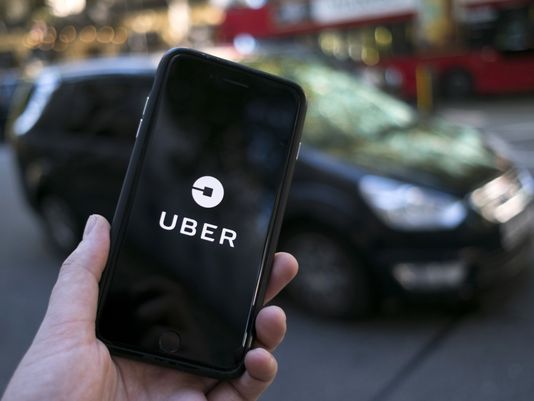
    Uber and Google Maps have been integrated since January of 2017. However, in the newest Android update, that integration has been rescinded. Previously, users were able to see prices and hail Ubers directly through the Google Maps app. Uber was the only service that offered direct integration through the Maps app. While several other services, like Lyft, are visible through Google Maps, only Uber could be paid for directly through the app.  

    Why are Google and Uber Done? 

    It’s unclear why this split took place. Perhaps the ride-sharing giant would rather customers open their app and use it. Maybe Google tired of supporting just Uber through their Map app and didn’t have plans to integrate other ride-sharing apps. In any event, users can still see ride sharing details in Google Maps. Now, however, they will be moved to the ride-sharing service’s app when they want to actually hail a ride and pay for it.  

    Continued Troubles for Uber

    Uber has been in a good deal of hot water lately. For one, they’ve been under fire for classifying their employees as contractors, thus avoiding paying for insurance for them. Additionally, the company faced allegations of turning a blind eye to sexual misconduct last year. Other issues last year, like fines from many states at localities, lack of diversity in hiring and leaks of medical information led to the demotion of then-CEO Travis Kalanick.  

    Since then, the company has reaffirmed its commitment to hold itself to a higher standard. The ethical issues of its impact on the gig economy, however, are unresolved. Between pressuring traditional taxi services and warping the economy of transportation, the company has had a substantial impact. Despite being worth billions of dollars, they own very little in the way of cars or employees. They are still able to classify their drivers as contractors and use the property of others to fund their own profits.  

    These issues likely had little to do with the app’s de-coupling from Google Maps, but who knows? Perhaps Google is trying to send a message on how they feel about companies like Uber. Or, more likely, Google simply decided it didn’t want to be so closely identified with a company that has a record as rough as Uber’s. 

    Feature Image Credit: USA Today

  • Looking for a Small but Powerful Phone? Try the Sony Xperia XZ2 Compact

    Looking for a Small but Powerful Phone? Try the Sony Xperia XZ2 Compact

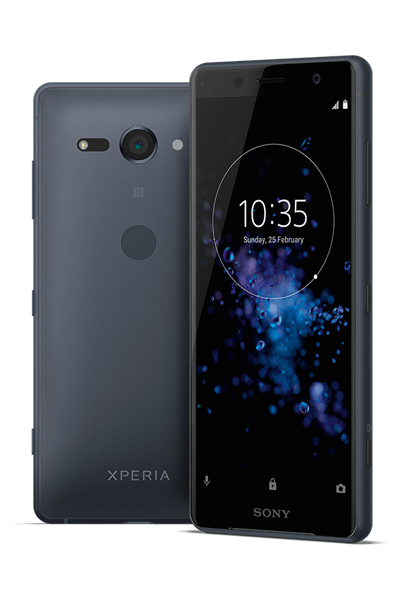
    Most phone manufacturers tend to keep their phones as big as they can feasibly be and still fit in your pocket. Sony, however, is trying to look out for the little guy. Or, at least, the little guy’s little hands. There are few phones as small as the Sony Xperia XZ2 Compact that pack the same amount of power. Here’s a quick rundown of our thoughts on Sony’s small wonder. 

    The Specs 

    The biggest issue with most phones this small—and it is small, coming in with a 5-inch screen—is that they’re not powerful. A QUALCOMM 845 processor is inside this little machine. For those unfamiliar, that’s a pretty hefty processor. For context, that’s a processor that beats the Google Pixel 2 in benchmark tests. If you like playing games or editing photos on your phone, the Xperia XZ2 Compact won’t disapoint. 

    The other powerful thing running under the hood is the camera. Sporting a 19-megapixel camera that shoots at 960 frames-per-second in HD, it’s no joke. You’re not going to be disappointed in the quality of photos or videos from the Compact. The selfie cam is only 5-megapixel, but that’s a small trade-off for this small phone. Additionally, the phone only has one rear-facing camera and one front-facing camera. As such, it has no portrait mode or other such features. This is a small complaint, but those used to high-end smartphones will notice it. 

    Design 

    On the design side, the phone is a bit bland. You could almost describe the design as boring. That said, the only other powerful phone this size is the iPhone SE. So, you’re sort of stuck with this design if you like Android. Fitting easily in a pocket or purse, it’s easily used with one hand. It has very small bezels, maximizing the screen size in spite of the incredibly small handset size.  

    A big negative to the phone, though, is the lack of a headphone jack. It seems that particular port had to be dropped to help the phone keep its slim profile. There is a conversion dongle with the phone, but using it means you can’t charge your phone and listen to music at the same time. You could opt for a set of Bluetooth headphones, but it’s a bummer in any event.  

    Sony Xperia XZ2 Compact: Bottom Line 

    If you’re in the market for a small handset and want it running Android, you’re sort of stuck with this one. That said, it’s actually a really good phone! It costs $650, which is really reasonable for how powerful it is. So, if you’re tired of putting your phone in one-hand mode or having to reach across a massive handset, this is a good choice. Those in the market for a compact phone won’t be disappointed! 

  • Tablet Talk: The Samsung Chromebook Plus V2

    Tablet Talk: The Samsung Chromebook Plus V2


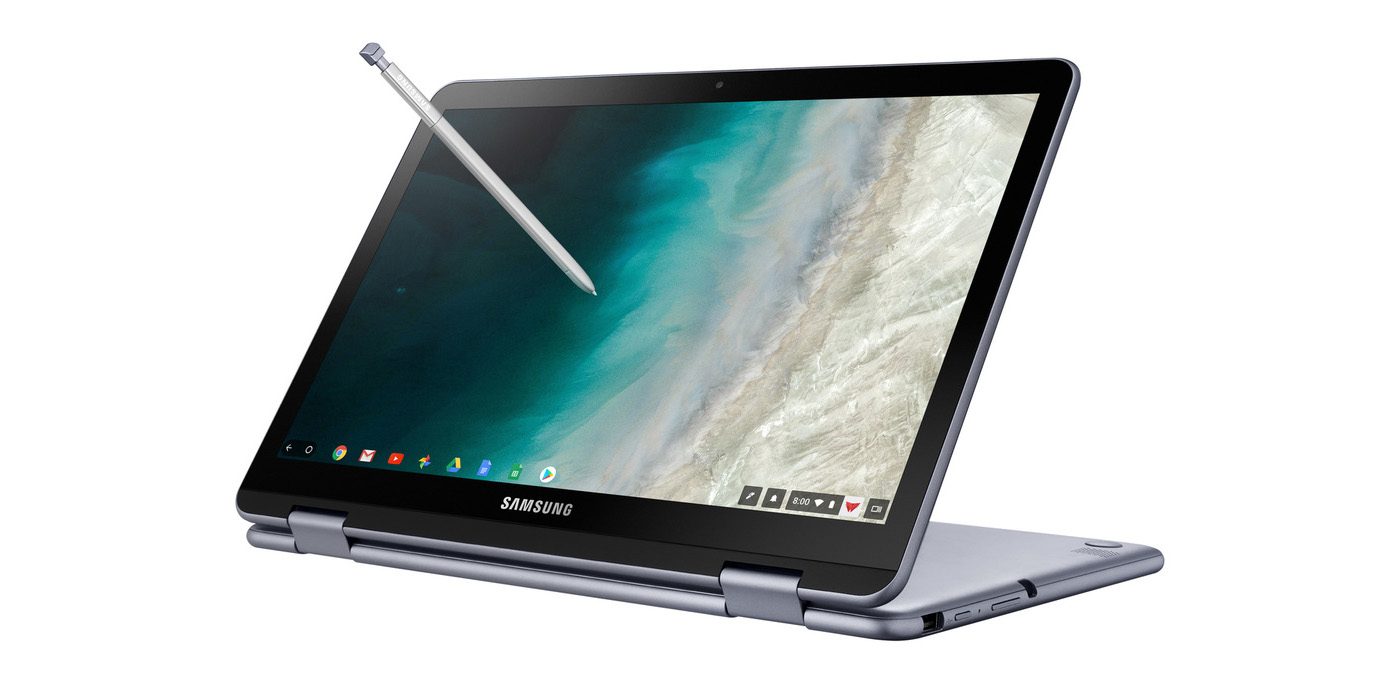
    Samsung announced a new version of its Samsung Chromebook Plus , titled the Chromebook Plus (V2) with an Intel Celeron processor and front and rear facing cameras. It will be available only from Best Buy and goes on sale June 24 starting at $499.99. Samsungs press release says “For those who use Chrome OS to do more on the go, the new light and thin Samsung Chromebook Plus (V2) sets the standard with front and rear cameras, built-in pen, and a more powerful processor”


    The Standard, Really Just Standard

    It looks like one thing Samsung got right for sure is the use of the word standard. This 2 in one is definitely that, standard. The 2-in-1 convertible is designed to help people get the most out of Chrome OS. Samsung has listed some highlight from the announcments..

    1. Front and Rear Facing Cameras to Stay Connected – Communicate visually with the 1M front-facing camera and a 13M F1.9 rear-facing camera with autofocus. Simply fold your laptop into tablet mode and capture your view from any angle. The front camera is ideal for video chats with classmates or clients, friends or family. Plus, store photos and videos right on your cloud.
    2. Unleashing Creativity – The Samsung Chromebook Plus (V2) stands out by comingwith a built-in pen. Experience the power and precision of the stylus. It’s always with you when you need it, and it never needs charging. Write a note, sketch out an idea, edit a document, sign a document, or even use the pen to magnify small text and capture carefully cropped screenshots.
    3. Do More, Store More – Tackle anything that comes your way, wherever you are, with more power and more storage. The upgraded Intel® Celeron® processor and long-lasting battery keep you going all day.In addition to users’ personal cloud storage, the Samsung Chromebook Plus (V2) has 32GB of built-in storage, with the option to add up to 400GB with a microSD card (sold separately) – room for favorite photos, documents and music, as well as for storing movies to watch offline on the go.
    4. Premium Design, Premium Experience – designed for comfort and peace of mind, with a curved-cap keyboard built to withstand spills up to 60cc. The device’s rounded edges offer users a comfortable grip whether it’s being used as a notebook or a tablet. The Samsung Chromebook Plus (V2) offers even more functionality to users with multiple connected devices, including easy file sharing between Chromebook and mobile devices. Smart Lock from Google makes it easy to store and use passwords across your devices.

    The laptop will use an Intel Celeron 3965Y processor (a change from the old Plus’ ARM processor, though the Chromebook Pro used an Intel Core M3). The “rear” camera, above the keyboard, for use in tablet mode, is a new addition. The laptop will have 4GB of RAM and 32GB of storage.
    The Chromebook Plus (V2) has a 1920 x 1080 display with a 16:10 aspect ratio. The previous model had a 3:2 aspect ratio with a 2400 x 1600 resolution. While an unexpected announcement, nothing unexpected here.

    Quick Spec Look of The Samsung Chromebook Plus

    • PROCESSOR Intel® Celeron® Processor 3965Y
    • MEMORY 4GB
    • STORAGE 32GB
    • GRAPHICS Intel® HD Graphics 615
    • POWER 39Wh
    • WEIGHT 2.93 lbs
    • CMF Stealth Silver
    • DIMENSION 11.34 x 8.19 x 0.63-7.0 inches
    • PORTS 2 x USB-C™ [4K display out with optional adapter, Charging] 1 x USB3.0
      MicroSD card reader
      3.5mm headphone jack
    • MATERIAL Aluminum alloy/Glass/Plastic
    • DISPLAY Aspect Ratio: 16:10
      Brightness: 300nit
      Touch Screen
    • CAMERA Dual: 1M (front); 13M (on keyboard deck)
    • SPEAKER Stereo Speakers (1.5W x 2)
    • STYLUS Built-in-pen

    The Final Thought

    This is just another mediocre Samsung device, put out by what is becoming the standard of a mediocre company. Samsung fails to innovate or at least manipulate someone eases innovation yet again. Uninspired, its just the Chromebook on the self if you need a Chromebook and you probably don’t.

  • Vivo Nex: A Phone from the Future

    Vivo Nex: A Phone from the Future

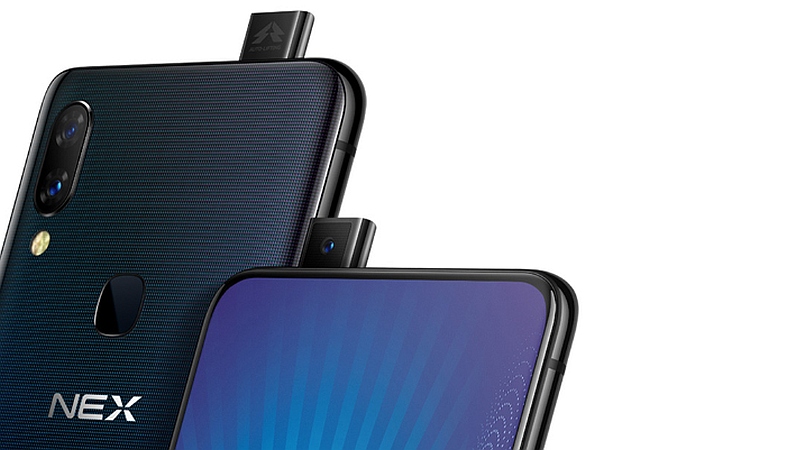
    Vivo has announced their Nex phone, a futuristic and incredible concept. The phone features a massive display, coming in at an astonishing 6.59 inches. The phone also has no notch and an in-screen fingerprint scanner. How cool is that? Let’s get into some of the details. 

    Who’s Nex? 

    The Nex phone has a lot of interesting and innovative technologies in play. The first is the in-screen fingerprint scanner. Vivo has had varying degrees of success with such scanners in the X20 and X21 phones. The scanner in the X20 was superb, but the one in the X21 left something to be desired. The second innovation is the lack of a screen notch. 

    The screen notch seen on phones like the iPhone X is used to house the camera and speaker for phone calls. The Vivo Nex accomplishes this in two unique ways. The first is by using the screen itself as a speaker. This is a very interesting innovation that hasn’t been seen in any mass-production smartphones before. Early reports say that this speaker actually sounds pretty good, despite its unusual position under a phone screen. 

    Odd-Looking Selfie Camera 

    The second innovation allowing for a notch-free screen? That weird looking little nub coming out of the top corner of the phone. It’s the selfie camera! Yeah, it pops up when you activate the selfie feature. It’s about the quaintest thing going on with this complex, high-tech phone. I don’t know if this is a better option than just having a notch, but it’s certainly amusing. 

    Flagship Processor 

    The phone is also packing some serious power. It uses a Snapdragon 845 processor, which is top of the line, and sports 8 GB of RAM. It also sports 256 GB of internal storage and a huge battery, clocking in at 4,000mAh. All-in-all, this is an impressive-looking piece of hardware. 

    When Can We Try the Vivo Nex Hands-On? 

    Sadly, we don’t have a release date or a price for the Chinese smartphone yet. However, when it does launch, expect to import it, as Vivo’s phones are sold almost exclusively in China. 

    Feature Image Credit: NDTV Gadgets