Tag: android

  • Top Ten Things to Know About Google I/O 2018

    Top Ten Things to Know About Google I/O 2018

    Tuesday, May 8th marks the start of Google’s I/O press conference. What does Google I/O mean? What kind of things can you expect to see from Google during this event? Read on for our top ten things to know, including news, headlines, tech and more!

    Android P
    01g-androidp

    Photo Credit: Android Central

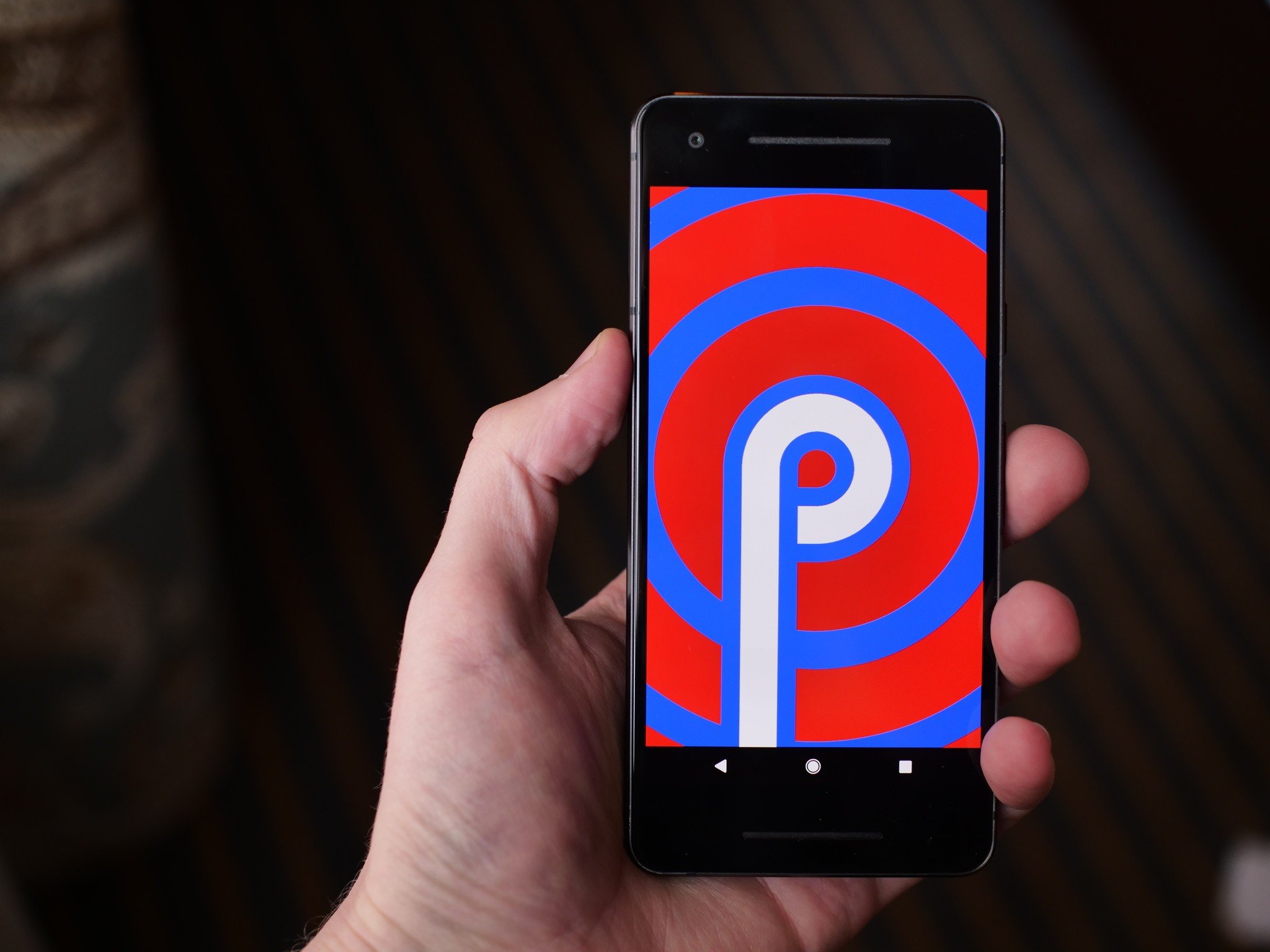
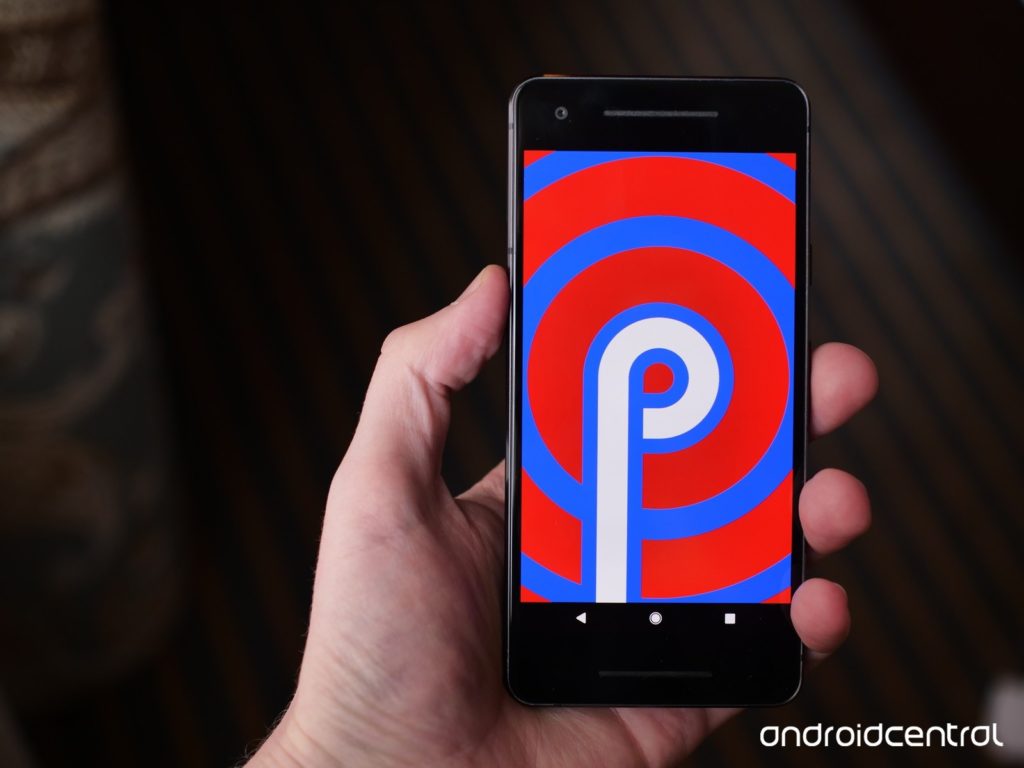
    Androids new operating system replaces all of the navigation buttons with one button, much like pre-X iPhones. Functions previously assigned to buttons will be moved to gesture controls, streamlining the user experience and modernizing the Android operating system. The new system has a focus on security and battery life. Additionally, Android P features a darker overall color palette than previous Android OS’s.

    Google Lens

    Photo Credit: Android Guys

    Google Lens technology allows users to search using their phone camera. I/O 2018 is sure to unveil new functionality and features for the software, including new functionality and integration into upcoming smart phones. The technology is likely to be a focus of Google’s, as it allows the Android platform to further distinguish itself from Apple’s iOS-powered iPhones.

    Google Chrome

    Google is sure to have a lot to say about their Chromebook line of laptops at the event. As a leader in educational fields, the Chromebook has proven very popular with teachers and students. Also expect news regarding tablets running on Chrome OS, following in the example of Acer’s Chromebook Tab 10. Focusing on educational possibilities and Google Smart Home integration seems like the most likely avenue for Google to present their Chromebook hardware.

    Google Home

    With the recent success of smart home devices like smart speakers, Google is sure to continue pressing their smart home line. Eager to dig in to Amazon’s successful Alexa-powered Echo series, Google has been emphasizing their smart home integration with products like Google Home Mini and Google Wi-Fi. Likely to be seen at I/O 2018 are Google-branded smart displays and further connectivity between Android phones, Chromebook computers and Google Home systems.

    Wear OS
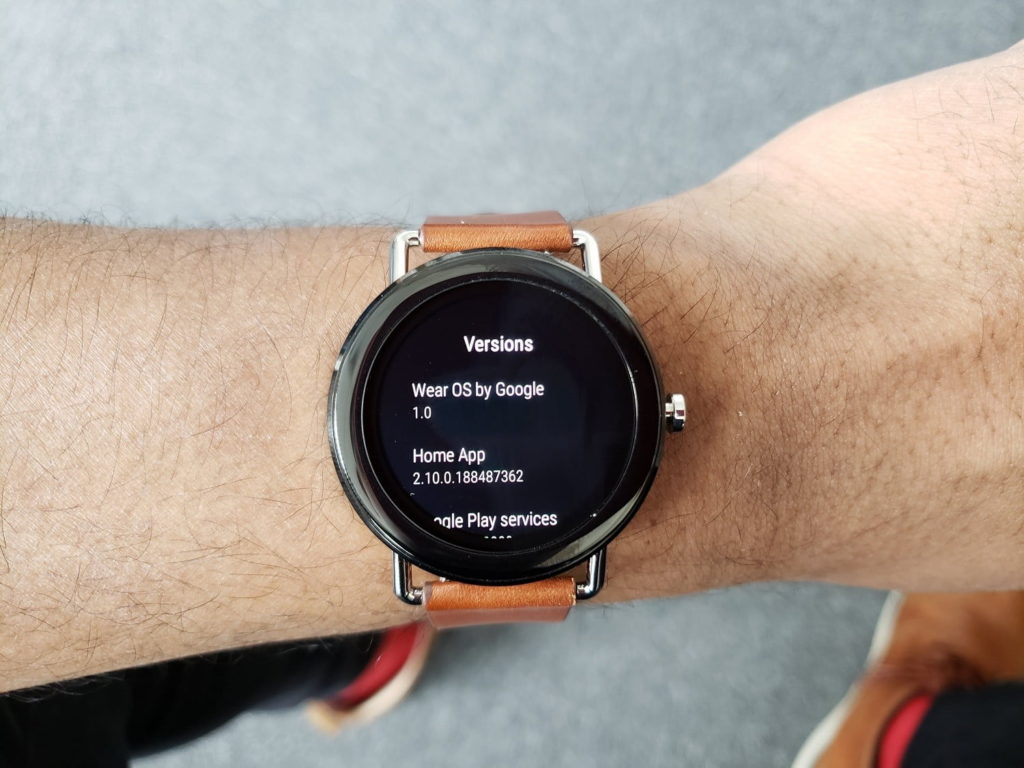
    Photo Credit: Digital Trends

    The recently-renamed Wear OS, once called Android Wear, will likely be a strong focus of Google’s presentation. Capitalizing on the success and popularity of fitness trackers and smart watches, Wear OS seeks to be a strong contender in a field largely dominated by Apple and FitBit. Additionally, voice command features more in line with Google Home-style functions seem to be a new focus for Wear OS devices. A Google-made smart watch is also not out of the question!

    VR Headsets
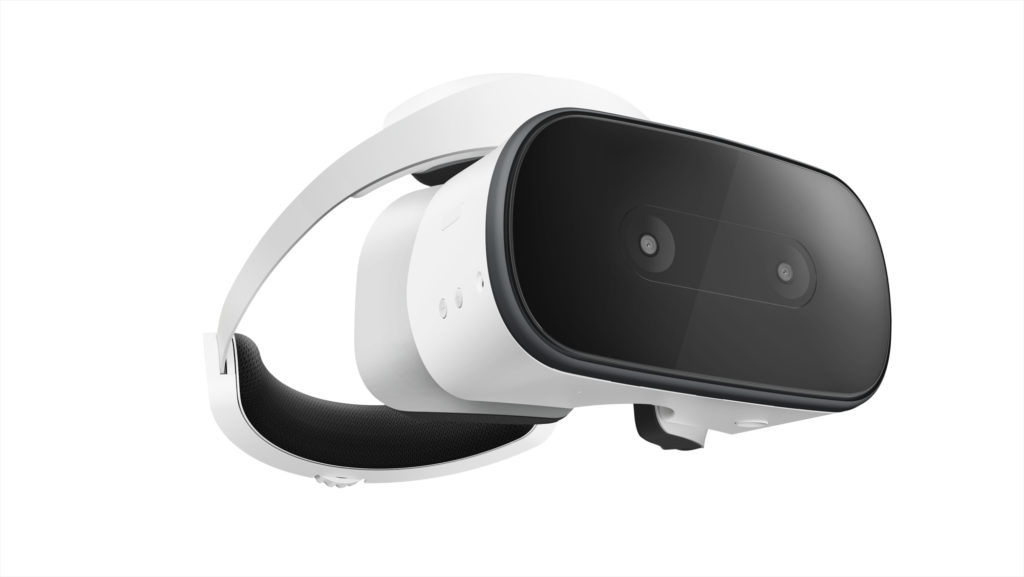
    Photo Credit: Ars Technica

    Another trend Google seeks to weigh in on, standalone VR headsets have proven quite popular, with models like the Oculus Rift wowing gamers and tech enthusiasts alike. Google’s own VR headset, the Lenovo Mirage Solo will certainly have a presence at I/O, and there is a possibility of a Google-developed, proprietary headset being unveiled at the press conference.

    Additionally, YouTube’s 180-degree VR app VR180 is likely to be a strong component of Google’s VR push. The app makes use of new camera technology, like the Lenovo Mirage, to film 180-degree, 3D video for an immersive VR experience.

    Google Duplex

    Google has unveiled this new feature for Google Assistant, an uncannily human-like AI voice pattern that can call businesses for you. The feature uses user data to make appointments and interact with humans who are none the wiser that they are speaking with an AI. This feature is certainly odd, and some have even commented that it has unsettling implications, but it is undeniably convenient. For those with phone anxiety, or busy schedules, this could be a potentially helpful feature. What is unknown is just how advanced and responsive the AI will be when interacting with a wide variety of scenarios and people.

    Google Assistant Updates
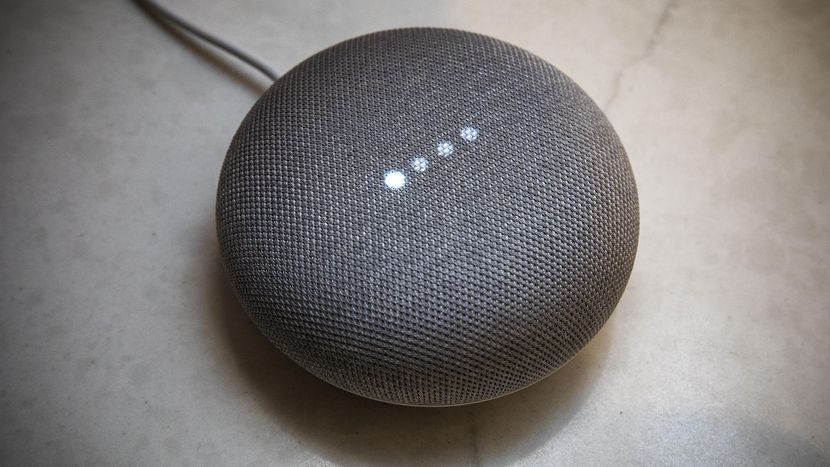
    Photo Credit: CNET

    Google Assistant is getting updated in many meaningful ways. For one, the Duplex technology will likely be implemented to allow it to have much more natural, human-like speech patterns. It will be receiving new functionality with children, attempting to teach them to be more polite. Additionally, the technology will soon be able to execute two actions on a single command and continue conversation while executing actions, making the user interface more natural and giving the AI more flow.

    Google Maps

    Google’s GPS app is set to receive augmented reality functionality. The new Google Maps will allow for superimposed directions in a manner that is similar to the Google Lens technology and allows for live tracking of crowds. The ability to navigate crowded city areas on foot by camera is certainly intriguing, making visiting new cities and exploring on foot more attractive and much safer!

    Google News

    Continuing the focus on AI technology, Google News is set to receive updates to increase personalization. As something of a response to growing anxiety over so-called “fake news,” the new Google News initiative uses technology to help users find and support news sources they trust, and to help users fully understand the news they consume. The technology will use your preferences and location to populate your news feed with stories relevant to you. Such a redesign is likely to be a big hit, helping users to trust their news sources and stay informed about events relevant to their lives.

  • The Best Facebook Apps for Smartphones – Android Edition

    The Best Facebook Apps for Smartphones – Android Edition

    The most popular social media service on the planet offers official apps for nearly every platform. But unfortunately for users, those official apps don’t always cater to their needs, or they may drain battery or slow down older Android devices. Luckily, there are some alternatives to the official apps – here are our top five!

    Friendly – Free / $1.99

    Friendly is a newer Facebook app that comes with some nice filtering options if you are annoyed by Facebook clutter. You can customize your news feed, filter out keywords, set a theme and use Facebook chat.

    The Pro version will cost you $1.99 to unlock. We think Friendly is well worth the cost, especially if filtering is appealing to you.

    Fast – Free / $1.49

    Fast has been around for a long time and it has evolved into a very full-featured Facebook app. With Fast, you can post, comment, share and access Groups and Pages. It even supports chat in the app, unlike the official Facebook app itself.

    There is a Pro version available for $1.49 and a Lite version that provides more basic Facebook access.

    Metal – Free

    Metal supports both Facebook and Twitter and has been gaining a lot of popularity. The app is actually a web-wrapper, which means it runs a mobile version of the Facebook/Twitter websites inside the app. There are some UI tweaks, themes and more. Although Metal is free, there are no ads. Definitely worth trying out!

    Simple – Free / $1.49

    Living up to its name, Simple is another web-wrapper app for Facebook that includes all of the basic features that you expect. You can interact with posts, upload photos and video and chat through Facebook Messenger.

    The free version is ad supported, but you can purchase the full version for $1.49 to remove them.

    Puffin for Facebook – Free

    If you have an older Android device and other Facebook apps are too slow and clunky, then consider giving Puffin for Facebook a try. It’s a browser app that is made specifically for Facebook, created by the developers of Puffin Browser. This app features some data compression tricks that lets you use less data and works great on slow network connections. If an old device or a slow connection is your situation, check out Puffin.

  • The Best Tablets for Kids

    The Best Tablets for Kids

    Screen-time for kids may be a controversial topic, but plenty of parents have discovered fun, educational ways to integrate technology into their children’s lives. We’ve rounded up the best tablets for kids of different ages so that you can make an informed decision about which one to purchase.

    Why Buy a Kids’ Tablet?

    Unlike “grown-up” tablets and smartphones made by Samsung or Apple, devices designed for kids have more robust designs to withstand rough handling and more options for parental controls to limit or block certain functions. Many kids’ tablets come pre-loaded with age-appropriate apps; for example, the kid editions of the Amazon Fire tablets are bundled with a subscription to FreeTime.

    Best Tablets for Ages 3 to 6

    For the littlest ones, a kid-friendly tablet like those made by Leapfrog is your best bet. The LeapFrog Epic is tough but basic, with an intuitive Android OS that can run either the premium proprietary apps from LeapFrog or third-party apps from Amazon. One downside to the Epic is the battery life, which only lasts about five hours. If you’re planning a trip and need to keep the kiddos entertained, make sure to bring the tablet’s charger!

    Best Tablet on a Budget

    Although it doesn’t have as many bells and whistles as the newest model, the Amazon Fire 7 Kids Edition is the best value on the market. We love the sturdy, bright case that comes with the Kids Edition, as well as the year-long subscription to Amazon’s FreeTime Unlimited, which is stocked with plenty of games, books, videos, and other digital delights. Best of all, Amazon offers a two-year replacement plan, so if accidents happen—and with kids, they often do—you will be covered.

    Best Tablet for Work and Play

    The Kurio Smart is an interesting hybrid of kids’ tablet and basic laptop. The detachable keyboard and Windows 10 operating system lets the Kurio Smart function more like a simple laptop, which is great for kids who need to browse the internet and use Microsoft Office products for schoolwork. It performs equally well as a tablet for reading and games once the homework is done.

    Best Tablet to Grow with the Child

    If you have the budget for it, the iPad Mini is the most versatile tablet on the market. While we wouldn’t recommend it for toddlers, elementary school kids can get years of use out of an iPad as their educational and entertainment needs change. Though more fragile than the tablets made just for kids, the iPad Mini can also do a lot more. Great display, long battery life, and top-notch support from Apple make the iPad Mini a worthwhile investment. Just make sure you also purchase a kid-friendly plastic case and a screen protector—you’ll want this tablet to last!

  • The Razor Phone 2 Rumors and Gossip

    The Razor Phone 2 Rumors and Gossip

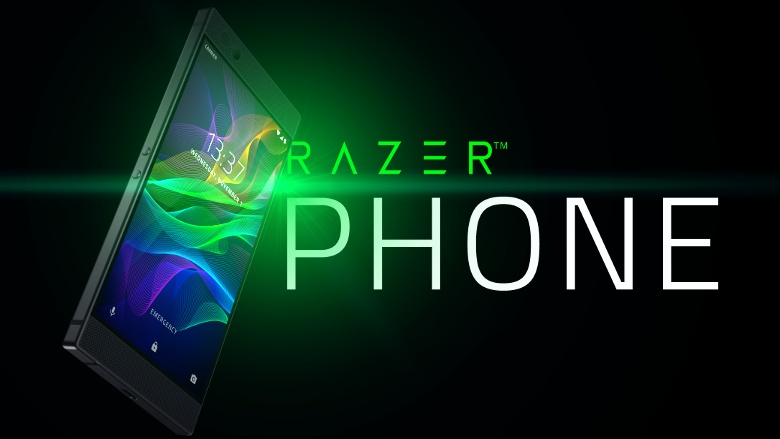
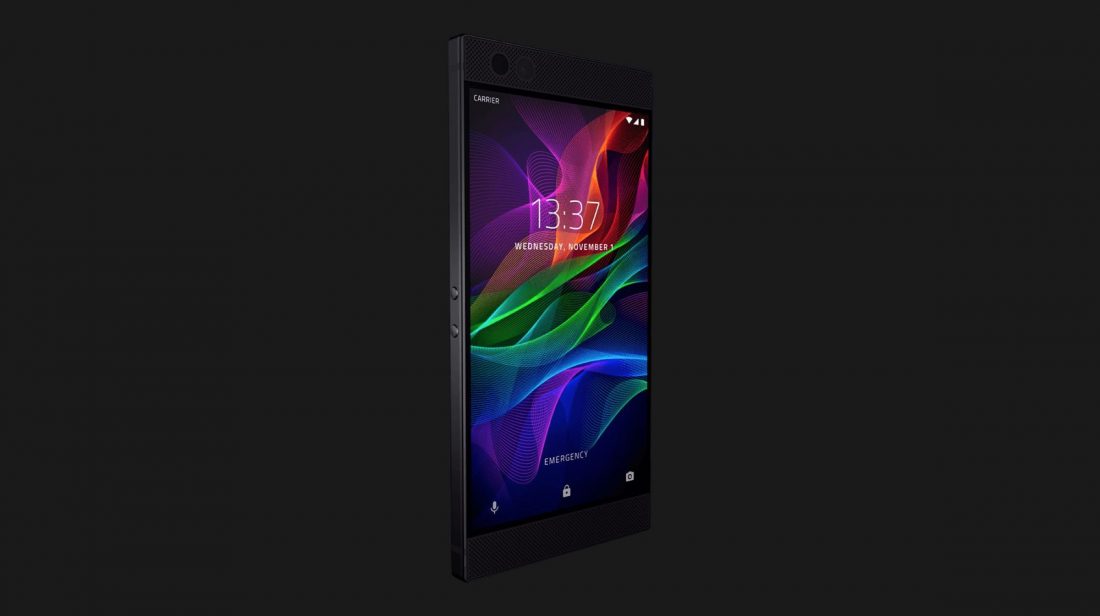
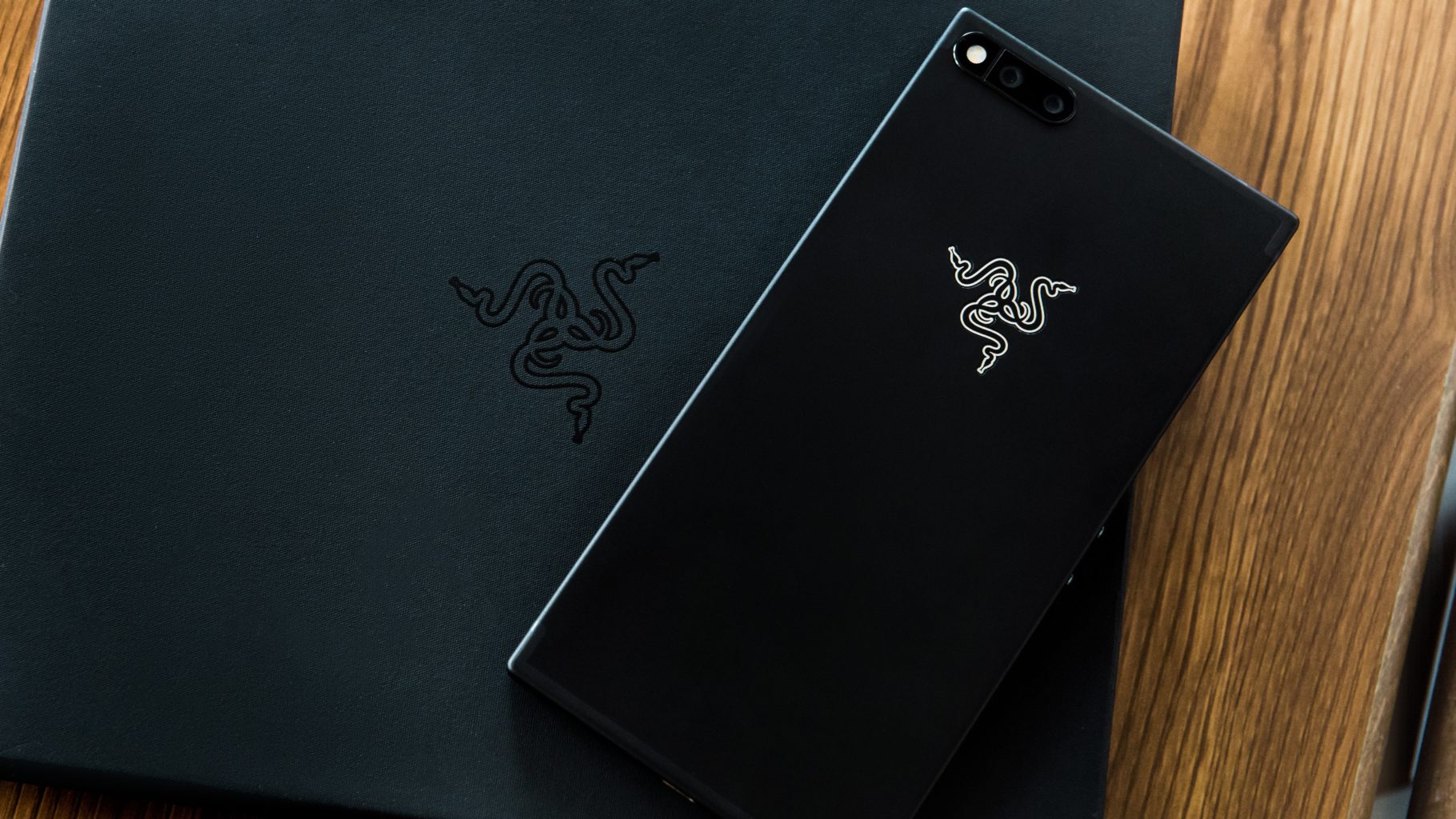
    No no not the Motorola Razr phone you are thinking of, The Razor Phone.  Razor phone set the standard in mobile gaming with the Razer Phone: the world’s first 120Hz screen on a mobile phone. It is the first android enabled phone Ive considered swapping my iPhone for. Like technology does though the new cutting edge phone is ready for an upgrade. We are seeing chatter of the Razor 2, so we are sorting out the rumors, leaks and details to bring you the scoop on the Razor Phone 2


    While Razor has already increased the capabilities of the Razer Phone – the last major software update added HDR support for Netflix as well as Dolby Digital 5.1 sound for apps that support the immersive audio standard. Everyone is now expecting updates for all the various cornucopia of the gaming focused smartphone to arrive at the same time.While the company is not going to confirm or deny any future plan there have been  discussions that the Razer Phone 2  will arrive later in 2018. That would be less than a year from the launch of the first Razer Phone, but getting the handset not only in sync with the smartphone market cycle but also available in-store with better timings ahead of the festive period makes a lot of commercial sense.


    The Consensus is the phone will be announced at the  Berlin’s IFA in early September. We are also hearing with some substance behind it that  Razer might also turn Project Linda into a real product. This is a laptop that you slot the Razer Phone into, using the phone to power it and become a touchpad. It was demoed at CES 2018, and it would make sense for Razer to launch it alongside a new handset.


    What We Are Looking For

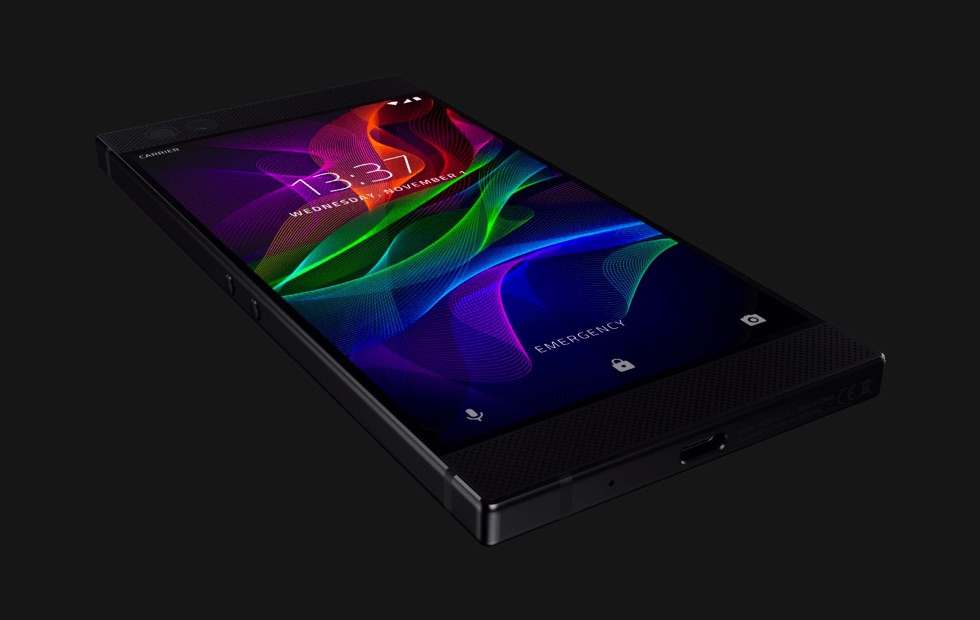
    There are a few key elements that will need to be improved for the Razor 2 to be the commercial success it should be. First off the desgin, The Razor is far to blocky and plain. Its current desgin is boring and uninspired. Razor knows how to design a curve, we have seen it in other products.  So most of us are looking to Razer’s next phone to shake things up and curve it out.

    Headphone port? We need it. Looking at the Razer Phone, there’s ample room for it, so its omission is perhaps more inexcusable than other phones that lopped off the feature. If your phone is not waterproof it should have a headphone jack

    We are going to need HD quality stereo speakers in this model. Again there is plenty of room and battery power to facilitate this, it is just lazy that the Razor doesnt have this now.Dual front-facing speakers can really make an impact in the day-to-day use of a phone.

    Wireless charging is the last very common function the Razor 2 should have. The Razer Phone doesn’t support wireless charging and there is no reason the new one should not. The company’s next phone is made with glass, that would be perhaps the easiest way to make that happen. But looking at its Hyperflux wireless charging technology currently employed with PC peripherals like the Razer Mamba Hyperflux, it seems like this feature is destined to make an appearance on its upcoming phone.

    One Other Thing

    Razor 2 will reportedly be working with google to release more timely updates. The Razor was released with Nougut when Oreo had already been available. The Razor 2 is set to be released with Android P and will receive the latest updates in much quicker fashion then its predecessor, reportedly.  A phone that adopts new software quickly is likely to become a fan-favorite, but Razer’s time with Nougat certainly didn’t spoil the experience. That’s partially due to its Nova Launcher software. It’s likely to keep with that going forward, only upgrading when its launcher is compatible with Google’s software.


    The Final Thought

    While I shudder to consider a life with out the iPhone, Razor is doing cutting edge stuff and should be considered the premium android brand. Considering the demographic of the android enthusiast this should be the desired and most anticipated android device on the market.


  • Tablet Talk:  ASUS ZenPad Z8s 

    Tablet Talk:  ASUS ZenPad Z8s 

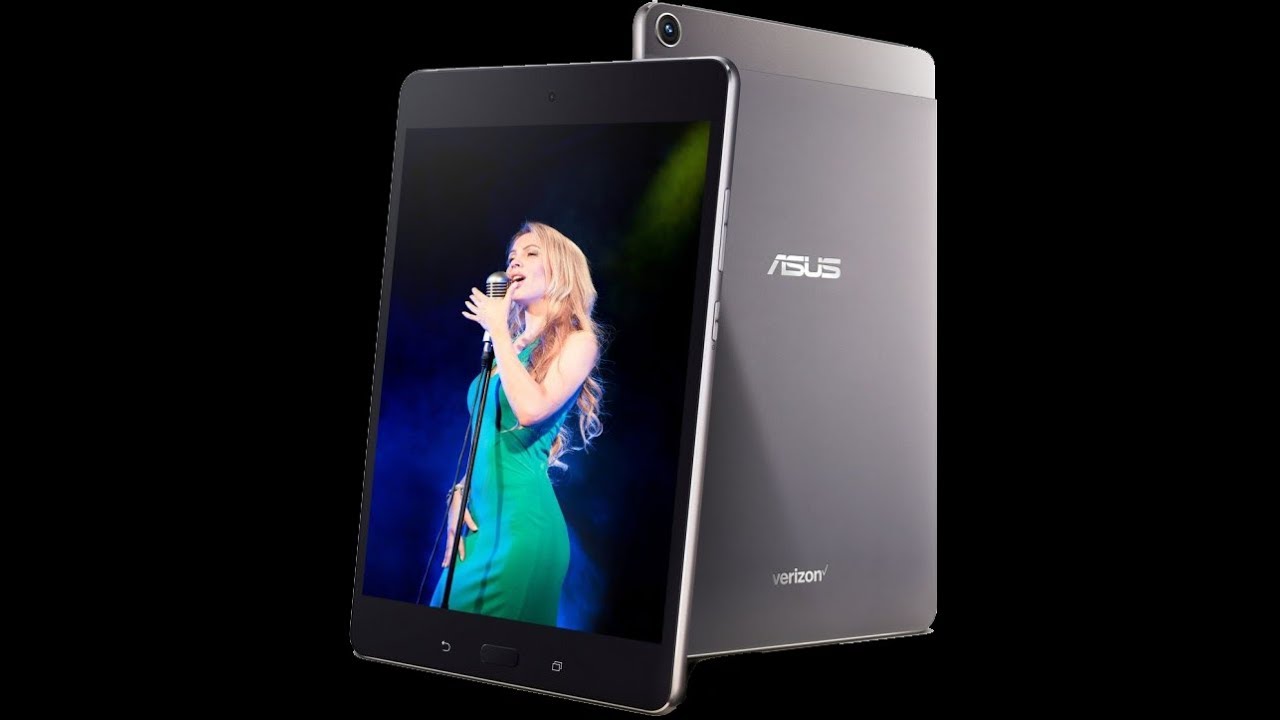
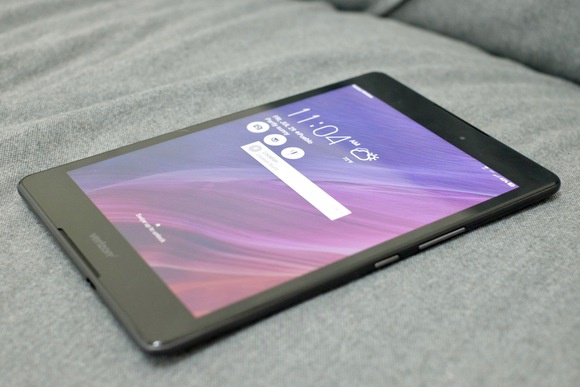
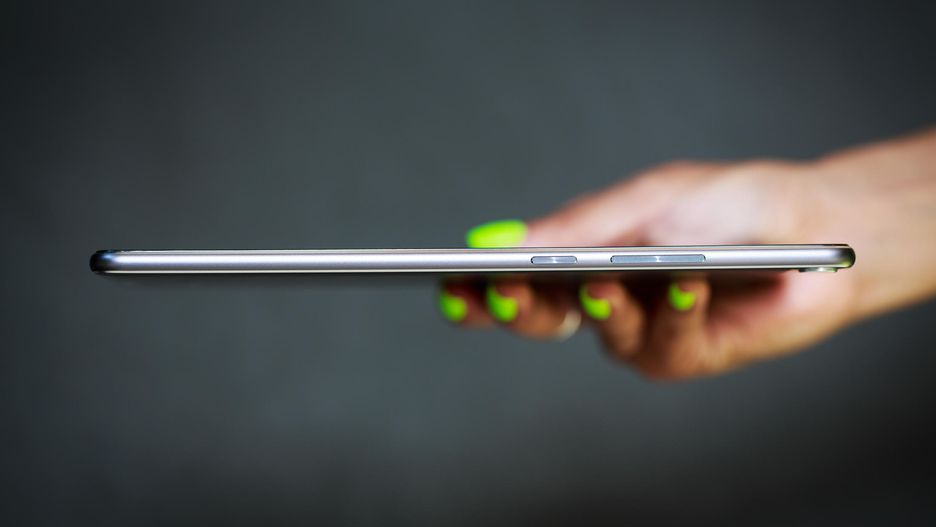
    ASUS ZenPad Z8s  is a Premium 7.9-inch tablet with a stylish, all-metal design, and featuring vivid visuals, cinematic audio, and powerful all-around performance ideal for both entertainment and productivity. ASUS ZenPad Z8s has elegant, modern styling with clean lines and an exquisite metallic texture that feels great to the touch. Its forged aluminum body weighs just 306g, is only 6.9mm thin, and is accented by double, diamond-cut edges, giving ZenPad Z8s a singular beauty that elevates the tablet experience.

    The Great

    • Bright and colorful display
    • Great performance
    • Solid audio
    • Stylish design

    The Not

    •  Verizon Exclusive
    • Short battery life


    The Conclusion

    The Asus ZenPad Z8s is a high-performance tablet that offers a bright display, loud audio and stylish design.


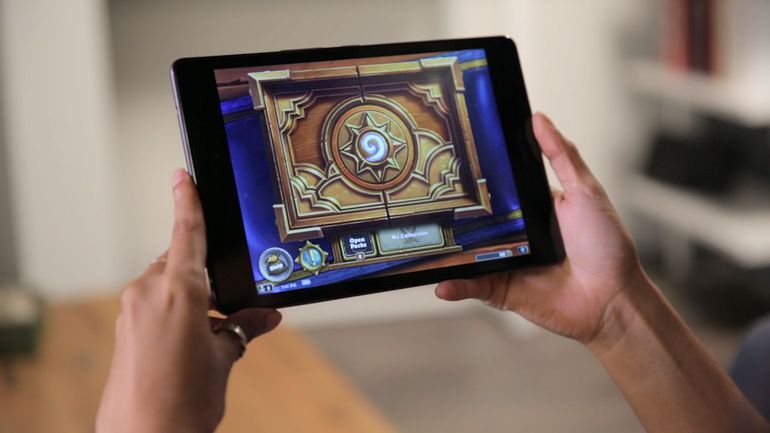
    If you’re a Verizon customer, then you’re in luck, because Asus has an exclusive tablet to serve your media needs. The 8-inch ZenPad Z8s provides a bright display, an impressive sound system and good looks, all for $250. Whether you want to watch videos on YouTube or takes notes in Google Docs, the Asus ZenPad Z8s is a reliable Android tablet that’s worth considering.
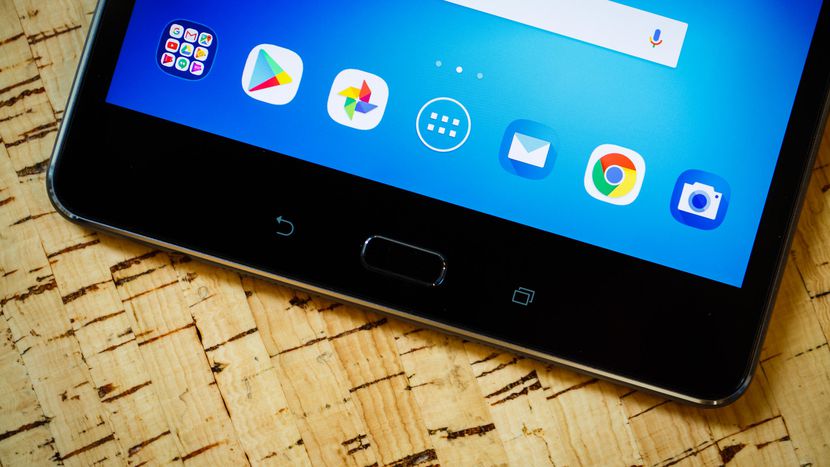
    Design: Stunning

    The Asus ZenPad Z8s measures 8.0 x 5.3 x 0.27 inches and weighs 10.7 ounces, making it the lightest 8-inch tablet I’ve seen so far. Competitors like the Lenovo Tab 4 8 measured 11.2 ounces, while the Amazon Fire HD 8 measured 13 ounces and the 9.7-inch Apple iPad came in at 16.5 ounces.The ZenPad Z8s has a sophisticated appearance. Its aluminum backing is a matte, gunmetal shade with matching plastic sides and a top bezel that houses a 13-megapixel rear shooter. Thin chrome accents decorate the edges of the tablet and rear camera, which really makes the ZenPad Z8s stand out from the competition. A bright silver Asus logo sits in the middle of the shell, while a smaller Verizon logo is situated at the bottom

    The Asus ZenPad Z8S features a Snapdragon 652 Octa-core chipset with an Adreno 510 GPU, 3GB of RAM, and 16GB of internal storage expandable to 128GB via a microSD card.

    The ZenPad Z8S’s performance is generally passable, but not extraordinary. In our testing, it ran most things well, though we did experience slow-downs, occasional delayed response, and dropped framerates in games. The lag is most noticeable while opening the app drawer, Recent Apps or waking the device up. Basically, it seems to struggle with changes to onscreen content. Most of the time it runs smoothly, but the little hiccups are noticeable. Oddly, the default Asus keyboard doesn’t play too nicely with the processor, and feels clunky, but that was nothing a switch to Google’s Gboard couldn’t resolve.

    Quick Speck Look

    • Android 7.0
    • 1.8GHz Snapdragon 652
    • 3GB RAM
    • 16GB internal storage
    • MicroSD card reader, up to 128GB SDXC
    • Micro SIM card slot

    The Final Thought

    The $250 Asus ZenPad Z8s is a speedy media tablet at a decent price. Offering a bright display, great audio and sophisticated design, the ZenPad is hard to beat for the price. And if you’re not sure if you want to shell out the cash all at one time, Verizon offers 24-month financing for $10.41 per month. Or you can opt for a two-year contract and get the ZenPad for $150 instead.

    Shoppers who just want an inexpensive 8-inch tablet may prefer Lenovo’s $128 Tab 4 8 or Amazon’s $80 Fire HD 8, both of which have longer battery life but slower performance. If you don’t mind getting your hands on a slightly bigger screen with better overall specs, then Apple’s $329 iPad may be worth the investment. However, if you just want a 4G Android tablet that you can add to your Verizon line, the ZenPad Z8s is a great choice.

  • What is this Motorola, a G6?

    What is this Motorola, a G6?

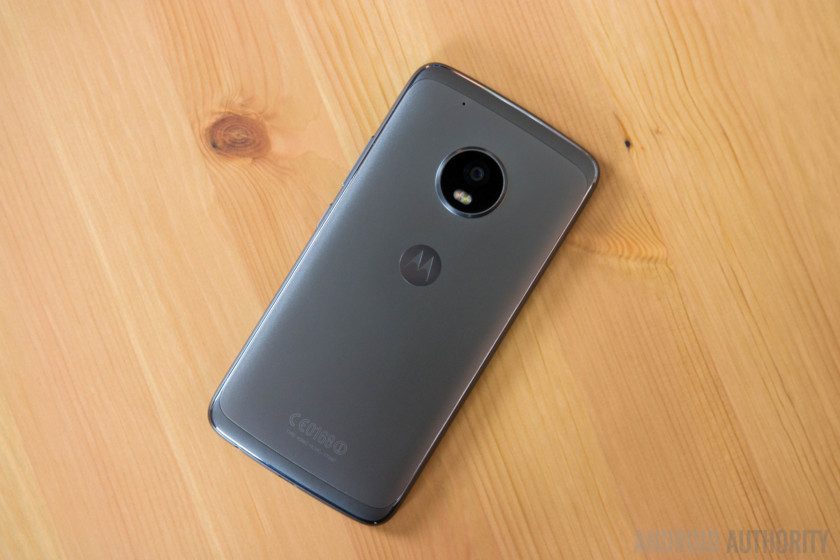
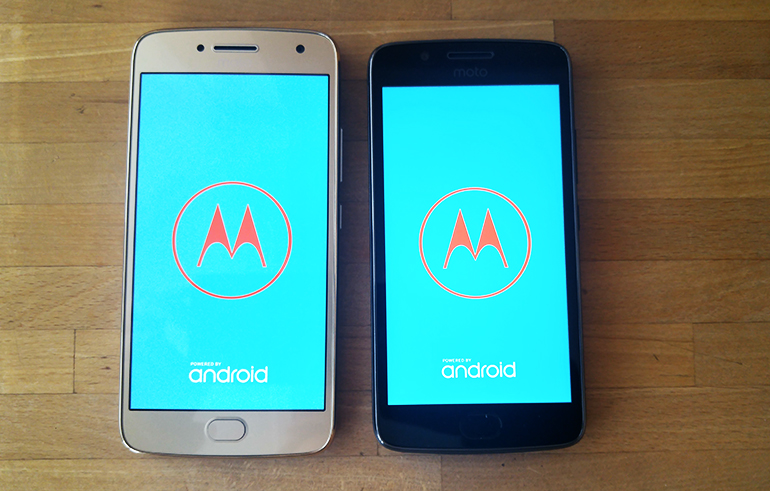
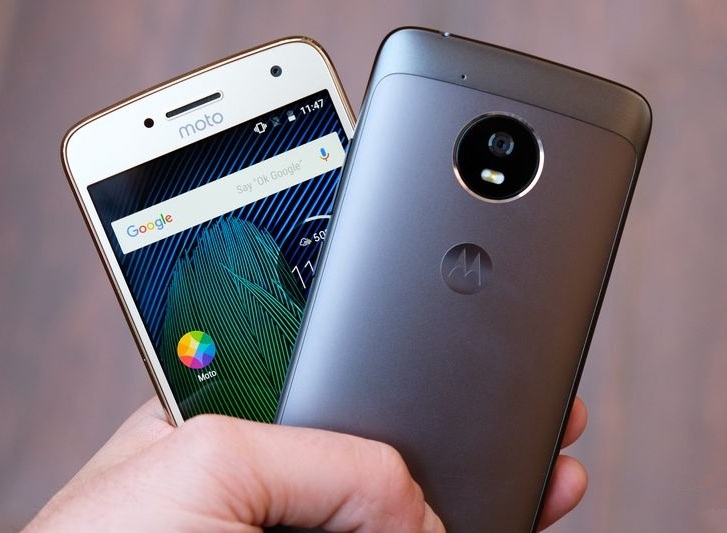
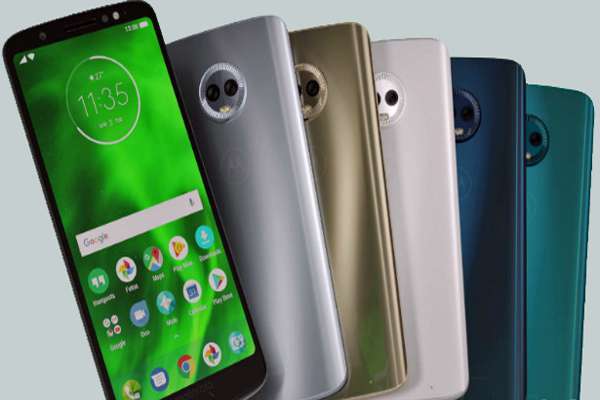
    Motorola has offered its biggest tease of the incoming Moto G6 yet. Rumored to launch soon on April 19, the clip shows off several angles of the budget-friendly phone that is looking more high-end than ever.

    Throughout the teaser, shared from the Motorola Twitter account, we’re taken on a tour around the G6’s curves and design highlights. From its glossy trim, to its notched power button and metal ear speaker grille, the video appears to confirm many of the leaks that we’ve reported on. Its front-facing fingerprint sensor makes an appearance, too, as does the dual rear-facing camera system that we saw on the Moto X4.

    Not indicated but expected, the Moto G6 Plus will have a 5.93-inch Full HD+ 18:9 screen, probably no notch, on its front and dual cameras on its back. It will be joined by the Moto G6 and the Moto G6 and Moto G6 Play when Motorola announces its 2018 roster this week.
     

    Quick Spec Look


    Specifications    Moto G6                                                  Moto G6 Plus                                                    Moto G6 Play


    • Processor            Qualcomm Snapdragon 625         Qualcomm Snapdragon 660         Qualcomm Snapdragon 430
    • Display  5.7in Full-HD+ (2160×1080) 18:9 5.93in      Full-HD+ (2160×1080) 18:9            5.7in Full-HD+ (2160×1080) 18:9
    • Memory              3GB/4GB                                                        3GB/4GB/6GB                                         3GB/4GB
    • Storage                  32GB/64GB
    • Primary Camer         Dual-lens 12Mp + 5Mp,                          Dual-lens 12Mp + 5Mp                  Single-lens camera, dual-LED flash
    • Selfie Camera               16Mp, LED flash
    • Ports                       3.5mm headphone jack
    • Fingerprint scanner         Yes, front                                                           Y es, front                                         Yes, rear
    • Battery Capacity               3000mAh                                                         3200mAh                                              4000mAh
    • Colour Options                  Black, Silver, Rose Gold Black, Silver, Teal                                             Charcoal, Gold, Deep Blue

    The Final Thought

    It’s hard to shake the feeling that we’re not looking at Moto’s next flagship. As other companies like Nokia and Asus have shown, low-end is the new high-end. Flagship features like the 18:9 aspect ratio display and dual cameras are trickling down and are now more accessible to more people.

    So while the Moto G6 and its Moto G6 Plus and Moto G6 Play may not be top-end in terms of spec, this will likely be Moto’s biggest release of the year. Since the rumored launch date is upon us, stay tuned for the latest news and hands-on reviews of Moto’s new swath of phones. The base 32GB G6 model was listed by the site at $249.99 unlocked and G6 Play priced at $199.99

  • Smartphone Spotlight: Huawei P20 Pro

    Smartphone Spotlight: Huawei P20 Pro

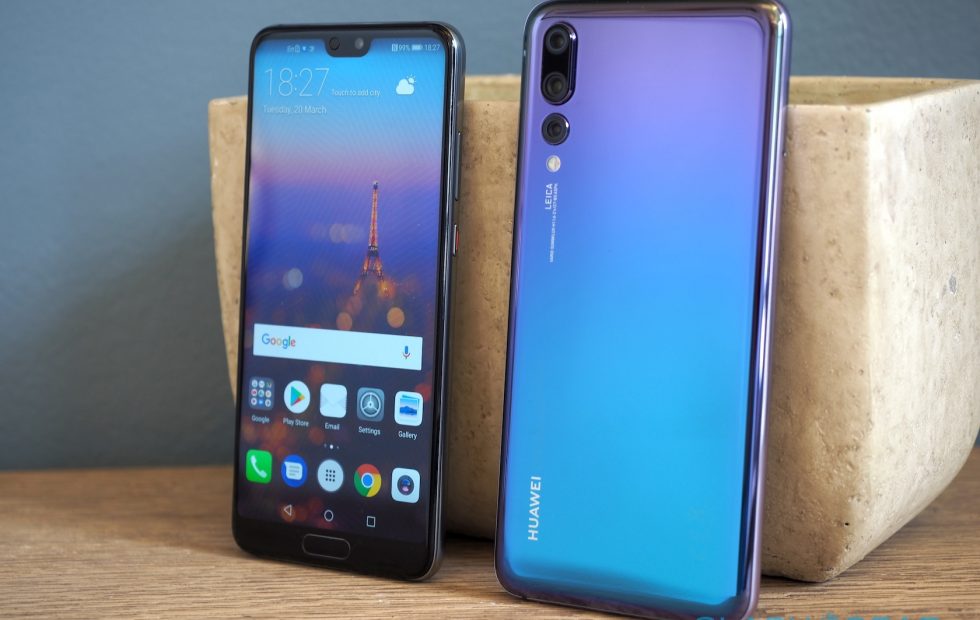
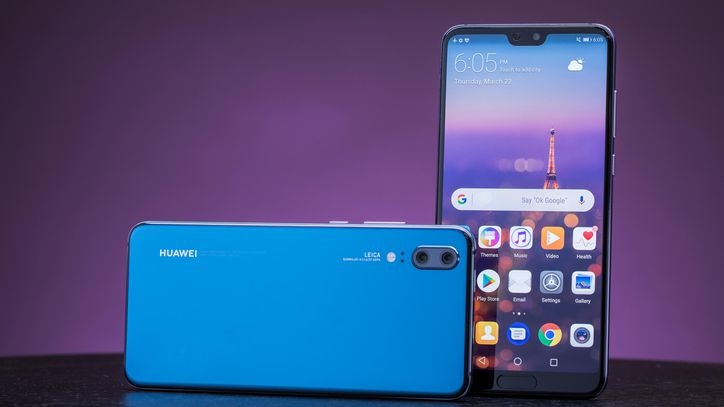
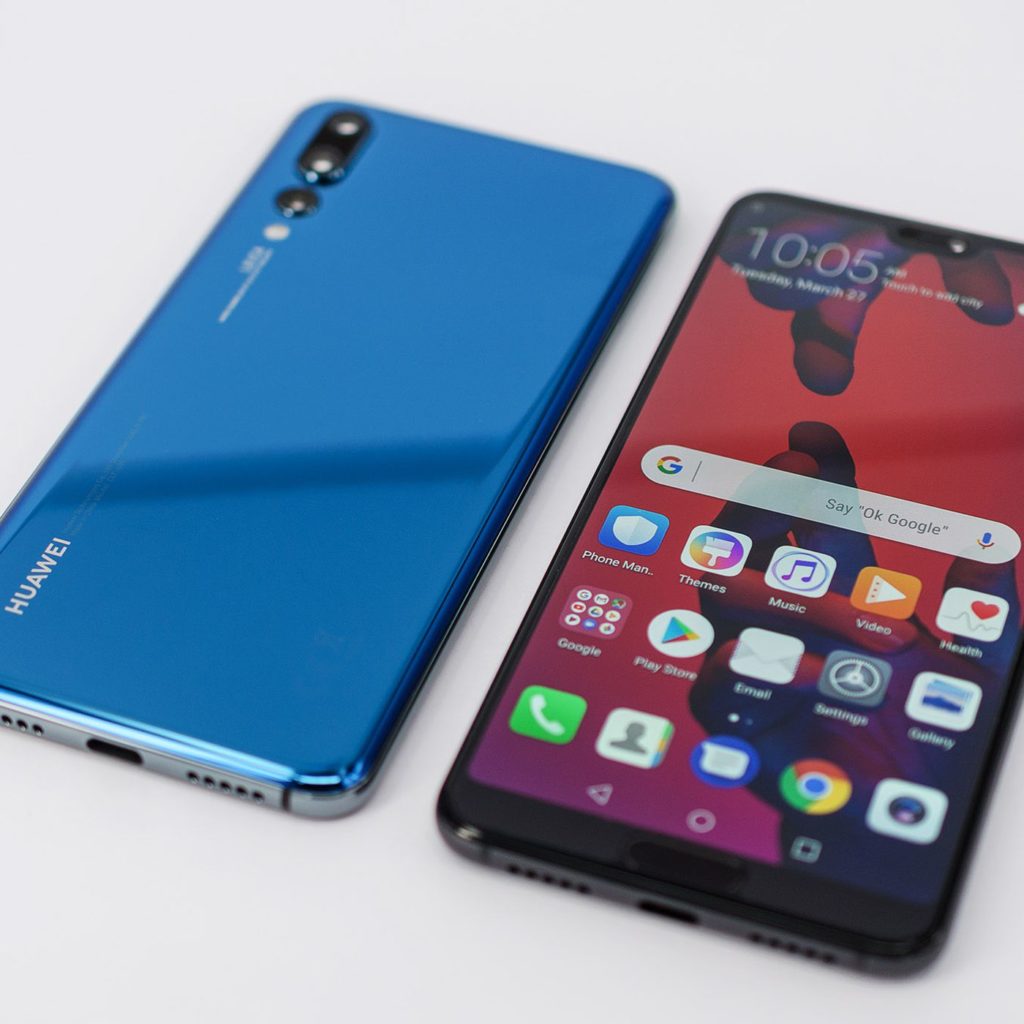
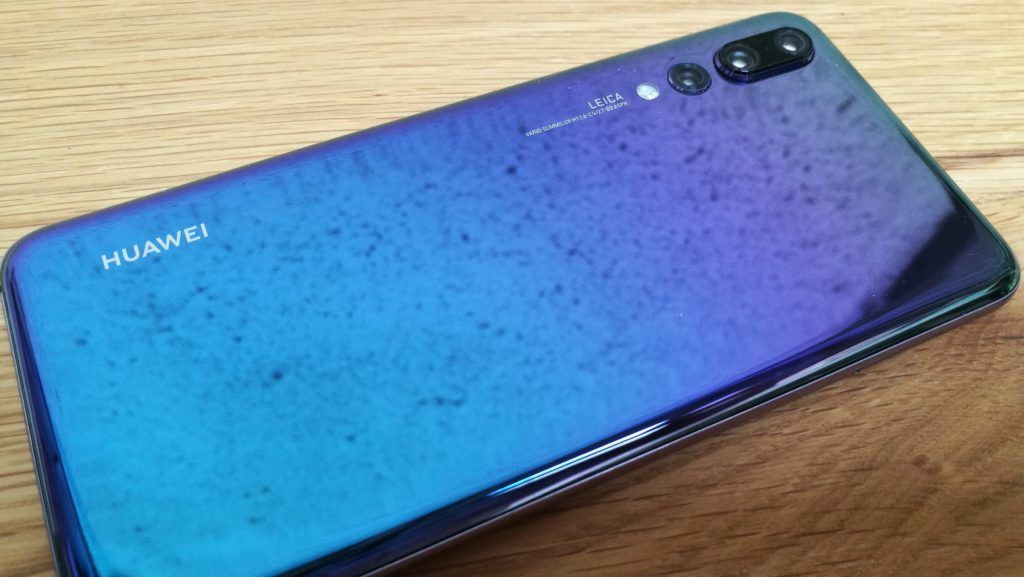
    HUAWEI’s P series has always been a pioneer of smartphone photography. Now the HUAWEI P20 Pro is once again leading the way with the revolutionary Leica Triple Camera, where aesthetic vision meets an advanced camera system that shines a light on intelligent photography. Inspired by the radiant energy of light itself, the HUAWEI P20 Pro is available in a new gradient color finish. The effect is a luminescent color progression that is unique amongst smartphones. Designed to be exceptional in every way.


    The Great

    • Fantasic camera
    • Big battery with lots of stamina
    • Optional (ish) notch
    • Fast face unlock

    The Not

    • No wireless charging
    • No headphone jack
    • Minor fizz to the OLED screen


    The Conclusion

    40MP, the world’s first triple camera, 5X Hybrid Zoom, artificial intelligence in all the ways, and the most unique color on any smartphone ever. These are just some of the features Huawei is hoping will make you check out its new flagship, the Huawei P20 Pro.


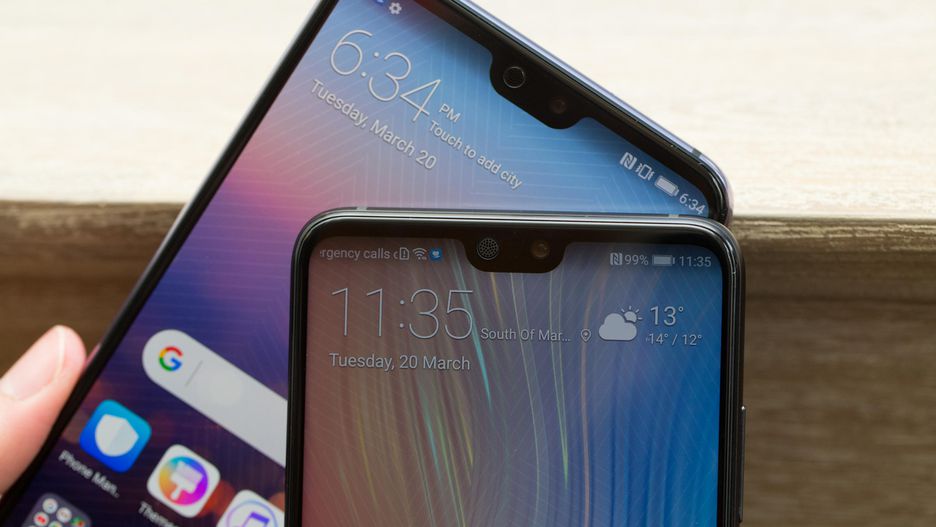
    The Huawei P20 Pro is a phone that stands out with its large, spacious display and its triple camera at the back. Its huge screen occupies most of its front, with a notch at the top housing the earpiece and front-facing camera. The triple camera arrangement is comprised of a massive, 40MP camera for regular shots, a 3X zoom telephoto cam, and a monochrome sensor enabling bokeh effects. On the inside is a powerful Kirin 970 chip, along with plenty of memory and a huge battery


    The Design

    The Huawei P20 Pro borrows several design cues from the iPhone X, with a vertical camera placement on the back and notch atop the screen. It stands out with three cameras and the unique twilight color, which awakens everyone’s inner wish for a real-life unicorn.

    Beneath the screen is Huawei’s fingerprint sensor, which is flat, wide, and allows you to unlock your phone while it’s laying face up on a table. I’m normally a bigger fan of Huawei’s rear-mounted fingerprint sensors thanks to their added support for summoning the notification shade, but the P20 Pro’s scanner is still fast and reliable and supports gesture controls for navigation.

    The power and volume keys on the right offer nice feedback and the power button has a nice accent color. The bottom houses a speaker, microphone, and USB Type-C port. There’s no headphone jack, but an adapter comes in the box. I’m not an audiophile so I usually pick convenience over function, so I’m fine with Bluetooth audio. It’s the easiest solution and the Huawei P20 Pro works well enough in this regard.


    The Camera


    If you’re interested in the Huawei P20 Pro, there’s a good chance it’s because of the camera array. There are three cameras on the back, one 40MP main sensor, a 20MP black and white one and a 3x zoom 8MP camera.

    You can shoot at 3x without digital zoom, and even get good results at 5x. The real star here is low light performance, though. Standard night shooting just about matches the best, but a dedicated night mode lets you take low light shots with dynamic range to rival an APS-C DSLR.

    The Huawei P20 Pro also has a very high-resolution 24MP front camera for detailed selfies and reliable face unlocking.

    Quick Spec Look

    HUAWEI Kirin 970 CPU, octa-core + micro core i7, 4 x Cortex A73 2.36 GHz + 4 x Cortex A53 1.8 GHz

    Size: 6.1 inches;

    Type: OLED;

    Colour: 16.7 M colours;

    Resolution: FHD 1080 x 2240, 408 PPI

    OS Android™ 8.1

    6 GB RAM + 128 GB ROM

    Rear camera:

    Tri-lens camera:

    40 MP (RGB, f/1.8 aperture) + 20 MP (Monochrome, f/1.6 aperture) + 8 MP (Telephoto, f/2.4 aperture), supports autofocus (laser focus, deep focus, phase focus, contrast focus)

    Note: The photo pixels may vary depending on the shooting mode.

    Front camera:

    Single-lens camera:

    24 MP, f/2.0 aperture, supports fixed focal length


    The Final Thought

    When all is said and done, the new Huawei P20 Pro will quite possibly be the hottest Android phone of 2018. On top of beastly specs and a very sleek design with one color that has a crazy gradient color effect, the P20 Pro has the best camera of any smartphone ever. The triple-lens design is truly unique, and it helps the P20 Pro pull in all sorts of extra data that tremendously improves image quality. There’s only one problem: the Trump administration doesn’t want you to have it. We will have to wait to see how this pending trade war works out before we see it in every teenagers hands in the US. There are 2 stores on eBay taking pre-orders now for the US and it will ship 4/18

  • LG G7 ThinQ Unveiling

    LG G7 ThinQ Unveiling

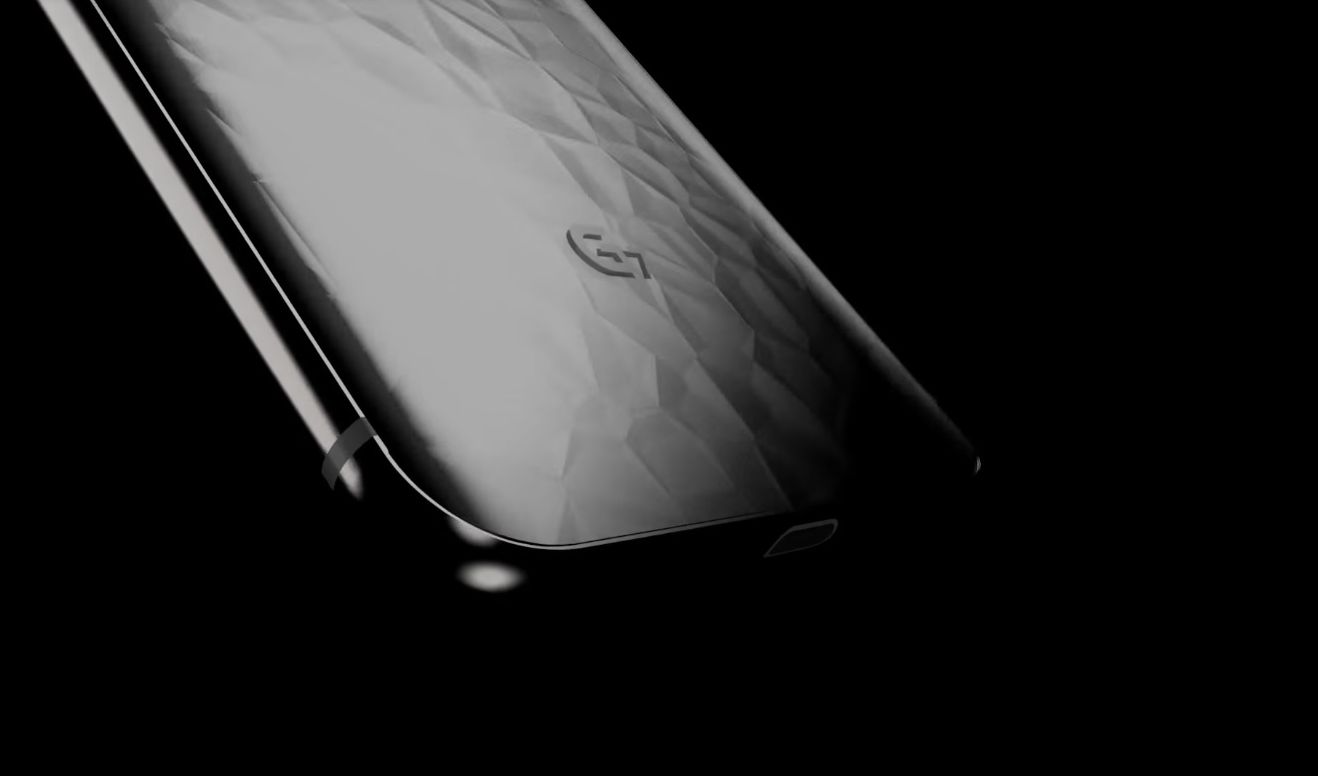
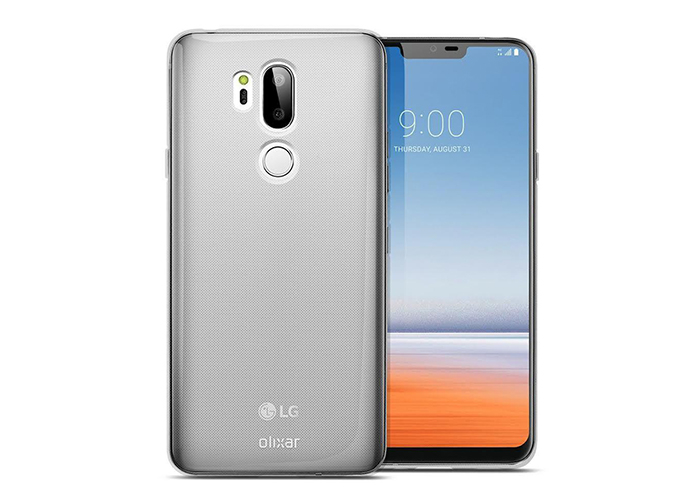
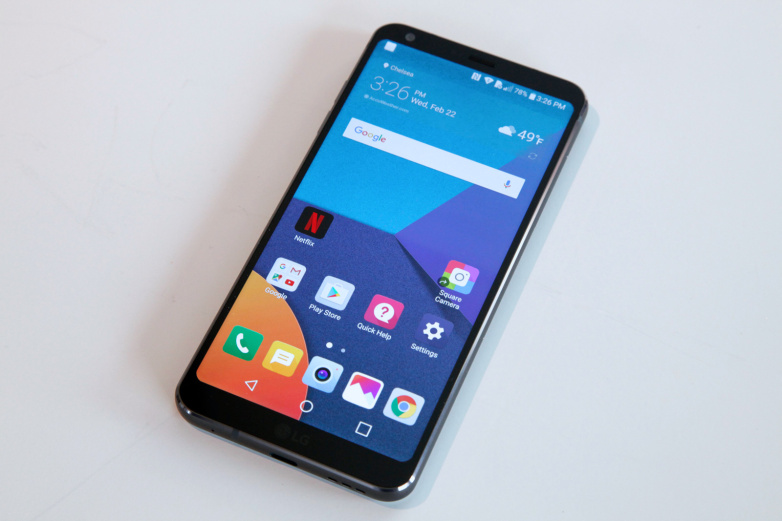
    Lg has set a May 2nd Unboxing event for their newest flagship the G7. There will actually be two launch events for the LG G7 ThinQ: one in New York City on May 2nd, for an international audience, and another in LG’s home turf of Seoul on May 3rd. Like the P20 Pro and the majority of Android flagships this year, the G7 is set to have a notch at the top of the screen


    LG is positioning artificial intelligence (AI) at the core of the G7. This is, in fact, why the company has opted to use the ThinQ moniker. While it might not be the most attractive name, it is one which has been specifically chosen to reflect the intelligence underlying the LG G7. As that intelligence goes well beyond just what the smartphone can do for you — in terms of the provision of contextual information — with the AI experience having been very tightly integrated with other elements on the G7 such as the camera, another major selling point of the upcoming Android flagship.
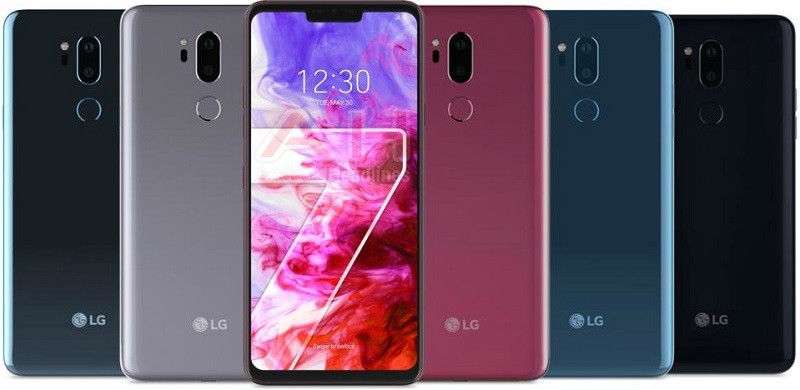
     

    The Lg Difference

    Lg is trying to pack a lot in to this G7 starting with the camera.  LG focusing on how the G7 can process what it sees and offer recommendations to get the most out of photos captured with the phone. Specifically, AI Cam will offer four “enhanced filter options” which will provide different levels of optimization based on aspects such as color, contrast, and saturation. According to LG, this will result in the G7 being far more capable in extreme low-light conditions compared to the LG G6, as well as the V30 and V30+. In fact, the G7 will be marketed as capable of capturing four times brighter images and videos compared to the G6 and V30 lineups.

    2D and 3D camera stickers will be available, allowing the user to paste over photos with various animated stickers. Following on from the V30’s introduction of Graphy, the G7 will boast an updated version of the service in the form of Graphy 2.0. At present, it is not quite clear how the new version will fundamentally differ from the previous one.
     

    LG has included what it refers to as a “Boombox Speaker” to the G7. On a more technical level, this means the G7 is capable of acting in the same way as a resonance chamber — LG actually claims it is one — and this means the G7 bounces audio signals internally before the signal is outputted to the listener, with the end result being a more booming sound overall.

    The Final Thought

    The LG G7 ThinQ is going to arrive as an all-singing, all-dancing smartphone. AI, cameras, and the two together are going to be some of the primary selling points, although even with the AI elements removed from the equation, the G7 will remain a feature-packed phone. Guess we will just have to wait until May to see.

  • Passwords Are Soon Going the Way of the Blockbuster

    Passwords Are Soon Going the Way of the Blockbuster

    Passwords, I cant remember, I try to develop a system to keep track. I have tried to use the same one for everything, then a variation, I tried to use the same word and change the last number. I spend half of my life resetting passwords. Well good news everybody, the password may soon be a thing of the past, yesterdays problem, and something ill write a tech throwback about in 15 years. A welcomed goodbye and welcome to biometric ID.


    Announced in a press release today (April 10) by the FIDO (Fast IDentity Online) Alliance and the World Wide Web Consortium (W3C), the new Web Authentication (WebAuthn) standard will let users move to biometric logins or verification via a USB security key.

    The new standard aims to lure users away from current password-based systems, which leave users open to phishing attacks and other ways of abusing stolen login credentials.

    The press release notes that “Google, Microsoft and Mozilla have committed to supporting the WebAuthn standard in their flagship browsers and have started implementation for Windows, Mac, Linux, Chrome OS and Android platforms.”A development status page for WebAuthn in Chrome shows that it is slated to be enabled by default in version 67, two major releases from the current version 65. The standard is already supported by Firefox, and Edge will be gaining support in the coming months.
    Login via USB security keys is already widely supported for products such as the Yubikey by major websites such as Facebook, Google and Bank of America

    Face ID and Apple

    Apple has already embraced this and has been implementing it slowly for several years, it started with the finger print sensor in the iPhone 5s. Now the iPhone X and FaceId are taking it to the next level. I havent entered a password on my iPhone X since I got it in November. It even remembers passwords from years ago before I started using the fingerprint reader for my password Chain.

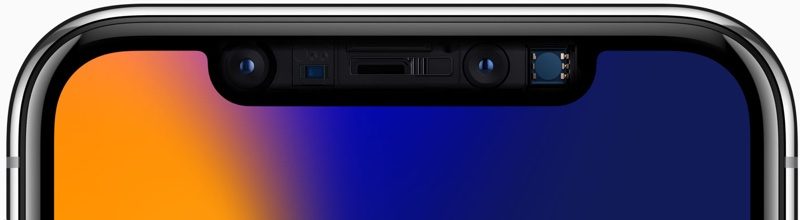
    Face ID is enabled through a TrueDepth front-facing camera on the iPhone X, which has multiple components. A Dot Projector projects more than 30,000 invisible dots onto your face to map its structure.

    The dot map is then read by an infrared camera and the structure of your face is relayed to the A11 Bionic chip in the iPhone X and transformed into a mathematical model. The A11 chip then compares your facial structure to the facial scan stored in the iPhone X during the setup process.

     

    The Final Thought

    Biometric Identification is the path to the future, we have seen it in every future set movie we have ever watched. The time is coming and we are making great progress to it. Apple alone has this nearly set with FaceID, adopt it in to multiple devices in a year or two and its set. Im glad to see all the big tech establishments embracing this and setting a standard for biometric ID. See you in the funny papers, Passwords.

  • Samsung DeX Pad a Big Leap Forward, and it Could Be Free

    Samsung DeX Pad a Big Leap Forward, and it Could Be Free

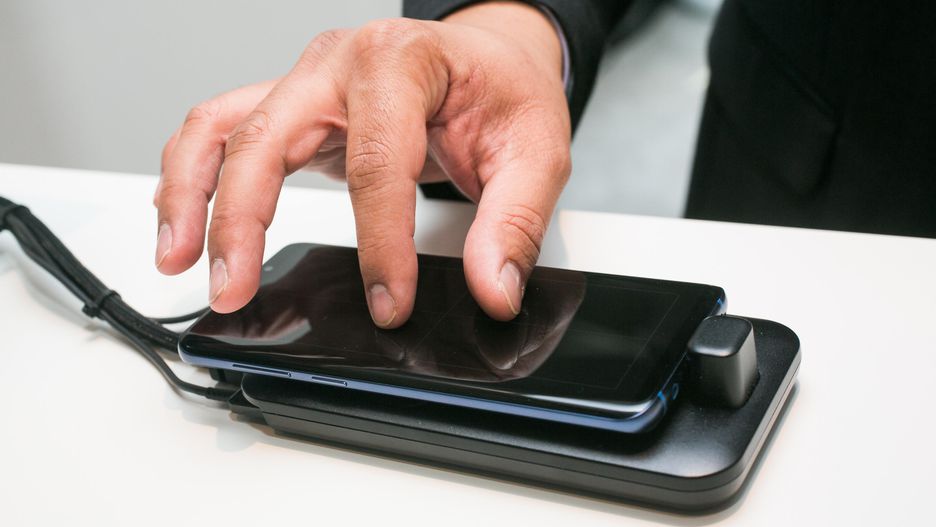
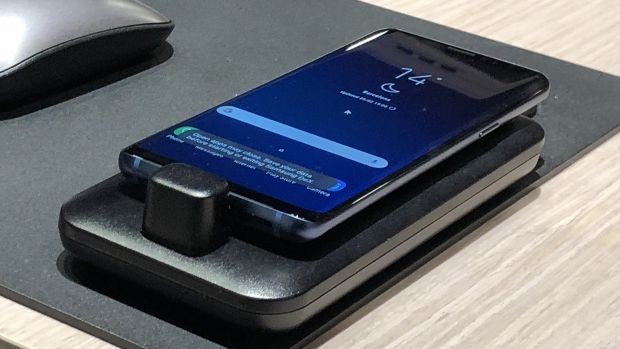
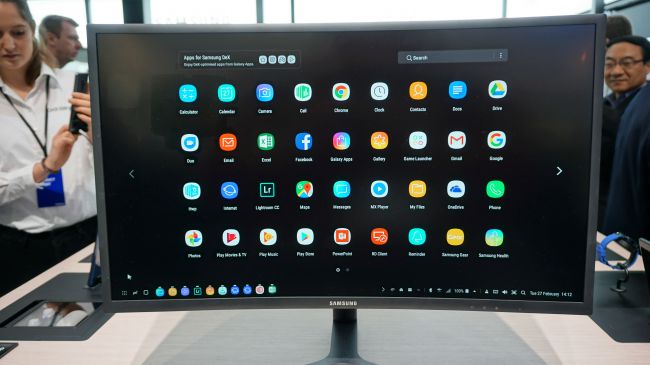
    Samsung is opening up a new device that will add a whole new level of smartphones. Samsung’s DeX Pad allows its smartphones to become minicomputers when they’re hooked up to the device. Connecting a smartphone to the dock allows the user to see the screen of the phone projected onto a monitor.The new Samsung DeX Pad that transforms newer Galaxy phones into a desktop-like virtualization tool is available for pre-order in the US, Samsung announced today.

    With the power we are seeing in the latest phones this could be a real jump in our tech evolution. I know you have asked Why do I need, a computer, tablet, smartphone, 2 laptops and 6 other specialized devices? This will be the first step in a consolidated universe.

    Samsung announced that it would be releasing the DeX Pad in the U.S. on May 13 for the price of $99.99. This new device was revealed back in February during the debut of the Samsung Galaxy S9. When a smartphone is connected to the dock, the phone’s screen can be seen on a much larger monitor.

    How to get a DeX Pad for free

    The new Samsung DeX Pad is like having “a secret Chromebook hidden in your phone.” But not everyone will be willing to pay for this extra.

    Luckily, while it costs $99  at retail, Samsung is bundling the DeX Pad with new Galaxy S9 and Galaxy S9 Plus deals in the US through its website starting today.

    Yes, this means early adopters who already bought Samsung’s new phones in the last few weeks get the short end of the stick if they want multitasking beyond 5.8-inch, and 6.2-inch and 6.3-inch smartphone screens.

    The Final Thought

    The Samsung DeX Pad has two USB-A ports, one USB-C port for powering the DeX Pad and your Galaxy smartphone, and an HDMI port. It outputs 1920×1080 and 2560×1440 resolution to a display. The DeX Pad supports the Galaxy S8, Note 8, and S9 models with the Android 8.0 update. I will have a on review for this upon its May 13th release, stay tuned.