Tag: Cars

  • 2019 BMW X3: Luxury SUV Review

    2019 BMW X3: Luxury SUV Review

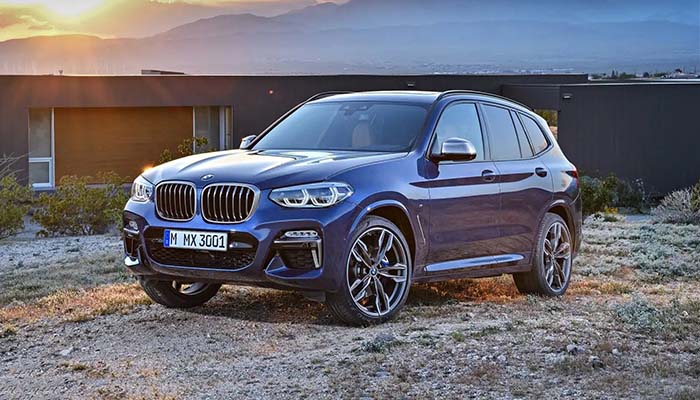
    BMW’s luxury SUVs have a sterling reputation for a number of reasons. The 2019 X3 has some great expectations behind it: after all, it bears the name of one of the most beloved luxury SUV lines in the world.

    That said, the 2017 and 2018 model years have been a little lackluster for BMW. After a few disappointing entries in both sedan and SUV categories, has BMW returned to form with the 2019 X3, or is this another limp entry in the German automaker’s lineup? Let’s take a closer look.

    New in 2019

    As you may know, the X3 got a full redesign in 2018. While that entry was solid, it wasn’t exactly of expected BMW quality. That said, the updates this year are iterative, not revolutionary. What has changed is enough to make this a more notable car, though.

    Firstly, safety features are more robust now. Options for forward-collision warning, parking sensors and automated emergency brakes have been made standard for 2019. If you opt for the Premium package, you’ll get a heated steering wheel and front seats, real-time traffic updates for the navigation, Apple Car Play and 19-inch wheels. For the more sport-minded driving enthusiasts, the M40i X3 offers a sport steering wheel, as well as a turbocharged six-cylinder engine.

    Engine

    One of the weak points of the last few model years for BMW has been the somewhat boring drive. Thankfully, that trademark verve is back on display in the 2019 X3. This goes double for the M40i, but the other engine options are also stellar and just plain fun to drive. Despite being an SUV, the vehicle is agile and feels light as you maneuver it around the road.

    Even the base powertrain sports 248 horses, though it takes them 6.2 seconds to get up to 60 mph. That said, fans of power can always opt for the M40i, getting a respectable 4.4 second 0-to-60. Optional adaptive suspension allow for a great, sportier ride for some occasions though it can shift into a smoother ride for around-town driving. No matter your preference, the X3 offers a great driving experience.

    Interior

    The base interior of the 2019 X3 is luxurious even with base equipment, before adding any options. Plush seats that are easy to adjust make for a great ride, while premium-feeling interior surfaces lend the interior an upscale and stylish feel. Faux wood grain paneling looks almost just like the real thing, as do the faux leather door linings and dash coverings.

    Brushed nickel finish in places, as well as the large, vibrant infotainment system help to sell the modern interior as one of superior luxury. All of this makes for a great interior, though the glaring omission of Android Auto is a bit surprising, given BMW’s typically technology-driven designs.

    Pricing

    As we mentioned earlier, there are some notable differences in trim levels and pricing packages. The base rear-wheel sDrive30i starts at $41,995, while the all-wheel xDrive30i comes in at $43,995. The sportier, more aggressive M40i, with its inline six cylinder, starts at $55,645, making it notably pricier than the other powertrain options. Premium package upgrades are also available, as are a few different trim levels. In short, expect to pay full luxury BMW prices for the X3.

    If we had to spec out our own BMW X3, we’d go with the M40i powertrain, the Premium package, and the Luxury Design trim. While this ends up being one of the more expensive builds of the X3, it results in a sporty, agile and luxurious vehicle that is fun to drive and great for upscale evenings out with friends. In short, if you’re going to buy a luxury car, why not go all-out?

  • What Should You do with Your Old Car? Our Tips

    What Should You do with Your Old Car? Our Tips

    When you buy a new vehicle, you’ve got a number of options for what you can do with your old ride. You can trade it in to the dealership towards your new purchase, or you can try to sell it privately. If you’re feeling particularly generous, you could simply donate it to charity. Today we’re looking at these main courses of action to help you figure out which one is right for your specific case.

    What to do with Your Old Ride

    Trade it In

    One of the most common things to do with your old vehicle is to simply trade it in to the dealership. This is the least hassle and most immediate way to get value out of your vehicle. The dealership will offer you a portion of what the old vehicle is worth, usually as a credit towards your purchase of a new vehicle to them. This is why it’s called a “trade-in,” as you’re trading the car for a portion of its value.

    Trade-ins offer a variety of attractive features for some buyers. Firstly, it’s really easy. As long as your car is in reasonable condition and isn’t too old, the dealership will just make you an offer on it. Secondly, it’s much simpler to just drive your car onto the lot, trade it in, and drive off with the vehicle you wanted. Finally, some dealerships offer incentives or deals during sales event that can give you a lot more value for a trade-in, making them more attractive during some seasons that others.

    Typically, you get less value for a trade-in than if you were to just sell the car yourself and then bring that money to negotiate for a new car. When you’re trading a car in, the dealership has you at a disadvantage, because they know you really want the new car and you’re just ready to drive away in a new ride.

    Sell it Yourself

    A much more direct way to make money from your old ride is to just sell it yourself. Keep in mind, however, that this will involve a bit more legwork. You’ll need to list the car for sale, be ready to show it to prospective buyers, and be able to go out with them for test drives. Then, you’ll have to haggle over the price with the buyer, because that’s just how car sales go, sadly.

    This offers some advantages over a trade-in, though. When you’re the one selling, you’ve got the power of denial. If someone gives you a lousy offer, you just tell them to beat it. You’re able to sell the car at whatever pace you’re comfortable with, and when you get the right offer, you can sell to the highest bidder. It’s more difficult, but it nets you a better overall value.

    Charitable Donation

    If you want to avoid all of that nonsense and just do something good with your old ride, you can give it to a charitable organization. This is great for your community, as it means that a person in need can get a car, as well as being good for you come tax time. That’s right: automotive donations are tax deductible.

    If you don’t feel like getting lowballed by dealerships or having to let strangers drive your car around, you can simply give it to charity. This is a great way to recoup some money back from your old vehicle while avoiding a lot of the hassles of the other two methods. Of course, this requires you have the money for a new car up-front, as you won’t see the value from this technique until the next tax season.


  • Best Midsize SUVs: Riding in Comfort and Style

    Best Midsize SUVs: Riding in Comfort and Style

    While there was once a time when the sedan was the king of the road, the midsize SUV now stands as the most popular type of car for daily driving. And who can deny how great SUVs are for getting around town? The high driving position, the wide wheel stance and the sheer practicality make SUVs a great choice for any modern family.

    If you’re in the market for a new car and wondering which SUV is right for you and your family, look no further! Today we’re breaking down some of the best midsize SUVs on the market today and what makes each special. Important aspects, like price and average gas mileage, are high on our list of priorities. We’re also looking for SUVs with great comfort that offer a ton of bang for your buck. Let’s talk about some practical, comfortable vehicles.

    2019 Honda Passport

    When you hear the word Honda, the first thing that comes to mind is usually “reliable.” The Honda Passport is no exception: reliable, comfortable and affordable, Honda’s midsize SUV is well worth your attention. The Passport starts at $31,990 for the base trim, though you’ll likely opt for the higher trim levels for even more cabin amenities, a stronger engine and a more robust safety suite.

    The vehicle gets an average of 20 MPG in the city and 25 on the highway, making it pretty standard among SUVs of its size. Even the base trim offers a pretty solid engine, ponying up 280 horses, making this vehicle fun as well as practical. The interior has a lot of cargo space, and seating for five. Thankfully, all five people get ample leg room and tons of soft-touch materials, making the cabin a peaceful and quiet space for long car rides.

    2019 Toyota Highlander

    Another respected name in the automotive industry, Toyota’s 2019 Highlander is another solid midsize SUV you should consider. The cabin is one of the best in the class, offering up a ton of interior comfort for much less than higher-end competitors. Soft, sleek leather seats and a very upscale infotainment system make this SUV feel like it should be $20,000 more expensive. Thankfully, it starts at only $37,170 for the base trim.

    We highly recommend the hybrid version of the Highlander, as it offers a fantastic 30 MPG in the city, though this also means it gets only 28 on the highway. That said, this hybrid still packs a ton of power, bringing 306 horsepower to bear. It’s not exactly light or agile, though, so expect to take turns a little wide. However, this remains a great option for families, offering great cargo space, tons of legroom and a quiet, comfortable ride. Not to mention its stellar suite of safety features and great safety ratings!

    2020 Kia Telluride

    The Korean carmaker has long been considered a leader in SUVs, and the Telluride’s 2020 model is here to continue that tradition. The Telluride is aptly named: riding in this vehicle is downright peaceful. The cabin is quiet and meditative, perfect for getting you through hectic morning commutes or back and forth dropping kids off at school. The suspension is incredibly smooth, the cabin is stylish and likable, and the engine is sufficiently powerful.

    Also making the vehicle appealing to families is the safety software suite. Emergency braking, lane-keeping assist, backup cams and more all make the Telluride a modern and easy-to-drive vehicle. Starting at $31,690, it’s also quite affordable for being a new (and luxurious) midsize SUV! As for the cost to own, it sports an average of 20 MPG in the city and 25 MPG on the highway.


  • 2019 Audi Q5: Luxury SUV Review

    2019 Audi Q5: Luxury SUV Review

    When you think of luxury, a few names come to mind. Foremost, names like Audi, BMW and Mercedes might occur to you. Since SUVs are the kings of practicality and comfort, these companies’ luxury SUV entries have been competing for that top spot. With that in mind, how does the Audi Q5 stack up to the competition?
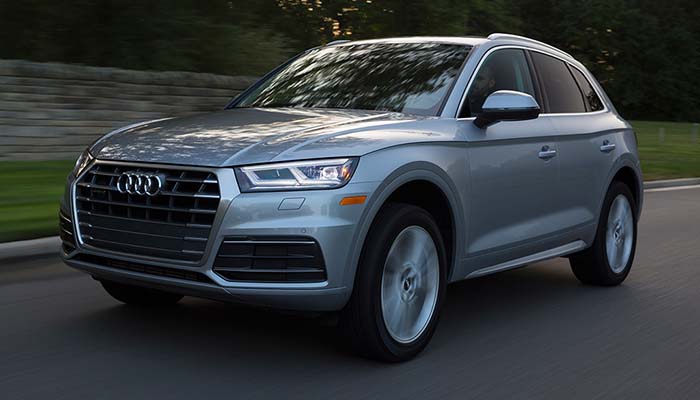
    Today we’re going to look at design, comfort, performance and price to determine whether the Audi Q5 is right for you. We’ll take a look at this luxury SUV and see how it stacks up to the competition. Let’s ride! Design The first thing you’ll notice about any vehicle, of course, is the design. Audi never disappoints in this category, and the Q5 is no exception. The creases across the body are sleek and, dare we say, sexy. The “tornado line” that wraps along the entire top third of the car’s body give it that distinct Audi feel, despite being an SUV. The large, wide front grille looks sporty and aggressive, and the car’s wide stance gives it a very impressive profile. The headlamps are stylish and square, offering a sleek and posh appearance to an otherwise sporty-looking vehicle. Likewise, the brake lights are rectangular, angled at an interesting degree and largely as stylish as the rest of the vehicle. Comfort
    The next thing you’ll notice about any vehicle, but especially a luxury vehicle, is comfort. Thankfully, Audi has you covered in that department. The cabin of the Q5 is spacious, offering ample legroom for driver and passengers alike. You’ve got tons of cargo space in the back hatch, and you can even get the sliding back seats option to give you even more back space. The back seats also have their own vents and fold-out center cupholders, which is great for drivers with kids. The infotainment system is huge and easy to navigate, which makes the added Android Auto and Apple CarPlay work very well. The center console also sports a wireless Qi phone charger, a nice touch on such a high-tech car. The seats are wide and made of soft leather, offering both great support and a good driving position. Performance If the design didn’t give it away, the engine’s performance will: this is an Audi, through and through. Just because it’s got huge door openings, tons of cargo room and a tall profile, this vehicle can still tear it up on the road. The base trim’s engine offers 248 horses, though that can be scaled all the way up to 349 horsepower with the right trim and options. If you’re looking for an SUV that doesn’t compromise a fun drive, then you’ll want to go with one of the sport trims. Another option you might consider for a smoother ride would be the optional air suspension. This is as practical as it is comfortable, in fact. The air suspension gives you a smooth, quiet ride, for one thing. However, it also gives you the option to lower the car’s profile so you can load more easily into and out of the vehicle! Price Unsurprisingly, as a luxury vehicle, the Audi Q5 carries a bit of a hefty price tag. The base-level trim starts out at $42,950, though you’d be hard-pressed to get us to settle for the base trim. A few options you should consider springing for include the optional air suspension, the tech package for the improved sound system, and one of the sport trims to increase the engine performance.
    Once you’ve added a few options, though, the price starts to really add up. On the high end, the Audi Q5 can run as much as $53,000, making it one of the pricier SUVs on the market. That said, you really get what you pay for with this exceptional vehicle.
  • The Safest SUVs: Keep Your Family Safe on the Road

    The Safest SUVs: Keep Your Family Safe on the Road

    Why do you buy an SUV? Is it the large interior, with the ample leg room and big infotainment screen? Or do you buy SUVs for their smooth rides, quiet cabins and easy time going around town? No, it’s much more likely that you prefer SUVs for one big reason: safety. You want to keep yourself and your family as safe as possible in the event of an accident. Today, we’re looking at some of the safest SUVs on the road today.

    Safest SUVs

    2019 GMC Acadia

    The 2019 GMC Acadia is the first on our list, and a notable entry for a number of reasons. Firstly, it has earned five stars in several crash ratings, including front and side crash tests, from the NHTSA. Overall, it nets a four-star crash rating, making it high on the list of overall safest SUVs. Further, it received “good” ratings in every category from the IIHS, a high mark for GMC’s SUV.

    The drawbacks have to do with trim levels. Standard safety features leave a bit to be desired, as the base version of the GMC Acadia comes only with Rear Seat Alert, Teen Driver System and a backup camera. That’s not terribly impressive, but you can upgrade at higher trim levels. For instance, you can opt for upgrades to receive adaptive cruise control and rear cross-traffic alerts, which make the SUV more desirable for safety.

    2019 Subaru Ascent

    Our next entry, the 2019 Subaru Ascent, impresses in a number of ways. Firstly, the Ascent is turning heads as a new SUV in the midsize market by coming out of the gate with strong safety ratings. Sporting a “superior” rating in front crash tests by the IIHS, and it sports a glowing five-star rating from the NHTSA. If those stats alone don’t impress you, maybe some of the safety features will.

    Notably, the Ascent comes standard with the EyeSight suite. This suite of safety features, offered by Subaru, includes a number of must-haves like lane keep assist and adaptive cruise control. Additionally, for those looking for even more safety and peace of mind can upgrade to higher trim levels to get access to reverse automatic braking and blind spot monitoring, which are invaluable in heavy traffic conditions.

    2019 Volkswagen Atlas

    What’s not to love about the Atlas? Firstly, the 2019 Volkswagen Atlas offers great safety ratings, sporting a five-star safety rating from the NHTSA. Likewise, the IIHS gave the vehicle a “good” rating in all of its crash tests, marking this as a very safe vehicle to take out around town or on long road trips.

    Volkswagen’s Atlas SUV line has been solid for years, but this year marks a new safety high for the German automaker. The 2019 Atlas is sporting a number of safety features now standard, making it a very responsible choice for families. These safety features include the must-have pedestrian detection and blind-spot monitoring. Also found standard is emergency braking when the vehicle detects an imminent crash. Higher trims get access to even more safety features, including parallel park assist.

    2019 Kia Sorento

    Kia’s Sorento SUV line never fails to impress with the safety ratings and features. The 2019 model is no exception, bringing in five stars from the NHTSA and an overall “good” rating in all categories from the IIHS. The vehicle is replete with standard safety features, too, and even more are available at higher trim levels.

    Adaptive cruise control comes standard, as well as parking sensors and 360-degree-view cameras to help other systems keep you safe and aware of your surroundings. Importantly, the Sorento has a lower intro price than the Subaru Ascent, and even offers more standard safety features, making it the best SUV on this list for safety.

  • What Should You Pay for a New Car?

    What Should You Pay for a New Car?

    Who doesn’t love the idea of driving around in a brand-new car? Not many people get to enjoy the fun of taking a new car out for a spin, let alone owning one. If you’re thinking about getting a new vehicle, maybe you’re wondering how much you should be spending for your car payment. Should you own, or should you lease? There are a lot of questions when it comes to cars and car payments, so let’s get into it.

    New Car Info

    Buy or Lease?

    Firstly, you need to think about whether or not you want to buy or lease a car. There are a few reasons why you might go with either. Buying a car ensures that you’ll have an actual piece of property when you’re done paying for it, meaning you can resell it later to recoup some of the value. Remember, however, that cars aren’t investments, and they only ever lose value over time.

    If you’re just wanting to drive a new car and don’t want very high monthly payments, you can opt for a car lease. A lease allows you to pay less than a new car payment, on average, and still drive around a brand-new vehicle. However, you have to deal with mileage caps (and fees if you go over) and you won’t own the car at the end of the lease.

    What to Spend

    If you decide to buy your car, you’re going to want to know what to spend on your car payment. Unless you’re fantastically wealthy, odds are good you’re not paying with your new ride in full when you walk into the dealership. As such, you’re going to need a loan from someone. You can go through a bank for an auto loan, or you can finance through the dealership.

    When you look at your budget, don’t just see if you can manage a car payment. Try to get your payments as low as you can while still getting a reliable vehicle. For instance, if you make an average amount of money, it’s not wise to stretch your budget in order to scrape by making $500 (or higher) payments every month for several years.

    Rule of Thumb

    A good rule of thumb to follow is the 20/4/10 rule. This rules holds that you should make the down payment at least 20 percent of the car’s cost, you should never finance for more than 4 years, and you shouldn’t let a car’s expenses exceed 10 percent of your income. That ten percent needs to include car payment, interest, principal, insurance, gas and maintenance.

    This might sound like it accounts for a very small amount of your money. That’s because it should! In general, you want to make sure you’re not exceeding this for your vehicle’s payments. Otherwise, you’re letting your car eat up too much of your monthly pay, and you’ll find it hard to save for anything or get ahead.

    Could You Go Over?

    In theory, yes, you could go over this rule of thumb. Many people who love luxury cars end up spending far in excess of ten percent of their gross income on their vehicle expenses. However, we highly recommend you make any exceptions to this rule with a very good reason. For instance, if you’re buying an electrical vehicle which will net you a tax break this year, you can include that calculation for the purchase.

    Likewise, if you’re incredibly patient and simply save up the money for as much as half of the car’s value as a down payment, you can play with the numbers a bit more. However, it can be incredibly difficult to remain that patient, especially when you might not have the best vehicle for your current daily commute.


  • Hunting for the Best New Car Deals on Memorial Day

    Hunting for the Best New Car Deals on Memorial Day

    There’s something about Memorial Day weekend that just brings out the sales. For whatever reason, this time of year is incredibly popular for automotive deals. It can be difficult to find the best deals, though. Today we’re going to help you hunt down the best Memorial Day deals, so you can spend this summer rolling around in a hot new ride.

    Memorial Day Car Deals

    Types of Deals

    The most common types of deals you’ll see for Memorial Day sales are “loyalty cash” and “conquest cash” types of deals. Loyalty cash refers to money knocked off the price of a new car if you already own a model of the same brand as the dealership you’re shopping at. These are great if you love a specific car brand and just want to upgrade to a newer model.

    Conquest cash is the opposite: when a dealership offers this type of deal, it’s offering extra trade-in value for someone who trades in a vehicle of a different brand. Typically, the idea there is that, once you’re in their kind of car, you’re unlikely to want to switch brands in the future. As such, it’s a conquest.

    Finding Savings

    Don’t forget to ask for savings. There are often deals that are just for specific careers. For instance, military veterans or personnel often get a discount at car dealerships, and that discount may be even greater over Memorial Day weekend.

    Similarly, there could be increased discounts for teachers. Dealerships know that teachers don’t make the most money, so any extra discount you can squeeze out of them can go a long way! Another potential discount you should ask about is one for recent college grads. Often, dealerships will want to get recent grads into their ecosystem sooner rather than later, to get them used to the dealership experience.

    Making the Most of a Discount

    Don’t open up asking for the discount, though. Do your research before you come in, and make sure you know what a fair price is on the vehicle you’re asking for. Don’t be afraid to negotiate hard: this is one of the biggest auto weekends in the year, so the dealer is heavily incentivized to get you off the lot with the car.

    Once you’ve played hardball and gotten the price where you want it for the car, then you start talking discounts. Make sure you know what the sales and demand for the model you’re hunting for looks like. The dealership has this info, so if you don’t, you’re negotiating without all of the information. Remember, knowledge is power when buying a car.

    Coming in Armed with Knowledge

    Make sure you know your credit score, and get a few quotes on financing before you come in. If you go to credit unions and ask them about what type of financing deals you could get, you’ll have a lot more cards to play when negotiating. Once you know what kind of financing you have on option, it’s much easier to get the dealership to work with you on price.

    The most important thing is putting the ball in the dealership’s court. When you know what the going rate of the car is, what kind of financing you can get and how much discount you can get due to the holiday, you’ve got a lot of power. It’s on the dealership to offer you a better deal.

    Most importantly, don’t be afraid to walk away if the salesperson isn’t working with you. You have a ton of options for great deals over Memorial Day weekend: don’t settle for a deal you don’t like. Take your money elsewhere!


  • Should You Lease a Car? Pros and Cons

    Should You Lease a Car? Pros and Cons

    When you’re thinking about a new vehicle, you’ve got some options. On the one hand, you could go the dealership and buy a brand-new vehicle. Another option is to purchase a pre-owned vehicle, which often saves you a lot of money, but means you could encounter issues left by the previous owner.

    A third option, however, presents itself in leasing. Leasing is pretty distinct from both of the other two methods for getting a car, and it can often give you the option of having lower monthly payments for a new car than a loan would offer you.

    Leasing a Car

    What is Leasing?

    Leasing is a system by which you essentially borrow a vehicle from a dealership. In short, you pay an up-front cost, called a capital reduction, on the price of the lease. This acts as a sort of down payment, and your monthly lease bill will cover the rest of the lease price. The lease is typically priced as a portion of the value of the car, and the typical lease duration is three years.

    In a sense, you’re borrowing the car for the lease duration. You pay a lower monthly bill than you likely would for buying the same car new, but when the lease ends, you give the car back.

    The Benefits

    When you lease a car, you get a brand-new car to drive around, enjoying all the nicest and newest features. You don’t own the vehicle, but you pay a lot less to keep it in the driveway and drive it around than you would be if you owned it. Generally speaking, you don’t have to worry about major repairs or maintenance, and you can usually just lease the next newest model when your lease is up.

    The Drawbacks

    That’s not the whole story on leases, though. Since you don’t own the vehicle, there are some wrinkles that don’t normally come up with traditional auto loans. You often have maximum mileage allotments that the dealership imposes for the duration of the lease. Usually, this is around 10,000 miles per year or so. If you drive a lot, this is a big mark against leasing.

    Another consideration is that when you lease, you could be charged for any small dings or scuffs the car has when you return it. Likewise, if you go over your mileage allotment, you’ll likely pay a penalty for each mile over the cap you drove the vehicle.

    Now and Later

    When you lease a car, you’re choosing to have something nice in the driveway for right now, at the trade-off of not owning anything at the end of your lease. Unlike normal car payments, when the lease is over, you give the vehicle back to the dealership and you end up owning nothing. Some leases allow you to buy out the vehicle for its depreciated cost once the lease is over, though not all of them offer this.

    A big factor to keep in mind when leasing is that the costs might add up quickly. It’s not hard to go over the mileage limits on a leased car, which could stack up to hundreds of dollars in fees and penalties when you turn the car in.

    Bottom Line

    Cars aren’t investments: they never go up in value, and they lose most of their value in the first three years of their existence. This means that leasing isn’t a bad call for someone who is simply looking to save money on a car payment for a brand-new car. However, if you don’t mind having a slightly older model, or you want to own the car outright, buying pre-owned or new cars is a better option for you than leasing.


  • 2019 BMW X5: What’s New for 2019

    2019 BMW X5: What’s New for 2019

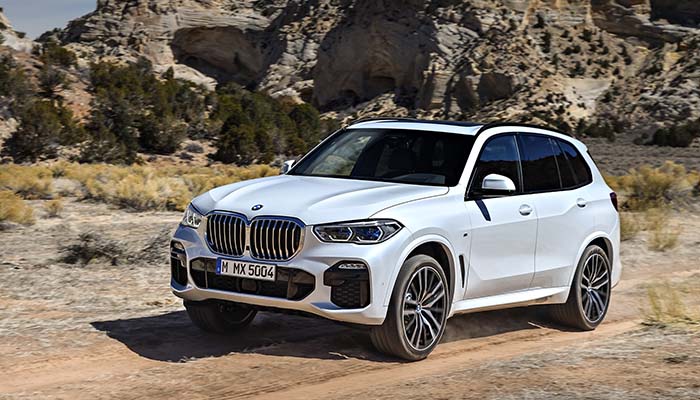
    BMW’s name tends to conjure up images of fast-moving, sleek sports vehicles and cutting-edge car technology. However, the company has proved they can make an exciting and responsible SUV in the form of the X5, and this year’s model is no different. Is it worth the hefty price tag, though? Let’s see how the 2019 BMW X5 stacks up.

    2019 BMW X5 xDrive 50i

    Styling

    This is unmistakably a BMW, from the petal-style front grille to the smooth body lines that run along the side. The headlights are long and narrow, and the SUV cuts a handsome figure in profile. It’s not easy to sit in an SUV and not look kind of lame, but the X5 has a way of just looking cool that other SUVs don’t.

    Inside the cabin, it’s as luxurious and spacious as you would expect for a luxury SUV. BMW knows how to make their cabins both comfortable and stylish, and the X5 does not disappoint. The ride is quiet and smooth, and the sound system leaves little to be desired, putting out ample bass and a full sound. The huge infotainment system makes it easy to navigate through Apple CarPlay or Android Auto, putting your music on quickly and handling your calls and texts.

    Performance

    It’s more than just the looks that scream “BMW” on this car. It drives and handles in a way you wouldn’t expect from a luxury crossover: it’s responsive, accelerating and turning with power and precision not unlike a coupe or sedan. There’s 335 horses under the hood, and the wheels can put out 330 pound-feet of torque.

    The xDrive50i, a sportier trim, offers even more power from its twin-turbocharged V8. That beast puts out 456 horsepower and 479 pound-feet of torque, making it a direct competitor to the likes of the Porsche Cayenne. All of that entails a 0-60 of 4.6 seconds, a ridiculous number for an SUV to hit.

    Pricing

    While it may sound like a great car across the board, the X5 carries a hefty price tag. The base trim starts at a whopping $75,750 and that number climbs fast if you want a few bonus features. For instance, if you want the higher xDrive50i trim, for instance, that’ll set you back $79,550. All said, though, if you’re in the market for a stellar luxury SUV, you can’t go wrong with BMW’s X5.

  • Tesla Model S, Model 3 Post Results in Tire Rack One Lap of America

    Tesla Model S, Model 3 Post Results in Tire Rack One Lap of America

    It’s no secret that Tesla’s electric vehicles have some ludicrous performance. Whether they’re being compared to other electric vehicles or conventional cars, Tesla’s vehicles can seriously burn some rubber. That was put to the test at this year’s Tire Rack One Lap of America, one of the most notorious street races in the world.

    Tesla Model S, Model 3 Posting Big Results

    The One Lap

    The Tire Rack One Lap of America, better known as the One Lap, is a direct offshoot of the legendary Cannonball Run. Cannonball Run itself was an infamous outlaw street race that started in New York and ended in LA. The modern One Lap race is much more, ahem, legal, than its predecessor, but it is no less grueling.

    One Lap consists of no less than 3,500 miles of transit and endurance-testing tracks all across the country. In short, both driver and car better be made of some stern stuff to tough out the One Lap street race.

    The Standings

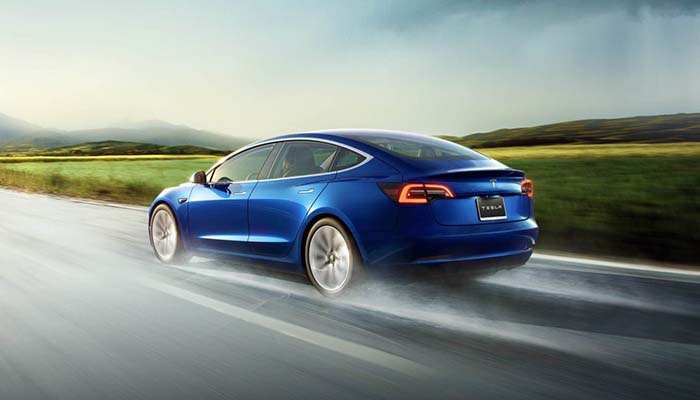
    Impressively, the Model S and Model 3 teams not only both completed the race, they posted serious results. In fact, the Model 3 landed the top spot among the Alternative Fuel class and second place in the Stock Touring class. Overall, the Model 3 team finished 17th out of 77 entrants in the One Lap race.

    The Model S also posted impressive results, though it was somewhat hindered by its own battery overheating while on the track. Unlike the Model 3, which offers a Track Mode and has great thermal management, the Model S was consistently having its battery overheat and offering less power for the team to pull from.

    What This Means

    While it could be some time yet before electric cars are posting huge wins in every category, this is impressive for a pair of cars from a relatively new automaker. Perhaps in ten years an electric performance vehicle will bring home the trophy in the One Lap street race!