Tag: Google

  • Google’s New Pixel 4: Should You Upgrade?

    Google’s New Pixel 4: Should You Upgrade?

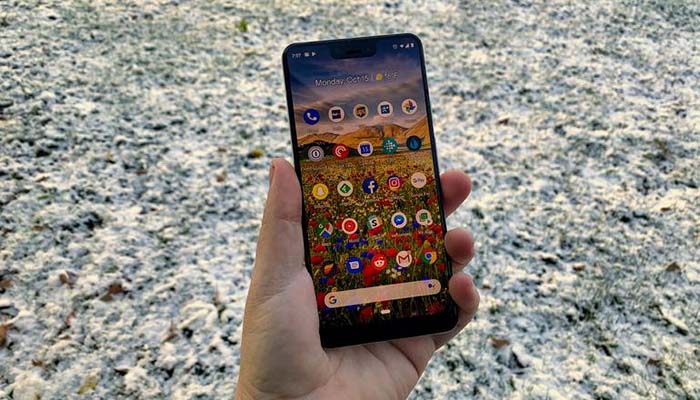
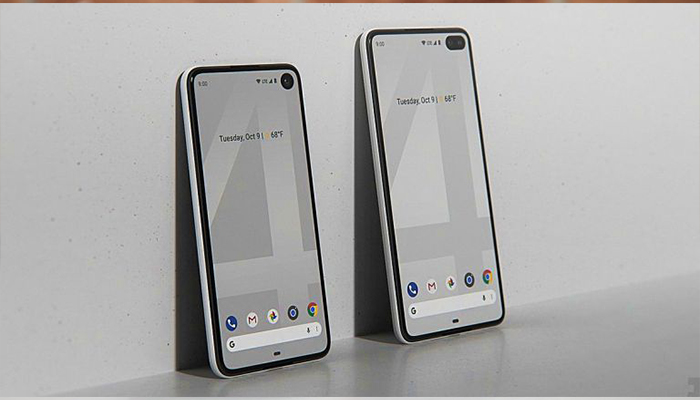
    With the Pixel 4 bringing so much newness to the table, why in the world should you keep your Pixel 3? It shouldn’t come as any surprise that the Pixel 4 is loaded with upgrades compared to the Pixel 3. For some, the changes Google’s made might be enough to encourage them to upgrade, here’s why:

    While the Pixel 3 isn’t nearly as flashy as its newer sibling, it’s still plenty capable these days and should get you through another year of use just fine. There’s no denying that Google created a killer smartphone with the Pixel 4.

    With a camera that captures detail that the competition can’t, a futuristic way to use your phone without even touching it, your own personal Google Assistant, and a fast and responsive display, Pixel 4 packs new technology into a must-have new design.

    Get the perfect photo

    Pixel 4 brings Google’s biggest camera upgrade yet. The Pixel 4 comes two cameras on the back of the phone and includes a new telephoto lens. When you combine this new hardware feature with Google’s Super Res Zoom software, it gives you exceptional image quality, even planets away.

    Night Sight already takes beautiful photos in full darkness, and now you can use Night Sight for shots of the night sky, the stars, and even the Milky Way (when you find a clear night). Pixel 3 and 3a will also get a version of this capability with the latest camera app update!

    Your new Google Assistant

    Thanks to a deeper integration into Pixel 4, the Google Assistant is now a faster way to get more things done, think of it like your own personal assistant. Google redesigned the Assistant so it doesn’t take up too much room on your screen, letting you better multitask across other apps. It can quickly open apps, search your phone, share what’s on your screen, and more.

    It also considers the context of your query to do a better job answering. For example, you can ask the Assistant to “show my photos from Miami” and then say, “the ones in South Beach.” Then, you can share a picture by saying “send it to Brad.”

    A phone that senses what you want it to do

    Pixel 4’s Motion Sense feature uses a miniature radar sensor to detect movement around your phone. It can sense when you’re reaching for the phone and will initiate face unlock, or turn off your screen when you’re not around. New Quick Gestures let you skip songs when you don’t want to pick up your phone. Just wave your hand to snooze alarms, dismiss timers, or silence your phone.

    Built for performance and security

    With 6GB RAM, a 90hz display, and Pixel Neural Core, Pixel 4 is fast and powerful. Pixel Neural Core is the engine for on-device processing, always-on computing, and machine learning, meaning more tasks are done on the device for performance and privacy.

    Pixel 4 also includes Google’s custom-built Titan M security chip to protect your most sensitive data and ensure the integrity of the operating system. Combined with the latest version of Android 10, monthly security updates for 3 years, and access to Google’s advanced security services, Pixel 4 is designed to keep your data secure.

    Pricing

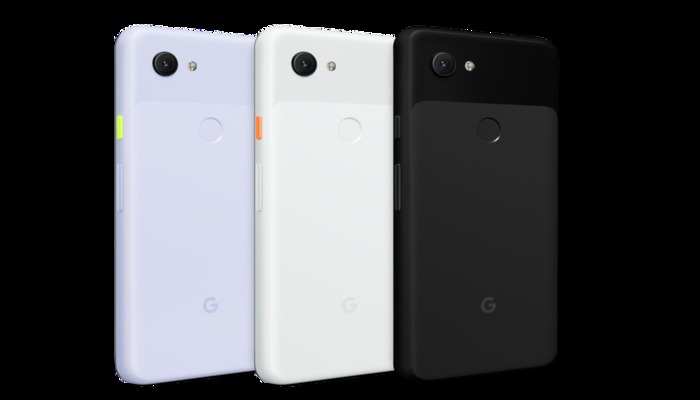
    Beginning today, October 15, you can pre-order a Pixel 4 for $799 and Pixel 4 XL for $899, and phones will ship on October 24, globally. Pixel 4 comes in three colors, including white, black and a limited-edition orange!

  • Huawei Ban: What This Could Mean

    Huawei Ban: What This Could Mean

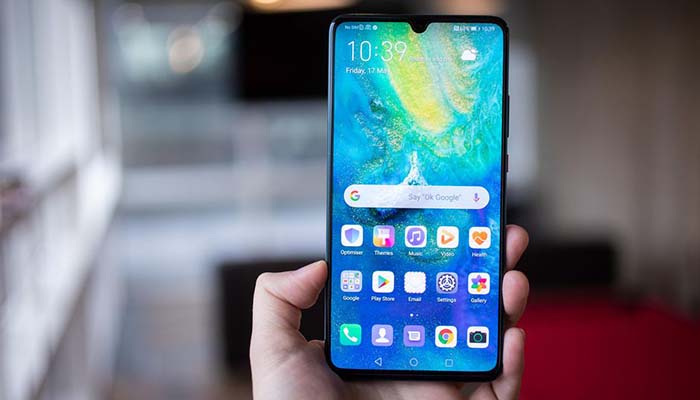
    Huawei, the world’s second-biggest smartphone manufacturer, has been having a rough couple of months. Most recently, the Trump Administration issued an executive order that cuts the Chinese company off from American resources such as Google’s Android platform.

    Trump’s order, called “Securing the Information and Communications Technology and Services Supply Chain,” effectively bans Huawei from doing business in America, or with American companies. What does this mean for the Android brand and for Huawei?

    Huawei Ban

    What Does This Entail?

    The Department of Commerce released a statement on the ban in order to explain what it means.

    “The executive order prohibits transactions that involve information and communications technology or services designed, developed, manufactured, or supplied by persons owned by, controlled by, or subject to the jurisdiction or direction of a foreign adversary whenever the secretary of commerce determines that a transaction would pose a threat to national security,” reads the statement.

    This means, in effect, that Huawei, as a Chinese communications company that is known to have close ties to the Chinese government, is being viewed as a “foreign adversary”.

    Why Did This Happen?

    This ban reflects years of tense relations between Chinese and American companies in the tech sector. In 2012, the federal government warned carriers in the US of carrying Huawei’s handsets. There has been a fear that Huawei would use its devices to spy on American corporations and steal secrets.

    In fact, there has long been speculation that Huawei’s meteoric rise and unparalleled technological advancement in the last decade was largely a result of stealing intellectual property from tech companies in other countries. Huawei, for their part, has repeatedly denied any claims that it has stolen IP or engaged in any form of corporate espionage.

    What Will This Mean?

    In the short term, this ban might not amount to any real damage. Without wading too deep into foreign policy, the Trump Administration is in the midst of a very tense trade standoff with China. It’s likely that this Huawei play will be used as a bargaining chip in future trade talks between the two massive economies.

    In the long term, if the ban stays in effect, it’s likely it will slow the US rollout of 5G communications tech. Many telecom companies rely on technology imported from China, much of it made by Huawei. Unlike Samsung or Apple, Huawei is as much a telecom company as a smartphone manufacturer.

    Global Scale

    While Huawei remains a major player in China, their decoupling from Google could prove disastrous for their bottom line. Google has announced they’ll be honoring the executive order, pulling support for their Android operating system from Huawei. That means that Huawei devices won’t be getting updates for their OS, or critical security updates from Google.

    Huawei has stated it will support its own devices with regular security updates, though this is a bold claim. It’s unclear if the company has the programming staff to undertake such a massive job. Meanwhile, the lack of support from Google means that Huawei will have to rely on an open-source version of Android. This will have them several months behind the competition in terms of updates and features.

    Samsung Ascendant

    Huawei was on track to dethrone Samsung as the de facto king of Android. Recent advances in Huawei’s tech had them nipping at Samsung’s heels. For their own part, the Korean smartphone manufacturer has been lagging behind on innovation, with their recent slate of phones being more iterative than revolutionary.

    The ban from Washington DC could prove to be a huge windfall for the Korean company, however. Samsung stands to gain a lot from their chief rival being halted in their tracks and cut off from Google’s support. Samsung, meanwhile, continues to enjoy its partnership with Google, getting early test builds of Android OS to make sure their phones run smoothly.

  • Coolest Things Seen at Google I/O 2019

    Coolest Things Seen at Google I/O 2019

    Google I/O 2019 has come and gone, and we’ve learned a lot about Google’s upcoming slate of products. Today we’re taking a look at some of the coolest headlines from that massive event, from gaming infrastructure to new Android operating system updates!

    Google I/O 2019

    Android Q

    The newest version of Google’s own Android infrastructure, Android Q, is coming up later this year. Aside from questions regarding what desert name starts with Q, Google’s answering some interesting questions with their new OS. For instance, the OS will offer support for foldable smartphones, out-of-app functionality through “bubbles” and further system privacy settings.

    Google Stadia

    Google’s upcoming cloud gaming infrastructure, Stadia, got name-checked at the event, as well. The system will allow high-end gaming on any screen that you can stream an internet signal to. While Google didn’t get into specifics, like release date or pricing, they spoke at length about the technical details of the system.

    Without getting too in-depth, Stadia will use a “streamer,” a program that helps to keep even a higher latency signal from appearing too stuttering or choppy. This is good news for people who were concerned about poor performance of the service on lower-end internet connections.

    Pixel 3a Line

    As everyone anticipated, Google launched the Pixel 3a line of affordable Pixel smartphones the day I/O started. The phones are some of the best budget Android phones on the market, making them a wonderful addition to Google’s lineup.

    The 3a sports the awesome cameras found on the Pixel 3, along with a huge screen and a great intro price of $400. If you’re looking for a low-price, entry-level Android phone, you can’t go wrong with the Pixel 3a.

    Google Duplex Updates

    Google Duplex will be receiving new functionality that will allow it to interface with websites as well as its existing phone applications. If you want to shop for something online, you can instruct Google Duplex to do so for you via your voice and it’ll simply get what you want without you having to take the hassle of the extra clicks.

  • Foldable Phone Support Coming to Android Q

    Foldable Phone Support Coming to Android Q

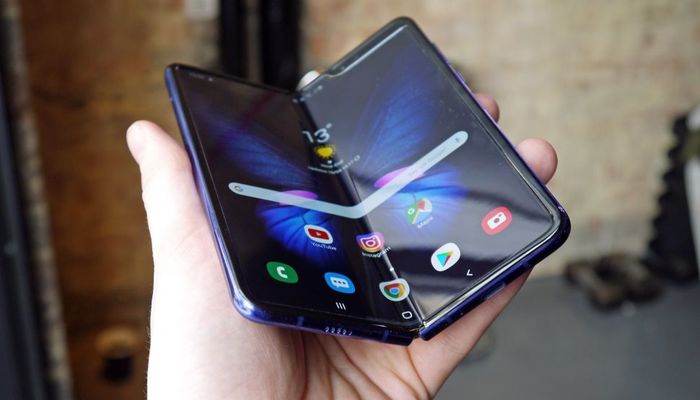
    Google’s newest update for the Android OS will include support for foldable phones like the Galaxy Fold, according to new reports. Despite the Fold’s early stumbling blocks, Google is pushing ahead with full OS support for the new type of smartphone. It seems Google has faith that the foldable phone style will be more than a short-lived fad.

    Android Q and Foldable Phones

    Samsung Galaxy Fold

    The only current example of a folding smartphone is the Samsung Galaxy Fold, which has hit a number of stumbling blocks out of the gate. Early review models experienced some serious issues, including flickering or dying screens, bulges beneath the screen and creases in the center of the inner screen. In light of these issues, Samsung delayed the Fold’s launch, making many question the entire folding phone experiment.

    Potential for Folding Phones

    Clearly, Google believes there’s some potential for folding phones. Android Q will ship with support for the new, dual-screen, folding style of phone that Samsung is previewing. Reviewers have noted that, while expensive, the Galaxy Fold is a great phone.

    Notably, a folding phone bridges the gap between phones and tablets. You can fold them up small enough to go in your pocket, and they’re easy to use for making phone calls in their folded configuration. However, when you want to watch videos or play games, unfold the phone and enjoy the massive inner screen.

    Issues to Overcome

    Of course, folding phones offer issues for developers as well as consumers. App developers need to account for the potentially massive screen sizes when developing their products. Likewise, apps need to support the ability to be displayed on a smaller outer screen and then be transferred to the larger inner screen. This makes for a complex problem for designers.

    At time of writing, the Galaxy Fold has been delayed with no release date from Samsung yet known. The company is currently looking into the issues reviewers had with their handsets to ensure the phone launches without issues. This is wise for Samsung, as they have been burned on hasty releases of untested new phones before, like when the Galaxy Note 7 had issues with the battery literally exploding.

  • The Best Budget Android? Google Pixel 3a Review

    The Best Budget Android? Google Pixel 3a Review

    The only drawback to Google’s stellar Pixel 3 smartphone is the high price tag. That means that the budget-friendly Pixel 3a was high on our radar. Does the handset stack up to the pedigree of its namesake, or has Google cut too much from this budget handset? Let’s get into it.

    Google Pixel 3a

    Overview

    The Pixel 3a is a $400 smartphone with a $1,000 camera. The camera that the Pixel series is so well-known for is here and it looks great. Google wisely cut only the most expensive features and left a pared-down, lean and powerful smartphone with the features all users can enjoy.

    Features

    Essentially, the Pixel 3a and 3a XL function as throwbacks to about three years ago. There’s no in-display fingerprint scanner, no Face ID unlocking, no wireless charging. Instead, this is a bare-bones smartphone that sticks with traditional bezels, a normal fingerprint scanner and even a 3.5mm headphone jack.

    If these features all sound like welcome returns to you, then you’re probably the right person for the 3a. While the features that the 3a lacks are certainly cool on top-of-the-line phones, they’re largely unnecessary. And what new features it brings, it brings well.

    What You Get

    Picture quality on the 3a is incredible, easily matching the earlier phones in this line for capturing beautiful images. The screen is also wonderful, sporting an HD+ OLED panel that’s big and vibrant. While you might not have the most elaborate housing for the screen, it’s still a wonderful smartphone screen.

    You do, however, have some trade-offs. The Snapdragon 670 under the hood is a notably wimpier chip than the Snapdragon 845 found in the normal Pixel 3. However, most users won’t even notice the decrease in power. Also, the phone has a plastic casing, which feels cheap and slippery compared to the glass-and-steel construction of modern flagship phones.

    Bottom Line

    If you’re in the market for a new phone and don’t want to spend $1,000, but still want the best you can get, the Pixel 3a is a very good deal. It’s hard to knock the budget smartphone, as it brings a ton of value for its low price. This is truly the best budget Android device on the market.

  • What to Expect at Google’s 2019 I/O Conference

    What to Expect at Google’s 2019 I/O Conference

    Google’s annual developer summit, the I/O conference, is here Every Spring, Google summons a host of developers to Mountain View, where the company shows off the newest upcoming stuff coming in the next year. What can we expect to see the company show off this year?

    Google’s 2019 I/O Developer Conference

    Stadia News

    Google’s banking big on their Stadia game-streaming service. The game-changing game-delivery service still has a number of question marks circling around it. Will it be subscription based, or will you buy games as normal? How will Google make sure the games on their platform stay stable over weaker internet connections? Will the service allow for cross-platform play with PC and console gamers?

    We expect all these questions and more will be at least touched on, if not answered, during the conference. The biggest question still surrounding the service, of course, is when it will release. Given that we’ve heard it will be available before the end of the year, we’re guessing a Q4 2019 release.

    Google Pixel 3a

    The more budget-friendly Google Pixel, the Pixel 3a, is more than likely the best phone in is $400 price range. The camera is stellar and the build quality is solid for a phone of its price. Expect to see lots of hype and support for the Pixel 3a during Google’s developers conference.

    Android Q

    There are a few big questions looming over Android Q, none the least of which being what dessert food that starts with Q can Google use for the OS. The newest Android OS has been in beta-test mode since mid-March, so we can expect more thorough details on the system and what new features it brings during the conference.

    Namely, features like “bubbles,” an upcoming feature that will allow you to interact with other apps without leaving the app you’re currently in. Other new features are rumored to include share-sheets to allow for easier information sharing, as well as settings panels accessible from within apps. In general, expect lots of small quality of life tweaks.

    Most importantly, Google has promised Android Q will have an updated focus on privacy. The OS will limit what kind of things apps can do in the background, what information apps can transfer about the phone they’re on and more.

  • Google Stadia Update: All Pricing Options on the Table

    Google Stadia Update: All Pricing Options on the Table

    When Google unveiled its ambitious Stadia streaming service last month, the biggest question lingering over it was the cost. Will the service be subscription-based? Will users purchase games in the same way they would from Steam? Or, will there be an altogether different pricing model?

    Google’s Phil Harrison has partially addressed these questions, speaking at the LA GamesBeat Summit earlier this week. Harrison stated, “Our platform at a fundamental level has been architected to support a very wide variety of what people call ‘monetization options.’ Everything from purchase to transaction to subscription.”

    Stadia Pricing Models

    Google Stadia

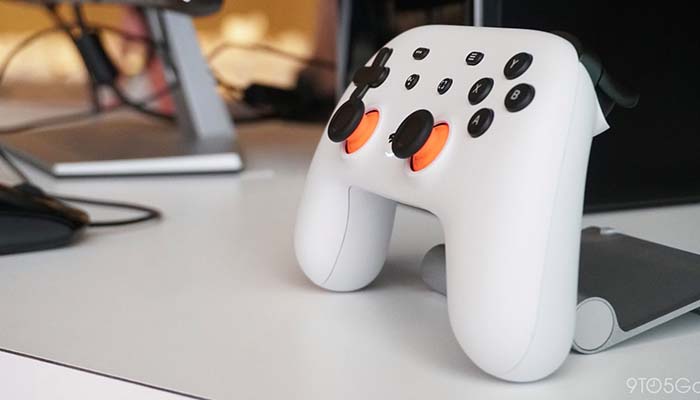
    Google Stadia is Google’s upcoming foray into the world of games-on-demand streaming. The service promises to stream games to nearly any screen or device you can connect to the Internet and will allow you to use whatever controller you would like. The service has been met with cautious optimism by some, and outright suspicion by others.

    On the one hand, some have noted that the potential of streaming high-quality, 4K, 60 FPS games to any screen without needing any hardware will be quite enticing to some customers. However, others have noted that the system is unlikely to be as stable or clean as Google is promising.

    Pricing Question

    Many observers saw Stadia as likely to be Google’s attempt to create a Netflix-like subscription model for games. This would look similar to Xbox Games Pass or PlayStation Now, which both allow for access to a large library of games for a monthly fee.

    However, according to Harrison, Stadia’ systems will allow for a variety of pricing options. “There is no technical limitation on how we have architected the platform to support a variety of business models,” Harrison explained at the GamesBeat Summit.

    In Practice

    Stadia will allow for what Google is calling “frictionless” discovery of new games. For instance, a Stadia user could be watching a favorite YouTuber play a game, and then click open the exact spot the video is in into their game. It would make sense if Stadia allowed for a games pass subscription or timed free trials for these sorts of “discovery” play sessions.

    In short, Stadia is attempting to subvert the normal “storefront” experience of buying games. Google’s marketing holds that Stadia will allow for a more immersive culture of sharing and discovering games. Harrison noted that friends could even text you a link to a new game, and you could open it and stream it directly to your phone to try it out.

    We’re reserving judgement on the ambitious-sounding system until it becomes a reality. Time will tell if Google can deliver on the lofty promises they’ve made regarding the service.

  • YouTube TV Adds More Channels, Goes Up in Price Again

    YouTube TV Adds More Channels, Goes Up in Price Again

    Despite being touted as one of the more accessible ways to watch Internet TV, YouTube TV is being less so. This month marks yet another price increase for the service. When it launched a short two years ago, YouTube TV was a respectable $35 per month. Now, it’ll cost $50, a 40 percent increase in two years.

    YouTube TV Price Hikes

    Pricing History

    When YouTube TV launched, it cost a solid $35. That’s not the best price in Internet TV, but it was pretty solid to get access to YouTube Originals. Essentially, if you wanted Internet TV and really like Cobra Kai, this was a good deal.

    In March of 2018, however, YouTube TV went up to $40, making it one of the more expensive options for Internet TV, but not a terrible option. With the most recent price hike taking it to $50, however, it’s starting to become comparable in price to simply having cable through your ISP.

    Why This Matters

    For half the price of what YouTube TV is charging, you can get Sling TV, a $25 subscription that includes over 30 channels. For that matter, those who want to watch TV but not spend a dime can get Pluto TV. If Google intends for YouTube TV to be a serious competitor, a 40 percent increase in price every two years hardly inspires confidence.

    Channels Added

    The service added Discovery Channel, HGTV, Food Network, TLC, Investigation Discovery, Animal Planet, Travel Channel, and MotorTrend to support this raise in the price. They also plan to add the Oprah Winfrey network later this year.

    However, this flies in the face of the marketed reason why Internet TV was created in the first place. Customers sick of paying for tons of channel packages they didn’t want opted for Internet TV to cut their bills down and get just the channels they want.

    Alternatives

    Alternatives to YouTube TV are prevalent, including Hulu’s live service, which starts at $40 per month. PS Vue, from Sony, is another option, though at $45 per month, it’s hardly a steal. The aforementioned Sling TV starts at $25 per month for those looking to save a bit more.

  • Smartphone Rumors: Budget Google Pixel 3a

    Smartphone Rumors: Budget Google Pixel 3a

    A potential slip on the part of the Google Store has hinted that Google’s rumored Pixel 3a could be coming soon. The Pixel 3a will be a midrange, budget-friendly version of Google’s stellar Pixel 3 phone. This comes amid growing concerns that smartphones are pricing normal users out of using them.

    Google Pixel 3a Rumors

    Google Pixel

    The Google Pixel 3 and 3 XL are two of the best phones money can buy. These two phones sport great cameras, killer processors that allow for fast multitasking and gorgeous design. The finish is high-quality and impressive, and the build quality leaves little wanting. However, they’re rather pricey.

    For a Google Pixel 3, you’ll have to pony up $800, and if you want the larger Pixel 3 XL, you’ll need $900. There’s a lot to love about these phones, but those are some pretty hefty prices. Stepping back from that, the Pixel 3a is likely to be a rather affordable phone that still sports the main selling points of the Pixel 3.

    Pixel 3a

    A slip-up on Google’s website listed the Pixel 3a as a new item briefly before it was pulled down. This is likely confirming rumors that have been swirling of a more affordable Pixel phone. The 3a will likely be released sometime in August of this year, and will likely retail for $700 or $600.

    There has also been speculation that there will be two versions of the 3a. One will be a standard sized, more affordable options, while the other will be a 3a XL. Both will likely sport comparable cameras and screens to the full-version of the Pixel 3, albeit with some cost-saving measures.

    Rising Smartphone Prices

    Smartphones are in an awkward place in the market. Most people find their handsets to be extremely powerful and hard to replace. Smartphones have largely plateaued: each new generation has introduced less and less revolution and more evolution.

    This goes hand-in-hand with the rising prices of smartphones. The iPhone XS is $1000, as is the Samsung Galaxy S10. These phones, while incredible, are nigh-on unaffordable for the average consumer. As such, moves to produce more affordable versions of top-of-the-line smartphones will likely become commonplace.

    If smartphone companies are to keep up with the shifting market, it seems likely that these in-between, compromise-style phones will become the norm. Expect to see the Pixel 3a before the end of the year.

  • Google Stadia: What is it, and What Does it Mean?

    Google Stadia: What is it, and What Does it Mean?

    Google recently announced their upcoming Stadia game-streaming service, and people have been talking. Google promises seamless streaming of 4K, AAA game without the end-user needing any hardware besides a screen and an internet connection. Is this too good to be true? What could this mean for the gaming industry?

    Google Stadia

    Is This Real Life?

    Game streaming actually isn’t all that new. The technology for streaming games has been used by other companies to limited success previously. Notably, Capcom even allowed Resident Evil VII to stream to the Nintendo Switch in Japan. However, reviewers have noted that big, AAA games require a pretty good, stable internet connection to run well.

    If Google’s promised 4K game streaming is to become a reality, internet infrastructure in the US will be a hurdle to overcome. Many people that live in rural areas simply don’t have access to lightning-fast internet. Without that, how will they stream the kinds of games Google is promising?

    Pricing

    A big question mark regarding Stadia, at the moment, is the business model. Will this be a subscription service that gives the user access to a library of games for a monthly fee? Will the service itself be free but require you to buy games? Or, worst of all could these just be game “rentals” that charge you for play time?

    Pricing will be a huge factor in Stadia’s performance. We speculate that the most successful permutation for Google would be to operate a Netflix-like subscription service. You pay, say, $20 per month and get access to a library of games. No fuss, no mess, games on demand. Everyone is happy. This, however, isn’t all to consider.

    Ownership

    One of the concerns raised by many gamers following the Stadia announcement is anxiety over ownership. At present, most games get physical media releases. The physical media, whether it be disk or cartridge, contains the game’s data. That means you can play it even long after its developer and publisher stop supporting it.

    The same isn’t true of a service like Stadia. With Stadia, you don’t actually own the games, as Google’s servers have all of the data. If you want to play a game that isn’t on the service anymore, well tough. Likewise, if you want to sell your old games that you aren’t playing anymore, you can’t. You don’t own them, so you have nothing to show for the money you’ve spent gaming.

    Bottom Line

    Will Google Stadia shake up the gaming landscape and make consoles obsolete? Or, will it fizzle out like many of Google’s other ill-fated ventures? Time will tell. Until then, we’re eagerly awaiting news on when Stadia launches, and how much it’ll cost.