Tag: Intel

  • Qualcomm Gunning for Intel: Snapdragon 1000

    Qualcomm Gunning for Intel: Snapdragon 1000

    It’s been a rough month for Intel. AMD unveiled the unprecedented power of their 32-core Threadripper processor, and Intel struggled to show anything comparable. In fact, they misrepresented prototype CPUs in a pitiful attempt to match AMD’s behemoth. Then, their CEO stepped down last week amidst a scandal involving a relationship with an employee. Now, to add to the dogpile. Qualcomm prepares to release the Snapdragon 1000.  

    Snapdragon: Not Just for Phone Anymore 

    Windows has partnered with Qualcomm to release a series of “Always-Connected PCs”, laptops that function as huge smartphones. The Always-Connected line is set to be LTE-equipped, have long battery lives and run with Snapdragon 835 processors. 835’s have already been seen in smartphones, and the first wave of Always-Connected PCs are expected later this year. However, it’s the successor to the 835 that has people talking. 

    Snapdragon 1000: Made for PC 

    The Snapdragon 1000 has some impressive specs being leaked. For one, it’s set to have 16 GB of RAM, which is impressive for a laptop chip. For another, it’ll be equipped with two 128 GB UFS Flash drives, and will support LTE on the chip. It seems Qualcomm is looking to beef up their processors considerably for Microsoft’s initiative. If the collaboration between the companies proves successful, this will be another blow to Intel.  

    Intel famously missed the boat on smartphone processors. Whether through arrogance or short-sightedness is unclear, but the company certainly missed an opportunity. In their absence, Qualcomm made a name for themselves, packing their Snapdragon chips into Android phones. Now, the very company they allowed to prosper in the smartphone market is poised to muscle in to their territory. This news is all good for consumers, who stand to reap the benefits as competition heats up. Intel’s been dominant in the world of processors for far too long. A chance to see them up their game and drop their prices is certainly exciting.  

  • Intel’s CEO Ejected After Relationship with Employee Revealed

    Intel’s CEO Ejected After Relationship with Employee Revealed

    Brian Krzanich, Intel’s CEO, has been forced from his position and from the board. This move follows Krzanich’s “consensual relationship” with an employee. Such a relationship would violate the company’s non-fraternization policy. While the incident is said to have occurred “some time ago,” it is just now being brought to light.

    Intel’s Statement 

    Regarding the CEO stepping down, the company stated this.  

    “An ongoing investigation by internal and external counsel has confirmed a violation of Intel’s non-fraternization policy, which applies to all managers. Given the expectation that all employees will respect Intel’s values and adhere to the company’s code of conduct, the Board has accepted Mr. Krzanich’s resignation.” 

    According to those familiar with the situation, the relationship occurred, and ended, some time ago. Exactly how long ago, and with whom, has not been said. However, such fraternization is in direct violation of company policies, regardless of when it occurred.  

    CFO Robert Swan is now the acting CEO while the board looks for a long-term candidate for the position.  

    Tough Times for Intel 

    This sudden change in leadership couldn’t come at a worse time for the company. They have led the market in processor manufacturing for years, but there are many threats to their dominance on the horizon. The looming specter of cloud processing and artificial intelligence have been hanging over the company for the past five years or so. More immediately, companies like Nvidia, Qualcomm and Apple have been making strides in their own processor production. Notably, AMD recently showed off a 32-core “Threadripper” processor that handily beat all of Intel’s strongest chips in benchmark tests.  

    No company ever wants their CEO to be suddenly ousted amidst a small scandal. Intel, in particular, though, was in no place for this to occur. With the competition heating up and computing landscape changing, the last thing Intel needed was uncertainty in leadership. While this certainly doesn’t spell doom for the chip-making giant, it doesn’t bode well for investors. The competition is certainly sharpening their knives, though. 

  • Competition Heats up Over Processors, Intel’s Dominance Threatened

    Competition Heats up Over Processors, Intel’s Dominance Threatened

    Intel is a processor juggernaut. No other company has been able to hold a candle to Intel for the past decade, and it shows. When you go out and try to buy a laptop, what chips do you see advertised as being inside? Intel. If you ask someone which chips their PC has, the answer is Intel. And that’s terrible for the consumer! A lack of meaningful competition means that things stagnate, and prices rise. Well, there’s good news: Intel’s competitors are closing in. Today we’ve got a quick roundup of the companies that are making processors to compete with the massive CPU manufacturer. 

    AMD 

    The biggest competition that comes to mind when you think of processors is AMD and Intel. However, AMD’s reputation has always been that they play second fiddle to Intel. However, after AMD unveiled their monster 32-Core Threadripper 2, things look a bit different. The absurdly-powerful Threadripper blows all of Intel’s processors out of the water, even when Intel’s dubious experimental prototypes. It seems AMD might be able to carve a niche for themselves as high-end makers of speedy processors. 

    That said, AMD alone can’t hope to change the face of the CPU market. Thankfully for consumers, they’re not the only major player gunning for Intel. You see, Intel has caught no end of flak for overlooking the smartphone market. That blunder may yet come back to haunt them. 

    Qualcomm 

    That brings us to Qualcomm, a company you may not be familiar with. Qualcomm makes processors called System on Chip that run in Android smartphones. The best part? They’re actually quite powerful. While they likely won’t be putting their CPUs in desktops anytime soon, Qualcomm is aiming to break into the laptop market. In a partnership with Windows, Qualcomm has begun shipping processors in Always Connected PCs. The Always Connected line aims to make laptops more comparable to smartphones by giving them LTE connection and higher battery life.  

    Qualcomm is the ideal manufacturer for processors for such a project, as they have a great track record with efficient chips that conserve battery. Balancing power use with performance is a delicate process that Qualcomm is adept at, making them a critical aspect of breaking up Intel’s stranglehold. While AMD beats Intel in the desktop space, Qualcomm can outperform them on laptops. This could get Intel moving again, making their processors better, faster and cheaper. There is, however, a third threat looming over Intel. 

    Apple to Make their own Processors 

    For the better part of a decade, Intel has provided the CPUs for Apple’s laptops and desktops. In 2006 Apple started using them instead of their in-house PowerPC chips that had failed to compete with Intel. That might all change soon, though. Apple has opened their own engineering lab, and rumor has it that they have been snatching up prior Intel employees. For years, the processors in iPhones have been made in-house by Apple. It seems like the smartphone giant might be posed to make the leap to putting their own chips in their computers, too. 

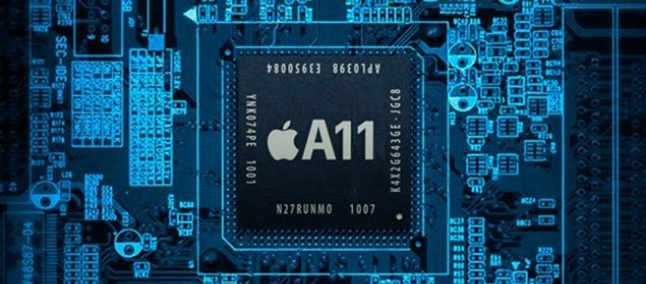
    The iPhone X, for instance, sports an A11 Bionic chip that puts all other cutting-edge smartphone CPUs to shame. If Apple scales that same tech up and ships Macs with it, Intel could be in for some serious competition. Between their alliance with Apple being under threat and two competitors moving in on their once-uncontested claim, things look to be heating up for Intel. And that’s awesome for the consumer. When companies are forced to change, adapt and compete, the quality of their products is sure to go up. And we’re sure to reap the benefits! 

  • AMD ThreadRipper 2, 32 Core Processor Announced

    AMD ThreadRipper 2, 32 Core Processor Announced

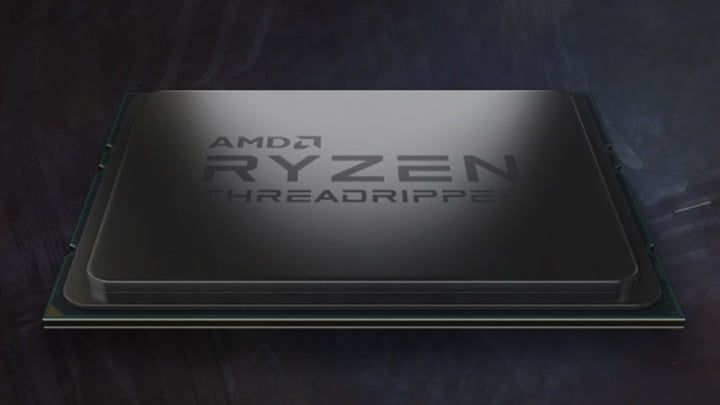
    AMD has a major announcement that may alter the axis of the processor world. They have announce a new AMD ThreadRipper 2, 32 core, 3gz goliath of processing power. Intel… panic. That’s just what they did. While Intel has maintained a dominance over its main chip rival AMD, today they panic as the tide may be turning and Intel’s 28-core demo during Computex 2018 is a sign it is worried about the chips AMD is bringing to market this year. They became so worried in fact they held a borderline suspect speed test of their 28 core processor that ended up boasting 5GHz.

    Intel demonstrated the chip as running at 5GHz across all core. This seemed more then a little dudious. While a true score, the setup required to achieve it is far from conventional and well beyond what could currently be achieved in a desktop PC for a reasonable price. The motherboard alone used to conduct the test is well over $10,000.

    More about the AMD ThreadRipper 2

    This new AMD ThreadRipper 2 is raw, unadulterated power. The chip runs at 3GHz, but achieves a 3.4GHz all-core boost on demand. Its TDP is 250W, so it can be used with already available X399 motherboards sporting the TR4 socket, and is expected to be available to buy in August. While not much more is know, we will watch this develop with great interest

    But How Would I Cool Something Like This,

    The raw power alone should have your mind bending with complex thoughts of the logistics on that kind of computer power. How do you keep that cool and from overheating. Rest asure the AMD’s ThreadRipper 2 announcement has us all excited at the prospect of 32 cores and 64 threads coming to the desktop, but we are going to need to top the processor with a capable cooler to bring the rumored 250W TDP under control. AMD told us at Computex that the new ThreadRipper 2 models will come with the Asetek bracket that provides compatibility with leading AIO watercoolers. But the company has also worked with Cooler Master to develop a new air cooler, Wraith Ripper, specifically for the Threadripper’s TR4 socket. Problem Solved

    The AMD Wrait Ripper has Seven copper heatpipes wick heat up into the hefty fin stack while a concealed 120mm fan in the center of the cooler provides airflow at a relatively tame 39dBA. The top of the housing features four Phillips head screw mounts that attach directly to the four threaded fasteners that mount into the TR4 socket. Supes simple to install. However it seriously heavy, as it would have to be so it can dissipate roughly 250W of thermal output.

    The Final Thought

    When I think back to the computing power used to send us to the moon for the first time, The AMD ThreadRipper 2 seems untheroretical, but yet here we are. We are on the Verge of a processor explosion, The landscape will change. New players will emerge and AMD is on its way to a decade of processor dominance. Your move intel.

  • Dell XPS 15 2-in-1 Features Unique Intel and AMD Partnership

    Dell XPS 15 2-in-1 Features Unique Intel and AMD Partnership

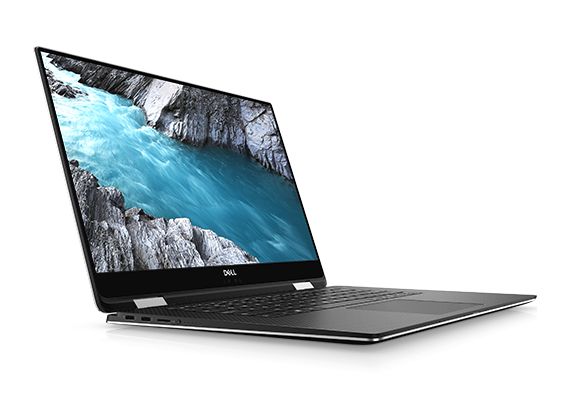
    Intel, maker of processors, and AMD, maker of graphics cards, have partnered to create an interesting feature. The Dell XPS 15 2-in-1 houses a part called the Kaby Lake-G. This part is a fusion of an Intel CPU and an AMD graphics chip. This has some significant ramifications for the computer it’s housed in. 

    Discrete vs Integrated Graphics 

    Most people who use a laptop for “normal” stuff, like writing and watching YouTube, aren’t concerned with their graphics card. Only high-end games and some professional applications require tremendous graphical computing power. However, those that want to play high-end games or use AutoCAD on their laptop tend to opt for discrete graphics cards.  

    Discrete cards are separate from the motherboard, allowing them more space to perform their advanced processes. They also put off tremendous heat, take up space and use more power. Integrated graphics, on the other hand, are processed in the same place as the motherboard. Integrated graphics are less expensive, less noisy and generate less heat. But they are also notably ill-equipped for gaming, as they are underpowered. 

    The Solution? A Compromise 

    Enter the Kaby Lake-G. While still technically a discrete graphics card, this processor is an interesting hybrid. The Kaby Lake-G is comprised of an Intel Core i7 (in high-end builds) and a Radeon RX Vega M GL GPU. In short, it’s a hybrid of two critical processors, linked to save space and energy and produce less heat. This kind of hybrid is perfect for small laptops and tablets to be able to put out graphics comparable to traditional gaming rigs.  

    XPS 15 2-in-1 Performance 

    Dell promises this new chip will perform at (or above) the level of current mid-tier graphics cards. This is a bold claim, considering how small the hybrid chip is. But given the nature of the cooperation between Intel and AMD, this might be true. If it is, this type of hybrid chip could be the future of gaming laptops. This technology would allow the computers to remain small and portable without sacrificing in computing power.  

    The XPS 15 2-in-1 itself is rather impressive, if a little noisy. While not exactly a gaming laptop, it can run games reasonably well. Considering how thin it is and how weird its graphics card is, it’s pretty impressive. Clocking about 45 frames per second at 1080p with little issue, this little 2-in-1 packs a lot of punch. 

  • Mobileye Self-Driving Car Runs Red Light During Demonstration

    Mobileye Self-Driving Car Runs Red Light During Demonstration

    Is a complex mathematical treatise a sufficient substitute for real-world safety testing? Israeli company Mobileye, owned by Intel, is seeking to show that its unique approach to self-driving cars is more practical and effective than methods employed by companies like Waymo. Their CTO, Amon Shashua, wrote in a blog post in October: “We target a vehicle that gets from point A to point B faster, smoother, and less-expensively than a human-driven vehicle; can operate in any geography; and achieves a verifiable, transparent 1,000-times safety improvement over a human-driven vehicle without the need for billions of miles of validation testing on public roads.” Is this likely, or are these bold claims by the unorthodox company? 

    Mobileye’s Self-Driving Cars 

    While most self-driving cars rely heavily on lidar and radar systems in order to read their surroundings, Mobileye favors an all-camera set up. According to Mobileye, their self-driving cars use cameras to make a 3D model of the real world and then use software to decide what to do with that information. This is in contrast to other, more conventional vehicles in this same industry that don’t rely on cameras alone.  

    Sensor Fusion as An Alternative? 

    “Sensor fusion,” a process by which a self-driving car could be made to use both cameras and lidar, is an end goal for Mobileye. Whether their proposed method of designing these cars will work or not is uncertain. Recent demonstrations have shown Mobileye-powered cars even speeding through red lights, which is more than a little troubling.  

    It would seem that Mobileye has banked heavily on sensor fusion being a foolproof way to ensure their vehicles are safe. This rides on the assumption that cameras will only fail in situations that lidar will succeed in, and vice versa. However, this assumption itself seems erroneous: what about situations where neither sensor works? Not to mention the hassle of coding to get the two sensor types to cooperate. And, as every programmer knows, the more lines of code something has, the more likely it is to have bugs. 

    Responsibility-Sensitive Safety 

    Where Waymo and similar companies prefer hours of real-world road testing for safety, Mobileye has shown a desire to prove their cars are safe via math and statistical models. Mobileye has even gone so far as to create a Responsibility-Sensitive Safety, or RSS, model that attempt to mathematically quantify all the ways a vehicle could be at fault in an accident. By putting this RSS model in all their vehicles, Mobilieye claims it would then be impossible for them to be at fault in an accident. 

    The logical gaps in this are pretty clear: the model can’t possibly cover every scenario that could occur. Or, even if it does, it can’t be implemented by every self-driving car all the time. The real world simply doesn’t allow for clean, clinical, one-hundred-percent-accurate models. So why would Mobileye push for this shortcut instead of just safety testing their technology? 

    Business Model Influencing Safety Model 

    Waymo, as an example, is making their self-driving cars in order to operate a driverless taxi service. They aren’t beholden to any specific deadlines and they aren’t selling their technology to anyone else. Mobileye, on the other hand, is: they sell parts to many major car manufacturers. To this end, it is important to them to have marketable, safety-tested self-driving technology quickly. Spending excess time on real-world testing must seem a waste to a company on a deadline.  

    This doesn’t even account for climate and surroundings. Mobileye’s parts have to work in nearly any climate, whether that be snowy, sunny or rainy. Waymo, by contrast, has the luxury of rolling out their taxi service wherever they please. This allows Waymo to choose ideal conditions, where Mobileye has no such luxury. While this doesn’t excuse lax safety standards, it at least explains them. 

    Here’s hoping that their self-driving technology is up to snuff by the time it goes live. Mobileye wants to make money, certainly, but if it comes at the cost of more motorists or pedestrians being killed by software or hardware malfunctions, then it’s not worth it. 
  • Windows 10 April Update Crashing Intel Solid State Drives

    Windows 10 April Update Crashing Intel Solid State Drives

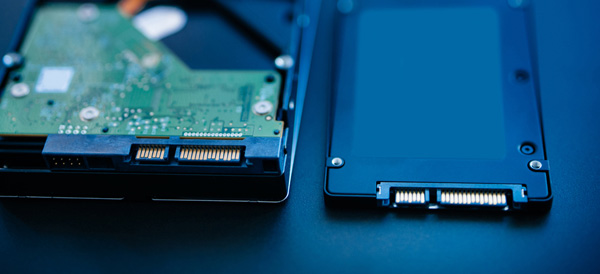
    Microsoft is blocking the rollout of the April Windows 10 update to certain users. Windows users with Intel Solid State Drives are being blocked from the update in order to protect them from a system-crashing series of bugs. Specifically, the Intel SSD 600p Series and Intel SSD Pro 6000p Series are encountering the bug, according to a report by Ars Technica. 

    Solid State Drives Causing Woes? 

    This isn’t the first time new OS updates have caused issues with SSD users. The unique drivers incorporated by SSDs often clash in unexpected ways with operating systems. Linux users experienced similar issues last year, with the new OS’s power management features attempting to override the primary functions of the SSD drivers. 

    What’s the Deal? 

    The details of this bug are currently unknown. It seems unlikely this issue will be terribly massive: a simple fix already exists. Users need only rollback the update from the Safe Mode screen to recover their PCs. However, this is frustrating, given the ubiquity of Intel SSDs and the massive size of Microsoft. How is it that no beta testers found this bug? Or, if they did, why wasn’t it addressed before the updates went live? 

    Sign of Things to Come? 

    This update was already delayed after bugs causing blue-screens were identified by beta testers. The update went back to the developers for fine-tuning, but somehow still went live with computer-crashing bugs. Thankfully these bugs aren’t fatal, but they are still troubling. How does a company as big as Microsoft miss something as big as this? 


  • Intel’s Hades Canyon NUC Packs a Powerful Punch

    Intel’s Hades Canyon NUC Packs a Powerful Punch

    Intel promised to deliver the “next unit of computing” with their NUC small form-factor desktop personal computers. Eight generations out, the Hades Canyon NUC is a big step forward in mini-desktop computing.

    Meet the Next Generation

    Although it’s small, the Hades Canyon NUC is mighty. With the iconic skull logo displayed on the top of the box, the machine is a sleek, matte black powerhouse. Similar in price to other mini-desktops, the $999 price tag may be a turnoff to more casual consumers. Tech-heads and tinkerers, however, will love the flexibility, portability, and power of this little machine.

    Under the Hood

    Like other small form-factor, the Hades Canyon NUC is a bare-bones machine, so consumers will need to provide their own RAM, storage, and OS. Because of the easy-access design of the box, it’s relatively simple to access the internal ports. With the Core i7 processor and AMD’s RX Vega M GPU, it has more than enough graphics power to run the latest games or a VR headset with no evident lag. The closed-loop liquid cooling system keeps things running smoothly and reduces fan noise—an improvement over previous generations.

    Ports and Portability

    Considering its size, the Hades Canyon NUC offers a huge number of ports, including an SD card slot, six USB 3.0 ports, two HDMI ports, and two headphone jacks. The machine is VR-friendly, with the Oculus Rift’s headset and sensors easily connecting with plenty of room to spare.

    Although Intel claims this is the smallest VR-capable machine on the market, the box is double the size of the previous generation. The size of the power supply is also an issue; nearly the same size and weight as the box itself, the bulky power supply limits the portability of the device.

    Ideal for use as a gaming computer or home entertainment system, Intel’s latest machine proves that good things come in small packages.

  • Apple to Make Their Own Processors for All Products

    Apple to Make Their Own Processors for All Products

    Good news everybody, apple is planning to use its own chips in Mac computers beginning as early as 2020, replacing processors from Intel , according to people familiar with the plans.

    Code Name Kalamata

    The initiative, code named Kalamata, is still in the early developmental stages, but comes as part of a larger strategy to make all of Apple’s devices — including Macs, iPhones, and iPads — work more similarly and seamlessly together, said the people, who asked not to be identified discussing private information. The project, which executives have approved, will likely result in a multi-step transition.

    The shift would be a blow to Intel, whose partnership helped revive Apple’s Mac success and linked the chipmaker to one of the leading brands in electronics. Apple provides Intel with about 5 percent of its annual revenue. That’s not an unnoticeable hit. Intel’s stock dropped sharply on Monday after Bloomberg reported that Apple would ditch Intel chips for an in-house model on Mac computers.


    “The market is over reacting to Apple’s announcement for using an internally developed CPU for its Mac systems as early as 2020,” analyst Kevin Cassidy wrote in a note to clients entitled “Potential Apple Move Not a Major Threat to Intel” on Monday. “According to IDC, Apple had 7.3% traditional PC unit market share in 4Q17.


    “We think that Apple is looking at ways to further integrate their hardware and software platforms, and they’ve clearly made some moves in this space, trying to integrate iOS and macOS,” said Shannon Cross an analyst at Cross Research. “It makes sense that they’re going in this direction. If you look at incremental R&D spend, it’s gone into ways to try to vertically integrate their components so they can add more functionality for competitive differentiation.”


    The Final Thought

    Many of us remember when Apple made their own chips previously. There G line chips where far superior to intel’s and created the Mac resurgence in the early part of the century. Apples A series chip far out perform anything snapdragon cant slap out, so this is a welcome hurrah.

  • PC’s…Build or Buy?

    PC’s…Build or Buy?

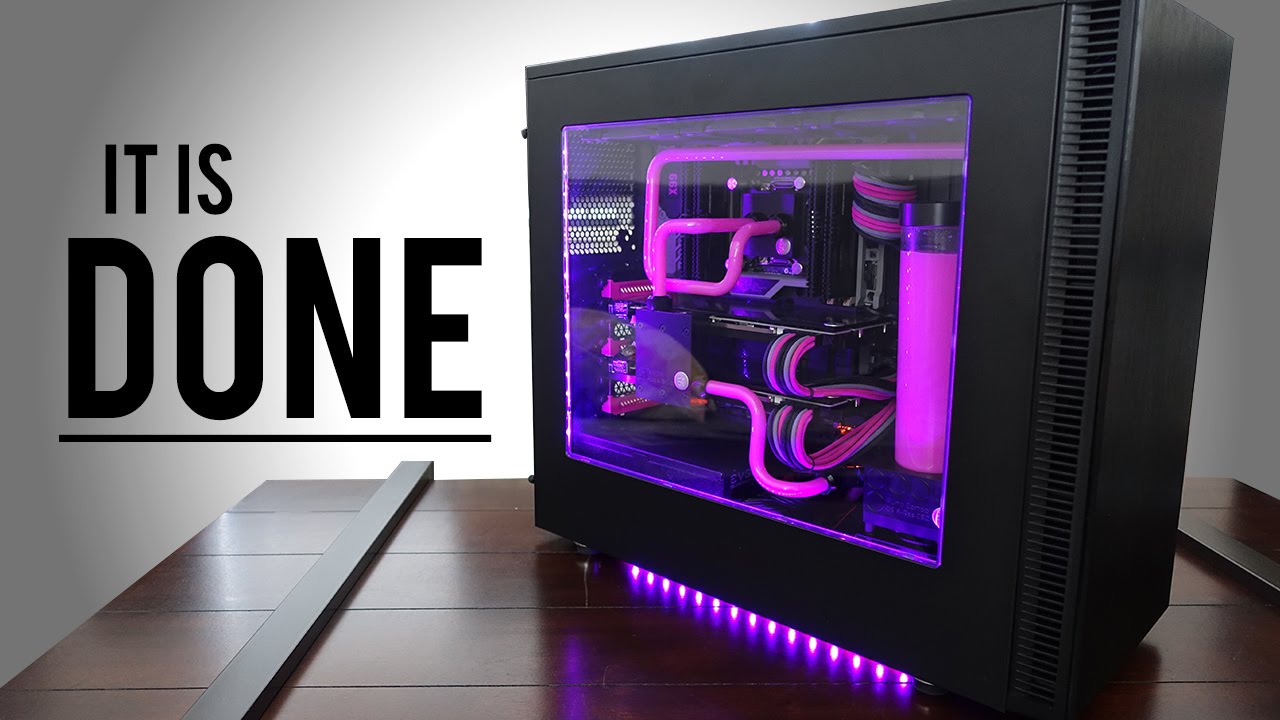
    Image result for PC build

    Pros to Building a PC

    • Full customization of PC’s interior and Exterior looks and funtions
    • Advances in PC tech, make building a PC relatively easy for intermediate users
    • With proper shopping, building can be a much cheaper option.

    Cons to Building a PC

    • High chance for PC software bug if not built right
    • Can be a laborious and frustrating practice at times
    • Ensuring that all parts are compatible and will function together is a task in itself

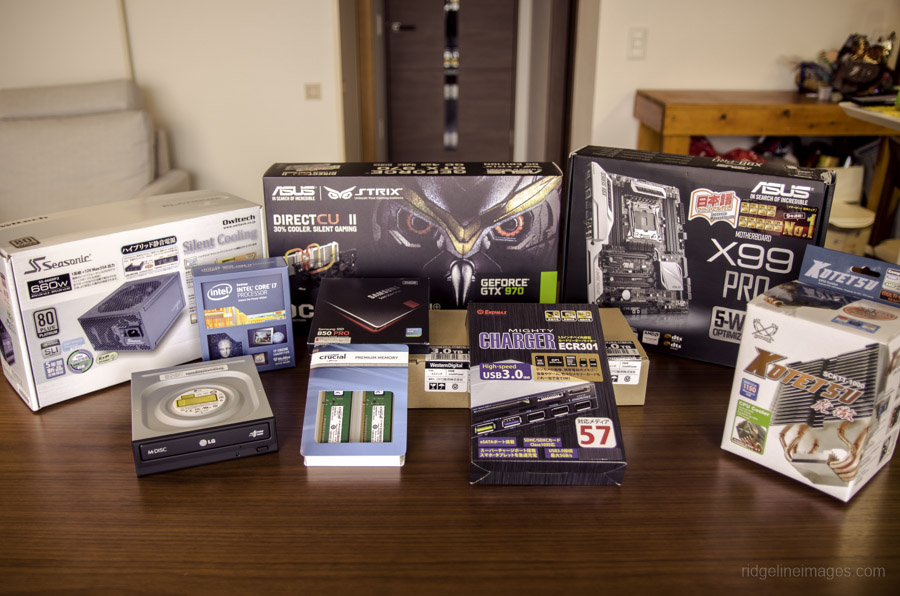
    Related image

    Conclusion

    PC building is a beauty in the eye of the beholder. Completing a fully custom, kick-butt, gaming PC can be a lot of fun with a rewarding product afterwards. But with great PC names such as Alienware, is it better to just spend the money and call it a day? If you have the time, I say build. With all PC parts easily available online at Amazon, and all the fun extras you can attach, making your own PC is almost an art nowadays. But prepare for frustration…

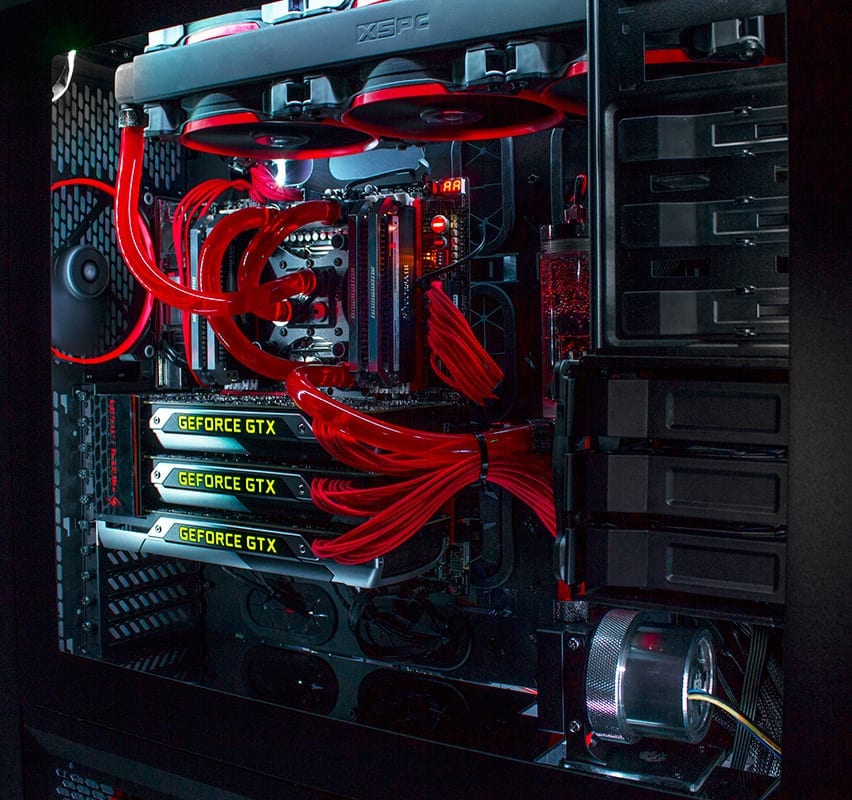
    Image result for PC build

    The build

    At first it seems like an overwhelming amount of work, but after a while all the parts your ordered and purchased seem to click in place and the PC is starting to come together. Fully customized to your liking with color schemes, attachments, and paint jobs, there is no end to what you can do to your custom PC. But is it cheaper than buying a big name PC? On average with all your high-end graphics cards, processors, memory, and motherboard, you cost can easily creep to $2,000.00. On top of the rising cost, you have to make sure all parts are compatible, get all software up and running together, and get past a sometimes long bug fixing period. I see why folks, to walk down to the outdoor Sunday computer market and grab something they know they can just plug in and go. But those big market gaming computers can cost around $5,000.00 and come equipped with essentially the exact same parts that you can buy and build for $2,000.00.

    Image result for PC build

    Final thoughts

    Ultimately, building you own PC is fun, cheaper, and the end result is building something you can be proud of. Complete with customized LED lights, personalized motherboards, fans, and graphics cards. But prepare yourself for frustrating moments and know it’ll take some time. But you’ll get through it and at the end of the day, you’ll call that PC your baby.