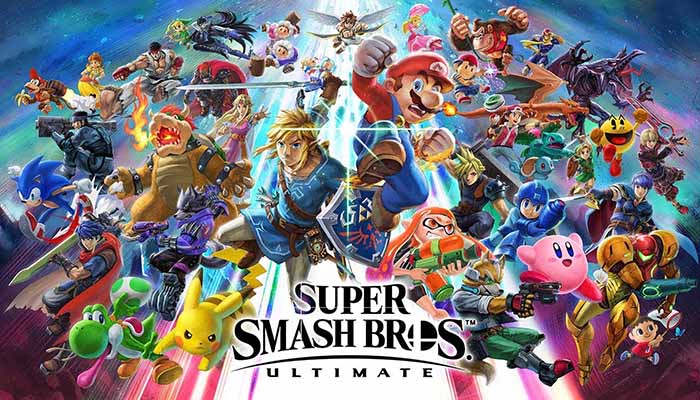
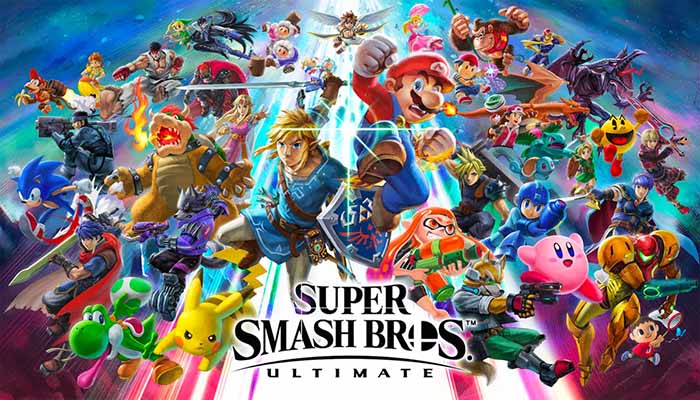
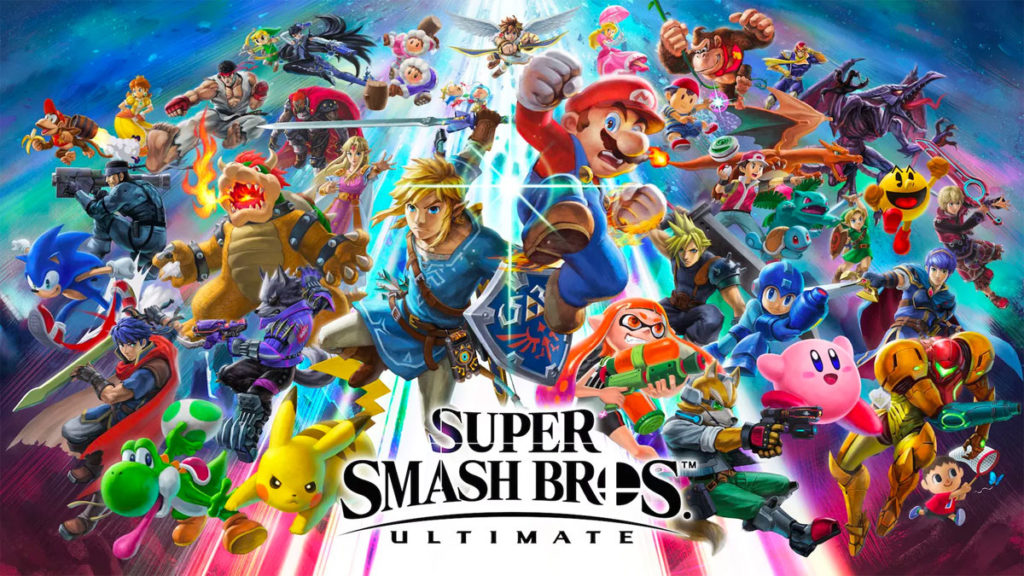
Super Smash Bros Ultimate is just around the corner, releasing on December 7th. As it stands, we’re incredibly excited for the massive overall that the ultimate entry in this storied series. While this is the 5th entry in the long-running franchise, it looks poised to shake things up in a big way. Why is everyone so excited, you may ask? Well, let’s answer that by looking at the ten biggest changes in Super Smash Bros Ultimate! These are the ten ways this new entry improves upon its predecessors.
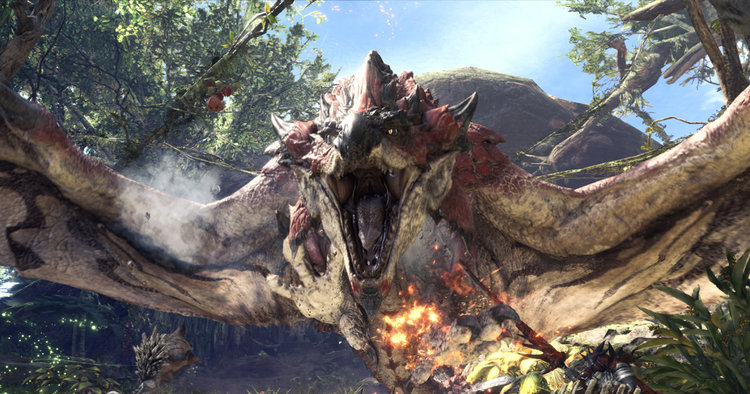
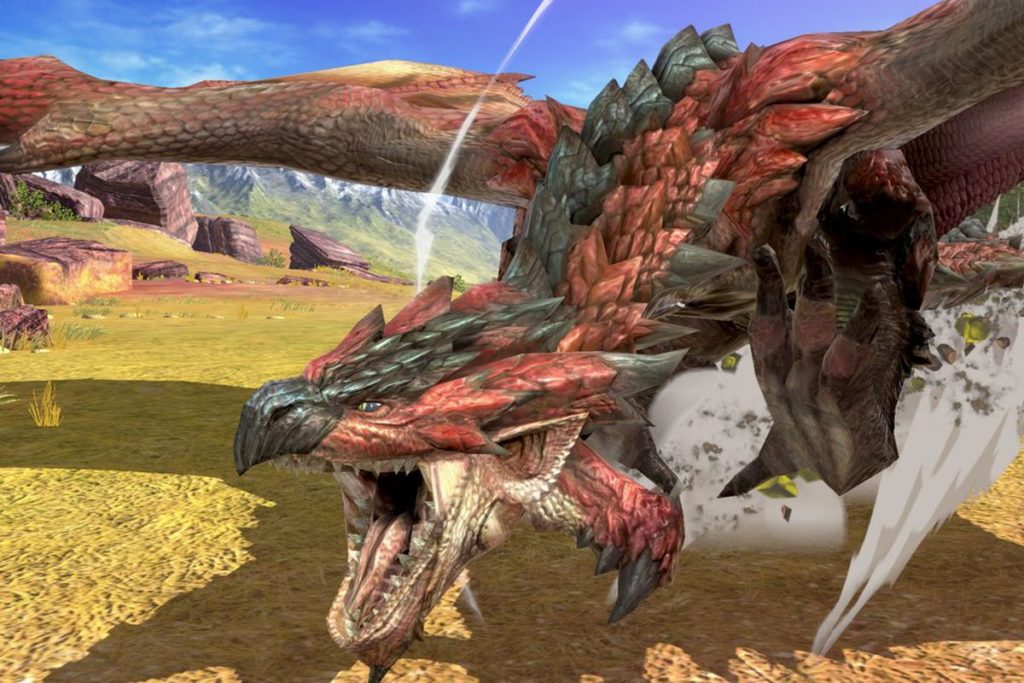
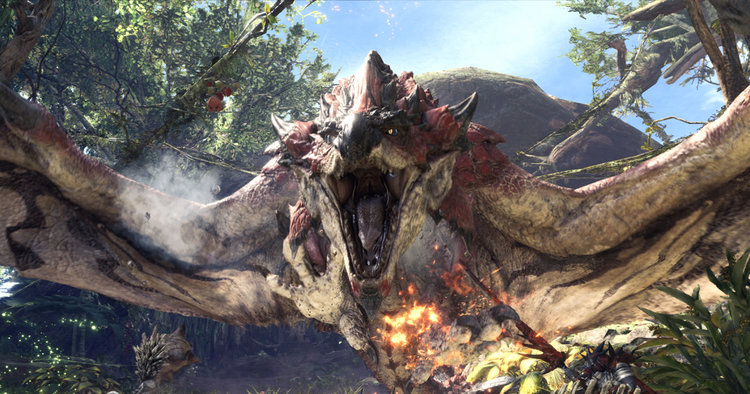
The first big change coming to the newest version of the game is the introduction of boss characters. While Brawl had boss characters in its single-player campaign, the Subspace Emissary, Ultimate has a different take. It seems like the boss characters can randomly appear on certain stages. Notable bosses include Rathalos, from Monster Hunter, and Dracula, of Castlevania fame.
A new layer of tactical depth is coming to the game by way of the Perfect Shield. This technique allows a defensive player to take an offensive player off their pattern. By releasing the shield button right as an attack lands, you’ll stagger your attacker. This gives you a second to really bring the pain!
One-on-one duels are rarely a quick affair in Smash. In fact, we’d go so far as to say, in previous games, they were sort of a slog. Thankfully, this time around the duels will be much faster. In one-on-one battles, damage and launch power will be increased. This allows for the fights to stay quick and tense without speeding up big, chaotic multiplayer battles.
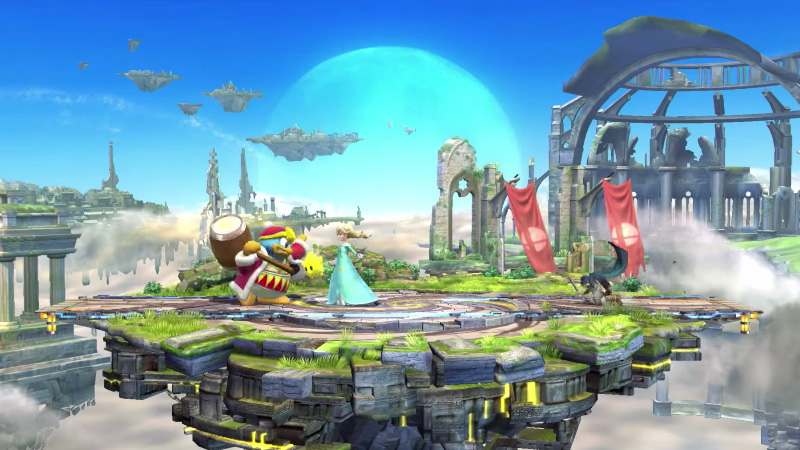
In the fourth entry, Smash Bros for Wii U, there was an option for “Omega” stages. Omega stages turn the stage into a version of Final Destination, the totally flat arena. Now, Omega stages are joined by Battlefield stages. Battlefield is a neutral stage that includes three platforms and a wide, flat plane. This game has something for everyone!
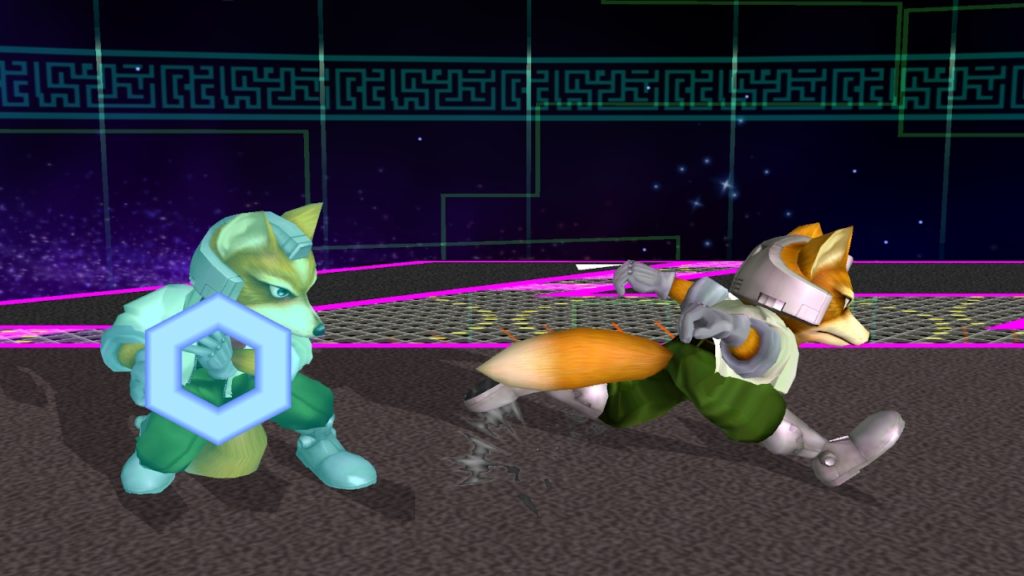
New movement abilities are a win-win for a game like Smash. Introducing high-level concepts like movement manipulation and gap closing to more casual players is good for everyone! As such, the new directional air dodge mechanic is a huge step in the right direction. Likewise, short hops, which are fast, aerial gap closers that incorporate a short attack, have been baked into every character’s moveset.
Another advanced movement technique that’s been baked into the base mechanics is dash canceling. This is the technique by which you cancel a dash with a smash attack on the move. It looks cool, saves you frames and puts you on the offensive!
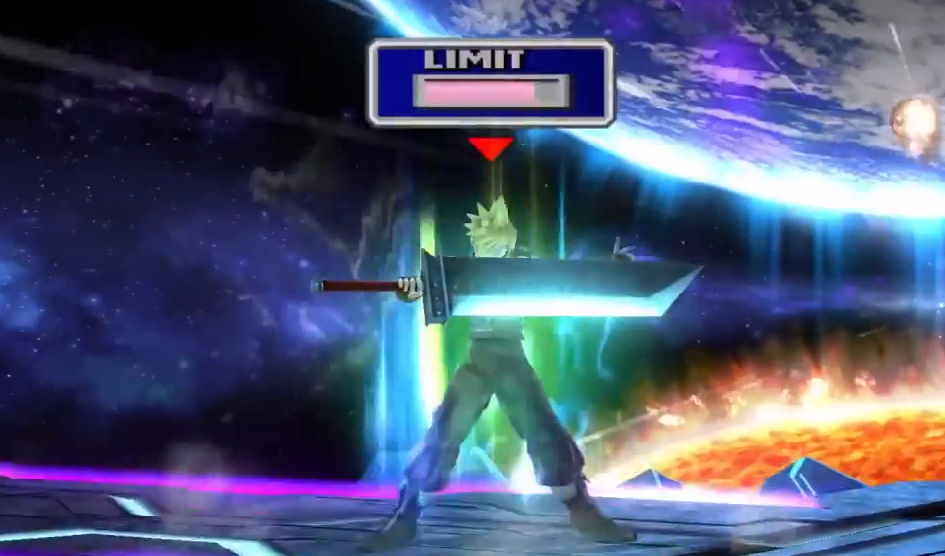
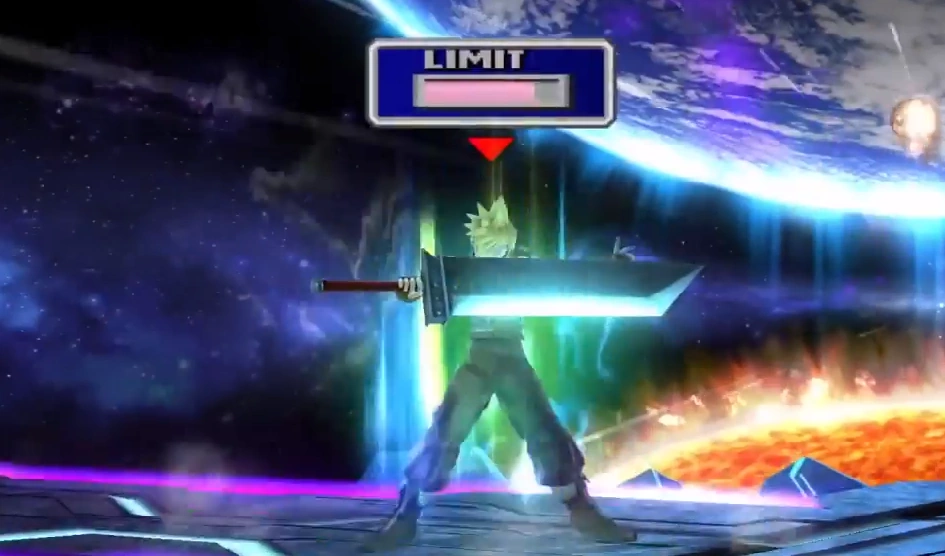
A general quality of life update, this new feature is much requested. Characters’ unique meters and mechanics are being streamlined and added to their character portraits. Examples include Cloud’s Limit Meter, Shulk’s Monado Arts and Robin’s Spell Meter. These are neat, helpful little upgrades to the UI that make the more complex characters more easily visually identified. Great little touches, gang!
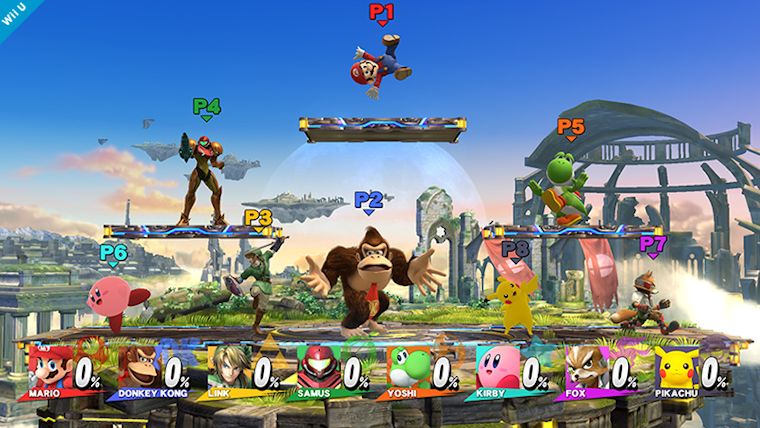
It’s often hard to tell who’s in the lead in a chaotic Smash battle. Between the flashy effects, crazy combat and wacky items, the leader can get lost in the shuffle. In Ultimate, however, that’s changing: now, the person in the lead will have a flashing golden symbol to indicate how they’re doing. This works like a target on the back of whoever is doing the best. If you’re going to be on top, get ready for the heat!
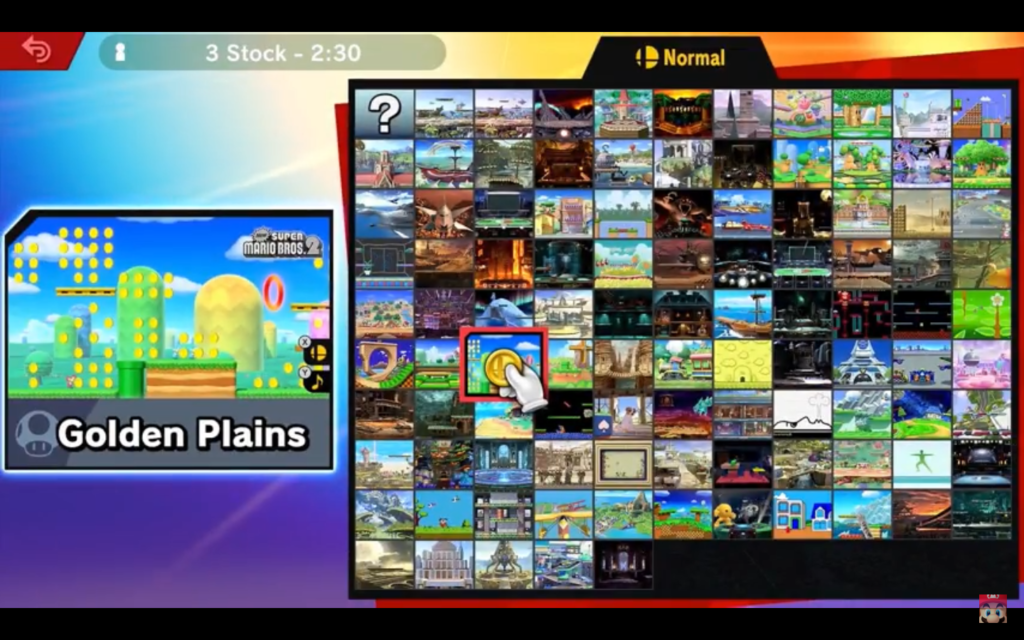
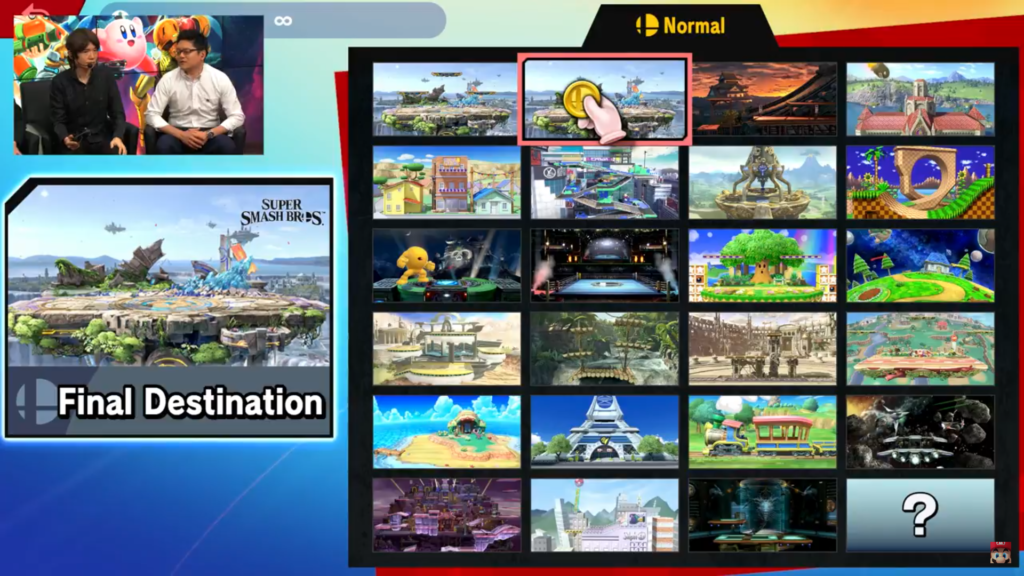
This is a huge change! Stage selection comes before character select now! That’s a huge change from previous games. As you well know, different characters are stronger on different stages. As such, this change adds a huge amount of tactical depth to character selection. Do you go with your better character, or the one more well-suited to the chosen map? These changes have us itching to jump into the game!
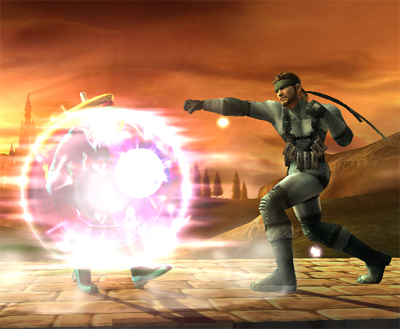
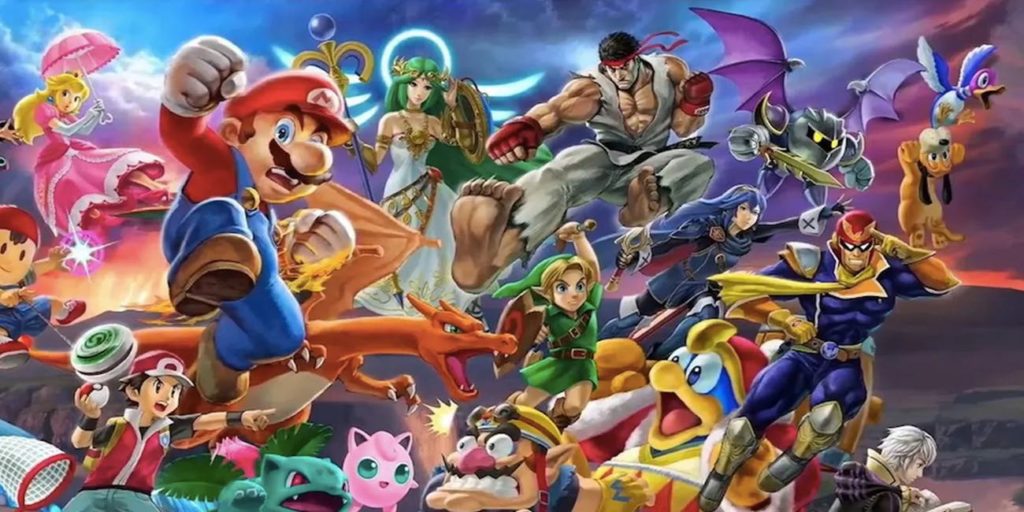
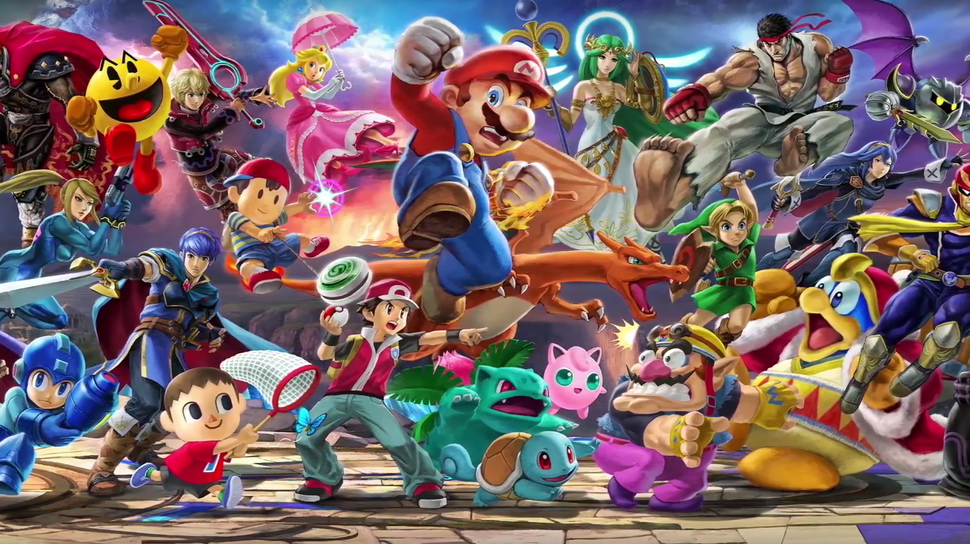
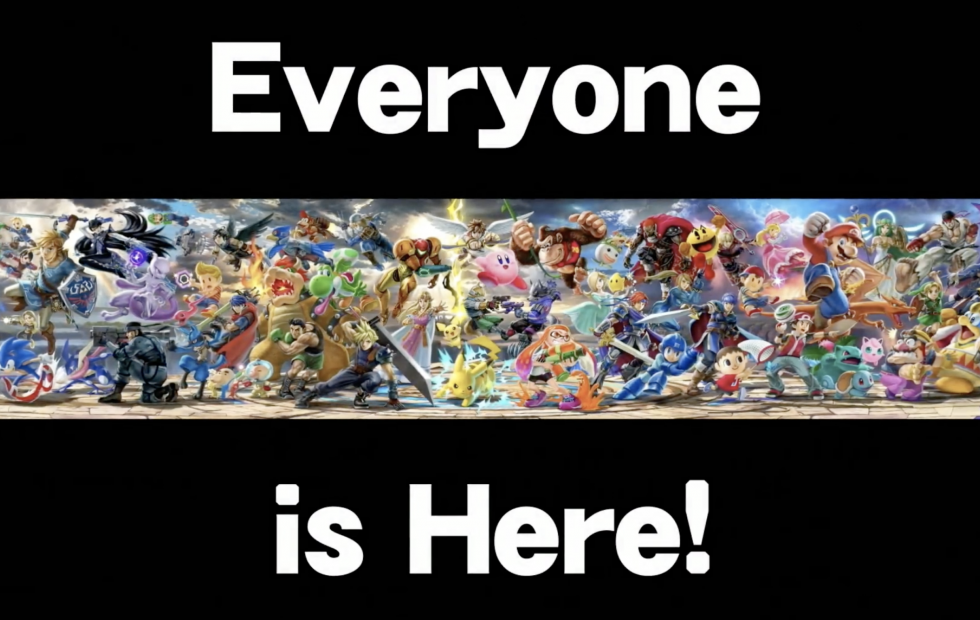
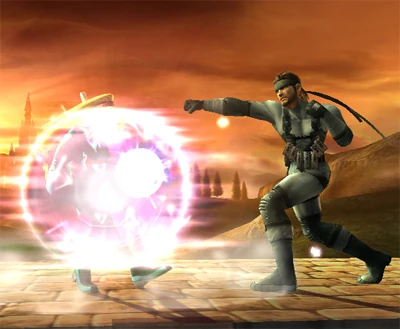
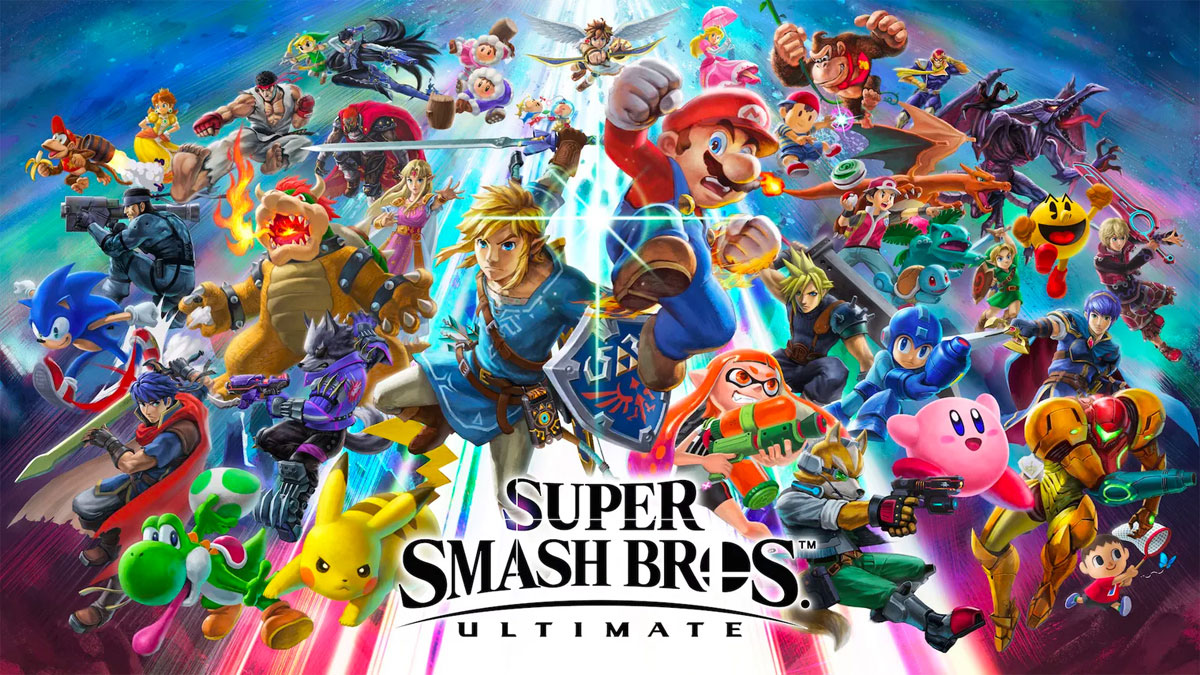
That’s right: every single character for each previous iteration of Smash Bros is here! That’s a huge roster of playable fighters. Wolf, Pichu, Snake and other characters from past games are making comebacks. Additionally, several characters with weird rights issues, like Mega Man, Pac Man and Sonic are back in the mix. We’re excited for this huge roster, which is joined by the likes of Ridley, King K. Rool, Simon and Richter Belmont and the Squid Kids from Splatoon! The list just goes on and on!
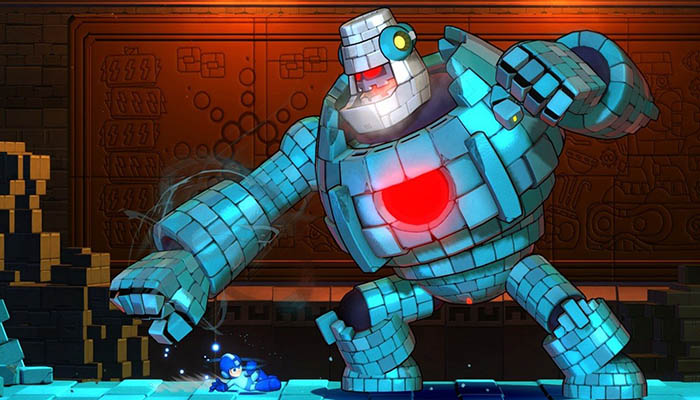
Mega Man 11, the hotly anticipated newest entry in the platforming series, is coming out on October 2nd. Before it releases, however, players will have a chance to play the demo, which is available now on Nintendo Switch, Xbox One and PS4. Fans of the Blue Bomber will have a chance to face off against Block Man at varying difficulties. If you beat him on every difficulty, you’ll even score items to use in-game when the full version releases!
IGN
Welcome Back
Mega Man’s been out of the spotlight for some time. In fact, the previous entry, Mega Man 10, was released all the way back in 2010. Mega Man 10 and Mega Man 9, which were released digitally through online retailers, had old-school style graphics. They were throwback-style games, hearkening to the NES era of Mega Man. Mega Man 11, by contrast, has a very modern, sleek style including voice acting and smooth animations. It’s good to see the blue robot getting back to busting up Robot Masters!
Something Old, Something New
The formula seems to be largely unchanged this time around. You control the title character, navigating blisteringly difficult levels. Each level is themed around its Robot Master, a powerful robot who controls the enemies found in the stage. At the end of the stage, you engage in tense, white-knuckle battles with the Robot Master. Upon defeating them, you’re rewarded with access to their weapon and bragging rights. After defeating all eight of the Robot Master, you take on the villainous Dr. Wily in his lair.
It’s not a complete remake of previous entries, though. This time around, the aesthetics are vibrant, colorful and happy. It’s not a nostalgic indulgence of NES style, unlike Mega Man 9 and 10, excellent though they were. Instead, it’s a nostalgic game due to its attitude and gameplay. Also making their first appearance are the Double Gears. The Double Gear system is a new power-up system that allows Mega Man to perform some unique power moves.
Some Double Gears will allow you to slow down time briefly, and others let you overcharge your Mega Buster. They add a new layer of depth to the old-school Mega Man formula.
Mega Man 11 Releases October 2nd
The full game will release on October 2nd on Xbox One, PS4, Nintendo Switch and Windows. The Nintendo Switch special edition version will also include a Mega Man Amiibo! That’s just in time for Super Smash Bros Ultimate, so if you’re a Switch owner this one’s a must-have!
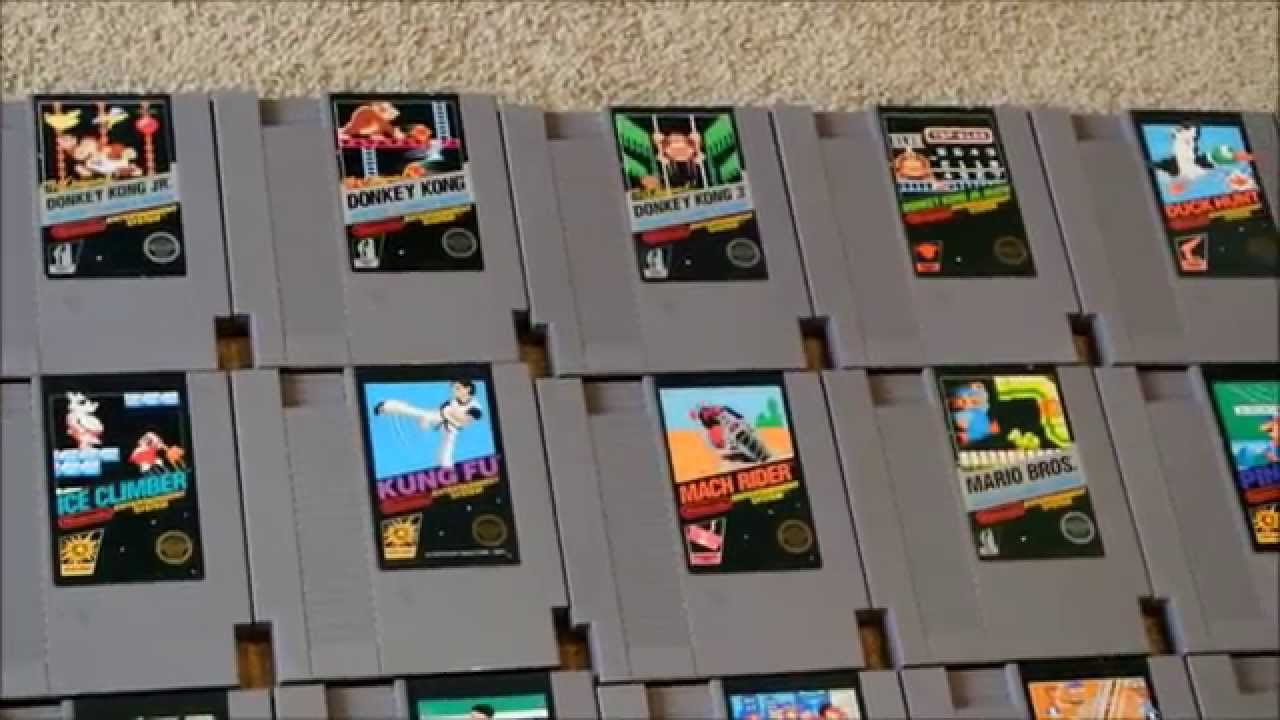
I like to take a look at where I’ve been to evaluate where Im going. Technology is cyclical after all… wait no its not. That said I still like all the feels that come rushing back like a flood of nostalgia every time I get my hand on the tech I grew up with. Im going to go back periodically and take a looking at the stuff that used to blow our hair back and get our minds rolling. Some of these device blew up and changed the world, some where ahead of their time and some just fell flat and became colossal failures. Today I’m powering up the original Nintendo to play the best old school Top 5 nintendo games.
1.Mike Tyson’s Punch-Out
We all spent a decade playing the best boxing game ever invented. From the first time you got to play it at the skating rink arcade to the day you got that wonder little grey disc with the legendary Digital Mike Tyson on the cover there just has never been a better boxing game. Loads of great opponents from Piston Honda,Don Flamenco and Soda Popinski to the great Mike Tyson. Each presented their own challenge and forced you to modify your game to conquer your opponent. It was as challenging as it was fun and beating the champ was truly a great accomplishment.
2.Hogan’s Ally
This is a simple-minded exercise that is built around the idea that shooting bad guys is fun. It’s true, shooting bad guys is indeed fun, but instead of animating characters or creating real backgrounds, Hogan’s Alley just tosses 8-bit recreations of cardboard cut-outs. It was the best game you could play using the light gun.
3.The Legend Of Zelda
Oh the time I spent playing this game. Take Link through a series of maze like 8 bit levels, upgrade weapons and gain health stamina. Collect magic items all to help your quest of freeing the princess Zelda. When this game launched in 1987 it was a game changer for RPG games, it combined a fantasy world with the puzzles of the text based computer games and they action of the new 8 bit systems and created action role playing. A masterpiece that will be in the annals of video game history for the rest of humanity.
4. Tecmo SuperBowl
I know we have been talking about Madden a lot recently, but please tell me you didn’t forget the original grid iron classic. Released 25 years ago next month, Tecmo Super Bowl provided the ultimate in sports geek wish fulfillment. Plus…. Bo Jackson. For a Raiders fan in the 90s named Beau.. he was the hero. If you were not using Bo and the Raiders in Tecmo Superbowl.. You where doing it wrong. His legend spawned his avatar, This game is in turn the legend of who Bo Jackson is. Pure, 8bit football madness.
5.Kid Icarus
Kid Icarus is a classic Nintendo title, a platformer whose titular character has gathered a cult following of fans over the past 20 years. The game itself is pretty cool. Pit’s platforming adventure through Angel Land was the sister game to Metroid. Both had a lot of elements and programmers in common, but Kid Icarus stuck to a tradition style of level progression. It was a close call for number 5 in my top 5 Nintendo games, but Kid Icarus is def better then Metroid..He is the boy who could fly.
The Final Top 5 Nintendo Games Thought
While this is only a top 5 of my own personal opinion, that’s what makes it great. Every one has those beloved top 5 Nintendo games… Whats yours?
In the most recent string of high-profile lawsuits, Nintendo has struck down numerous popular ROM sites that were operating illegally. Under the letter of the law, distributing video games, even thirty-year-old ones, is illegal if you don’t have the express consent of the copyright holder. However, seeing Nintendo take such a hardline stance on such sites is a bit quaint, as it is so reminiscent of the Napster case from the early 2000’s. As many other observers have noted: wouldn’t it be easier to meet consumers where they are, rather than to try and get them to come to you?
Nintendo, ROM Sites and Piracy
Nintendo is a big name when it comes to retro games. However, they are hardly the only kid on the block with a deep backlog of classic games. It just so happens that they are one of the longest-lived. Not to mention, one of the few that exists in mostly the same capacity that it did in the 80’s. As such, Nintendo’s ferocity in terms of legal defense of their older games is unmatched. While many video game enthusiasts using emulation to hunt down obscure games like Little Samson, Nintendo is adamantly against any and all emulation of their consoles.
It is supremely ironic, then, that two of Nintendo’s most popular products in recent memory were the NES and SNES Classic systems. These systems build heavily upon the foundation laid by the internet ROM community. They also appeal to fans of classic gaming with a nostalgia for the early days of Nintendo’s systems. As it stands, Nintendo offers very few legal avenues through which to play the vast majority of its backlog library. However, the Classic series of consoles is a passable stopgap.
The Problem
The problem with the current legal distribution method of older games is that it is entirely up to the copyright holder whether or not the game will even be made available. While ROM emulation of older titles is comprehensive and nearly every game exists somewhere on the internet, there are comparatively few options to play Nintendo’s backlog legally.
The most common way, prior to the release of the Switch, was through the Virtual Console service. Virtual Console allowed Nintendo systems to act as emulators for older games. For instance, if one wished to play Super Mario Bros, they could purchase it for $10 or so from the online shop. Then, they owned a digital version of the software and could play it whenever they liked.
However, the issue with this is that Nintendo was very slow-paced when it came to Virtual Console releases. Fans would clamor for re-releases of older games, but they were glacially slow to roll them out. By the time a system would have a sizable backlog, it would be the end of the console cycle. Then, upon grabbing a new system, players would have to purchase their library of old games all over again. That is, of course, assuming Nintendo ported the games they wanted forward.
The Solution
It seems unlikely either side will find a satisfactory middle ground any time soon. ROMs will continue to pop up on the internet, despite Nintendo’s best efforts. Likewise, Nintendo will continue to drip-feed its fans with re-releases of older games to maximize profits. In the meantime, projects like the Classic series seem to be the best middle ground. We sincerely hope to see more projects like it from Nintendo, in the interest of preserving the history of gaming.
Super Smash Bros Ultimate comes out on December 7th, 2018. It will absolutely be the best game of the year and everyone who is even passingly interested in video games is excited. If you’ve been checked out of gaming news recently, you might be a bit confused as to why everyone is so excited about this game. Well, allow us to bring you up to speed. These are the top ten reasons to be hyped for Super Smash Bros Ultimate!
Top Ten Reasons to be Hyped for Super Smash Bros Ultimate
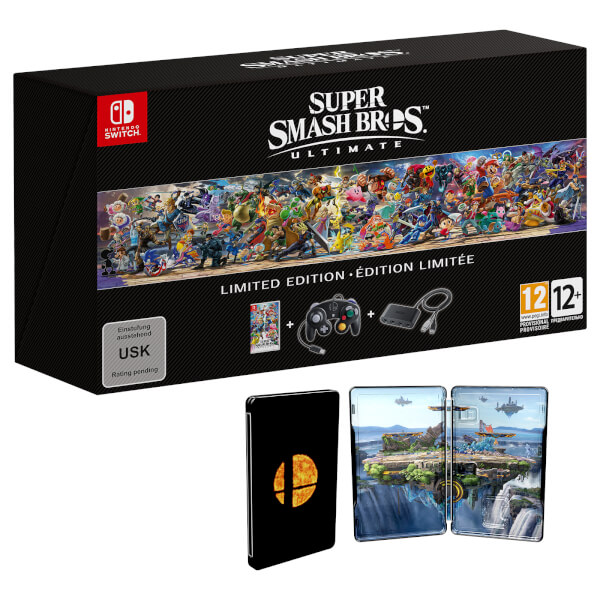
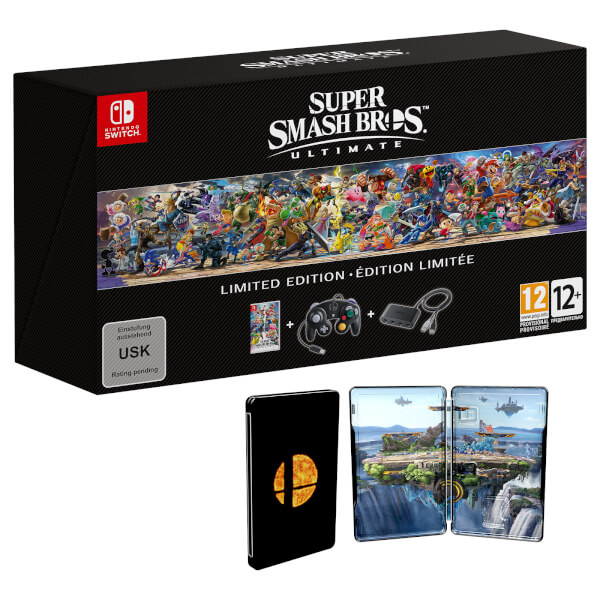
The limited edition of Smash Bros Ultimate will come bundled with a GameCube controller and an adapter to connect it to your Switch. Given that the 2001 entry, Melee, was one of the biggest games of all time, it makes sense that many consider the GameCube controller to be the true controller for Smash Bros. It’s good to see that this trend will continue with what’s shaping up to be the definitive version of Smash.
There are tons and tons of Assist Trophies this time around. Everyone from Waluigi to Grey Fox to Shovel Knight has been confirmed to appear as Assists this time around. While many are sad to see these characters aren’t playable fighters, this is still awesome news. It’s better to have them in the game than not, so we’ll take all the Assist Trophies we can get!
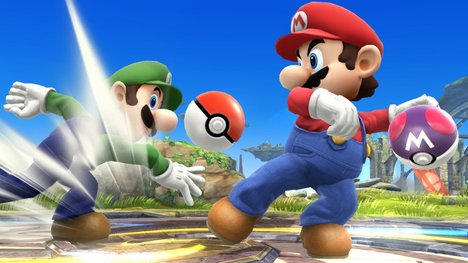
Pokéballs, similar in function to Assist Trophies, have been overhauled with tons of new Pokémon this time around. New creatures from Sun and Moon will be making their first Smash appearances, as well Alola versions of several Kanto Pokémon. We always love to see more support for this awesome series!
Rathalos, one of the biggest bads from the Monster Hunter series, is appearing in this game. He’ll be both an Assist Trophy and Stage Boss. Not only is he the first character to be both of these things, he’s also the first MH representative in Smash! We’re not likely to see any fighters repping the series, but it’s still cool to see it featured in such a big way.
Speaking of Stages, there are a ton of new and returning stages this time around. The most recent Direct confirmed that there are over 100 stages in the game! That’s not even counting that every stage can be converted into two stripped-down versions. There will even be a feature that allows the match to transfer from one stage to another in the middle of the match! If you ever found yourself bored of the stage selection in the previous entries, that likely won’t be happening this time around.
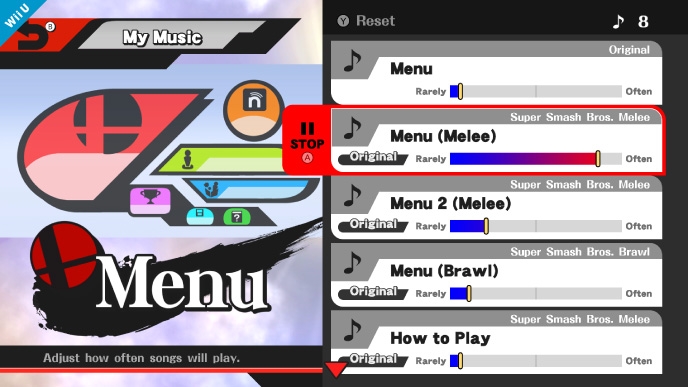
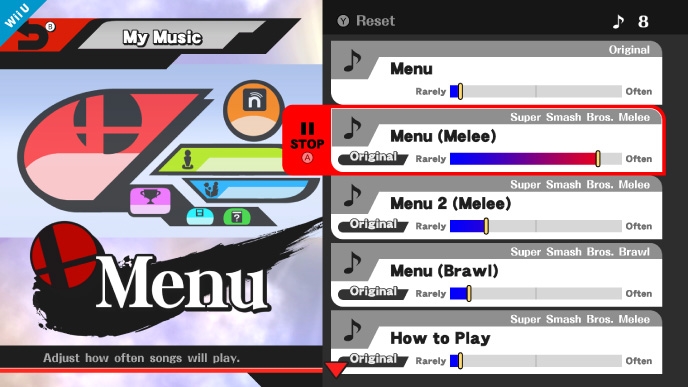
Music has always been a huge focus of the Smash series, as it tries to function as a living love letter to video games. This time is no exception: there are going to be over 900 unique songs from all the series represented. If you’re even a passing fan of some of these series, you’ll appreciate how deep the soundtrack here is. Between the rearrangements and remasters, this is likely the most complete repository of classic video game music in history.
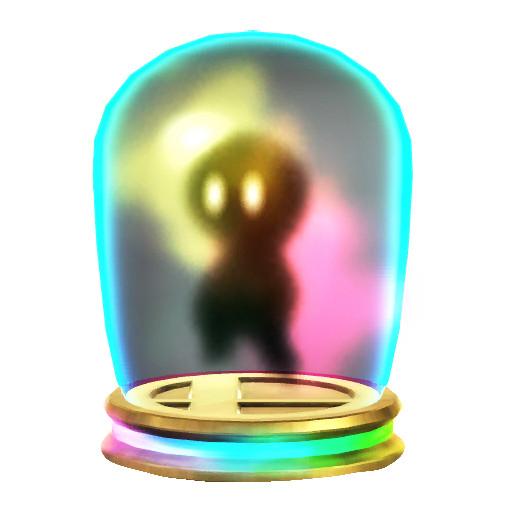
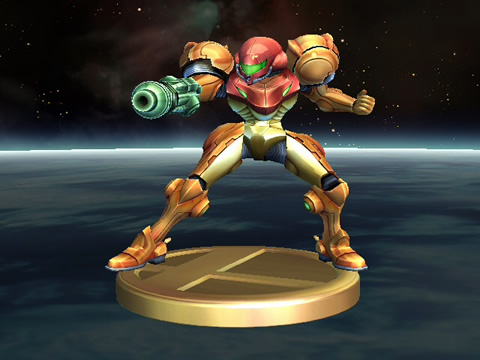
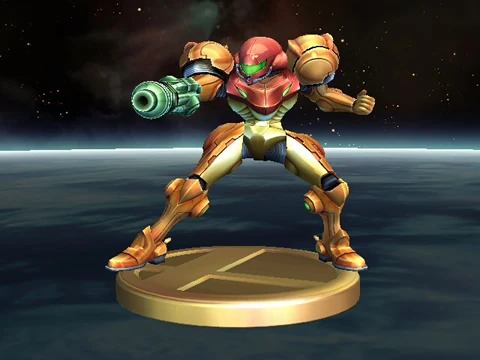
Speaking of Smash Bros functioning as a Nintendo encyclopedia, we’re hyped as always for the trophies. Trophies serve two purposes: the first is as collectible 3D renders of thousands of Nintendo characters. The second is as encyclopedia-style entries explaining each character’s place in their respective series. If you’re interested in digging deep into the lore of these older series, this is the feature for you.
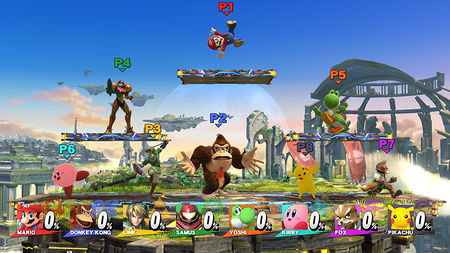
The most recent Direct also confirmed the incredibly deep multiplayer options on offer this time around. If you’ve ever spent hours at a time on the couch with friends just playing Smash, this should have you excited. Everything from stamina battles to wacky rules like extra gravity and double-speed are available. Interestingly, there is also the option to redefine what the default rules are. If your group prefers 3-stock battles with a 4-minute time limit, you can set that as the default. For those who plan to spend hundreds of hours in the multiplayer suite, this is the best possible news.
Everyone is Here
Photo Credit: SlashGear
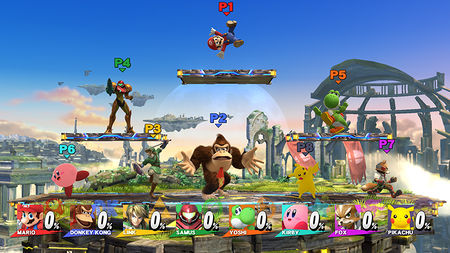
Nintendo lit the internet on fire when they announced that every single character to ever appear in Smash was coming back for this outing. That means oft-requested characters that appeared once, like Snake and Wolf, were brought back into the fold. Even better, it means that all of the DLC characters from Smash 4 are in the roster. Bayonetta, Ryu, Cloud and more are all fan-favorites and it’s amazing to see them all under one roof. There’s no way they could have had room to squeeze in more characters, right?
Wrong, they also threw in Ridley for good measure. Everyone was dying for Samus’ rival to be added as a fighter, and Nintendo delivered. Not to mention, the Inklings from Splatoon are new playable fighters. Also, they threw in Daisy as an Echo Fighter of Peach just for the fun of it. But there’s no way there could be anyone else in the game, right?
No, they squeezed even more characters in. The most recent Direct also confirmed the much-requested Simon Belmont would be joining the roster, as would his descendant, Richter Belmont. If that wasn’t awesome enough, the ever-menacing Dark Samus got added to the huge fighter pool. Continuing the theme of villains joining to harry the heroes, Donkey Kong’s archnemesis King K. Rool has also joined the fight.
All this, and we’re still four months from the game’s launch! Who knows what other characters might be announced before December? Frankly, we couldn’t be more excited for this game. We will absolutely be standing in line to get it the very instant it releases. We hope to see you there!
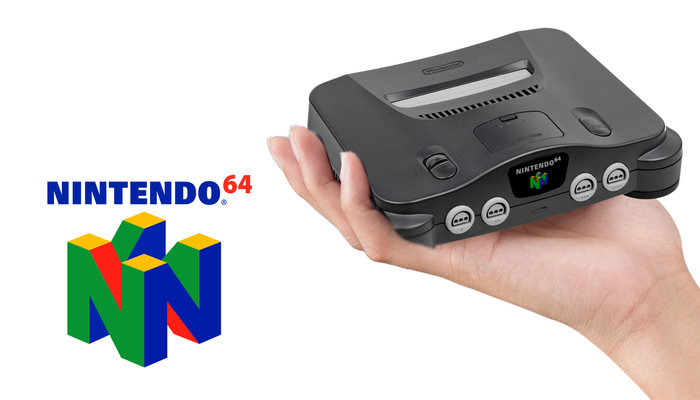
There’s nothing quite like a trip down memory lane. Everyone loves a good opportunity to wax nostalgic about their favorite video games. For many gamers, the era that introduced them to gaming was the N64 era, following the explosion of 3D adventure games. As such, the prospect of an N64 Classic has many gamers excited to see what kinds of games Nintendo might include. While there is some speculation that the issue of acquiring the rights to Rare properties might be a sticking point for Nintendo, we’re assuming they’ll work things out. With that minor quibble out of the way, let’s look at the ten games we most want to see appear on the Nintendo 64 Classic.
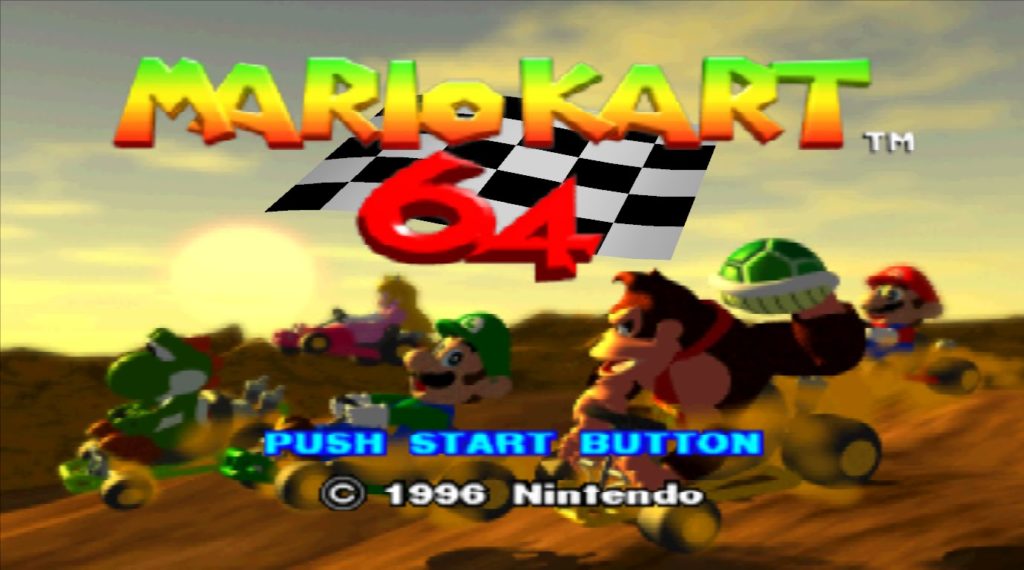
The strongest selling point of the Nintendo 64 during its heyday was party-focused gameplay. The four controller ports on the front of the system sell this idea instantly. This console is one that you bust out when you have friends over. College dorms across the world were host to parties involving our first game, Mario Kart 64. Nintendo has an opportunity to sell many, many N64 controllers if they package this game (and a few others on this list) with the N64 Classic. That said, the controller may well be a sticking point: The Classic Consoles, up to this point, have had compact packaging. It remains to be seen how Nintendo will handle the large, unwieldy N64 controller in a potential re-release.
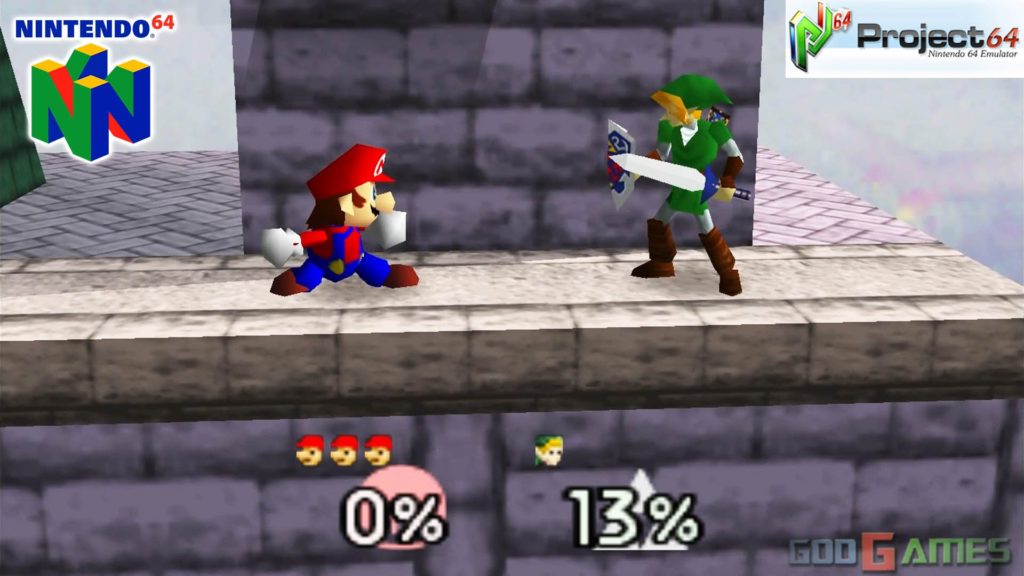
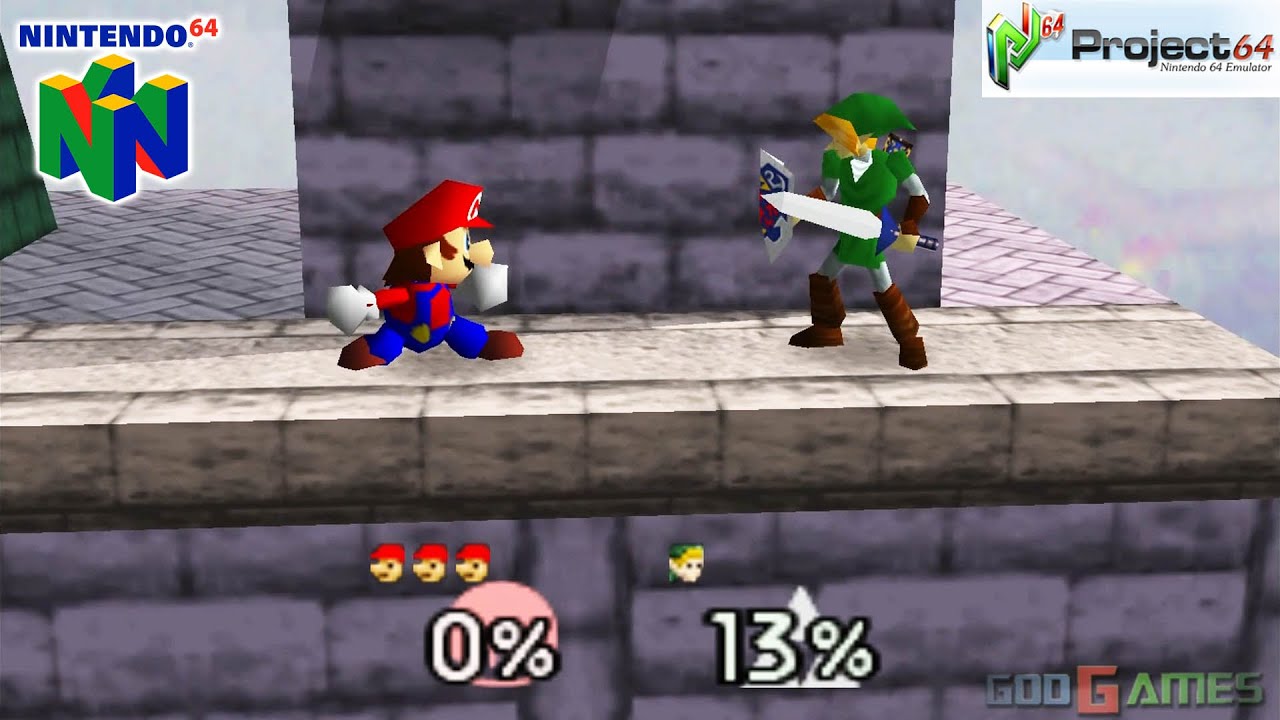
The game that started the legendary Smash Bros franchise, Super Smash Bros remains one of the most fabled fighting games of all time. Its inclusion on the re-release would help solidify decades of Nintendo history, acting as a snapshot of a snapshot. Smash Bros contains countless references to older games and holds the history of the franchises within in reverence. This is not dissimilar from the Classic series as a whole, which seeks to immortalize the history of this legendary game company. Not to mention, the capacity of this game to set the stage for four-player party-mode is impossible to understate.
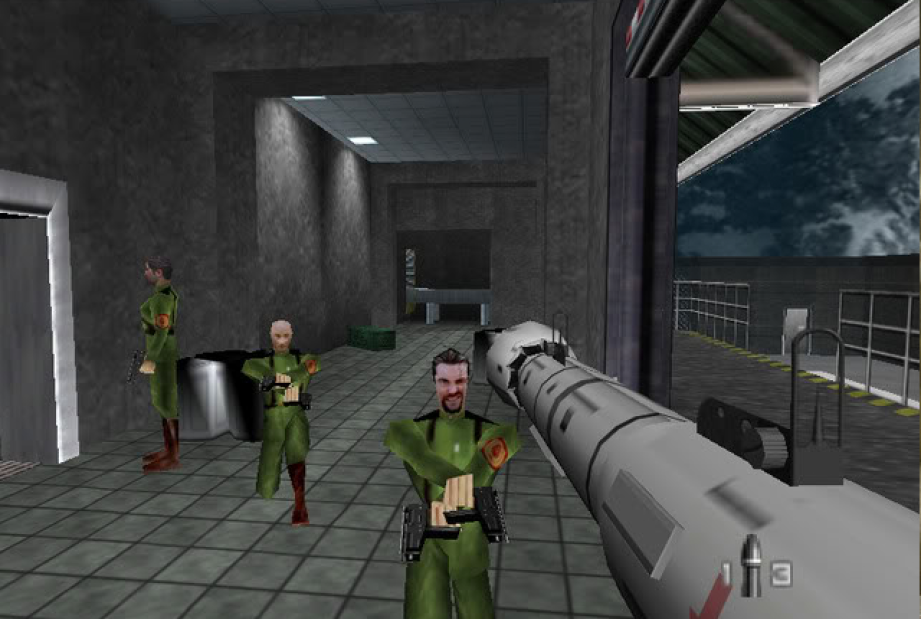
Introducing an entire generation of gamers to first-person shooters is no easy task, but Rare did it. Their excellent N64 Bond game, Goldeneye, was well-regarded for having excellent graphics and controls. It was the center of countless gaming parties, as four-player split-screen ruled the day in multiplayer in this era. While this style of first-person shooter fell out of favor after the introduction of Halo, it remains a favorite of many. If only for the nostalgic memory of parties with friends, Goldeneye maintains a stellar reputation among gamers.
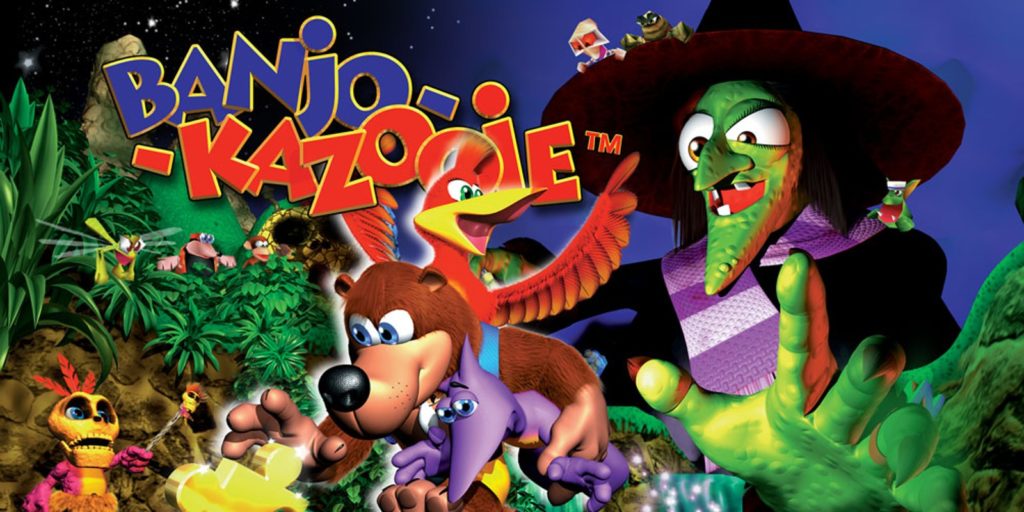
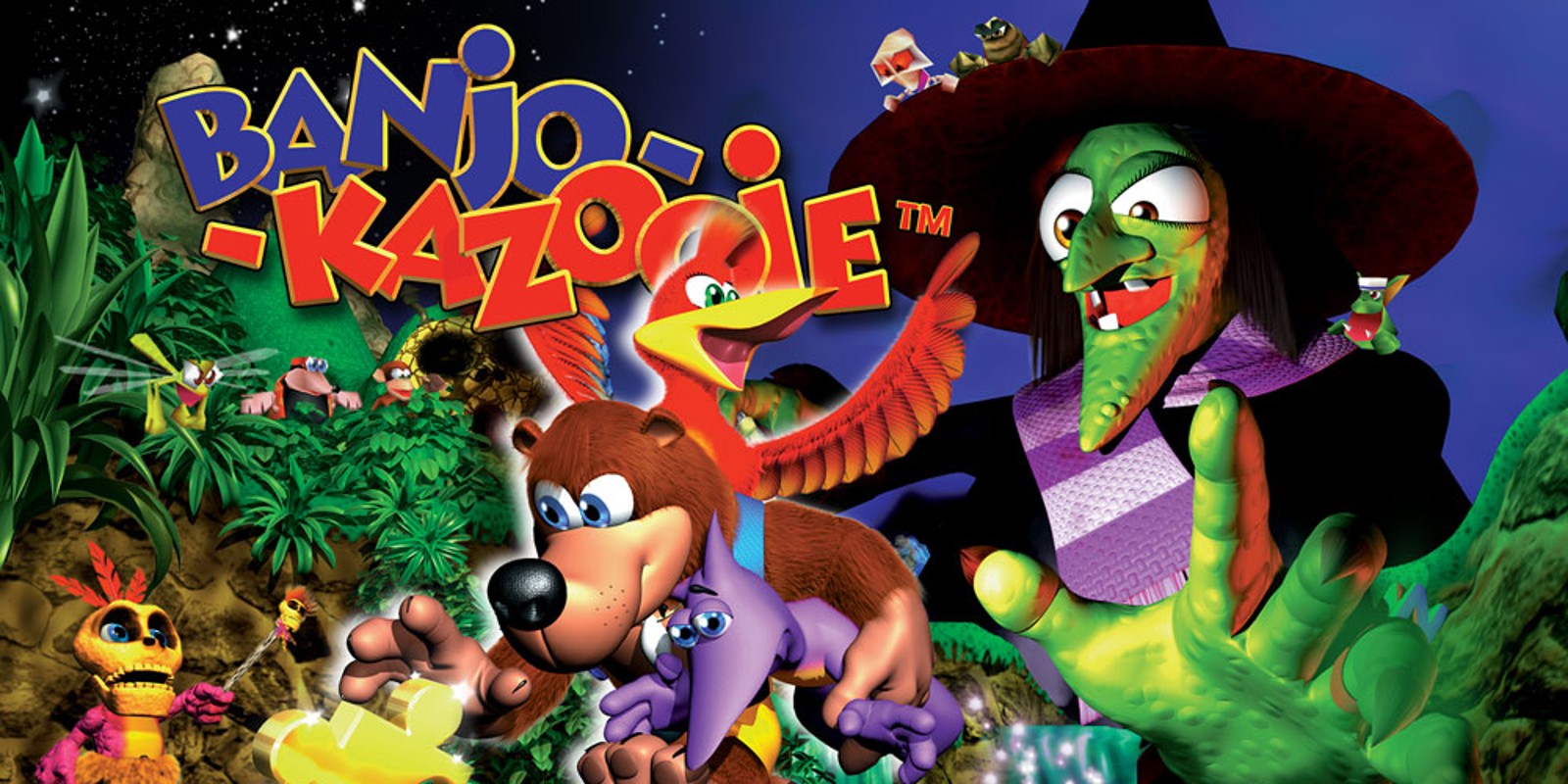
The N64 saw the golden age of the collect-a-thon 3D platformer. Nowhere is that better exemplified than in the classic, Banjo-Kazooie. Filled to the brim with fun, wacky characters and pure joie de vivre, Banjo is an unforgettable experience. Those who spent hours hunting down well-hidden puzzle pieces can attest to the game’s addictive, simple fun.
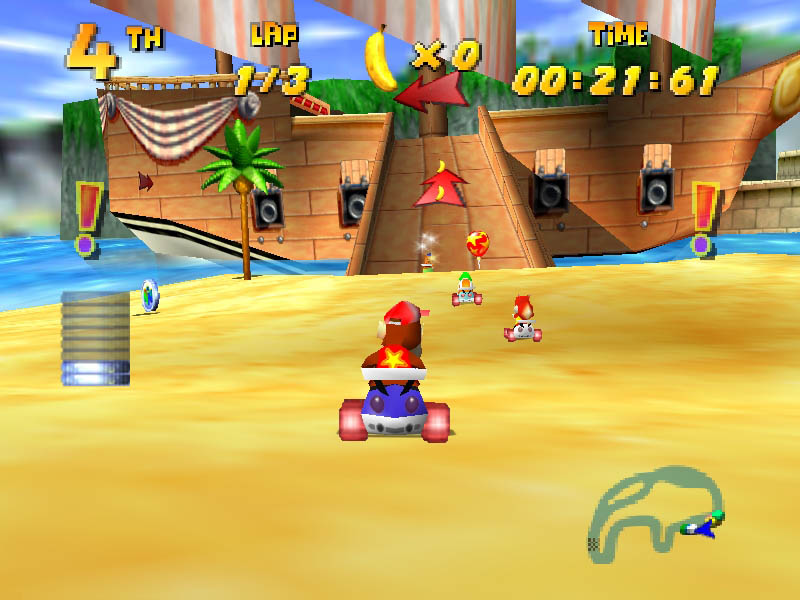
Rare was nigh unbeatable in the late nineties. Diddy Kong Racing, their take on Mario Kart-style arcade racers, is regarded as one of the best racing games of all time. Its open world adventure, huge character roster and range of vehicle types made it one of the most robust of its era. To this day, few cart racing games can match up to DKR in scope. Or, even if they can, they don’t quite match its inventive, fun spirit.
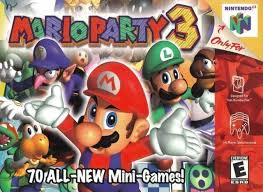
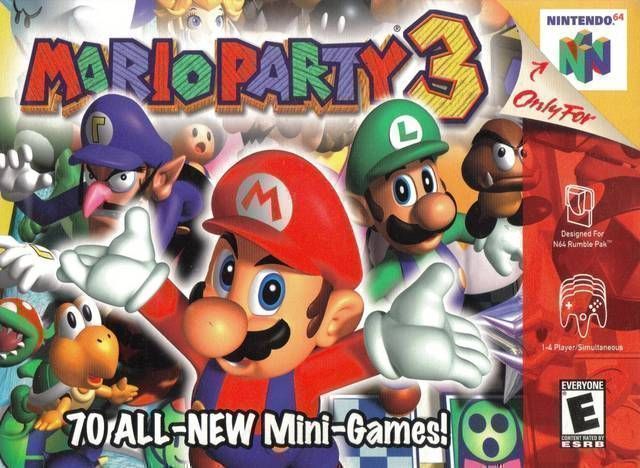
We feel as though any entry in this series would be a fine fit on the Nintendo 64 Classic. However, 2 or 3 may be preferred, if only because of their increased number of minigames and boards. Another fantastic party game and one of the finest virtual board games, Mario Party is an easy inclusion. If ever there was a way to sell more N64 controllers, including Mario Party on the system would be guaranteed to do it. Many rivalries were borne out of this game’s mechanics, and some persist to this day. I still have a few scores of my own to settle…
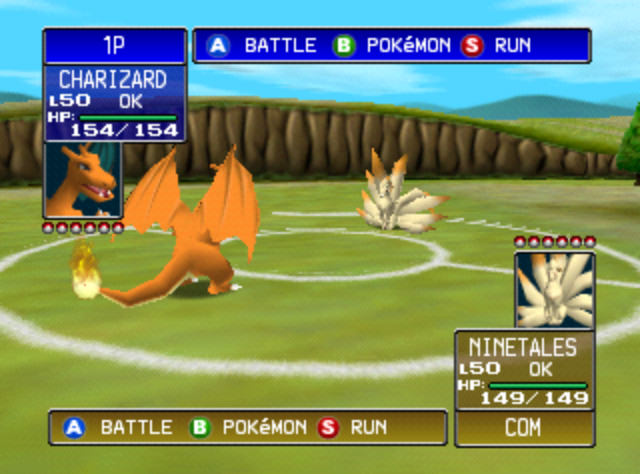
The first game to see Pokemon brought to the big screen, Pokemon Stadium served as a bridge for the handheld games. Importing Pokemon to the game through the adapter pack might even be possible in a potential N64 Classic. While not many people still have their old cartridges, the inclusion of such an option could pay dividends for Nintendo. It could even be a way to prepare consumers for a potential Game Boy Color Classic. Imagine: you can transfer Pokemon caught in your emulated Pokemon Red to your emulated Pokemon Stadium!
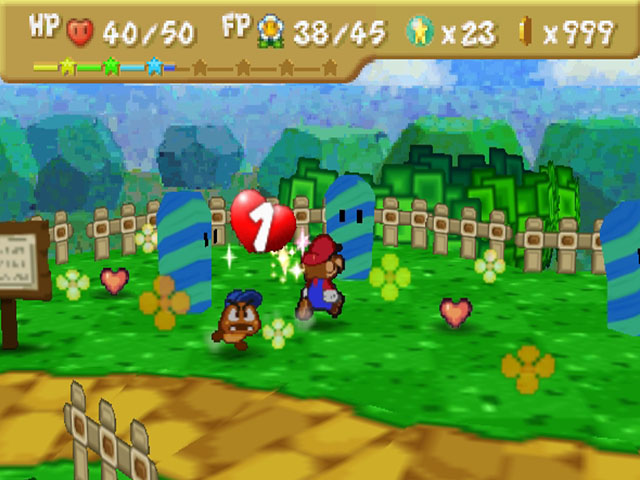
No one expected this silly-looking, gimmicky Mario title to be one of the most robust, fleshed-out RPGs of all time. Well, it is all that and more. Witty, funny, engaging and downright awesome, Paper Mario stands as one of the greatest RPGs ever created. While the series went on to have a stellar sequel in Thousand Year Door, subsequent entries left the RPG elements behind in favor of platforming and light puzzle solving. However, introducing younger gamers to the original would be an excellent way to drum up excitement for a proper sequel!
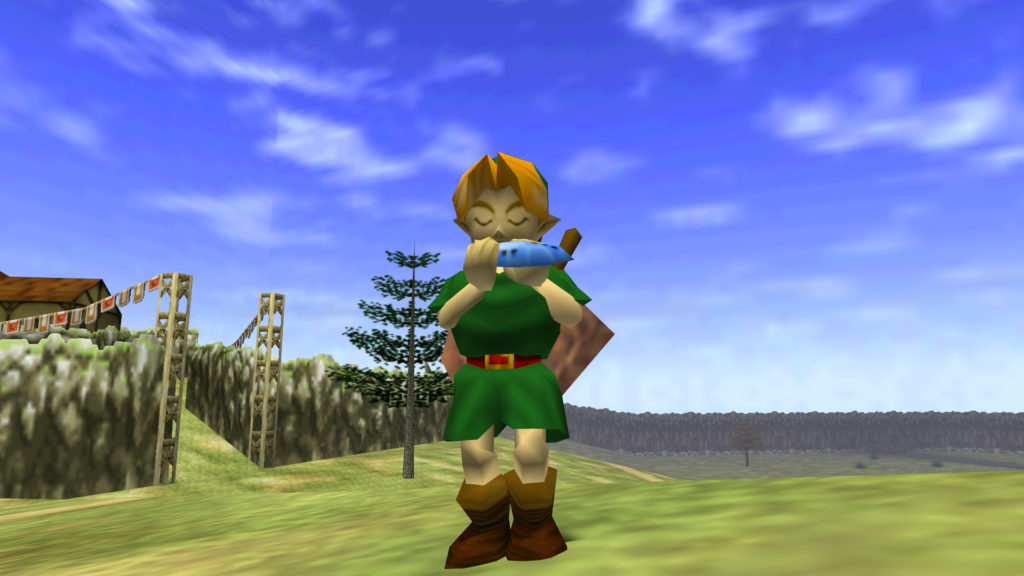
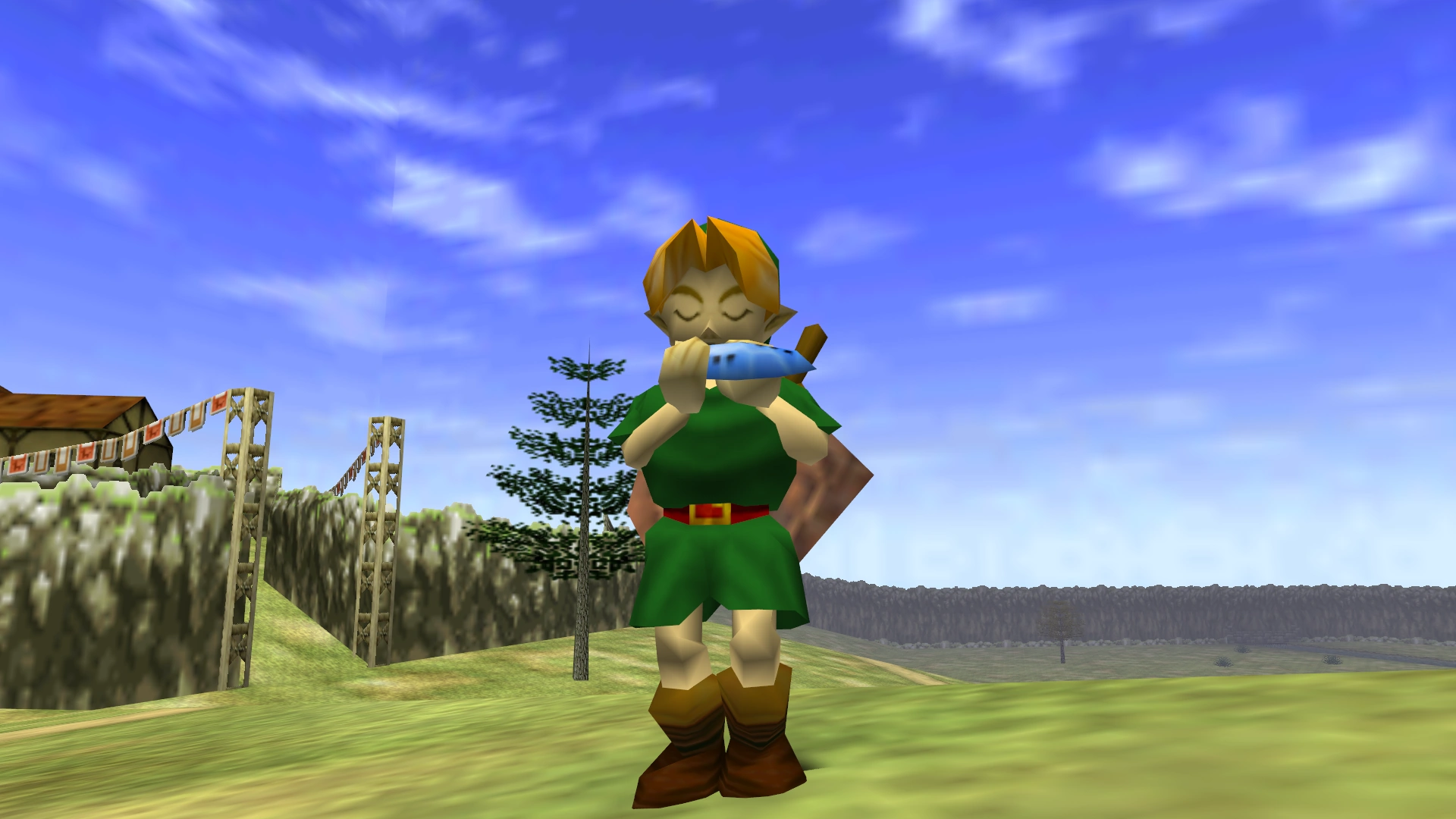
Included on countless best-of lists, Ocarina of Time is one of the very best adventure games ever crafted. Its structural purity, eagerness to explore and tantalizing world make it an entirely engrossing quest. Link’s allegorical and literal journey from boyhood to adulthood resonated with countless gamers. To this day, the impacts of the game’s mechanics and world are still being felt around all 3D adventure titles. As the first, and the greatest, it’s impossible to not at least reference the title when making a third-person adventure.
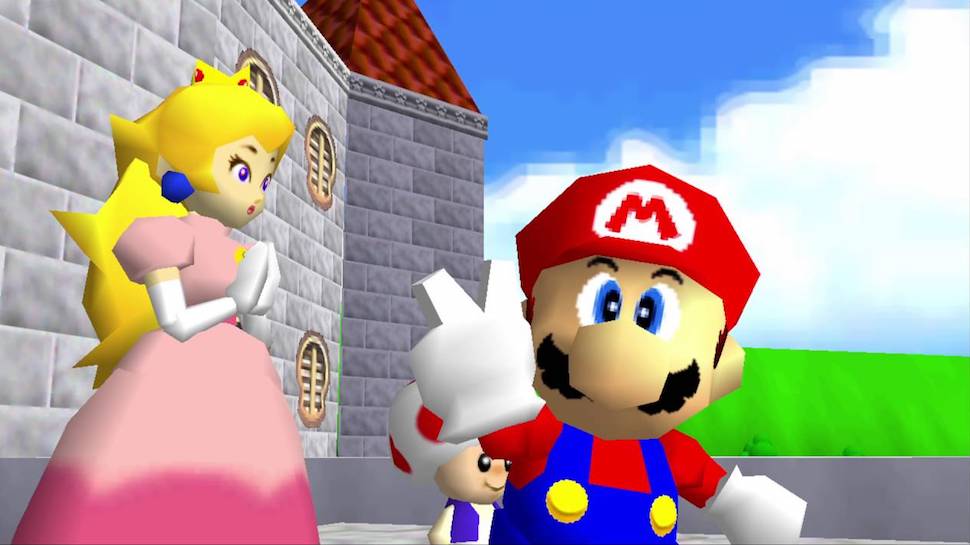
While Sony may have beat Mario to market with Crash Bandicoot, Mario defined the nature of 3D platformers with this game. Never quite matched before or since, Mario 64 is a rare game indeed. Featuring a sense of wonder and exploration unique to Nintendo, this game taught gamers all over the world how to think in three dimensions when platforming. Complex, skill-rewarding courses meld with pitch-perfect sound design to deliver a rich experience.
The star of the show, however, is Mario’s perfectly tuned controls. Whenever you botch a jump or die to an enemy, there’s no one to blame but yourself. You always feel as though the move you’re trying to pull off is a few button inputs away. Nothing stops you from enjoying this game to its fullest, as you jump, dive and explore to your heart’s content. Truly, this is one of the finest adventures Nintendo has to offer from its backlog.
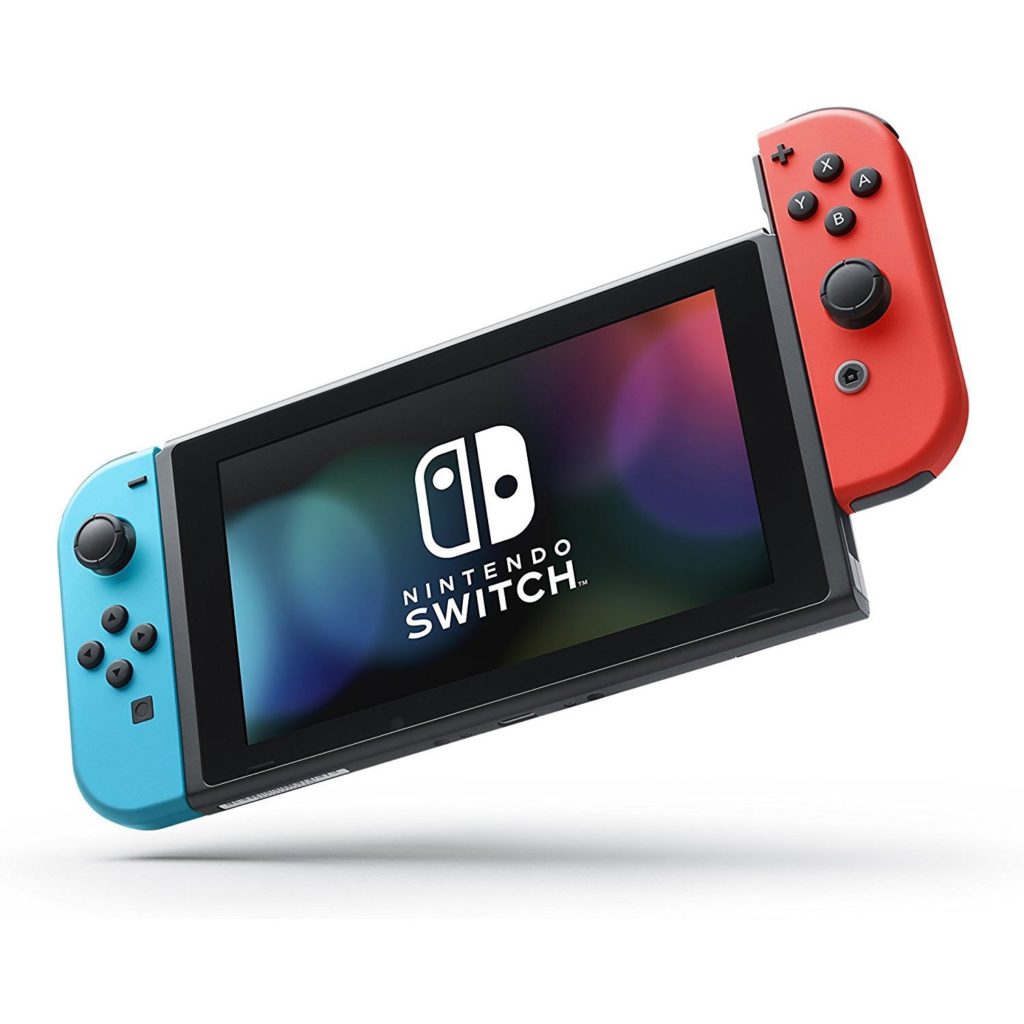
The Nintendo Switch has proved quite popular since its launch in March of 2017. The momentum of the console has continued quite well into its second year, with titles like Mario Tennis Aces, Octopath Traveler and Kirby Star Allies keeping the console fresh. Later this year, fans will be treated to Mario Party, Smash Bros and Pokemon entries that are brand new to the console. However, there are still many franchises and games that we’ve yet to see on the system. In fact, today’s list focuses entirely on franchises we need on Nintendo Switch that haven’t been given solid titles or release dates yet. We’re focusing mostly on Nintendo franchises, but they’re not the only games we want to see on the system.
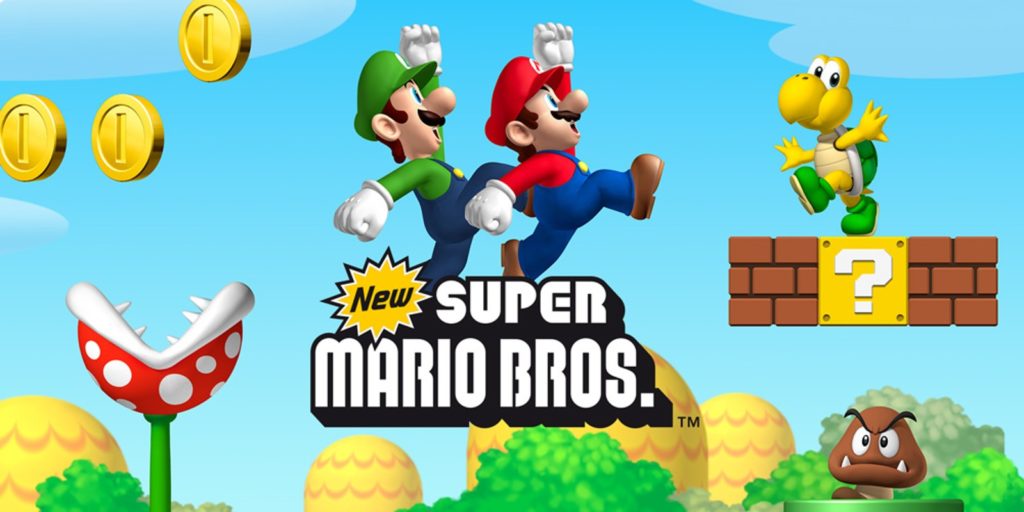
From 2006 to 2012 Nintendo flooded the market with serviceable but somewhat “same-y” 2D Mario titles. New Super Mario Bros on the DS, a sequel on the Wii, another DS title and a sequel on the Wii U followed. After years of diminishing returns in terms of sales and critical response, Nintendo backed off of 2D Mario. In fact, they backed off so hard that we haven’t seen a proper 2D Mario game (not counting Super Mario Run) since 2012. And, to be honest, that’s not a bad thing: Nintendo overdid it there for a while.
However, it’s been long enough now that audiences have had time to recover from Mario fatigue. To capitalize on the Switch’s success and bring in old fans, Nintendo should revive the 2D franchise but drop the “New” branding. Just “Super Mario Bros” is good, and a focus on tight, classic platforming would serve them well.
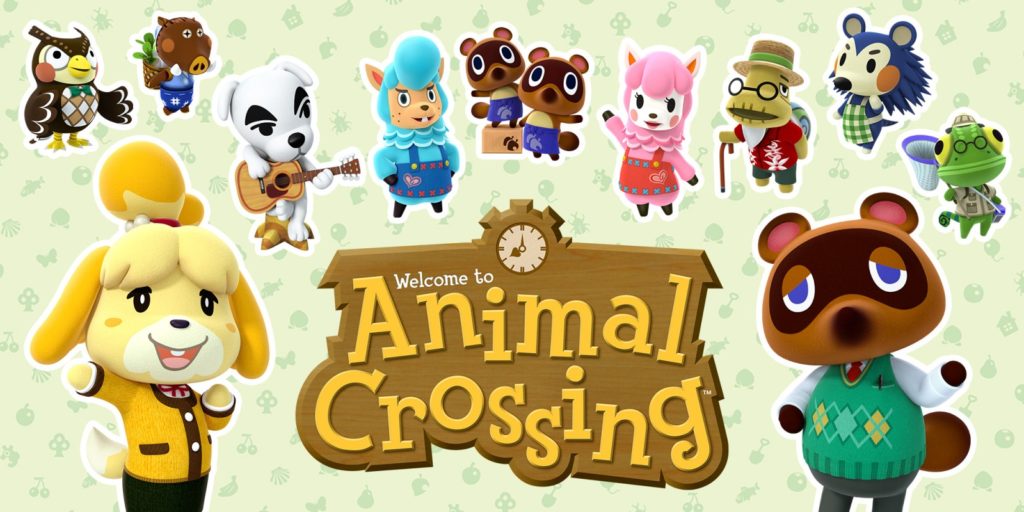
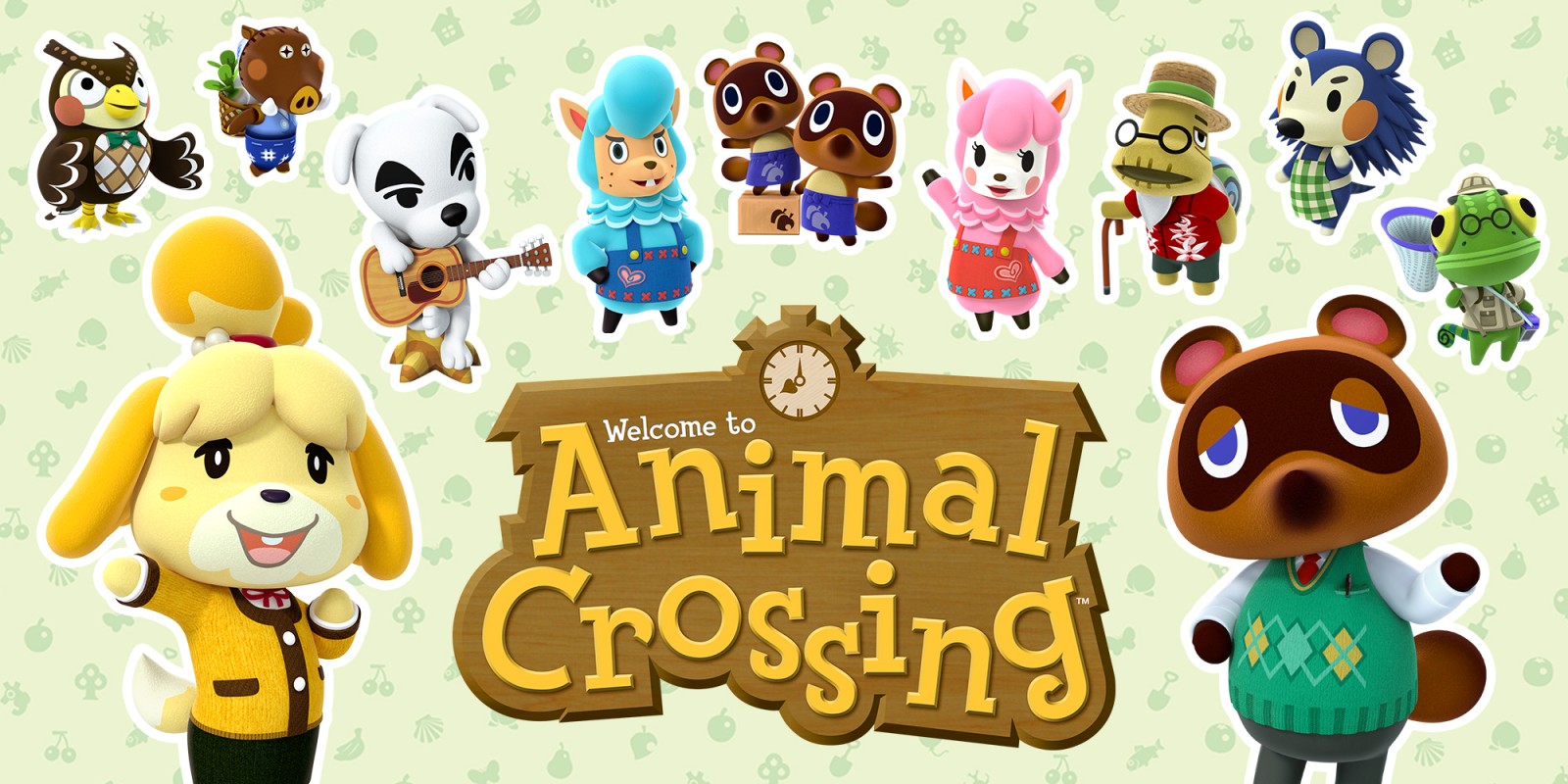
Animal Crossing: New Leaf was the last proper entry in the series, and it came out on 3DS in 2012. That’s a long time for no proper entries in the series to come out! The Switch is a natural fit for the franchise, which has seen success on both home and portable consoles. As of yet there are no official plans to bring Animal Crossing to the console, but it is high on the list of franchises we need on Nintendo Switch. The combination of zen-like gameplay and cute animal friends makes it an ideal match for the hybrid console. Imagine enjoying spending time with your animal buddies on the go or on the big screen!
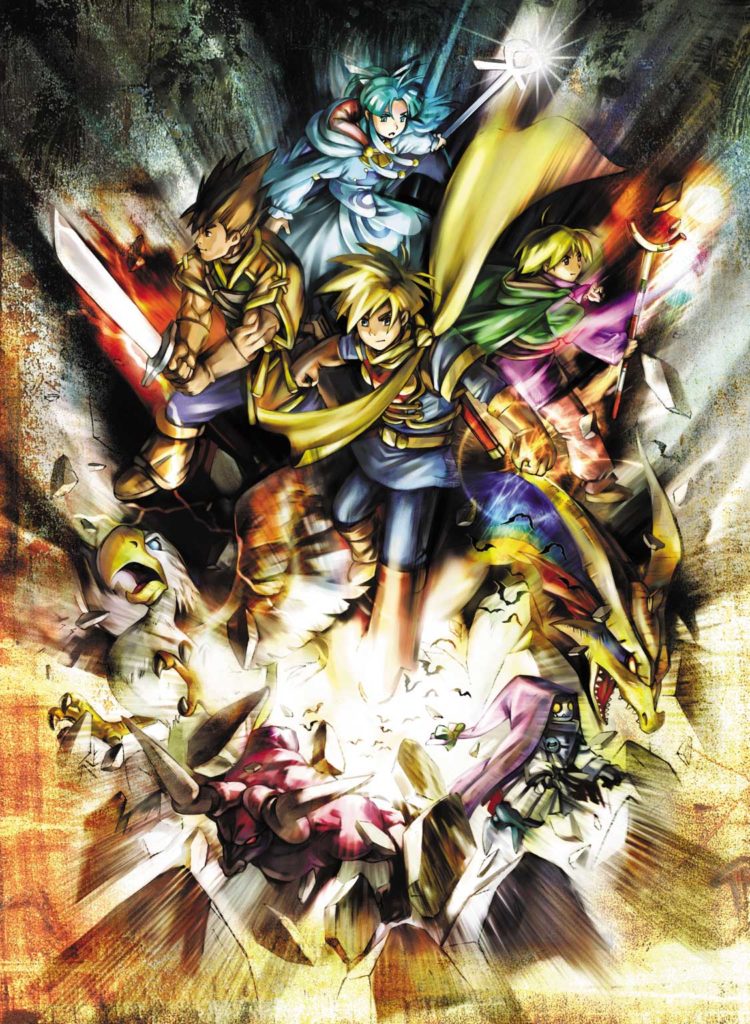
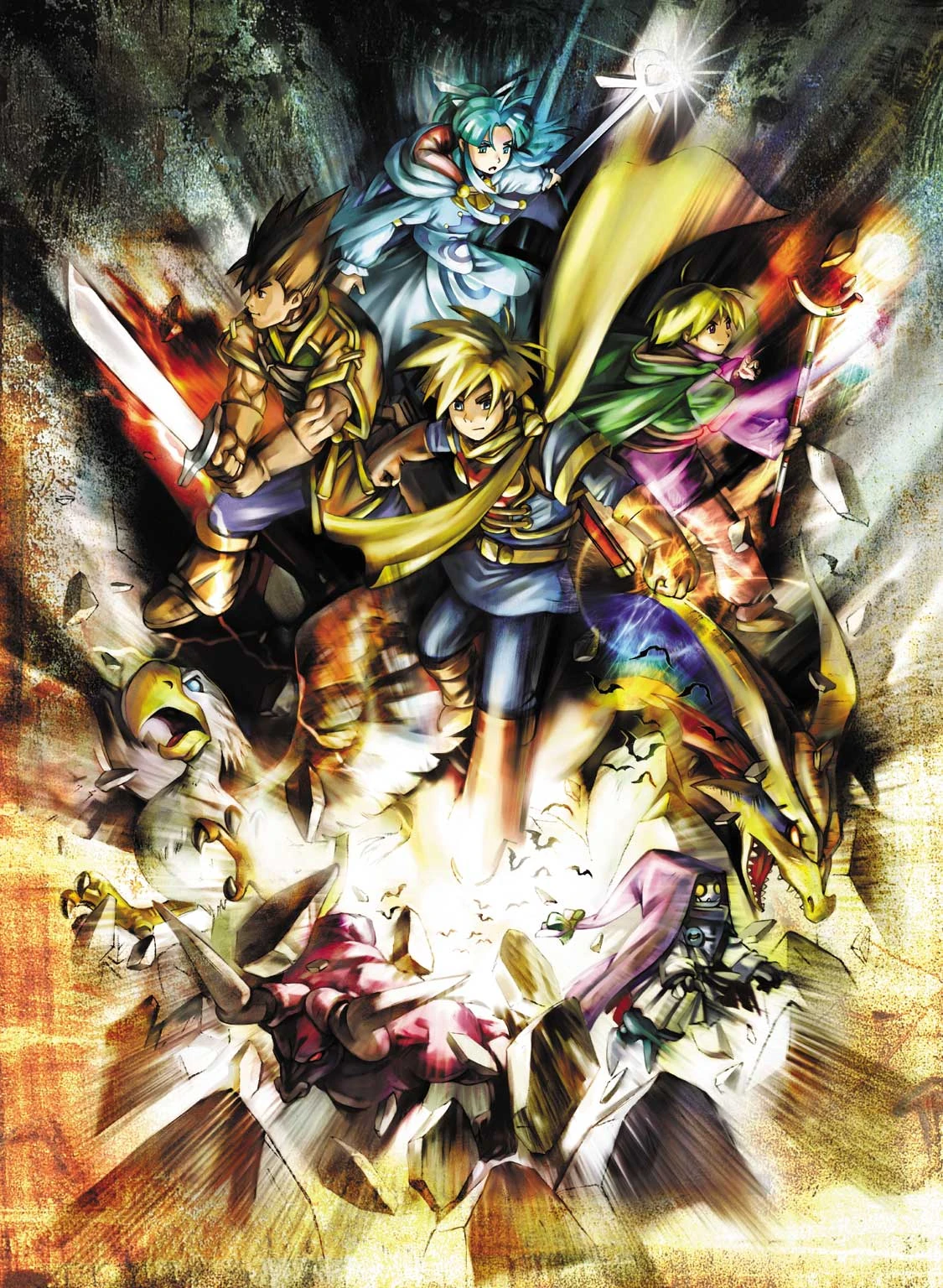
The last entry in the series, Dark Dawn, was released in 2010. As such, the Switch is the ideal home for the next entry in this legendary RPG series. The fantastic story and gameplay would lend themselves well to the hybrid console. Enjoying seeing Djinn summon an ass-whooping on the big screen would be excellent. As of yet, there are no plans for a revival of the series, however.
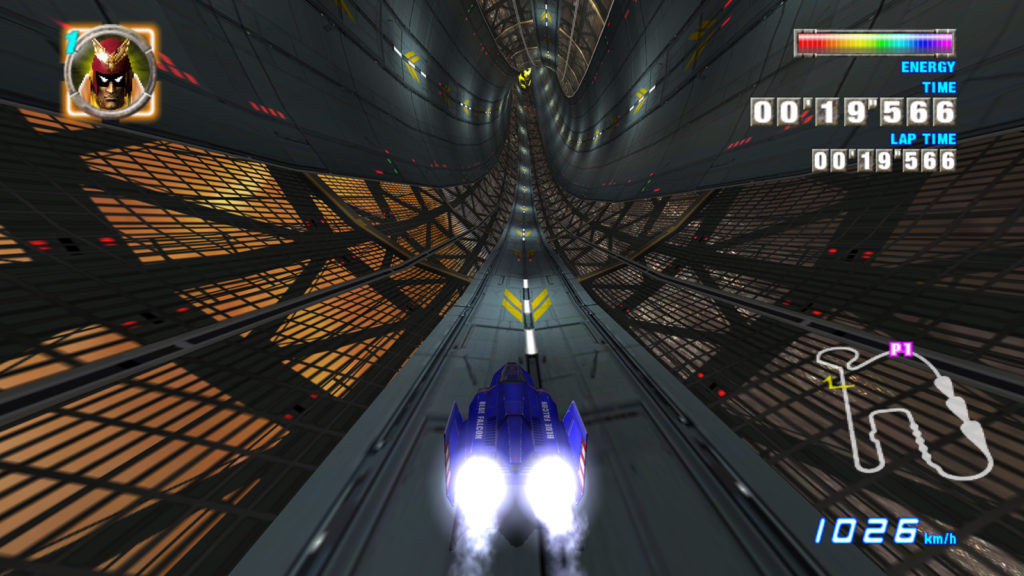
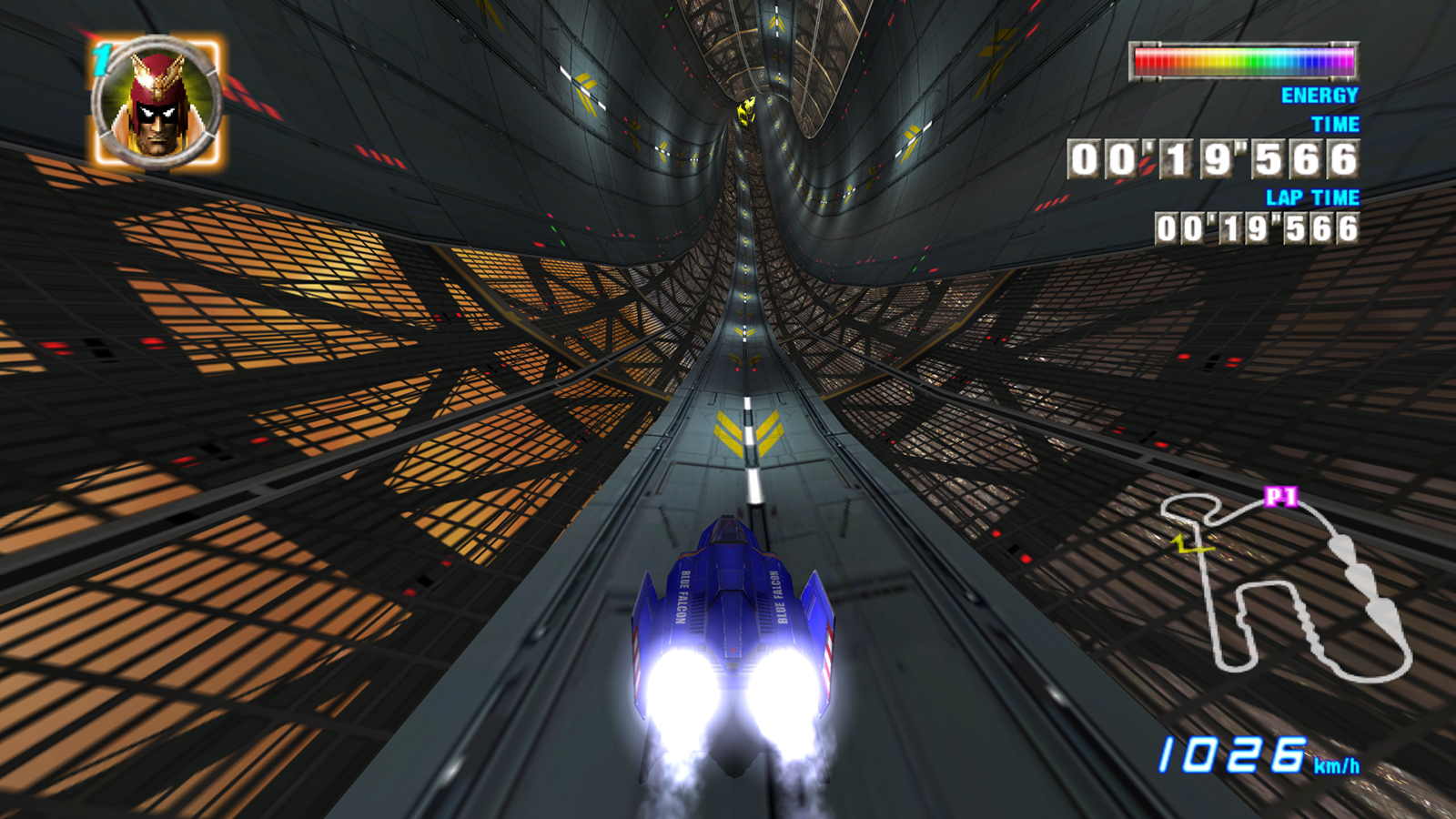
The criminally underrated F-Zero franchise has been dormant for more than 15 years. That’s absolutely nuts! Three distinct console generations have passed since the last time we saw Captain Falcon take to the track. The fast-paced, futuristic racer’s absence has led indie developers to try their hand at the genre, with games like Fast RMX popping up to scratch the itch. Sadly, it’s not the same as the polished, high-energy outings from Nintendo. Switch would be an ideal home for a revival!
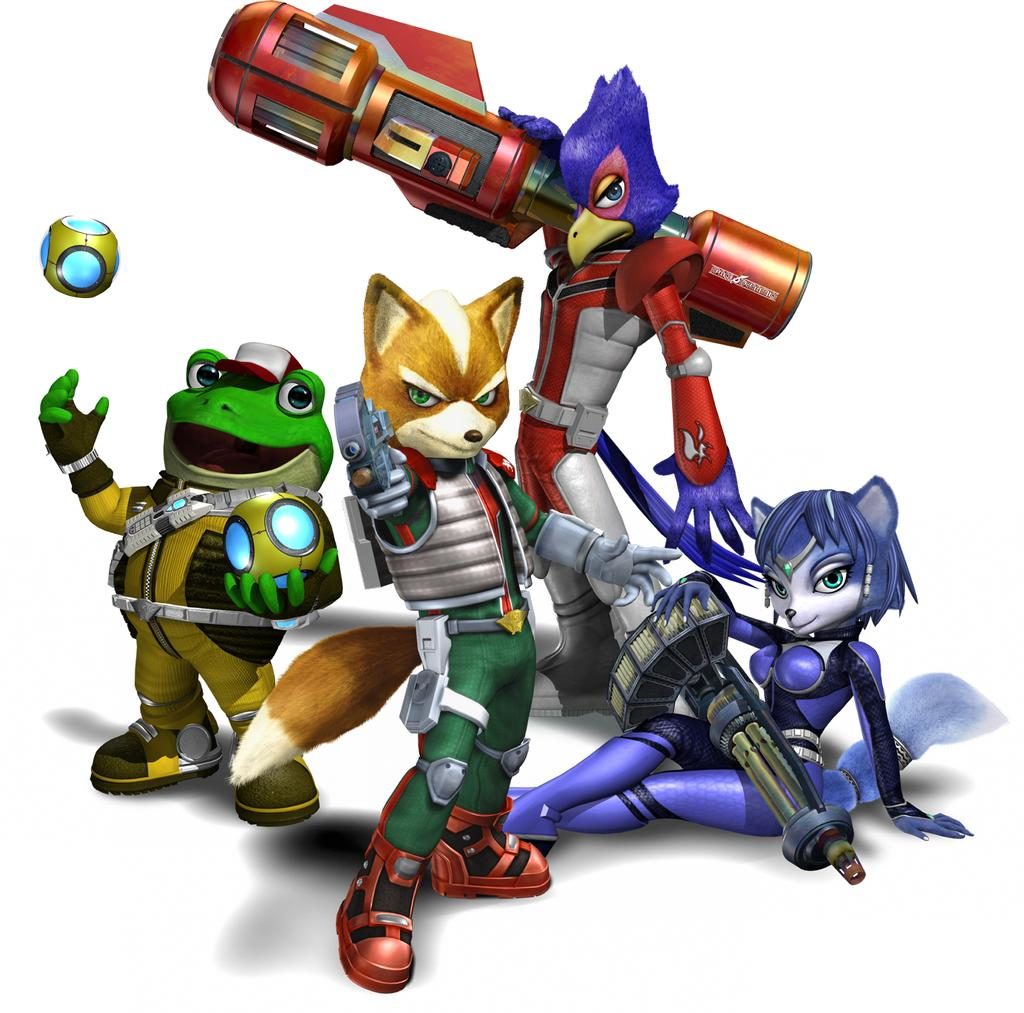
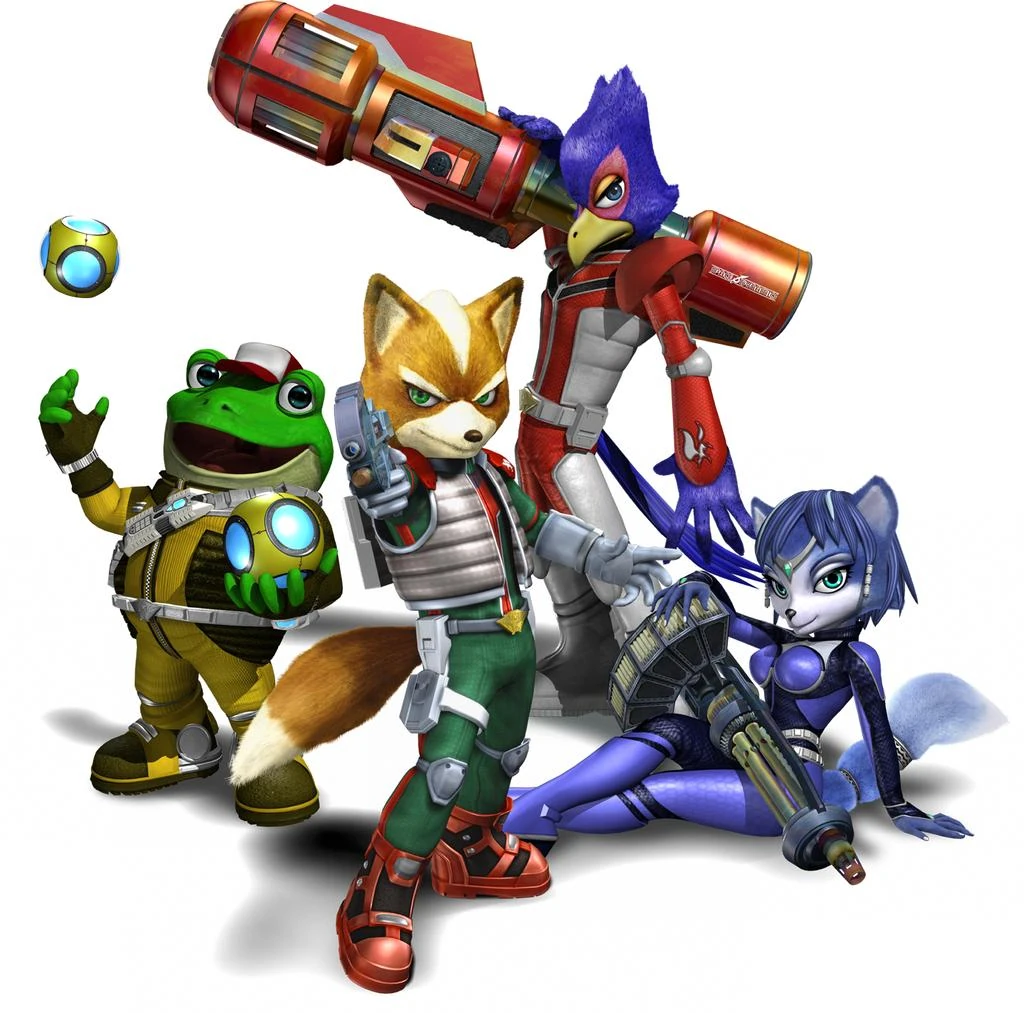
While Star Fox has had no shortage of entries, the franchise has been in a bit of a slump in terms of quality. 2016’s Star Fox Zero got mixed reviews, due in large part to its highly unusual control scheme and uneven difficulty. However, a potential Switch port or sequel could address these problems by just having a normal control scheme. Honestly, the Star Fox formula is so solid that it’s surprising how often Nintendo releases downright awful Star Fox games.
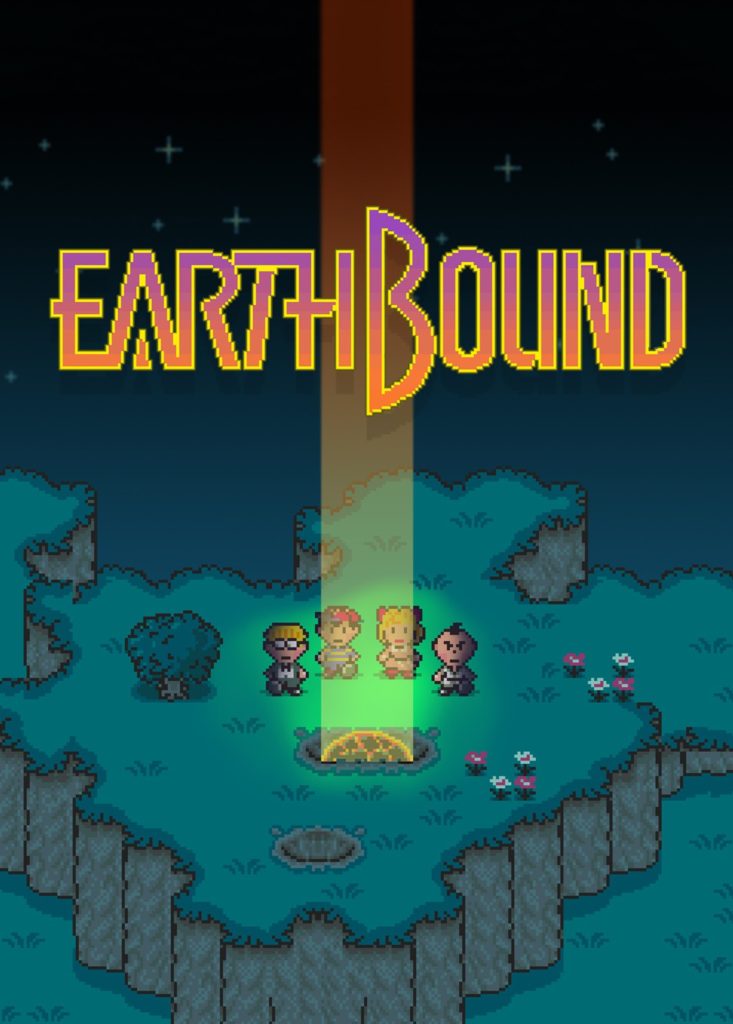
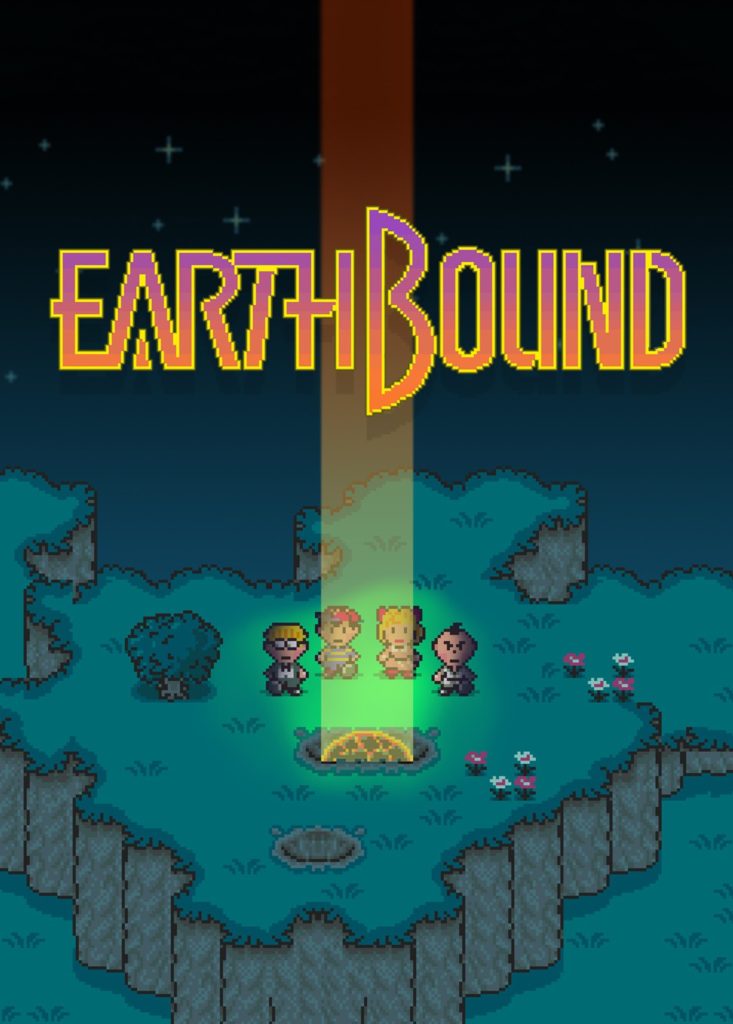
Fan favorite series Earthbound is known for its witty dialogue, humorous use of game mechanics and top-notch world building. The last entry in the series, Mother 3, saw a Japanese release on GBA, but has yet to get an English-language localization. The series isn’t a dead-ringer for Switch due to the system’s hardware, but instead simply due to the series rock-solid pedigree. Honestly, any new Earthbound would be a fantastic turn, regardless of the hardware it’s released on.
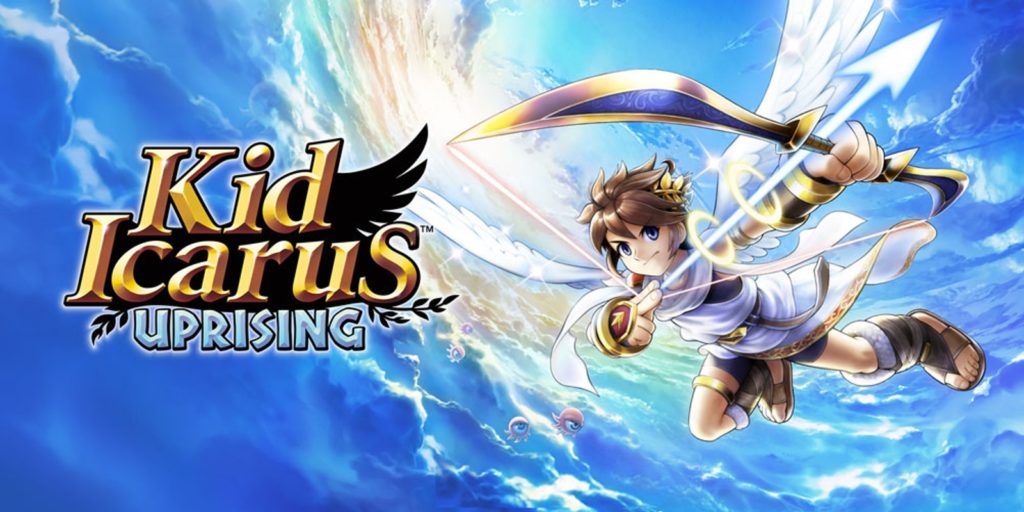
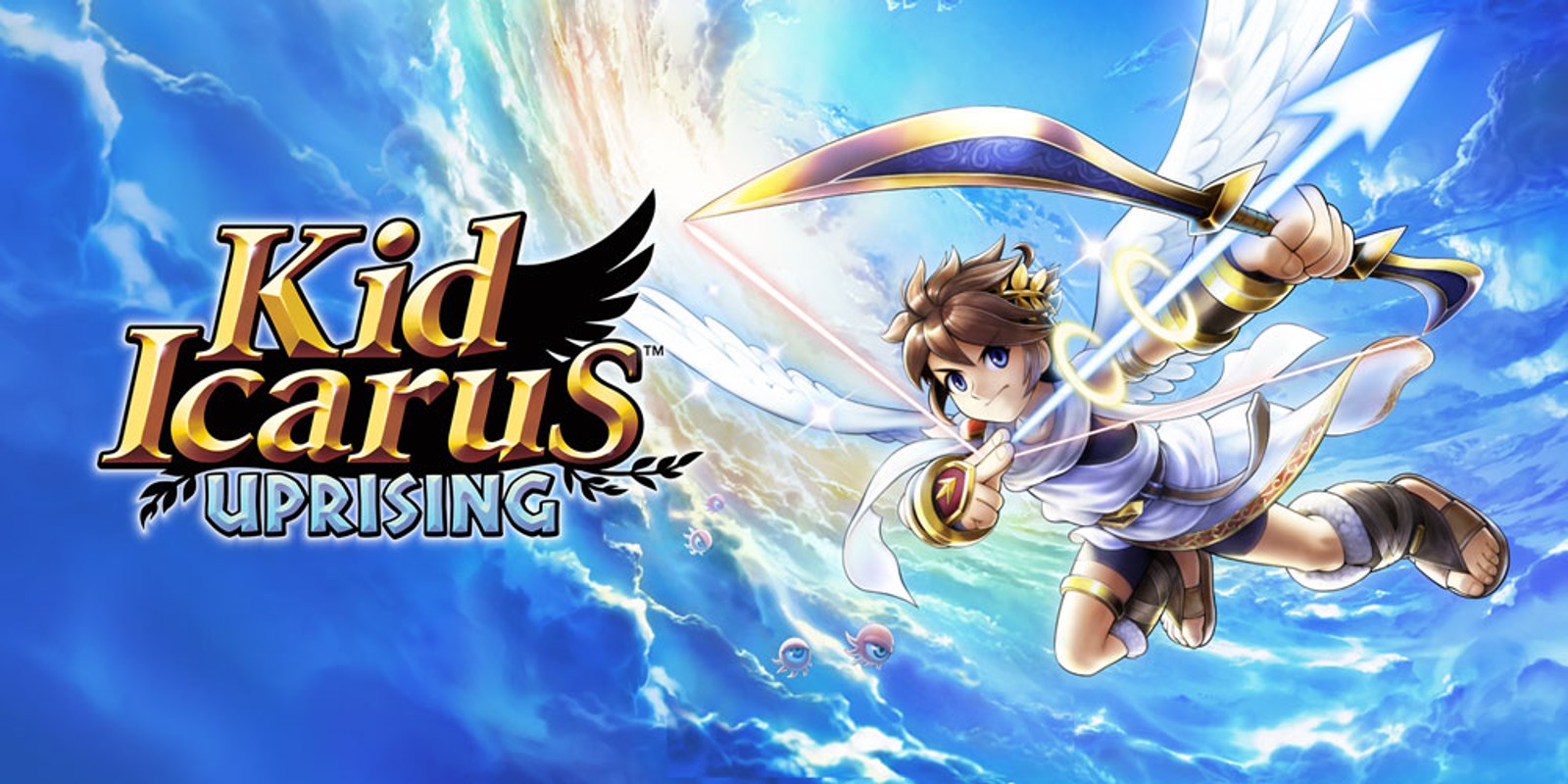
Kid Icarus: Uprising was a surprise hit in 2012 when it released, reviving a long-dormant slumber from decades of inactivity. Smash Bros director Masahiro Sakurai helmed development of the fast-paced shooting game, which carries his distinct trademarks. The only major complaint leveled at the game is the unusual control scheme, which would be addressed completely by the Switch, as it uses conventional controls for its games. The addition of gyro aiming, and portability, make the possibility of a sequel to Uprising rather tantalizing. Sadly, no plans to bring the series to switch have surfaced yet.
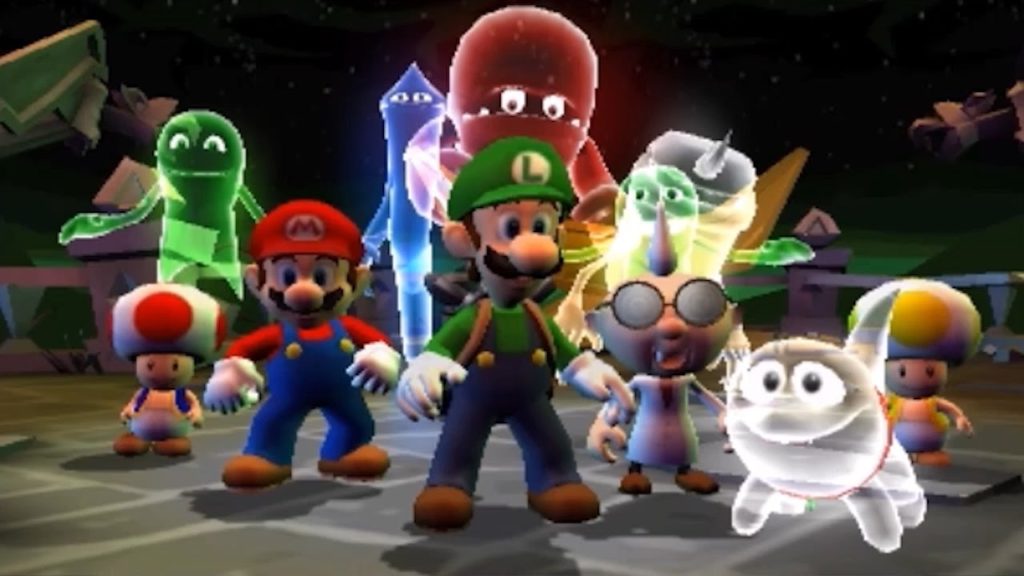
The charming, pseudo-horror franchise Luigi’s Mansion most recently saw a sequel, Dark Moon, released on 3DS. In fact, the original is even seeing an updated remake on 3DS. However, a third entry on Switch could greatly benefit from gyro aiming and the hybrid portability of the system. It could even forego the mission structure of Dark Moon. Many gamers favor of the Resident Evil-style puzzle exploration of the original. A Switch entry could bring back the things people loved about both entries in the franchise.
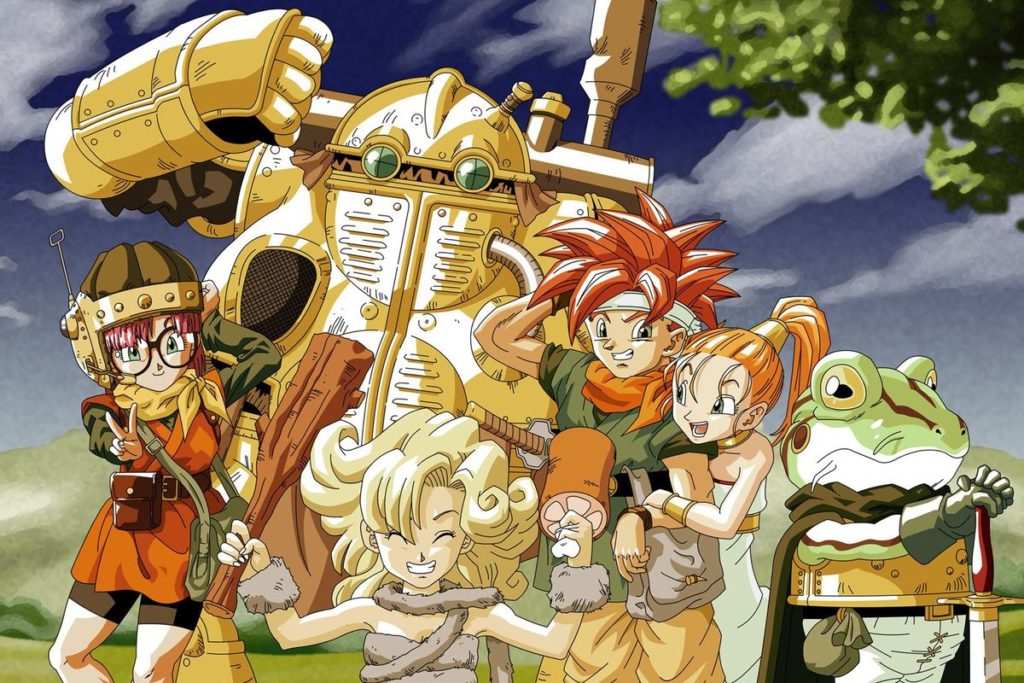
There’s nothing about the system in particular that makes this one of the franchises we need on Nintendo Switch. No, Chrono Trigger is one of the greatest traditional RPGs ever released, and a sequel to it (not Chrono Cross) would be fantastic to see on Switch. The huge success of Octopath Traveler and Xenoblade Chronicles 2 has proved that RPGs perform well on the system.
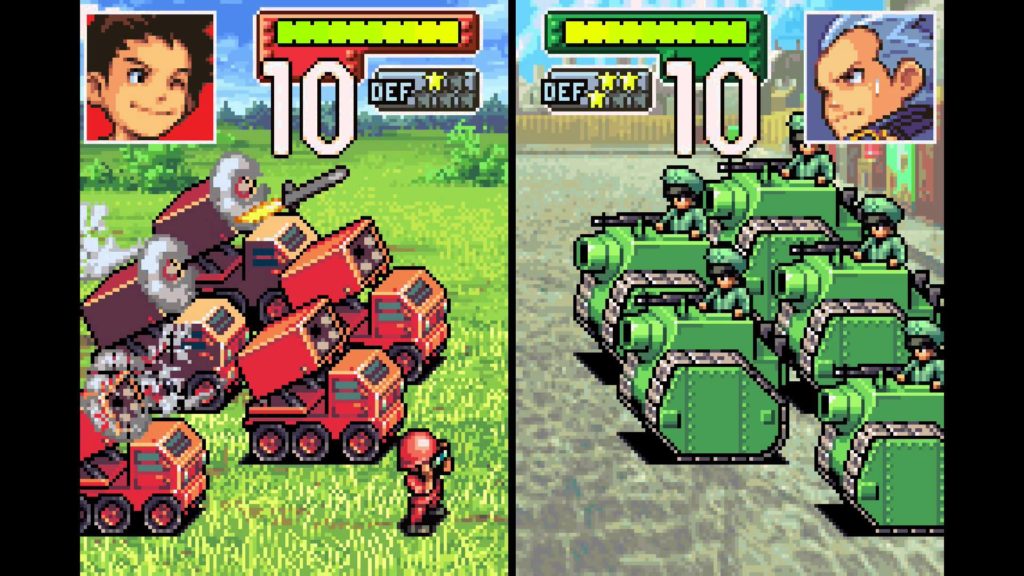
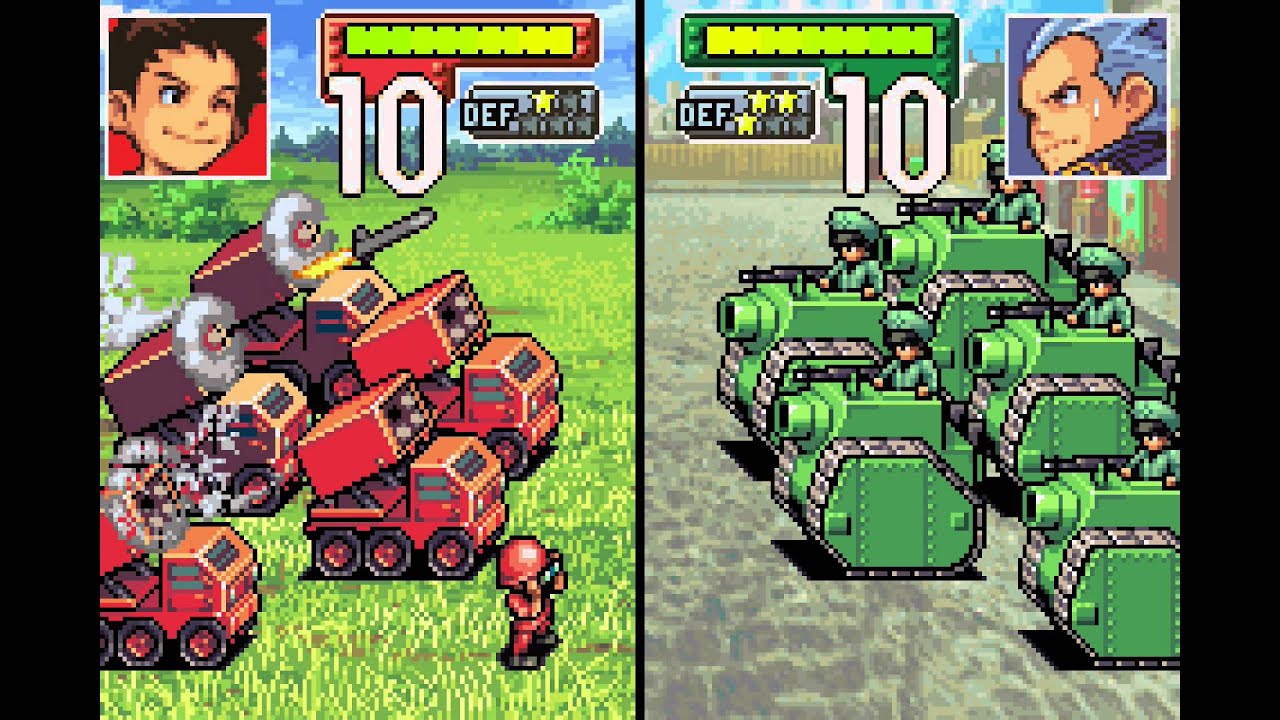
The finest tactical wargame ever released, Advance Wars would be a natural fit on the Switch. The series revolves around tactical turn-based military strategy. A spiritual successor, the non-Nintendo Tiny Metal, is evidence that fans of the series are eager to see a proper release. Another spiritual successor, Wargroove, is set to release in 2020. However, none of these fan-made indie tributes can quite live up to the real thing. Nintendo, do the right thing and bring back Advance Wars!
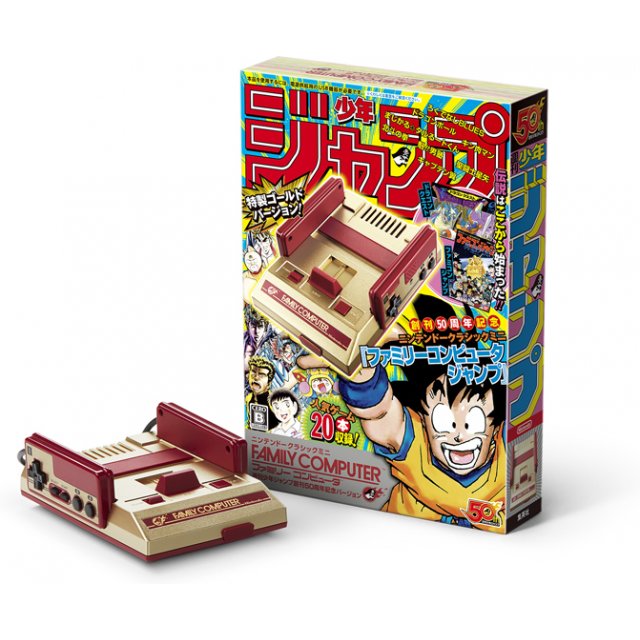
Nintendo accidentally struck gold with their miniature Classic Edition consoles in 2016. The first, the NES Classic Mini, sold out everywhere so fast that it was being sold at insane markups online. The follow-up console, the SNES Classic Mini, had slightly less distribution issues, but still sold out within a week. Just a few weeks ago, the company restocked both mini consoles, but that wave has also been sold out in most places. All of that is nothing compared to the fervor around one Japanese version of the system, though. The Famicon Classic Mini Shonen Jump Edition is exclusive to Japan, and it sold out in hours.
What’s in the Box?
The Shonen Jump edition of the Famicom Classic Mini is largely a different beast than either the NES or Famicom mini consoles While the original versions shipped with hits like Super Mario Bros, Legend of Zelda and Metroid, this one has some oddball choices. Namely, the games in this collection are almost all based on Shonen Jump properties. The manga magazine is mega-popular in Japan, and in the 80’s there were a number of successful licensed tie-ins.
As such, the games packed into this mini console aren’t the draw for most American collectors. For the most part, they’re all pretty niche. Interestingly, Dragon Quest does make an appearance on this system, as Shonen Jump mainstay Akira Toriyama did the art for that game. However, the system is otherwise loaded with licensed games that are all entirely in Japanese.
A Famicom Classic Mini with a Shonen Spin
The Shonen touches filter down to the design of the console itself. It has red and gold trim, making it very flashy and eye-catching. This may be the most alluring aspect to American collectors, as the box looks awesome on a shelf. Hilariously, the controllers are incredibly small on this re-release, as they slot into the tiny Famicom just like the original. This extends to the cords, unfortunately, as they’re comically barely more than a foot long.
However, most Americans wouldn’t be playing this one too much if they snagged one: all the games are in Japanese. Unless you can read Japanese and have a particular love for 80’s-era Shonen licensed games, you’ll likely find little to do with the library. However, if you do read Japanese, another crack at the first Dragon Quest game would always be welcome!
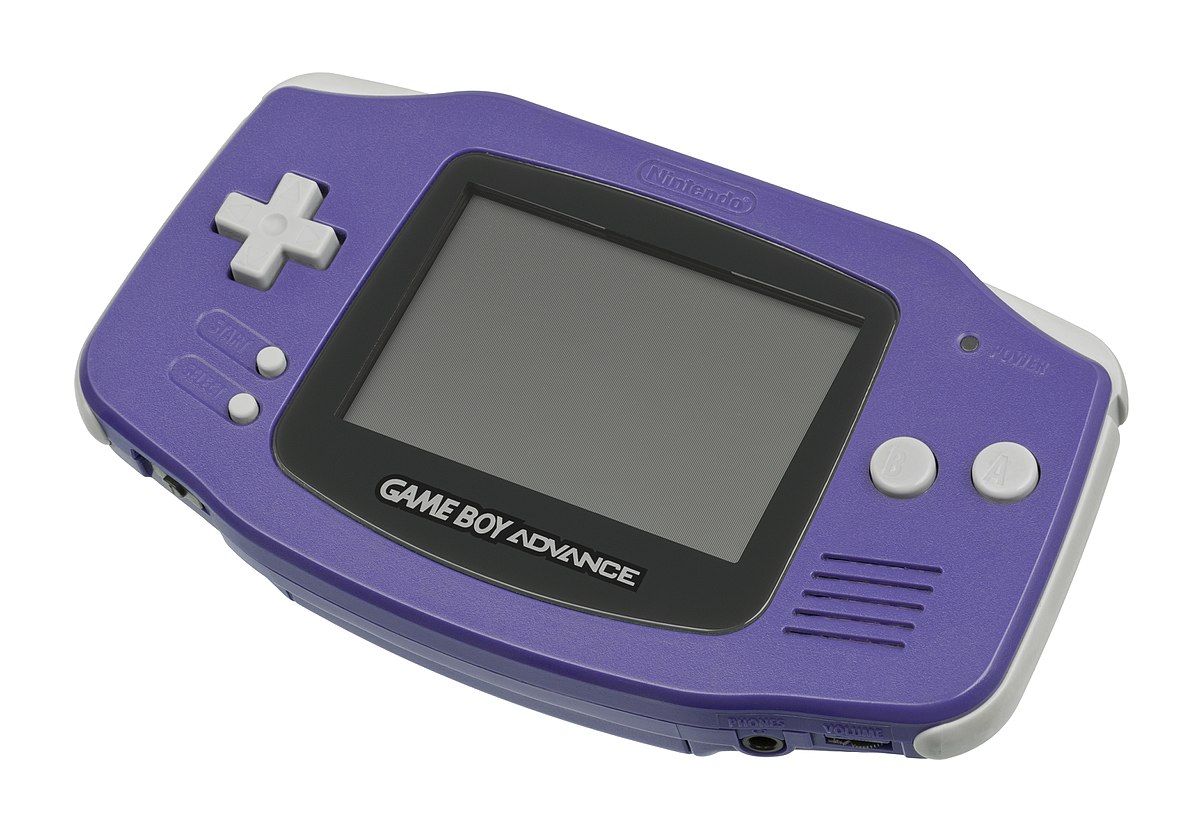
To gamers in their mid- to late- twenties, the Game Boy Advance was a big deal in our childhood. The GBA was a 32-bit system, and many considered it to be a golden era for handheld gaming. In much the way that the Super Nintendo revolutionized home console gaming, the GBA was a renaissance of those same design principals. Many genres were represented in the fantastic library of games, but RPGs and side-scrolling platformers were foremost among them. In the interest of reigniting that old spark of nostalgia, let’s count down the ten greatest Game Boy Advance games of all time.
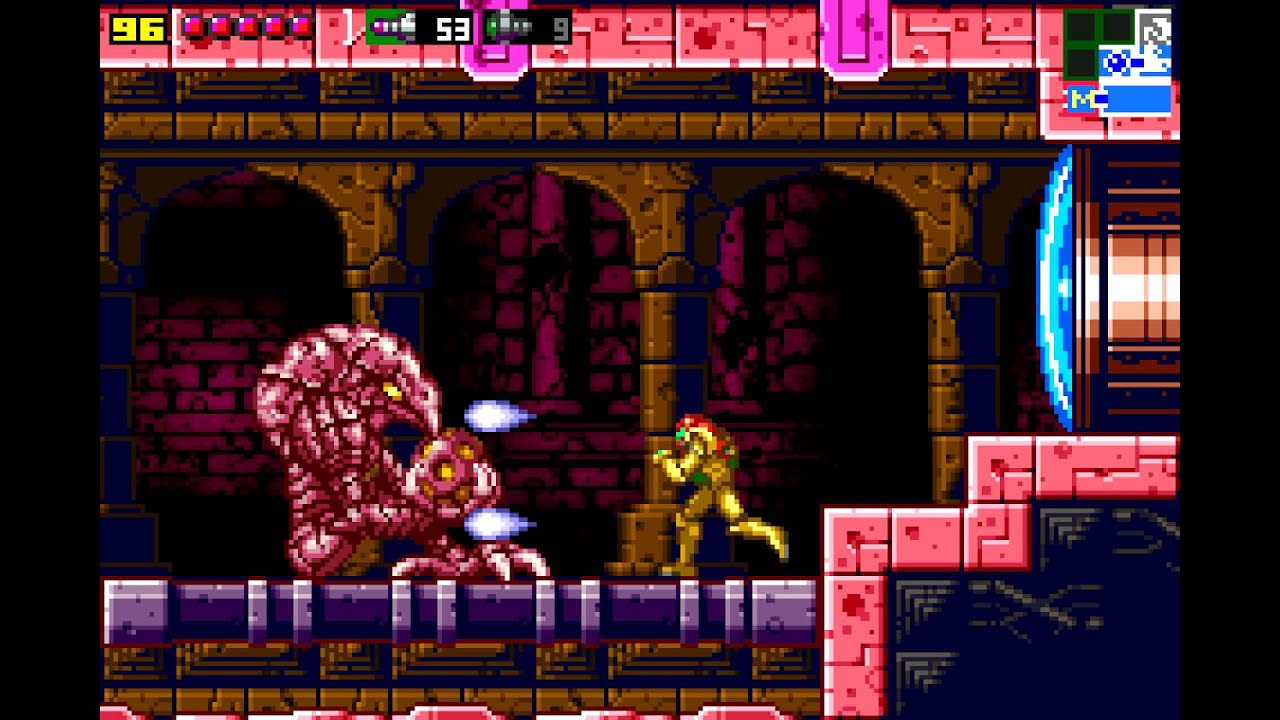
We’re kicking things off with the game that brought the Metroid series out of a ten-year slumber (alongside Metroid Prime). While Metroid Prime proved to be a bit more traditional, narratively, Fusion took the franchise into some interesting places. The mechanics were largely an evolution of what had been seen in Super Metroid a decade earlier, with some new twists. The storyline, however, saw Samus gaining autonomy back after being under the thumb of the Federation. An all-around excellent and cinematic title, Fusion was a welcome return to form for the bounty hunter.
Frenetic, fast-paced and ridiculous, Mega Microgames was the first entry in the WarioWare series. The player is faced with a rapid-fire series of ridiculous vignettes that they have to complete in a matter of seconds. Hilarious, reflex-based and irreverent, the game constantly moves the player from one ridiculous setting to the next. The series’ trademark humor is on display is this excellent entry, bringing constant fun and laughs.
The quirky, charming world of Advance Wars was first introduced to American audiences in 2001. This turn-based military strategy game has a cute art style, tight mechanics and a robust suite of game modes. The game proved popular with Americans, surprising Nintendo and prompting them to release a number of sequels. While none ever quite lived up to the sales and reception of the original, Advance Wars remains a fan-favorite game. There’s something about out-maneuvering your opponent and winning on the grand scale that’s just so satisfying!
Without a doubt, Mario and Luigi is one of the funniest video games ever released. If you play this game, you will laugh. The villains are delightful, the gameplay is well-tuned, and the world is inviting. Everything about this game tells you that loving attention to detail went into making it. The active-time battle system from sister series Paper Mario appears here, as well, and is just as fun. The active-time inputs make the combat more engaging that traditional RPGs, allowing you to add your own flair to the battles. While the series has spawned many sequels, the original remains the golden standard.
The second entry on this list from Intelligent Systems, Fire Emblem is something of a medieval version of Advance Wars. Similarly, while it was the seventh entry in the series, the GBA game was the first American release for the long-running franchise. The GBA version was released largely due to increased interest in Fire Emblem drummed up by the fighting game Super Smash Bros Melee, in which characters from Fire Emblem appear. For its part, though, Fire Emblem is an excellent tactical turn-based RPG. Characters who die stay dead in these games, meaning every battle has deeply personal stakes. Friendships grow, relationships blossom and fighters level up, so losing someone is always a heavy blow to sustain.
After the ten-year drought of Metroid games, fans of the series received an embarrassment of riches. After the superb Metroid Prime and Fusion, this brilliant re-imagining of the first game blew everyone away. Zero Mission is the quintessential Metroid game, featuring a huge, maze-like labyrinth, unlockable powers and endless ambiance. The oppressive halls and dangerous locales become killing fields for Samus as she upgrades her suit and masters her powers. The game remains a fan-favorite for speed runs and is a testament to how much of a renaissance this era was for 32-bit games.
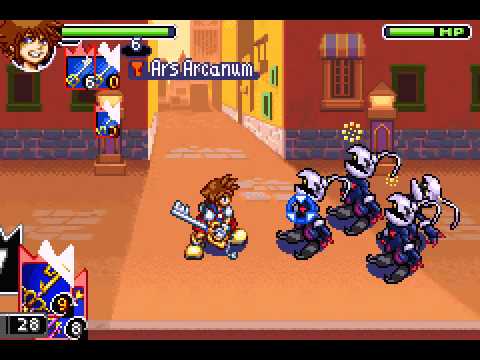
The second game released in the long-running Kingdom Hearts franchise, Chain of Memories used a unique card-battle system for combat. As a fusion of the series’ trademark action-RPG combat and deck-building, Chain of Memories was a deeply fascinating Game Boy experience. Featuring a deep, conspiratorial tale centering around a shadowy “Organization,” the game pleasantly flips to reveal a deep “B-Side” after the credits roll. After defeating the main antagonists as Sora, players can play through another story as Riku, the series’ secondary protagonist and one of the villains from the first game. Packed full of content, animated with loving care and deeper than many AAA games of the era, Chain of Memories is a tour de force for Square.
Somehow, Game Boy Advance Games managed to keep outdoing themselves time and again. After the excellent Symphony of the Night, many believed there would never be another Castlevania to live up to that pedigree. They were wrong. Aria of Sorrow is one of the greatest games in the series, introducing the setting to a new era in time: the future. The protagonist, Soma, is a likable and badass kid with the power to trap enemy souls and use their powers. The world map is non-linear, and progression is RPG-like and satisfying. The boss fights are intense and challenging, and the enemy designs are genuinely scary and unsettling. I daresay this is the finest Castlevania game, and more evidence of what a rare system the GBA was.
Golden Sun is that rare game that seeks to emulate a great and outdoes it. Camelot, the studio behind this masterpiece, wanted to deliver an experience like the original Final Fantasy. And, certainly, Golden Sun wears that inspiration proudly. It features four warriors who seek to purify four lighthouses to save the world. However, it also features great puzzles, a deep story and genuinely engaging characters. Its sequels are also excellent, which is rare for games from this era. An epic scope, some incredible summoning animations and genuinely intense boss battles make this one of the finest turn-based RPGs ever made.
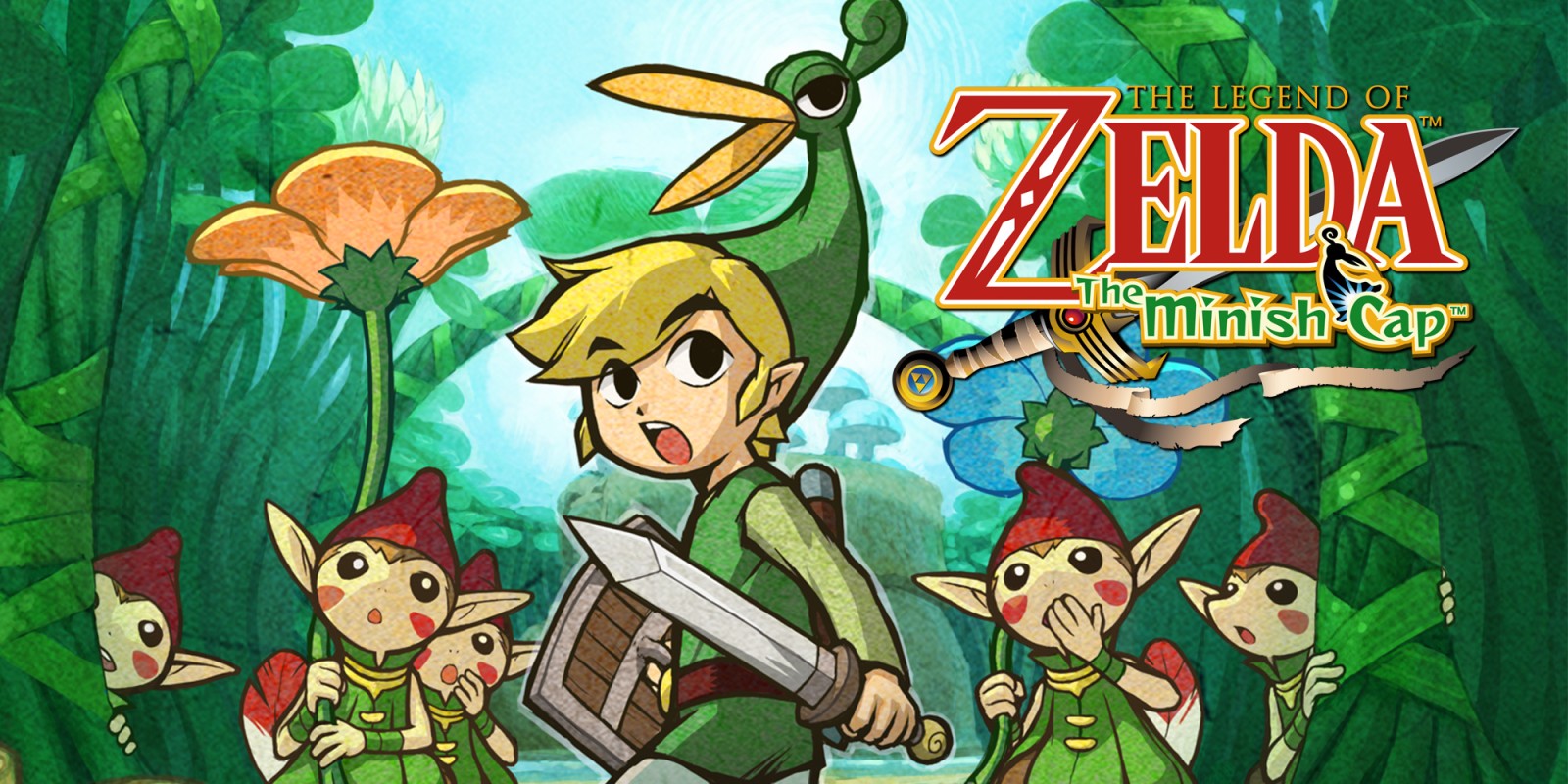
The Best of All Game Boy Advance Games: The Legend of Zelda: the Minish Cap
The finest of all Game Boy Advance games, Minish Cap follows in the example of excellent handheld Zelda adventures set by games like Link’s Awakening. Oddly, this entry was developed by Capcom, not Nintendo, but it’s still a fantastic core series title. Following the backstory of Four Swords antagonist Vaati, this adventure takes place in a distant past. Link find an odd talking hat that allows him to shrink and see the world from a new perspective. In his tiny size, normal enemies like Chu Chu Jellies become full-scale dungeon bosses. Brimming with charm and featuring a delightful world to explore, Minish Cap encompasses everything that makes Zelda game so damn fun.
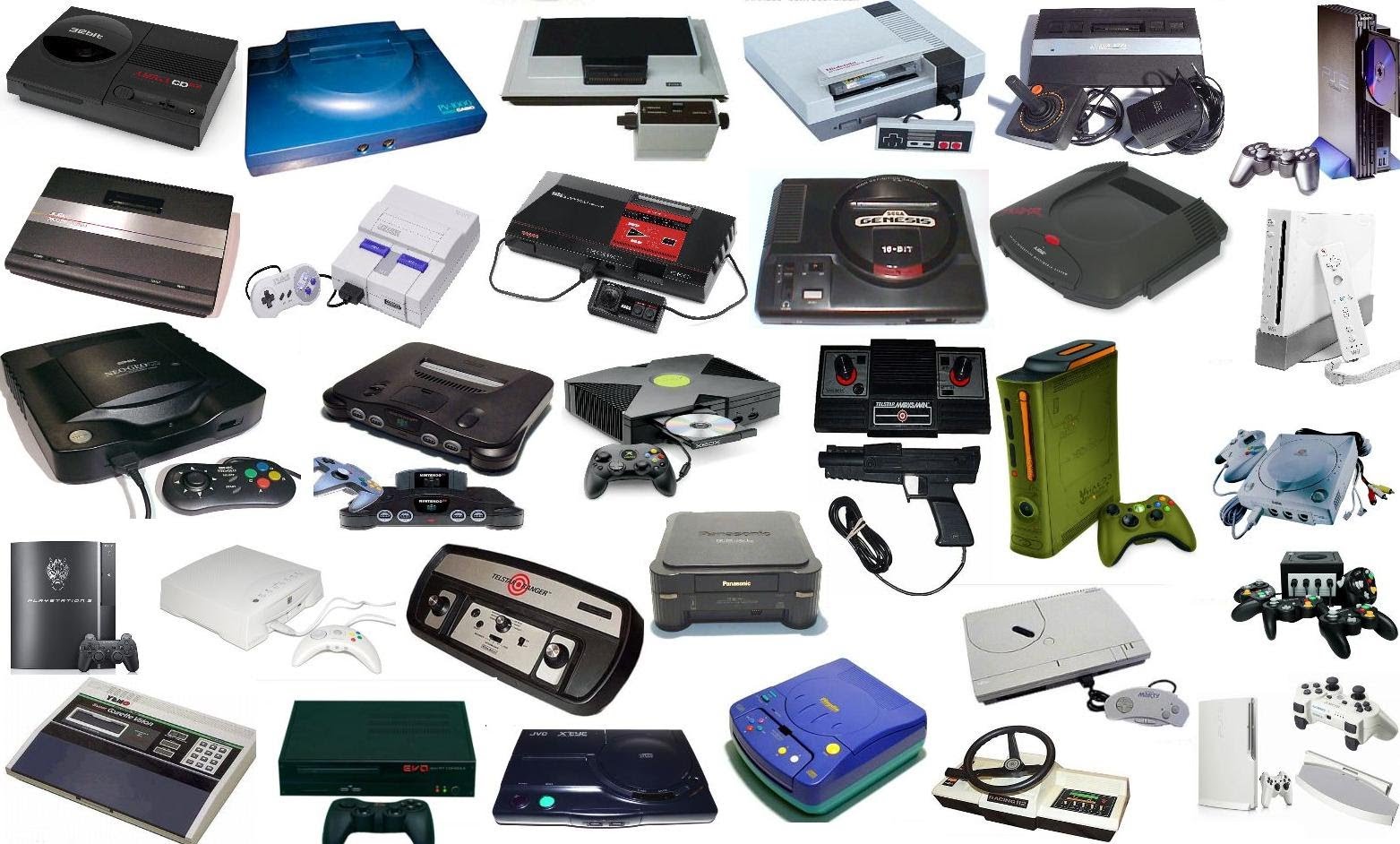
Today, instead of our usual Top Ten, we’re bringing you a Flop Ten! Everyone loves to look back at their favorite game consoles and remember the great times they had with them. However, it’s almost as fun to go back and poke fun at the worst consoles of all time. Today, we’re counting down the console flops that have defined their eras. From systems that failed despite being awesome, like the Dreamcast, to systems that were just plain awful, like the Virtual Boy, we’re counting them down. Let’s talk flops!
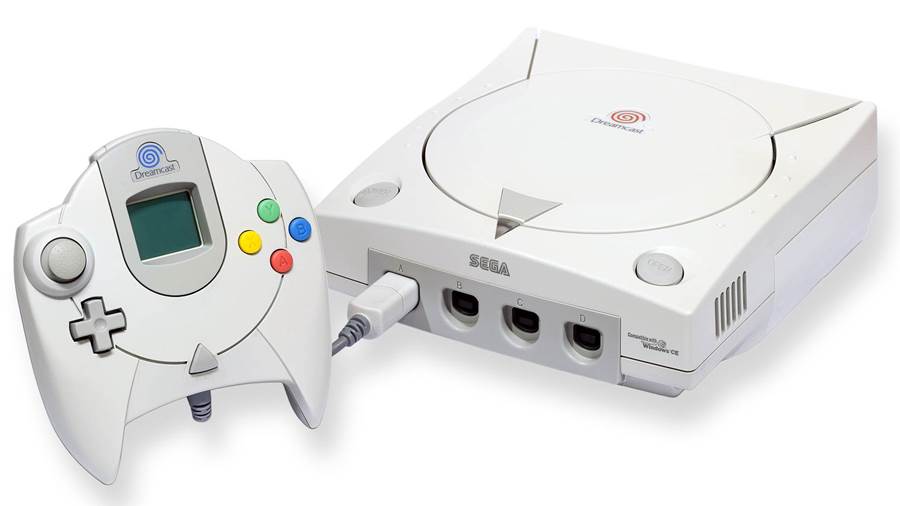
One of the saddest tales in gaming is of the crash of Sega. Sega was a bold company, unafraid to do literally whatever they thought would be cool. It was really their greatest strength: they had no fear! Going toe-to-toe with industry giant Nintendo was a no-brainer for the “no guts, no glory” company Sega. By the late nineties, though, after the failure of the Saturn and it’s many peripherals, Sega was in dire straits. So, their last hurrah was the release of the Dreamcast, an ostensibly excellent console that was doomed from the get-go. As console flops go, this one hurts.
Shenmue, Sonic Adventure and Crazy Taxi were some of the best releases at the turn of the century. However, Sega’s name didn’t inspire confidence in gamers, and Sony’s PS2 was on the horizon. Many gamers saw Sony as the new Sega, and as they believed it, so it was. The Dreamcast was to be Sega’s last home console, and the company transitioned to a third-party developer. Those who remember the Sega of 90’s still miss the bold, risk-taking Sega of that era, though.
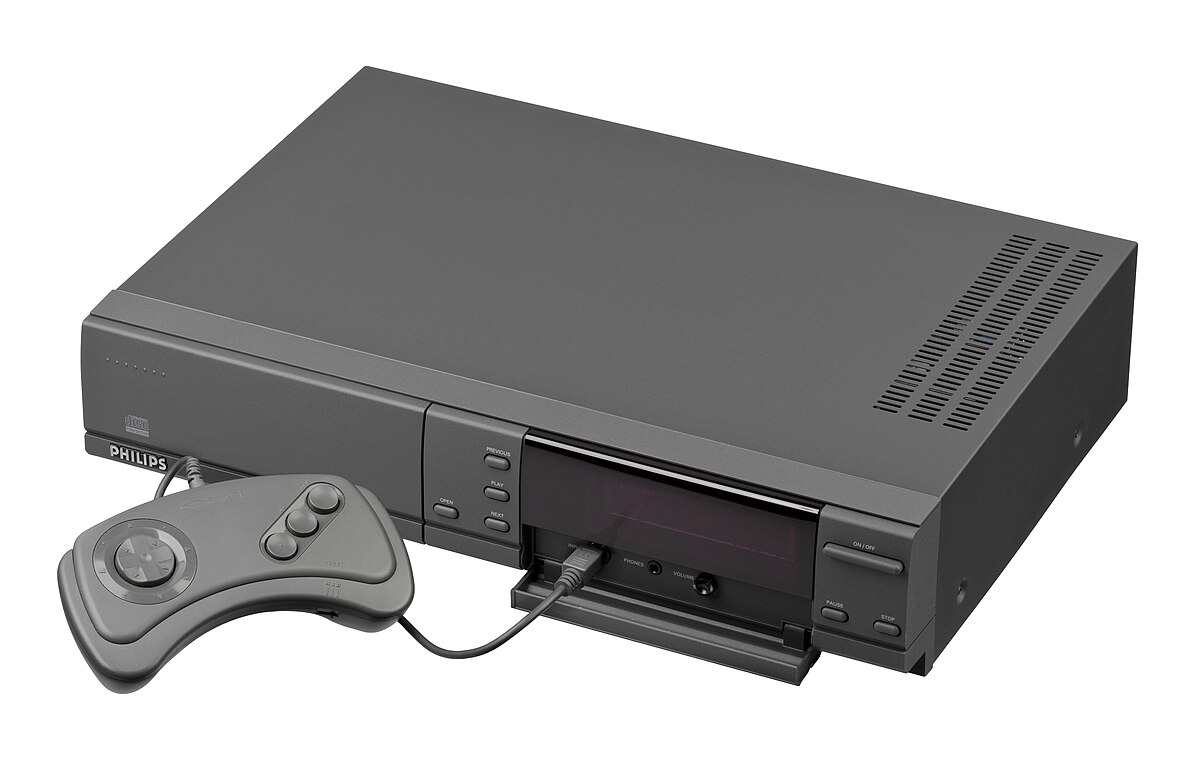
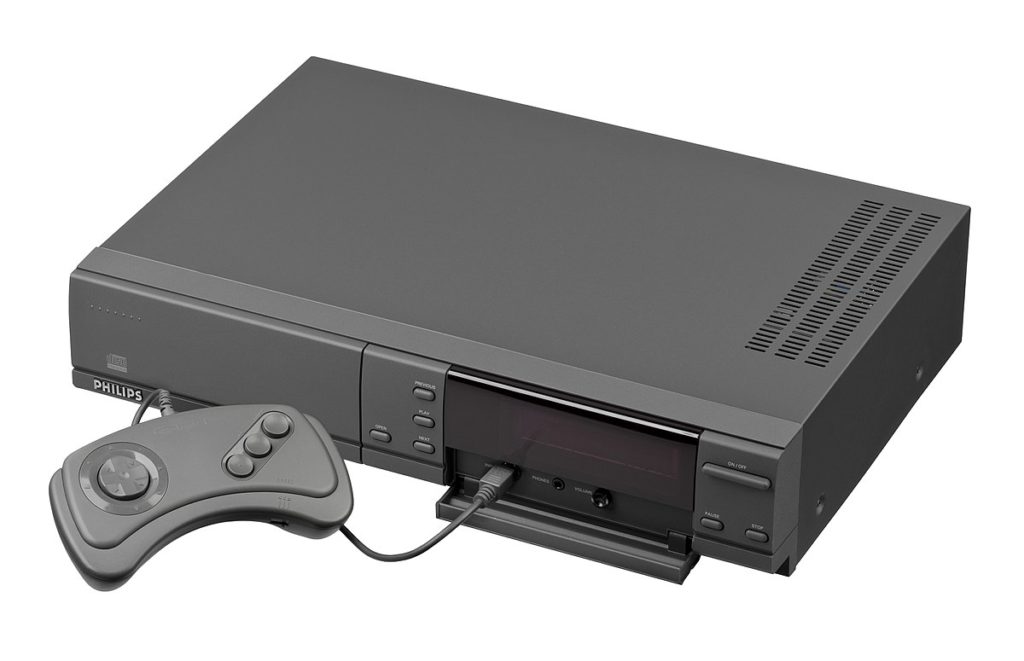
You might not have heard of the CD-I, but you’ve certainly heard of the terrible Legend of Zelda games released on it. Yeah, those, with the voice acting and hand-drawn animations. The CD-I was meant to be the step between home CD player and home computer. It was effectively a giant, glorified disk drive. And it was super weird, even at the time. It was released in 1991 for $700. If that sounds like it was a lot of money, go ahead and account for thirty years of inflation. Needless to say, Phillips didn’t make the mistake of entering the console wars again. While many console flops are due to marketing, this one was a more holistic “meh” reaction by the industry as a whole.
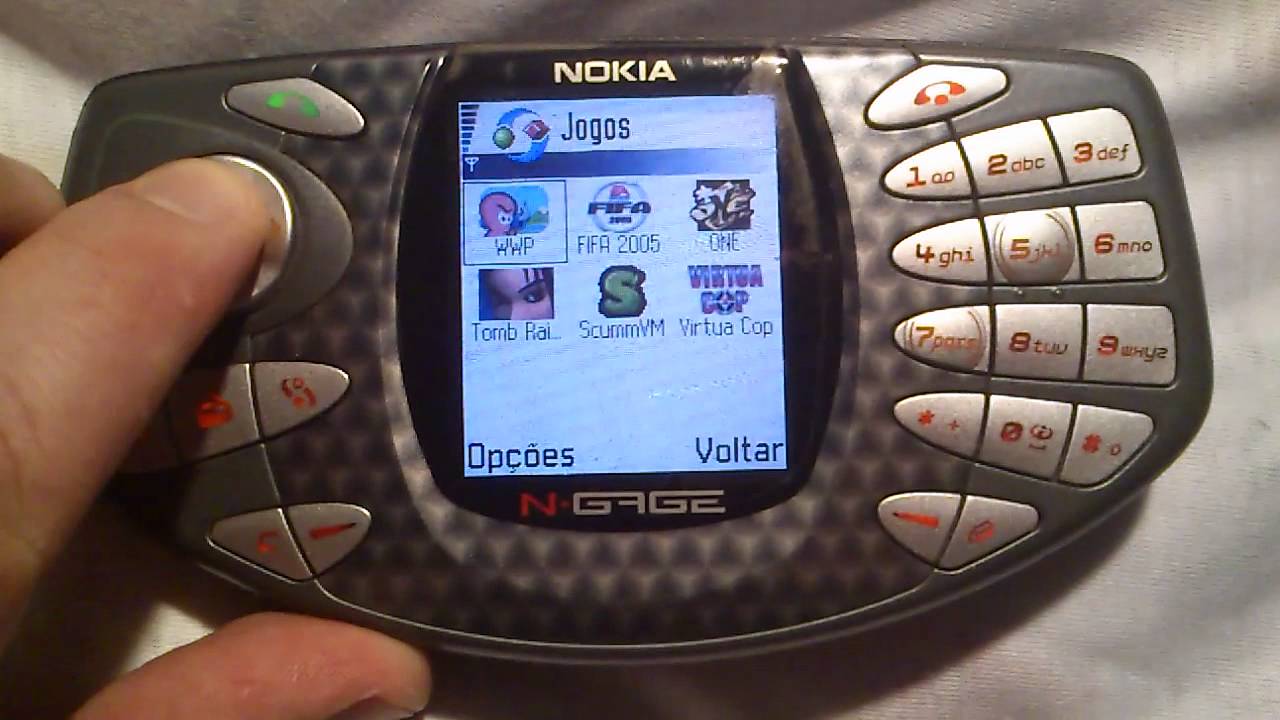
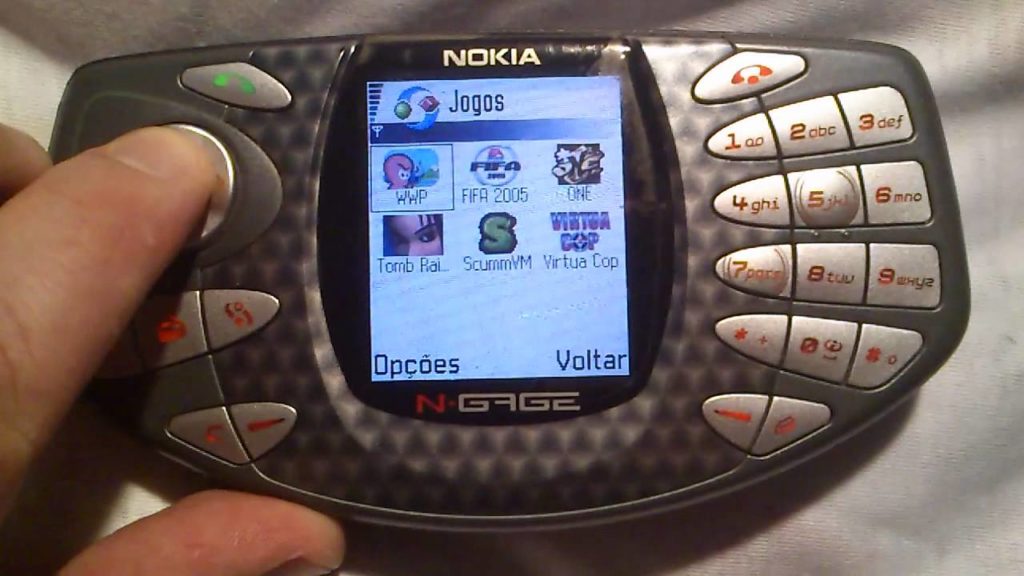
What a positively ridiculous idea, said everyone in 2003 as Nokia released this console/phone hybrid. Nokia’s idea with the Taco Phone was that gamers carried both cell phones and GameBoys. Why not combine these two pieces of technology into a freaking taco? Jokes aside, this thing bombed. No one wanted to play games with phone buttons, and no one wanted to talk into a taco-shaped gaming console. Nokia managed to fail to make the system appealing to any markets at all. A week after release, the system saw a $100 discount, but to no avail.
A year later, Nokia released a redesign called the N-Gage QD that was meant to address the problems of the first model. However, no one even took notice and the gaming community at large saw the platform as little more than a joke. Meanwhile, the GameBoy outsold the N-Gage literally 100-to-1. The moral of this story, and one that you’ll see later in this list, is “don’t mess with Nintendo’s handheld market.” Handheld console flops are a dime a dozen, and N-Gage is the poster boy of them.
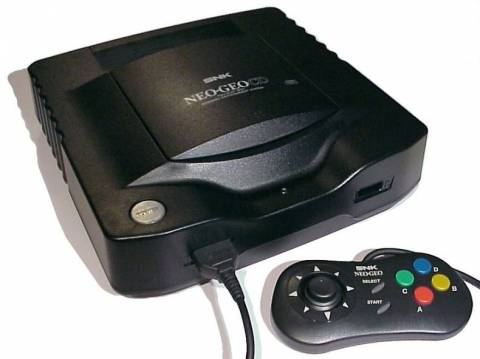
The 90’s, affectionately remembered as the “Disposable Era,” saw the birth of many absolutely terrible gaming consoles. One notable example is the final home console released by SNK, the Neo Geo CD. Between its small game library and long loading time, the Neo Geo wasn’t poised to tackle any of the consoles of the mid-90’s. It was released in 1995 in North America but had been available in Europe and Japan the year before. By the time it hit American stores, though, it had to compete with the more powerful PlayStation and N64. Seeing as how you’ve heard of PlayStation and Nintendo, you can probably guess how things ended for SNK.
For what it’s worth, the Neo Geo X handheld did eventually resurrect the once-dead console line. That handheld also went the way of its predecessors, though, tanking nearly a year after release. It’s tough to be SNK, it seems.
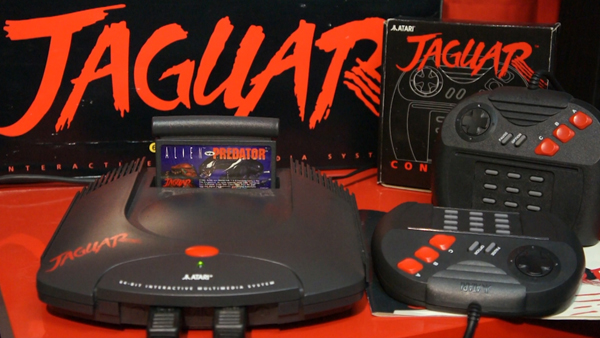
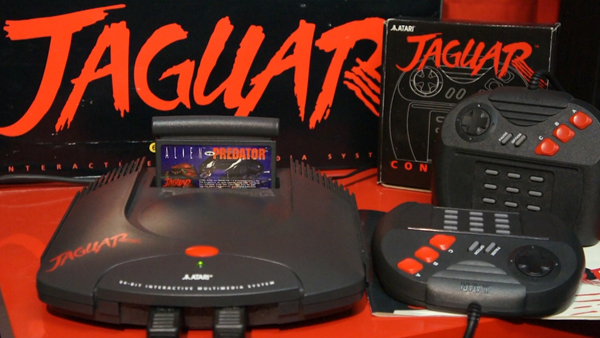
Atari struggled to find its footing again after the Video Game Crash in the mid-80’s. Nothing exemplifies that better than the botched Atari Jaguar. The system was actually much more powerful than the SNES and Genesis systems, but the games released for it were mostly garbage. A ton of rushed shovel-ware and underdeveloped games brought the system down. It was to be Atari’s final entry in the home console market. While the company plans to release a throwback console next year, their once-great name is now synonymous with an era of forgettable, poorly-made games.
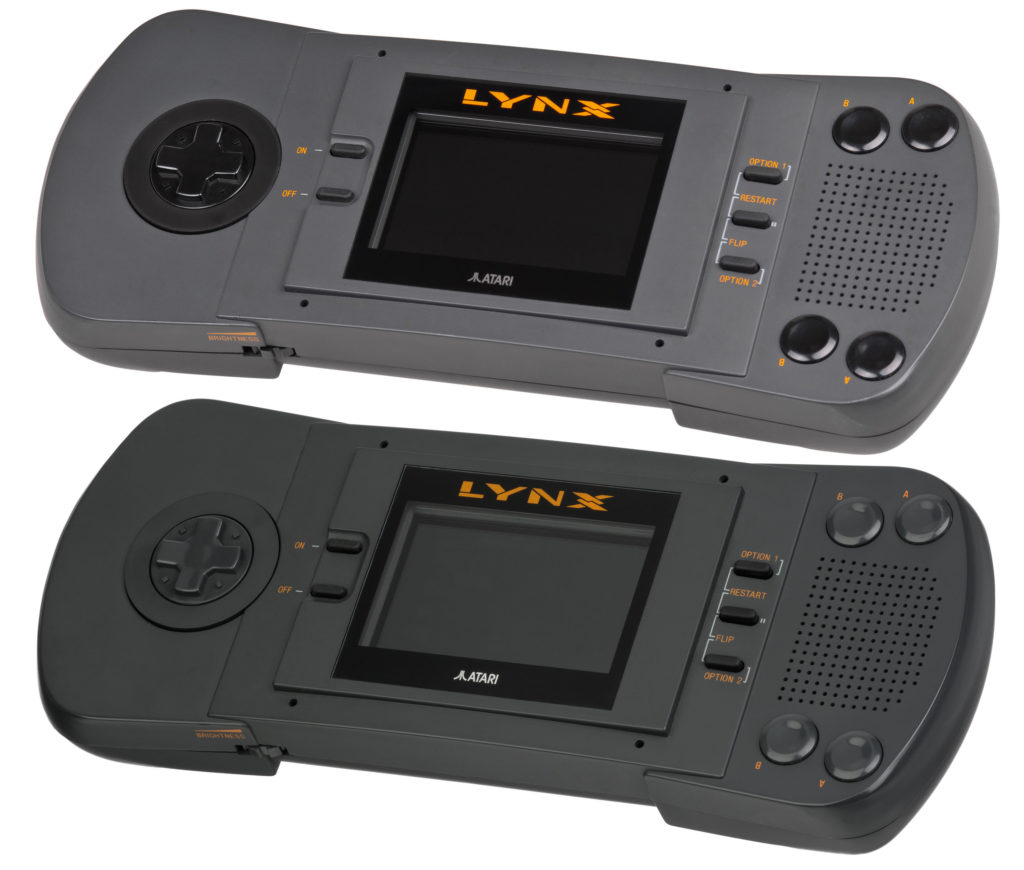
5. Atari Lynx
Photo Credit: Atari Age
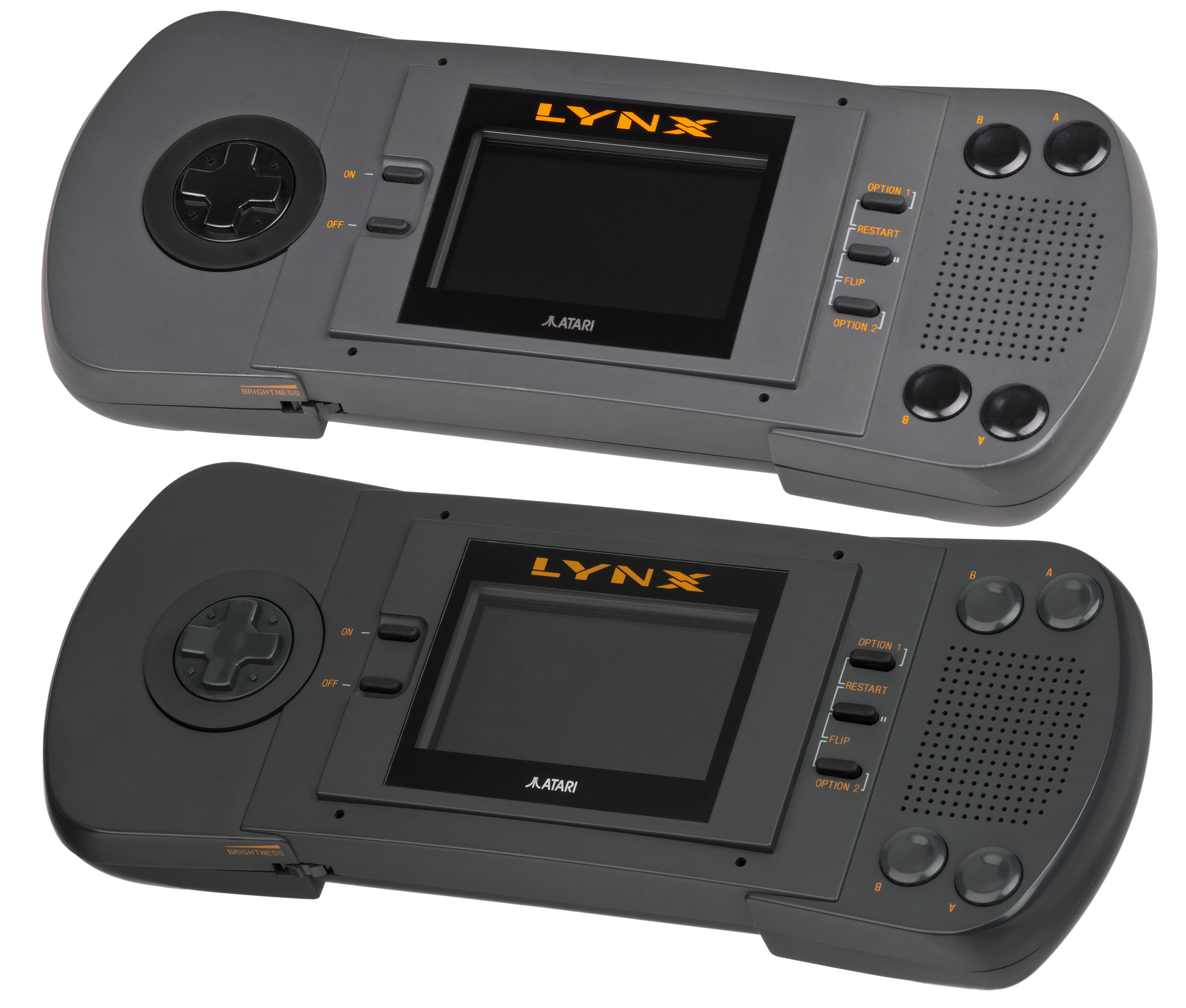
Remember when I said you really shouldn’t try to fight Nintendo on the handheld market? I meant it. Atari learned that lesson the hard way with the ill-fated Atari Lynx in 1989. The system was certainly more powerful than the GameBoy. It had a full-color screen, it sported more buttons and a much sleeker design. But it didn’t have Tetris, or Mario. And, as such, it was doomed to fail. While the system would go on to sell around 3 million units, the GameBoy sold 16 million units in 1991 alone. By 1996, Atari was on its last legs thanks to the failure of the Lynx and Jaguar. Atari sold out to Hasbro that year, thus signaling the end of an era.
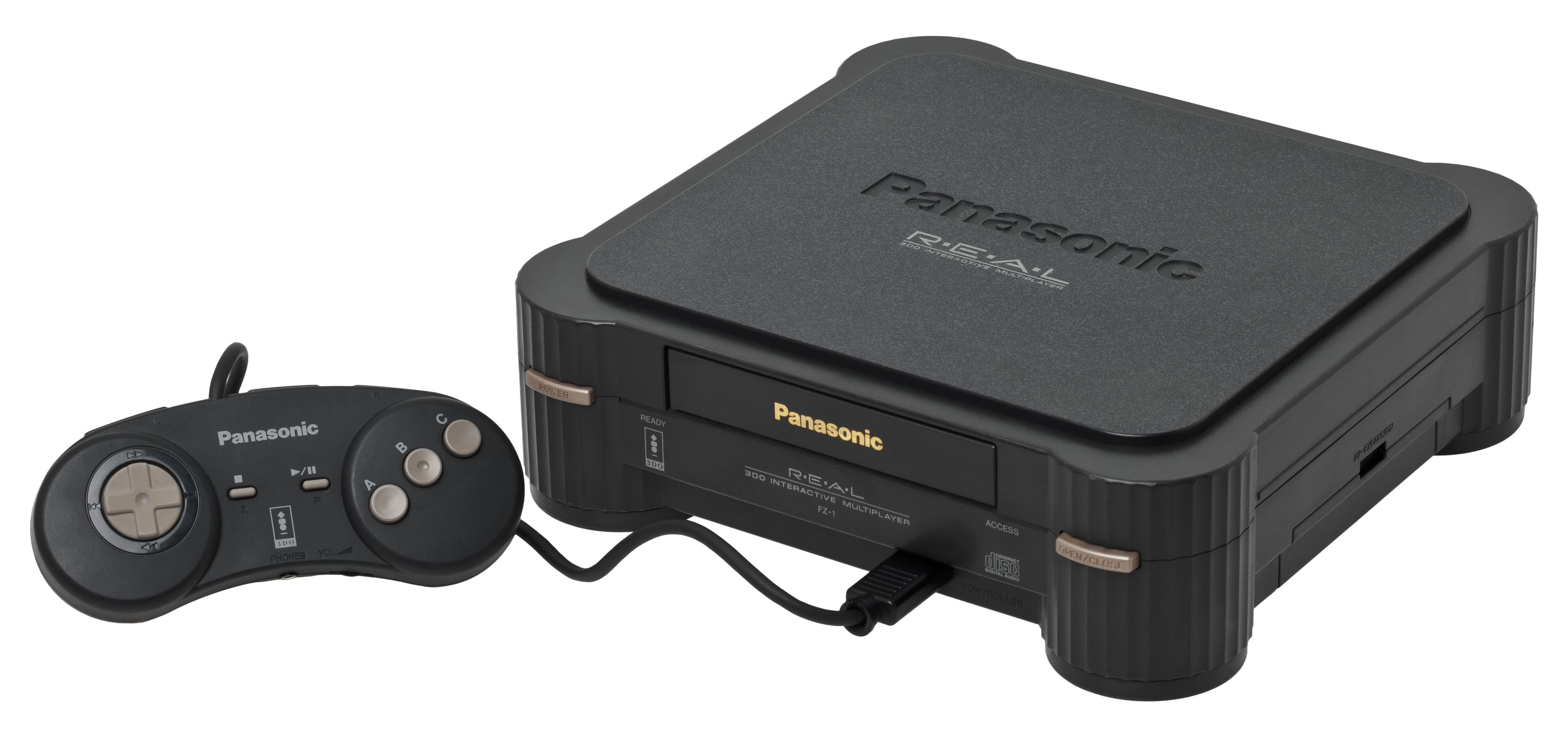
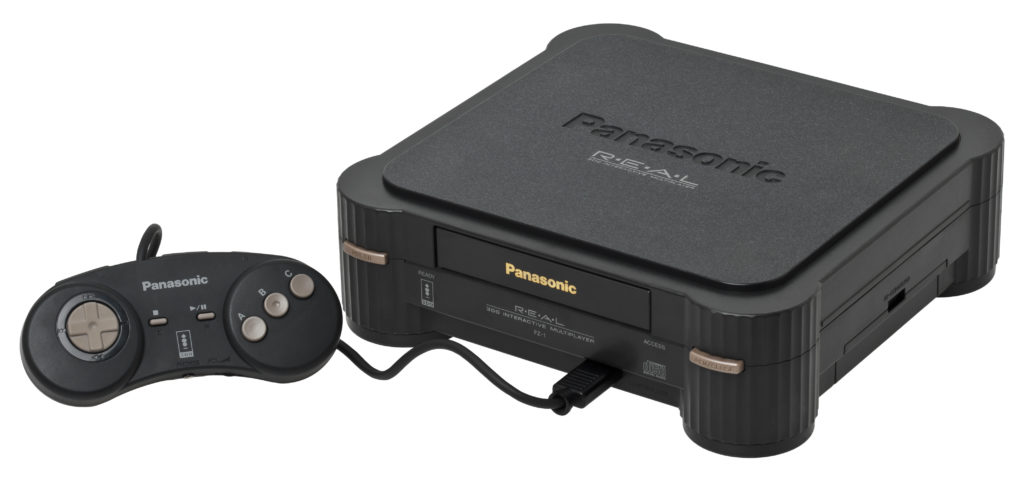
The 3DO, released in 1993, is an example of how poor marketing and pricing can kill an otherwise great system. Despite a strong library of games and good multimedia applications, the 3DO stumbled after the release of the Sega Saturn and PlayStation. The exorbitant price point, $700, didn’t drop until the system was already dead in the water. If the system had been priced more aggressively it could have sold better, but the company was stubborn. The rest is history; have you ever even heard of 3DO? Other companies could learn from their mistakes.
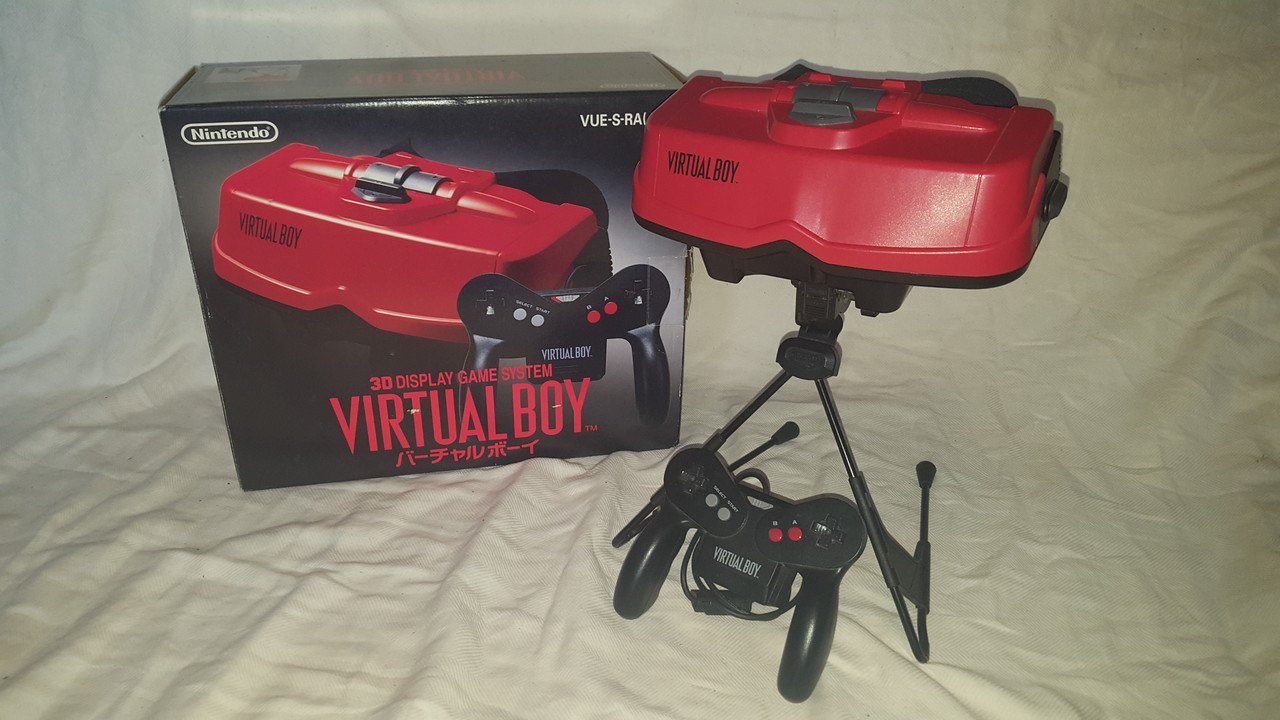
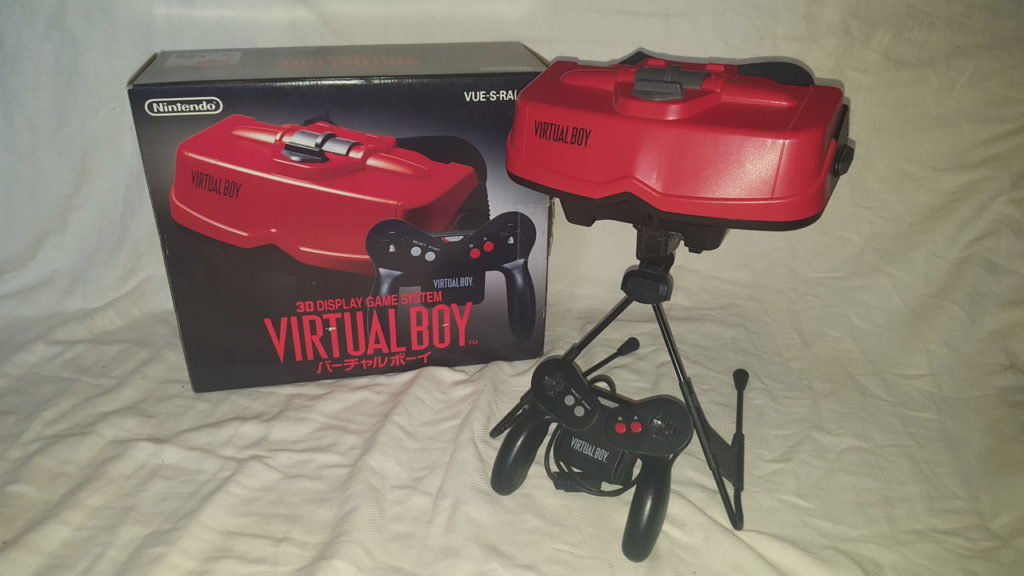
This eye-strain inducing virtual reality console was Nintendo’s first big console flop, but it wouldn’t be their last. Brainchild of GameBoy creator Gunpei Yokoi, the Virtual Boy was meant to appeal to older gamers who wanted a “fully-immersive” experience. Instead, the mono-chromatic red display and awkward headset just hurt people’s eyes and necks. The games themselves weren’t exactly very inspired, either. As the first major video game miss for the ascendant Nintendo, the Virtual Boy marked Yokoi’s exit from the company. The GameBoy Pocket would release after the virtual boy to mild success, but many blame the Virtual Boy for Yokoi’s departure. One thing’s for sure, though: the Virtual Boy sucked.
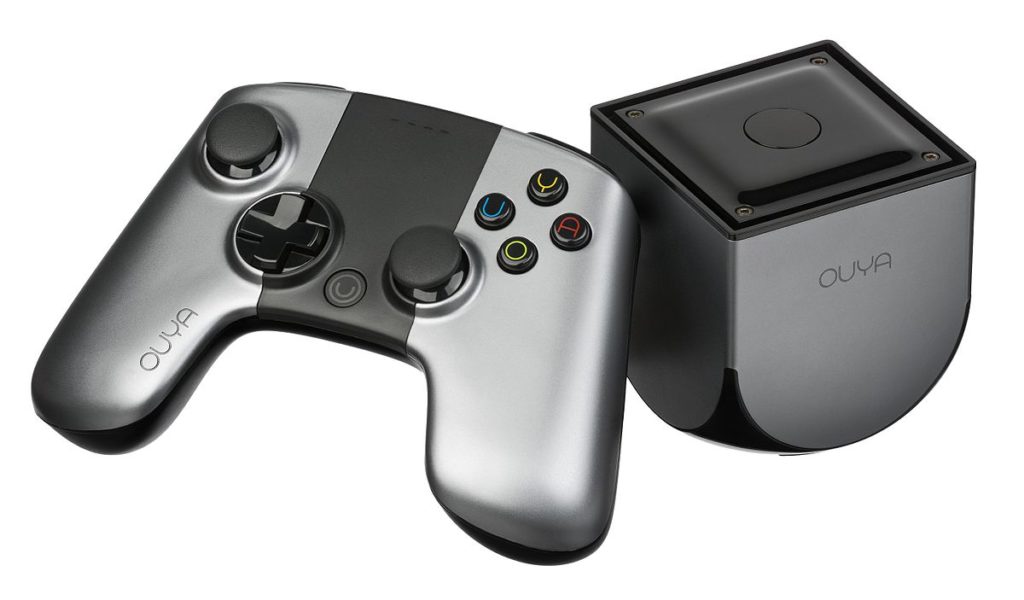
It’s often a good idea to not listen to hype. Especially when the hype claims that an Android-powered micro-console is the future of gaming. Once you finish with your hearty belly laugh at the expense of 2012-era industry analysts, let’s talk about this eminently forgettable Kickstarter project.
The idea here sounded great on paper: it’s a game console running on Android, and every system is also a developer kit! Every owner is a developer! The games will all be free, sort of! Except, no they won’t! The system performed unbelievably well via Kickstarter, where gamers fell in love with the idea of an open-ended platform for gaming that was easily modifiable. Then, the system released. And everyone remembered that PC gaming already existed. Yeah, the fine folks at Ouya missed that aspect of their console: they had accidentally invented PC gaming, but smaller scale and bland.
Flash forward to 2015 and the struggling platform is sold to Razer, makers of fine PC peripherals. Poetic, right? A company synonymous with PC gaming bought a company that tried to invent PC gaming for the console market. The Ouya’s name is now invoked as the punchline when discussing Kickstarter-based attempts to dethrone traditional consoles. Hey, isn’t Atari working on something like that? We’ll see how it goes.
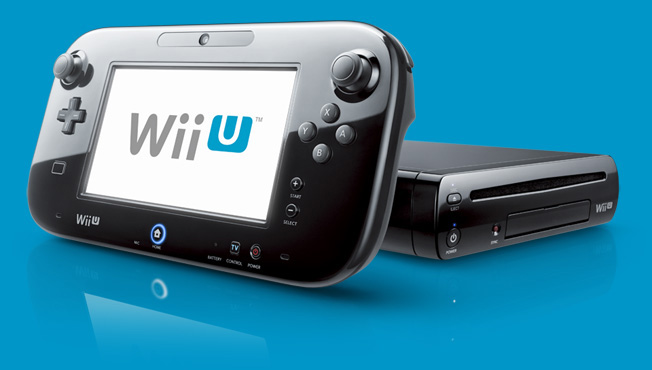
The Virtual Boy was Nintendo’s first big flop, but it wouldn’t be its last. The Wii U followed the mega-successful Wii and was supposed to be aimed more at hardcore gamers. That didn’t exactly pan out, and the system went on to sell less than 14 million units. Compared to the Wii, which sold upwards of 100 million, that number stung for Nintendo. What was worse than those low sales numbers were the glowing critical reviews of many of the Wii U’s games and features. The GamePad was praised by many and its integration in games like Mario Maker was considered revolutionary.
So why was it such a huge flop? For one thing, the marketing around it was terrible. Marketing was primarily aimed at kids and focused on children playing with the system and pestering their parents. The ads hardly screamed “hardcore system for real gamers,” and families were mostly over the whole Wii craze. Speaking of, the name Wii U worked directly against the system: no one knew what it was supposed to be. Was it a new peripheral? Was it a new console? Many thought the tablet-like GamePad was the Wii U, and that it was an add-on for the Wii. This created a perfect storm of negativity, tanking the Wii U and shaking public faith in Nintendo.
In January of 2017 the company discontinued the system entirely, and in March 2017 the Switch was released. The Switch has already sold more than the Wii U, and is on track to break record again this year. Many great Wii U games have been ported to the Switch, and thus get to live again on the successful platform. The Wii U will be remembered as an awesome but poorly positioned console. As console flops go, though, it may have been the most disappointing.


 3.The Legend Of Zelda
 Oh the time I spent playing this game. Take Link through a series of maze like 8 bit levels, upgrade weapons and gain health stamina. Collect magic items all to help your quest of freeing the princess Zelda. When this game launched in 1987 it was a game changer for RPG games, it combined a fantasy world with the puzzles of the text based computer games and they action of the new 8 bit systems and created action role playing. A masterpiece that will be in the annals of video game history for the rest of humanity.

 5.Kid Icarus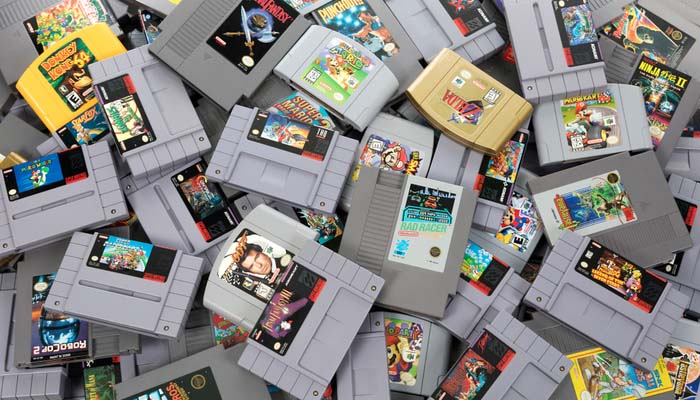






/cdn.vox-cdn.com/uploads/chorus_image/image/60764601/Rathalos.1533739510.jpg)



_(En,Fr)-2.jpg)

_(En,Fr,De,Es)-1490630115.jpg)



/cdn.vox-cdn.com/uploads/chorus_image/image/59339713/chrono_trigger_art.0.jpg)


/cdn.vox-cdn.com/uploads/chorus_image/image/54555455/2482913_marioluigisss_01.0.jpg)
(Venom)-1.jpg)