Tag: Wellness

  • Perk Up! Best Organic Energy Drinks

    Perk Up! Best Organic Energy Drinks

    We all need a nice boost from time to time. Maybe you didn’t get enough sleep, or maybe you’ve got to pull an extra-long shift. In either event, an energy drink can be a great way to give yourself that boost to make it through the day. That said, you might not want to pick up just any old energy drink: a lot of them are quite bad for your health.

    Today we’ll be looking at a few organic alternatives to normal energy drinks. These are options that might not be healthy, per se, but they’re not as detrimental as drinks like Monster or Red Bull. Let’s start with some of the basics!

    Black Coffee

    The warm, bitter drink of choice for health-conscious people who need a boost is, of course, black coffee. If you don’t add any cream or sugar to the morning beverage, it’s got zero calories and it’s actually pretty good for you. There’s not really much to it, so all you get from black coffee is the caffeine content.

    As you well know, one of the most concentrated and efficient ways to get caffeine is just through drinking coffee. So, if you want a good way to get energy without taking in a ton of sugars and other compounds from energy drinks, go with a nice, black coffee. If you’re looking for the boost later in the day and don’t want such a hot drink, you can go with an iced coffee or a cold brew, both of which are also fine for your health.

    Black Tea

    Maybe the bitter, intense flavor of coffee isn’t your cup of tea. Jokes aside, if you don’t like coffee, maybe you’ll like black tea. You can drink it hot or cold, just like coffee, and it offers caffeine and no calories. That is, if you take it without any cream or sugar. This might all be sounding pretty familiar.

    In the case of sweetened tea, of course, that changes the conversation. Southern-style sweet iced tea has a tremendous amount of sugar added in, making it a decidedly different beverage. If you’re trying to watch out for your health, try to avoid ingesting that much added sugar! Black tea is quite good for you if you take it with nothing added, and it’ll give you a great boost of caffeine to get in gear.

    Schekter’s Organic Energy Drink

    Schekter’s is a true energy drink, in that it’s a canned concoction with a proprietary caffeine blend and an interesting taste profile. The basic flavor is a pomegranate taste, with hints of elderberry and lemon juice, giving the drink an unusual but good taste profile.

    The energy from this drink is described as “clean” and “jitter-free,” coming courtesy of an all-natural caffeine blend in the drink. As such, this drink isn’t dissimilar from coffee, aside from the added sugars from the fruit juices in the recipe. If you don’t mind a bit of extra sugar, this is a good option.

    Sambazon Amazon Energy Drink

    Another “proper” energy drink, Sambazon Amazon Energy Drink is also marketed as all-natural and organic. The drink has a number of antioxidants, courtesy of the acai berry and acerola cherry in the recipe. The company proudly proclaims that it obtains the ingredients used in the drink from the Amazon Rainforest, using sustainable methods to source them.

    The caffeine mix in the drink is obtained from guarana, green tea and yerba mate, and is supposedly a “cleaner” boost than some competitors. The amount of caffeine in one can is comparable to a double shot of espresso. That makes this a rather impactful drink, so it should help you tackle any challenges in your day!
  • Best Treatments for Migraines: Treating the Symptoms

    Best Treatments for Migraines: Treating the Symptoms

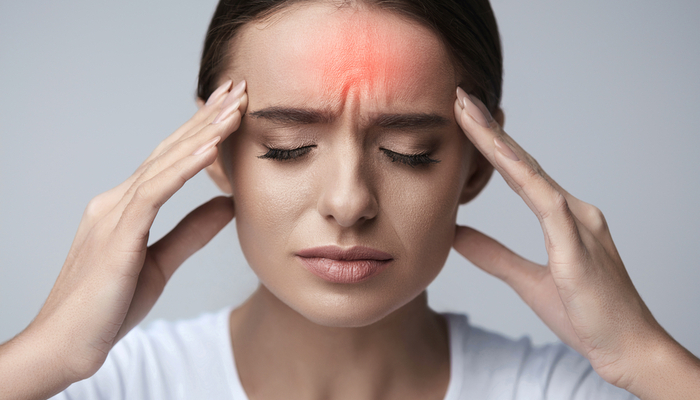
    Those who suffer from migraines know the feeling creeping up on them. It’s a tightness behind the eyes, stiffness in the neck and shoulder. Before they can respond, they’ve got a full-blown migraine hammering away inside their head. How can you take steps to alleviate your migraine symptoms?

    Today we’re taking a look at some of the medicines and treatments that are most effective for curtailing the effects of a bad migraine. While there’s no cure-all for the condition, there are steps you can take to make the symptoms a bit more bearable. So, let’s take a look.

    What is a Migraine?

    First, let’s look at what migraines are. Scientists aren’t sure, definitively, what causes a migraine, or what exactly they are. However, the symptoms are well-documented: splitting headaches, photosensitivity, nausea and extreme pain. The prevailing theory as to their physical origins in the body holds that they occur when your brain sends a wave of activity across your nerves into you trigeminal nerve.

    This, in turn, causes something of a “cascade” effect. The body releases a series of neurotransmitters that cause the blood vessels around the skull to enlarge, putting more stress on the nerves and muscles of the cranium. This, in turn, causes more of these neurotransmitters to be released, further engorging the blood vessels and increasing the pain. This creates a feedback loop that makes migraines incredibly painful.

    Remember, however, that migraines are not life-threatening, and you’re in no danger from them: they just hurt very badly. Your symptoms will not cause any long-term damage to you, they’re just highly uncomfortable.

    Setting

    Often, one of the best things you can do for a migraine is change your setting. If you’re finding yourself battling migraine symptoms in public, you might want to try to find a nice, quiet area to rest in. Migraines are usually exacerbated by bright lights and loud sounds, which prevent you from recovering from the symptoms quickly.

    In some cases, extreme temperature fluctuations can also make migraine symptoms worse. If you’re in a very cold room, or a very hot room, try to find an area that’s milder and more neutral. This will help you to focus on just feeling better!

    Stress

    Stress is a major factor in migraines. In many cases, stress is the only actual trigger for the headache, but just an emotional one. If you find yourself experiencing a major migraine while you’re stressing out, grab a stress ball and try to work out your emotions. Breathing meditation, yoga and the like can also be helpful for reducing stress.

    If you work in a stressful environment, consider keeping some tea on hand that you can brew and then drink. Ideally, this will allow you to take a brief break from your duties, if they’re stressing you out, while you steep your tea and drink it. The warm liquid and calming ritual both work wonder in helping you calm down!

    Pain Relievers

    Another way to address migraines is through the use of pain-relieving medicine. If you have them on hand, common NSAIDs can be helpful. Drugs like ibuprofen, Tylenol and Aleve are examples of these kinds of pain relievers. They typically take a few hours to get into your system, but they are rather effective at dealing with headache symptoms in most people.

    Another type of medication you can take is the “migraine abortive” variety of drugs. These usually can’t be taken with migraines that have an “aura” (a period of sensory overload before the onset of the actual migraine symptoms), so speak with your doctor about these types of medications. They’ll be able to help you select one that is right for your specific situation.


  • Best Milk Substitutes: Avoid Dairy without Compromising

    Best Milk Substitutes: Avoid Dairy without Compromising

    Dairy isn’t exactly good for you, but you probably already knew that. However, skipping out on milk and cheese and yogurt can all be quite difficult when you’re living in the US. So, what are some of the best non-dairy options for milk? After all, you still want to be able to cook and eat cereal without getting too much dairy intake. Let’s look at some of the dairy-free favorites.

    Best Milk Substitutes

    Why Avoid Milk?

    Dairy in general is a substance that many people in the world choose to avoid. Globally, about three out of every four people are lactose intolerant. In fact, America is a bit unusual in that it is comprised of so many people that can process dairy. So, if you’ve got lactose intolerance, don’t feel bad, it just means that you’re like most of the species!

    Another reason to avoid dairy is that it’s just flat-out not good for you. Very high in fat, very high in sugar and lacking in many nutrients, milk is something of a weird cultural artifact in American cuisine. It’s one claim to nutrition, that it helps build strong bones through its calcium, is actually debated by many nutritionists as being misleading. After all, almonds, figs and kale are all much better sources of calcium, and they’re much better for your body.

    Almond Milk

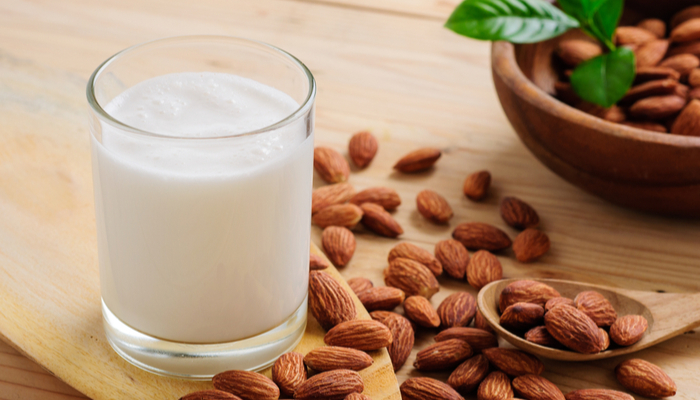
    One of the first substitutes for milk anyone will mention is almond milk. It’s common, relatively inexpensive and full of calcium. In fact, if your main reason to drink milk was for the calcium to help build up strong bones, then almond milk is perfect for you. The flavor has been described as being more “watery” than cow’s milk, but when used in cooking or cereal it’s hard to notice the difference.

    There’s notably much less fat and much fewer calories in almond milk than cow’s milk. There’s also lower protein and lower in carbs, and almond milk is one of the least-fattening milk substitutes. If you’re trying to watch your calorie intake and still get plenty of calcium, then almond milk is likely the right substitute for you.

    Soy Milk

    Don’t let half-formed concerns fool you: soy milk is a great replacement for milk if you’re lactose intolerant or just don’t like consuming animal products. This drink is created from soybeans or soy protein isolate, and it is usually thickened by various agents and vegetable oils to help the drink’s consistency.

    Soy milk has a similar concentration of protein as cow’s milk, but it has decidedly less fat, carbs and calories. Soy is also a major source of “complete” proteins that include the full range of amino acids that you have to acquire from your food and can’t create on your own. Contrary to what some internet theories claim, there’s also no evidence that soy milk adversely affects any hormone receptors in the body. Soy milk is perfectly safe and healthy for normal adults to drink.

    Oat Milk

    A very simple milk substitute, oat milk is essentially just oats and water. Often, oils, salts and gums are added to the mix to give the beverage a more “milk-like” texture and taste. Oat milk is popular in cooking, mixed into smoothies and in cereal. It has been noted as being a very close reproduction of the flavor and texture of cow’s milk.

    Notably, oat milk is actually not as good for you as some of the other substitutes available. It’s got double the carbs, the same amount of calories and half of the protein of milk. Thankfully, it also contains half the fat that milk does. However, for those on a diet or watching their calories, oat milk might not be the best substitute.


  • Best Ways to Relieve Back Pain without Breaking the Bank

    Best Ways to Relieve Back Pain without Breaking the Bank

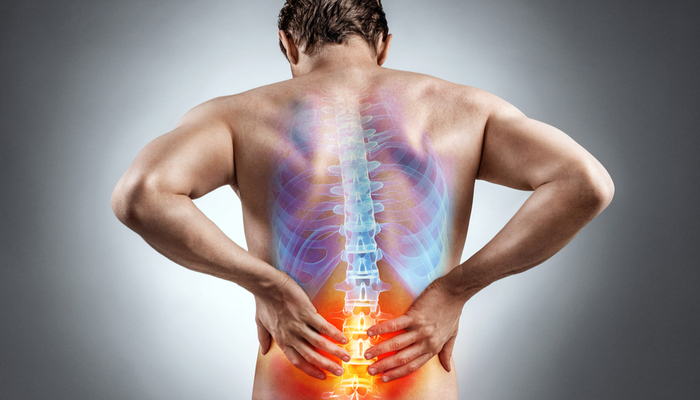
    If you struggle with back pain, you know how much of a drain it can be on your daily life. Whether you’re getting out of bed, standing from being seated too long or just trying to play outside with your kids, chronic back pain can rear its ugly head. Thankfully, there are a few ways you can get some relief from your chronic pain that don’t involve spending an arm and a leg. Let’s get into it.

    How to Stop Back Pain

    NSAIDs

    One of the simplest approaches to tackling back pain would be to take simple NSAIDs like ibuprofen, Advil and the like. These general pain relievers are effective at stopping your pain in the short-term, though they might take a bit longer to get going than you’d prefer. If you’ve tried these and they haven’t helped, read on.

    Heat and Cold

    Applying a cold pack or a bag of frozen veggies (wrapped in a washcloth) to your back during a period of extreme pain can have a numbing effect. This can also help to curb inflammation, which is a common cause of general back pain. Make sure you don’t apply ice to any part of your body for more than 20 minutes.

    After a cold treatment, you can use a heating pad or something similar to apply some heat to the affected area. The heat can help loosen stiff muscles, and often helps to reduce aches. Many people find the one-two punch of ice and heat to be incredibly effective for short-term pain relief when their backs are flaring up with pain.

    Exercise

    This might sound counterintuitive, but you need to get tons of exercise in order to keep your muscles loose and limber. This applies to your back muscles too, which could be the culprit in your back pain. Taking a short walk or a quick dip in a pool for some light laps can be a great way to loosen your muscles and strengthen them for the future.

    Likewise, low-impact exercise regiments like yoga and tai chi are excellent for back pain. They aren’t high-impact, so they won’t cause any damage to your back muscles or spine, and they help you to build up stronger muscles. If you don’t already have one, get into a good exercise routine to combat your back pain.

    Stretches

    If you don’t have time for a full-blown yoga routine, that’s okay. Try some low-impact stretching in the morning to limber your back up and help you to reduce your overall discomfort. For instance, try touching your toes from a standing position by slowly reaching down. This stretches your hamstrings and loosens your back muscles.

    Another stretch to try in the mornings could be a simple yoga exercise called the “child’s pose.” This involves kneeling in a sitting position with your knees parallel to your hips. Then, you stretch forward, putting your head down on the exercise mat and stretching your hands out straight along the floor.

    Orthopedic Shoes

    Make sure your shoes aren’t what is causing issues with your back. Often, if you’re wearing shoes that are ill-fitting or offer no support it could exacerbate, or even cause, back pain issues. If this is the case, make sure you get some orthopedic shoes that offer good support for your body.

    These kinds of shows often include soft padding in the soles that distribute your weight more effectively across your feet. This helps you to keep better posture, which, in turn, is great for your back health. You can often speak to a chiropractor about your back pain issues and get their advice on what kinds of shoes might be helpful.


  • Heed the Warning Signs: Alcoholism and its Effects

    Heed the Warning Signs: Alcoholism and its Effects

    Alcoholism is not a laughing matter. The symptoms can be hard to spot sometimes, whether in yourself or in a loved one, but they are deadly serious. Alcoholism can, and will, affect every aspect of the sufferers life, and can have residual effects that harm their loved ones, too. Today we’ll be looking at some of the biggest red flags that suggest the presence of alcoholism, or alcoholic tendencies.

    Remember, of course, that there’s a difference between enjoying a few drinks with friends and abusing alcohol. We’ll be going over these distinctions, as it’s common for sufferers to shrug off their drinking problem as simply “cutting loose” and “having fun.”

    Drinking Alone

    A person who consistently drinks alone may be suffering from alcoholism. It’s unusual to sit by oneself and drink, whether that’s just a few drinks to “take the edge off” or drinking to intoxication while alone. A strong, consistent desire to consume alcohol, even when there’s no one else around, is an indicator of alcoholism.

    This practice has been somewhat normalized by the image of someone just enjoying a single glass of wine or a can of beer. However, these little indulgences can lead to serious problems with alcohol abuse. When you’re alone, just grab a soda, or a water. There’s no need to drink just because you’ve got a free minute.

    Blacking Out

    Drinking until you’re “blackout drunk” is a very disorienting and unpleasant experience. Being “blackout drunk” means that you’re so inebriated that you will experience anterograde amnesia, forgetting many of the details of the night of drinking. This condition is also referred to as “blacking out,” and is, sadly, a goal for some binge-drinkers.

    Such behavior indicates a serious abuse of alcohol. If you or someone you know drinks to the point of blacking out, this is a red flag. Even when drinking socially, this much alcohol consumption is detrimental both to your physical health and your mental health.

    Mood Swings, Irritability

    Mood swings and irritability, as well as a general feeling of being hungover whenever not drinking, can be symptoms of alcohol dependency. People who abuse alcohol can develop severe physical dependencies on alcohol, and when they’re not drinking they feel feverish, nauseous, irritable and unwell.

    If you or someone you know seems to only be in a good mood when drinking, take heed of this red flag. A related symptom is mood swings that appear out of nowhere. One minute, the person seems happy and content, but the next they are inexplicably angry and irritated with their surroundings. This often follows nights of binge drinking and could be a symptom of alcohol dependency.

    Missing Responsibilities/Obligations

    Let’s not mince words: a person who is missing their obligations in order to drink, or because of being hungover from drinking, is an alcoholic. There are no shades of grey: if you’re calling out of work in order to sleep of a night of binge drinking, you’re suffering from alcoholism and need to seek help.

    If someone you love is consistently missing responsibilities and has little or no explanation as to why, they might be shirking their obligations to drink. Such situations can be incredibly awkward, as alcoholics can often become extremely defensive if confronted on their drinking habits.

    What to do

    Those who are suffering from alcoholism, or their loved ones, can often feel helpless in the face of the condition. However, there is help out there: alcoholism rehabilitation is available for sufferers. There are both in-patient and out-patient facilities, as well as support groups like Alcoholics Anonymous. The first step to confronting alcoholism, of course, is admitting that there is a problem. Only then can the sufferer seek help with their condition and get treatment.


  • What is Eosinophilic Asthma? Signs and Symptoms

    What is Eosinophilic Asthma? Signs and Symptoms

    Nearly one in twelve people in the US suffers from some form of asthma. As research into the conditions that underly asthma has gotten more robust, it has become apparent that asthma is not just one condition, but several that can cause similar symptoms. One such condition is eosinophilic asthma. Unlike traditional asthma, it requires some distinct treatments.

    Today we’re looking at eosinophil asthma, its symptoms, its causes and how it is diagnosed and treated. It’s distinct from asthma in a number of noteworthy ways. If you feel like you might be suffering from asthma, speak to your doctor. They will be able to help you narrow down your symptoms and figure out what is causing your ailment.

    Eosinophilic Asthma

    Eosinophilic asthma, commonly shortened to EA, is a severe form of asthma. One of its telltale signs is a very high level of white blood cells in the body. Namely, the condition is marked by the white blood cells in the body causing inflammation in the airways, stopping the normal flow of oxygen throughout the body.

    Typically, white blood cells serve a role in the immune system, helping the body to isolate and obliterate foreign contagions. However, in cases of EA, the body’s overabundance of these white blood cells causes swelling and airway blockages, leading to full-blown asthma attacks.

    Symptoms

    The symptoms of EA are often similar to those of traditional asthma, and some of these symptoms even share similarities to chronic pulmonary obstructive disorder, or COPD. Symptoms can include shortness or breath, wheezing, chronic sinus infection symptoms, coughing, chest tightness, obstructed breathing and even nasal polyps.

    One of the most notable symptoms, of course, is the high level of eosinophils in the blood, from which EA derives its name. Since the symptoms of this condition closely mirror several other conditions, it’s important you work with your doctor to understand what exactly is causing your symptoms, so you get the proper treatment for the condition you’re suffering from.

    Diagnosis

    Often, people are first diagnosed with traditional asthma, even if they have EA. This is because EA’s symptoms are so similar to those of traditional asthma, and some of the only tests that can easily determine if this isn’t the case is bloodwork. As such, asthma sufferers who aren’t responding well to traditional asthma treatment, like inhalers, might be suffering from EA.

    Other tests that might be able to determine the presence of EA, instead of asthma, would be a physical exam. If the physical found that the patient suffered from nasal polyps, that could be an indicator that they were dealing with EA, instead of asthma.

    Treatment

    Inhaled corticosteroids, the common treatment for traditional asthma, may have less effect on someone suffering from EA. Larger doses might have some impact early on, but constantly increasing the dosage has diminishing returns and stops helping after a time. As such, doctors typically prefer to address the inflammation cause by EA through different medications.

    One such medication is a corticosteroid in pill form, which can have some success in preventing inflammation. However, these have a number of side effects that inhaled corticosteroids don’t usually entail. Likewise, rescue inhalers might be prescribed, but they have diminishing returns for people with EA.

    Other treatment options could include leukotrienes modifiers, which help to keep the impact of eosinophils down. Leukotrienes tend to pair up with eosinophils, so modifying them can impact the inflammatory nature of the eosinophils. Another option for treatment is biologic therapies, medications that block out chemicals that are typically connected to causing inflammation in the body. These medications are usually delivered via an IV or an injection, as they operate best intravenously.


  • Finding the Best Acid Reflux Treatment

    Finding the Best Acid Reflux Treatment

    Acid reflux, also known as heartburn, is an issue that occurs when your stomach acid washes up into your esophagus, causing pain and discomfort. It can be difficult to find relief for this frustrating condition. If you’re looking for the best treatments for acid reflux, you’ve come to the right place. Today we’re discussing the best ways to avoid acid reflux, and the best treatments for when you’re suffering from it.

    Acid Reflux

    Avoidance

    The best thing to do is to just avoid acid reflux altogether. You’re likely aware of some of the triggers of your heartburn, but maybe you’re not as familiar with others. Let’s look at some of the common things you’ll want to avoid when it comes to acid reflux.

    Eating Late

    Avoid eating late at night. The later it is when you eat, the worse off you’ll be when you try to lay down for bed. Often, laying down after a late meal is a surefire way to agitate your stomach and send acid spilling up into your esophagus. This results in the continual chest pain and burning that are typical of heartburn. In order to avoid this, make sure you don’t eat within four hours of the time you’d like to get to sleep.

    Red Meat

    You may also want to avoid red meat in your diet if you have bad acid reflux. Not only will red meat exacerbate your heartburn symptoms, it’s also not very good for you in the first place. Consider eating fish for entrees instead, or even forgoing meat altogether for some meals. This will not only help your acid reflux, but it will also be good for you overall!

    Carbonated Drinks

    As tasty as sodas and seltzer waters are, the carbonation is terrible for acid reflux. It can often excite your stomach acid and irritate your esophagus. This, in turn, leads to your stomach acid splashing up into your esophagus and trigging heartburn. The same goes for highly acidic drinks like juices. If you have bad heartburn, consider drinking water with your meals instead of sparkling water or juice. It’s also a lot better for you in the long run.

    Large Meals

    One of the most surefire ways to trigger your acid reflux is by indulging in a very large meal. Whether this is a splurge you’re enjoying or just you being quite hungry, eating a lot of food often gets your stomach acid going and can cause heartburn. Consider having more meals throughout the day of smaller portions, as this will allow you to avoid triggering your acid reflux.

    Antacids

    One of the most straightforward treatments for heartburn is to take antacids. These help to neutralize your stomach acid so that even if it does splash into your esophagus, it won’t cause as much discomfort as it normally would. Common examples of such medications are Tums and Rolaids. These can help to offer instant relief.

    H2 Blockers

    Another great option for preventing heartburn is the use of an H2 blocker. These have a somewhat complex mechanism of working, but they essentially block your body from producing as damaging of acid. Examples include Zantac and Pepcid. These are usually taken regularly as a way to combat the worst of heartburn symptoms.

    Proton-pump Inhibitors

    Proton-pump inhibitors are great for when H2 blockers aren’t working. They’re a bit more intensive, and work on a different mechanism than H2 blockers, but they’re often much stronger. Prilosec and Nexium are two well-known examples of this type of medicine. You don’t usually start with these, as they’re much more intensive, but they’re a great fallback if H2 blockers aren’t working.


  • Ocular Migraines: Causes and Treatments

    Ocular Migraines: Causes and Treatments

    If you suffer from ocular migraines, the words alone could cause you to feel that dull ache in the side of your head. Ocular migraines are loosely defined as migraines that affect only one eye with odd visual impairments. Often, they are prefaced by flashing lights or partial blindness, and they could include mild to severe pain on one side of your head.

    Today we’re going to look at the causes, symptoms and potential treatments for ocular migraines to help you set yourself back on track. Those who suffer from these types of migraines often can’t carry out normal tasks through the pain of the migraine, so this is an important topic for many people.

    Causes of Migraines

    As it turns out, science is currently unsure as to why migraines occur. They only affect about twelve percent of the population, and they can often seem to have little link to physiology. However, current science suggests that the origins of migraines are neurological. In many cases, triggers of migraines can be emotional. Stress and depression can be triggers, though excitement and surprise can also bring on migraines.

    Scientists presume that migraines are caused by something in the brain that triggers and unusual communication between the nerves that communicate with the brain. This often involves the blood vessels and muscles of the head, which, in turn, can lead to the intense pain of migraines.

    Ocular Migraines

    Unlike normal migraines, ocular migraines have an optical component. Their causes are likely similar to those of normal migraines, but with an emphasis on the nerves of the eye instead of just nerves that communicate with blood vessels or muscles. Other causes could include spasms in the blood vessels of the retina, manifesting as unusual spots in the patient’s vision.

    Potential triggers can include low blood sugar, caffeine, bright or flashing lights, stuffy or overly cold rooms and even high emotions. Often, those who suffer from these migraines can tell when they’re coming on, as they have a number of telltale symptoms that crawl up on the sufferer. These include tightness of the neck or shoulders, light sensitivity and nausea.

    Symptoms

    Ocular migraines include symptoms of extreme pain in one side of the head or behind one eye, primarily. Impairment in the vision of one eye is also common, though it can occasionally occur in both eyes. Typically the pain in one’s head during a migraine throbs or pulses, rather than persisting across the length of the event.

    It’s common for sufferers of migraines to note that the pain gets worse the more they move around. Often, those with common migraines will simply lie in a dark, quiet room and wait for their migraine to pass. Migraine symptoms can often occur in tandem with nausea, high photosensitivity or sound sensitivity, and even vomiting from the intensity of the pain.

    Treatment

    While migraines are incredibly discomforting, they’re thankfully not terribly dangerous to your overall wellbeing. Typically, migraines will simply go away after about half an hour on their own, so most people don’t require any treatment for them at all. That said, there are some cases in which the pain from migraines is so intense that the sufferer needs treatment.

    For preventative treatment, you’ll need to see a doctor. Some may prescribe anti-epilepsy medicine such as Topamax, which can play a role in stopping migraines. Sometimes beta blockers, which are a type of blood pressure medicine, will be prescribed, which helps with blood vessel-related causes of migraines.

    As for treatment during a migraine, try to just take it easy during an episode. Drink water and take an NSAID if you’re experiencing a lot of pain. Aside from that, there’s not a lot you can do to stop a migraine already in progress.


  • Most Important Vitamins for Your Eyes

    Most Important Vitamins for Your Eyes

    Few organs have more impact on your daily interaction with the world than your eyes. You use them to take in visual information, which is one of the primary ways you gather information about the world around you. If you want to keep your vision sharp as the years go on, you’ll need to take care of your eyes. One of the main ways to do this is to take in the right kind of vitamins for your eyes!

    Vitamins for Good Eye Health

    Vitamin C

    Great for more than just fighting off scurvy, vitamin C plays an important role in your eye health. As an antioxidant, vitamin C helps to protect your cells, including the ones in your eye, from the harmful effects of free radicals. Free radicals, despite their silly-sounding name, are quite harmful to your cells, as they are unstable molecules that can cause cell degradation.

    As such, antioxidants like vitamin C have a major role in to play in keeping your cells safe. As you get older your cells are exposed to more and more free radicals, and these can cause damage over time that can be long-lasting. That’s why having a diet high in citrus fruits, kale, broccoli, bell peppers and tropical fruits is important, as these are major sources of vitamin C.

    Vitamin A

    Vitamin A’s impact on your eyes is so great that you’ve likely already heard about this one just from common knowledge. This vitamin plays a vital role in helping your eyes maintain a clear cornea. Your cornea is the lining on the outside of your eye. As long as it remains clear and strong, your vision will also be clear and unclouded.

    Vitamin A also plays a role in helping your body develop rhodopsin. Rhodopsin is a protein type that helps your eyes to make out details in lower light conditions. It’s difficult to develop vitamin A deficiency, but if you do, the first symptoms are night blindness. Eventually, vitamin A deficiency leads to blindness. To keep up a good vitamin A intake, eat lots of foods like sweet potatoes, bell peppers and pumpkins. Leafy greens are full of both vitamins A and E, making it a great dietary choice.

    Vitamin E

    Another major factor in eye health is the balance of free radicals and antioxidants in your body. Vitamin E helps to keep that regulation in check, allowing for your cells to be more protected against the harmful effects of free radicals, much like vitamin C. There is some evidence that holds that proper vitamin E intake is also vital in helping keep aging-related cataracts from developing.

    If you’re looking to get the right amount of vitamin E in your diet, the best way to do that is by getting a good amount of it in your diet. Vitamin E-rich foods include nuts, avocado and salmon. As mentioned above, leafy greens are full of vitamin E, making them some of the best eye-health-encouraging foods, pound for pound.

    B Vitamins

    Several B vitamins also play a major role in your eye health. Namely, B6, B9 and B12 all have a hand in regulating your eye health. Specifically, the mix of all three of these types of B vitamins helps to regulate your body’s levels of homocysteine, which is a protein that can lead to inflammation. Additionally, a high percentage of homocysteine in the body can lead to increased risk for the development of AMD, or age-related macular degeneration.

    However, it’s unclear whether intake of food items high in B vitamins has a notable impact on eye health. Studies so far have focused on the effects of vitamin supplements, which have proven impactful in clinical studies.


  • How to Choose the Right Dentist

    How to Choose the Right Dentist

    There are a number of great reasons to have a regular dentist you see for annual check-ups (at least!). Firstly, they can take care of your teeth, of course, making sure you don’t have any cavities or other dental issues. Another huge positive of seeing a regular dentist is that check-ups can help prevent heart attacks and strokes, among other medical conditions.

    Sure, there’s a lot to be said for brushing and flossing. However, good oral hygiene is no replacement for regular check-ups with your dentist. When it comes to picking out a dentist to take care of your dental health, though, it can be hard to know who to go with. Today, we’re offering some tips on helping to pick out the right dentist for you.

    Recommendations

    The first place you should look when you’re trying to find a dentist should be the recommendations of friends and family. Ask around, and see who your trusted friends and family go with to take care of their dental hygiene. Your friends probably aren’t medical professionals (bonus points if they are, though) but you can still value their recommendation. After all, customer satisfaction is a huge indicator of a dentist’s overall quality.

    Another great source of recommendations would be a medical professional you currently see. If your general physician is someone you’ve been seeing for a while and trust, ask them for a recommendation. Likewise, if you have a pharmacist you’ve been using for years, they could be a great person to ask. These medical professionals are sure to know the reputation at least a few dentists in your area.

    Factors to Consider

    When signing up at a dentist’s office, there are some factors you need to consider. Firstly, make sure they take your insurance. This one is big! Paying out of pocket for dental expenses gets out of hand fast, and you would much rather pay for your dentist visits with your insurance. The next thing you should consider is their office hours: will you be able to get by the office without having to take off from work, or will you need to use time off to make an appointment?

    The next thing you should look at is their location. Are they really far outside of your normal commute, or are they conveniently located in relation to your house or office? Outside of these simpler, up-front considerations, look at more in-depth logistical concerns like how they handle dental emergencies, what type of anesthetic they use and whether they have a missed-appointment policy.

    Picking a Dentist’s Office

    Some things to look for when you’re visiting an office for the first time are indicators of the culture of the office. This includes things like the cleanliness of the lobby and the examination rooms, as well as the cleanliness and relative age of their dental equipment.

    Other factors to keep an eye out for relate to the staff. Do they answer your questions patiently and politely, or do they seem as though you’re bothering them when you ask? Does everyone wear gloves when dealing with equipment and when inspecting your mouth and teeth?

    Making a Decision

    Weigh all of these factors carefully when you’re considering which dentist to go with. It’s important that you’re comfortable with whoever you pick for your regular dentist, as check-ups are exceedingly important. You want to pick a dentist’s office that makes you feel comfortable, important and at-ease. A good dentist is worth their weight in gold, so don’t be afraid to look for a better office to visit regularly if the first one you look into is less than ideal. You deserve good medical attention, and that extends to your teeth, too!