Tag: Wellness

  • Seven Signs that You May be Depressed

    Seven Signs that You May be Depressed

    Often, people aren’t even aware that they’re living with depression. The symptoms sneak up on them, slowly piling up and pulling their quality of life down. If you’re worried that you or someone you know is depressed, you might not know what to look for. There’s a difference between feeling a little low and feeling depressed. Today we’re going over some of the biggest symptoms of depression to help you identify the issue and seek treatment.

    Symptoms of Depression

    What is Depression

    There are a number of mental disorders that fall under the “depression” classification. While there are distinctions between these various forms of depression, they share a few symptoms in common. Notably, if you feel as though you may be suffering from clinical depression, you should seek help from your doctor. Depression can result in suicidal thoughts and has numerous health detriments associated with it.

    If one or more of these symptoms applies to you, and constantly interferes with your daily life, then you need to seek professional help. There are a number of treatments that can help you tackle depression, including antidepressant medication, diet and exercise, and therapy with a licensed psychiatrist.

    Suicidal Thoughts or Attempts

    Intrusive thoughts regarding ending one’s own life, and attempts to do so, are a sure indicator of major depression. Contact the suicide hotline if you’re struggling with suicidal thoughts, as they are very serious and need to be addressed as such. Remember: suicide is permanent, your problems aren’t. There are plenty of ways you can address your life’s issues without ending it.

    Insomnia, or Sleeping too Much

    Sleep disturbances are common among people suffering with depression. Sometimes this can manifest as insomnia, as the patient finds themselves unable to get to sleep and stay asleep throughout the night. Other times, the patient is oversleeping, often sleeping through alarms or going to bed hours earlier than they normally would.

    Concentration, Memory

    Disturbances in your memory and your concentration can also be common with depression. If you find it hard to remember details, or you’re often forgetting your commitments, it could be related to depression. This is often referred to as “brain fog” and can feel like sleepiness and fatigue in some cases. This could, in turn, lead to the oversleeping some patients experience from depression.

    Fatigue

    Chronic fatigue, lethargy and “laziness” are other common symptoms of depression. People with serious depression might find themselves unable to motivate and have difficulty completing simple tasks. For these people, the thought of even cooking a meal or folding laundry can seem insurmountable. Much like concentration issues, this can contribute to the hazy, “brain fog” feeling many complain of with depression.

    Appetite Disturbance

    Much like sleep disturbances, appetite disturbances can occur in some depression patients. This could manifest as a complete lack of interest in food, often accompanied by complaints of nothing tasting good or sounding appetizing. In other cases, this could result in binge-eating that resembles stress-eating, and often is unhealthy in nature.

    Irritability

    Often, depression can be detected in others by the onset of unusual and heightened irritability. If someone is normally easygoing and relaxed but becomes chronically irritable and hard to talk to, it could be a result of the onset of major depression. Likewise, if you find yourself constantly annoyed by even small things, it could be due to depression.

    Lack of Interest

    A pervasive and telltale sign of depression is the sudden lack of interest in things you once found pleasing. Your hobbies become chores to you that you dread. Activities once pleasurable, like exercise or sex, become unbearable in your daily life. This isn’t normal, and you should seek help if you begin feeling this way.


  • The Health Benefits of Vitamin B12: What You Need to Know

    The Health Benefits of Vitamin B12: What You Need to Know

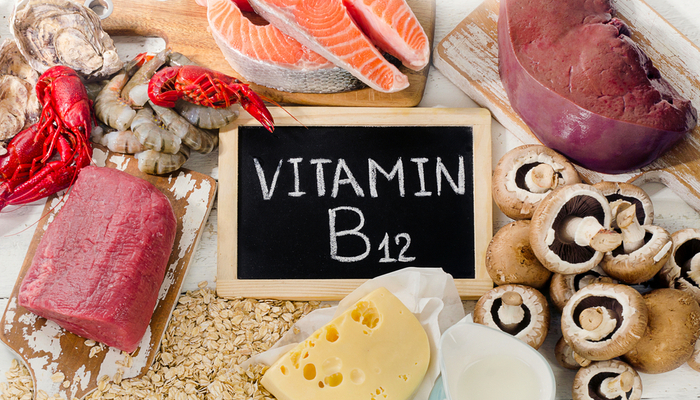
    Vitamin B12, commonly found in vitamin supplements and some animal products, is vital to your body’s primary functions. The vitamin is also called cobalamin, and it primarily helps your central nervous system function and has many roles related to your red blood cells. Notably, despite your body needing it for optimal health, you can’t produce vitamin B12 on your own.

    Today we’re looking at some of the biggest ways vitamin B12 impacts your health. You may be surprised at how wide-ranging the effects of B12 are on your body. The vitamin plays critical roles in many of your body’s systems, helping to regulate things from blood cell production to serotonin synthesis. Doctors recommend that the average adult get 2.4 mcg of vitamin B12 per day, meaning you might need to get a B12 supplement to stay healthy.

    Vitamin B12

    Macular Degeneration

    Macular degeneration is a disease of the eye that can be more likely to occur in people with low amounts of vitamin B12. Macular degeneration primarily affects your central vision and is typically related to aging. The presence of homocysteine, a type of amino acid, in the bloodstream can lead to a higher risk of developing macular degeneration. This amino acid can be lowered with proper amounts of vitamin B12, however.

    Macular degeneration is a disease which older persons are at a higher risk for. This disease can cause lessened clarity of vision, more eye fatigue and other negative muscular effects. This makes B12 an important supplement for those worried about their ongoing eye health as well as their muscular health.

    Anemia

    People who get the proper amount of vitamin B12, which is around 2.4 mcg per day, are at a lower risk for developing anemia. That’s because the vitamin is an important factor in creating healthy red blood cells. Small, round red blood cells are healthy, and in the absence of B12, blood cells develop larger and more oval shapes, making them less effective at carrying oxygen throughout your body.

    If you develop anemia, it means that your blood cells aren’t able to carry enough oxygen to your organs and muscles. This results in symptoms like fatigue, weakness, drowsiness and lethargy. As such, it’s important that you get the right amount of B12 in your diet to maintain good blood vessel health.

    Bone Health

    People familiar with the body’s various systems will find it unsurprising that, since B12 plays a role in blood cell production, it also plays a role in healthy bones. Bones play a major role in the production of blood cells, as well as giving support and protection to your organs.

    People with B12 deficiencies tend to have lower bone density and less strength present in their bones. Low mineral density means that bones are weaker and can be broken more easily. Your bones are vital for more than just giving shape to your body, however, as their health is directly tied to diseases like osteoporosis.

    Depression

    There have been numerous studies that have linked depression and the lack of the right vitamins in one’s diet. Vitamin B12 is no different in this case. That’s because vitamin B12 plays a major role in helping the body to process serotonin, the chemical that produces calm and positive emotions.

    Likewise, a lack of vitamin B12 makes it so your body produces less serotonin. Unsurprisingly, this means that a lack of the right amounts of vitamin B12 can lead to significantly worse symptoms of depression. Studies have shown that patients with depression responded more positively to regiments that included both antidepressants and B12 supplements than patients who got only antidepressants.


  • Good Habits: Finding Time to Exercise

    Good Habits: Finding Time to Exercise

    Health and fitness get overlooked often in the hustle and bustle of daily activities. However, one of the most important cornerstones of a healthy life is exercise. If you want to feel better, live longer and have more energy, you should consider getting into an exercise routine. We know what you’re thinking: when am I going to have time for that? Today, we’re going to help you find that time.

    Finding Time to Exercise

    Why Getting Fit Matters

    A lot of people simply wave off fitness or make excuses. It’s hard to get into shape and stay in shape, right? Well, that’s not necessarily true. When you get the right cadence going in your life, you’d be surprised at how easy it gets to stay in your routine.

    When you’re working out more, you just feel better. This has little to do with body type, though being in shape can be nice. No, instead, the health benefits of exercise we’re focused on are more to do with your mood, your energy level and your overall health.

    Those who regularly exercise create better habits for themselves and begin to cultivate discipline. Personal discipline is an invaluable resource, as it can help you get nearly anything done. It goes hand in hand with resolve and determination, which are admirable traits!

    Lunch Break

    Consider bringing a packed lunch to work that you can eat quickly. If you get an hour for lunch, bring something you can eat in ten minutes. This frees up fifty minutes of your time so that you can engage in some light exercise!

    No one wants to be sweating at work, but you can take a quick walk. Maybe take a walk around the building, or to your car and back. Not only will you find more time to get your exercise in, you’ll also save money on your lunch. You might even eat better, making your own food, rather than eating out at a restaurant.

    Waking Up Sooner

    Some of the best workout time can be found just before or just after sunup. Maybe you go into work at 9:00: consider waking at 7:00 in order to give yourself time to get in a jog and a few pushups and sit-ups. When you first wake up, your body is flooded with adrenaline. What better way to get a start to your day than to break into some exercise?

    It’s also better for your body to get to bed earlier and awaken earlier. Staying up late every night has been linked to increased risk of heart disease, diabetes and other disorders. A well-regulated schedule of exercise and fitness is great for your body!

    On the Way Home from Work

    When you’re on the way home from work, do you pass any gyms? Maybe consider getting a trail membership to a gym and seeing how you feel heading by there after work. If you hate waking up early and would rather work out later in the day, try hitting the gym every other workday.

    Maybe you try to get by the gym every Monday, Wednesday and Friday. Whatever works for your schedule! That way, you get a nice capstone to your day and get to work out any frustration or energy from the workday.

    Weekend Warrior

    If your weekdays are totally packed full of activities, consider getting your workouts in during the weekend. Sure, it’s preferable that you work out more regularly than that, but it’s a great way to start. The best thing about exercise is that it’s a self-reinforcing activity. It feels nice to be active! Your body will soon push you to get out and be active all on its own.

  • Top Natural Pain Remedies: Try These New Approaches

    Top Natural Pain Remedies: Try These New Approaches

    Suffering with constant pain, such as that from arthritis or neuropathy, can be incredibly detrimental to your overall quality of life. However, there are ways to approach pain that can help it become more manageable. Today we’re looking at a few of the top ways to combat pain naturally without breaking the bank!

    Top Natural Pain Remedies

    Meditation

    The saying “mind over matter” comes to mind when someone mentions meditation. Meditative techniques involve a ritual of clearing one’s own mind in order to gain a positive mental and physical effect. In the case of pain management, meditation can help you to focus and push the pain to the edge of your perception, making it more manageable.

    Yoga

    Yoga is a semi-spiritual practice that incorporates meditative techniques with physical movements. Practitioners of yoga say that it is very calming, soothing and engaging. It’s also quite good for your physical well-being, as it doubles as low-impact exercise. Many with chronic pain swear by their yoga routine, as it helps to bring their pain to within tolerable levels.

    Tai Chi

    Another meditative practice, Tai Chi is a Chinese form of yoga-like movements designed to channel your inner “spiritual energy,” or Chi. Tai Chi, like yoga, is very popular as a form of low-impact exercise. The form is often used by older persons, as it has a notable effect on increasing balance and sure-footedness, making the likelihood of taking a fall much lower.

    Massage

    Visiting a massage therapist for a session can do wonders for pain. Massage therapy utilizes physical manipulation of muscles and tendons, helping to relax and energize the client. While massage therapy sessions can be a bit on the expensive side, they are both wonderfully relaxing and great for alleviating chronic pain.

    Turmeric

    Try cooking with more turmeric! The root-based spice is known for its anti-inflammatory properties. While you’re at it, try to avoid alcohol and processed sugars, as they can both act as irritants that inflame your body’s systems, leading to greater chronic pain.

  • Adult Asthma: What You Should Know

    Adult Asthma: What You Should Know

    Asthma is often misconstrued as a children’s disease, the type of thing you grow out of. However, this is not the truth. Many adults actively struggle with asthma symptoms, and some adults don’t even realize what they are dealing with.

    Adult Asthma

    What is Asthma?

    Asthma is a respiratory condition caused by a sudden constriction of air passages in the lungs called bronchi. When these bronchi constrict, it makes it difficult to draw air into one’s lungs, resulting in coughing, chest pain and wheezing. Adults often notice these side effects when they’re exercising or otherwise respirating heavily.

    Many people who aren’t often active may even be unaware of their own asthma. These symptoms, to them, simply feel as though they are out of shape or short on breath. These people are often too embarrassed by their physical state to seek out help.

    Could You Have Asthma?

    Here’s the thing: asthma is a serious issue. If you feel like something isn’t right with your breathing, you need to seek help from your doctor. If you had asthma as a child, you’re at a much higher risk of having the condition as an adult. Some women are at higher risks of developing asthma after becoming pregnant or experiencing menopause.

    People with acid reflux are also at an increased risk of developing asthma. Additionally, if you experience seasonal allergies, you could be at a higher risk of developing the breathing condition. When you feel like something isn’t right with your breathing, it isn’t something you should ignore. See your doctor about any abnormalities with your respiration.

    Seeking Treatment

    Your doctor can diagnose what your breathing issues are. When you feel as though something isn’t right, don’t hesitate to see a medical professional. If you’re diagnosed with asthma, you may be prescribed an inhaler. Inhalers contain medication that is to be inhaled in order to relief the bronchial spasms that constrict breathing.

    Asthma attacks can be deadly if they lead to unconsciousness. Essentially, sufficiently serious asthma attacks cause the victim to suffocate. If you have an inhaler with you, however, you can simply administer the medicine to allow your lungs to return to a normal breathing pattern. This could be potentially life-saving!

  • You Won’t Believe How Easy it is to Lose Weight Eating These Foods

    You Won’t Believe How Easy it is to Lose Weight Eating These Foods

    Are you trying to lose weight? It’s not very easy to shed the pounds. Whether you’re active or more sedentary, it’s difficult to lose weight. One of the best ways to lose, other than exercise and portion control, is by eating foods that encourage weight loss.

    Not all calories are created equal. Different foods go through different metabolic pathways in your body. They can have vastly different effects on your hunger, hormones and the number of calories you burn. Here are some of the most weight-loss-friendly foods on earth that are supported by science.
    Remember, the only person for whom you should lose weight is yourself. Don’t try to live up to someone else’s expectations of what you should look like. If you feel like losing weight and eating healthy is right for you, great! However, if you’re on the heavier side but eat healthy and feel good, don’t stress. Everyone’s body is different.

    Foods to Help you Lose Weight

    Avocados

    Avocados are a unique fruit. While most fruits are high in carbs, avocados are loaded with healthy fats. They’re particularly high in monounsaturated oleic acid, the same type of fat found in olive oil. Despite being mostly fat, avocados also contain a lot of water and fiber, making them less energy-dense than you may think.

    What’s more, they’re a perfect addition to vegetable salads, as studies show that their fat content can increase carotenoid antioxidant absorption from the vegetables 2.6- to 15-fold. They also contain many important nutrients, including fiber and potassium. Avocadoes also taste fantastic and go well with tons of types of food, from sushi to avocado toast. There’s a reason they’ve become so popular recently!

    Salmon

    Fatty fish like salmon is incredibly healthy and very satisfying, keeping you full for many hours with relatively few calories. Salmon is loaded with high-quality protein, healthy fats and various important nutrients. Fish — and seafood in general — may also supply a significant amount of iodine.
    This nutrient is necessary for proper thyroid function, which is important to keep your metabolism running optimally. Studies show that a significant number of people don’t fill their iodine needs. Salmon is also loaded with omega-3 fatty acids, which have been shown to help reduce inflammation, which is known to play a major role in obesity and metabolic disease. Mackerel, trout, sardines, herring and other types of fatty fish are also excellent.
    Fish, in general, can be a great replacement in most meals for steak or pork. By substituting in a nice fish steak, you leave a lot of the fat and negative contents of other types of meat off of your plate. This is great for people looking to eat healthier and lose weight.

    Greens

    Leafy greens include kale, spinach, collards, swiss chards and a few others. They have several properties that make them perfect for a weight loss diet, such as being low in calories and carbohydrates and loaded with fiber. Essentially, you need to be eating more greens than you already are, even if you’re a habitual greens-eater. They’re just that good for you.

    Eating leafy greens is a great way to increase the volume of your meals, without increasing the calories. Numerous studies show that meals and diets with a low energy density make people eat fewer calories overall. Leafy greens are also incredibly nutritious and very high in many vitamins, antioxidants and minerals, including calcium, which has been shown to aid fat burning in some studies.

    Fibrous Vegetables

    Fibrous vegetables include broccoli, cauliflower, cabbage and brussels sprouts. Like other vegetables, they’re high in fiber and tend to be incredibly filling. What’s more, these types of veggies generally contain decent amounts of protein. A common misconception about plant-based diets is that they’re low in protein, though this is entirely unfounded. Many plant-based diets can include as much protein as meat-based ones.

    They’re not nearly as high in protein as animal foods or legumes but still high compared to most vegetables. A combination of protein, fiber and low energy density makes cruciferous vegetables the perfect foods to include in your meals if you need to lose weight. They’re also highly nutritious and contain cancer-fighting substances.
    Whole Eggs

    Once feared for being high in cholesterol, whole eggs have been making a comeback. New studies show that they neither adversely affect blood cholesterol nor cause heart attacks. What’s more, they’re one of the best foods to eat if you need to lose weight, as they’re high in protein, healthy fats and can make you feel full with a very low amount of calories.

    One study in 30 overweight women showed that eating eggs for breakfast, instead of bagels, increased feelings of fullness (satiety) and made participants eat less for the next 36 hours. Another eight-week study found that eggs for breakfast increased weight loss on a calorie restricted diet, compared to bagels. Eggs are also incredibly nutrient dense and can help you get all the nutrients you need on a calorie-restricted diet. Interestingly, almost all the nutrients are found in the yolks.


  • Beat Your Arthritis Pain with These Top Remedies

    Beat Your Arthritis Pain with These Top Remedies

    Think you know everything about arthritis? More than 50 million people in the United States are affected by arthritis, and up to 67 million are expected to be diagnosed by the year 2030. Arthritis pain can be downright incapacitating if it gets intense enough.

    Wrists and joints ache and you feel as though nothing can make you feel normal. When not properly treated, arthritis can be damaging to many aspects of people’s lives, causing all kinds of physical and emotional issues stemming from chronic pain and the loss of mobility. There has been much research into arthritis remedies for those suffering with aching joints. Here are a few you can try.

    Top Arthritis Remedies

    Hot and Cold Therapy

    Hot and cold therapy can do wonders for aching joints from arthritis. Taking a nice, long and hot bath or shower in the morning can do aching joints wonders. Alternatively, using electric blankets or heating pads can help to relax stiff joints.

    On the other hand ice therapy can be used to alleviate intense pain rapidly. Ice packs wrapped in towels and applied to sore joints can provide fast relief. Follow this cold treatment with a bit of heat treatment for relief from joint pain!

    Turmeric
    Consider adding turmeric to your diet in higher quantities. This root plant is a known anti-inflammatory and has been used as a natural remedy for hundreds of years. You can add it to dishes easily, as it is a common spice. It tastes really good, too! While it’s not a cure-all, you might find it helps to alleviate symptoms of joint pain.

    The anti-inflammatory properties of turmeric could result in your joints and tendons feeling some relief from your arthritis symptoms. This is a great way to attempt to tackle your symptoms from several angles.

    Because, at the very worst, it’ll just add some spice to your dishes!

    Cocoa/Chocolate
    Did you know that cocoa provides an abundant source of phytochemicals? You might not know much about phytochemicals, but this odd ingredient means cocoa is an antioxidant – and antioxidants are known to help with cardiovascular health, brain function, and cancer prevention. If you have RA, consuming cocoa (yes, even in the form of chocolate) can also benefit your immune system.

    Chocolate, specifically dark chocolate, can significantly reduce inflammation throughout the body. Cocoa properties are known to decrease COX-2 enzymes that cause inflammation, meaning every bite of dark chocolate helps decrease what’s causing your aches and pains.

    When you consume chocolate, it triggers the release of serotonin in the brain – or what many people call “the happiness chemical.” Serotonin literally changes your mindset, releasing happiness and lifting your mood.

    Suffering from the symptoms of RA can have a devastating impact on your well-being. However, treating yourself with dark chocolate can help combat both a bad mood and a little of your pain. Enjoying dark chocolate (in moderation, of course) is enough to lift up your spirits, even if just for a moment.

    Acupuncture
    The use of acupuncture for treating pain is a bit contentious. However, many patients claim that their chronic pain symptoms are greatly alleviated by acupuncture. Consider visiting a specialist for a consultation and a quote! They might be able to help you.

    In short, acupuncture is a practice that uses select placement of needles to attempt to manipulate the body’s pain receptors. Some practitioners ascribe the benefits of acupuncture to the manipulation of chi flow in the patient. Chi is an energy force that many Eastern traditions believe flows through all living things, though scientific examination has shown no evidence of such a force.

    Those patients who have had acupuncture treatments have had varying responses, though many claim that the procedures have helped them manage their arthritis pain.

    Massage
    Along those same lines, you could consider visiting a massage therapist. They could use massage techniques to help relax your muscles and loosen stiff joints. Alternatively, you could work with a physical therapist to learn techniques of self-massage if it would be difficult to see a professional regularly.

    Exercise
    Make sure you get lots of exercise! Simply staying active can work wonders on aching or stiff joints. Make sure you walk often and don’t spend all day indoors. If you find walking to be too high-impact, consider hitting the pool. Getting some light swimming in is a great way to work your joints, tendons and muscles without putting a lot of stress on them. Staying limber and exercising often is a great way to directly tackle arthritis symptoms.

    Try a combination of these arthritis remedies and hopefully they will alleviate your symptoms!


  • How to Manage Muscle Pain: Quick Tips to Fight Aches and Pains

    How to Manage Muscle Pain: Quick Tips to Fight Aches and Pains

    Working for a living has the unwelcome side effect of bringing on muscle pain, aches and soreness. No one likes being sore! Maybe you hit the gym to blow off steam or go on a hike to de-stress. These are fun activities, but they can also result in muscle pain.

    What are some of the best ways to fight muscle soreness or aches? Today we’re going over some quick tips to get you relief from that pain.

    Managing Muscle Pain

    Why Am I Sore?

    If you don’t normally experience sore muscles, but find yourself doing so now, there are a few reasons why this might have happened. When you overuse a muscle, or do a new activity that it’s not used to, you can cause tears in the muscle. Then, when your body repairs it, it become remade even thicker and stronger.

    The good news is, given time, most muscle soreness should go away as your body becomes more accustomed to the type of exercise that’s inflaming it. This, in turn, means that you’ll be building bigger, stronger muscles, which is never a bad thing!

    Indirect Ice

    One of the best ways to fight muscle soreness is with indirect ice. Get an ice pack and wrap it in a towel or something similar, then apply it to the affected area. The cold will reduce inflammation and cut down on your immediate pain. It’s best to start with ice, instead of heat, as the ice will help more in the long run if you start with it.

    Then Apply Heat

    After you’ve used ice to reduce the inflammation and lessen the pain, switch to a hot compress or heat pack. This will encourage blood flow to the area and could even relieve some mild joint pain you may have from exercise. Don’t start with heat, even though it feels great on a sore muscle! Start with ice, as it can help cut back on the swelling.

    NSAIDs

    Another common way to fight occasional muscle pain is with NSAIDs like Tylenol. Don’t overdo it on these, as they could contribute to causing liver problems if taken improperly. However, for infrequent muscle pain, taking an NSAID should help cut back on your general soreness. Accompany this with a cold and then hot compress to really bring on the relief!

    Make sure you consult your doctor before taking any new medicines, though. If you’re already taking medication, some NSAIDs could interact negatively with them.

  • Overcoming Dentist Anxiety

    Overcoming Dentist Anxiety

    If you have anxiety about going to the dentist, the very words “dentist’s office” can cause your skin to crawl. The sound of a drill powering on makes you nauseous. Your head spins when you think about cold, metal instruments hitting your teeth and gums. How do you overcome dentist anxiety?

    Overcoming Dentist Anxiety

    Complications

    Not going to the dentist is so much worse than simply biting the bullet and going. The kinds of complications that can occur as a result of improper dental hygiene are numerous and unsettling. Gum disease can lead to an increase in risk for heart attack, stroke and other types of illness. In short, you don’t want to avoid the dentist.

    How can you get over an irrational fear, though? It’s not like you think the dentist is going to try to hurt you on purpose. You’re logically aware that the dentist is only going to try to help your oral health. However, that doesn’t stop you from not wanting to go.

    Causes

    Many people have a fear of the dentist due to prior experiences being negative. Botched procedures, painful dental surgeries and unfortunate mishaps can all contribute. Some people with PTSD also find it very difficult to relax in the dentist’s chair, whether they are veterans or survivors of abuse.

    Dentists who operate carelessly can inadvertently cause phobia. Many careless dentists will simply assume everyone has the same pain tolerance and won’t do enough to ensure the patient is comfortable. As such, many dentist phobics feel the way they do due to lack of control when in the chair.

    People with strong wills who hate being out of control of a situation will experience the strongest dental anxiety. These are usually people who are made nervous by the idea of being sedated or operated on, as well.

    Dentists Who Accommodate

    The issue of dental anxiety is so prevalent that many dentist’s offices accommodate those who experience it. They will take steps to make sure patients are comfortable and don’t feel like they’re going to be hurt. Often, these dentists learned such techniques from operating with small children.

    If there are no such dentists in your area, consider contacting a local dentist direcly. Tell them that you experience a dentist phobia and would like to ask them if they might be able to accommodate your specific situation. If they aren’t, don’t be afraid to be assertive. Don’t let them do anything or start any procedures that you don’t like.

  • Why Don’t Americans Take Mental Health Seriously?

    Why Don’t Americans Take Mental Health Seriously?

    Consistently, modern American society underestimates the importance of mental health. Those who struggle with anxiety, depression and numerous other mental health issues are often told to “toughen up”. “It’s all in your head, just buckle down and work hard” is a common piece of advice.

    People wouldn’t dare speak this way to someone with a bodily malady, such as a broken bone or chronic illness. Why is it that Americans don’t take mental health seriously?

    Why Don’t Americans Take Mental Health Seriously?

    Toughen Up, Buttercup

    One aspect of this is good, old-fashioned toxic work ethic at play. Americans are expected to work and be profitable for a company. If they want to eat and have somewhere to sleep, at least, they have to sell their labor. When someone gets physically hurt, they can’t exactly be compelled to work.

    However, when someone is suffering from mental health issues, these aren’t outwardly noticeable issues. A broken leg is visibly broken, but a depressed person looks otherwise normal. For someone who has never suffered with depression, they might even seem like they’re just wallowing and need to cheer up.

    Sympathy and Portrayal

    The portrayal of mental health in popular culture and mass media has down little to help in this regard, either. Oftentimes, cartoon villains are depicted as being “criminally insane” in goofy, simplified ways. The Joker is psychotic, Harvey Dent has multiple personalities, and so on.

    Even more everyday mental issues like anxiety and depression get reduced to character flaws to be overcome by strength of will. Presenting these mental issues as cartoon villains or easily-bested flaws does a disservice to the people who actually suffer with them.

    Healthcare

    Finally, the most damaging aspect of America’s lack of attention to mental health comes down to our healthcare system. When someone receives a checkup from a general physician, the doctor looks over all of their health. From their muscles to their organs, the doctor makes sure the patient is healthy.

    However, isn’t the brain an organ? Shouldn’t issues of the mind be consider alongside maladies of the body? Doctors will often make passing inquiries about mental health, such as one’s general wellness and relationship with alcohol. However, if the conversation reveals the patient may have a mental issue, often the doctor is left only able to recommend them to a therapist.

    Cost

    As many Americans know all too well, the cost of visiting a therapist can be prohibitive. Many people who could benefit greatly from the help of a mental health professional are unable to do so thanks to the exorbitant cost of healthcare. Without diagnosis, it could even be consider an elective treatment and not be covered by insurance at all.

    This has a tremendous human cost. If we don’t take care of our people, how can we claim to be a great place to live? It’s time for Americans to start taking mental health seriously.