 1. Translucent Ambient Televisions
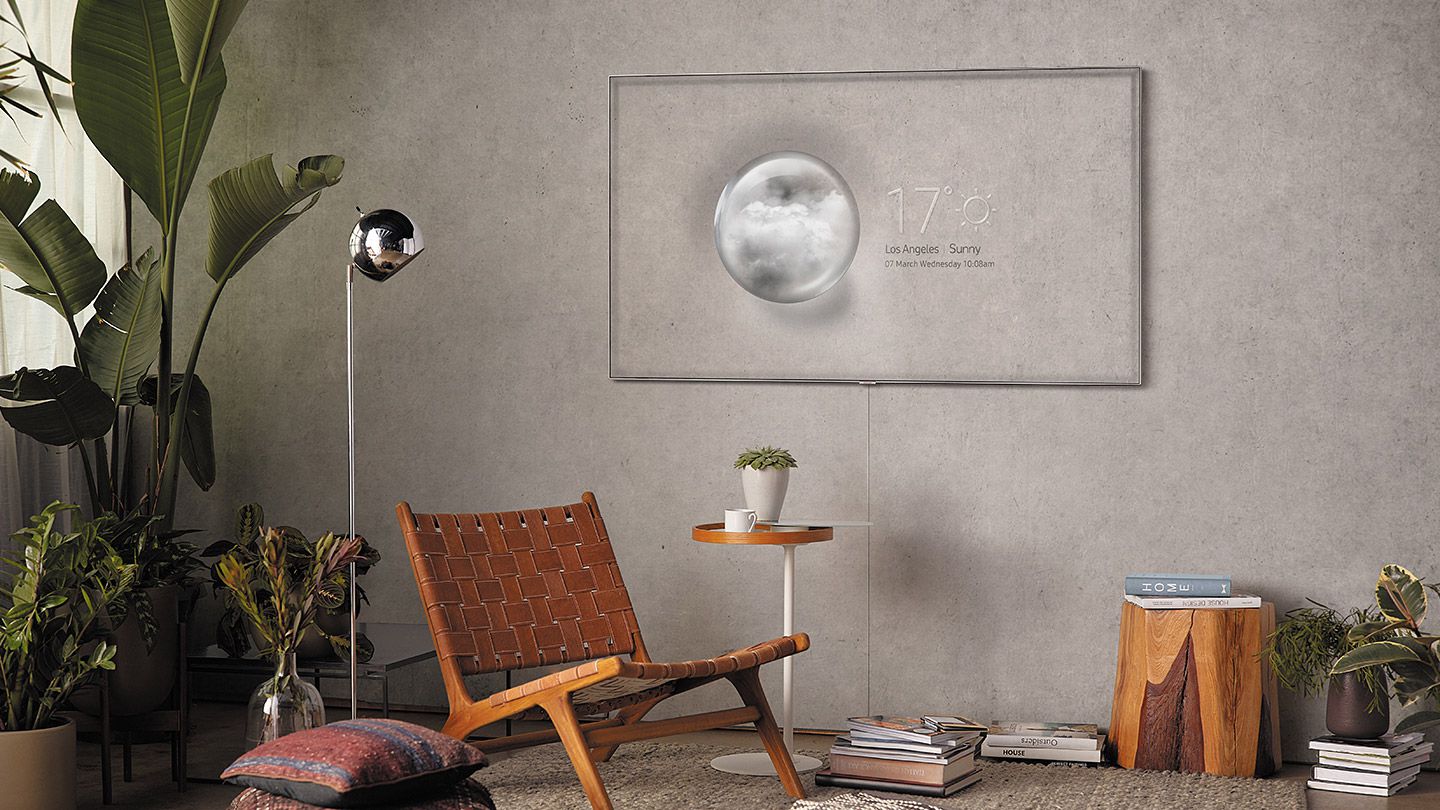
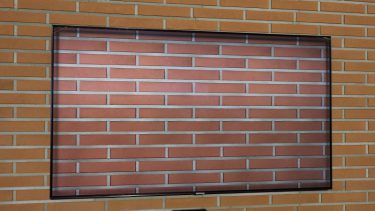
For years, Samsung has been trying to make TVs look pretty even when you’re not watching TV. The company just announced the latest lineup of its flagship QLED TVs with an all-new feature called Ambient Mode. Basically, thanks to some hardware trickery, Ambient Mode can replicate the texture on the wall behind your TV and almost make it disappear. It’s sort of like an invisibility cloak for your TV.
The demo of this new feature worked well, blending it perfectly with the brick wall behind it. I am super excited to blend a TV in to my living room wall. It would be perfect, until you see a bunch of wires hanging from some random bricks in my fireplace. that leads us to number 2
 2.A New Single Translucent Cable Wire
If i have a tv the can be translucent mounted to my wall but the tangle of cords jutting out of the back of the TV, pushing it away from the wall and then dangling down to wherever the cable box, PS4, and Wii U reside, is ugly and pointless. So Samsung did something that strikes you, innately, as both backward and forward thing—it moved all the ports of the TV.
On the 2017 Q9 TV from Samsung they have managed to pack 6 input ports in to a minuscule cord. The Cord is translucent, making it less visible against a bare wall. It will connect to a unit like Samsung’s current One Connect Box, which includes USB 3.0, coax, and multiple HDMI ports. THis seems like the answer to the translucent TV cord issue..
 3. The Wall, Summer
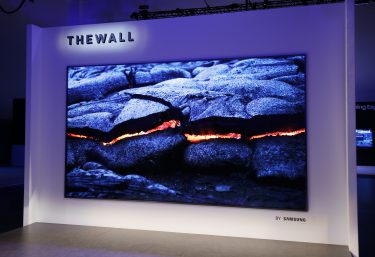
MicroLED is a technology that shrinks traditional LEDs to a smaller size, and gives them the ability to produce their own light. Think OLED, but take out the organic part. MicroLED doesn’t require a discrete backlight, and there’s no need for LCD shutters. In turn, this creates a brighter, more contrast-rich television that can turn pixels off individually. This has brought us the next level of cool from Samsung… The Wall.
Yes, yes we have all seen from the unveiling at the CES 2018 in Jan.. so tell me something I don’t know. Samsung’s the Wall is the next big thing. It seemed to be just a concept with actual production and availability in the distant future. Even Samsung said “we are still years away, their next step is a 2-5 year plan for a 75 inch MicroLED set”. With a big announcement today, we have an answer.. August.
We will see the Wall available to consumers August 2018. Given the customization nature of The Wall and the technology it uses, chances are it won’t be cheap when it does come out this summer. I am still guessing 10k.
/cdn.vox-cdn.com/uploads/chorus_image/image/58812115/twarren_180223_2327_0022.0.jpg)


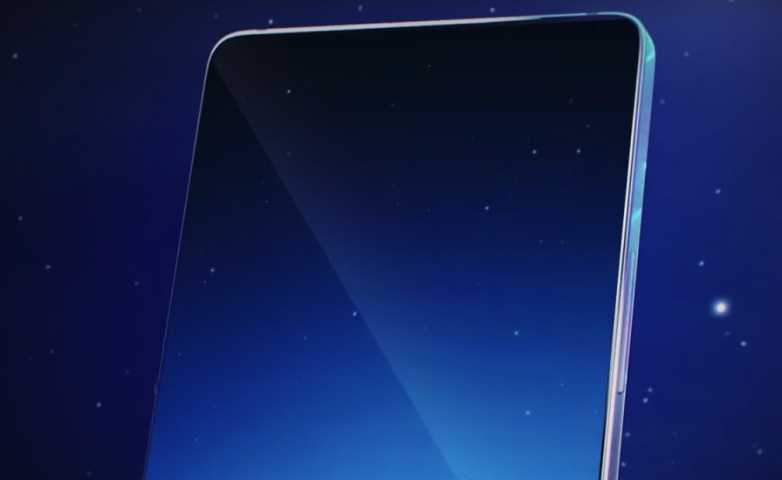
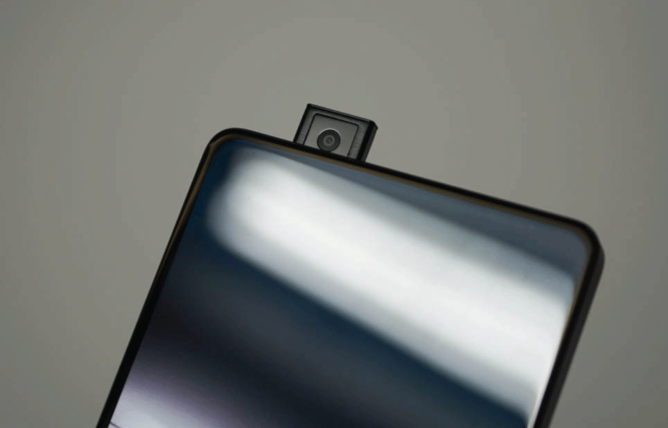
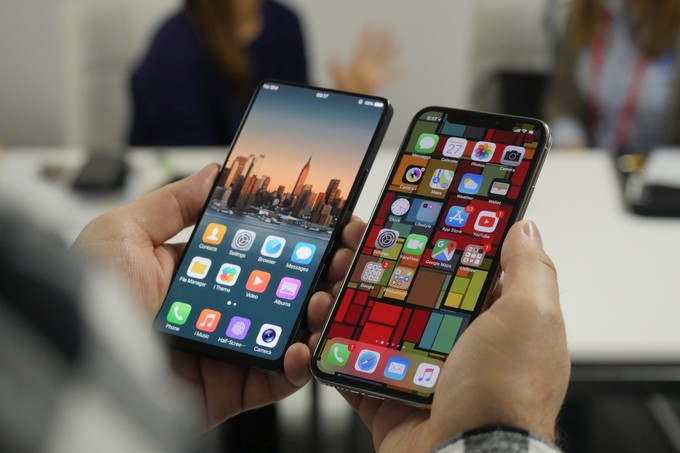
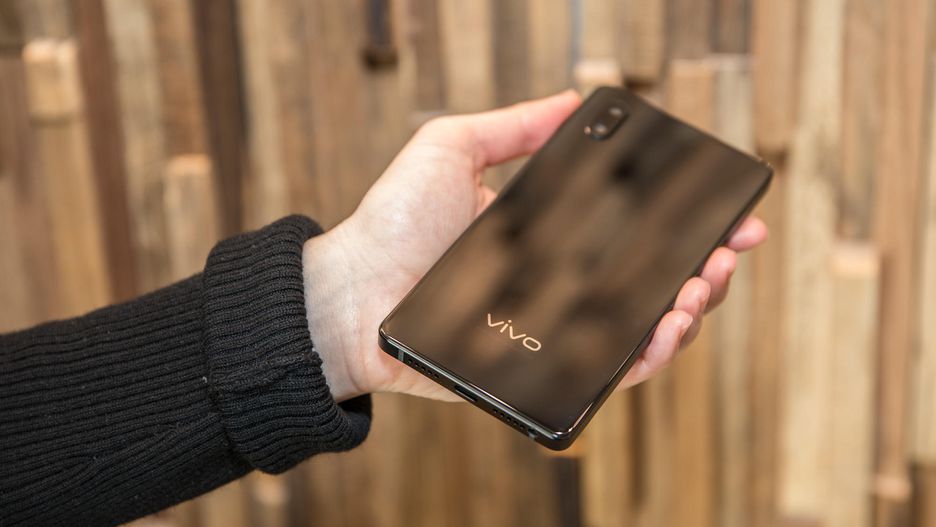
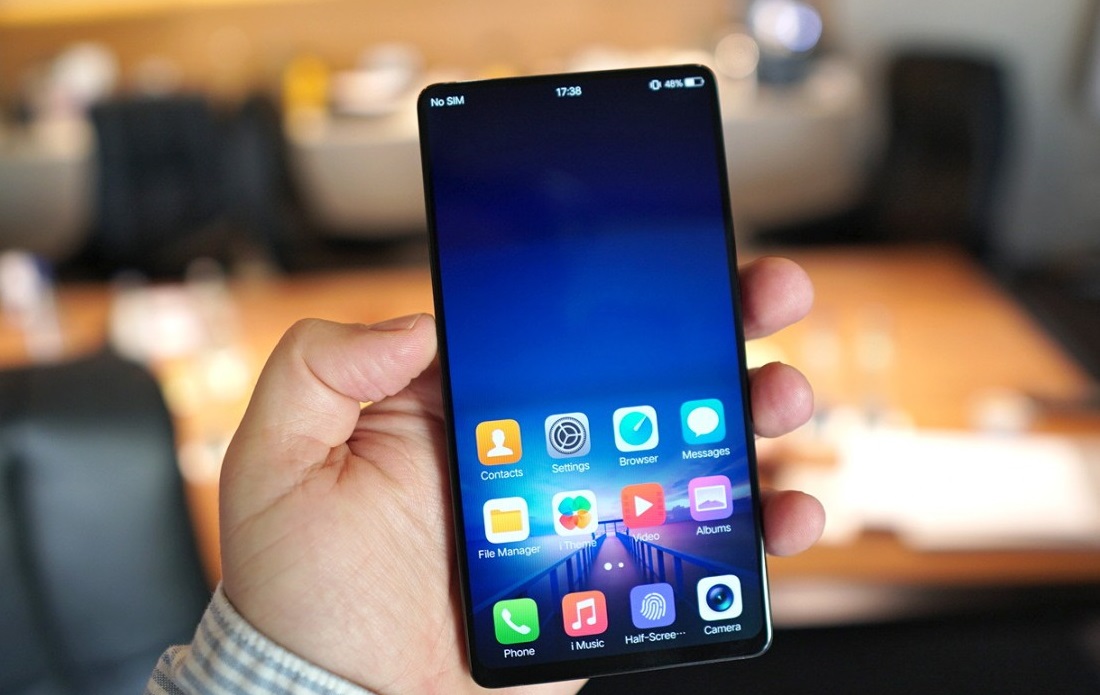 The Vivo Apex is almost completely bezelless. The frame around the face is so slim, there is no room for the front-facing camera.Flip over the front-facing camera and in 0.8 seconds an 8-megapixel lens rises up from the phone’s top edge. then wham, there is your selfie camera. The lens rises fairly slowly in the prototype. Im worried about a movable or mechanical piece on my smartphone. It will break somehow.
 To produce in-call sound, the company has developed what it calls Screen SoundCasting Technology. A vibration motor under the display vibrates to produce sound through the screen. Yes you read that correctly, the Apex OLED panels that vibrate to create the sound for your videos, calls and gaming. the speakerphone demo on the prototype sounded loud and rich.
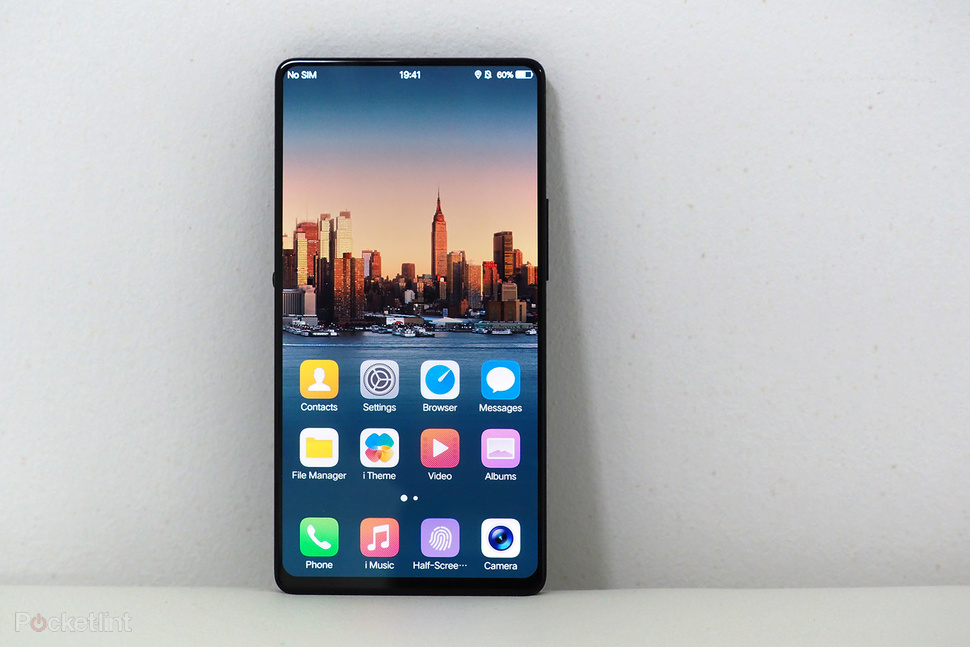 Vivo showed us at the CES in January an in screen fingerprint reader. Now Vivo has expanded the in-screen fingerprint reader. On the Apex, the target takes up almost half the bottom of the phone, instead of just a small circle. That opens all sorts of doors to simultaneously scan two fingerprints for added security, or place your finger down at any odd angle, instead of hitting it perfectly dead center.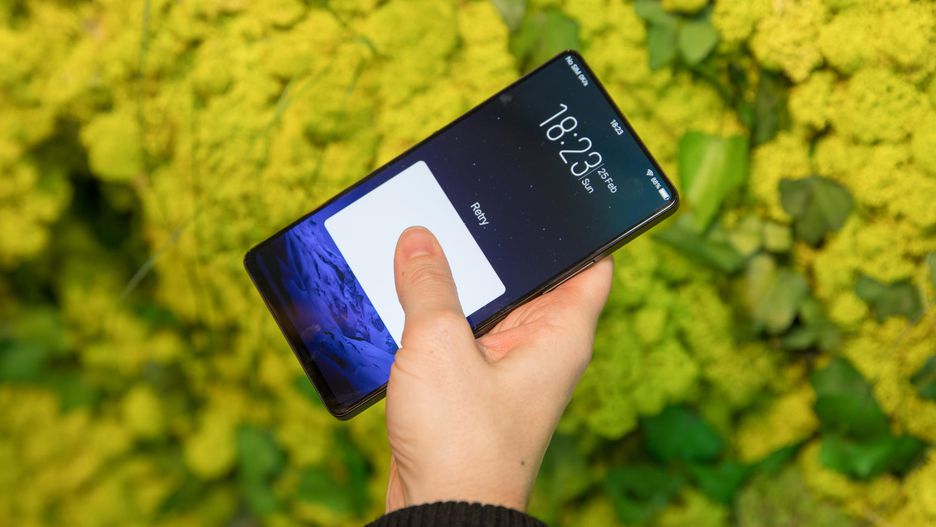
 The Final Thought
 Quick Spec Look
 The Final Thought
 Morpheus?
 Looks like a Banana
 Quick Spec Look