Category: News

  • Is Your Weed Killer Giving You Cancer? Roundup Lawsuit Awards $289 Million!

    Is Your Weed Killer Giving You Cancer? Roundup Lawsuit Awards $289 Million!

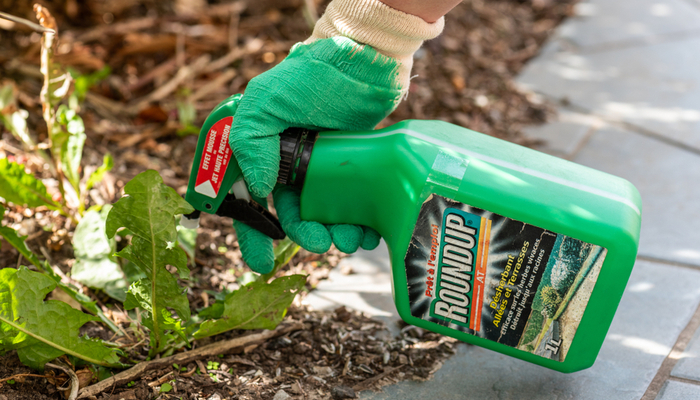
    Monsanto, the company that makes Roundup weed killer, is in a bit of hot water recently due to new lawsuits over their weed killer formula. The first case to go to trial, wherein former groundskeeper Dewayne Johnson sued the company after being diagnosed with non-Hodgkin’s lymphoma, resulted in the plaintiff being awarded a $289 million verdict.

    This has led to a sudden surge in interest in the Monsanto Roundup case. Class action suits are now underway for people who have used Roundup and then been diagnosed with non-Hodgkin’s lymphoma. There are legal teams offering free case reviews, and many people who have been affected may be owed money from litigation against Monsanto.

    Is Roundup Dangerous?

    At the time of this writing, the only organization to outright state that glyphosate is a potential carcinogen is the International Agency for Research on Cancer. Their findings hold that glyphosate, the main chemical found in Roundup, is a “probable” carcinogen. Interestingly enough, the EPA continues to deny the potential health hazards of glyphosate.

    In fact, the EPA recently published (and hastily took down) a paper with numerous inaccuracies claiming that glyphosate was actually not a carcinogen. In 2013, the EPA changed regulations defining what the safe level of glyphosate in soybean and oilseed crops was, allowing Monsanto’s product to be marketed as “safe”. This has led to some lawsuits alleging that the EPA has been doctoring research on behalf of Monsanto.

    Global Context

    Monsanto is a global mega-corporation that operates all around the world. The class action suit against them is a major factor in recent protests against the company’s business practices. Globally, the company has come under harsh scrutiny in places like Germany. There, many people are protesting the projected merger between Monsanto and German company Bayer.

    Ostensibly, the merger is to increase Monsanto and Beyer’s global reach and to pool their considerable resources. Many have speculated, however, that the move is to allow Monsanto to hide its name by operating globally as just “Bayer.” This would allow Monsanto to avoid negative associations with its old name, while rebranding itself as a clean and respectable agriculture company.

    Bans

    In France, Roundup was banned in 2015 following many protests including professional chefs. In an open letter, over 100 chefs in France wrote “citizens cannot stand by and watch their plates be filled with chemicals.” The Netherlands joined France in banning Roundup, and the two have been pressuring the EU to ban the product altogether.

    The EU voted against a 15-year license for glyphosate recently, and instead only offered an 18-month extension to the product. In light of the current class-action suit and other litigation going on in America, however, it is likely that the product will be pulled before long.

    Similar Suits

    Many lawsuits are ongoing in relation to glyphosate’s potential status as a carcinogen. Monsanto themselves have sued the state of California for allegedly “falsely listing” glyphosate as a carcinogen. Quaker Oats, another mega-corporation involved in agriculture, has also been sued over “deceptive labeling.” The plaintiffs in that case are claiming that Quaker Oats labelled products “all-natural” when they had traces of glyphosate residue on them.

    Numerous other similar suits are cropping up in the US legal system as products like baby food and wine are also found to contain traces of glyphosate. As these cases unfold, it becomes clear that use of Monsanto’s Roundup product is likely to prove rather costly for several companies.

    What This Means

    For individuals, this means if you’ve been diagnosed with non-Hodgkin’s lymphoma after being exposed to Monsanto’s Roundup product, you could be entitled to monetary compensation. It would be worth contacting a relevant legal team to have them review your case.


  • Breaking News: You Can Now Rent Tesla Solar Panels for Super Cheap

    Breaking News: You Can Now Rent Tesla Solar Panels for Super Cheap

    Tesla CEO, Elon Musk, declared that 2019 would be “the year of the solar roof,” when launching a new program that lets homeowners rent Tesla solar panels for just $50 per month! An average solar installation will save homeowners tens of thousands of dollars over its lifetime. A green investment and passive income!

    Save money and our planet with renewable energy

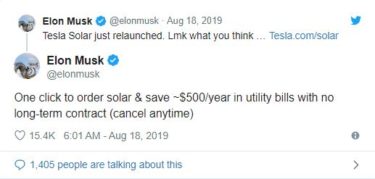
    Elon Musk took to twitter early Sunday morning to pitch Tesla’s new solar rental program. Tesla’s sales pitch for choosing the rental option is that it will be cheaper, quicker, and less of a burden for homeowners to get solar panels on their roof.

    According to Musk, the new program is “like having a money printer on your roof” for those who live in states with high energy costs. “Still better to buy, but the rental option makes the economics obvious.”

    Rentals now are available in six states: Arizona, California, Connecticut, Massachusetts, New Jersey and New Mexico. Tesla’s rental program will offer three solar panel packages, with no installation costs and no time commitment.

    Promising to make solar sexy, Tesla’s panels are virtually impossible to notice. The panels are nearly indistinguishable your neighbors normal roof tiles. To make these camouflaged solar panels, they created a special coating that becomes more or less transparent depending the angel you’re looking from.

    What’s this going to cost you?

    Under the new system, Telsa is offering customers the option to rent solar systems for anywhere from $50 a month for a small installation (except in California, where they start at $65 a month), to $195 for their largest installation. Customers only need to pay a fully refundable $100 charge. Tesla said customers can cancel the leases at any time.

    The rental rate varies by state and size of the system — small, medium, or large — but in all instances, the super cheap monthly fee covers anything from the hardware and installation to maintenance and support. According to the agreement, owners can purchase the system outright five years after it’s up and running, too.

    What’s the catch?

    For starters, Customers must own their home to have the panels installed. Tesla doesn’t require solar panel renters to sign a long-term contract and claims the process of signing up requires just “one click, instead of lengthy consultations and piles of paperwork.” While the contract can be canceled any time and renting Tesla’s solar panels might be cheap and easy, be aware that they will charge users $1,500 to remove the system once it has been installed.

    Just how powerful is the sun?

    According to the U.S. National Renewable Energy Laboratories (NREL), the amount of energy from the sunlight that falls to the earth in one hour could supply the world’s energy needs for an entire year! Powerful Indeed.

    What would it normally cost to purchase and install solar panels?

    Residential solar costs are at their lowest in over 30 years. For reference, Tesla sold the systems, which can cost upwards of $30,000, in Home Depot stores for several years, but now it relies entirely on direct sales like its electric vehicles. More affordable than ever, today’s residential solar panels feature technology advances that maximize power production.


  • Talcum Powder Class Action: What You Should Know

    Talcum Powder Class Action: What You Should Know

    If you’ve watched any daytime TV lately, or been listening to the radio much, you’ll probably have noticed a trend. There are a ton of ads for class action suits being taken up against Johnson & Johnson in relation to cancers caused by their talcum powder. What should you know about these suits, and could you be owed money? Read on to get a better grasp on this situation so you can find out what you need to know.

    Talcum Powder Class Action

    Background

    In late 2018, a jury awarded plaintiffs in a suit against Johnson & Johnson a $117 million mesothelioma verdict and a $4.69 billion ovarian cancer verdict. The case alleged that the company knew fully well that their product was likely to cause mesothelioma and ovarian cancer, but hid this reality from the public in order to continue selling it. Around the same time this suit was being resolved, Johnson & Johnson agreed to pay another $1.5 million to settle another mesothelioma case.

    Much of the information in regards to this case was actually broken in a Reuters article that investigated the matter. In that article, it was found that the company has known for decades that the talcum powder they use for their baby powder products has been tainted with asbestos. Asbestos is a highly dangerous mineral for humans, and is known for being extremely carcinogenic.

    The Report

    According to the Reuters report, Johnson & Johnson had been informed several times between the early 70’s and 2003 that there were traces of asbestos present in the talcum powder used in their products. On their own website, the company has denied these claims as “absurd conspiracy theories,” in spite of their recent losses in court. At present, the company continues to defend its baby powder products as “safe and asbestos-free.”

    The documents showing that Johnson & Johnson were aware of the danger posed by their products were also cited in the Reuters article. These documents had been kept secret prior, though they were made public as a result of the lawsuit against the company. In the face of these court proceedings, and the Reuters report, a class action suit naming several companies has appeared.

    The Class Action

    Several companies, including Johnson & Johnson, Vanderbilt Minerals, Colgate-Palmolive and Imerys Talc America, have been named as defendants in the suit. At present, Johnson & Johnson is facing over 11,000 talcum-related lawsuits, making them the most-named defendant out of those named in the class action suit. Most of these suits are being settled for undisclosed amounts as the company is facing mounting pressure to address the numerous claims that their products cause cancer.

    While most of the settlements have been undisclosed amounts, one settlement is known to have been for $1.5 million. This class action has the potential to be absolutely devastating for the companies named as defendants. In a quote from the Bar Association, a lawyer confirms as much: “Thousands of companies used cosmetic talc in their products over the last hundred years. The entire population could claim exposure, especially to defendants that sold personal care products that could be ingested, inhaled or exposed via air-borne contact.”

    What This Means

    If you, or someone in your family, developed mesothelioma or ovarian cancer after using Johnson & Johnson baby powder, you should speak to a lawyer representing a class action that names the company as defendants. Odds are good that you could be owed money: it’s worth talking to a lawyer to find out more. Remember, every case is unique, so make sure you do your research before stepping into the legal arena.


  • Apple TV+ News: What We Know

    Apple TV+ News: What We Know

    It’s 2019, and it seems like everyone wants a piece of that sweet, sweet streaming money. When Netflix started streaming some select content on their website over a decade ago, it seemed like a novelty that would do little to disrupt the way cable companies operated. Now, however, nearly every media company is trying to get a piece of the streaming pie. Between CBS All Access, Disney Plus, DC Universe and numerous others, the streaming field is extremely crowded.

    Yet another huge name is entering the streaming world, with Apple TV+ announced to be landing before the end of the year. While pretty much every streaming service offers good video quality and great streaming content, the important differentiators between them are their exclusive content. So, what is Apple TV+ bringing by way of exclusive content to attract users away from Netflix and Hulu?

    The Service

    Apple has long been spinning up to become more “service-focused,” as they themselves have stated at numerous tech shows and investor calls. Apple TV+ is clearly the biggest part of that, and is meant to go hand-in-hand with other Apple subscription services like Apple Music. At present, many details about the service are unknown. However, speculation holds that it will likely cost less per month than Netflix in order to combat the streaming juggernaut.

    Hard details, like the exact price, release date and availability, are all being kept under tight wraps for now. It’s safe to assume that the service will be available on Apple TVs, on iOS devices and on Macs. However, it’s unclear whether it will be available on other streaming platforms, like Amazon Fire TV, Roku, or Android TV devices. However, we do know some details about noteworthy shows we’re going to be seeing on the service. Read on for details.

    The Morning Show

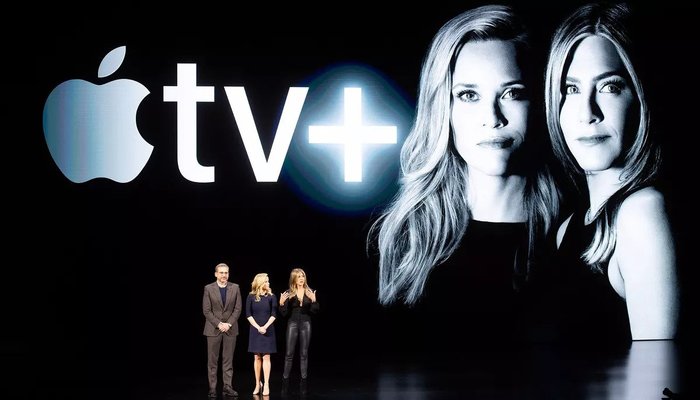
    One of the biggest marketing pushes we’ve yet seen for Apple TV+ has been for “The Morning Show.” While looks on its face like an actual morning show in the advertisements, it’s actually a scripted drama based around characters who work for a morning TV show. Reese Witherspoon, Jennifer Anniston and Steve Carrell are all set to star. The series will mark the return of Steve Carrell to TV after the end of The Office.

    Interestingly, Apple seems to be betting big on The Morning Show, having already ordered two seasons of the show. It’s likely to be a cornerstone of the advertisements for Apple TV+, as the star power involved is tremendous. That said, the quality of the show alone will likely dictate how it performs. If it’s the smash-hit Apple is expecting, it could likely drive users to the service.

    See

    Speaking of star power, the fantasy epic “See” will be starring Jason Momoa and Alfre Woodard. Leveraging Momoa’s history of portraying fantasy characters and Woodard’s exceptional work with Marvel, the series will likely serve as a huge talking point for the service. “See” is set in a world where a virus has decimated most of humanity and left only a few million survivors behind. Those survivors have all been rendered blind by the virus. The show is set to take place centuries after the current day.

    For All Mankind

    If “See” is the service’s keystone fantasy series, then “For All Mankind” is set to be the sci-fi end of the spectrum. The series will be helmed by Ronald D. Moore, of Battlestar Galactica fame, and will center on an alternate-history version of our own world. The series asks the question: what would happen if the space race had continued long after it ended in our own world? The speculative series will likely serve as the main sci-fi series for the service to round out the major pillars of TV favorites.


  • MacBook Deals: Why are They so Cheap Right Now?

    MacBook Deals: Why are They so Cheap Right Now?

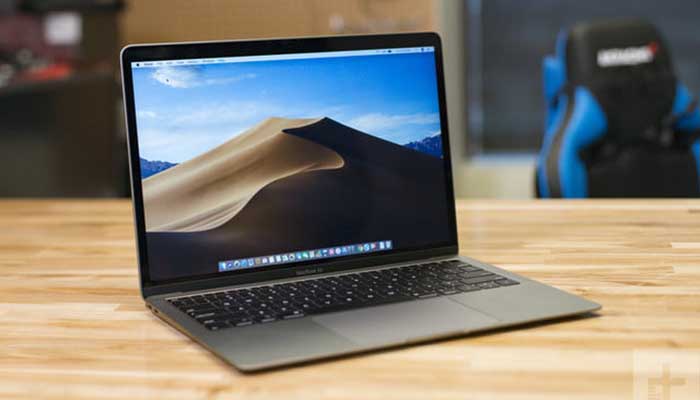
    It’s back to school season, which means it’s time to get all the best supplies. If you’ve been holding out for great deals on back-to-school tech like laptops, then the recent price trends of the 2019 MacBook Air and MacBook Pro should have you excited. Both devices have seen steep price cuts only a few weeks after hitting the market. But why is that, and how can you take the best advantage of it? Let’s take a closer look.

    MacBook Deals: What’s Going On?

    The Deals

    The newest MacBook Air, which dropped in July of this year, started off at $1,100. However, over the weekend, the device has been spotted on sale for as low as $900, and that’s before even considering back-to-school events that could help you save even more. Likewise, the 2019 MacBook Pro, which started around $1,900, can be found on sale for up to $300 off at several retailers. Again, this is before factoring in back-to-school sales.

    MacBooks are ideal for college students, as they are both easy-to-use and well-tuned for creative endeavors. The sleek interface is top-notch, the software is snappy and reliable, and you don’t have to worry about any viruses sneaking into the airtight Mac OS. As such, if you’ve been holding out to pick up a new laptop for heading off to college, the MacBook is the one you want, especially in light of these deals.

    Why the Price Cuts?

    Apple isn’t exactly a budget brand, so many are wondering what exactly is going on with these price slashes. After all, the 2019 MacBook Air landed just five weeks ago, and it’s already seeing serious price cuts. What gives? Is something wrong with these laptops?

    Well, there are a few factors at play. Firstly, Apple is seeing their products sitting on store shelves for longer than retailers would like. The company shipped a lot more MacBooks to retailers than they normally would for a first shipment in order to get out ahead of projected tariffs on goods assembled in China. Keep in mind, tariffs apply on the import date, not the sale date.

    Since retailers have tons of these MacBooks on shelves, they’re eager to move some units. However, as we’ve established, Apple products are really expensive. So expensive, in fact, that many people would just as soon buy a Windows laptop or a Chromebook of similar build quality for several hundred dollars less. Low demand and high supply tends to have the effect of squeezing the price of a product down.

    Why This is a Big Deal?

    Apple’s products don’t usually go on sale at all. If you were lucky enough to find a discounted Apple product, it would be an older model that a retailer was trying to offload. It’s almost entirely unheard of to see brand-new Apple products getting $300 price cuts. One could compare Apple to Nintendo, another company who’s products almost never see price cuts until they’re obsolete, or Disney, who sells eighty-year-old movies for full retail prices.

    While some may argue that Apple’s products should start out closer to this price point, it’s hard to deny the superb build quality and excellent user interface of MacBooks. The perfect storm of economic pressures and unusual political climates have made for a great moment for buyers. Whether you’ve used a MacBook before or you’re just looking for a great laptop to carry off to school with you, there’s never been a better moment to snap up a brand-new Mac.


  • Foldable iPad on the Horizon? Rumor Mill

    Foldable iPad on the Horizon? Rumor Mill

    By now, if you haven’t heard of the Samsung Galaxy Fold, you’ve done a great job avoiding the folding smartphone hype that Samsung has generated. Many Apple fans have been left wondering: does this new folding phone hype mean that a foldable iPhone could be coming?

    According to insider info from an investor note reported by CNBC, it’s more likely we first see a folding iPad before the tech comes to the smartphone line that started the smartphone craze. The note indicates that Apple is “steadily working” on a folding iPad, and expects to release the device in 2020.

    Foldable Craze

    For a brief moment after the April delay of the Samsung Galaxy Fold, it looked like the folding phone hype might die before the first example of the technology even hit the market. However, Samsung seems to have course-corrected the beleaguered device and is set to launch it properly by the end of September. The hype surrounding this device can’t really be overstated.

    The biggest draw to these folding handset designs, like what we’ll also see on the Huawei Mate X, is that they pack the size of a tablet into the portability of a smartphone. That, alone, is a big reason to be excited about this tech getting traction. However, there are some serious hurdles to overcome in order to make the folding designs of these touchscreen devices a possibility.

    Folding Screen Hardware

    One of two things is required for a folding smartphone or tablet to become a reality. That’s either a firm, foldable plastic, or an as-yet undeveloped bendable glass to use as a display. The Samsung Galaxy Fold, for example, is using a durable, pliable and strong plastic for its display. It’s likely Apple will be utilizing similar materials for their folding devices, though they could be waiting for the much-rumored folding Gorilla Glass to become a reality.

    Another issue that Apple is likely looking to avoid is the same PR backlash that hit Samsung when the Fold was delayed. Review models of the Fold were reported to have serious hardware issues, including the screen flickering, debris working under the display and causing bulges, and a thin membrane that could be peeled off the display resulting in a complete screen failure. Apple will likely be more patient than Samsung in developing their own folding devices.

    Why iPad First?

    The news that Apple will focus on iPad before bringing folding tech to the iPhone is interesting. While Samsung has more interest in making their smartphone screens larger, Apple seems to want to start by making their larger devices more portable.

    It’s unlike Apple to roll new features to the iPad before the iPhone, though, in this case, the company could be hedging their bets. After all, folding displays have more hurdles to overcome than just hardware. There’s also the issue of hardware cost.

    Hardware Cost

    It’s no secret that smartphone tech is getting more expensive as the years go by and manufacturers are cramming more and more high-tech features into them. However, the eye-watering $2,000 price tag of the Samsung Galaxy Phone has even power users thinking twice before reaching for their wallets. It was already difficult for many to reconcile a $1,000 smartphone, but doubling that might be a bridge too far for some users.

    As such, it’s not surprising that Apple might test the waters with a folding iPad, first, to gauge interest. After all, the iPad tends to have a higher starting cost than the iPhone. Adding a few hundred more dollars to that cost to include a folding hinge might not be as big of a turn-off for iPad buyers as it would be for iPhone buyers.


  • Kia Seltos First Look: A New Crossover Niche for Kia

    Kia Seltos First Look: A New Crossover Niche for Kia

    It would be a serious understatement to say that SUVs are red-hot right now. Where once sedans were the workhorse car for the family, SUVs are now the go-to for a busy family with lots of driving to do. Among carmakers, Kia is one of the best for lovers of crossovers and SUVs: the Sorento, the Sportage, the Telluride; the list goes on. With the new Kia Seltos, that list is about to get even longer.

    Kia Seltos First Look

    The New Niche

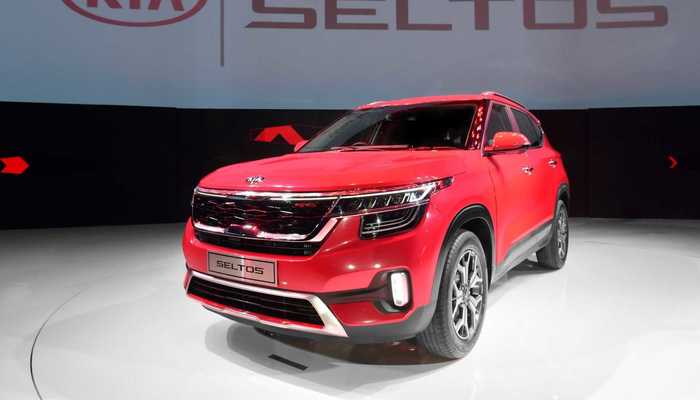
    Kia just lit up competition like the Traverse and Atlas when it released the massive Telluride SUV recently, but now it’s gunning for some very different SUVs. The Seltos is more of a crossover SUV, a bit smaller and sportier, and is looking to compete with vehicles like the Honda HR-V. Ostensibly, this puts the Seltos as being a bit beefier than the Soul, but a bit slimmer than the Niro.

    To back up those “crossover” claims, the Seltos will have options for center locking differential and all-wheel drive, all while looking the part. The design is active and sporty, with a tall nose and some smooth lines around the body. The recognizable Kia “tiger-nose” grille is here and is as complex and busy as ever, complete with a fascinating stacked-LED headlamp design. In short, this car looks weird, interesting, and, most importantly, cutting-edge.

    Drive Quality

    The Seltos sports another tried-and-true Kia design: the rock-solid 1.6-liter, 175 horsepower engine you’d recognize from other Kia SUVs. While this engine won’t be winning any street races, it’s still a solid drive train for your daily driver, offering good acceleration to keep up with highway traffic. Power is smooth and pulls evenly, while the transmission shifts evenly when you’re asking it for more power.

    The ride quality is also stellar. Between the smooth suspension and clean handling, this is clearly a vehicle for people who need to do a lot of driving. For a busy person with a family who needs to drive around town a lot, these are some pretty great features. All of this goes hand-in-hand with a comfortable interior that is amply stocked with tech and safety features.

    Interior

    The materials on display in the Seltos’ interior are simple and straightforward, which all works well for the vehicle. Despite a more measured appearance than an SUV like the Telluride, the Seltos still manages to come across as refined and nice, if not exactly luxurious. There’s a lot of black plastic on display, but it all looks reasonably nice.

    A 10.2-inch touchscreen pulls infotainment duties, doing a good job of running Kia’s UVO infotainment OS. The interface is snappy, quick to respond and easy-to-use. As you might expect from a tech-focused company like Kia, the Seltos’ infotainment system is compatible with both Android Auto and Apple CarPlay, allowing you to use your smartphone’s features through the robust in-car system. The best thing about this interior, though, is the full complement of safety features.

    Safety Features

    Six airbags might sound like a lot, but you’ll be glad to have them if you get into an accident. Options for automatic braking in an emergency are available, as is rear cross-traffic alerts and pedestrian detection. There’s also an impressive and comprehensive suite of lane-keep assist technology. Kia’s marketing claims this feature is robust enough to keep you in your lane even when you’ve got your hands off the wheel. This system works in tandem with an adaptive cruise control to allow you to somewhat automate highway driving.

    The 2020 Seltos isn’t confirmed to be coming stateside just yet. However, given how impressive the little crossover looks, we’d be surprised if we didn’t see it here very soon.


  • New Samsung Galaxy 10 Details Leaked Only Hours Before Launch

    New Samsung Galaxy 10 Details Leaked Only Hours Before Launch

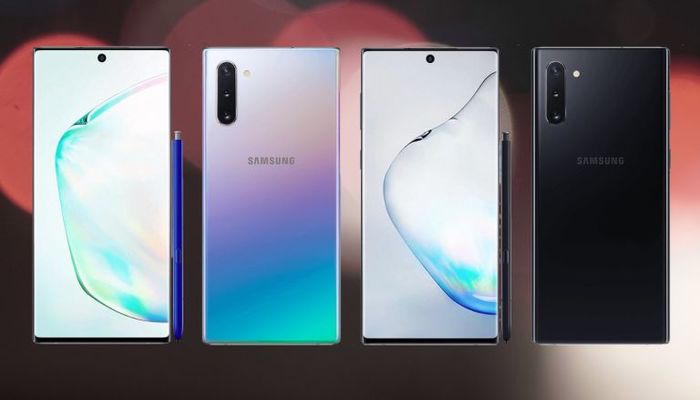
    Samsung’s Galaxy Note 10 is said to be one of the best and most powerful phones of 2019. The Note 10 is launching today, August 7, but that hasn’t stopped the leaks and videos – here’s everything we know.

    To announce the launch of the new Galaxy Note 10 today, August 7, Samsung is hosting a live press conference in the Big Apple, Brooklyn to be exact. The launch event kicks off at 1PM PST / 4PM EDT (9PM BST). Rumor has it that with all the leaks over the past few months combined, it is doubtful that Samsung will have very many surprises in store for us. Here’s what we know.

    Galaxy Note 10 Leaks

    Assuming the combined Galaxy Note 10 leaks are legitimate, Samsung will be announcing two versions of the new Galaxy Note today – The Note 10 and the Note 10 Plus. Equipped with 6.3-inch and 6.8-inch screens, the new smartphones will certainly not disappoint. According to the leaks, they will both be sporting an all new S-Pen, which will basically serve as your personal magic wand with air gestures for your new smartphone. But wait, there’s more!

    Alongside a rumored “Superfast Charge” that will feed the Note 10 hours of battery juice in just a matter of a few minutes, a Verizon ad campaign has gone live to promote the new smartphone, confirming it to include a 5G option when purchasing. This brings the total number of new Galaxy Note 10 to four options! What does 5G mean?

    5G Speeds

    5G is the latest and fastest version of cellphone technology, made to download and upload at lightning speed! So, whatever you are currently doing on your smartphone, you’ll be able to do it faster and better with the new Galaxy Note 10 5G option. But we know the real question you’re wondering – How much will this cost you?

    Cost

    Well, there is no getting around the fact that with every new smartphone that comes out, the higher the price tag that comes with it. When we look at the Note 9, there is no doubt that it is a very, very expensive phone, and we are not expecting the Note 10 to be any less pricey. While the price has not yet been officially confirmed, we have the scoop.

    According to Droid-Life, we should see the Galaxy Note 10 start off around $950 and the Galaxy Note 10+ to start off at $1,100. On the contrary, a leak from Russia indicated that the Note 10 will at a price point between $1,100 – $1,200. Is it worth it?

    Features

    While the Galaxy Note 9 was jam-packed with worthwhile features, in many ways it felt like only a small upgrade from the Note 8, released just the year before. We have high hopes from the Samsung Galaxy Note 10 to justify the hefty price tag that comes with it.

    While all recent Samsung smartphones have included water resistance, the Galaxy Note 10 is equipped with protection that is expected to have a significantly stronger defense against high-pressure and high-temperature water. That’ll come in handy the next time you drop your phone in some water.

    Video Leak

    In the leaked clip, it appears that the Galaxy Note 10+ comes with a small punch-hole cut out for the front camera. While the top smartphones that are currently in the market have the capability to record with HDR video, the Galaxy Note 9 does not. This is a very weak point to an otherwise great camera.

    We are hopeful that the Galaxy Note 10’s high price point will include not only HDR recording, but like many competitors a 4K HDR recording feature. Could the imminent release of the new smartphone race to the top of the best Android Phones? There is not a long wait to find out.


  • Wi-Fi 6: Should You Upgrade Now, or Wait?

    Wi-Fi 6: Should You Upgrade Now, or Wait?

    The newest certification of Wi-Fi speeds, Wi-Fi 6, is now a reality. Next-generation routers like the Netgear Nighthawk AX12 are capable of speeds up to thirty percent faster than the top-of-the-line Wi-Fi 5 routers that are the current standard. What does this mean for the average consumer? Is it time to upgrade, or will your existing router be good for a while longer? Let’s take a closer look.

    Wi-Fi 6

    How Fast is it?

    The first question that needs to be asked of the new wireless standard is “just how fast is it?” Unsurprisingly, the answer is that it’s absurdly fast. In preliminary testing, Wi-Fi 6 routers have shown themselves capable of speeds pushing 1.2 gigabits per second. This means that the newest wave of routers would have the transfer speeds required to allow for incredibly smooth streaming video and games, as well as download speeds that sound unreal.

    At present, the fastest Wi-Fi 5 rated routers aren’t capable of pushing 1 gigabit of speed. This means that anyone with a direct fiber internet connection capable of putting out a gig of speed aren’t able to get all of the speed they’re paying for! As such, if you’re already paying for fiber speeds, it might be time to consider upgrading to the cutting edge of routers.

    What This Means

    This new Wi-Fi certification means more than just blisteringly fast speeds. Thanks to the increased power offered by the new standard, public Wi-Fi will likely get better in the coming months and years. Wi-Fi 6 routers can cover a much broader area than their Wi-Fi 5 cousins, and they can also connect to more devices at once without compromising speeds.

    Notably, Wi-Fi 6 routers are backward-compatible with Wi-Fi 5 devices. This means, essentially, every device you own that can use a Wi-Fi connection, from your phone to your tablet to your laptop. However, most devices that are rated for Wi-Fi 5 won’t be able to take full advantage of the speeds offered by Wi-Fi 6. That said, the routers themselves will be able to service more devices at once, meaning they’ll be useful even for older devices.

    High-Speed Internet

    One of the most important things to keep in mind when you consider router transfer speeds is that they’re only one link in a chain. Think of it like being on an assembly line making widgets. If you can make thirty widgets in a minute, that’s great! However, if the person to your left, who hands you completed wodgets to make into widgets, can only make ten wodgets in a minute, then you’re bottlenecked. As such, you can only make as many as the slowest person in the chain.

    The same thing occurs with Wi-Fi routers. Even if you had a brand-new Wi-Fi 6 router capable of transferring data at over a gigabit per second, that wouldn’t do you any good if your ISP is only sending you speeds at 100mbps. As such, most houses that are getting the average internet speed actually aren’t going to be interested in the newest Wi-Fi 6 routers right away. That is, of course, unless they want to future proof.

    Future Proofing

    In the years to come, it’s expected that average internet speeds will continue to rise steadily. As direct fiber connections become more common, speeds exceeding one gig will become the norm. This means that in the next few years, it’s likely that most Wi-Fi 5 routers will become outdated and unable to keep up with average transfer speeds.

    In short, that means that most homes won’t need a Wi-Fi 6 router right away. However, if you already get fiber internet speeds, you might see a bump in your Wi-Fi speeds with these new routers. Similarly, if you want to future-proof your home for the coming increases in internet speeds, you could opt for a Wi-Fi 6 router now. In either case, you’ll be picking up one of these new routers sooner or later as Internet speeds increase across the board.


  • Google Takes Aim at iPhone with Pixel 4 Features

    Google Takes Aim at iPhone with Pixel 4 Features

    Back in June, Google “leaked” their own official image of the Pixel 4. Then, they unveiled a YouTube video that showcases the Pixel’s motion sensing technology, and, most impressively, face unlocking technology. Clearly, Google’s got its eyes set on taking a piece of Apple’s pie. Let’s talk about some of the features confirmed to be coming to Google’s newest flagship phone.

    Pixel 4 Features

    Rear Cameras

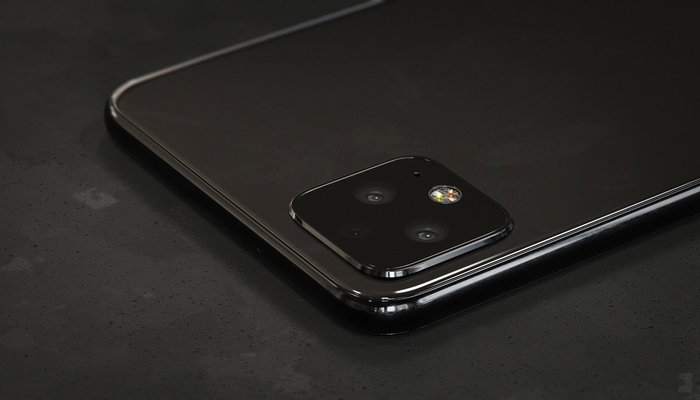
    One of the confirmed features coming to the Pixel 4 is a multi-camera array on the rear of the phone. The Pixel phones have all sported rather impressive cameras over their lifespan, rivalling even Samsung and Apple for their camera fidelity. While the confirmation that the Pixel 4 is a powerhouse in terms of cameras is far from surprising, it’s still comforting.

    That multi-camera array is housed in a square-shaped setup on the back of the phone, in the top corner. This square isn’t dissimilar from leaked photos we’ve seen of iPhone 11s, which are also set to release with a multi-camera array in a square housing. As Google continues to make moves to position themselves as “Apple, but open source” its not surprising that they’re emulating the Cupertino design ethos.

    Face Unlock

    The recently-unveiled YouTube video from Google’s official account goes into more detail about the upcoming phone’s features. Notable among them is the face unlock functionality, which Google promises to be robust and responsive. The company has a bit of an uphill battle when it comes to making this technology competitive with Apple’s offering, though.

    Apple’s Face ID technology is downright astonishing. Men using the phone can shave their beards and still be identified. Women under heavy amounts of makeup can still unlock their phones. Essentially, the Face ID technology blows fingerprint scanners out of the water in terms of both security and convenience. Google’s likely trying to emulate this intersection of secure and useful with their own iteration of the face unlock feature.

    Motion Detection

    A very unique aspect of the Pixel 4 is the motion-detecting software shown off by Google in the promotional material. This “touchless” input form isn’t unlike the LG G8 ThinQ, which also allows for various inputs in the form of gestures made with the handset. Google promises functions like skipping songs, pausing videos, silencing calls and snoozing alarms will all be capable through the use of the motion technology.

    Both the motion detection and face unlock seem to be based in the Soli radar chip. This is likely why the phone has only one front-facing camera in spite of offering face unlock. The radar chip can detect distance and motion in ways that other phone chips simply can’t. Apple’s Face ID, for instance, requires two cameras to take a 3D scan of your face in order to secure unlock your device.

    Pixel 4 in Context

    It’s no secret that Google is less than pleased about the sales performance of the Pixel 3 line. There are a number of hurdles that the handset simply couldn’t overcome in order to break through for Samsung-like success in the crowded Android market. For instance, it’s only available through Google’s site or in Verizon stores, though it can operate on any network. Another thing holding the phone back is stiff competition from Samsung, OnePlus, LG and Huawei.

    The Pixel 4 will need to be exceptional to catch the eyes of Android users. By positioning themselves as the “Android iPhone,” Google’s doubling down on the boutique-style, “all in house” feel that Apple offers with their tight focus on iOS through their own devices. Hopefully, for Google, they have more in their bag of tricks this time around to make the Pixel 4 a popular choice for Android users.