Category: Smart Devices

  • R-9 Smartglasses and I Can See The Future Clearly Now

    R-9 Smartglasses and I Can See The Future Clearly Now

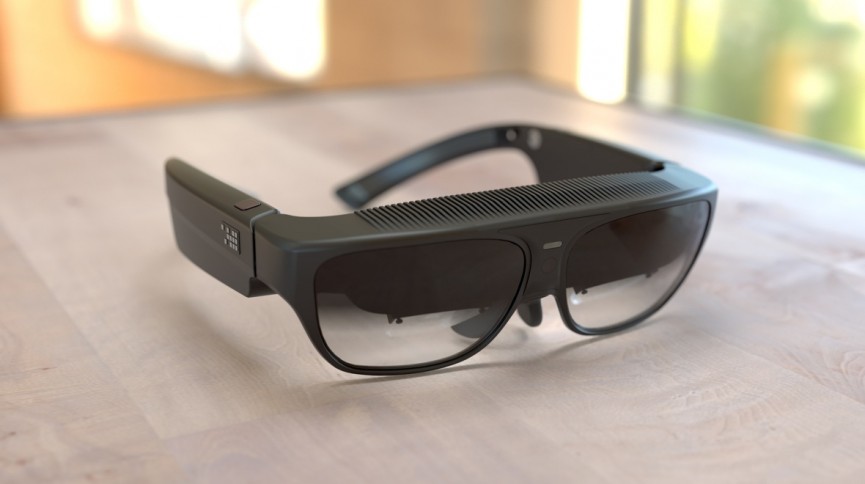
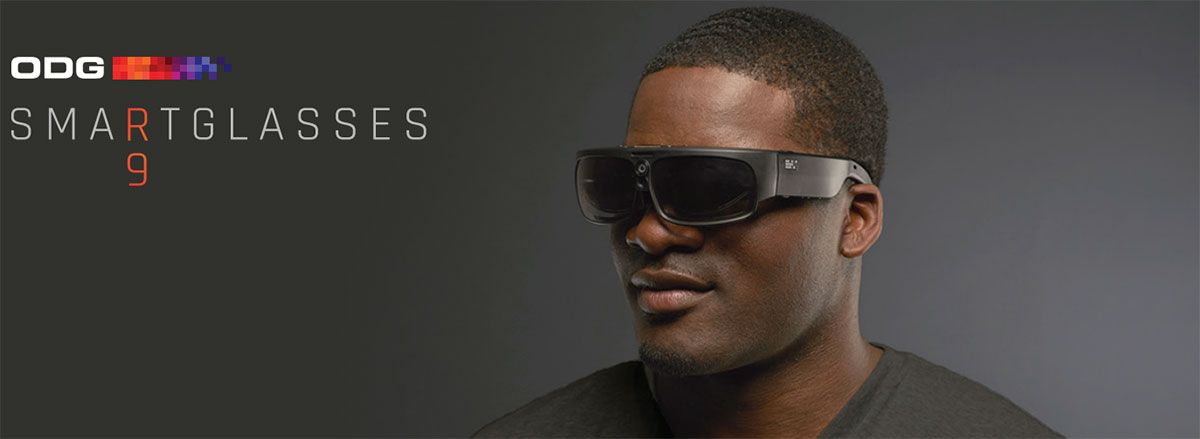
    R-9 smartglasses are ODG’s visual powerhouse and offer an extra-wide-field-of-view for enterprise design and visualization, gaming and entertainment, and extended reality development. Leverages Qualcomm’s Snapdragon 835 chipset, 6DoF and SLAM technologies to create, collaborate and consume content.


    These are the real deal with Dual-stereo depth cameras for advanced mapping and tracking, expansion port for customization, and Qualcomm’s Snapdragon 835 chipset for the ultimate XR experience. THX-certified, Hollywood-standard smartglasses delivering true cinematic quality.Powerful, versatile, and with a 50° field-of-view, R-9 is ideal for light enterprise and prosumer media consumption use. It plays movies with
    cinematic clarity, drops you inside immersive 3D interactive experiences, and reveals new worlds of invention and productivity. R-9 is also a flexible development platform for mobile virtual reality and mixed reality experiences, with module expansion capabilities that make it our most
    customizable device for a wide variety of environments and end user.
    The Looks

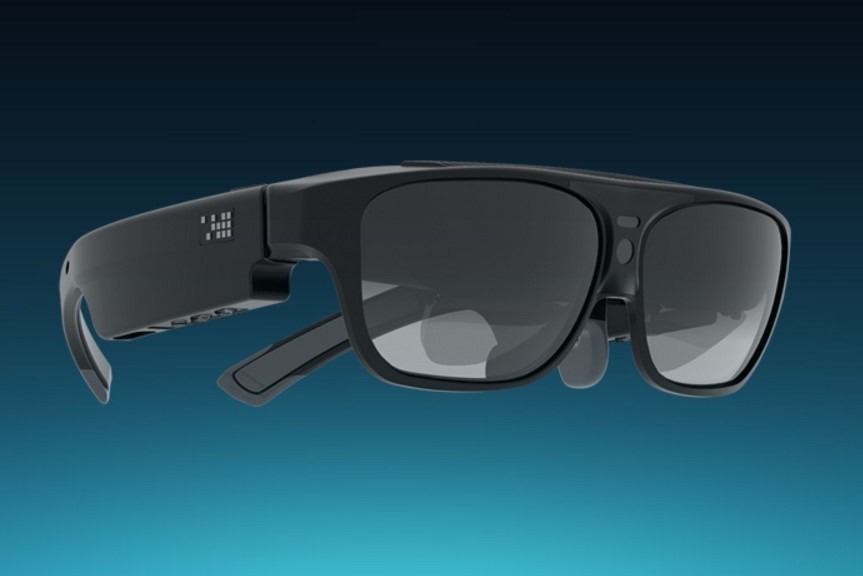
    Ive been looking for this type of solution, AR/VR glasses that can have a multiple use as real sunglasses. These units definitely look and feel much closer to real glasses than anything I have seen in the arena currently. They weigh far less than the HoloLens, and at a distance past 10 feet, could easily pass as a real pair of sunglasses.

    Unlike the HoloLens, the form factor of both the R-8 and R-9 are too small to wear with a pair of glasses. So one important feature that I had missed previously is their ability to have prescription lenses placed in them—with a simple snap. The ODG team had a selection of lenses at GDC for just that purpose waiting on the table for the glasses wearers in the room, thankfully.
    The Feels

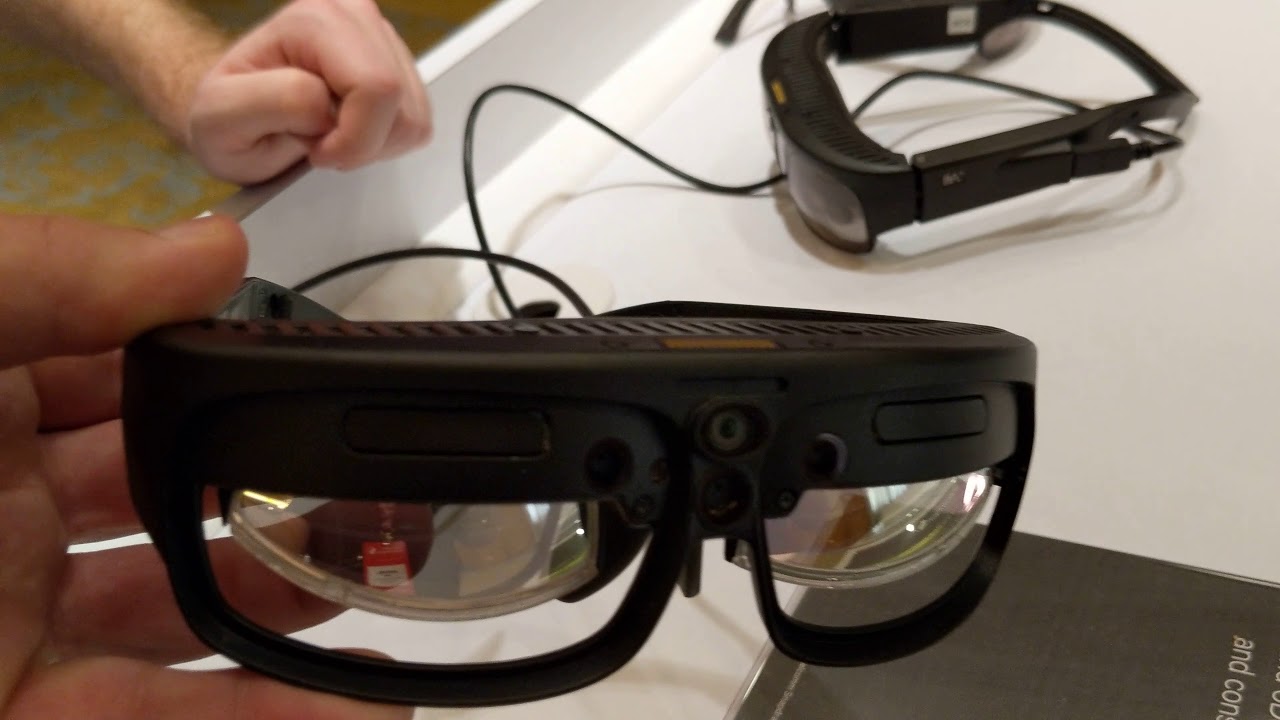
    The demos that I saw were fully immersive applications, more in line with a VR experience, through a non-occluded headset. This is arguably not an ideal test for smartglasses. The projection quality itself was good, though it was a little darker than expected. Also, it seemed a bit more transparent that I would have liked.

    In all fairness, both the transparency and image brightness are factors that could, and most likely are, attributed to being under florescent lighting. My personal frame of reference, and in essence my base of expectations, is my development environment which uses far less harsh lighting.
     

    What Do I Do With Them

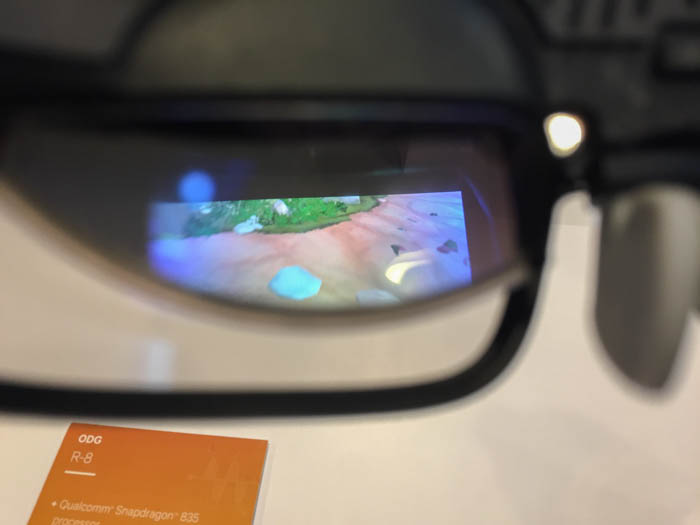
    The R-8, aimed more squarely at consumer early adopters, trims down the specs a bit. Its field of view is a more modest 40 degrees, its display has 720p resolution, and there’s no port for expansion modules. But it’s also lighter — 4.5 ounces compared to the R-9’s 6.5 ounces — and cheaper, at under $1,000. It’s also got two 1080p cameras on the front that can capture stereo video. ODG expects to ship it in the second half of 2017.

    So what exactly are you supposed to do with these glasses? ODG admits that they’re not “designed to be worn all the time,” but are meant to be carried around for watching movies on a digital big screen, playing games, or using apps. It’s working with 21st Century Fox’s Innovation Lab on experiences that include 3D movies and an interactive augmented reality demo based on the Alien franchise. Combined with the Migu partnership, this provides at least the start of a catalogue, although we’re still waiting to see how well the glasses themselves hold up.
     

    The Final Thought

    While they were announced at the CES 2017 a year later and we still cant buy or own pair. The idea is novel and innovative but I feel like this will just be a high priced stepping stone to the real solution.
     

  • New VIZIO Home Theater Sound System Lineup Includes Dolby Atmos Support and Other Features

    New VIZIO Home Theater Sound System Lineup Includes Dolby Atmos Support and Other Features

    VIZIO revealed their new 2018 Home Theater Sound Systems with Dolby Atmos support. These new sound bars also feature other smart home features powered by Google.

    Sound System Configurations

    The new sound bars come in three configurations: a 46” 5.1.4 sound bar, a 46” 3.1.2 sound bar and a 36” 5.1.2 sound bar. They have also added a new 36” 2.1 sound bar with built-in dual subwoofers.

    Dolby Atmos 5.1.4

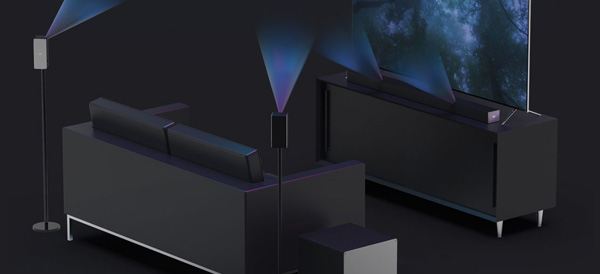
    This immersive cinema sound experience features a total of 10-channels. This is a 5-channel sound bar with up-firing speakers to bounce sound off the ceiling. It also features two rear surround speakers with 2 up-firing speakers and a wireless subwoofer.

    Dolby Atmos 3.1.2

    Another great cinema experience with a total of 6-channels. The sound bar features 3-channels with 2 up-firing speakers. Like the 5.1.4, the system features two rear surround speakers and a wireless subwoofer. However, the rear surround speakers in this set to not include up-firing speakers.

    Dolby Atmos 5.1.2

    Splitting the difference between the previous two offerings is the 5.1.2 system. It features the same sound bat as the 5.1.4, with 5-channels and 2 up-firing speakers. The rear surround speakers are the same as the 3.1.2 set with no up-firing speakers. And of course, the wireless subwoofer is included.

    Smart Features

    Chromecast and Bluetooth support means that you can stream your favorite artists and apps directly to the sound bar. Just connect your phone or tablet and you have an instant audio entertainment center! You can also stream over Wi-Fi.

    Another new feature is the ability for your VIZIO sound bar to work with Google Assistant. This means that you can use your voice to control the sound bar.

    New 2.1 Sound Bar

    For those needing something more compact, the 2.1 sound bar has you covered! You’ll get to experience a sound bar with 2 built-in subwoofers to ensure that your cinematic experience gets that deep bass it deserves.

  • Smartphone Spotlight: Huawei P20 Pro

    Smartphone Spotlight: Huawei P20 Pro

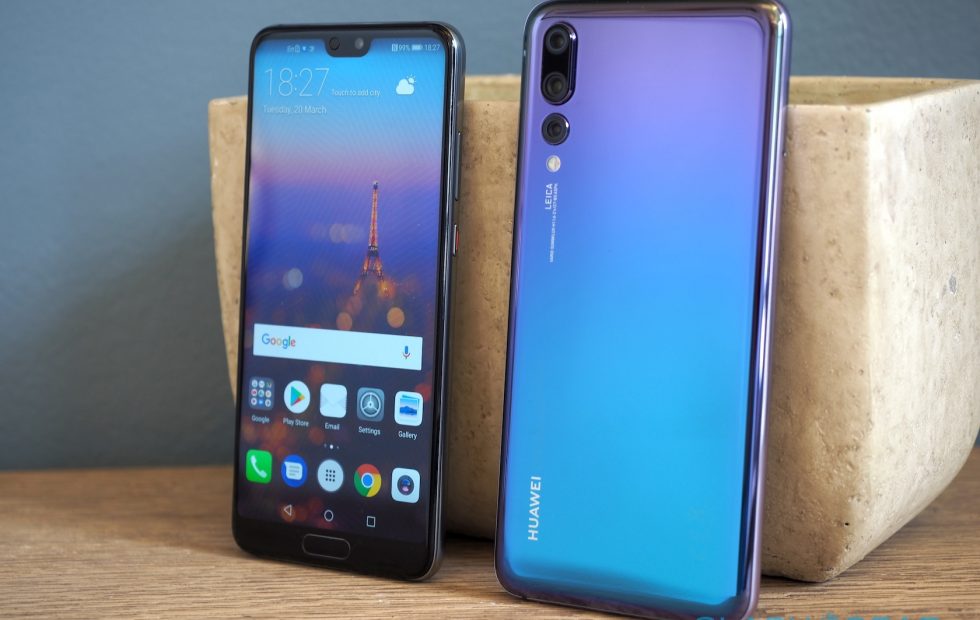
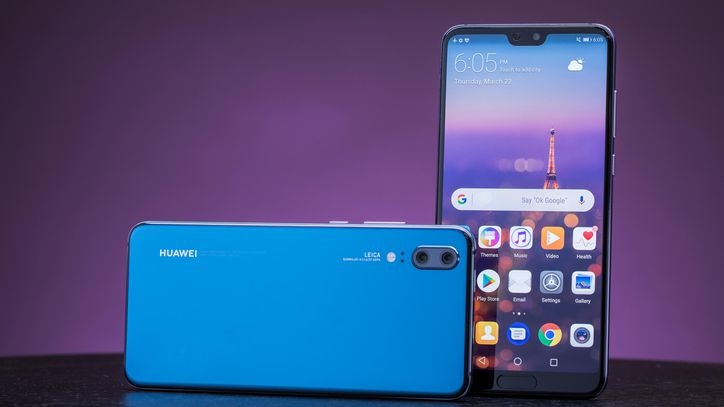
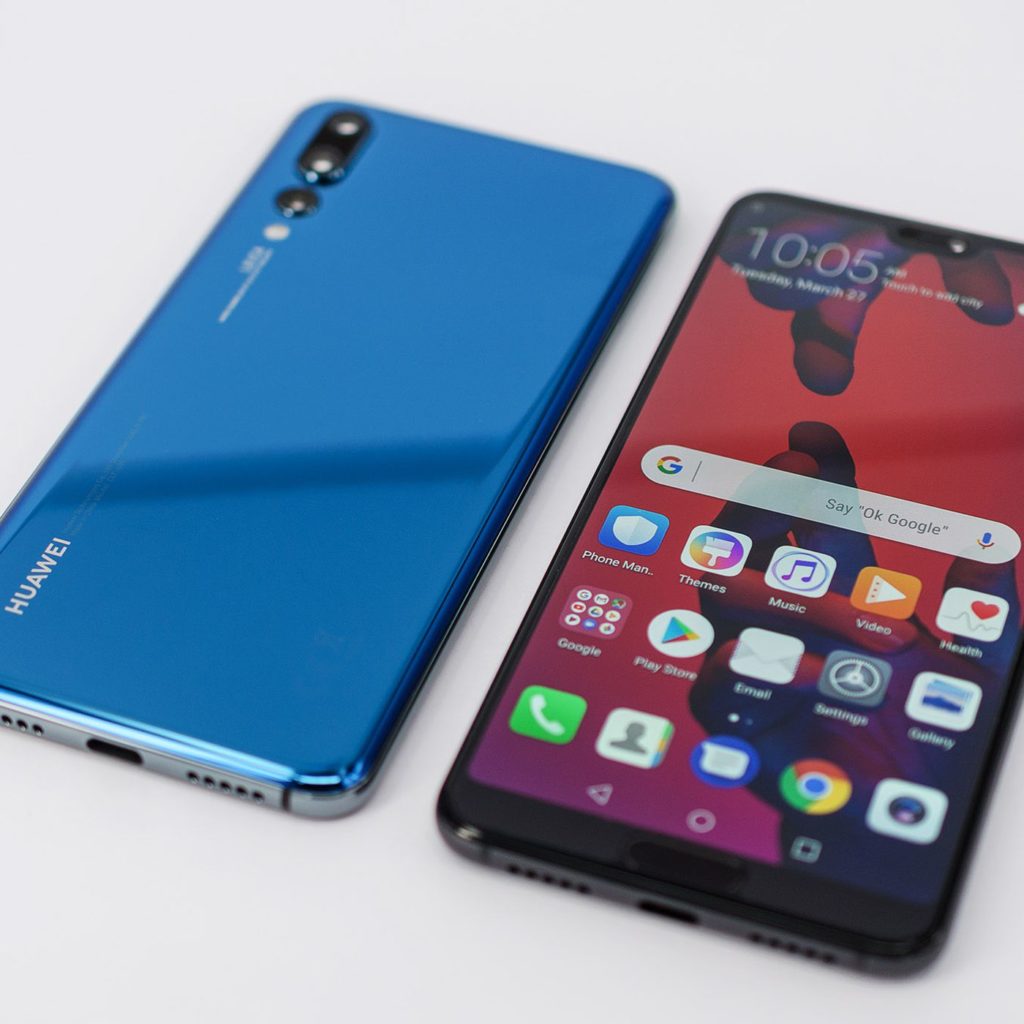
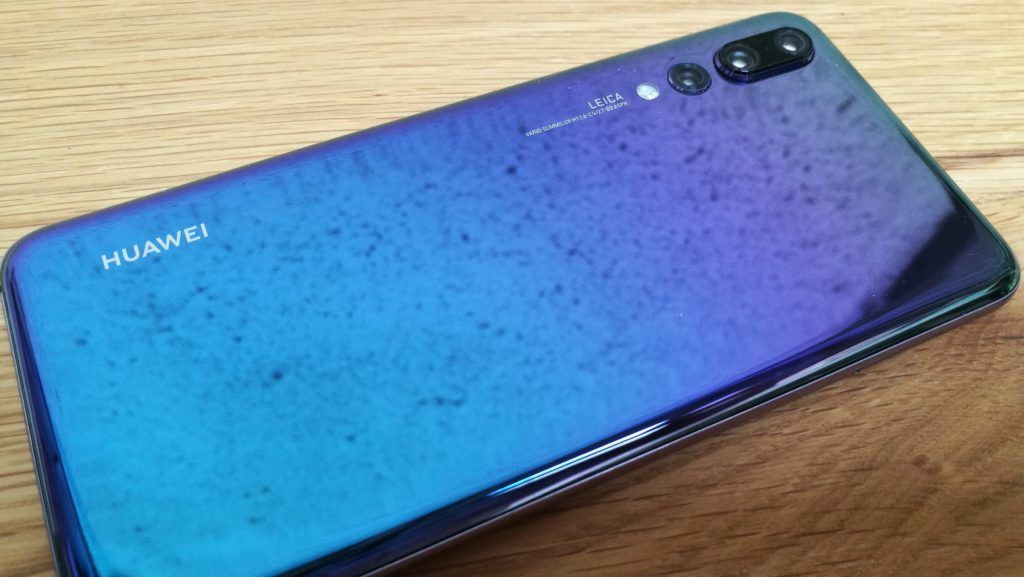
    HUAWEI’s P series has always been a pioneer of smartphone photography. Now the HUAWEI P20 Pro is once again leading the way with the revolutionary Leica Triple Camera, where aesthetic vision meets an advanced camera system that shines a light on intelligent photography. Inspired by the radiant energy of light itself, the HUAWEI P20 Pro is available in a new gradient color finish. The effect is a luminescent color progression that is unique amongst smartphones. Designed to be exceptional in every way.


    The Great

    • Fantasic camera
    • Big battery with lots of stamina
    • Optional (ish) notch
    • Fast face unlock

    The Not

    • No wireless charging
    • No headphone jack
    • Minor fizz to the OLED screen


    The Conclusion

    40MP, the world’s first triple camera, 5X Hybrid Zoom, artificial intelligence in all the ways, and the most unique color on any smartphone ever. These are just some of the features Huawei is hoping will make you check out its new flagship, the Huawei P20 Pro.


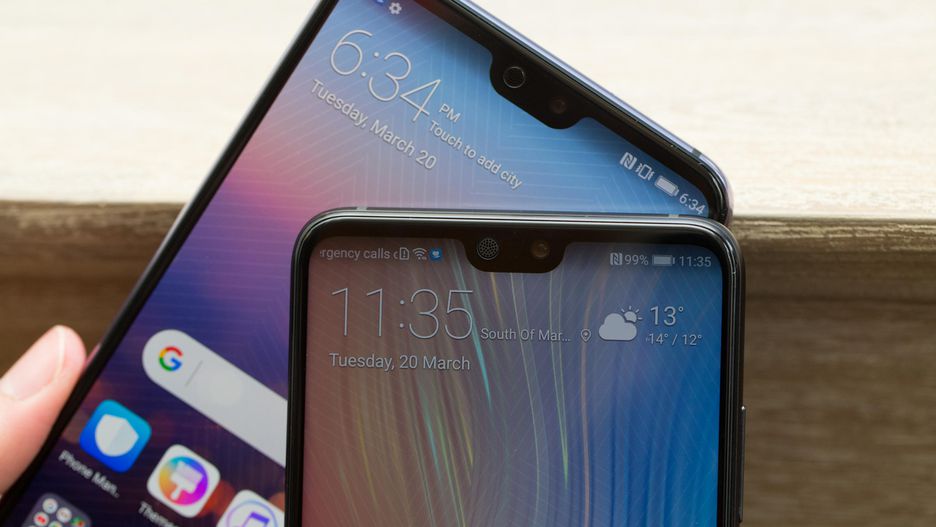
    The Huawei P20 Pro is a phone that stands out with its large, spacious display and its triple camera at the back. Its huge screen occupies most of its front, with a notch at the top housing the earpiece and front-facing camera. The triple camera arrangement is comprised of a massive, 40MP camera for regular shots, a 3X zoom telephoto cam, and a monochrome sensor enabling bokeh effects. On the inside is a powerful Kirin 970 chip, along with plenty of memory and a huge battery


    The Design

    The Huawei P20 Pro borrows several design cues from the iPhone X, with a vertical camera placement on the back and notch atop the screen. It stands out with three cameras and the unique twilight color, which awakens everyone’s inner wish for a real-life unicorn.

    Beneath the screen is Huawei’s fingerprint sensor, which is flat, wide, and allows you to unlock your phone while it’s laying face up on a table. I’m normally a bigger fan of Huawei’s rear-mounted fingerprint sensors thanks to their added support for summoning the notification shade, but the P20 Pro’s scanner is still fast and reliable and supports gesture controls for navigation.

    The power and volume keys on the right offer nice feedback and the power button has a nice accent color. The bottom houses a speaker, microphone, and USB Type-C port. There’s no headphone jack, but an adapter comes in the box. I’m not an audiophile so I usually pick convenience over function, so I’m fine with Bluetooth audio. It’s the easiest solution and the Huawei P20 Pro works well enough in this regard.


    The Camera


    If you’re interested in the Huawei P20 Pro, there’s a good chance it’s because of the camera array. There are three cameras on the back, one 40MP main sensor, a 20MP black and white one and a 3x zoom 8MP camera.

    You can shoot at 3x without digital zoom, and even get good results at 5x. The real star here is low light performance, though. Standard night shooting just about matches the best, but a dedicated night mode lets you take low light shots with dynamic range to rival an APS-C DSLR.

    The Huawei P20 Pro also has a very high-resolution 24MP front camera for detailed selfies and reliable face unlocking.

    Quick Spec Look

    HUAWEI Kirin 970 CPU, octa-core + micro core i7, 4 x Cortex A73 2.36 GHz + 4 x Cortex A53 1.8 GHz

    Size: 6.1 inches;

    Type: OLED;

    Colour: 16.7 M colours;

    Resolution: FHD 1080 x 2240, 408 PPI

    OS Android™ 8.1

    6 GB RAM + 128 GB ROM

    Rear camera:

    Tri-lens camera:

    40 MP (RGB, f/1.8 aperture) + 20 MP (Monochrome, f/1.6 aperture) + 8 MP (Telephoto, f/2.4 aperture), supports autofocus (laser focus, deep focus, phase focus, contrast focus)

    Note: The photo pixels may vary depending on the shooting mode.

    Front camera:

    Single-lens camera:

    24 MP, f/2.0 aperture, supports fixed focal length


    The Final Thought

    When all is said and done, the new Huawei P20 Pro will quite possibly be the hottest Android phone of 2018. On top of beastly specs and a very sleek design with one color that has a crazy gradient color effect, the P20 Pro has the best camera of any smartphone ever. The triple-lens design is truly unique, and it helps the P20 Pro pull in all sorts of extra data that tremendously improves image quality. There’s only one problem: the Trump administration doesn’t want you to have it. We will have to wait to see how this pending trade war works out before we see it in every teenagers hands in the US. There are 2 stores on eBay taking pre-orders now for the US and it will ship 4/18

  • LG G7 ThinQ Unveiling

    LG G7 ThinQ Unveiling

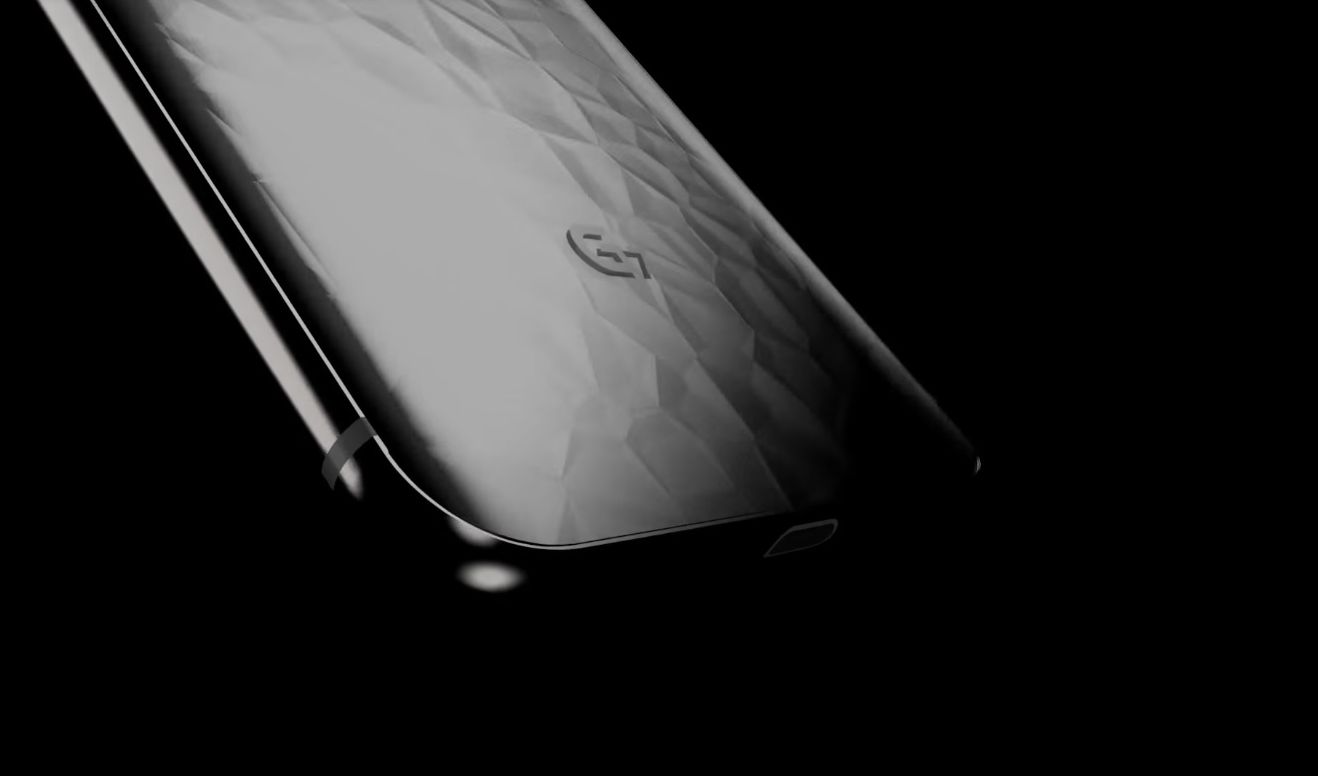
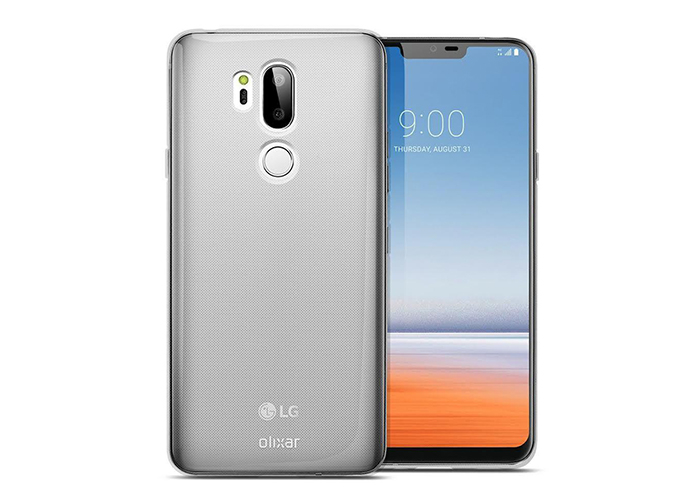
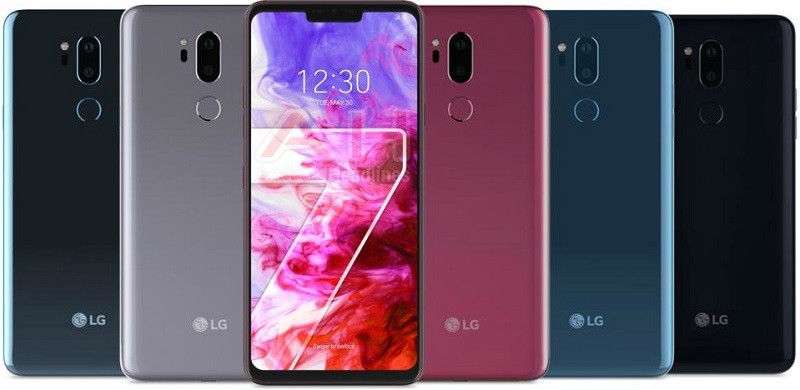
    Lg has set a May 2nd Unboxing event for their newest flagship the G7. There will actually be two launch events for the LG G7 ThinQ: one in New York City on May 2nd, for an international audience, and another in LG’s home turf of Seoul on May 3rd. Like the P20 Pro and the majority of Android flagships this year, the G7 is set to have a notch at the top of the screen


    LG is positioning artificial intelligence (AI) at the core of the G7. This is, in fact, why the company has opted to use the ThinQ moniker. While it might not be the most attractive name, it is one which has been specifically chosen to reflect the intelligence underlying the LG G7. As that intelligence goes well beyond just what the smartphone can do for you — in terms of the provision of contextual information — with the AI experience having been very tightly integrated with other elements on the G7 such as the camera, another major selling point of the upcoming Android flagship.
     

    The Lg Difference

    Lg is trying to pack a lot in to this G7 starting with the camera.  LG focusing on how the G7 can process what it sees and offer recommendations to get the most out of photos captured with the phone. Specifically, AI Cam will offer four “enhanced filter options” which will provide different levels of optimization based on aspects such as color, contrast, and saturation. According to LG, this will result in the G7 being far more capable in extreme low-light conditions compared to the LG G6, as well as the V30 and V30+. In fact, the G7 will be marketed as capable of capturing four times brighter images and videos compared to the G6 and V30 lineups.

    2D and 3D camera stickers will be available, allowing the user to paste over photos with various animated stickers. Following on from the V30’s introduction of Graphy, the G7 will boast an updated version of the service in the form of Graphy 2.0. At present, it is not quite clear how the new version will fundamentally differ from the previous one.
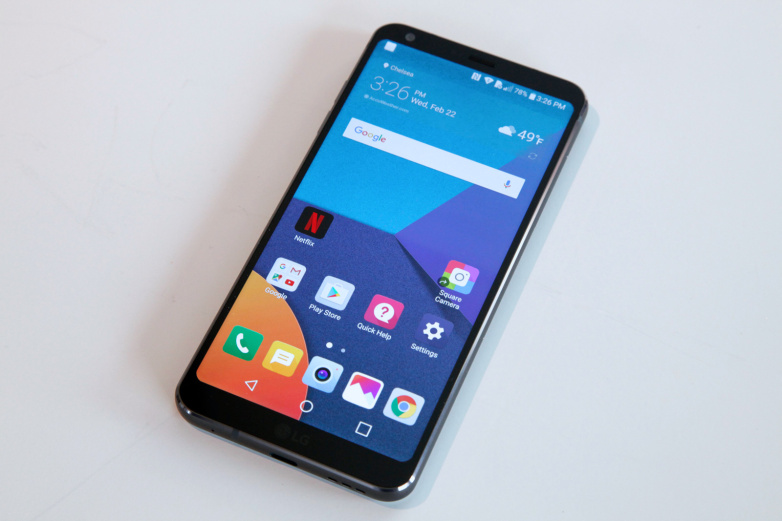
     

    LG has included what it refers to as a “Boombox Speaker” to the G7. On a more technical level, this means the G7 is capable of acting in the same way as a resonance chamber — LG actually claims it is one — and this means the G7 bounces audio signals internally before the signal is outputted to the listener, with the end result being a more booming sound overall.

    The Final Thought

    The LG G7 ThinQ is going to arrive as an all-singing, all-dancing smartphone. AI, cameras, and the two together are going to be some of the primary selling points, although even with the AI elements removed from the equation, the G7 will remain a feature-packed phone. Guess we will just have to wait until May to see.

  • You Can Preorder a Red iPhone 8 or 8 Plus Today!

    You Can Preorder a Red iPhone 8 or 8 Plus Today!

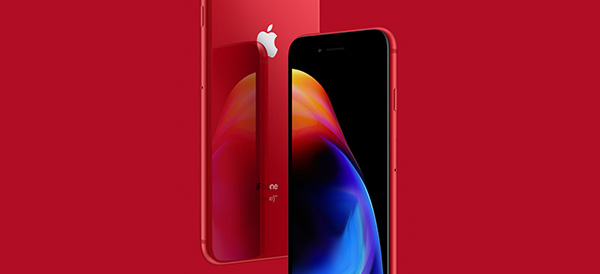
    Apple announced a new color option for the iPhone 8 and 8 Plus. Working with HIV/AIDS charity Product (RED), Apple has released stunning deep red versions of the iPhone for the same price as existing models.

    Product (RED) Models

    Now positioned alongside of the existing space gray, silver and gold models of the iPhone 8 and 8 Plus is the Product (RED).

    This is just the latest collaboration between Apple and Product (RED). Since 2006, Apple has donated more than $160 million to Global Fund.

    Last year, Apple released red versions of the iPhone 7 and 7 Plus models. They were only available for purchase for about half a year. The new 8 models may follow the same pattern, so don’t wait too long if you are hoping to get one.

    Preorders Open

    Preorders open up on Tuesday, so head over to the Apple store and see if you are lucky enough to snag one. They will begin showing up in stores on Friday.

    The red 8 and 8 Plus start at $699 and $799 for the 64 GB model. For 256 GB of storage, the prices are $849 and $949 for the 8 and 8 Plus models.

    A portion of the proceeds will be donated to Global Fund HIV/AIDS grants to provide testing, counseling, treatment and prevention programs. There is a special focus on eliminating the transmission of HIV/AIDS from mothers to their babies.

    What About the iPhone X?

    While there isn’t a special edition of the iPhone X available in red, Apple is selling a red leather folio for the phone. You can order it for $99 with proceeds going to the same charity.

  • Samsung DeX Pad a Big Leap Forward, and it Could Be Free

    Samsung DeX Pad a Big Leap Forward, and it Could Be Free

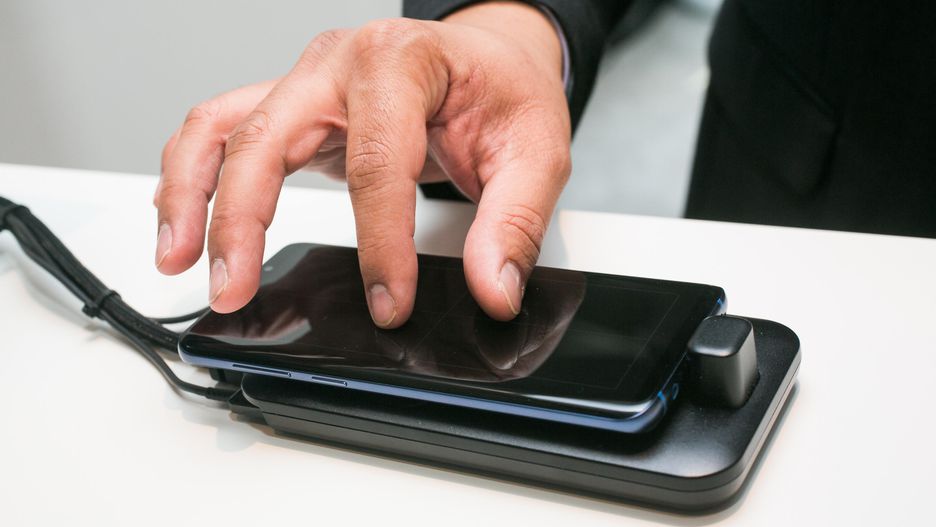
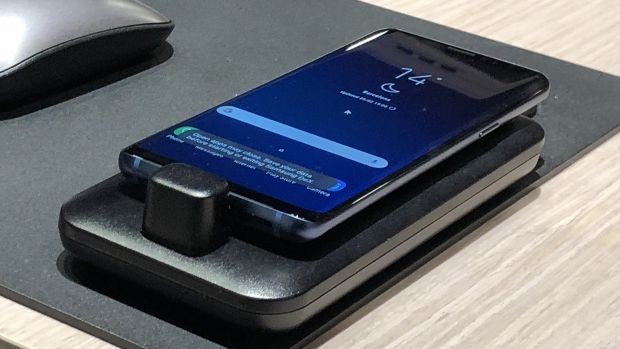
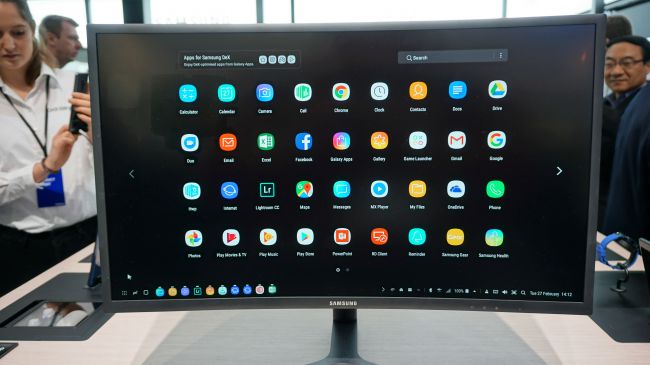
    Samsung is opening up a new device that will add a whole new level of smartphones. Samsung’s DeX Pad allows its smartphones to become minicomputers when they’re hooked up to the device. Connecting a smartphone to the dock allows the user to see the screen of the phone projected onto a monitor.The new Samsung DeX Pad that transforms newer Galaxy phones into a desktop-like virtualization tool is available for pre-order in the US, Samsung announced today.

    With the power we are seeing in the latest phones this could be a real jump in our tech evolution. I know you have asked Why do I need, a computer, tablet, smartphone, 2 laptops and 6 other specialized devices? This will be the first step in a consolidated universe.

    Samsung announced that it would be releasing the DeX Pad in the U.S. on May 13 for the price of $99.99. This new device was revealed back in February during the debut of the Samsung Galaxy S9. When a smartphone is connected to the dock, the phone’s screen can be seen on a much larger monitor.

    How to get a DeX Pad for free

    The new Samsung DeX Pad is like having “a secret Chromebook hidden in your phone.” But not everyone will be willing to pay for this extra.

    Luckily, while it costs $99  at retail, Samsung is bundling the DeX Pad with new Galaxy S9 and Galaxy S9 Plus deals in the US through its website starting today.

    Yes, this means early adopters who already bought Samsung’s new phones in the last few weeks get the short end of the stick if they want multitasking beyond 5.8-inch, and 6.2-inch and 6.3-inch smartphone screens.

    The Final Thought

    The Samsung DeX Pad has two USB-A ports, one USB-C port for powering the DeX Pad and your Galaxy smartphone, and an HDMI port. It outputs 1920×1080 and 2560×1440 resolution to a display. The DeX Pad supports the Galaxy S8, Note 8, and S9 models with the Android 8.0 update. I will have a on review for this upon its May 13th release, stay tuned.

  • Smartphone Spotlight: Razor Phone

    Smartphone Spotlight: Razor Phone

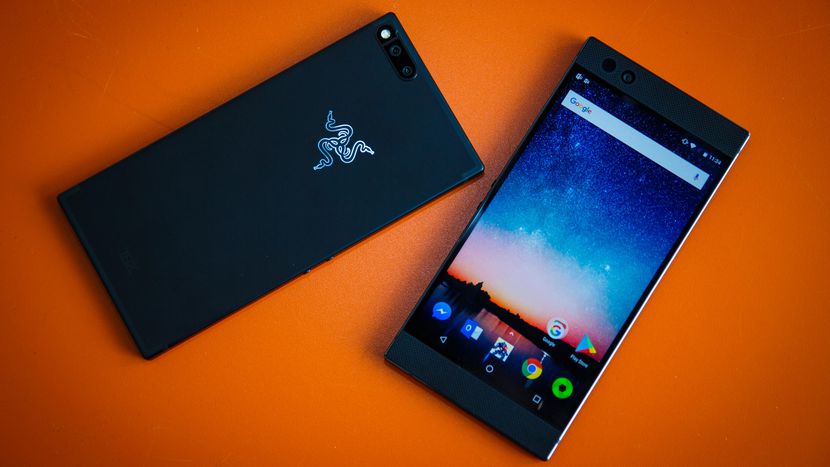
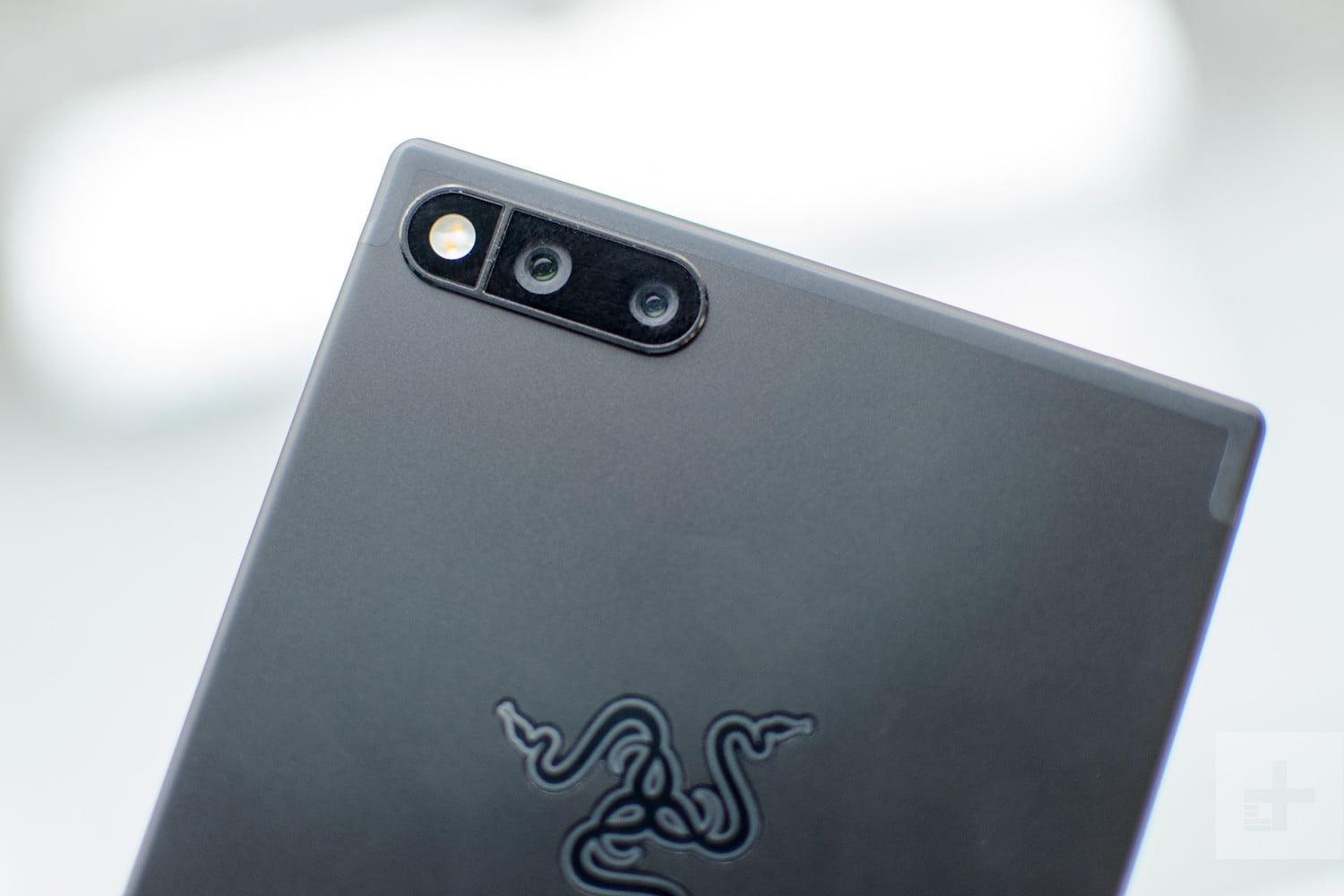
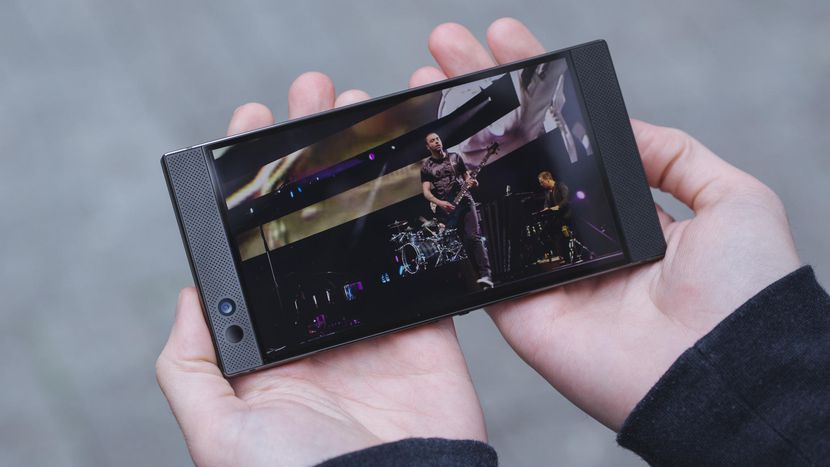
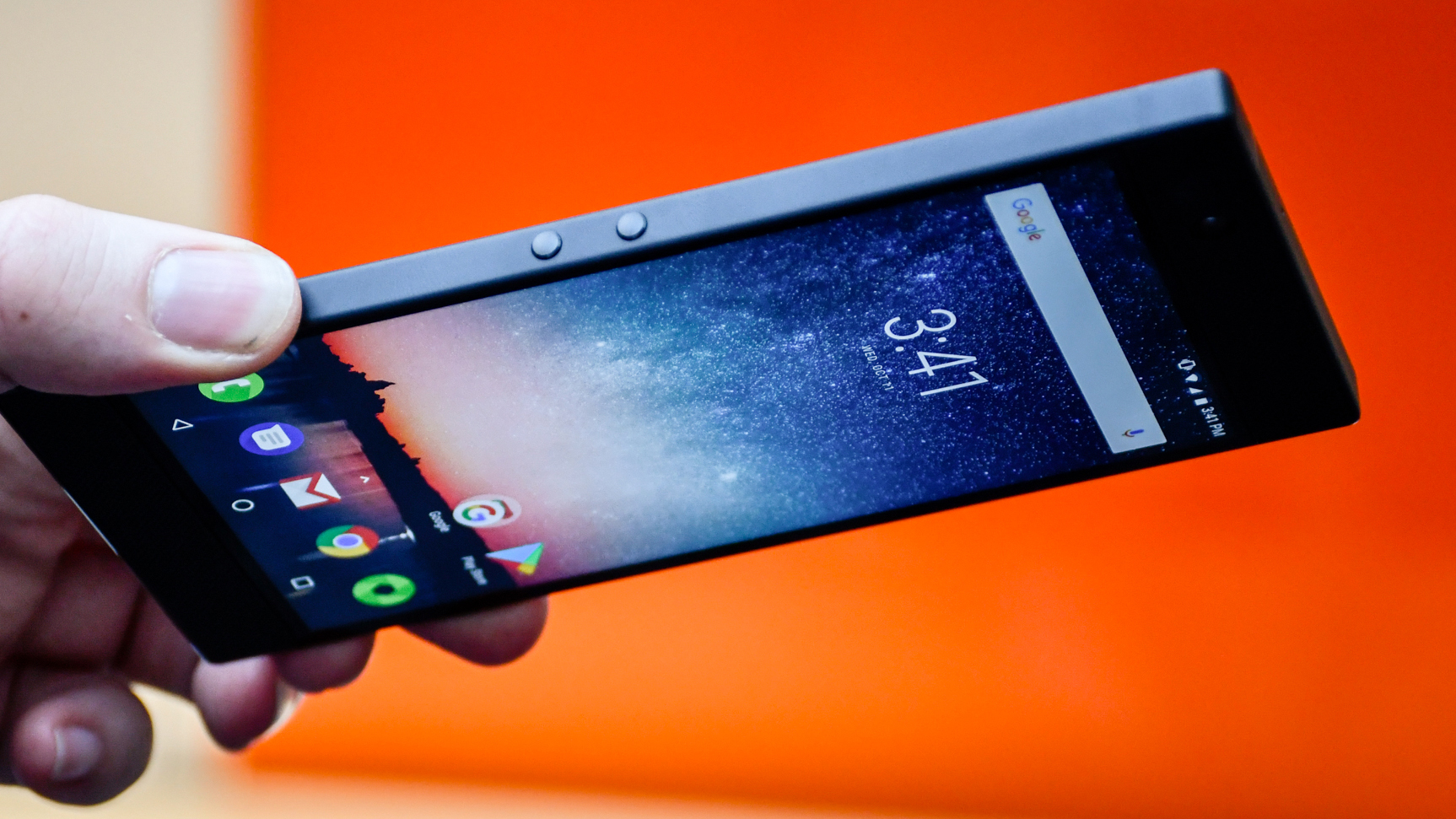
    No no the the Motorola Razr phone you are thinking of, The Razor Phone.  Razor phone set the standard in mobile gaming with the Razer Phone: the world’s first 120Hz screen on a mobile phone. Powered by UltraMotion™ technologyand accurate touch response, you get zero lag or stutter—just fluid, buttery smooth motion for all your games.

    The Great

    • Dolby Atmos Surround Sound
    • Unique, handsome design
    • Display and Ultramotion are gorgeous
    • Top-notch performance
    • 24-bit DAC built into USB Type-C adapter
    • Loudspeaker is LOUD
    • 120 Hz Refresh Rate

    The Not

    • Terrible photography experience
    • Display could be brighter
    • Too big for one-handed use
    • No headphone jack
    • Battery life only average

    The Conclusion

    The question is, does it do anything another high-powered smartphone can’t? I’ve found the camera to be lackluster, but this is a phone that certainly has some standout features.


    This Is a big for with minimalist in mind. Lets start with the the LCD 5.7-inch screen size and resolution aren’t what make the Razer Phone’s screen special. Rather, it’s the first phone with a screen that offers a 120Hz refresh rate. This means it’s able to show you more frames on the screen per second. It’s especially helpful when gaming, as it makes playing games smoother and more visually impressive.

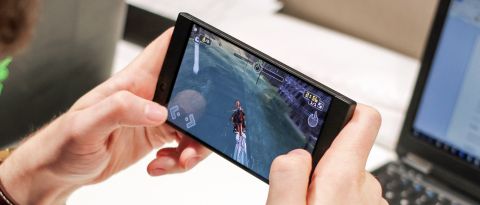
    This is a gamers phone, built with gamers in mind. It shows with the 120 hz rate. Now the differences in day-to-day use between 60Hz — the standard in smartphones — and 120Hz is like spotting the differences between 1080p and 1440p. They’re there, but only visible in some situations to the eagle-eyed. You can choose your preference of refresh rate (between 60, 90, or 120Hz) in the Razer Phone’s settings, and scrolling through your Twitter feed in 60Hz and 120Hz reveals only a small change in smoother scrolling.

    It’s the same when scrolling around the Android operating system. You’ve got to want to see differences to spot them, and we couldn’t find many differences between the experience on it and a Samsung s9

    Biggest Weakness is the Camera

    Speaking of being less than stellar, the camera isn’t great. Put lightly, it’s a bit of a mess. We already had our caution hats on after the hands-on over a month ago, when we saw that the dual camera set up was lacking features, or even a slider to show which lens you’re using. Despite all the time that’s passed since then, it’s a shame to see Razer hasn’t added much optimization, speed, or features. Dual 12 MP cameras provide either normal or telephoto zoom levels. The regular focal length lens pumps in light at f/1.8 aperture compared to the other’s f/2.6. And without OIS, the camera is already a bit behind its competition.

    Responsive Android Software

    This is due in part to the screen and the third-party Nova launcher software, but the Razer Phone has a really smooth and responsive user experience. Everything loads quickly thanks to the Qualcomm Snapdragon 835 chip and a limited amount of bloatware.

    Switching between apps or even using two at the same time in side-by-side mode is never a sluggish experience. Even my recent Samsung Galaxy S8+ started getting bogged down quickly after I got it, and that’s not something I’ve had to deal with on the Razer Phone.


    The Final Thought

    After using the Razer Phone for the last  month, I’m comfortable calling it an amazing smart device. It is available now for $700, and it easily competes with other high-end phones in that price range with one glaring exception. Do you want to trade your camera for a better refresh rate? Kinda, I like Netflix.

  • Xiaomi Rumors and Gossip

    Xiaomi Rumors and Gossip

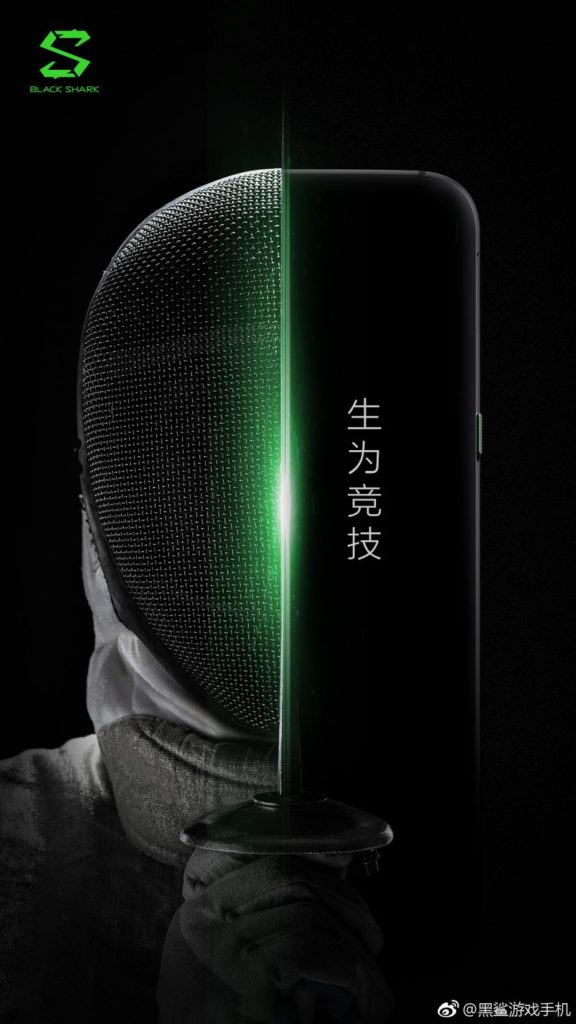
    Xiaomi is getting ready to launch a gaming-oriented phone, similar to what we’ve seen with the Razer phone. The phone is slated for an official unveil next Friday, April 13, and a new teaser out  gives us a glimpse at the design language. So far not alot of details have been released, we all know what it will probably look like.

    Unlike previous Xiaomi phones, the upcoming device will feature the Black Shark branding and not the Mi label, suggesting this could be the first phone in a new gaming-focused sub-brand.

    While we don’t know much, my inside sources tell me it will host the Snapdragon 845, with 8gb of ram and a 256 gb hd.  The hd size gives good indication this will be aimed at the gaming market. The Razor supported a 120 Hz refresh rate, Its safe to expect the same.

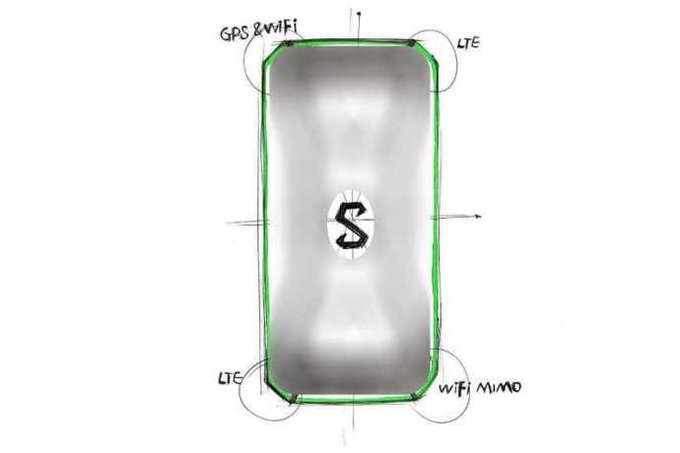
    As can be seen in the image, the Black Shark Phone looks set to take on the shape of an X with the top and bottom sides of the device being much more angular than traditional smartphones. In fact, a total of eight sides are featured on the device’s frame. Because of this, the company chose to include the antenna bands on both the top and bottom corners, meaning four antenna bands will be included – the Chinese OEM’s device is the first to feature this antenna layout. Beginning clockwise, the top-left corner will be dedicated to the GPS and Wi-Fi antennas, while the right side will be reserved for LTE. Moving on to the bottom, the right-sided antenna will be for Wi-Fi MIMO, and the left module will once again be dedicated to LTE. Now, although this is only a sketch, Black Shark itself later confirmed the accuracy of it, stating that the layout should help improve signal reception even when a user is gripping the device.
     

    The launch is set for next Friday the 13th, we should know all about Xiaomi’s upcoming Black Shark phone then. Until then we can fantasize about holographic screen projections and full VR experiences. See you next friday


  • SmartPhone Spotlight: OnePlus 5T

    SmartPhone Spotlight: OnePlus 5T

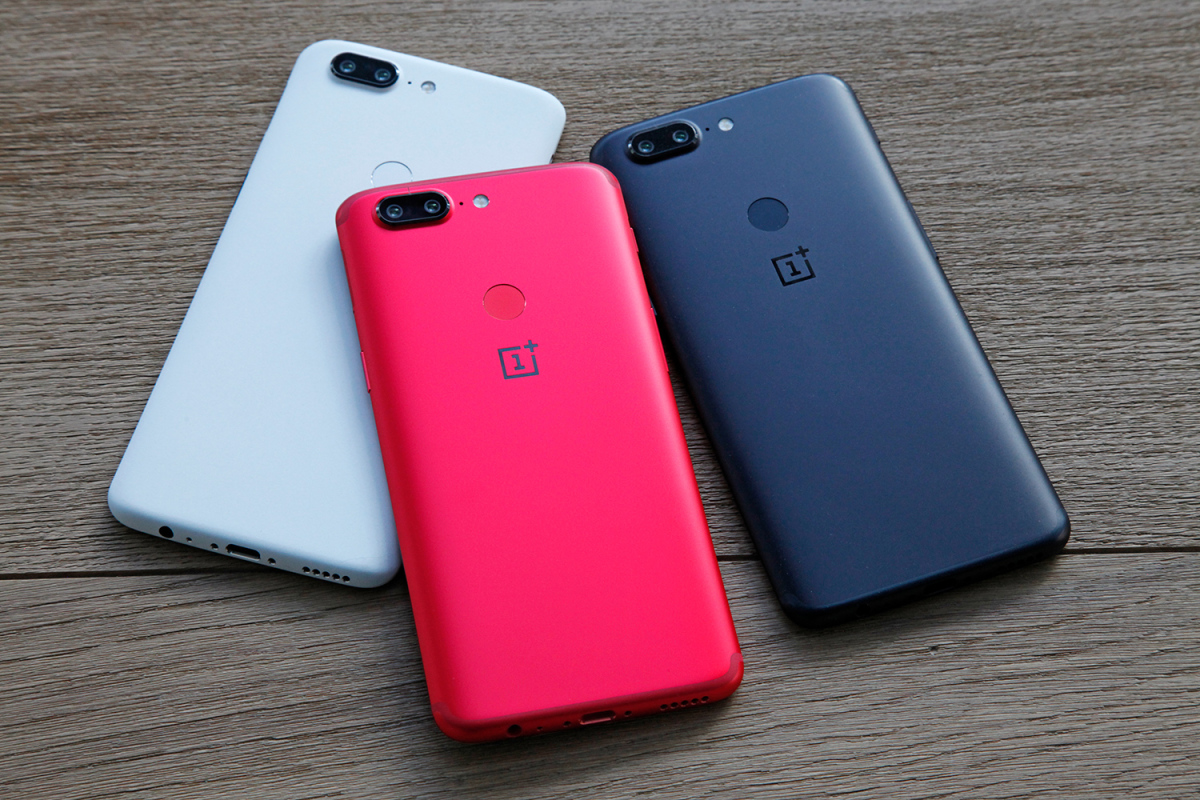
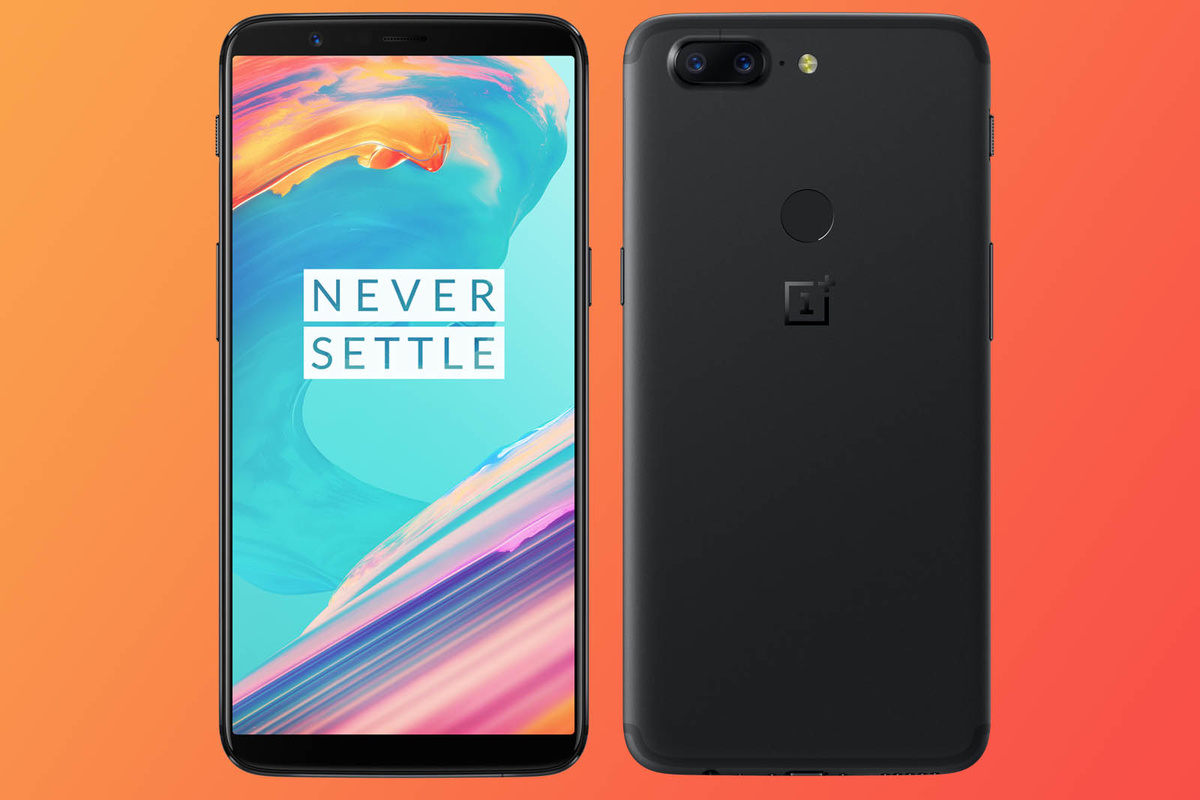
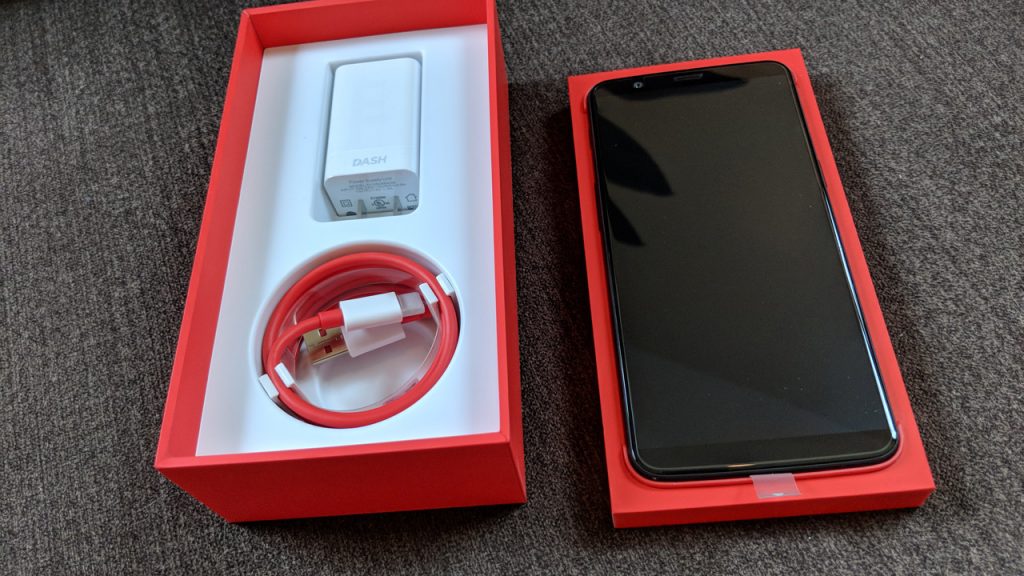
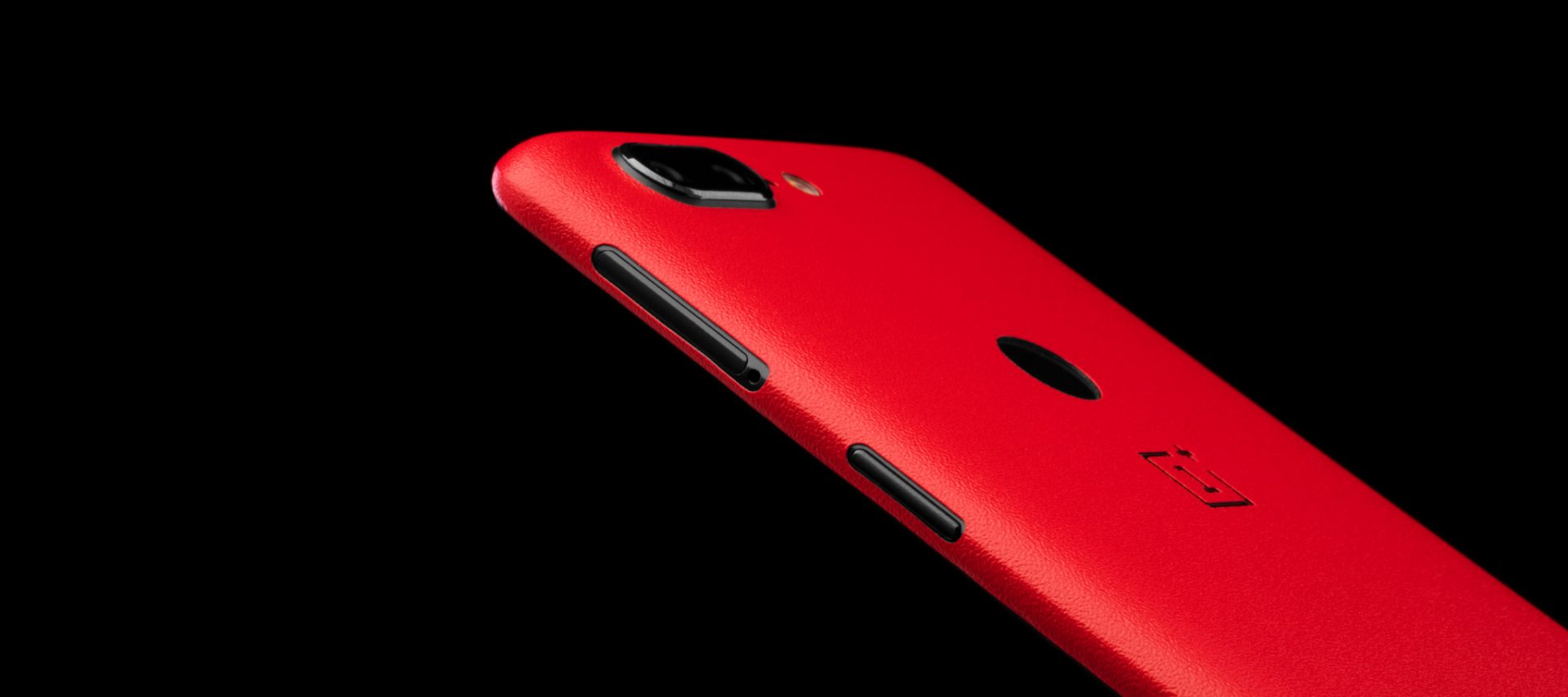
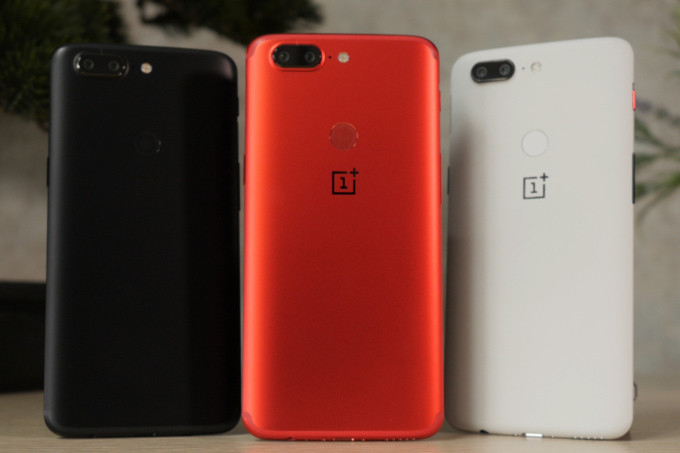
    OnePlus’s deal has always been offering flagship-level internals coupled with minimalist software, all for significantly less than similarly-specced devices. The OnePlus 5T has all the right stuff you’d expect for late 2017: a Qualcom Snapdragon 835 processor, SoC, a 6-inch, 18:9 screen, and a dual-camera. Is the the smartphone you deserve?

    The Great

    • Beautiful Screen
    • Blistering performance
    • Great battery life
    • Flagship-caliber cameras
    • Very fast charging:
    • Amazing value

    The Not

    • No wireless charging or microSD slot
    • Lacks optical zoom
    • Not water resistant

    The Conclusion

    If you’re willing to put up with a few small compromises then you could argue the OnePlus 5T could be even further up this list. One thing is for sure though: in terms of value for money it won’t disappoint.


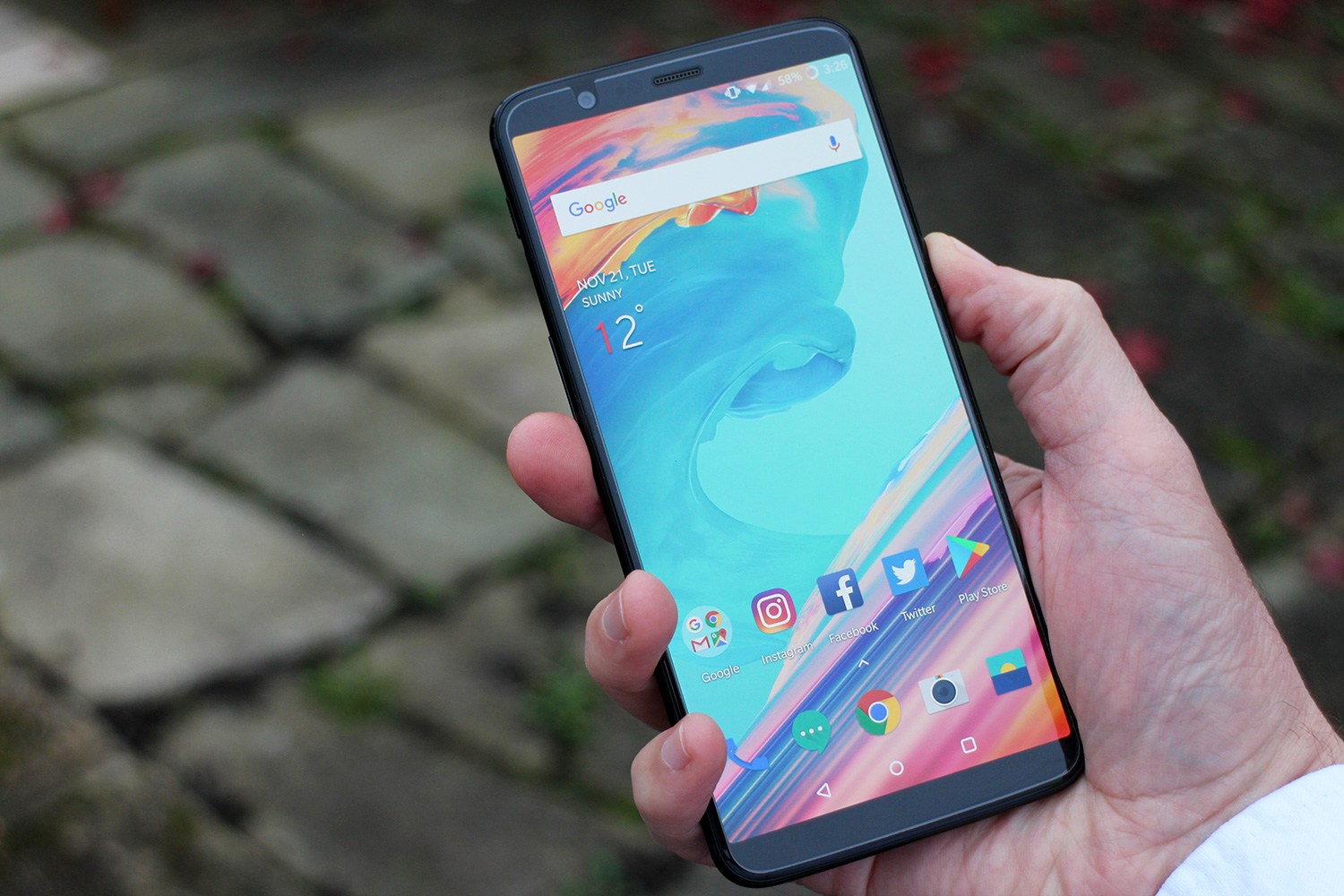
    If it’s an affordable flagship you’re after, well, see what theThe OnePlus 5T has to offer. It’s bringing facial recognition, a 6-inch 18:9 display, dual rear cameras, a premium metal body and the latest power under the hood, all for a price that comfortably undercuts Apple, Samsung and friends.
     

    Screen:

    The 6-inch AMOLED display on the OnePlus 5T is fantastic, especially given the low price tag. It’s the best screen ever seen in a OnePlus handset and features the same 18:9 aspect ratio seen on the other Android flagship phones.


    Battery life:

    Solid all-day battery life is what you’ll get out of this phone. So it fits nicely in with the competition then – not as good as the LG V30 but comfortably as good as the Galaxy S9 and the rest.


    Camera:

    The camera, again, is decent without being standout. You won’t have any problems with it and you’ll be able to take some amazing photos with it. It’s not as good as the Pixel 2 but the far cheaper price tag will explain why.


    Quick Spec Look

    • Release date: November 2017
    • Weight: 162g
    •  Dimensions: 156.1 x 75 x 7.3mm
    •  OS: Android 7.1
    • Screen size: 6-inch
    • Resolution: 1080 x 2160
    •  CPU: Snapdragon 835
    •  RAM: 6/8GB
    • Storage: 64GB/128GB
    • Battery: 3,300mAh
    •  Rear camera: 20MP + 16MP
    • Front camera: 16MP


    The Final Thought

    If you are seriously looking at this phone, you shouldn’t be. This is the phone you get when your parents got a buy one get one free deal at their local cell phone shop. IF you are looking for a quality android, this has the specks but there are better options, go grab the LG V30.

  • SmartPhone Spotlight: Sony Xperia XZ

    SmartPhone Spotlight: Sony Xperia XZ

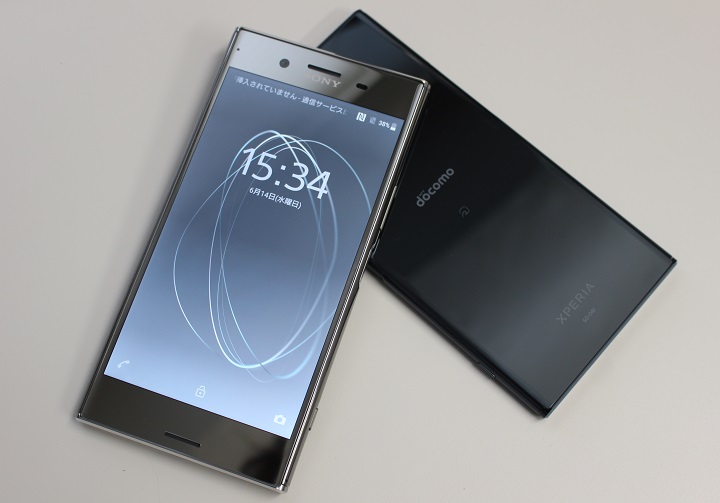
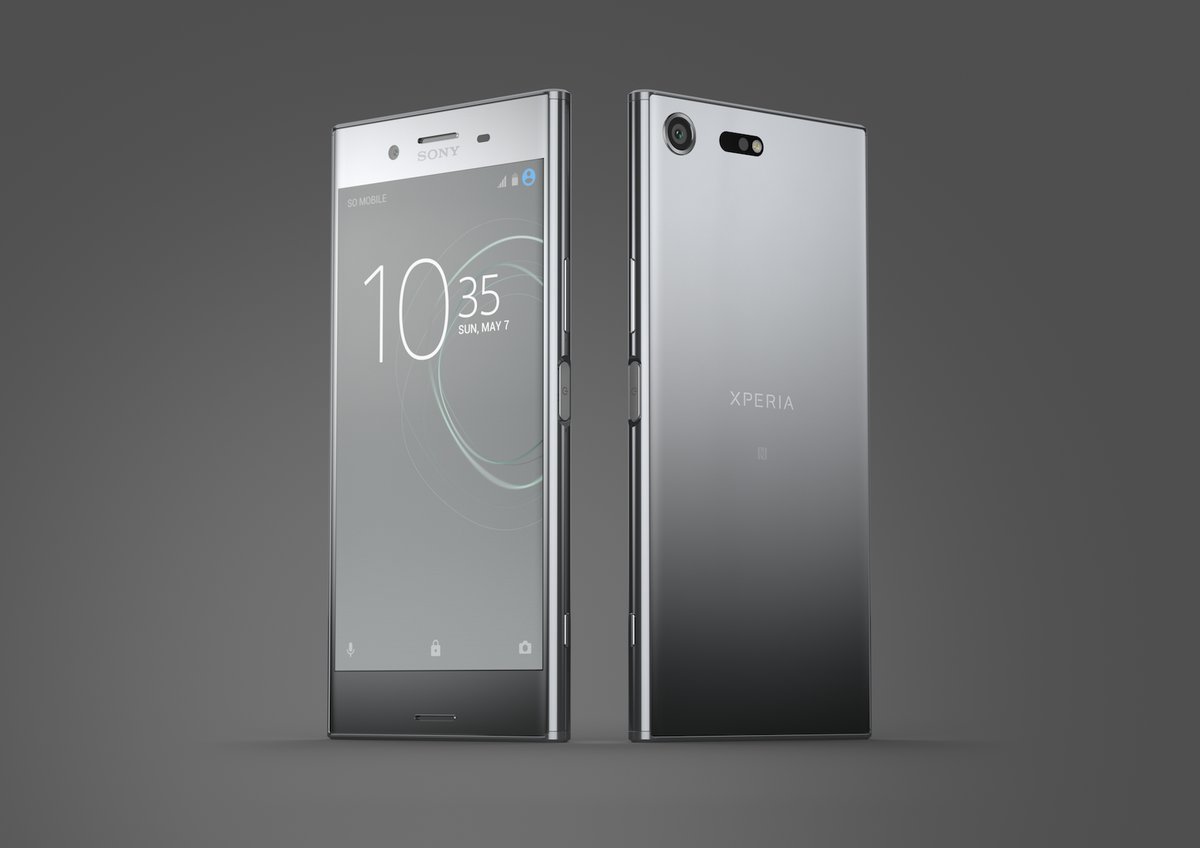
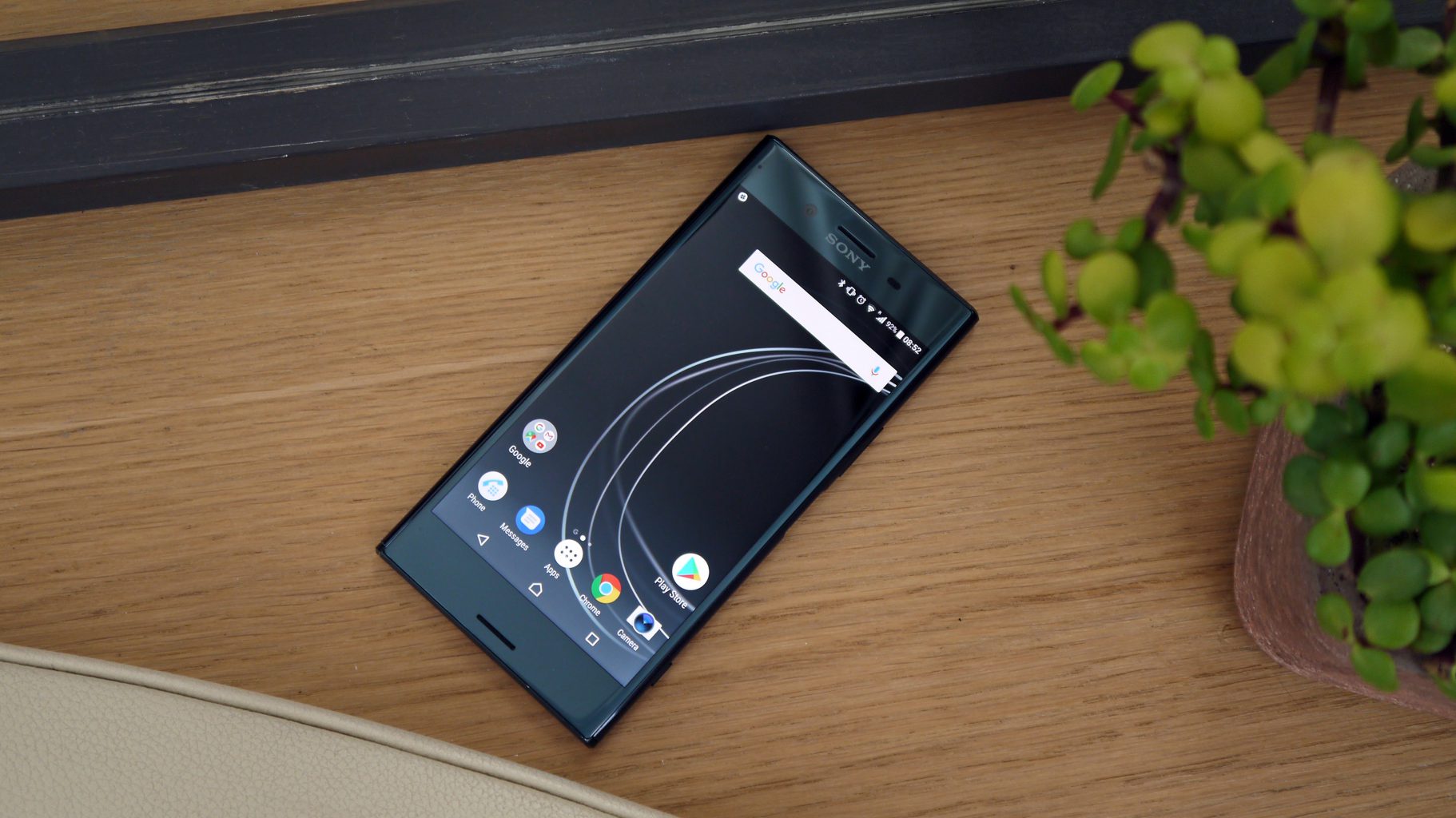
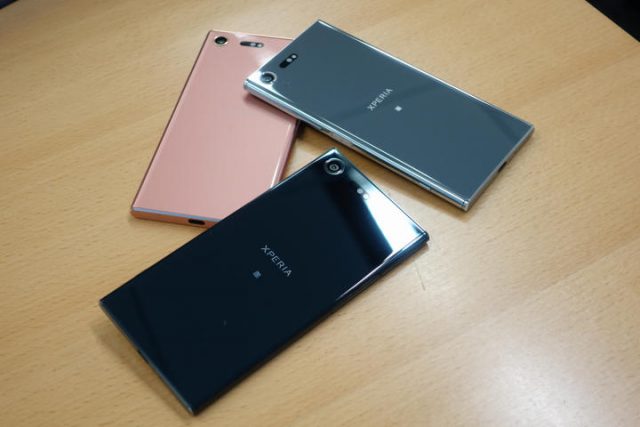
    The Xperia XZ Premium features the new Motion Eye a camera so advanced it captures motion that the human eye can’t see. And with its unified design, astonishing 4K HDR display, and intelligent features, it’s Sony’s most groundbreaking smartphone to date.


    The Great

    • Nice HDR Screen
    • Good Power


    The Not

    • No 4k Content
    • Lot of Bezels
    • Poor design


    The Conclusion

    The square corners won’t appeal to everyone but if you want to watch 4K video and review your photos in as much detail as possible, this is a great phone.


    Sony’s 4K-screened phone sounds like a gimmick, but the display is packed with so much technology that it impresses despite that. The color reproduction and pixel quality is superb, and the camera really rewards those that make an effort to get the best out of it.
     

    Battery life

    The XZ Premium does pretty well given how many pixels it’s driving on that 4K screen. It’ll last you a full day with a little more to spare on moderate use, thanks to some dynamic screen technology that actively alters how much is being used.


    Camera

    Sony’s got this new camera gimmick called the Motion Eye. The Motion Eye™ camera with Super slow motion records video at 960 frames per second, for playback four times slower than any other smartphone. Predictive Capture stays one step ahead of the action, as it starts buffering images even before you press the button. I will say the pictures are impressive


    Screen

    This is the only phone out there with a full-blown 4K screen, and it also comes with HDR tech. The amount of HDR content for mobiles is increasing all the time, but even without that this screen makes even the most mundane image look brighter and more colorful, and the rest of the phone is impressively powerful.


    Quick Spec Look

    •  Weight: 195g |
    • Dimensions: 156 x 77 x 7.9mm
    • OS: Android 7
    • Screen size: 5.5-inch
    • Resolution: 3840 x 2160
    •  CPU: Snapdragon 835
    • RAM: 4GB
    • Storage: 64GB
    •  Battery: 3,230mAh
    • Rear camera: 19MP
    • Front camera: 13MP


    The Final Thought

    This is one of the top 20 smartphones on the market for 2018. It has its moments of wow, it also falls short in every category next to an iPhone or even top tier android. If a deal and a steal comes your way, Sony’s new phone won’t disappoint and will take you through the next year and half but upgrading will always be on your mind.