Tag: apple

  • iPhone vs Android: Which is Right for You?

    iPhone vs Android: Which is Right for You?

    One of the fiercest rivalries in the tech world today is the ongoing feud between Google and Apple over control for the soul of the smartphone. Despite ostensibly designing the first true smartphone with 2007’s iPhone, Apple doesn’t enjoy the majority market share that Google’s Android does today. What’s the deal with the Android versus iOS feud? Which of the two big operating systems is better for you, and why?

    Today, we’re going to look at the two OS’s, what makes them different, and whether you should be “taking a side” in this battle. We’ll be looking at features, phones and corporate cultures in order to give you a full picture of the battle of the smartphones.

    Design Ethos

    Google and Apple have very different design strategies when it comes to their operating systems. Much like Apple’s own Mac line of computers, iPhones operate in a sort of “walled garden.” There’s less software available on Apple products overall, but the company curates the selection very diligently. Ostensibly, you won’t find shovelware on the App Store, nor will you be at any risk of ever happening upon a virus.

    However, with Apple, you’re stuck playing inside the wall: you’ll likely not find the same breadth of customization and modularity you see on Android. Google’s more hands-off approach to their OS has made it very wide-ranging in appeal: manufacturers from Samsung to Huawei all create phones that run on some variation of the Android OS. The more open, customizable user interface of Android is more popular with some users who like to fine-tune their own experience.

    “It Just Works”

    Apple is often described as “high technology for people with low tech tastes,” and this is often true in practice. Apple’s products tend to be bleeding edge, top-of-the-line, and terribly expensive. Their user interface tends to be easy-to-navigate and aesthetically pleasing, and people who even have little tech knowledge are usually able to easily find what they’re looking for. In short, it just works.

    Android is a different story. Less tech-savvy users might find it difficult to navigate Android’s more open-ended operating system: there is little structure or direction unless the phone manufacturer has installed their own proprietary launcher. Launcher, in turn, can be downloaded for any Android device to help tailor your phone more explicitly to your tastes and preferred experience.

    Security Features

    This might come as a surprise to Android users, or be a strange statement if you’re an iOS user, but the iOS platform only has one app store. It’s just called the App Store, and it’s locked down tight. Apple strictly controls what can be put up for sale or download on the App Store, meticulously combing for any potential security threats to their users. Viruses on Apple devices are literally unheard of for this reason.

    Likewise, Apple users might be shocked to hear that Android devices actually have several third-party app stores available. As such, viruses are a reality on Android devices. They’re far from common, and you’d be hard-pressed to get one unless you were being careless, but they’re still a cause for some concern. The more pressing reality of Android’s open-ended style is that more apps are allowed in, but there’s less quality control.

    Cognitive Load and User Functionality

    On a more academic note, researchers have found that Apple’s clean, no-frills design ethos lessens cognitive load when using their devices when compared to Android. Android home screens can be done up with tons of widgets and information, making them significantly more likely to overwhelm some users.

    However, this isn’t to say Android is inferior: far from it! However, Android and iOS are simply designed for different types of buyers. In the end, Android remains more popular primarily because it’s available on a wider variety of devices. Further, those devices run the gamut from high-end flagship phones to budget handsets, while Apple’s iOS is only available on the premium-priced iPhone line.
  • Which Laptop is the Best for Photographers?

    Which Laptop is the Best for Photographers?

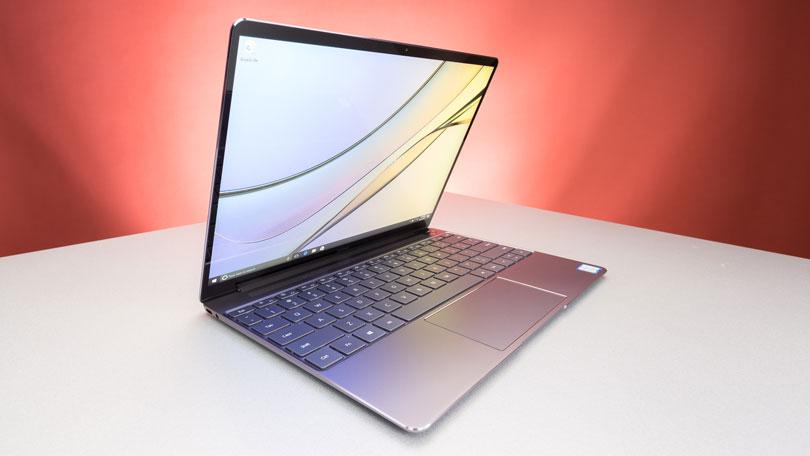
    If you’re a photographer, or an aspiring photographer, you’re certainly going to be using photo editing software. You’re also going to want that software to be accessible on the go, so you can edit while you’re shooting. With that in mind, the photographer’s best friend is their laptop. Which laptop is the best for editing on the go? Read on to find out our favorites! 

    Dell XPS 15 

    Dell’s XPS 15 is a great non-Apple choice for photographers. If you want a laptop that excels for photo editing and runs on Windows, this one is a great choice. It sports InfinityEdge technology, meaning it has a huge screen size for how small of a machine it is. Its display is color-accurate and has a 4K resolution, meaning your photos will look accurate while you’re editing.  

    The XPS 15 is a bit expensive, although that’s par the course for laptops with displays strong enough for photo editing. It retails for around $1,000, but you can often find it on sale for around $750. Consider this one if you heavily prefer Windows over Mac OS. 

    Apple Macbook Pro 13 inch with Retina 

    Unsurprisingly, Apple’s flagship laptop remains a fantastic choice for photographers. If you needed any reminders: Retina display is amazing, the battery life is great, and Mac OS was made with content creators in mind. Unsurprisingly, the Retina display remains the best laptop display on the market. With the best colors, contrast and saturation available on a laptop, you won’t be disappointed in this choice. 

    On the negative side, the Macbook is pretty expensive no matter where you go. It can be found anywhere from $900-$1,000, depending on sales and the like. It also doesn’t have a great deal of storage, which is a bit disappointing for photographers. That said, this is still a great pick. 

    Our Favorite Laptop for Photography: Apple Macbook Pro with Touchbar

    The step up from the older Macbooks, this new one sports the handy new touchbar technology. The touchbar is an OLED display above the keyboard that allows for quick access to tons of shortcuts. The toucbar has a number of applications across the OS, like suggested word selection and scrolling. The great use for photographers is the shortcuts in Photoshop, making Adobe’s robust suite even easier to use. Additionally, all the positives about the previous Macbook still apply, with the exception of the battery life. 

    Unfortunately, battery life isn’t nearly as impressive on this one; it seems the touchbar really saps the power from the laptop. Jokes aside, it is markedly lower than its predecessors. Additionally, this one is tremendously expensive: you can usually find it around $1,500.  


  • Whoa, New iPhone 12 Starts at ONLY $481! What’s the Catch?

    Whoa, New iPhone 12 Starts at ONLY $481! What’s the Catch?

    In typical Apple fashion, the company played up improvements to the battery life, camera system and hardware under the hood of the new phones. But, what would it take for you to dish out another $1,000 for a new smartphone? What if we told you that you could get your hands on the brand-new iPhone 12 for only $481? Here’s how:

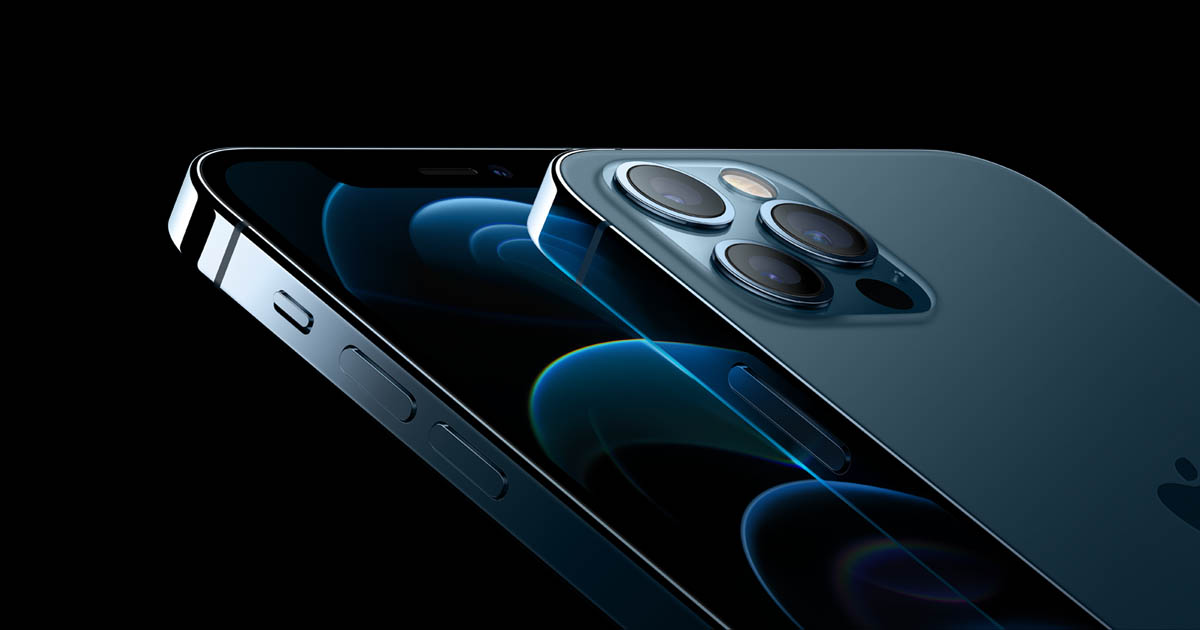
    They’re sporting even more sophisticated cameras and a handful of other premium features. All three new iPhone versions still look just like their predecessors, but Apple has upgraded their camera to allow for wide-angle photos while making improvements under the hood that result in longer battery life and faster performance than before.

    Price

    At $799, the iPhone 12 is $100 more than its predecessor, the iPhone XR. The new iPhone 12 Pro and iPhone 12 Pro Max pick up where last year’s iPhone XS and iPhone XS Max left off, starting at $999 and $1,099. Here’s the secret: you can get the new iPhone 12 for as little as $481 when you trade in your current iPhone!

    Camera

    There’s a big focus on the camera this year, and that’s because it’s a dual-lens sensor (12MP) with a f2.4 ultrawide camera paired with a f1.6 wide camera . Both rear cameras utilize Apple’s propriety night mode and night mode time lapse. They believe the iPhone 12 is three times faster in low-light scenarios too.

    Video

    Video modes include 4K video recording at 24, 30 or 60 frames per second. Not only that, the new iphone12 features HDR video with dolby vision up to 30 FPS. Apple says it has improved image stabilization on the new phone too. Apple has even included HDR Dolby Vision video recording on the front-facing selfie camera. Overall, Apple claims to have the “highest quality video recording in a smartphone.”

    Water Resistance

    It’s also water-resistant, coming with an IP68 rating. That should mean you’re able to submerge it in the bath or take it in the shower, as it can survive in up to two meters of water.

    What’s new in the iPhone 12


    A14 Bionic chip
    Faster Face ID unlocking
    Super Retina XDR display
    Dual lens sensor (12MP) with a f2.4 ultrawide camera paired with a f1.6 wide camera
    Both rear cameras utilize apples propriety night mode and night mode time lapse
    2x-5x optical zoom
    Lidar
    12-megapixel front-facing camera
    4K HDR Dolby Video for both front and rear cameras
    New Night Time photo and time-lapse mode

    New iPhone 12 Pro and Pro Max

    Two screen sizes: 6.1- and 6.7-inch OLED
    Super Retina XDR display supports HDR 10 with Dolby Vision and Dolby Atmos
    Three rear cameras with 4x optical zoom: Wide, ultra-wide, telephoto lenses
    Upcoming camera feature called Deep Fusion compiles 9 images to reduce noise and amp up details
    Faster Face ID unlocking
    4K video for both front and rear cameras, with slow-motion video for the selfie camera
    New night-time mode
    Lidar sensor
    Mag safe technology


  • Apple TV+ News: What We Know

    Apple TV+ News: What We Know

    It’s 2019, and it seems like everyone wants a piece of that sweet, sweet streaming money. When Netflix started streaming some select content on their website over a decade ago, it seemed like a novelty that would do little to disrupt the way cable companies operated. Now, however, nearly every media company is trying to get a piece of the streaming pie. Between CBS All Access, Disney Plus, DC Universe and numerous others, the streaming field is extremely crowded.

    Yet another huge name is entering the streaming world, with Apple TV+ announced to be landing before the end of the year. While pretty much every streaming service offers good video quality and great streaming content, the important differentiators between them are their exclusive content. So, what is Apple TV+ bringing by way of exclusive content to attract users away from Netflix and Hulu?

    The Service

    Apple has long been spinning up to become more “service-focused,” as they themselves have stated at numerous tech shows and investor calls. Apple TV+ is clearly the biggest part of that, and is meant to go hand-in-hand with other Apple subscription services like Apple Music. At present, many details about the service are unknown. However, speculation holds that it will likely cost less per month than Netflix in order to combat the streaming juggernaut.

    Hard details, like the exact price, release date and availability, are all being kept under tight wraps for now. It’s safe to assume that the service will be available on Apple TVs, on iOS devices and on Macs. However, it’s unclear whether it will be available on other streaming platforms, like Amazon Fire TV, Roku, or Android TV devices. However, we do know some details about noteworthy shows we’re going to be seeing on the service. Read on for details.

    The Morning Show

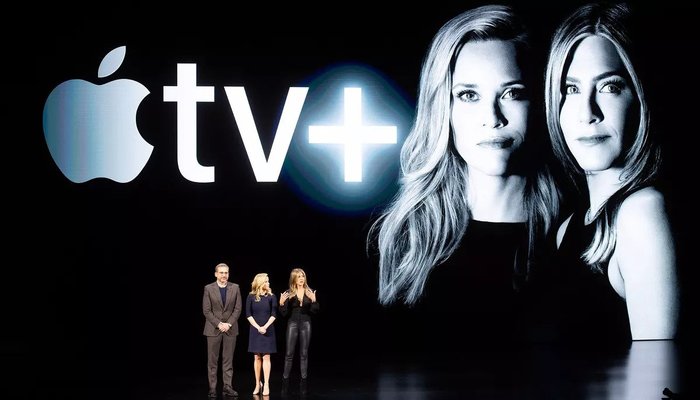
    One of the biggest marketing pushes we’ve yet seen for Apple TV+ has been for “The Morning Show.” While looks on its face like an actual morning show in the advertisements, it’s actually a scripted drama based around characters who work for a morning TV show. Reese Witherspoon, Jennifer Anniston and Steve Carrell are all set to star. The series will mark the return of Steve Carrell to TV after the end of The Office.

    Interestingly, Apple seems to be betting big on The Morning Show, having already ordered two seasons of the show. It’s likely to be a cornerstone of the advertisements for Apple TV+, as the star power involved is tremendous. That said, the quality of the show alone will likely dictate how it performs. If it’s the smash-hit Apple is expecting, it could likely drive users to the service.

    See

    Speaking of star power, the fantasy epic “See” will be starring Jason Momoa and Alfre Woodard. Leveraging Momoa’s history of portraying fantasy characters and Woodard’s exceptional work with Marvel, the series will likely serve as a huge talking point for the service. “See” is set in a world where a virus has decimated most of humanity and left only a few million survivors behind. Those survivors have all been rendered blind by the virus. The show is set to take place centuries after the current day.

    For All Mankind

    If “See” is the service’s keystone fantasy series, then “For All Mankind” is set to be the sci-fi end of the spectrum. The series will be helmed by Ronald D. Moore, of Battlestar Galactica fame, and will center on an alternate-history version of our own world. The series asks the question: what would happen if the space race had continued long after it ended in our own world? The speculative series will likely serve as the main sci-fi series for the service to round out the major pillars of TV favorites.


  • MacBook Deals: Why are They so Cheap Right Now?

    MacBook Deals: Why are They so Cheap Right Now?

    It’s back to school season, which means it’s time to get all the best supplies. If you’ve been holding out for great deals on back-to-school tech like laptops, then the recent price trends of the 2019 MacBook Air and MacBook Pro should have you excited. Both devices have seen steep price cuts only a few weeks after hitting the market. But why is that, and how can you take the best advantage of it? Let’s take a closer look.

    MacBook Deals: What’s Going On?

    The Deals

    The newest MacBook Air, which dropped in July of this year, started off at $1,100. However, over the weekend, the device has been spotted on sale for as low as $900, and that’s before even considering back-to-school events that could help you save even more. Likewise, the 2019 MacBook Pro, which started around $1,900, can be found on sale for up to $300 off at several retailers. Again, this is before factoring in back-to-school sales.

    MacBooks are ideal for college students, as they are both easy-to-use and well-tuned for creative endeavors. The sleek interface is top-notch, the software is snappy and reliable, and you don’t have to worry about any viruses sneaking into the airtight Mac OS. As such, if you’ve been holding out to pick up a new laptop for heading off to college, the MacBook is the one you want, especially in light of these deals.

    Why the Price Cuts?

    Apple isn’t exactly a budget brand, so many are wondering what exactly is going on with these price slashes. After all, the 2019 MacBook Air landed just five weeks ago, and it’s already seeing serious price cuts. What gives? Is something wrong with these laptops?

    Well, there are a few factors at play. Firstly, Apple is seeing their products sitting on store shelves for longer than retailers would like. The company shipped a lot more MacBooks to retailers than they normally would for a first shipment in order to get out ahead of projected tariffs on goods assembled in China. Keep in mind, tariffs apply on the import date, not the sale date.

    Since retailers have tons of these MacBooks on shelves, they’re eager to move some units. However, as we’ve established, Apple products are really expensive. So expensive, in fact, that many people would just as soon buy a Windows laptop or a Chromebook of similar build quality for several hundred dollars less. Low demand and high supply tends to have the effect of squeezing the price of a product down.

    Why This is a Big Deal?

    Apple’s products don’t usually go on sale at all. If you were lucky enough to find a discounted Apple product, it would be an older model that a retailer was trying to offload. It’s almost entirely unheard of to see brand-new Apple products getting $300 price cuts. One could compare Apple to Nintendo, another company who’s products almost never see price cuts until they’re obsolete, or Disney, who sells eighty-year-old movies for full retail prices.

    While some may argue that Apple’s products should start out closer to this price point, it’s hard to deny the superb build quality and excellent user interface of MacBooks. The perfect storm of economic pressures and unusual political climates have made for a great moment for buyers. Whether you’ve used a MacBook before or you’re just looking for a great laptop to carry off to school with you, there’s never been a better moment to snap up a brand-new Mac.


  • Foldable iPad on the Horizon? Rumor Mill

    Foldable iPad on the Horizon? Rumor Mill

    By now, if you haven’t heard of the Samsung Galaxy Fold, you’ve done a great job avoiding the folding smartphone hype that Samsung has generated. Many Apple fans have been left wondering: does this new folding phone hype mean that a foldable iPhone could be coming?

    According to insider info from an investor note reported by CNBC, it’s more likely we first see a folding iPad before the tech comes to the smartphone line that started the smartphone craze. The note indicates that Apple is “steadily working” on a folding iPad, and expects to release the device in 2020.

    Foldable Craze

    For a brief moment after the April delay of the Samsung Galaxy Fold, it looked like the folding phone hype might die before the first example of the technology even hit the market. However, Samsung seems to have course-corrected the beleaguered device and is set to launch it properly by the end of September. The hype surrounding this device can’t really be overstated.

    The biggest draw to these folding handset designs, like what we’ll also see on the Huawei Mate X, is that they pack the size of a tablet into the portability of a smartphone. That, alone, is a big reason to be excited about this tech getting traction. However, there are some serious hurdles to overcome in order to make the folding designs of these touchscreen devices a possibility.

    Folding Screen Hardware

    One of two things is required for a folding smartphone or tablet to become a reality. That’s either a firm, foldable plastic, or an as-yet undeveloped bendable glass to use as a display. The Samsung Galaxy Fold, for example, is using a durable, pliable and strong plastic for its display. It’s likely Apple will be utilizing similar materials for their folding devices, though they could be waiting for the much-rumored folding Gorilla Glass to become a reality.

    Another issue that Apple is likely looking to avoid is the same PR backlash that hit Samsung when the Fold was delayed. Review models of the Fold were reported to have serious hardware issues, including the screen flickering, debris working under the display and causing bulges, and a thin membrane that could be peeled off the display resulting in a complete screen failure. Apple will likely be more patient than Samsung in developing their own folding devices.

    Why iPad First?

    The news that Apple will focus on iPad before bringing folding tech to the iPhone is interesting. While Samsung has more interest in making their smartphone screens larger, Apple seems to want to start by making their larger devices more portable.

    It’s unlike Apple to roll new features to the iPad before the iPhone, though, in this case, the company could be hedging their bets. After all, folding displays have more hurdles to overcome than just hardware. There’s also the issue of hardware cost.

    Hardware Cost

    It’s no secret that smartphone tech is getting more expensive as the years go by and manufacturers are cramming more and more high-tech features into them. However, the eye-watering $2,000 price tag of the Samsung Galaxy Phone has even power users thinking twice before reaching for their wallets. It was already difficult for many to reconcile a $1,000 smartphone, but doubling that might be a bridge too far for some users.

    As such, it’s not surprising that Apple might test the waters with a folding iPad, first, to gauge interest. After all, the iPad tends to have a higher starting cost than the iPhone. Adding a few hundred more dollars to that cost to include a folding hinge might not be as big of a turn-off for iPad buyers as it would be for iPhone buyers.


  • Is $1000 too Much for a Smartphone? Price Trends

    Is $1000 too Much for a Smartphone? Price Trends

    In the last few years, we’ve seen premium smartphone prices get a little out of control. When Apple unveiled the iPhone X and the public found out it would cost a cool $1,000, people were a little shocked. Likewise, when the Samsung Galaxy S9 was announced to be at that same price point, people were concerned about the trajectory of smartphone prices.

    The latest move in this direction has been the absurd asking price for the upcoming Samsung Galaxy Fold. The super-premium smartphone will retail for nearly $2,000, making it twice as expensive as the line that many feel is too high for smartphones. In addition to this, smartphone sales are lagging across the board. What does this mean for the industry?

    Sales Trends

    Apple has been posting consistently slumping sales for the iPhone line. This isn’t due to the quality of the phones: ostensibly, the iPhone XS is the best iPhone ever. The XR, it’s less-expensive cousin, has sold far better, though, despite having notably weaker hardware under the hood. This is because it costs a solid $250 less. It seems consumers don’t mind shelling out $750 on the high end, but $1,000 is simply unreasonable for the average consumer.

    Samsung has experienced similar sales trends. Their tremendously expensive Galaxy S9 and Galaxy S10 handsets have sold poorly when compared to their predecessors, though Samsung’s A-series of more budget-friendly phones has sold incredibly well. If this has taught phone manufacturers anything, it’s that less-expensive phones are the preferred type in the modern landscape. But why is that?

    Stronger Phones, Longer Lifespans

    There was a point in time when people would trade their phones out for the newest model once every two years or so. This cycle was so consistent that manufacturers literally had strong years and weak years to incentivize it. Today, though, the average consumer is waiting three years or more before they trade their phone up for a new one. Phones aren’t just more expensive, they’re better across the board than in the past.

    In general, smartphones are better now than ever before. Crisp screens, unbelievable cameras, fast processors. Even phones in the $500 to $750 range are unbelievably powerful. For the average consumer, a strong phone with a good camera that gets tons of software updates is just as good as the hottest new thing. Besides, why shell out $1,000 for a new phone when your current phone works fantastically well?

    Software, not Hardware

    Hardware revisions in recent years have slowed in intensity greatly. At one point in time, each new generation of phones brought huge increases in power and speed. Now, each new model year is iterative instead of revolutionary. There’s not a lot distinguishing the iPhone X from the XS, or the Galaxy S9 from the S10.

    Instead, software updates are the meat of the current smartphone cycle. Android is polishing their next OS update, Android Q, while Apple is hard at work on iOS 13. These two are likely to be bigger news than whatever new handsets the two companies drop this September. After all, iPhones all the way from the SE can use the new iOS, making them feel like they have a new lease on life.

    What Will Change

    It wouldn’t surprise us if the big phone manufacturers slowed down significantly on hardware production. Rather than trying to dress up minor revisions as brand-new handsets, it’s more likely we’ll see them issue a main flagship phone, its budget sibling and an XL version, and hold on to those for around three years. Then, when a major shift does come along, they can push out their newest handset, organically picking up new users along the way with software updates.

    Or maybe they’ll keep throwing $2,000 folding phones at us. Who knows?


  • Biggest Apple News: iOS 13 and iPad OS Coming Soon

    Biggest Apple News: iOS 13 and iPad OS Coming Soon

    Apple’s users are constantly getting excited for the next big thing in the world of technology. This year, that big thing is actually going to be two things: firstly, the much-anticipated release of iOS 13 will bring a slew of quality-of-life upgrades to the ever-popular iPhone family. Secondly, the new iPhone 11 is rumored to be bringing even more revolutionary changes to the formula started with the iPhone X’s unique redesign of the iPhone model.

    Today we’re talking about the biggest reveals from iOS 13’s developer beta and the news from the upcoming iPad OS updates. If you’re a fan of Apple, or you’re considering picking up an iPhone or iPad, there’s a number of awesome new features coming down the pipeline to look forward to. Let’s break it down.

    iOS 13 and iPad OS Context

    This might sound dramatic, but iOS 13 is a huge crux point for Apple. The Cupertino-based company has its work cut out for it going toe-to-toe with Android. Google’s smartphone OS: Google owns 90% of the market share when it comes to smartphone install base. That’s due, in large part, to Android’s place as an open system than can run on third-party smartphones.

    Apple’s iOS, of course, can only be found on Apple’s own iPhone or iPad devices. This means that, while being incredibly popular in the US, they’re far from ubiquitous in regions like China and India. iOS 13 is Apple’s big push to make their OS the best, judging from tons of oft-requested features finally making their way to the system. Let’s talk about what’s new.

    Dark Mode

    The most exciting new feature, for us, is system-wide dark mode. This means that the background of various apps and the general system menus and dialogue will be darker in tint and tone when dark mode is enabled. Apps that are already capable of operating in dark mode will be automatically switched over to that setting when you flip the system-wide switch. We’re also hoping that the setting will be able to detect sunset times and automatically switch on or off depending on the time of day.

    Why use dark mode, you ask? There are a number of benefits associated with it. Firstly, it helps conserve your battery when your screen isn’t having to illuminate so much. Secondly, it’s easier on the eyes when it’s dark out to see a darker image onscreen. Finally, it’s better for your natural circadian rhythms to not stare at a screen that lets out light the same color as the sun’s light.

    New Siri Voice

    Siri’s aged pretty poorly in light of Alexa and Google Assistant. The latter two virtual assistants sound natural and respond to a variety of voice commands, while Siri sound like a computer from an old sci-fi movie and only answers very specific commands. iOS 13 is bringing a huge overhaul to Siri to make her more competitive as a virtual assistant, both in iPhones and as the brains inside of Apple’s HomePod smart speaker.

    Better, Faster, Stronger

    General updates like speed and performance are coming in iOS 13. The race to be the fastest and easiest-to-use OS continues this year as Android is pushing ahead with Android Q, their newest OS, which promises to be the fastest Android update yet. iOS 13 promises even more security features, too, including “Sign in with Apple,” which will help to keep your personal info safe from prying eyes.

    Other great new features include customizable “Memoji,” allowing you to create your own emoji avatar and animate it with your own face. This is akin to the Animoji features found in the iPhone X back in iOS 12. Other quality of life upgrades, like blocking unknown callers, are coming to the phone as well.


  • iPhone 11 Rumors: Latest Reports

    iPhone 11 Rumors: Latest Reports

    New rumors around the iPhone 11 are swirling, and they’re all rather impressive. Apple’s had some issues lately moving phones, as people are keeping their older phones longer and technology is plateauing. The suite of new features in the iPhone 11 seemed geared to both impress tech-heads while also converting people who are hanging on to their iPhone SEs still. Let’s take a look at the newest iPhone 11 rumors.

    iPhone 11 Rumors

    Camera Bump

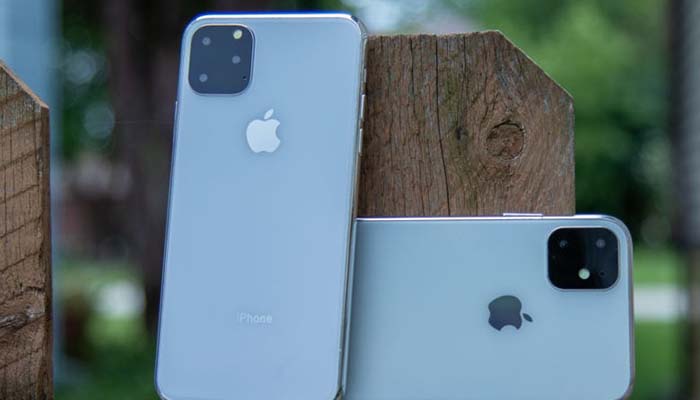
    The notorious camera bump that has been speculated to be coming in the iPhone 11 has looked ugly in previous mock-ups. The large, protruding square with a cluster of three cameras throws the entire appearance of the back of the phone off. Thankfully, some newly-leaked concepts show the iPhone 11’s three-camera array will be on a much more subdued bump from the back of the phone.

    New mockups show the camera bump has rounded corners, a staple of Apple design, as well as a sleek profile that barely pops up from the back of the phone. This design looks much more stylish and professional, and we’re happy to see it rather than a larger, square-shaped version of the iPhone X’s camera bump.

    Mute Switch

    Everyone who owns an iPhone knows what a pain the mute switch on the side can be. If you’ve ever meant to have your phone on silent when it starts ringing during a meeting, you know what we’re talking about. This is due to the shape of the mute switch: it’s a thin bar that can simply be toggled forward or backward to silence or un-mute the phone.

    Thankfully, Apple’s got a solution for this one cooked up for the iPhone 11. The newest phone looks poised to introduce the same silence-toggle seen on the more recent iPad models: a circular switch that is moved up and down, rather than forward or back. Hopefully this will cut down on the number of times the switch gets flipped in our pockets.

    Construction

    It seems like Apple is in the “if it ain’t broke, don’t fix it” camp when it comes to the phone’s glass back. Glass-backed phones started getting big in 2017 for a number of reasons. Firstly, the glass allows for wireless charging signals to pass through unimpeded. Secondly, on the same token, they’ll likely make it easier for 5G signals to be passed to the phone over the airwaves.

    Another upside of an all-glass back is that is looks very stylish while also protecting the phone against damage. That might sound counterintuitive, but hear us out. The incredibly durable Gorilla Glass used in phones like the iPhone XR is actually even better at protecting your phone’s internal components than plastic.

    Returning Features

    Further returning designs include the return of the dual-camera sensor for Face ID and the lack of a physical front button. Apple’s been the sole company allowing for only Face ID to unlock their flagship phones, foregoing fingerprint scanners altogether. This has made the iPhone X and its family of phones a very futuristic and natural device for Apple users.

    The lack of a physical front button means that this iPhone will also necessitate the use of gesture controls to navigate iOS. This news might be disappointing for people who were hoping that Apple would reintroduce the older style of navigation using the physical front button. For fans of the clean and easy-to-use buttonless iOS, however, this is great news.

    When Will it Release?

    If this year is anything like previous release years for Apple, we could expect to see the iPhone 11 landing sometime in late September. We’ll likely see a full and proper unveiling of the device during the week of September 8th.


  • iOS 13 Beta: New Features and What to Expect

    iOS 13 Beta: New Features and What to Expect

    Every year or so, a new update for Apple’s cellphone operating system, iOS, begins making the rounds. This time around, it’s lucky number 13, and there’s a wealth of new features and quality of life updates coming down the pipeline for Apple’s OS. Today we’re giving you the scoop on the newest iOS update so you know what to expect when the operating system goes live later this year.

    iOS 13 Beta

    Dark Mode

    Dark mode is coming to iOS! Let that sink in for a moment. Real dark mode support from Apple! That’s a first for the nearly 13-year-old OS, but we’d rather see it get here late than never. While some people might not care much about the option for a dark mode, it’s a big deal for some users.

    Some people just don’t like the harsh, bright backgrounds of most apps. Other people don’t like being blinded by the brightness of some white-background apps in the middle of the night. Others still just like to keep it dark, man. No matter your reasoning for wanting dark mode, it’s coming as an OS-wide option for iOS 13. Frankly, this is the one we’re most excited for.

    QuickPath Swipe Keyboard

    A feature that Android users have long enjoyed is the swipe-based keyboard. While Apple offers a great number of security features and clean UI, the option for a swipe keyboard has long been iffy at best. However, the new QuickPath swipe keyboard in iOS 13 will do its part to change that!

    Early reviews from beta testers have stated that the swipe keyboard is responsive and works great in most scenarios. More complex words, uncommon names and acronyms are still a little more difficult to get to work, but the same can be said of any swipe keyboard. Thankfully, it seems to be a far better option for iOS users that want a swipe-based keyboard for quick texting than installing a third-party app.

    FaceTime Attention Correction

    FaceTime attention correction, as its called, is coming to iOS 13. This means that when you’re on a FaceTime call and you’re looking slightly to the side or down to see the person you’re talking to, the phone’s system will automatically center your view so your attention appears to be on the person you’re talking to.

    This means that you’ll not have that strange, slightly-off look when you’re talking to your friends or family on the new iOS. Neat!

    New Siri Voice

    Siri’s new voice will sound more natural and less robotic, according to Apple. This is great for people who use HomePod or AirPods, as it means that when Siri is reading off longer sentences, she’ll sound more natural. For instance, people who use AirPods might want Siri to read their texts to them, and she’ll sound much more natural and normal while doing so.

    Likewise, Siri can now better differentiate between different voices. For instance, when you’re using your HomePod, and you ask Siri to read your calendar, she’ll pull up the correct one for you, not your spouse or kid’s calendar!

    iOS 13 Release Time Table

    The beta for iOS 13 launched in late June, and it’s likely that the iOS update will be hitting phones sometime in mid-September. While there’s no official release date as of yet, it would be unusual for Apple to not ship the new iOS with this year’s new iPhones. Historically, the newest iPhones launch yearly in the middle of September.

    We don’t know about you, but we’re absolutely thrilled that Apple is introducing an OS-wide Dark Mode, so we’ll be updating as soon as the new OS launches!