Tag: lifestyle

  • Eating Healthier: Best Probiotics

    Eating Healthier: Best Probiotics

    Maybe you’re looking to eat healthier to lose some weight, or you just want to encourage better lifestyle habits in yourself. Either way, you’re probably looking for some good foods to add to your diet. Have you looked into probiotics as ways to make your diet healthier? Today we’re going over some of the best probiotics you can add to your diet!

    Best Probiotics

    What are Probiotics?

    Probiotics are foods that have been shown to encourage the growth of positive bacteria. Your intestinal tract is home to millions of bacteria that help you break down and process the foods you eat, so taking good care of them is vital for good intestinal health! Here are some of the foods you can eat to encourage good intestinal health.

    Sauerkraut

    A very beloved German dish, sauerkraut is thinly-shredded cabbage fermented by lactic acid bacteria. You’ll often see sauerkraut served on top of sausage at German restaurants, or as a side with traditional German food. It has a distinctive sour and salty taste that is described by some as overwhelming, and others as delicious.

    Sauerkraut is very good for you for a number of reasons. Firstly, it’s packed full of probiotics, which are great for your intestinal health. Secondly, it’s also a great source of vitamins: it’s loaded with vitamin B, vitamin C and vitamin K. Notably, if you want the healthiest version of sauerkraut, you need to get the unpasteurized variety.

    Kefir

    Kefir is a milk-based drink, created by adding kefir grains to cow’s milk or goat’s milk. Kefir grains aren’t grains in the same sense that barley or oats are grains, but are instead created from lactic acid bacteria cultures. They’ve been described as looking similar to cauliflower.

    Notably, even people who are lactose intolerant tend to handle kefir well. This is likely due to the high concentrations of positive bacteria and yeast that are found within kefir, which help to stimulate good digestion and positive intestinal health. People who commonly consume it tend to praise the good overall feeling they get from ingesting the drink.

    Yogurt

    Likely the least exotic of the foods on this list, yogurt is not dissimilar from kefir. Both are great sources of probiotics, and both are dairy-based. Like kefir, yogurt tends to be easier on the stomach for people who are lactose intolerant.

    Yogurt has a variety of positive health impacts. It’s great for bone health, as well as being an excellent source of calcium. Make sure, however, that the yogurt brandy you’re choosing has live cultures or bacteria in it, otherwise it won’t give you the great probiotic health benefits. Likewise, make sure the brand you’re getting doesn’t have a ton of added sugars.

    Kimchi

    The much-beloved Korean food kimchi is another excellent source of probiotics. The fermented cabbage dish has been compared positively to sauerkraut, as the two foods are both fermented cabbage dishes. However, unlike sauerkraut, kimchi can be made from a variety of other vegetables, too.

    As far as health benefits go, kimchi is really great for you. It’s loaded with a lactic acid bacteria named for the dish, Lactobacillus kimchii, as well as vitamin K and vitamin B2. In addition, it’s a great source of iron!

    Miso

    Another far East favorite, miso is a Japanese seasoning that is traditionally made from fermented soybeans with koji, a Japanese fungus. Commonly, miso is added to soup, and such soups are considered a staple of breakfast foods in Japan. The seasoning has been described as earthy, salty and savory.

    Miso is high in both protein and fiber, and has been shown to reduce the likelihood of breast cancer in middle-aged women. Much like other probiotics, miso is also a great source of vitamin K and positive bacteria.

  • Type 2 Diabetes: Causes and Symptoms

    Type 2 Diabetes: Causes and Symptoms

    As American lifestyles have changed, occurrences of type 2, or late onset, diabetes have become more common. Today we’ll be looking at some of the most common causes of type 2 diabetes, its symptoms, and treatments that are designed to manage the condition. If you feel as though you may have diabetes, speak to your doctor for a full test.

    Type 2 Diabetes

    What is Type 2 Diabetes?

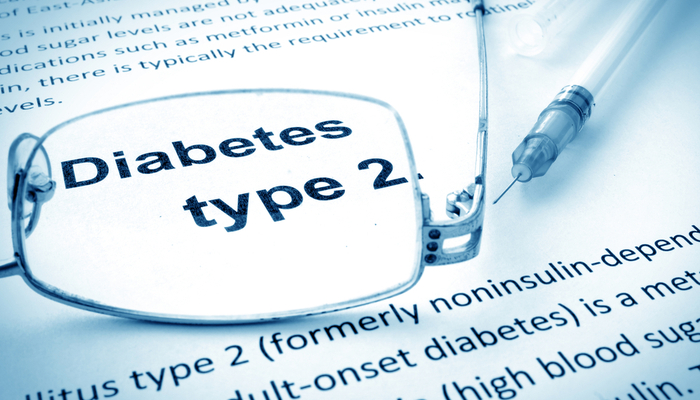
    Type 2 diabetes is a chronic condition that refers to the way that your body processes (or doesn’t process) sugar. Diabetes is caused by your body’s own resistance to insulin, a compound meant to help your cells process glucose. Occasionally, the condition occurs when the body doesn’t produce enough insulin on its own.

    While type 2 diabetes was once referred to as “adult-onset” diabetes, this is no longer an accurate description, as children can be diagnosed with the condition as well. This is likely due to changing lifestyles in the developed world, such as the rise in childhood obesity and poor diets among some children and families.

    Symptoms

    Symptoms of diabetes include increased thirst, increased hunger, fatigue, unintentional weight loss, slow healing of wounds, blurry vision and frequent infections. If you suffer from some of these symptoms, it could be wise to visit your doctor to do some tests and see if you’re suffering from diabetes.

    Contrast to Type 1

    Type 2 diabetes is contrasted with type 1 diabetes, which is caused by a combination of genetic and environmental factors. In type 1 cases, the culprit of the symptoms is the pancreas: the pancreas fails to produce the correct levels of insulin in type 1 patients, due to auto-immune cells destroying important beta cells in the pancreas.

    Type 1 was once known as “juvenile onset” diabetes, but this is also inaccurate. There are currently more adults diagnosed with type 1 diabetes than children. Type 1 diabetes, however, is much less common than type 2: only between five and ten percent of all cases of diabetes are type 1.

    Genetics

    The most common factors in the onset of type 2 diabetes are lifestyle and genetic predisposition. One of the biggest things we’ve learned in recent years about type 2 diabetes is that you can inherit a high likelihood of developing the condition from your parents.

    This doesn’t mean that if your mom or dad had type 2 diabetes that you’re guaranteed to develop it, it just means that you’ll be at a higher likelihood of doing so based on your lifestyle. This makes lifestyle incredibly important for people with a genetic predisposition to the disease.

    Diet and Exercise

    From a lifestyle standpoint, the biggest cause of diabetes comes from diet and exercise. A lack of meaningful exercise is often connected to the onset of type 2 diabetes, and people with a genetic predisposition are more likely to develop the condition if they don’t work out often.

    Diet is just as important as exercise, too: people with high-fat, high-sugar diets that are more overweight are more likely to develop diabetes. Notably, diets that are too low in fiber are some of the most common diets among people who develop type 2 diabetes.

    Treatments

    There’s no cure for diabetes. People living with the condition simply have to make a number of lifestyle changes to accommodate their symptoms. For instance, it’s common for sufferers to have insulin pumps to help manage their body’s insulin levels. Monitoring their blood sugar levels is very important, as well.

    Diet and exercise can be important factors in managing the condition, as well. While nothing can fully cure diabetes, being in good physical shape and eating healthy foods make managing diabetes symptoms significantly easier.


  • Best Milk Substitutes: Avoid Dairy without Compromising

    Best Milk Substitutes: Avoid Dairy without Compromising

    Dairy isn’t exactly good for you, but you probably already knew that. However, skipping out on milk and cheese and yogurt can all be quite difficult when you’re living in the US. So, what are some of the best non-dairy options for milk? After all, you still want to be able to cook and eat cereal without getting too much dairy intake. Let’s look at some of the dairy-free favorites.

    Best Milk Substitutes

    Why Avoid Milk?

    Dairy in general is a substance that many people in the world choose to avoid. Globally, about three out of every four people are lactose intolerant. In fact, America is a bit unusual in that it is comprised of so many people that can process dairy. So, if you’ve got lactose intolerance, don’t feel bad, it just means that you’re like most of the species!

    Another reason to avoid dairy is that it’s just flat-out not good for you. Very high in fat, very high in sugar and lacking in many nutrients, milk is something of a weird cultural artifact in American cuisine. It’s one claim to nutrition, that it helps build strong bones through its calcium, is actually debated by many nutritionists as being misleading. After all, almonds, figs and kale are all much better sources of calcium, and they’re much better for your body.

    Almond Milk

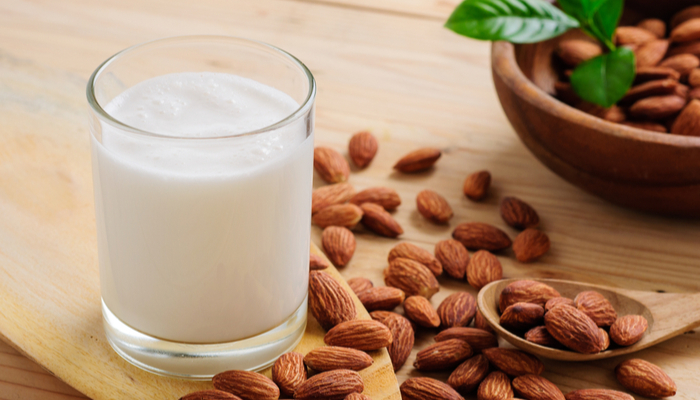
    One of the first substitutes for milk anyone will mention is almond milk. It’s common, relatively inexpensive and full of calcium. In fact, if your main reason to drink milk was for the calcium to help build up strong bones, then almond milk is perfect for you. The flavor has been described as being more “watery” than cow’s milk, but when used in cooking or cereal it’s hard to notice the difference.

    There’s notably much less fat and much fewer calories in almond milk than cow’s milk. There’s also lower protein and lower in carbs, and almond milk is one of the least-fattening milk substitutes. If you’re trying to watch your calorie intake and still get plenty of calcium, then almond milk is likely the right substitute for you.

    Soy Milk

    Don’t let half-formed concerns fool you: soy milk is a great replacement for milk if you’re lactose intolerant or just don’t like consuming animal products. This drink is created from soybeans or soy protein isolate, and it is usually thickened by various agents and vegetable oils to help the drink’s consistency.

    Soy milk has a similar concentration of protein as cow’s milk, but it has decidedly less fat, carbs and calories. Soy is also a major source of “complete” proteins that include the full range of amino acids that you have to acquire from your food and can’t create on your own. Contrary to what some internet theories claim, there’s also no evidence that soy milk adversely affects any hormone receptors in the body. Soy milk is perfectly safe and healthy for normal adults to drink.

    Oat Milk

    A very simple milk substitute, oat milk is essentially just oats and water. Often, oils, salts and gums are added to the mix to give the beverage a more “milk-like” texture and taste. Oat milk is popular in cooking, mixed into smoothies and in cereal. It has been noted as being a very close reproduction of the flavor and texture of cow’s milk.

    Notably, oat milk is actually not as good for you as some of the other substitutes available. It’s got double the carbs, the same amount of calories and half of the protein of milk. Thankfully, it also contains half the fat that milk does. However, for those on a diet or watching their calories, oat milk might not be the best substitute.


  • Good Habits: Finding Time to Exercise

    Good Habits: Finding Time to Exercise

    Health and fitness get overlooked often in the hustle and bustle of daily activities. However, one of the most important cornerstones of a healthy life is exercise. If you want to feel better, live longer and have more energy, you should consider getting into an exercise routine. We know what you’re thinking: when am I going to have time for that? Today, we’re going to help you find that time.

    Finding Time to Exercise

    Why Getting Fit Matters

    A lot of people simply wave off fitness or make excuses. It’s hard to get into shape and stay in shape, right? Well, that’s not necessarily true. When you get the right cadence going in your life, you’d be surprised at how easy it gets to stay in your routine.

    When you’re working out more, you just feel better. This has little to do with body type, though being in shape can be nice. No, instead, the health benefits of exercise we’re focused on are more to do with your mood, your energy level and your overall health.

    Those who regularly exercise create better habits for themselves and begin to cultivate discipline. Personal discipline is an invaluable resource, as it can help you get nearly anything done. It goes hand in hand with resolve and determination, which are admirable traits!

    Lunch Break

    Consider bringing a packed lunch to work that you can eat quickly. If you get an hour for lunch, bring something you can eat in ten minutes. This frees up fifty minutes of your time so that you can engage in some light exercise!

    No one wants to be sweating at work, but you can take a quick walk. Maybe take a walk around the building, or to your car and back. Not only will you find more time to get your exercise in, you’ll also save money on your lunch. You might even eat better, making your own food, rather than eating out at a restaurant.

    Waking Up Sooner

    Some of the best workout time can be found just before or just after sunup. Maybe you go into work at 9:00: consider waking at 7:00 in order to give yourself time to get in a jog and a few pushups and sit-ups. When you first wake up, your body is flooded with adrenaline. What better way to get a start to your day than to break into some exercise?

    It’s also better for your body to get to bed earlier and awaken earlier. Staying up late every night has been linked to increased risk of heart disease, diabetes and other disorders. A well-regulated schedule of exercise and fitness is great for your body!

    On the Way Home from Work

    When you’re on the way home from work, do you pass any gyms? Maybe consider getting a trail membership to a gym and seeing how you feel heading by there after work. If you hate waking up early and would rather work out later in the day, try hitting the gym every other workday.

    Maybe you try to get by the gym every Monday, Wednesday and Friday. Whatever works for your schedule! That way, you get a nice capstone to your day and get to work out any frustration or energy from the workday.

    Weekend Warrior

    If your weekdays are totally packed full of activities, consider getting your workouts in during the weekend. Sure, it’s preferable that you work out more regularly than that, but it’s a great way to start. The best thing about exercise is that it’s a self-reinforcing activity. It feels nice to be active! Your body will soon push you to get out and be active all on its own.

  • Trying to Lose Weight? Avoid These Foods

    Trying to Lose Weight? Avoid These Foods

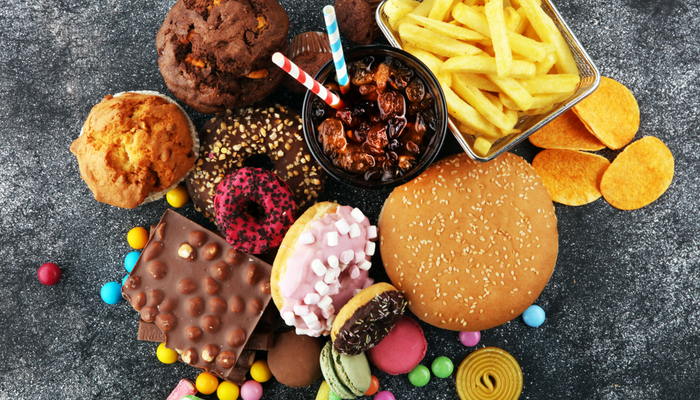
    It’s natural to want to avoid junk food when you’re trying to lose weight. After all, the most successful weight loss is the kind you pursue because you love your body, not because you hate it. As such, today we’re going over some of the foods you need to cut out to get healthy and lose the pounds.

    Remember, you only get one body in this life. Treat it with respect, and don’t fill it full of junk food.

    Avoid These Foods if You’re Trying to Lose Weight

    Fried Foods

    Fried foods are straight-up bad for your health. They’re delicious, yes, but they’re so full of trans fats, salt and cholesterol that they’re terrible for you. Beyond simply being a factor in weight gain, fried foods can contribute significantly to heart disease and diabetes.  If you’re remotely health conscious, stay far away from fried foods.

    Sugary Drinks

    Sugary drinks like sodas, energy drinks, sport drinks and some fruit juices can be incredibly impactful when it comes to weight gain. The average can of soda contains 90 calories per serving, while energy drinks can contain up to 210 calories per serving. And you’d best believe there’s more than a single serving in those cans.

    That’s not to mention that your brain doesn’t register these drinks as actual calories. You just add these calories on top of your normal daily intake. Instead of relying on sugary drinks to quench your thirst, opt for water! It’s good for you, you need tons of it and it’s got zero calories.

    Potato Chips

    These fall under fried foods, sure, but potato chips in particular bear repeating. Some studies suggest that potato chips could cause more weight gain per serving than any other food. That means a few bags of chips during the week could be worse for you than having fried chicken for lunch a comparable number of times.

    White Bread

    Unsurprisingly, white bread is a terrible addition to any diet. It’s heavily processed and very high in sugar, offering little to no nutritional value. Instead of eating white bread, consider opting for a healthier choice like Ezekiel bread.

  • Do You Get Enough Vitamins? Try These Vitamin Subscription Services

    Do You Get Enough Vitamins? Try These Vitamin Subscription Services

    Everything has a subscription these days. You subscribe to a video streaming service like Netflix. You could have a shave club subscription, or maybe a makeup subscription. Maybe you get meal boxes in the mail, or something more fun like a Loot Crate-style grab bag. But do you get your vitamins delivered to your door?

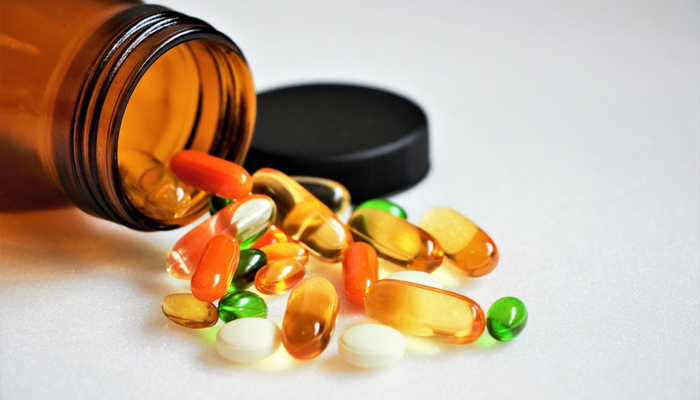
    Most people don’t get nearly enough vitamins, and it shows in their overall health. After all, it’s hard getting enough vitamins in a normal diet. Don’t worry: today we’re going over the best vitamin subscriptions for those trying to get healthy.

    Vitamin Subscription Services

    Why Get a Subscription?

    Personalized vitamin subscriptions are an important service when you compare them with a normal multivitamin. Mass-market vitamins have to appeal to the widest number of people, but that means that they could be full of stuff you’re already getting enough of.

    Subscription services are wonderful because they’re personalized. You get exactly the vitamins that your diet is missing, so you’re that much healthier! Not to mention, it’s nice to get them delivered right to your door. You don’t need to remember to go out and get them, or be bothered with a trip to the supermarket.

    The Best Subscription Services

    Generally speaking, you want to go with a service that fits your budget and offers you the best value. Some of the more well-regarded vitamin subscription services are HUM Nutrition and Persona Nutrition, both of which offer you access to professional nutritionists. These two services are a bit on the pricier side, however.

    If you don’t care about having contact with a dietician or nutritionist, Rootine offers a subscription service of personalized vitamins for $60 per month. Similarly, Vitafive offers less expensive prices for vitamins in gummy form, and even offers support for Amazon Prime users.

    Other services that get good reviews and offer personalized services are Care/of and Ritual. Care/of sends you multiple pills or powders for your vitamin regiment, whereas Ritual just sends you one pill that has all the stuff you need in it.

  • Acid Reflux: Common Causes and Best Treatments

    Acid Reflux: Common Causes and Best Treatments

    Acid reflux is a serious pain for people who suffer with the discomfort and embarrassment it brings. Today we’re looking at the common causes of acid reflux, and the best ways to find relief. While this condition is quite discomforting, there are steps you can take to ease your symptoms.

    Acid Reflux

    Causes

    Acid reflux occurs when lower esophageal sphincter, or LES, is too slow to close, allowing stomach acid to splash up into your esophagus. This stomach acid, as you might expect, is incredibly uncomfortable to have rolling around in organs it wasn’t meant to be in. The presence of this acid can lead to chest pain commonly known as heartburn.

    Some common reasons the LES could be failing to keep your stomach acid down are hiatal hernias, lying down after a large meal, smoking, being overweight or being pregnant. There are other factors that could contribute to acid reflux, as well. If you experience heartburn more than twice a week, you may have acid reflux disease.

    The Science

    When your stomach acid is where it’s supposed to be (you know, your stomach) it doesn’t cause you any discomfort due to your stomach lining. The stomach is constantly creating a thin mucus membrane that resists the acidic properties of the very chemical it makes to break down food. Your esophagus, however, doesn’t have such natural protection.

    Treatments

    Eating smaller meals more frequently is one quick way to address heartburn. Big meals are a common trigger for acid reflux, so eating lighter meals at a higher frequency is advised for common sufferers. If you smoke, consider quitting, as it will have a number of health benefits. This includes potentially curbing heartburn.

    Make sure you don’t eat too close to bedtime. Generally, you want to eat at least two hours before it’s time for bed. Additionally, when you’re eating, avoid wearing tight clothes. If your symptoms come from being overweight, taking steps to lose weight could also lead to a decrease in heartburn.

    Medications

    If lifestyle and diet changes are having no effect, there are a few medications you could try. Namely, antacids are a way to help neutralize stomach acid and calm down the worst symptoms. H2 blockers, proton pump inhibitors and foaming agents are all popular choices.

    Medications like Pepcid, Gaviscon and Aciphex are commonly taken by sufferers to help abate symptoms. Remember, don’t take more than one type of antacid medication: they’re not meant to be mixed together.

  • Natural Probiotics: These Foods Encourage Healthy Digestion

    Natural Probiotics: These Foods Encourage Healthy Digestion

    Probiotics are compounds, chemicals and substances that encourage the bacteria that naturally occur in your digestive tract. Don’t worry about the word bacteria. The ones that live in your digestive tract are supposed to be there, and they’ve got a symbiotic relationship with you.

    Here are some of the best natural probiotics that occur in foods to encourage the little guys in your gut!

    Natural Probiotics

    Sauerkraut

    Fans of German food will be happy to hear that the ancient shredded cabbage dish is actually a probiotic. That’s because this popular European dish is fermented in lactic acid bacteria! Sauerkraut is one of the oldest dishes on earth and has been eaten in Europe for hundreds of years.

    The sour, salty dish is great on sausages, can be eaten as a side and can even be stored in airtight containers for months. On top of all of that, it’s great for promoting good bacteria in your digestive tract.

    Kimchi

    Fans of sauerkraut, or those with knowledge of fermented foods, could have guessed the kimchi would make this list. Kimchi is not dissimilar from sauerkraut, as it is also made by fermenting vegetables. In fact, the most popular vegetable choice for kimchi is cabbage, making it a very similar dish to sauerkraut!

    Much like its European cousin, kimchi is a great probiotic. This tasty, spicy Korean food is undeniably delicious to those who love it, but it’s a bit of an acquired taste. If it’s your thing, though, nothing else really compares to the sour, spicy flavor of kimchi.

    Tempeh

    You might be noticing a theme. Fermented foods tend to be a fantastic probiotic! Tempeh, an Indonesian soybean dish, is no exception. This earthy, nutty dish is a firm patty that is often used as a meat substitute. That’s because it’s high in protein and has a texture that mimics that of meat.

    Like other fermented foods, tempeh is a stellar probiotic. Whether you eat meat or not, you can’t go wrong adding more tempeh to your diet.

    Kombucha

    Surprise, surprise, everyone’s favorite fermented tea drink is a fantastic probiotic. Kombucha is fermented by bacteria or yeast, and the types of microorganisms used to ferment the drink are quite friendly to humans. They encourage your stomach’s natural bacteria and can keep you quite healthy.

    While the internet tends to go bananas on the supposed health benefits of kombucha, scientific evidence isn’t conclusive. However, like all fermented food products, the probiotic side-effects are a sure thing

  • Are Protein Shakes Good for Losing Weight? The Facts

    Are Protein Shakes Good for Losing Weight? The Facts

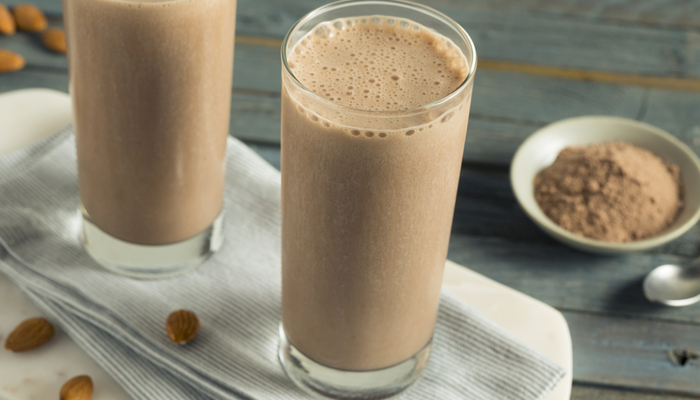
    A lot of people who are fitness-minded love protein shakes. They’re a good way to help stock up on the proteins you need to build muscle, after all! However, some people like to use protein shakes as meal replacements in order to love weight.

    Can protein shakes help you lose weight? Let’s look at the facts.

    Protein Shakes and Weight Loss

    Meal Replacement

    Replacing a meal with a protein shake isn’t a surefire way to lose weight. When people are losing weight with protein shakes as part of their diet, there are likely a few things at play. Firstly, if you replace a meal with a protein shake, you’re taking in less calories that day. Well, assuming you’re otherwise eating healthy.

    Secondly, replacing a meal with a protein shake does you no good if you don’t follow that up with exercise.

    Simply intaking less calories won’t get you meaningful results when you’re looking at nutrition. You’ve got to go back to solid food eventually, and when you do, you have to make sound nutrition choices in order to keep the weight off.

    Overdoing It

    Keep in mind that you need around 46 to 56 grams of protein per day. If you’re eating a healthy diet, you’re already getting that many grams, and you’re likely doing just fine. Adding more protein on top of that isn’t going to get you any different results from dieting or exercise.

    Further, keep in mind that adding protein shakes to your normal diet might actually have the reverse effect of what you were planning. That’s because protein shakes contain calories fitting of a meal replacement. If you’re not using them to replace a meal, then you’re just taking in more calories, full stop.

    How to Use Them

    If you want results in weight loss involving protein shakes, here’s our advice. Get a steady workout regiment going, and only use protein shakes as a meal replacement on the days you exercise. Otherwise, eat a normal healthy diet that gets you the right nutrition.

    One of the best ways to keep yourself in good shape and keep the weight off is to exercise regularly. There are no magic answers when it comes to health and fitness. Anything worth having is going to come as a result of hard work. That includes a proper diet, regular exercise and responsible use of meal replacements.

    Hopefully, this helps you when considering what role protein shakes should play in your diet!

  • Does Meditation Offer any Health Benefits?

    Does Meditation Offer any Health Benefits?

    People have long known about the various spiritual and mental upsides to meditation. However, fewer people know about the other benefits of meditation and mindfulness.

    Namely, the health benefits associated with meditation are often overlooked or downplayed. Let’s look into the top meditation benefits for your health!

    Health Benefits from Meditation

    Stress Reduction

    One of the primary reasons people meditate is in order to reduce their amount of stress. Stress is a silent killer. Cortisol, the stress hormone, is created in larger quantities in people who have extreme stressors in their life. One of the best things stressed people can do is meditate on their stress and reduce their stress levels.

    High cortisol levels can lead to a higher number of cytokines in the body. Cytokines, in turn, can lead to trouble sleeping, anxiety, depression, higher blood pressure, and fatigue. Essentially, the more stressed you are, the more stressed you’ll continue to be. Meditation can break this cycle by cutting out the production of cortisol.

    Outlook

    It can be very difficult to keep a positive outlook on life in the face of adversity. However, meditation can have a huge positive impact in this regard. When one lets go of their thoughts and embraces stillness and meditation, it’s easier to have a positive outlook.

    In short, remember that your problems are all entirely temporary. Love, beauty, kindness and the goodness of the human spirit are indefinite and will last far longer than anything troubling you. When your outlook is more positive, your heart health and mental health both enjoy the benefits.

    Attention Span

    In the modern world, attention spans have shortened dramatically, thanks in large part to the prevalence of media for consumption. From binge-worthy TV to online videos to video games, there’s no shortage of things to take your attention. Meditation can lead to increased attention span lengths as well as helping reduce reliance on social media.

    If you find yourself often swapping between several social media apps, listening to music with the TV on and trying to read all at once, you know how it feels to have a short attention span. Meditating can help you focus in and take more time doing things you want to do. Nothing quite beats sitting down and reading a good book after a nice session of meditation!