
Sometimes, a deal sounds too good to be true. That’s how many consumers reacted when MoviePass announced that for just ten bucks a month, you could see one movie a day in the theater. The company reimburses the theater for a full-price ticket every time one of their cardholders sees a movie, and many people wondered how such a business could be profitable.
Well, it turns out that it might not be.
Massive Losses and Mistrust
Despite promises that MoviePass would start turning a profit by 2019, the company has been consistently losing money. In fact, they recently reported a loss of over $150 million—a number that has analysts and investors questioning how much longer the startup can continue.
The company, which seeks to disrupt the movie theater industry much the same way that Netflix changed the way we consume television, has suggested that they will earn revenue from partnerships with major theater chains and movie distributors.
However, there has been concern that despite their assurances, MoviePass is also selling information about its subscribers. In March of 2018, CEO Mitch Lowe made an offhand remark about tracking users on their way to and from the theater using GPS data. He later clarified that the app doesn’t actively track your phone, but that it can suggest restaurants located near the theater where you checked in for your movie.
A Turbulent History and Uncertain Future
When it originally hit the market in 2011, MoviePass charged nearly $50 for a monthly subscription. They tinkered with the pricing model several times, but it seemed that when they dropped the fee to $9.99, they’d finally found the winning number. The company reported an influx of over 2 million subscribers after debuting the cheaper monthly price in 2017.
Now, however, it seems as though MoviePass may be considering another dramatic change. While current cardholders are still able to see a movie a day, the only subscription currently offered to new subscribers caps the number tickets at 4 per month. New subscribers also receive a 3-month trial subscription to iHeartRadio’s streaming radio service, but that hardly makes up for the limits imposed by the new model. There’s no word yet whether MoviePass will eventually cap all subscribers.
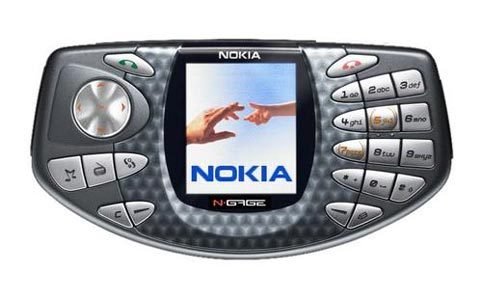
 The original phone’s taco-shaped design was considered clumsy: to insert a game, users had to remove the phone’s plastic cover and remove the battery compartment as the game slot was next to it. Another clumsy feature was the speaker and microphone being located on the side edge of the phone. This often resulted in many describing it as talking into a “taco phone” or “Sidetalking”, or simply that they had one very large ear, because the user held the edge of the phone against the cheek in order to talk into it. Usual for a phone, but unusually for a game system, it had a screen taller than it was wide, with a size of 2.1′ and resolution of 176 X 208, giving an aspect ratio of 11:13; most televisions and portable game screens were 4:3.
 Hands On 15 years Later
 Its Got Games
 The Final Thought
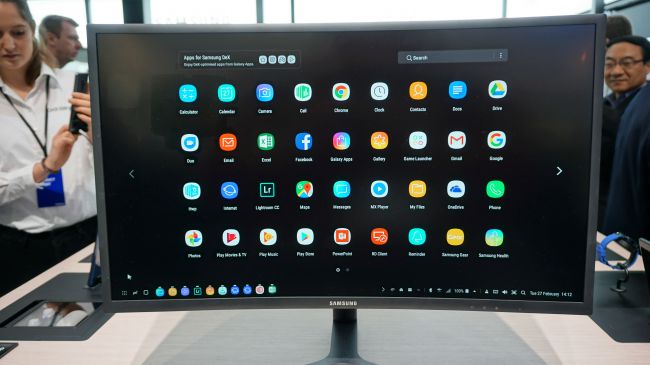
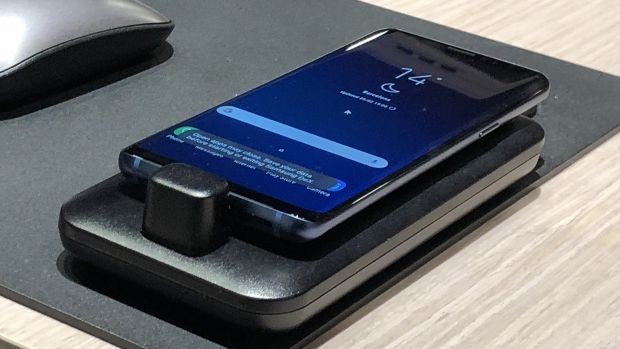 How to get a DeX Pad for free
 The Final Thought




 What Did Tim Have to Say
 What is Texture
 While we don’t know much about the acquisition some of the details where revealed In a statement from apple ” We’re excited Texture will join Apple, along with an impressive catalog of magazines from many of the world’s leading publishers. We are committed to quality journalism from trusted sources and allowing magazines to keep producing beautifully designed and engaging stories for users.”