Category: Lifestyle

  • Foods to Fight Acid Reflux: Get Relief

    Foods to Fight Acid Reflux: Get Relief

    No one loves having heartburn or acid reflux. It’s a surefire way to ruin a night with friends getting a nice dinner. If you’re looking to find foods that can help you stay on the comfortable side of heartburn, we’re here to help.

    Today we’re looking at the top foods that help fight acid reflux. Let’s find you some relief.

    Foods to Fight Acid Reflux

    Before We Begin…

    Before we begin we’d like to offer a bit of advice. When it comes to heartburn, one of the most important things you can do is eat less food, and eat it slower. Don’t chow down on a huge meal late at night and then try to lay down for bed. That’s a sure way to trigger a bout of heartburn, whether you eat the right foods or not.

    Likewise, consider taking antacids if your acid reflux is bad enough. These medications can help settle an upset stomach and take some of the bite off of heartburn. You likely already knew this, but it never hurts to have a reminder. There’s more than just dietary ways to fight acid reflux, after all.

    Low-Acid Foods

    Ideally, you want to stick to low acid foods. This goes double if you’re not already taking antacids, but it’s a good idea in any event. Generally speaking, you’ll want to avoid most fruits, as they tend to have a very high acid content. This doesn’t apply to bananas or melons, though, both of which are low in acid and high in nutrients. They also both make great snacks!

    Another good low-acid food is oatmeal. The consistency and high fiber of oatmeal make it great for calming heartburn. As such, a good breakfast for frequent acid reflux sufferers is oatmeal and bananas, with a bit of cantaloupe. Yum!

    Dinner Foods

    If you’re going out to a late dinner with friends, you’re likely looking to keep the food light and acid-free. The best way to do that without looking like you’re avoiding “real food” is just to order the right stuff! Fish is very low in acid, and it’ll likely keep your stomach from becoming upset. The same goes for potatoes, though we’d advise you stay away from fries.

    Fried food, in general, is a surefire way to upset your acid reflux. As such, we’d recommend staying away from fish and chips. Instead, get a grilled salmon with a baked potato! It’s good for you and it won’t upset your stomach.


  • Health Benefits to Probiotics

    Health Benefits to Probiotics

    Probiotics are microorganisms that are often ingested from fermented foods. These little microorganisms aren’t disease-causing like some of their cousins, though.

    No, instead, probiotics are wonderful for you and can confer many health benefits!

    Probiotics and Health Benefits

    Probiotics Sources

    It’s not hard to get more probiotics into your diet. The main way to do this, of course, is just by eating fermented foods. Saerkraut, kimchi, kombucha and the like are all fine examples of such fermented goods. There are also supplements you can take to get probiotics into your diet.

    What Probiotics Do

    Probiotics are, generally speaking, bacteria or microorganisms that promote the natural bacteria that live in your gastrointestinal system. If the thought of a lot of microorganisms calling your body home seems weird, don’t sweat it! They’re supposed to be there and they have a symbiotic relationship with you.

    Without these bacteria, you simply wouldn’t be able to eat the foods you do. These bacteria help you to break down and digest certain foods, and they just take a little for themselves. Take heart: you’re an ecosystem for millions of tiny lives. How cool is that?

    Health Benefits

    Probiotics have a number of purported health benefits. Clinical testing is still underway, but preliminary findings are quite positive. It seems as though probiotics encourage your body in a number of ways and can have numerous health benefits, mainly in the gastrointestinal tract.

    Namely, probiotics have been linked with increased digestive help, soothing upset stomachs and making digestion easier. People with digestive issues often take probiotic supplements or drink kombucha to help with their digestion.

    Weight Loss

    Some have remarked on the weight-loss potential found in probiotics. Thanks to the digestion-increasing properties of these microorganisms, they can also play a role in helping someone to lose weight. Including probiotics into a healthy diet with exercise is highly recommended.

    Keep in mind, of course, that are are no magic solutions to weight loss. While probiotics can help your weight loss journey, they’re not going to do the heavy lifting for you. A good diet, with the right mix of nutrients, has to be kept up. Additionally, staying in shape involves fitness, exercise and determination.

    Bottom Line

    While studies have shown that there are more tests to be run on the effects of probiotics, they’re not bad for you. In fact, early findings have shown they may even increase heart and digestive health, and that they can help you lose weight and can even help your immune system.

  • Top Health and Fitness Apps: Get Active, Stay Active

    Top Health and Fitness Apps: Get Active, Stay Active

    It’s getting warm outside and you’re thinking about getting in shape in time for summer. That’s cool, and a really reasonable pursuit. Maybe you’re not sure how to get fit, though.

    Today we’re going to break down some of the best health and fitness apps. It’s time to get active and stay active!

    Top Health and Fitness Apps

    Fitbit Coach

    If you’re getting into app fitness, you might have a smartwatch. If your smartwatch is the Fitbit tracker, then Fitbit Coach is for you. This app offers guided workouts via both audio and video, helping show you the best ways to tackle your fitness.

    There are workouts for the gym, for outside and for at home. That makes the Fitbit Coach app one of the most flexible fitness apps, allowing you to tailor your workout routine to your work and home life. Remember, getting fit doesn’t have to make you change your schedule!

    Aaptive

    There’s a lot to love about Aaptive. This fitness app is audio-based and gives you access to fitness trainers and fitness programs that are top-notch. If you want an app version of a top-level fitness program then this is for you.

    Aaptive is great for those who want to be able to have an instructor and a gym-like program but can’t afford the time or money for a gym membership. There’s no compromise with Aaptive: it’s the full gym experience, just delivered to your phone and available at home.

    ROMWOD

    ROMWOD is an app that gives you access to tons of great stretches and cooldown exercises. If you often exercise but feel yourself being stiff and tight afterward, you could use this app. Its numerous features are all available through the iPhone app, so you can start stretching and keeping your muscles limber right away from your phone.

    Jefit

    There are a ton of exercises out there, and they all target different parts of the body. With all these muscles to try to tone and all the various exercises, how do you keep track of everything? That’s where Jefit comes in. This app functions like a fitness library.

    There are tons of exercises for various muscles and muscle groups that you can access, and you can even store your workouts for later reading. There’s a large social aspect, too, where you can share your exercises with your friends and with the Jefit community. This is a great app for fitness nerds who love the science of getting into shape!

  • Could a Job as a Truck Driver be Right for You?

    Could a Job as a Truck Driver be Right for You?

    Maybe you’ve been looking into a job as a semi-truck driver and thinking about what it would mean for you. What kind of money do truck drivers make? What kind of hours do they work?

    In short, you’re wondering if a job as a truck driver would be right for you. Let’s look into that very question.

    Truck Driver Jobs

    Requirements

    First, before you can even be a professional truck driver, you need to get licensed to drive a semi-truck. The license you need is called a CDL, and usually, you want a Class A. Sometimes you have to get your license yourself, but some companies will sponsor you while you get your license.

    Aside from having the right license, there aren’t really any other requirements for becoming a truck driver. Companies usually prefer people with high school diplomas, though even that isn’t set in stone. A GED would work just as well as a diploma for most prospective drivers.

    Job Responsibilities

    Depending on the company and type of work you’re getting into, your job responsibilities could vary. However, generally, the responsibilities of a truck driver include hauling cargo from one place to another. Some drivers will work in smaller areas and could even go home every night after their route.

    Other drivers do “long-hauls,” staying on the road for days at a time to carry cargo cross-country. These drivers tend to get several days in a row off when they return home. On some occasions, these drivers will pick up hauls at their own discretion.

    Generally speaking, truck drivers don’t sweat the loading and unloading of cargo into their vehicle. The hard part of their job is all the time spent out on the road.

    Average Salaries

    Truck driving pays relatively well for what could be considered a blue-collar job. On average, student drivers make $41,000 per year. CDL drivers, who are licensed and more experienced, make an average of $66,000 per year.

    OTR CDL drivers, who have a ton of experience and complex licenses, make an average of $82,000 per year, making their job position a desirable one for drivers.

    Bottom Line

    A job as a truck driver could be right for you if you don’t mind being alone, on the road and far from home more often than not. If you can handle that, then there’s quite a bit of money to be made for an experienced driver with good endurance.

  • Common Nasal Spray Side Effects: What to Look Out For

    Common Nasal Spray Side Effects: What to Look Out For

    It’s that time of year again: pollen season. Soon, runny, stuffy noses and sneezing will be the rule of the day. If you’re often battling seasonal allergies, maybe you’re considering using a nasal spray to keep the runny, stuffy nose from occurring.

    Do you know about some of the common side effects of nasal sprays?

    Common Nasal Spray Side Effects

    Common Nasal Sprays

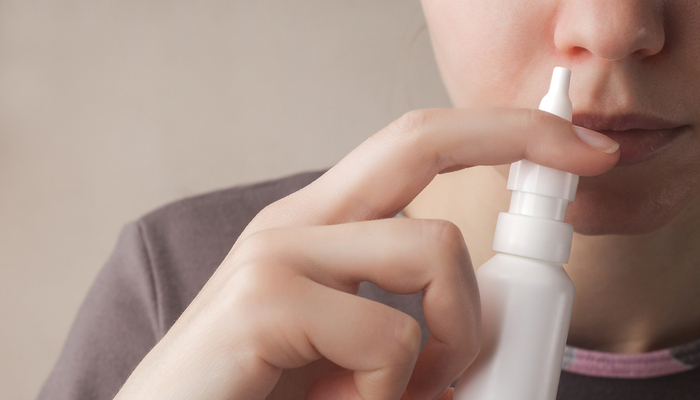
    Common types of nasal spray, like Flonase, work by reducing the inflammation of the mucous membranes in the nose. Typically, they are synthetic steroids of the glucocorticoid family of drugs. They are commonly prescribed for rhinitis or a stuffed-up nose.

    These sprays are usually taken once daily, with one spray in each nostril. Occasionally nasal sprays can be taken twice daily. They typically include a number of side effects, but the severity can change depending on the person and the type of nasal spray.

    Common Side Effects

    There are a number of potential side effects with nasal sprays like Flonase. Notably, patients who take these types of nasal sprays often note that headaches and back pain can accompany them shortly after applying the medication. Sore throat and sneezing can also occur shortly after application, due to the nature of the medicine being taken.

    Typically, a cough will accompany sore throat side effects. When paired with a headache, the side effects of a nasal spray can mimic feeling sick with a cold or flu. These are just the most common side effects, though others can occur.

    Other sinus problems, such as soreness and nosebleeds, can also occur.

    Other Side Effects

    Other side effects that are rarer could include nausea, vomiting and loss of interest in sex. These side effects occur less commonly but are still a consideration. Some patients report getting white sores in their mouths or around their noses as a side effect, as well.

    Some women also note menstrual problems as a side effect of some nasal sprays.

    Alternatives

    Nasal sprays are a common medication for allergy season, though they’re not the only way to deal with congestion. If you find that the side effects of nasal sprays effect you harshly, then you could consider some alternatives.

    There are decongestant versions of some common allergy medicines, for instance. Allegra, Benadryl and other brand-name allergy medicines all have decongestant variants that can help with a stuffy nose. Keep in mind that these medications also have side effects, and make sure to never mix different decongestants together.

  • Weight Loss Pills: Do They Work? Are They Safe?

    Weight Loss Pills: Do They Work? Are They Safe?

    People often wonder about weight loss pills. They seem too good to be true. A pill that can help you lose weight just by taking it? Could such a thing be real, let alone safe to take?

    Today we’re going to look at those questions and answer whether weight loss pills are the real thing or a bunch of snake oil.

    Weight Loss Pills

    How They Work

    The most common forms of weight loss pills work using one of three mechanisms. Primarily, they reduce your appetite, making it less likely you’ll overeat. Additionally, these pills will often include compounds that make your body absorb fewer calories. This results in your food giving you fewer calories per meal.

    The third and final way that common weight loss pills tend to work is by making your body burn calories more quickly. Essentially, these pills target your metabolism and make it work overtime. How effective these strategies depend a lot on the person.

    Are They Safe?

    Generally speaking, commercially available weight loss pills aren’t dangerous. Many of them do have some pretty notable side-effects, though. Jitteriness and shakes from the high caffeine content of some pills are often reported. Likewise, digestive problems of many varieties are reported by people who take these pills.

    Problems ranging from nausea, upset stomach, vomiting and diarrhea have all been reported of various popular weight loss pills. Caffeine is a major component of most, if not all, weight loss pills, so keep that in mind if you have caffeine sensitivities.

    Do They Work?

    We’ve discussed how these pills work and what their side effects are. Given the numerous side effects, it sounds like these would be a product to avoid. They sound too good to be true, after all. But do they actually work? Can you take a few pills and watch the fat burn off?

    In short, no, of course not. If such a pill existed, it would be the highest-selling medication in the history of the human race. Caffeine is a very common psychoactive substance, and resistance to its effects develops rapidly. Similarly, the other functions of weight loss pills are dubious at best and disputed by most scientists.

    Bottom Line

    There is no magic pill to burn off fat. If you want to lose weight, then you should just try to eat healthily and exercise. There’s no secret to how to get fit, it just requires a little bit of hard work. Don’t buy into the hype!

  • Bacterial Pneumonia: What to Know, and How to Treat

    Bacterial Pneumonia: What to Know, and How to Treat

    Pneumonia can be caused by a number of outside factors. Today we’re going to look at bacterial pneumonia, what you should know about it, and how it is treated.

    If you’re experiencing symptoms of pneumonia, speak to your doctor about ways to diagnose what type it is and how you should treat it.

    Bacterial Pneumonia

    Description

    Pneumonia is described as any inflammation of the lungs that can impede breathing and may result in a persistent cough. Bacterial pneumonia is inflammation of the lungs caused bacterial infection. Pneumonia could also be caused by factors such as fungi, viruses, parasites and even inorganic compounds.

    Causes

    Bacterial pneumonia, by definition, is caused by a bacterial infection in one or both lungs. A major cause of such infections in the bacteria Streptococcus pneumoniae, which causes pneumococcal disease. Pneumococcal disease occurs in roughly 900,000 people in the US every year, and of them, nearly half become hospitalized.

    Of the 400,000 or so people hospitalized by pneumococcal disease, roughly 6 percent of people die from complications due to the disease.

    Symptoms

    Symptoms that could be related to pneumonia of any type include chest pain, shortness of breath, fatigue, chills and a fever. Bacterial pneumonia could also have symptoms including a cough that produces yellow or green mucus.

    Remember: determining the exact causes of a case of pneumonia can be quite difficult, as most forms of pneumonia have similar symptoms. If you’re experiencing these symptoms, you should visit your doctor so they can diagnose the causes of your condition.

    Diagnosis

    A doctor will usually listen to the sound of your breathing to determine if your lungs sound abnormal. Then, if they determine you have pneumonia, they will give you a chest X-ray to see what areas in the lungs are inflamed. Other tests could include arterial blood gas tests, or even a bronchoscopy.

    Once they have determined whether your pneumonia is bacterial, or some other type, they’ll discuss treatment.

    Treatment

    For a bacterial infection, the most straightforward treatment is a round of antibiotics. These antibiotics are typically specific to the type of bacteria at play in your system. In some cases, doctors will also prescribe medication to help ease breathing if you’re experiencing difficulty catching your breath.

    Other medications could include over-the-counter medications to combat aches and pains your pneumonia could be causing you. Typically, patients are recommended to go home, get some rest, drink plenty of fluids and just generally take it easy as the antibiotics do their work.

  • The Best Way to Beat the Flu: Don’t Suffer Needlessly

    The Best Way to Beat the Flu: Don’t Suffer Needlessly

    Everyone dreads that feeling of the flu creeping up on them. The aches, the stuffy nose, the cough: it all adds up to make you feel miserable. When you feel the flu coming on, don’t just roll your eyes and resign yourself to suffering through it. Here are the best ways to beat the flu.

    How to Beat the Flu

    Step One: Stay Home

    Firstly, cancel your plans. Call out from work and get ready to stay home. Now’s a great time to get deep into your favorite video game, or maybe start reading that book you’ve been meaning to finish. Staying home will help you rest up to beat this thing, as well as prevent you from spreading it around.

    Don’t look at this as a bad thing. Consider it down time to get caught up on whatever show you’ve been watching or just a chance to stay home from work or school.

    Step Two: Stay Hydrated

    While you’re kicking it at home beating this darn flu, make sure you’re staying well-hydrated. Gatorade, orange juice, apple juice, chicken noodle soup and the like are all great for this. Of course, good, old-fashioned water is your best bet, so just keep pounding glasses of the life-giving liquid.

    If you don’t get enough water, you’ll get dehydrated. It’s much harder to fight the flu and recover if you’ve got no water in your system.

    Step Three: Treat Yourself to a Steamy Shower

    If you’re stopped up, groggy and feeling just plain gross, a steamy shower can be a huge help. Turn the water up to “freaking hot” (be careful you don’t burn yourself!) and let the steam fill up the room. If you don’t feel well enough to sit under the hot water, just sit on the commode and let the room fill with steam.

    The steam will help to break up your congestion and will generally just feel good on your inflamed mucous membranes.

    Step Four: Humidifier

    If you own a humidifier, now is the time to use it. Much like the steamy shower, a well-humidified room will make you feel much better when it comes to coughing and sniffling. Dry air can further irritate your membranes, making your cough and sniffles that much worse.

    Make sure the device is clean and not harboring molds. Likewise, you should use the cold mist setting, as warm, humid air could promote further growth of bacteria or mold and creates a more hospitable environment for the flu virus.

  • Depression Symptoms to Watch Out For

    Depression Symptoms to Watch Out For

    Clinical depression is a serious issue that plagues millions of people all around the world. It’s not like just feeling a little blue or somewhat sad. Clinical depression can sap one’s desire to do anything, to get out of bed, to eat, to go to work.

    If you or someone you know is showing signs of serious depression, reach out. There’s no reason to suffer: you can get help.

    Depression Symptoms

    Fatigue

    One of the most pervasive parts of depression is the all-encompassing tiredness. Fatigue, as it is clinically called, is a serious problem for depression sufferers. Simple tasks, like folding laundry, making food or making the bed seem insurmountable. Lying in bed, scrolling through social media or watching Netflix becomes the default state.

    Despair

    A feeling of inescapable despair, that nothing matters and that all will be washed away is a huge aspect of depression. All-or-nothing reasoning, hopelessness and a desire to avoid reality tend to go hand-in-hand with this kind of despair. Pessimism tends to flow out from this type of reasoning into everyday scenarios.

    Irritability

    People who are suffering with depression are often stricken by bouts of irascible irritability that baffle even themselves. Often, sufferers find themselves snapping at people who offer help or critique their bleak worldview. This irritability often leads to the depressed person becoming more isolated, thus further fueling their depression.

    Loneliness

    Feelings of isolation and loneliness, whether accurate or not, are also common among depressed persons. These emotions can be brought on by legitimate loneliness, or completely unrelated to reality. In fact, many people with depression who are actually surrounded by friends can feel totally alone due to their disorder.

    Apathy

    Feelings of apathy can also be related to depression. A lack of desire to engage with the things one once found fascinating can signal depression. Often, this extends to many different aspects of one’s life, including entertainment, hobbies, loved ones and even lovers.

    Depression vs. General Sadness

    Life can be sad. There will be times when you become melancholy, sad, maybe even inconsolable over the events in your life. However, this isn’t inherently depression. Everyone gets sad from time to time, but time normally takes some of that sting away.

    If you’re finding that you can’t bounce back from the things giving you the blues, and that you’re feeling ever more isolated and pessimistic, you may be suffering from depression. Don’t hesitate to speak to your doctor and attempt to connect with a therapist.

    Remember, depression is a real disease and a serious threat. You should treat it as the medical issue that it is, and make sure you see a doctor. It’s better to reach out and face this problem head-on with friends and doctors on your side.

  • Best Bad Breath Remedies: Make a Good Impression

    Best Bad Breath Remedies: Make a Good Impression

    If you’re self-conscious about your breath and trying to make sure you make a good impression on people around you, you might be looking for the best bad breath remedies.

    Today we’re going to run down some of the best ways to keep your breath fresh and make sure you’re ready for any social scenario.

    Bad Breath Remedies

    Brush Daily… and Nightly

    Make sure you’re brushing your teeth thoroughly both before bed and in the morning before you leave for the day. It’s a huge aspect of your dental health and the largest contributor to your breath. Skipping brushing your teeth is bad for more than just your breath, too: it’s terrible for your teeth.

    Good dental hygiene has a huge impact on how your breath smells. If you’ve got cavities or poor dental health, it’s likely that your teeth can contribute to bad breath. As such, make sure you’re staying up on your brushing!

    Mouthwash

    If you’re quite concerned about your breath, consider using mouthwash after you brush your teeth. Mouthwash will help clean your entire mouth, freshening up and keeping your breath fresh. For those who are concerned about their meals making their breath foul, keeping a bit of mouthwash in the car is a good strategy.

    Chewing Gum

    Keeping a pack of gum in your pocket is another good way to combat bad breath. Maybe your job makes it hard to step away to brush your teeth after a meal, so you’d rather just keep some gum at your desk. This is a good strategy in the short term, but keep in mind that some people consider gum-chewing to be rude.

    Mints

    In the same category as gum, popping breath mints is a great way to quickly get your breath away from smelling like whatever you just ate. Make sure you don’t use gum or mints as a substitute for actually brushing and flossing your teeth, though. Both of these are sugary and will simply cause more long-term damage to your teeth if you’re not brushing them.

    Stop Smoking

    If you smoke, you should stop for a number of health reasons. Social reasons also come into play: smoking is bad for your teeth, your gums and your breath, too. People smell smoke on you after you step out for a smoke break, and it makes your breath unpleasant. There’s no nice way to put it.

    If you won’t quit for your health, at least quit for the people around you.