Category: Smart Devices

  • Whoa, New iPhone 12 Starts at ONLY $481! What’s the Catch?

    Whoa, New iPhone 12 Starts at ONLY $481! What’s the Catch?

    In typical Apple fashion, the company played up improvements to the battery life, camera system and hardware under the hood of the new phones. But, what would it take for you to dish out another $1,000 for a new smartphone? What if we told you that you could get your hands on the brand-new iPhone 12 for only $481? Here’s how:

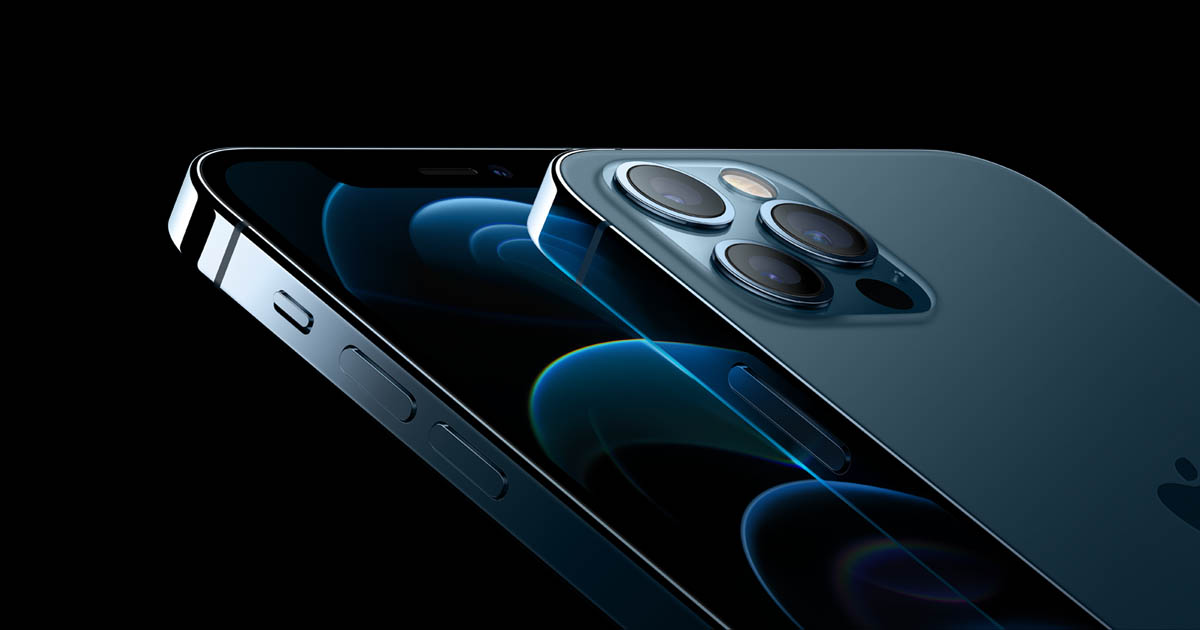
    They’re sporting even more sophisticated cameras and a handful of other premium features. All three new iPhone versions still look just like their predecessors, but Apple has upgraded their camera to allow for wide-angle photos while making improvements under the hood that result in longer battery life and faster performance than before.

    Price

    At $799, the iPhone 12 is $100 more than its predecessor, the iPhone XR. The new iPhone 12 Pro and iPhone 12 Pro Max pick up where last year’s iPhone XS and iPhone XS Max left off, starting at $999 and $1,099. Here’s the secret: you can get the new iPhone 12 for as little as $481 when you trade in your current iPhone!

    Camera

    There’s a big focus on the camera this year, and that’s because it’s a dual-lens sensor (12MP) with a f2.4 ultrawide camera paired with a f1.6 wide camera . Both rear cameras utilize Apple’s propriety night mode and night mode time lapse. They believe the iPhone 12 is three times faster in low-light scenarios too.

    Video

    Video modes include 4K video recording at 24, 30 or 60 frames per second. Not only that, the new iphone12 features HDR video with dolby vision up to 30 FPS. Apple says it has improved image stabilization on the new phone too. Apple has even included HDR Dolby Vision video recording on the front-facing selfie camera. Overall, Apple claims to have the “highest quality video recording in a smartphone.”

    Water Resistance

    It’s also water-resistant, coming with an IP68 rating. That should mean you’re able to submerge it in the bath or take it in the shower, as it can survive in up to two meters of water.

    What’s new in the iPhone 12


    A14 Bionic chip
    Faster Face ID unlocking
    Super Retina XDR display
    Dual lens sensor (12MP) with a f2.4 ultrawide camera paired with a f1.6 wide camera
    Both rear cameras utilize apples propriety night mode and night mode time lapse
    2x-5x optical zoom
    Lidar
    12-megapixel front-facing camera
    4K HDR Dolby Video for both front and rear cameras
    New Night Time photo and time-lapse mode

    New iPhone 12 Pro and Pro Max

    Two screen sizes: 6.1- and 6.7-inch OLED
    Super Retina XDR display supports HDR 10 with Dolby Vision and Dolby Atmos
    Three rear cameras with 4x optical zoom: Wide, ultra-wide, telephoto lenses
    Upcoming camera feature called Deep Fusion compiles 9 images to reduce noise and amp up details
    Faster Face ID unlocking
    4K video for both front and rear cameras, with slow-motion video for the selfie camera
    New night-time mode
    Lidar sensor
    Mag safe technology
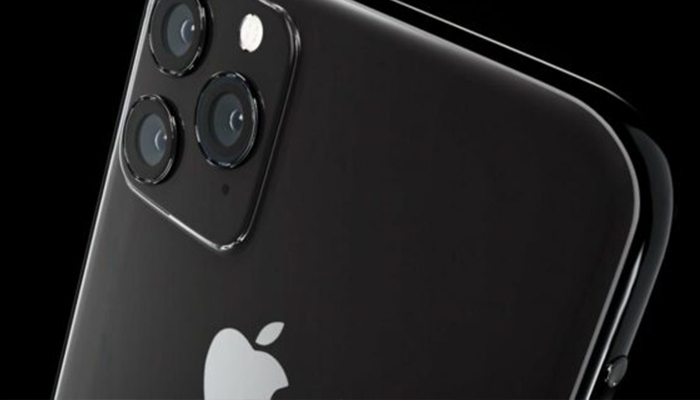

  • New iPhone 2019: Leaks, Rumors, And Everything We Already Know About the iPhone 11

    New iPhone 2019: Leaks, Rumors, And Everything We Already Know About the iPhone 11

    New iPhones for 2019 are on the way, as it’s almost launch time for the iPhone 11 – or the iPhone XI, or the iPhone 2019 edition, or whatever name Apple gives it. September is expected to be the month the iPhone 11 launches, and we’ve already heard a pile of leaks, rumors and speculation about what could be in store. Here’s what the iPhone 11 will bring:

    We’re now exactly two weeks away from Apple’s big September press conference, during which it will unveil the next-generation iPhone lineup. While it was supposed to be a modest update, there has been an influx of leaks released across the internet for months now. If these leaks are accurate, we are expecting an exciting number of new features to be reviled:

    Size

    As with the 2018 iPhones, it seems we’ll get three handsets with the new iPhones for 2019, and they’ll have 6.1-inch, 5.8-inch, and 6.5-inch screens, just like this year. However, not all the sources leaking this information seem to agree on this. Some say that the standard iPhone screen will get bumped to 6.1 inches, and that two of the models are going to end up being thinner.

    Display

    While users will still be able to unlock their phone with their faces, apparently faster Face ID will be one of the key upgrades for the 2019 iPhone 11. There is a report that suggests Face ID will be improved with actual vein scanning technology.
    We’ve also heard more extravagant rumors: that Apple might be planning to put a Touch Bar on the side of the new iPhone release, and could even come with a foldable screen of some sort. However, that sounds like something that’s more likely to appear in the iPhone 12 or the iPhone 13.

    Apple Pencil

    While Samsung has already provided some stiff competition for Apple and the iPhone 11 in 2019, one way Apple might fight back is by including a stylus with the new release of its iPhone. That seems a little unlikely, but Apple Pencil support could definitely be in the cards.

    Camera

    The camera is one of the areas that the Google Pixel phones arguably have the edge in at the moment, so Apple will want to make sure there’s a significant upgrade here. The biggest rumors so far center around a whopping three rear camera count for the iPhone 11 Pro and iPhone 11 Pro Max. The regular iPhone 11 in this scenario would replace the iPhone XR and get two rear cameras. This would be one of the biggest feature updates for apple, and we’ve now heard it from so many sources, it seems very likely to be true. There are also plenty of rumors about the possibility of a dual-lens front-facing camera and maybe a 3D camera on the back. That would give iPhone users access to even more advanced photo features, and make augmented reality just that much more realistic.

    Charging

    Battery life is something we could all use more of, and we’d love to see the iPhone 11 go for two days without charging. Another rumor is suggesting reversible charging, something we’ve already seen on phones like the Huawei P30 Pro. This will be Apple’s introduction of what’s being called “bilateral wireless charging,” or two-way charging, which will let the iPhone wirelessly charge other devices. Apple AirPods 2 support wireless charging, so it makes sense that the new iPhone 11 would be able to juice them up. Fast wired charging is also being rumored for the next iPhone.


  • Want the New Galaxy S Pen for Free? Here’s How:

    Want the New Galaxy S Pen for Free? Here’s How:

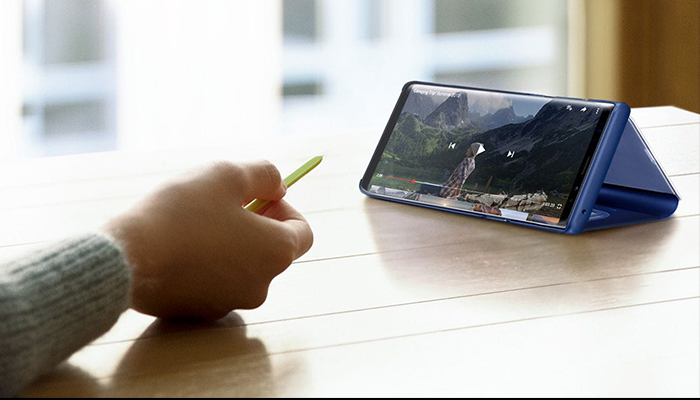
    The Samsung Galaxy line of devices still has that one feature, that one tool that no other phone pulls off quite as well – the S Pen stylus. Are you interested in the new S Pen but not quite ready to dish out $1,000+ on a new smartphone? Here’s a hack on how you can get it for free:

    If you’re like most Android or Apple users, you probably just upgraded your smartphone not too long ago. But, as usual, the new versions keep rolling out. Who can keep up? We’ve got great news, these retailers are slashing $100 – $150 off the Samsung Galaxy Tab S4, which includes the brand-new S Pen! We’ve got the scoop on the best deals.

    Samsung is a dominant player in the smartphone industry, so it should come as no surprise that the company also makes a great range of tablets. Named of the best iPad Pro alternatives, the Samsung Galaxy Tab S4 brings more than just a tablet experience into the table. You can now take advantage of the portability of a tablet with the productivity of a desktop computer, all in one device.

    If you’ve been eyeing that brand-new S Pen and could use a new tablet, this is your chance! Check out this list of retailers slashing major $$$ off prices:

    Amazon

    Amazon currently has a deal on the Samsung 9.7-inch Galaxy Tab S3 (S Pen included) that lets you have it for only $449 – that’s 18% lower than its usual $550 price tag. From entertainment and creativity to productivity, there’s so much you can do with the Samsung Galaxy Tab S3. Grab the black version today on Amazon at a discounted price of $449 while in stock.

    Walmart

    If you are looking for an all-around premium tablet, the Samsung Galaxy Tab S4 10.5-inch Tablet a legit contender – and it comes with that S Pen you’ve been eyeing. Available in 64GB and 256GB models, Walmart is giving away $150 discounts on both variants, selling it now for $498 and $598 from its original price of $648 and $748, respectively.

    Best Buy

    The cheapest Samsung Galaxy Tab S4 model typically sells for $650, but you can get one right now for just $500 from Best Buy. Apart from the $150 discount, customers who purchase the tablet will also receive a free S Pen and a $50 e-gift card, and a six-month Trend Micro Internet Security subscription.


  • Breaking News: You Can Now Rent Tesla Solar Panels for Super Cheap

    Breaking News: You Can Now Rent Tesla Solar Panels for Super Cheap

    Tesla CEO, Elon Musk, declared that 2019 would be “the year of the solar roof,” when launching a new program that lets homeowners rent Tesla solar panels for just $50 per month! An average solar installation will save homeowners tens of thousands of dollars over its lifetime. A green investment and passive income!

    Save money and our planet with renewable energy

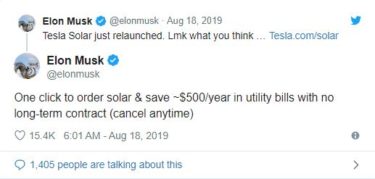
    Elon Musk took to twitter early Sunday morning to pitch Tesla’s new solar rental program. Tesla’s sales pitch for choosing the rental option is that it will be cheaper, quicker, and less of a burden for homeowners to get solar panels on their roof.

    According to Musk, the new program is “like having a money printer on your roof” for those who live in states with high energy costs. “Still better to buy, but the rental option makes the economics obvious.”

    Rentals now are available in six states: Arizona, California, Connecticut, Massachusetts, New Jersey and New Mexico. Tesla’s rental program will offer three solar panel packages, with no installation costs and no time commitment.

    Promising to make solar sexy, Tesla’s panels are virtually impossible to notice. The panels are nearly indistinguishable your neighbors normal roof tiles. To make these camouflaged solar panels, they created a special coating that becomes more or less transparent depending the angel you’re looking from.

    What’s this going to cost you?

    Under the new system, Telsa is offering customers the option to rent solar systems for anywhere from $50 a month for a small installation (except in California, where they start at $65 a month), to $195 for their largest installation. Customers only need to pay a fully refundable $100 charge. Tesla said customers can cancel the leases at any time.

    The rental rate varies by state and size of the system — small, medium, or large — but in all instances, the super cheap monthly fee covers anything from the hardware and installation to maintenance and support. According to the agreement, owners can purchase the system outright five years after it’s up and running, too.

    What’s the catch?

    For starters, Customers must own their home to have the panels installed. Tesla doesn’t require solar panel renters to sign a long-term contract and claims the process of signing up requires just “one click, instead of lengthy consultations and piles of paperwork.” While the contract can be canceled any time and renting Tesla’s solar panels might be cheap and easy, be aware that they will charge users $1,500 to remove the system once it has been installed.

    Just how powerful is the sun?

    According to the U.S. National Renewable Energy Laboratories (NREL), the amount of energy from the sunlight that falls to the earth in one hour could supply the world’s energy needs for an entire year! Powerful Indeed.

    What would it normally cost to purchase and install solar panels?

    Residential solar costs are at their lowest in over 30 years. For reference, Tesla sold the systems, which can cost upwards of $30,000, in Home Depot stores for several years, but now it relies entirely on direct sales like its electric vehicles. More affordable than ever, today’s residential solar panels feature technology advances that maximize power production.


  • 5 Best Features in the Samsung Galaxy Note 10 and Galaxy Note 10 Plus

    5 Best Features in the Samsung Galaxy Note 10 and Galaxy Note 10 Plus

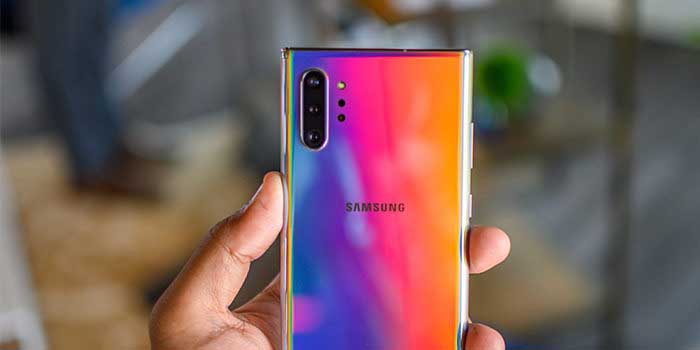
    To kick off the unveiling of the new Samsung Galaxy Note 10 and Galaxy Note 10 Plus, we’ve gathered a list jam-packed with the 5 coolest features included in the new smartphones. The Galaxy Note 10 is not just a new smartphone, it’s a gaming console, a film studio, a computer, comes with your own personal magic wand – and its all in one device!

    1. Smaller – and bigger
    The Samsung Galaxy Note has always been identified as a “big phone.” Users are pleased to see a smaller, hand-friendly version of the Note 10. It is about 0.2-inches smaller than the Note 9 and the Note 10+. 0.2-inches may not sound like much, however it makes a significant difference when it comes to fitting in your hand. On the contrary, this is the first time Samsung has rolled out two versions of the Note to include the Note+ for those who prefer a bigger smartphone.

    2. 3D Scanning
    While Samsung is not the first to roll out 3D scanning, they came up with a cool application for 3D scanning with Augmented Reality. Consumers can now 3D scan objects and drop them into their photos and videos. It doesn’t stop there; consumers can even animate them using motion capture. This will be huge for consumers that put out content on social media platforms such as Instagram and TikTok.

    3. Super-fast charging
    Long gone are the days where your smartphone battery dies a few hours after charging. With a quick 30-minute charging session, the Galaxy Note 10 will hold battery juice all day long. Samsung did this by including a 45W charger to amp up the wattage in comparison to competitors that have a 30W charger.

    4. S-pen
    Say goodbye to selfie sticks and self-timers because the Galaxy Note 10 comes with an S-pen that will allow consumers to take remote photos. It gets even better, with an accelerometer and gyroscope in the S-pen, consumers have their own personal magic wand with gesture-recognition technology.

    5. 5G
    The future is here – 5G is the latest version of cellular networks. This is a once in a decade upgrade to the way consumers can wirelessly deliver data, making the Galaxy Note 10 one of the fastest and most powerful smartphones in the market. Just how much faster? In this new era, the Galaxy Note 10 with 5G will average out to be roughly 20 times faster than the traditional 4G network you are currently using.


  • Galaxy Watch Active 2: True Apple Watch Competition?

    Galaxy Watch Active 2: True Apple Watch Competition?

    Samsung’s forays into wearable tech have been met with scattered success. However, until now, they’ve been playing second-fiddle to the Apple Watch on some features, like ECG and fitness tracking. Samsung looks to correct that with the Galaxy Watch Active 2, their second smartwatch this year. Let’s take a look at the newest wearable from the Korean manufacturer.

    Galaxy Watch Active 2

    Design

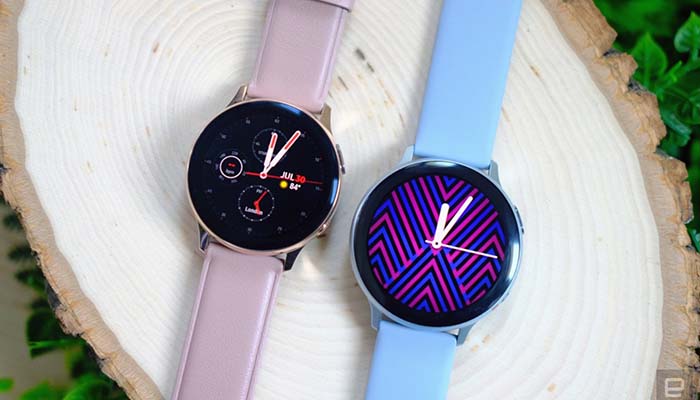
    When you’re wearing a piece of technology as a part of your wardrobe, it’s important that it has a strong design and looks fashionable. Thankfully, the Galaxy Watch Active 2 is a smart and stylish little watch, sporting a few appearance options and an attractive, round face. The watch comes in a few colors, ranging from silver, black, gold and “lily gold,” as well as with options for either aluminum frame or stainless-steel frame.

    Also, the choice of frame dictates which type of band you get. The aluminum frame sports rubber straps for the band, while the stainless-steel frame has a leather band. The face can be purchased in either 40mm or 44mm, depending on your preference and wrist size. The 40mm watch face retails for $280, while the 44mm goes for $300.

    Health Features

    One of the biggest draws for the Apple Watch Series 4 last year was its medically-certified ECG that can detect arrythmia of the heart. Samsung promises that the Active 2 sports ECG technology as well, though it has yet to be officially certified like Apple’s. This does mean that the ECG won’t be online right away, but it could likely be activated later after the feature is reviewed by medical professionals.

    Another health upgrade comes in the form of the heart rate-sensing LEDs. While the previous Active sported only 4 LEDs for detecting your heart rate, the Active 2 will be sporting a full 8. This means that it will likely detect heart rate more accurately, and will be able to pick up finer gradations of rate change. This is great for those who want to track their activity and keep up with their fitness.

    Software

    Instead of Wear OS, Google’s open operating system for wearable tech, the Active 2 runs on Tizen, which is Samsung’s proprietary watch operating system. A number of new software features will be on display with the Active 2. For instance, Google Translate will be baked into the watch, which is a welcome addition. Similarly, apps like Spotify won’t require you to sign in again if you’re already signed in on a paired smartphone.

    A fun and unique software addition called “My Style” offers a unique new way to find great watch faces. This feature allows you to take a picture of your clothing and have the watch create a custom face to match. This is great for style-conscious users who want to make sure their tie and watch match! We love the round face and stylish appearance of the Active 2, and “My Style” gives it yet another wonderful fashion application.

    Other New Features

    Another new feature that we love is the return of the spinning outer bezel for accessing apps and controlling the watch. This was present on the older line of Galaxy watches but disappeared on the Active. The one present on the Active 2 isn’t actually a physical spinning bezel, but is instead a haptic feedback response that feels great.

    An LTE model will be made available, though we don’t yet know what the pricing info on that model will be. The LTE model will allow you to make phone calls, send messages, stream music and even watch YouTube videos all from your wrist without needing your phone nearby. All in all, we’re excited to see the Active 2 hit the market, as it will likely prove an excellent competitor for Apple’s Watch line.


  • Google Home vs Amazon Echo: Which Smart Home Hub is the Best?

    Google Home vs Amazon Echo: Which Smart Home Hub is the Best?

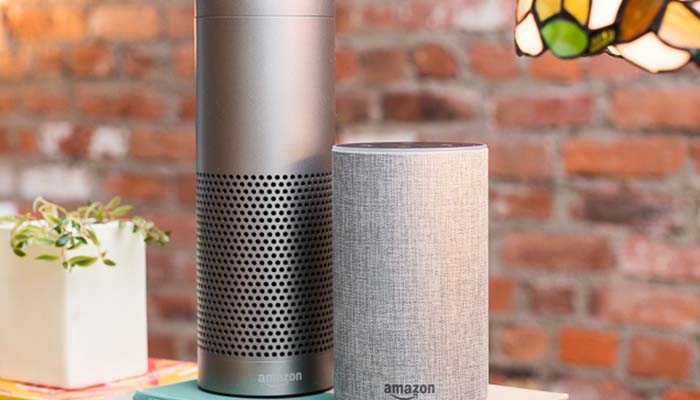
    If you’re considering jumping into the world of smart home devices, then your first big decision is which hub you want to go with. While Apple offers a hub through their HomePod, the Siri-powered device is much more expensive and limited in features than Amazon and Google’s offerings, respectively. Between the two smart home juggernauts, which is the best for outfitting your home?

    Google Home vs Amazon Echo

    Smart Hub Overview

    A smart hub is a device that coordinates all of your smart home devices. Typically, these hubs are also “smart speakers.” This means that they’re capable of music playback, and both Google and Amazon’s smart speakers contain virtual assistants that help you use your smart home features. For example, if you want to listen to a song, you can use voice commands to ask the virtual assistant to play it for you.

    The other major use of a smart home hub is calling on the virtual assistant to perform smart home tasks. This could include turning on smart lights, preheating smart ovens or tuning smart thermostats. All of these functions are controlled by voice commands, making them very satisfying for tech fans and very helpful for busy professionals. If you need to know what the traffic report is, you can ask your virtual assistant. If you want to lock your front door with a smart lock, tell your virtual assistant.

    Google Home

    Google Home is a bit newer to the market than Amazon’s Echo devices, but it quickly made up for lost time. Distinct from Amazon’s device in a few ways, the Google Home Mini is a great intro smart speaker for people looking to get into the smart home world. Google Assistant, the virtual assistant that powers the device, has a warm and conversational voice, and sounds only slightly robotic. It’s capable of controlling a wide variety of smart devices from many different manufacturers.

    Notably, Google’s Pixel phones can be used as Google Home devices when paired with smart home technology you have. As such, if you have a Google Pixel, you essentially already have a Google Home device. The Google Assistant that is on Pixel phones is the same software that is housed in Google Home speakers. If you’re already in Google’s ecosystem with devices like Google Wi-Fi, Google Pixel or the like, then Google Home is a great choice for you.

    Amazon Echo

    The originator of the current smart speaker market, Amazon’s Echo devices hold the largest market share. They’re the most “generic” of the smart speakers you’ll find in stores and offer a wide variety of compatible smart home devices. Alexa, the virtual assistant that powers the Echo, is a very flexible and easy-to-use software. It responds quickly and accurately to a number of commands and can usually decipher even thick accents.

    The Echo Dot is priced similarly to the Google Home Mini, and the two are of comparable usefulness in everyday scenarios. In fact, the two devices are so similar that it’s hard to recommend one over the other. The main differences between the two is the performance of the virtual assistant. Google’s is a bit more robotic and colder, while Alexa is a bit livelier.

    Bottom Line

    Both Google Home and Amazon Echo are fine platforms for smart home hubs. If you like the idea of using a Google-based ecosystem for your home, of course, the Google Home is ideal for you. However, if you would rather have a more general and widely-applicable virtual assistant, the Amazon Echo is a bit more flexible. Both are excellent devices in the same price range, however, so it really comes down to personal preference.


  • iPhone vs Android: Which is Right for You?

    iPhone vs Android: Which is Right for You?

    One of the fiercest rivalries in the tech world today is the ongoing feud between Google and Apple over control for the soul of the smartphone. Despite ostensibly designing the first true smartphone with 2007’s iPhone, Apple doesn’t enjoy the majority market share that Google’s Android does today. What’s the deal with the Android versus iOS feud? Which of the two big operating systems is better for you, and why?

    Today, we’re going to look at the two OS’s, what makes them different, and whether you should be “taking a side” in this battle. We’ll be looking at features, phones and corporate cultures in order to give you a full picture of the battle of the smartphones.

    Design Ethos

    Google and Apple have very different design strategies when it comes to their operating systems. Much like Apple’s own Mac line of computers, iPhones operate in a sort of “walled garden.” There’s less software available on Apple products overall, but the company curates the selection very diligently. Ostensibly, you won’t find shovelware on the App Store, nor will you be at any risk of ever happening upon a virus.

    However, with Apple, you’re stuck playing inside the wall: you’ll likely not find the same breadth of customization and modularity you see on Android. Google’s more hands-off approach to their OS has made it very wide-ranging in appeal: manufacturers from Samsung to Huawei all create phones that run on some variation of the Android OS. The more open, customizable user interface of Android is more popular with some users who like to fine-tune their own experience.

    “It Just Works”

    Apple is often described as “high technology for people with low tech tastes,” and this is often true in practice. Apple’s products tend to be bleeding edge, top-of-the-line, and terribly expensive. Their user interface tends to be easy-to-navigate and aesthetically pleasing, and people who even have little tech knowledge are usually able to easily find what they’re looking for. In short, it just works.

    Android is a different story. Less tech-savvy users might find it difficult to navigate Android’s more open-ended operating system: there is little structure or direction unless the phone manufacturer has installed their own proprietary launcher. Launcher, in turn, can be downloaded for any Android device to help tailor your phone more explicitly to your tastes and preferred experience.

    Security Features

    This might come as a surprise to Android users, or be a strange statement if you’re an iOS user, but the iOS platform only has one app store. It’s just called the App Store, and it’s locked down tight. Apple strictly controls what can be put up for sale or download on the App Store, meticulously combing for any potential security threats to their users. Viruses on Apple devices are literally unheard of for this reason.

    Likewise, Apple users might be shocked to hear that Android devices actually have several third-party app stores available. As such, viruses are a reality on Android devices. They’re far from common, and you’d be hard-pressed to get one unless you were being careless, but they’re still a cause for some concern. The more pressing reality of Android’s open-ended style is that more apps are allowed in, but there’s less quality control.

    Cognitive Load and User Functionality

    On a more academic note, researchers have found that Apple’s clean, no-frills design ethos lessens cognitive load when using their devices when compared to Android. Android home screens can be done up with tons of widgets and information, making them significantly more likely to overwhelm some users.

    However, this isn’t to say Android is inferior: far from it! However, Android and iOS are simply designed for different types of buyers. In the end, Android remains more popular primarily because it’s available on a wider variety of devices. Further, those devices run the gamut from high-end flagship phones to budget handsets, while Apple’s iOS is only available on the premium-priced iPhone line.


  • Best Budget Smart Phones: Getting More Bang for Your Buck

    Best Budget Smart Phones: Getting More Bang for Your Buck

    While everyone knows that Samsung and Google make great phones, they also charge flagship prices for their flagship phones. In order to help you make the most of your money, today we’re looking at some of the best deals out there for smart phone users. Let’s look at the best budget smart phones, starting with the least expensive and working our way up.

    Best Budget Smart Phones

    Moto G7

    Motorola made the first commercial cell phone decades ago, and they’re still producing some of the best budget cell phones you can get. The Moto G7 is no exception to this, either! Despite its low $300 price tag, it’s surprisingly quick and responsive. Many budget phones suffer from laggy, jerky or otherwise weak performance due to their budget processors. Motorola’s done a good job optimizing the Android OS running on this budget phone, however, and it shows.

    The camera is also surprisingly solid for a $300 smartphone. Despite using cheaper parts and sidestepping the expensive multi-camera setups of phones like the iPhone XS and Pixel 3, the Moto G7 takes pretty good-looking photos. The make quality is quite solid, too, sporting a stylish glass back like some of the big flagship phones you see in 2019. All in all, this is a great value for $300.

    Pixel 3A

    The Google Pixel 3A is the budget variation of their stellar Google Pixel 3. While we love the Pixel 3, it’s a little on the pricey side, so the 3A budget version is a welcome addition to the lineup. The most striking thing about the 3A, out of the box, is just how premium it feels for its price. Solid construction, a great-looking display and a strong processor all underscore the otherwise “budget” price of this smartphone.

    The most impressive thing in the Pixel 3A, however, is that there is no compromise on the camera despite the price. Google’s Pixel lineup has been renowned for their stellar camera performance, and the 3A follows in those footsteps. If you’re looking for a great Android phone to snap beautiful pictures and work quickly and easily without breaking the bank, look no further than the Pixel 3A.

    OnePlus 6T

    On the higher end of the “budget” spectrum, we’ve got the OnePlus 6T, coming in at $550. OnePlus might not have a lot of name recognition in America, but it’s a stellar brand that offers up premium-feeling smartphones for less-than-premium prices. The 6T is a generation behind the current OnePlus 7 Pro, but it’s still a rock-solid Android handset with a great processor and better-than-most camera.

    If you’re into flashy technology to show off to your friends, the 6T offers up a cool wrinkle: it’s got an in-display fingerprint scanner, like the Galaxy S10 and OnePlus 7 Pro. The phone also sports monthly security updates, and is sold unlocked on OnePlus’s website. Once you have yours, you need only go by a carrier and get the phone activated.

    iPhone XR

    While few people would call the iPhone XR’s $750 price tag “budget,” it’s got a great suite of features for the price tag. For people interested in dipping their toes into Apple’s new status quo (no home button, Face ID, gesture commands) the XR is the most affordable way to do so. Following in the footsteps of the revolutionary iPhone X, the XR offers up all the power of the flagship iOS device without the flagship price.

    Notable features include the stellar Bokeh-style portrait mode, an overall phenomenal processor, blazing-fast performance and a superb display. Everything about the iPhone XR screams “cutting edge,” from the appearance of the device to its sci-fi feeling Face ID unlock system. If your budget can allow for it, this is a great phone for the tech-savvy.


  • Best Smartphones in 2019: Best Phones Money Can Buy

    Best Smartphones in 2019: Best Phones Money Can Buy

    When it’s time to upgrade, you want nothing but the best. If money is truly no object and you want to own the very best cellphone, you’ve got an overflowing number of options in 2019. From Samsung phones with killer displays to Google’s unbelievably cameras, there are ample options. If you’re looking for something from Apple, the newest iPhone X models are also stellar options.

    Today we’re breaking down some of the top smartphones on the market and what each offers. For today’s list, we’re not worried about price: we’re only concerned with raw performance. Here are the best of the best, the cream of the crop, the best smartphones that money can buy.

    Android or iOS?

    While the conversation about the best phone rages on, so does the conversation about the best phone OS. Of course, both iOS and Android have their distinctive pros and cons. However, we’re not going to tell you which side to pick, so we’ve included top phones from both sides of the ongoing smartphone wars.

    iPhone XS

    The newest iteration of Apple’s revolutionary iPhone X line is a worthy successor to the phone lineage that started the smartphone craze. No physical face buttons, no fingerprint reader and no bezels, aside from that controversial screen notch, make this a sleek, black mirror. The Face ID unlocking tech is stellar, working in a variety of lighting and weather conditions. This tech is truly years ahead of other phone maker’s facial recognition. This is all powered by the unparalleled A12 Bionic chip running the phone.

    The iPhone XS also sports a number of incredible cameras, each taking stellar pictures in both standard mode and portrait mode. What’s more, those pictures pop incredibly on the XS’s massive OLED screen, its deep blacks and vibrant colors making for a truly impressive handset. That being said, this is quite the pricey phone: starting out at $1,000 for the normal size one, and jumping even higher for the larger iPhone XS Plus, this one will set you back. However, that’s the price you pay for the best iPhone ever made.

    Samsung Galaxy S10 Plus

    If you didn’t expect the Samsung Galaxy line’s newest iteration to show up, you might not be a smartphone enthusiast. The S10 Plus carries forward a number of innovations seen on prior iterations of the Galaxy line, including a long battery life, a huge screen and a top-of-the-line processor. While the Infinity-O design isn’t the most popular design decision Samsung has ever made, but it’s easy enough to overlook.

    Using the MicroUSB input, you can expand the phone’s storage to an impressive 1.5 TB. That’s a lot of music and photos! Likewise, the phone’s astonishing Live Focus photo style looks incredible for pictures taken with the interior selfie cams. Now, if only those selfie cams didn’t cut an ugly hole in the middle of the screen…

    Google Pixel 3 XL

    The closest thing to an iPhone you’ll see on the Android platform, Google’s Pixel phone line has the keys to the Android kingdom. As Google makes Android, their in-house smartphone line gets all of the latest goodies and updates for the OS. Essentially, this is the Apple “walled garden” design ethos, but executed on an Android device.

    The Pixel 3 XL impresses in pretty much every way. The screen is huge and gorgeous. Camera performance is unparalleled and blows us away every time. The processor running under the hood gives Apple a run for their money, and that’s really saying something. If you’re interested in being on the cutting edge of Android updates and love Google’s design philosophy, then you’ll love the Pixel 3 XL.