Tag: Health

  • Try These 5 Simple Habits and Start Building Your Best Life This New Year

    Try These 5 Simple Habits and Start Building Your Best Life This New Year

    Taking the easy road in life can be tempting. But that will almost guarantee that your results don’t last. Building better habits can be the easiest and most effective way to improve your life. We’ve assembled a list of the most helpful habits to help you build your best life.

    Smile More Often

    It’s scientifically proven that when you smile it can improve your mood. One of the most common reasons people don’t smile isn’t because they’re in a bad mood, but instead, because they’re not confident with the look of their smile. There are plenty of highly effective over the counter teeth whitening solutions that rival the results of the dentist office.

    One of the easiest home solutions to improve the whiteness of your teeth is by brushing with a mixture of baking soda and drops of lemon juice. After you’ve brushed, let the mixture sit for one minute and then rinse. It’s also important to avoid foods that can stain your newly whitened teeth. If you are drinking something dark, using a straw is a good way to reduce the chances of your teeth being stained.

    Make Saving Easy

    Getting into the habit of saving money can be difficult, but it doesn’t have to be. Apps like Robinhood or Acorns make it easier than ever. Both allow you to automatically invest an amount that is comfortable for you. Small investments can really add up over the long run!

    Improve Your Posture

    Having good posture is one of the best ways to avoid future back pain issues. To break old habits can be difficult and reminding yourself to “sit up straight” isn’t always effective. That’s why it’s important to strengthen the muscles that help support a healthy posture. There are some simple exercises that will put your posture in place without having to think about it. Stand with your feet about hip-width apart and bring your arms behind you and interlace your fingers with your palms pressing together. Then take a deep breath while raising your hands as high as comfortably possible. Hold this position for 5 seconds and then lower your hands as you exhale. The next exercise is called the “child’s pose.” Sit on your shinbones with your knees together and Fold forward at your hips and walk your hands out in front of you. Breath in deep and on each exhale walk your hands out a little further until you’re at your comfortable limit. Remain in that position for 30 seconds, taking deep breaths feeling the stretch throughout your back.

    Maintain a Healthy Weight

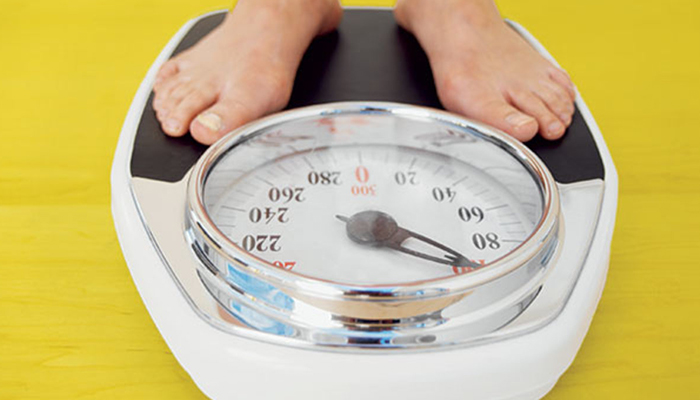
    Losing any amount of weight can be a daunting task. It can be even more difficult to keep the weight off. That’s why it’s important to build healthy habits into your daily routine. By building these habits you ensure that your losses, (and gains), will be around for years to come.
    Cut back on sugar and starches. By making this small change you’re allowing your body to use fat as a fuel source instead of sugars. Another benefit is that it lowers insulin levels, allowing your body to shed excess sodium and reduce daily bloating.

    Don’t eat after the sun goes down. Your body metabolizes food for energy in accordance with your circadian rhythm. By cutting down the amount of food you eat after the sun goes down, you’re reducing the number of calories your body will store while you sleep. By eating late in the evening you’re giving your body fuel, but not giving it the opportunity to convert that to fuel.
  • Follow These Simple Hacks and Watch the Weight Melt Off!

    Follow These Simple Hacks and Watch the Weight Melt Off!

    So, you want to drop a few pounds? What if we told you it’s easier than you think? You can literally drop up to a pound per week by simply replacing the ultra-processed foods that come out of bags, boxes or cans for similar DIY options!

    More specifically, you can shed weight by reducing 500 calories a day, or about a pound’s worth of calories each week, all while eating the same foods you love.

    Did you know that Americans get nearly 60 percent of their daily calories from eating processed foods? Shocking, we know. We took a look at a study conducted by National Institutes of Health.

    Results Are In:

    Participants spent two weeks indulging in ultra-processed foods, resulting in gaining about a pound of weight each week. Ouch! They then spent another two weeks eating the same exact foods, but this time they were unprocessed. What were the results? You guessed it – they dropped a pound each week!

    The only difference was that instead of heading to the middle isles of the grocery store, which are stocked with ultra-processed foods that come out of bags, boxes or cans, they shopped for healthier, unprocessed options.

    Undeniable Health Benefits

    While the meal prep time increased by an average of 15-20 minutes, the health benefits far outweighed the processed options. Not only did they lose up to a pound each week, but their overall health improved greatly. Lower cholesterol levels, lower sodium levels, increased energy, and overall mood were some of the benefits reported.

    The best part? The participants all noted that they found both diets to be equally delicious! They also reported they preferred to continue with the healthier options rather than the ultra-processed options.

    Misleading Nutrition Labels

    While it may be easy to fall victim to misleading nutrition labels claiming to offer “fat-free” options, this is far usually far from the truth. Next time you hit the grocery store, skip the frozen dinners and opt for a healthier, do it yourself version from the produce section. Your health and waistline will thank you!


  • Type 2 Diabetes: Causes and Symptoms

    Type 2 Diabetes: Causes and Symptoms

    As American lifestyles have changed, occurrences of type 2, or late onset, diabetes have become more common. Today we’ll be looking at some of the most common causes of type 2 diabetes, its symptoms, and treatments that are designed to manage the condition. If you feel as though you may have diabetes, speak to your doctor for a full test.

    Type 2 Diabetes

    What is Type 2 Diabetes?

    Type 2 diabetes is a chronic condition that refers to the way that your body processes (or doesn’t process) sugar. Diabetes is caused by your body’s own resistance to insulin, a compound meant to help your cells process glucose. Occasionally, the condition occurs when the body doesn’t produce enough insulin on its own.

    While type 2 diabetes was once referred to as “adult-onset” diabetes, this is no longer an accurate description, as children can be diagnosed with the condition as well. This is likely due to changing lifestyles in the developed world, such as the rise in childhood obesity and poor diets among some children and families.

    Symptoms

    Symptoms of diabetes include increased thirst, increased hunger, fatigue, unintentional weight loss, slow healing of wounds, blurry vision and frequent infections. If you suffer from some of these symptoms, it could be wise to visit your doctor to do some tests and see if you’re suffering from diabetes.

    Contrast to Type 1

    Type 2 diabetes is contrasted with type 1 diabetes, which is caused by a combination of genetic and environmental factors. In type 1 cases, the culprit of the symptoms is the pancreas: the pancreas fails to produce the correct levels of insulin in type 1 patients, due to auto-immune cells destroying important beta cells in the pancreas.

    Type 1 was once known as “juvenile onset” diabetes, but this is also inaccurate. There are currently more adults diagnosed with type 1 diabetes than children. Type 1 diabetes, however, is much less common than type 2: only between five and ten percent of all cases of diabetes are type 1.

    Genetics

    The most common factors in the onset of type 2 diabetes are lifestyle and genetic predisposition. One of the biggest things we’ve learned in recent years about type 2 diabetes is that you can inherit a high likelihood of developing the condition from your parents.

    This doesn’t mean that if your mom or dad had type 2 diabetes that you’re guaranteed to develop it, it just means that you’ll be at a higher likelihood of doing so based on your lifestyle. This makes lifestyle incredibly important for people with a genetic predisposition to the disease.

    Diet and Exercise

    From a lifestyle standpoint, the biggest cause of diabetes comes from diet and exercise. A lack of meaningful exercise is often connected to the onset of type 2 diabetes, and people with a genetic predisposition are more likely to develop the condition if they don’t work out often.

    Diet is just as important as exercise, too: people with high-fat, high-sugar diets that are more overweight are more likely to develop diabetes. Notably, diets that are too low in fiber are some of the most common diets among people who develop type 2 diabetes.

    Treatments

    There’s no cure for diabetes. People living with the condition simply have to make a number of lifestyle changes to accommodate their symptoms. For instance, it’s common for sufferers to have insulin pumps to help manage their body’s insulin levels. Monitoring their blood sugar levels is very important, as well.

    Diet and exercise can be important factors in managing the condition, as well. While nothing can fully cure diabetes, being in good physical shape and eating healthy foods make managing diabetes symptoms significantly easier.


  • Ocular Migraines: Causes and Treatments

    Ocular Migraines: Causes and Treatments

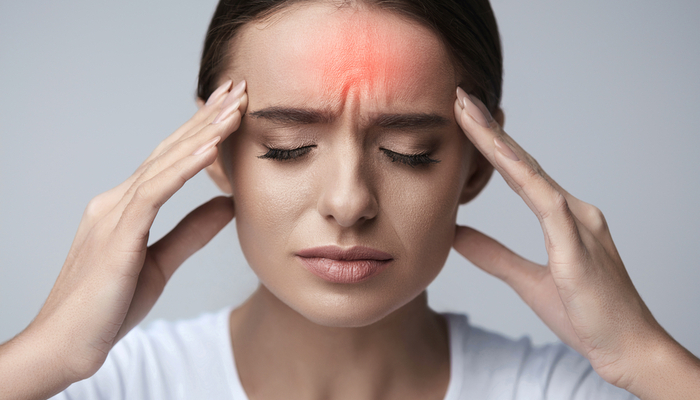
    If you suffer from ocular migraines, the words alone could cause you to feel that dull ache in the side of your head. Ocular migraines are loosely defined as migraines that affect only one eye with odd visual impairments. Often, they are prefaced by flashing lights or partial blindness, and they could include mild to severe pain on one side of your head.

    Today we’re going to look at the causes, symptoms and potential treatments for ocular migraines to help you set yourself back on track. Those who suffer from these types of migraines often can’t carry out normal tasks through the pain of the migraine, so this is an important topic for many people.

    Causes of Migraines

    As it turns out, science is currently unsure as to why migraines occur. They only affect about twelve percent of the population, and they can often seem to have little link to physiology. However, current science suggests that the origins of migraines are neurological. In many cases, triggers of migraines can be emotional. Stress and depression can be triggers, though excitement and surprise can also bring on migraines.

    Scientists presume that migraines are caused by something in the brain that triggers and unusual communication between the nerves that communicate with the brain. This often involves the blood vessels and muscles of the head, which, in turn, can lead to the intense pain of migraines.

    Ocular Migraines

    Unlike normal migraines, ocular migraines have an optical component. Their causes are likely similar to those of normal migraines, but with an emphasis on the nerves of the eye instead of just nerves that communicate with blood vessels or muscles. Other causes could include spasms in the blood vessels of the retina, manifesting as unusual spots in the patient’s vision.

    Potential triggers can include low blood sugar, caffeine, bright or flashing lights, stuffy or overly cold rooms and even high emotions. Often, those who suffer from these migraines can tell when they’re coming on, as they have a number of telltale symptoms that crawl up on the sufferer. These include tightness of the neck or shoulders, light sensitivity and nausea.

    Symptoms

    Ocular migraines include symptoms of extreme pain in one side of the head or behind one eye, primarily. Impairment in the vision of one eye is also common, though it can occasionally occur in both eyes. Typically the pain in one’s head during a migraine throbs or pulses, rather than persisting across the length of the event.

    It’s common for sufferers of migraines to note that the pain gets worse the more they move around. Often, those with common migraines will simply lie in a dark, quiet room and wait for their migraine to pass. Migraine symptoms can often occur in tandem with nausea, high photosensitivity or sound sensitivity, and even vomiting from the intensity of the pain.

    Treatment

    While migraines are incredibly discomforting, they’re thankfully not terribly dangerous to your overall wellbeing. Typically, migraines will simply go away after about half an hour on their own, so most people don’t require any treatment for them at all. That said, there are some cases in which the pain from migraines is so intense that the sufferer needs treatment.

    For preventative treatment, you’ll need to see a doctor. Some may prescribe anti-epilepsy medicine such as Topamax, which can play a role in stopping migraines. Sometimes beta blockers, which are a type of blood pressure medicine, will be prescribed, which helps with blood vessel-related causes of migraines.

    As for treatment during a migraine, try to just take it easy during an episode. Drink water and take an NSAID if you’re experiencing a lot of pain. Aside from that, there’s not a lot you can do to stop a migraine already in progress.


  • The Health Benefits of Vitamin B12: What You Need to Know

    The Health Benefits of Vitamin B12: What You Need to Know

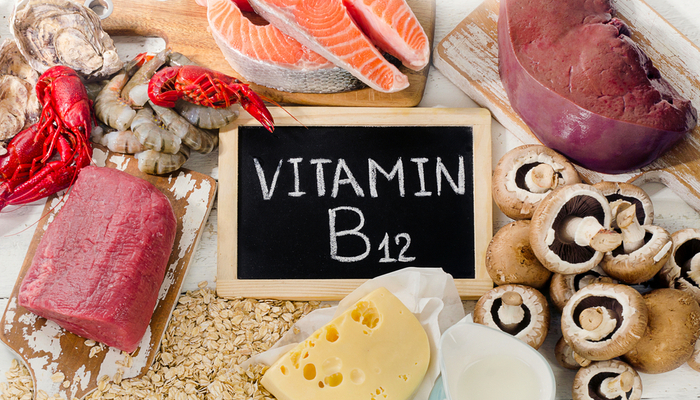
    Vitamin B12, commonly found in vitamin supplements and some animal products, is vital to your body’s primary functions. The vitamin is also called cobalamin, and it primarily helps your central nervous system function and has many roles related to your red blood cells. Notably, despite your body needing it for optimal health, you can’t produce vitamin B12 on your own.

    Today we’re looking at some of the biggest ways vitamin B12 impacts your health. You may be surprised at how wide-ranging the effects of B12 are on your body. The vitamin plays critical roles in many of your body’s systems, helping to regulate things from blood cell production to serotonin synthesis. Doctors recommend that the average adult get 2.4 mcg of vitamin B12 per day, meaning you might need to get a B12 supplement to stay healthy.

    Vitamin B12

    Macular Degeneration

    Macular degeneration is a disease of the eye that can be more likely to occur in people with low amounts of vitamin B12. Macular degeneration primarily affects your central vision and is typically related to aging. The presence of homocysteine, a type of amino acid, in the bloodstream can lead to a higher risk of developing macular degeneration. This amino acid can be lowered with proper amounts of vitamin B12, however.

    Macular degeneration is a disease which older persons are at a higher risk for. This disease can cause lessened clarity of vision, more eye fatigue and other negative muscular effects. This makes B12 an important supplement for those worried about their ongoing eye health as well as their muscular health.

    Anemia

    People who get the proper amount of vitamin B12, which is around 2.4 mcg per day, are at a lower risk for developing anemia. That’s because the vitamin is an important factor in creating healthy red blood cells. Small, round red blood cells are healthy, and in the absence of B12, blood cells develop larger and more oval shapes, making them less effective at carrying oxygen throughout your body.

    If you develop anemia, it means that your blood cells aren’t able to carry enough oxygen to your organs and muscles. This results in symptoms like fatigue, weakness, drowsiness and lethargy. As such, it’s important that you get the right amount of B12 in your diet to maintain good blood vessel health.

    Bone Health

    People familiar with the body’s various systems will find it unsurprising that, since B12 plays a role in blood cell production, it also plays a role in healthy bones. Bones play a major role in the production of blood cells, as well as giving support and protection to your organs.

    People with B12 deficiencies tend to have lower bone density and less strength present in their bones. Low mineral density means that bones are weaker and can be broken more easily. Your bones are vital for more than just giving shape to your body, however, as their health is directly tied to diseases like osteoporosis.

    Depression

    There have been numerous studies that have linked depression and the lack of the right vitamins in one’s diet. Vitamin B12 is no different in this case. That’s because vitamin B12 plays a major role in helping the body to process serotonin, the chemical that produces calm and positive emotions.

    Likewise, a lack of vitamin B12 makes it so your body produces less serotonin. Unsurprisingly, this means that a lack of the right amounts of vitamin B12 can lead to significantly worse symptoms of depression. Studies have shown that patients with depression responded more positively to regiments that included both antidepressants and B12 supplements than patients who got only antidepressants.


  • You Won’t Believe How Easy it is to Lose Weight Eating These Foods

    You Won’t Believe How Easy it is to Lose Weight Eating These Foods

    Are you trying to lose weight? It’s not very easy to shed the pounds. Whether you’re active or more sedentary, it’s difficult to lose weight. One of the best ways to lose, other than exercise and portion control, is by eating foods that encourage weight loss.

    Not all calories are created equal. Different foods go through different metabolic pathways in your body. They can have vastly different effects on your hunger, hormones and the number of calories you burn. Here are some of the most weight-loss-friendly foods on earth that are supported by science.
    Remember, the only person for whom you should lose weight is yourself. Don’t try to live up to someone else’s expectations of what you should look like. If you feel like losing weight and eating healthy is right for you, great! However, if you’re on the heavier side but eat healthy and feel good, don’t stress. Everyone’s body is different.

    Foods to Help you Lose Weight

    Avocados

    Avocados are a unique fruit. While most fruits are high in carbs, avocados are loaded with healthy fats. They’re particularly high in monounsaturated oleic acid, the same type of fat found in olive oil. Despite being mostly fat, avocados also contain a lot of water and fiber, making them less energy-dense than you may think.

    What’s more, they’re a perfect addition to vegetable salads, as studies show that their fat content can increase carotenoid antioxidant absorption from the vegetables 2.6- to 15-fold. They also contain many important nutrients, including fiber and potassium. Avocadoes also taste fantastic and go well with tons of types of food, from sushi to avocado toast. There’s a reason they’ve become so popular recently!

    Salmon

    Fatty fish like salmon is incredibly healthy and very satisfying, keeping you full for many hours with relatively few calories. Salmon is loaded with high-quality protein, healthy fats and various important nutrients. Fish — and seafood in general — may also supply a significant amount of iodine.
    This nutrient is necessary for proper thyroid function, which is important to keep your metabolism running optimally. Studies show that a significant number of people don’t fill their iodine needs. Salmon is also loaded with omega-3 fatty acids, which have been shown to help reduce inflammation, which is known to play a major role in obesity and metabolic disease. Mackerel, trout, sardines, herring and other types of fatty fish are also excellent.
    Fish, in general, can be a great replacement in most meals for steak or pork. By substituting in a nice fish steak, you leave a lot of the fat and negative contents of other types of meat off of your plate. This is great for people looking to eat healthier and lose weight.

    Greens

    Leafy greens include kale, spinach, collards, swiss chards and a few others. They have several properties that make them perfect for a weight loss diet, such as being low in calories and carbohydrates and loaded with fiber. Essentially, you need to be eating more greens than you already are, even if you’re a habitual greens-eater. They’re just that good for you.

    Eating leafy greens is a great way to increase the volume of your meals, without increasing the calories. Numerous studies show that meals and diets with a low energy density make people eat fewer calories overall. Leafy greens are also incredibly nutritious and very high in many vitamins, antioxidants and minerals, including calcium, which has been shown to aid fat burning in some studies.

    Fibrous Vegetables

    Fibrous vegetables include broccoli, cauliflower, cabbage and brussels sprouts. Like other vegetables, they’re high in fiber and tend to be incredibly filling. What’s more, these types of veggies generally contain decent amounts of protein. A common misconception about plant-based diets is that they’re low in protein, though this is entirely unfounded. Many plant-based diets can include as much protein as meat-based ones.

    They’re not nearly as high in protein as animal foods or legumes but still high compared to most vegetables. A combination of protein, fiber and low energy density makes cruciferous vegetables the perfect foods to include in your meals if you need to lose weight. They’re also highly nutritious and contain cancer-fighting substances.
    Whole Eggs

    Once feared for being high in cholesterol, whole eggs have been making a comeback. New studies show that they neither adversely affect blood cholesterol nor cause heart attacks. What’s more, they’re one of the best foods to eat if you need to lose weight, as they’re high in protein, healthy fats and can make you feel full with a very low amount of calories.

    One study in 30 overweight women showed that eating eggs for breakfast, instead of bagels, increased feelings of fullness (satiety) and made participants eat less for the next 36 hours. Another eight-week study found that eggs for breakfast increased weight loss on a calorie restricted diet, compared to bagels. Eggs are also incredibly nutrient dense and can help you get all the nutrients you need on a calorie-restricted diet. Interestingly, almost all the nutrients are found in the yolks.


  • Beat Your Arthritis Pain with These Top Remedies

    Beat Your Arthritis Pain with These Top Remedies

    Think you know everything about arthritis? More than 50 million people in the United States are affected by arthritis, and up to 67 million are expected to be diagnosed by the year 2030. Arthritis pain can be downright incapacitating if it gets intense enough.

    Wrists and joints ache and you feel as though nothing can make you feel normal. When not properly treated, arthritis can be damaging to many aspects of people’s lives, causing all kinds of physical and emotional issues stemming from chronic pain and the loss of mobility. There has been much research into arthritis remedies for those suffering with aching joints. Here are a few you can try.

    Top Arthritis Remedies

    Hot and Cold Therapy

    Hot and cold therapy can do wonders for aching joints from arthritis. Taking a nice, long and hot bath or shower in the morning can do aching joints wonders. Alternatively, using electric blankets or heating pads can help to relax stiff joints.

    On the other hand ice therapy can be used to alleviate intense pain rapidly. Ice packs wrapped in towels and applied to sore joints can provide fast relief. Follow this cold treatment with a bit of heat treatment for relief from joint pain!

    Turmeric
    Consider adding turmeric to your diet in higher quantities. This root plant is a known anti-inflammatory and has been used as a natural remedy for hundreds of years. You can add it to dishes easily, as it is a common spice. It tastes really good, too! While it’s not a cure-all, you might find it helps to alleviate symptoms of joint pain.

    The anti-inflammatory properties of turmeric could result in your joints and tendons feeling some relief from your arthritis symptoms. This is a great way to attempt to tackle your symptoms from several angles.

    Because, at the very worst, it’ll just add some spice to your dishes!

    Cocoa/Chocolate
    Did you know that cocoa provides an abundant source of phytochemicals? You might not know much about phytochemicals, but this odd ingredient means cocoa is an antioxidant – and antioxidants are known to help with cardiovascular health, brain function, and cancer prevention. If you have RA, consuming cocoa (yes, even in the form of chocolate) can also benefit your immune system.

    Chocolate, specifically dark chocolate, can significantly reduce inflammation throughout the body. Cocoa properties are known to decrease COX-2 enzymes that cause inflammation, meaning every bite of dark chocolate helps decrease what’s causing your aches and pains.

    When you consume chocolate, it triggers the release of serotonin in the brain – or what many people call “the happiness chemical.” Serotonin literally changes your mindset, releasing happiness and lifting your mood.

    Suffering from the symptoms of RA can have a devastating impact on your well-being. However, treating yourself with dark chocolate can help combat both a bad mood and a little of your pain. Enjoying dark chocolate (in moderation, of course) is enough to lift up your spirits, even if just for a moment.

    Acupuncture
    The use of acupuncture for treating pain is a bit contentious. However, many patients claim that their chronic pain symptoms are greatly alleviated by acupuncture. Consider visiting a specialist for a consultation and a quote! They might be able to help you.

    In short, acupuncture is a practice that uses select placement of needles to attempt to manipulate the body’s pain receptors. Some practitioners ascribe the benefits of acupuncture to the manipulation of chi flow in the patient. Chi is an energy force that many Eastern traditions believe flows through all living things, though scientific examination has shown no evidence of such a force.

    Those patients who have had acupuncture treatments have had varying responses, though many claim that the procedures have helped them manage their arthritis pain.

    Massage
    Along those same lines, you could consider visiting a massage therapist. They could use massage techniques to help relax your muscles and loosen stiff joints. Alternatively, you could work with a physical therapist to learn techniques of self-massage if it would be difficult to see a professional regularly.

    Exercise
    Make sure you get lots of exercise! Simply staying active can work wonders on aching or stiff joints. Make sure you walk often and don’t spend all day indoors. If you find walking to be too high-impact, consider hitting the pool. Getting some light swimming in is a great way to work your joints, tendons and muscles without putting a lot of stress on them. Staying limber and exercising often is a great way to directly tackle arthritis symptoms.

    Try a combination of these arthritis remedies and hopefully they will alleviate your symptoms!


  • Dealing with an Alcoholic Loved One

    Dealing with an Alcoholic Loved One

    Alcoholism affects millions of people every year in the United States. If you’re dealing with an alcoholic loved one, it can seem incredibly hopeless and difficult. Figuring out how to help them, and how to help yourself, in such a situation can be heartbreaking. Here are a few of our tips for navigating this heart-wrenching situation.

    Dealing with an Alcoholic Loved One

    Is the Person an Alcoholic?

    Diagnosing a drinking problem can be difficult. Some people drink heavily with friends around but might not be alcoholics. Other people hide their drinking well but are actually in the grips of alcohol abuse. People who are consistently thinking about drinking, getting alcohol, or recovering from hangovers might be alcoholics.

    Other warning signs include people shirking responsibilities to drink, drinking against the wishes of loved ones, and drinking even though it’s impeding physical and psychological health. Some of the most telling symptoms of alcoholism include withdrawal symptoms when not drinking and a very high tolerance for alcohol.

    How to Talk to an Alcoholic

    What do you say to someone who is abusing alcohol? Express concern for them. Tell them you care about them, and that you’re worried about what drinking is doing to them. Make the person aware that you’re not attacking them, but that you’re concerned for their health.

    Offer to help them cut back on their drinking. Tell the person that you could even give them a hand finding professional help, if they think they need it. Keep your tone non-confrontational. You’re not accusing them, or trying to tear them down. You’re trying to help.

    What Not to Do

    Don’t make excuses for the person if they’re missing their responsibilities. Don’t cover their responsibilities for them, and don’t try to help hide their drinking. You also need to make sure you never drink with someone who has a drinking problem. If you perform any of these behaviors, you’re enabling the person.

    When to Walk Away

    If a person continues to self-destruct with alcohol despite your best attempts to help them, don’t beat yourself up. There’s nothing you can do if someone doesn’t want your help. If the person is causing harm to themselves or others, contact the authorities.

    Otherwise, if they simply won’t work with you, it’s better that you walk away than watch them circle the drain. You need to live your life for yourself, not for the people around you. Wish them the best, tell them to reach out if they want help. And then, you need to live your own life.

  • Foods to Fight Acid Reflux: Get Relief

    Foods to Fight Acid Reflux: Get Relief

    No one loves having heartburn or acid reflux. It’s a surefire way to ruin a night with friends getting a nice dinner. If you’re looking to find foods that can help you stay on the comfortable side of heartburn, we’re here to help.

    Today we’re looking at the top foods that help fight acid reflux. Let’s find you some relief.

    Foods to Fight Acid Reflux

    Before We Begin…

    Before we begin we’d like to offer a bit of advice. When it comes to heartburn, one of the most important things you can do is eat less food, and eat it slower. Don’t chow down on a huge meal late at night and then try to lay down for bed. That’s a sure way to trigger a bout of heartburn, whether you eat the right foods or not.

    Likewise, consider taking antacids if your acid reflux is bad enough. These medications can help settle an upset stomach and take some of the bite off of heartburn. You likely already knew this, but it never hurts to have a reminder. There’s more than just dietary ways to fight acid reflux, after all.

    Low-Acid Foods

    Ideally, you want to stick to low acid foods. This goes double if you’re not already taking antacids, but it’s a good idea in any event. Generally speaking, you’ll want to avoid most fruits, as they tend to have a very high acid content. This doesn’t apply to bananas or melons, though, both of which are low in acid and high in nutrients. They also both make great snacks!

    Another good low-acid food is oatmeal. The consistency and high fiber of oatmeal make it great for calming heartburn. As such, a good breakfast for frequent acid reflux sufferers is oatmeal and bananas, with a bit of cantaloupe. Yum!

    Dinner Foods

    If you’re going out to a late dinner with friends, you’re likely looking to keep the food light and acid-free. The best way to do that without looking like you’re avoiding “real food” is just to order the right stuff! Fish is very low in acid, and it’ll likely keep your stomach from becoming upset. The same goes for potatoes, though we’d advise you stay away from fries.

    Fried food, in general, is a surefire way to upset your acid reflux. As such, we’d recommend staying away from fish and chips. Instead, get a grilled salmon with a baked potato! It’s good for you and it won’t upset your stomach.

  • Health Benefits to Probiotics

    Health Benefits to Probiotics

    Probiotics are microorganisms that are often ingested from fermented foods. These little microorganisms aren’t disease-causing like some of their cousins, though.

    No, instead, probiotics are wonderful for you and can confer many health benefits!

    Probiotics and Health Benefits

    Probiotics Sources

    It’s not hard to get more probiotics into your diet. The main way to do this, of course, is just by eating fermented foods. Saerkraut, kimchi, kombucha and the like are all fine examples of such fermented goods. There are also supplements you can take to get probiotics into your diet.

    What Probiotics Do

    Probiotics are, generally speaking, bacteria or microorganisms that promote the natural bacteria that live in your gastrointestinal system. If the thought of a lot of microorganisms calling your body home seems weird, don’t sweat it! They’re supposed to be there and they have a symbiotic relationship with you.

    Without these bacteria, you simply wouldn’t be able to eat the foods you do. These bacteria help you to break down and digest certain foods, and they just take a little for themselves. Take heart: you’re an ecosystem for millions of tiny lives. How cool is that?

    Health Benefits

    Probiotics have a number of purported health benefits. Clinical testing is still underway, but preliminary findings are quite positive. It seems as though probiotics encourage your body in a number of ways and can have numerous health benefits, mainly in the gastrointestinal tract.

    Namely, probiotics have been linked with increased digestive help, soothing upset stomachs and making digestion easier. People with digestive issues often take probiotic supplements or drink kombucha to help with their digestion.

    Weight Loss

    Some have remarked on the weight-loss potential found in probiotics. Thanks to the digestion-increasing properties of these microorganisms, they can also play a role in helping someone to lose weight. Including probiotics into a healthy diet with exercise is highly recommended.

    Keep in mind, of course, that are are no magic solutions to weight loss. While probiotics can help your weight loss journey, they’re not going to do the heavy lifting for you. A good diet, with the right mix of nutrients, has to be kept up. Additionally, staying in shape involves fitness, exercise and determination.

    Bottom Line

    While studies have shown that there are more tests to be run on the effects of probiotics, they’re not bad for you. In fact, early findings have shown they may even increase heart and digestive health, and that they can help you lose weight and can even help your immune system.