Category: Computers

  • Companies to Watch in Artificial Intelligence

    Companies to Watch in Artificial Intelligence

    Artificial intelligence is the future of technology. Because of this, several companies are all vying for supremacy in the race to create the best AI, and the race is only heating up. In the next few years, we’re likely to see tremendous leaps in the functionality and intelligence of AI constructs. So, let’s take a quick look at companies to watch in the field of AI development. 

    Google 

    With their ever-advancing Google Assistant tech at the forefront of their brand, Google is prioritizing AI. For instance, take Google’s strong backing of their AI team. Google’s team at Google Brain are performing long-term AI research behind-the-scenes, pushing the envelope in new and exciting ways. The scientific community at large has a great deal of respect for scholarly articles from the team at Google Brain. This illustrates Google’s continued dedication to AI research and development going forward. 

    Facebook 

    Yes, that Facebook. The one where you look at funny cat videos and argue with your racist uncle. Facebook’s AI initiative, called FAIR, is comprised of almost all PhD-holding super-scientists, which is kind of impressive. Because of the nature of their employer, FAIR is primarily focused on language-based AI research. Namely, FAIR has released papers related to Turing Testing and question-answering algorithms primarily. This all makes sense, given Facebook’s primary function as a social media platform. So it will be interesting to see what they bring to the table. 

    Microsoft 

    The tech giant responsible for Windows wouldn’t have dared sit this race out. Ironically, Microsoft’s own Halo series of video games is where a large number of sci-fi enthusiasts of a certain age first encountered AI. Halo’s AI character Cortana even lent her name to Microsoft’s virtual assistant pre-loaded into Windows. However, younger researchers are not the norm at Microsoft’s AI Research department: it is comprised mostly of highly experienced faculty. This has led to them somewhat missing the boat on the deep learning initiatives found at most other AI research facilities. However, this doesn’t mean anyone should be counting Microsoft out yet! 

    Artificial Intelligence Company to Watch: Deepmind 

    Highly respected and for good reason, Deepmind is the preeminent name in AI research at the moment. Largely staffed by Cambridge and Oxford grads, the London-based company maintains a close relationship with the popular tech community. The company’s public image has benefited greatly from their young, vital staff and excellent community-engagement. Papers released by Deepmind are tremendously popular on social sites like Reddit in the sub-communities that follow popular science. For dry, scientific content, this is high praise. Whatever the future of AI, Deepmind is sure to be at the forefront

  • Senate Passes Bill Overturning FCC Repeal of Net Neutrality

    Senate Passes Bill Overturning FCC Repeal of Net Neutrality

    In a surprising, but welcome, turn of events, the FCC has been dealt a blow in the battle for net neutrality. The Senate passed a bill that would preserve Obama-era neutrality rules, preventing FCC chair Ajit Pai’s personal crusade to crush net neutrality. For the uninitiated, net neutrality encompasses a series of protections for internet traffic. Namely, monetization of priority websites and equal footing for all content are controlled by net neutrality legislation. Ajit Pai primarily represents the interests of companies like his former employer Verizon. Huge telecom companies like Verizon and Charter stand to gain quite a bit of money from the repeal of net neutrality rules.  

    What’s Next for Net Neutrality? 

    This isn’t even close to the end of this fight, unfortunately. As it stands, Pai’s disastrous repeal is still on track to take effect on June 11th. That’s not a lot of time for the bill to be brought to a vote in the House, and even it is brought there, it still has to get past the Republican majority there. 

    So You’re Saying There’s a Chance? 

    There is, technically, a chance. Pai himself, and the FCC, seem convinced that the bill will die in the House, thus allowing Net Neutrality to finally be repealed. This would be a bad thing. Thankfully, there is a solid chance that some Republicans in the house are conscientious of how disastrous voting in favor of a neutrality repeal would be for their chances of reelection. This contingent of Republican legislators could lead to the bill passing the House, too.  

    Then This is Over, Right? 

    Not quite. After the House, it goes to the desk of the President of the United States. Which is troubling, to say the least. Trump isn’t exactly a predictable guy, and Pai was his pick for FCC chair. The odds seem good that if this bill gets to him, he’ll simply kill it there. But we can hope. For right now, net neutrality is still a possibility for the future. But the future is looking grim. 

  • 5 Tech Misconceptions People Adamantly Believe

    5 Tech Misconceptions People Adamantly Believe

    I’ve done a lot of troubleshooting, fielded a lot of tech questions and generally helped a lot of people with their IT issues. I am the go to tech guy for a large number of people. I’m that nephew that installed AOL on your first computer, you know who I’m talking about. I’ve heard and seen a lot of obscure,obscure and down right wrong practices in tech.  Here are 5 general tech misconceptions the less techy crowd still think are good savvy ideas.

    1.I Heard, If I Remove the Battery From my Laptop When it’s Plugged in it Will Extend my Batteries Life.

    Wrong. Laptop batteries vary in their composition but they are all chemical based. Meaning, the atoms inside a given battery are manipulated to produce electrons and the chemicals in the reaction (oxidize) and decay over time. Something a bit similar happens in our own bodies and why anti-oxidants help us live longer. Energy has a price; but these reactions occur whether a battery is in use or sitting on a shelf.

    Try it this way, who ages better the person that stays active and exercises daily or the tech blogger sitting at his computer all day not moving? The stationary blogger will age much quicker.

    2. All I know is Closing Unused Apps on Your iPhone will Make it Faster.

    Again Wrong. If you own an iPhone, you’ve probably heard the myth that closing down all of your open iOS apps will save battery life And free up memory to run faster.

    It’s a great way to shutdown a malfunctioning or crashed app. But the myth that it’ll help to eke-out a few more hours battery life is completely false.

    Not only is force quitting your apps in this manner unnecessary, it’s actually detrimental. Apps in the background are effectively “frozen”, severely limiting what they can do in the background and freeing up the RAM they were using. iOS is really, really good at this.is so good at this that unfreezing a frozen app takes up way less CPU (and energy) than relaunching an app that had been force quit. Not only does force quitting your apps not help, it actually hurts. So in short if it’s not malfunctioning don’t worry about it.

    3. No, Don’t Charge your Phone Battry till It’s at Zero

    The idea that you should always completely discharge a battery before charging it up again has legitimate origins, but it doesn’t apply to current technology. Years ago, when nickel–metal hydride (NiMH) and nickel-cadmium (NiCad) batteries were common, they suffered from an issue called battry memory: Unless the battery was completely spent before being recharged, it would “remember” how much power it had used and only charge back up that amount. If done repeatedly over time, the battery would never charge totally again.

    The lithium-ion (Li-ion) battery that’s probably in your phone or laptop right now doesn’t suffer from this issue. They have a limited number of charge “cycles”before batteries start to hold less overall power. Ideally charge your devices from time to time before they fully die.


    4.The Updates are just a way to make my phone Crash so I have to get a new one

    Just before the latest and greatest phone comes out, your phone suddenly starts running slowly. Maybe it starts freezing, or the apps you use get sluggish. Either way, if you can relate, you can probably also understand the common feeling that this is all a plan by tech companies to force you into upgrading.False

    Its a common Tech misconceptions, It’s not some corporate trick to force you into the newest tech, or trap you on the consumerist treadmill. As those new phones are released, they come with more memory, better screens, faster processors. Then developers start building their apps around them. When they do, they optimize their apps for the newer devices. So as apps are updated to make use of all of the features on those new devices, they seem to slow down on older phones.


    5. Karen Told me, off-brand ink cartridges voids the warranty on your printer

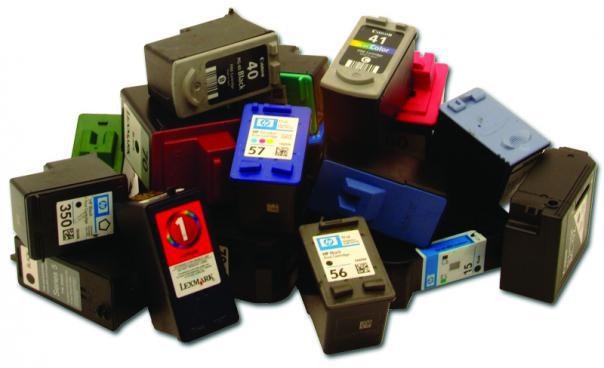
    Knock it off Karen. Untrue. Branded ink cartridges are expensive so people often use off-brand cartridges to keep their printing costs down. Fortunately, despite the myth, There is no chance of voiding any warranty on your printer by using off brand cartridges. But then again, third-party tampering isn’t covered in the event of gunshot wounds to your printer either. Most all the problems that printers are likely to have are still covered just fine under the warranty.


    The Final Thought on Tech Misconseptions

    we could go on an on about Tech misconceptions and you are probably guilty of believing or even perpetuating some of these. Don’t be the Karen’s of the world and give it just a little more thought. Tune in next time when we talk about de fragging memory and airport x ray machines. I may just turn this in to a regular colum

  • That’s No Mac Pro, That’s a Samsung ArtPC PULSE

    That’s No Mac Pro, That’s a Samsung ArtPC PULSE

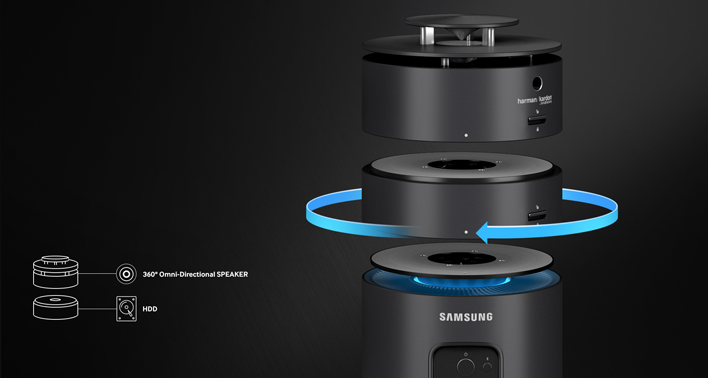
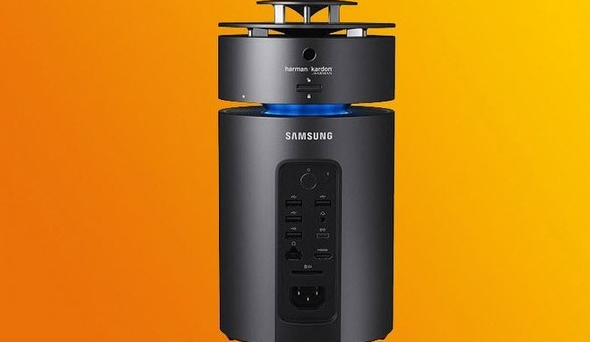
    Samsung ArtPC PULSE is trying to redefine the design of computers like Apple has already done. This computer is impeccably slim and exquisitely  premium. The Samsung ArtPC PULSE is built with full metal in a cylindrical form factor. This is actually the second computer you want to place at the center of your space.


    The Great

    • Very Pretty
    • Beautiful Desgin
    • Stackable Expandable HDD
    • LED Notifications
    • Great 360 Sound


    The Not

    • Mac Pro Knockoff
    • Standard Power
    • Uninspired


    The Conclusion

    The desktop PC is undergoing a renaissance, with designs that beg to be showcased in a living room or creative space. Samsung is joining HP as they mock what Apple does best. Think outside the box and innovate. It’s a distant 3rd in a playing field of 3.


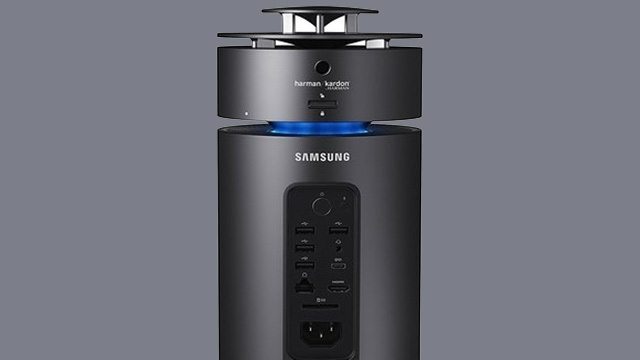
    The ArtPC draws immediate comparison to Apple’s machined Mac Pro. With an aluminum build, integrated 360-degree speakers tuned by Harman Kardon— an audio and electronics brand that Samsung is in the process of acquiring— and a modular, expandable design, the ArtPC’s aesthetic is divisive. Part minimalist metal and fully utilitarian, the ArtPC Pulse invites comparisons from passersby to my desk to anything from a futuristic space capsule to Oscar the Grouch’s trash can abode.


    Give Us The Deats

    The small, cylindrical shape of the desktop machine is quite innovative and attractive. It looks magnificent sitting on a table top with a lighting band proving to be a striking contrast against its full metal, black body. It is equipped with a brilliant and fast working processor. The Radeon Rx graphics card ensures that the graphics you view on your screen are always impeccable. One of its greatest features the way it is engineered. You can twist and turn and remove storage whenever you do not need it, and fix the module back on whenever you do need it.


    The Sound And Design

    Harman Kardon 360 degree Speakers are the best part about the Samsung ArtPC. They are crisp clean and booming. I’ve always found sound quality lacking in computers and it’s nice to see Samsung up the game. This shows that PC manufacturers are teaming up with the best sound system providers to give users good audio systems alongside powerful PCs


    The design is fairly minimal in design and measures 5.51 x 5.51 x 12.18 inches (13.9 x 13.9 x 30.9 cm) and uses the single central fan concept. It’s pretty but it’s not as stunningly elegant as the Mac Pro.


    There is one more interesting and innovative design of the Samsung ArtPC PULSE. This Computer allows you to attach and detach more storage whenever you need. Position the HDD unit and spin to click and easily add more storage. Think easily stackable hard drives. Kinda cool.

    Quick Specs of The Samsung ArtPC PULSE

    • CPU Intel Core i7 (6th Gen) 6700 / 3.4 GHz
    • Chipset Type Intel H110 Express
    • Form Factor Memory SO-DIMM 260-pin
    • Slots Qty 2
    • HD SSD  NVM Express (NVMe) 256GB + 1TB Serial ATA-600
    • GPU AMD Radeon RX 460 2 GB GDDR5 SDRAM
    • RAM Technology DDR4 SDRAM Memory Speed  2133 MHz Configuration Features 2 x 8 GB


    The Final Thought

    In A Samsung world of being second best this is just that. If you said to yourself want a mock Mac Pro “speaker as a Desktop” that runs windows 10, well  then you have found your dream machine.


  • Surface, Its New Version and a Price Drop

    Surface, Its New Version and a Price Drop

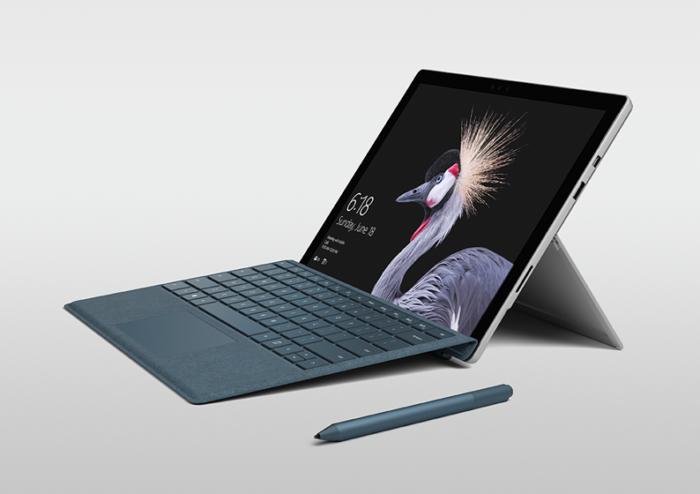
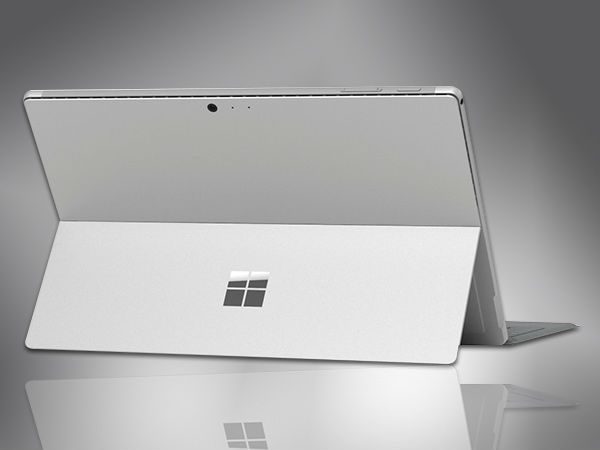
    The Surface wants to compete with the ipad for a broader market, so look for a price drop. A new report out today by Bloomberg claims that Microsoft is planning its next tablet line to be lower-cost in an effort to attract people to their products who aren’t interested in the more expensive Surface Pro. The move is directly aimed at competing with Apple’s recently launched $329 iPad, and could see Microsoft debut the devices as soon as the second half of 2018.


    Low Cost Surface

    From what I am hearing  the tablets will be priced at around $400, so not quite iPad cheap but not far off. They will be the first Surface devices to adopt USB-C and rounded edges “like an iPad,” instead of the square corners of the current devices. Storage tiers will include 64GB and 128GB, as well as LTE options, and the devices will feature 10-inch screens.  All good news.

    There are also rumors of a significant decrease in battery power. While I cant confirm any yet and wont until it gets the Beau’s 6 hour injustice marathon battery test, I will say that the rumors holds some weight. Currently everyone has come to a 6.6 – 14 hour battery life estimate for the current models. What we have hear it the new cheaper tablet will be coming in around 4 hours less. Knocking four hours of battery off a tablet with a 13.5 hour runtime is bad. Knocking four hours of run time off a tablet with a 9.6 hour battery life is terrible. In fact, if that penalty carried over across the board, this new Surface tablet wouldn’t even break the three hour mark. Relax, ill continue to monitor and keep you updated.


    The Final Thought

    Like always Apple steps in and delivers and the rest  of the tech world follow suit. follow suit. This is good new, a low cost Microsoft device is a great option for the marketplace. When the marketplace has diverse low cost options we all win.


  • Top Ten Ways AI Will Change Your Life Forever

    Top Ten Ways AI Will Change Your Life Forever

    After watching Google Duplex demonstrations at this year’s I/O conference, one thing is clear: Artificial intelligence will change our lives. All manner of practical applications are being explored by leading AI companies like Microsoft and Google. To help you wrap your head around what the future holds, we’ve rounded up 10 ways AI will be changing your life forever!

    Speech Recognition
    01-ai

    Photo Credit: Robohub

    The technology that powers all AI assistants, speech recognition tech is very exciting going forward. The ability to organize your life and appointments with your voice alone is engaging and exciting to a degree that is hard to overstate. Alexa, Google Assistant and the like all make excellent use of this technology to power their unique promise of being user-friendly, dynamic and useful to users of all skill levels. This technology can also help disabled people type by using their voices, increasing the accessibility of personal computers and other platforms.

    Making Appointments
    02-googleduplex

    Photo Credit: Android Central

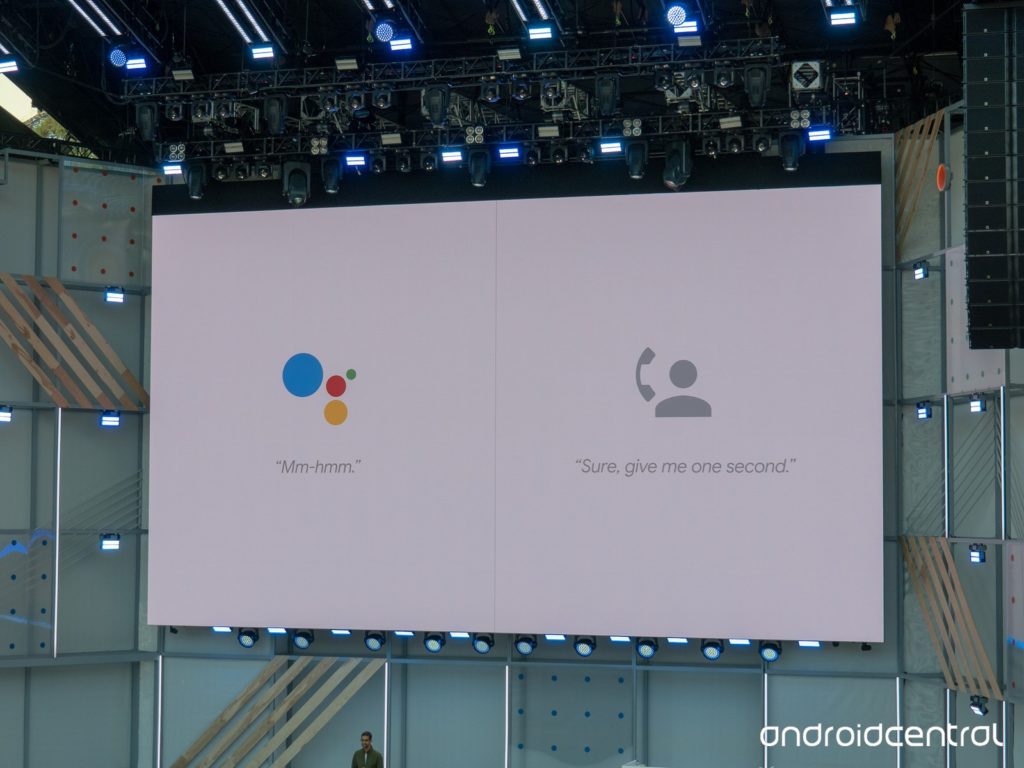
    Assistant calling was unveiled at 2018’s I/O conference by Google, in the form of their Google Duplex technology. This revolutionary AI functionality allows the Google Assistant platform to make phone calls for users, setting up appointments, reservations and the like. This is exciting for users with phone anxiety or trouble speaking, or just for users who are busy and don’t have time to call in themselves. While this raises a few ethical questions regarding machine voices being indistinguishable from human voices, the practical applications of the technology are undeniable.

    Machine Learning

    03-machine-learning

    Photo Credit: Future of Life Institute

    Machine learning is largely considered the marker of “true” artificial intelligence. By synthesizing concepts encountered and reacting based on past information, AI with machine learning capabilities would be able to react in ways humans can’t predict. These applications could be applied to market trends in order to assist stock brokers or as assistants to surgeons during procedures. The potential uses of this type of learning are staggering: imagine intelligences reasoning and problem solving with the speed and accuracy of a machine during such tense activities as piloting a spaceship or during peace talks between warring nations.

    Advertising

    04-facebook

    Photo Credit: The Sun

    People are still understandably anxious regarding companies like Facebook using algorithms to target them with content. However, this will hardly stop the future of learning algorithms and, eventually, true AI using their data collection to target users with advertisements and articles. As with many AI-related fields, this is a hotly debated subject, raising ethical questions as to the responsibility of advertisers and media platforms. It seems unlikely that such reservations will stop companies from leveraging the considerable power of machine learning in order to boost their profits.

    Personal Assistants
    05-echo

    Photo Credit: B & H

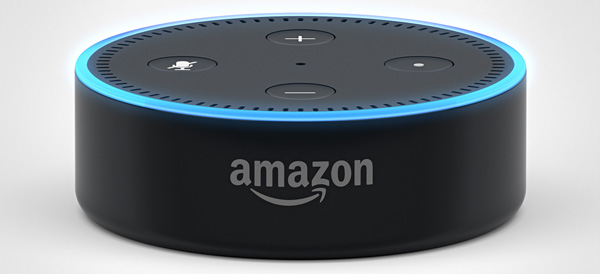
    The most obvious and immediate effect artificial intelligence has on the lives of everyday consumers is through the virtual assistants we all now carry in our pockets. Using a virtual assistant has become second nature to most smart phone owners. The act of asking Siri or Cortana or Google to make a phone call for us is natural and easy. Incorporating similar technology into smart speakers and smart displays was a logical next step: Google and Amazon want to bring their brand of AI into your life and make themselves indispensable. Individual reliance on AI assistants will likely become as commonplace as reliance on cell phones and the internet is now.

    Data Gathering
    06-ai

    Photo Credit: News Medical

    A pressing application for businesses, sifting through and organizing data is likely to be the primary role of corporate AI. For companies with extensive logs and ledgers, the ability to instruct an AI to quickly sort data and parse it for relevant information is likely to change the face of business. Reading market trends and sales data at speeds impossible for humans, AI could give companies an edge over competition and help them make smart business decisions. Similar to artificial intelligence applications in advertising, AI use as information comb is likely to be a primary function of AI for business.

    Biometrics
    07-biometrics

    Photo Credit: Security Exhibition and Conference

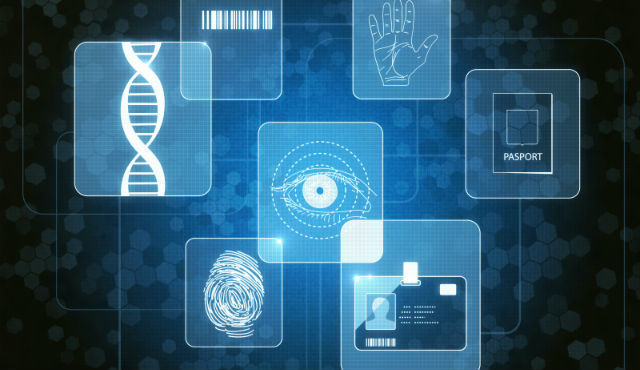
    For consumers, thumbprint scanners that unlock their phones are a well-known application of biometric technology. Biometrics also, however, have many applications in relation to AI. Using AI to learn about people from their biometrics would allow for numerous advances. For example, early warning of diseases like cancer and diabetes would become more common. Additionally, such AI could help in developing treatments and cures for diseases monitored through biometrics. Market applications of biometric AI tech would likely include AI interfaces in retail stores that allowed for checkout using thumbprint or facial recognition. Technology in this vein is already in use via services like Apple Pay.

    AI-Optimized Hardware

    08-ai

    Photo Credit: Out of the Box Science

    As computer processors and graphics cards have begun pushing the limits of what their hardware is capable of, manufacturers have begun speculating on the potential of AI-assisted hardware. Using advanced learning AI to make micro-adjustments on the fly could help high end graphics cards or processors speed up beyond their current limitations. Coupled with experimental quantum computing techniques, such technology would likely reshape the face of computing as an industry and redefine what computers are capable of.  Such a leap ahead could potentially dwarf previous technological advancements.

    Automation of Processes

    09-automation

    Photo Credit: Forbes

    Much like the robotics boom that helped automate factory labor, AI technology will likely see automation of numerous work tasks previously able to be done only by humans. Utilizing Google Duplex-like technology, phone customer service could be fully automated. Rather than staffing buildings full of workers to answer phone calls, companies could outsource all phone calls to an AI programmed to answer questions. This is only one example: programming, research and development, analytics and market research could all be tackled by learning AI. Such advancements could be monumental, allowing for full automation of nearly all virtual jobs.

    Robotics

    10-ai

    Photo Credit: CardsChat

    Beyond just automating jobs that occur in a virtual space, complex AI software housed in advanced robotics could automate physical labor on a scale previously impossible. Agriculture, construction and maintenance work could potentially all be automated by AI-powered robots. While this likely sounds like high-concept sci-fi, such a future is becoming more possible, and more likely, with each passing day. As companies continue to push the boundaries of what AI is capable of, a future where all work tasks are automated becomes more and more likely. This could lead to a utopia where all people are free to pursue their own desires, or a dystopia where people are ruled robots. Just kidding! Or maybe not. We’ll cross that bridge when we get to it! For now, I’ll suspiciously eye my Amazon Echo and hope it doesn’t try to kill all humans anytime soon.

  • Need a New Monitor? Check Out Our Favorite Curved Displays!

    Need a New Monitor? Check Out Our Favorite Curved Displays!

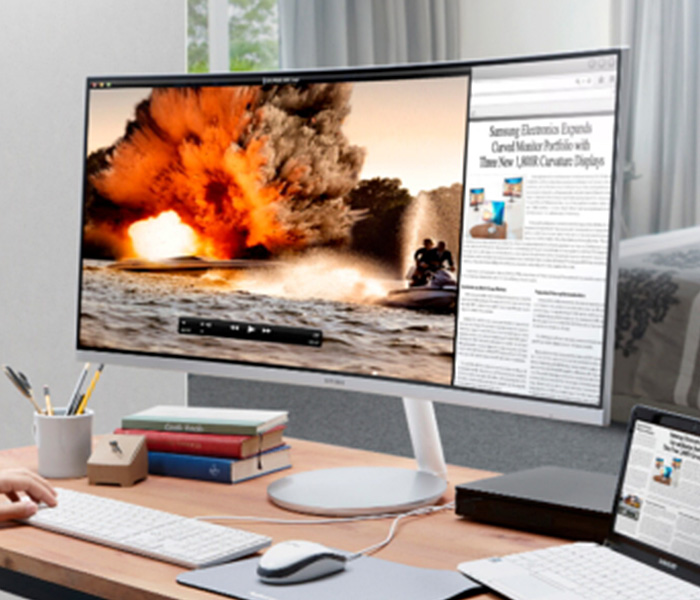
    Experts say that curved displays are the most natural viewing experience for humans, since our eyes are round. This, they claim, makes curved displays more natural and pleasing to the eyes, reducing eye strain and leading to a better experience. Curved displays are measure in terms like 1800R, which refers to the radius of the imaginary circle the curvature would create. Thus, larger numbers mean less curvature. With that said, let’s check out our favorite curved monitors!

    HP Z38c

    Sporting a 3,840 x 1,600 resolution and an impressive 37.5″ display, this curved HP is a great pick for professionals. At 2300R, this isn’t the most curve-y screen on the market, but its ultra-wide aspect ratio and deep color display make it a comfortable viewing experience. This display sports ports for HDMI, DisplayPort and USB-C. On the flip side, it has no built-in speakers and no audio out, so you’re going to be using a separate device for sound.

    This monitor boasts an impressive IPS panel display, allowing for superb curved monitor viewing. With stunning colors and impressive brightness, this monitor would look great on a desk and work even in brightly-lit office buildings. For professionals who want an excellent curved 4K image, this is a great pick. It is a little expensive, though, coming in at $1200.

    Samsung C27F398

    Our favorite curved monitor for those on a budget, this Samsung gives you a great, comfortable viewing experience without costing you too much money. For $280, you get a screen with 1800R, which is a real sweet spot when it comes to curved displays. This display is 27″, notably smaller than the previous entry, but it still puts out a phenomenal image for the cost.

    It is notably less bright than the HP, as well, making it more suited for home use instead of office use. This monitor also comes with eco-friendly picture modes as well as eye-friendly, blue light-reducing modes. An overall impressive value for the price, this Samsung makes a great choice for first curved monitor for the curious.

    Our Favorite Curved Display: Samsung CF791

    This is our favorite overall monitor and offers a fantastic image quality. This monitor has a 1500R curvature, making it the most curved display on this list. Samsung’s monitor utilizes “quantum dot” technology, which supposedly uses a series of microscopic dots to produce colors and images. This supposedly leads to a sharper, crisper, “purer” image. Either way, the results are stunning: this monitor looks downright amazing.

    This monitor sports two HDMI ports, a DisplayPort, and two USB-A ports, as well as a headphone jack. For gamers, this monitor sports AMD FreeSync, synchronizing the monitor refresh rate with the frames per second of an AMD graphics card. This is a feature designed to reduce visual tearing and other noise caused by out-of-synch refresh rates.

    The monitor also has the Samsung proprietary Game Mode, which turns off a number of superfluous display functions in order to minimize display lag. The CF791 is an overall fantastic monitor, and our pick for favorite. The only downside on this display? It’s a little expensive, retailing for $950.

  • Controversy Erupts over Securus Location Tracking Used by Law Enforcement

    Controversy Erupts over Securus Location Tracking Used by Law Enforcement

    The New York Times reported that a company called Securus is offering a service to law enforcement allowing them to track real-time locations of cell phones. The report claims that Securus is offering this service without going through the due process of law, allowing law enforcement to sidestep the proper legal process and track suspected criminals. This is done using a location API, the type of which is typically used to advertise to cell phone users based on location.

    Securus

    Securus, when confronted on the legality and procedures of this service, had this to say: “The responsibility of ensuring the legal adequacy…lies with our law enforcement customers and their counsel.” This shirking of legal responsibility is not only incredibly flippant and ill-advised, but also incorrect. A senator from Oregon named Ron Wyden has stated that these claims are going to be investigated, and further pushed for the FCC and AT&T to give detailed answers to the questions of how this will be dealt with.

    Regarding the process for accessing the Securus service, Wyden wrote: “To access this private data, correctional officers simply visit Securus’ Web portal, enter any US wireless phone number, and then upload a document purporting to be an official document giving permission to obtain real-time location data.” This is certainly an unprecedented use of such technology, and one that many would find to be both invasive and frightening.

    Sidestepping Legal Process?

    Up to this point, law enforcement agencies have had to rely on records from phone companies to view location data, and that data is only acquired by having a warrant granted by a judge. By providing this same service to law enforcement in just a few clicks, Securus is directly sidestepping the entire legal process associated with location tracking. This story is only just beginning, as there are likely cases going before the courts to address the questions of the legality of this practice.

  • Is Google Duplex Too Real?

    Is Google Duplex Too Real?

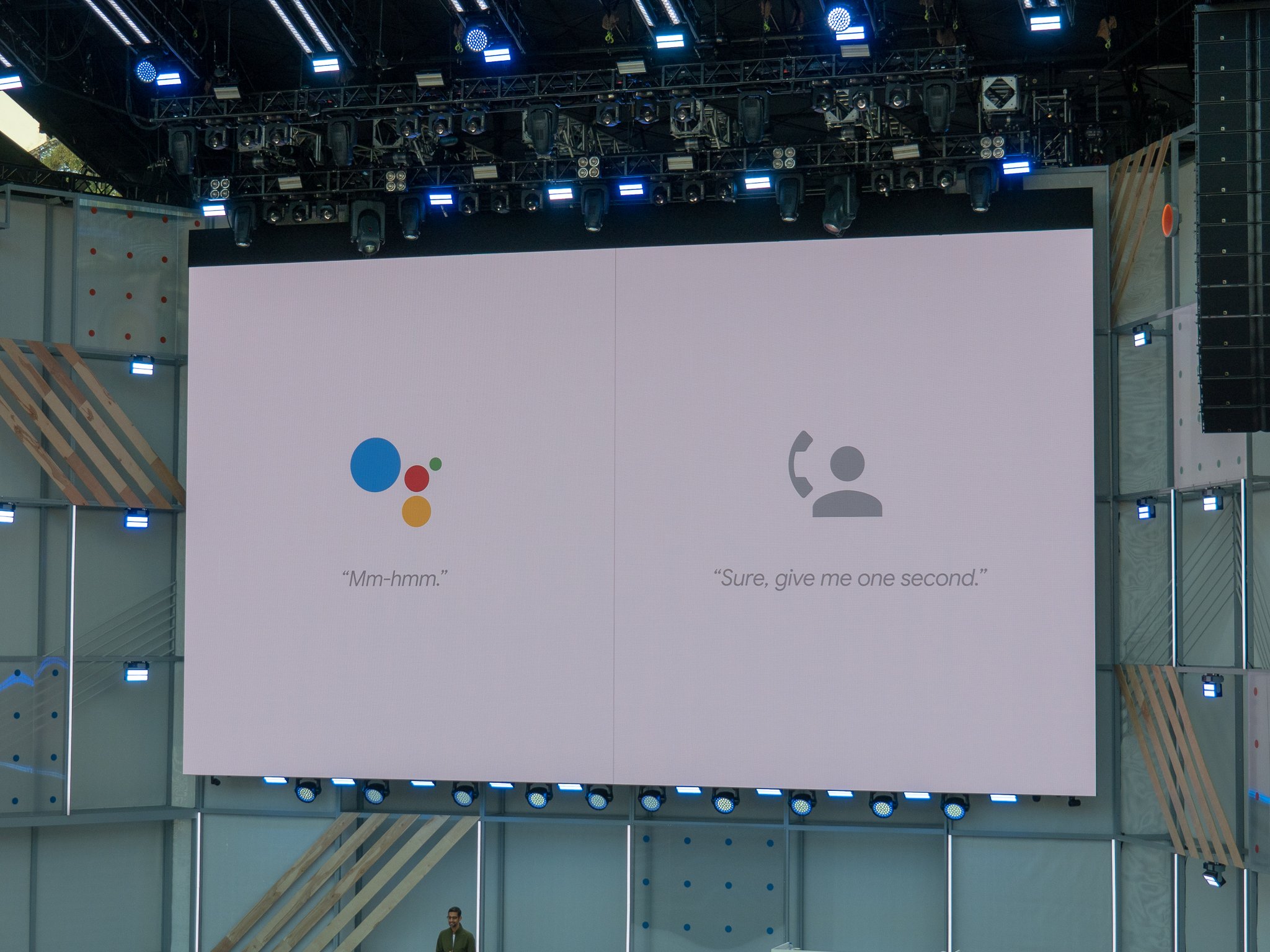
    We’re living in the future. If you needed a reminder of this, you need look no further than the prevalence of artificial intelligence on the cusp of becoming indistinguishable from humans. At their I/O 2018 conference, Google showcased their new Duplex technology. Duplex allows Google Assistant to make phone calls for you to set up appointments and reservations. The unique trick here is just how lifelike and eerie the Assistant sounds on the phone. It says “umm,” and “mmm-hmm.” It uses upward-lilting speech to sound authentic. It sounds completely human.

    How Far is too Far?

    Google claims that the Duplex technology will identify itself as such when it goes live. This, at least, covers our initial fears that people will be unaware that they are interacting with artificial intelligence. However, the presence of this technology alone could be cause for concern: what if another, less responsible company develops similar technology? What if scammers steal the technology and use it to operate elaborate phone scams? The potential for abuse is certainly high. It remains to be seen what protections Google has in place for this lifelike AI.

    So What?

    Maybe you don’t mind the idea of lifelike-sounding machines calling you. If they sound human and I’m not aware that they’re machines, so what? Why should I care? Google already promised it would even identify itself! To which I would say: I don’t think we need to worry about Duplex itself. I thoroughly believe Google will be responsible with this tech, if only because all eyes are on them. They are a leader in AI research and this is a pioneering piece of technology that many will likely follow. As such, I have no doubt Google will toe the line and act ethically with their new tech. The question remains, though: will those that follow do the same? Now that the door is open, who knows what kind of potential for misuse of this technology puts on the table.

    This is Just the Beginning

    Either way, Google is not alone in pushing the boundaries of AI applications. Microsoft and Facebook are also pursuing the future of AI in attempts to make their products synonymous with the burgeoning tech. These companies and others like them are all racing to hit the market with the most lifelike, the most impressive and least detectible AI before their competition. We can only hope they temper their haste to be the first to market with a desire to act ethically and responsibly with technology that will change the way we interact with our world.

  • The Best Tablet Computer Bang for Your Buck

    The Best Tablet Computer Bang for Your Buck

    Ah, the tablet. While everyone loves their smartphone, sometimes you want a bigger display. Whether you like the convenience of watching movies in bed, want a good device to play games on, or need to do actual work, tablets offer tons of handy versatility! However, some brands of tablet can be prohibitively expensive. If you’re looking for something more affordable, we’ve compiled a roundup of our favorite budget tablets!

    Amazon Fire HD 8

    Found on Amazon for $60, this little tablet is a great value for your money! Amazon’s proprietary tablet makes an awesome e-reader, as you might expect from the one-time bookseller. While the Amazon Fire 8 has rather lackluster cameras and somewhat less sharp display than its competition, it’s still a great value. If you want a tablet that works for web browsing, watching movies and reading books and don’t need a ton of fancy features and software, then this is a great pick. If you’re looking for something a bit better overall, but a tad pricier, read on!

    Lenovo Tab 4 8

    Lenovo, a respectable name on its own, has created a neat little tablet with a lot of personality in the Tab 4 8. If you’re already familiar with the Android OS from your smartphone then you’ll have no trouble with the OS in tablet form, which can make this a good choice for those who don’t want to learn a new OS. The Tab 4 8 is very solid, coming in at “middle of the pack” in nearly all ways, including its desirable price tag: you can pick this one up for $130. The Tab 4 8 has good battery life, a decent display, an inoffensive, likable design and great overall software performance. While this is a full $70 more than the Fire HD 8, you get a completely superior overall product, so if you don’t mind spending a bit extra then this is a great choice for you.

    iPad 2017

    The 2017 iPad is seeing a price drop now that the 2018 models are hitting the market. The iPad is far and away the most expensive tablet on this list, selling for around $270 on Amazon right now, but you absolutely get what you pay for. Retina Display and FaceTime cameras, Apple mainstays, are certainly great to have here, and the always-awesome iOS software is just as great on a tablet as on a smartphone. While it is expensive compared to the others on this list, if you’re looking for a tablet under $300 that delivers a premium experience and works like a dream, the iPad remains the best tablet out there. While some are put off by the relatively expensive accessories and high price of the device itself, this remains your best value, dollar-for-dollar, in tablets.