Category: Top Ten

  • Top Ten Things to Know About Google I/O 2018

    Top Ten Things to Know About Google I/O 2018

    Tuesday, May 8th marks the start of Google’s I/O press conference. What does Google I/O mean? What kind of things can you expect to see from Google during this event? Read on for our top ten things to know, including news, headlines, tech and more!

    Android P
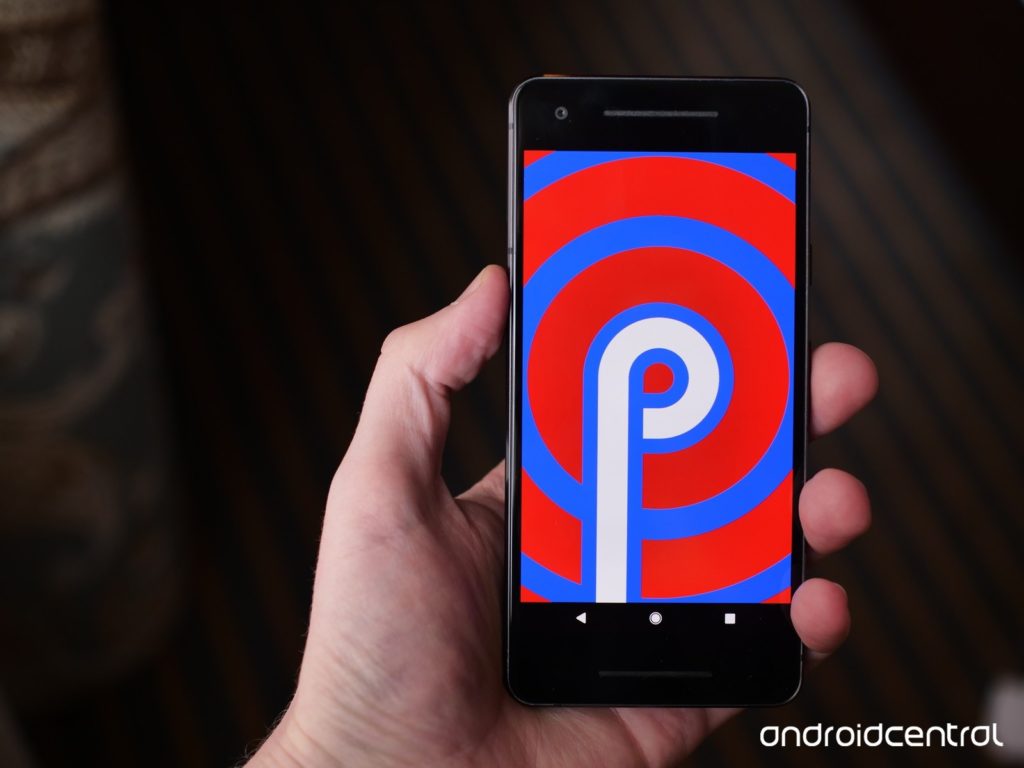
    01g-androidp

    Photo Credit: Android Central

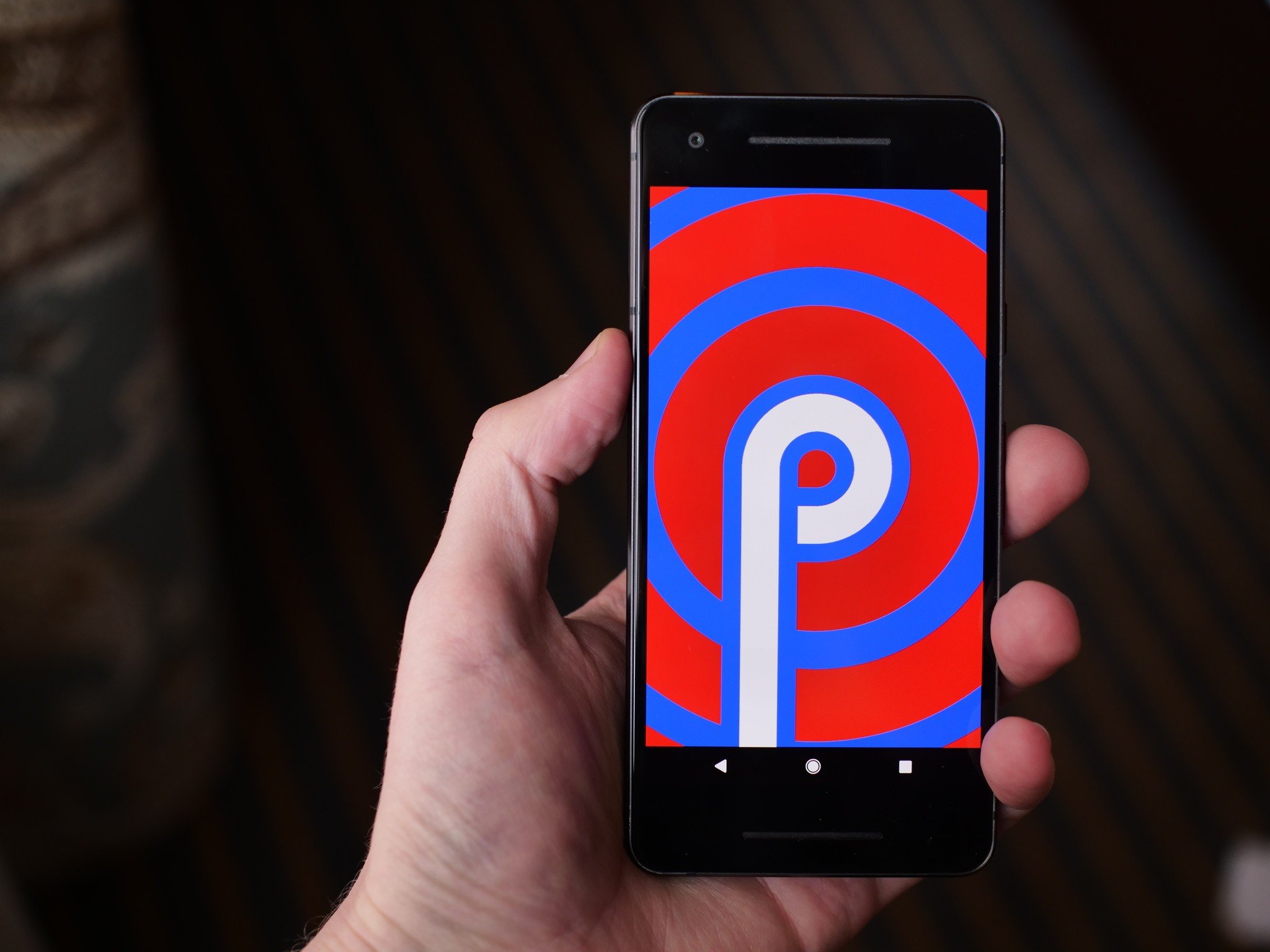
    Androids new operating system replaces all of the navigation buttons with one button, much like pre-X iPhones. Functions previously assigned to buttons will be moved to gesture controls, streamlining the user experience and modernizing the Android operating system. The new system has a focus on security and battery life. Additionally, Android P features a darker overall color palette than previous Android OS’s.

    Google Lens

    Photo Credit: Android Guys

    Google Lens technology allows users to search using their phone camera. I/O 2018 is sure to unveil new functionality and features for the software, including new functionality and integration into upcoming smart phones. The technology is likely to be a focus of Google’s, as it allows the Android platform to further distinguish itself from Apple’s iOS-powered iPhones.

    Google Chrome

    Google is sure to have a lot to say about their Chromebook line of laptops at the event. As a leader in educational fields, the Chromebook has proven very popular with teachers and students. Also expect news regarding tablets running on Chrome OS, following in the example of Acer’s Chromebook Tab 10. Focusing on educational possibilities and Google Smart Home integration seems like the most likely avenue for Google to present their Chromebook hardware.

    Google Home

    With the recent success of smart home devices like smart speakers, Google is sure to continue pressing their smart home line. Eager to dig in to Amazon’s successful Alexa-powered Echo series, Google has been emphasizing their smart home integration with products like Google Home Mini and Google Wi-Fi. Likely to be seen at I/O 2018 are Google-branded smart displays and further connectivity between Android phones, Chromebook computers and Google Home systems.

    Wear OS
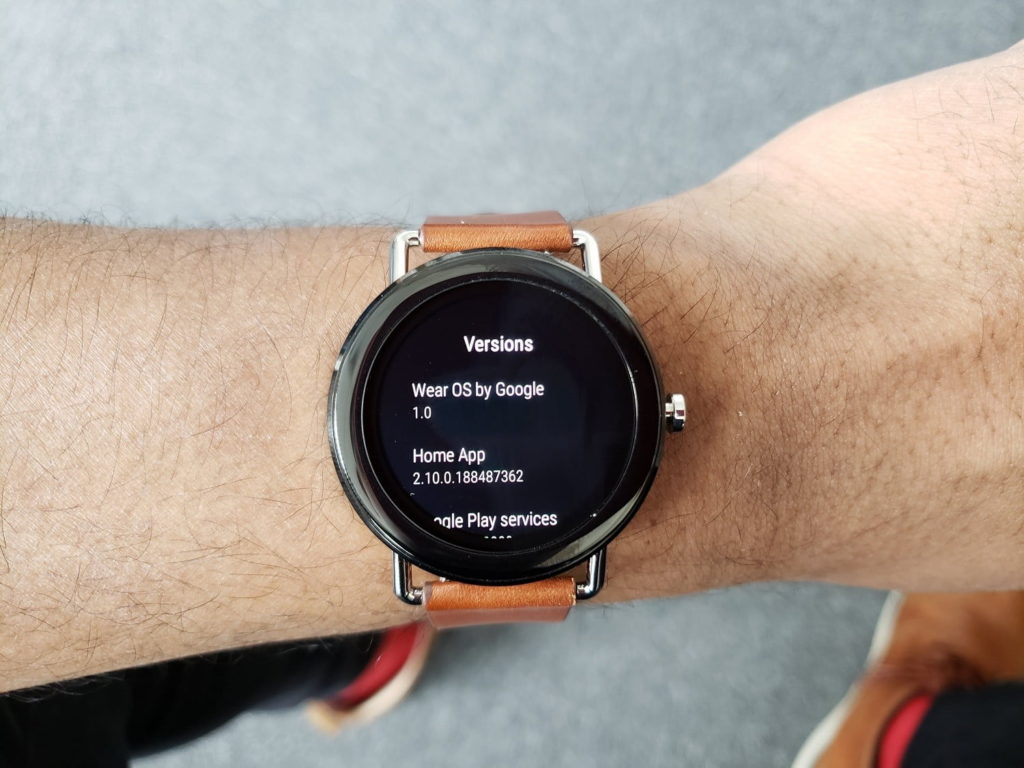
    Photo Credit: Digital Trends

    The recently-renamed Wear OS, once called Android Wear, will likely be a strong focus of Google’s presentation. Capitalizing on the success and popularity of fitness trackers and smart watches, Wear OS seeks to be a strong contender in a field largely dominated by Apple and FitBit. Additionally, voice command features more in line with Google Home-style functions seem to be a new focus for Wear OS devices. A Google-made smart watch is also not out of the question!

    VR Headsets
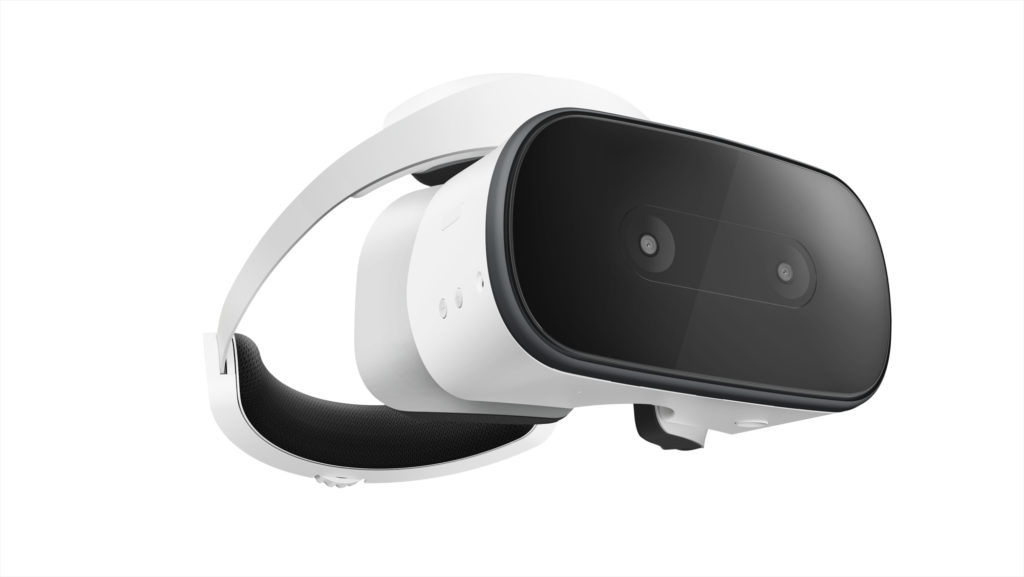
    Photo Credit: Ars Technica

    Another trend Google seeks to weigh in on, standalone VR headsets have proven quite popular, with models like the Oculus Rift wowing gamers and tech enthusiasts alike. Google’s own VR headset, the Lenovo Mirage Solo will certainly have a presence at I/O, and there is a possibility of a Google-developed, proprietary headset being unveiled at the press conference.

    Additionally, YouTube’s 180-degree VR app VR180 is likely to be a strong component of Google’s VR push. The app makes use of new camera technology, like the Lenovo Mirage, to film 180-degree, 3D video for an immersive VR experience.

    Google Duplex

    Google has unveiled this new feature for Google Assistant, an uncannily human-like AI voice pattern that can call businesses for you. The feature uses user data to make appointments and interact with humans who are none the wiser that they are speaking with an AI. This feature is certainly odd, and some have even commented that it has unsettling implications, but it is undeniably convenient. For those with phone anxiety, or busy schedules, this could be a potentially helpful feature. What is unknown is just how advanced and responsive the AI will be when interacting with a wide variety of scenarios and people.

    Google Assistant Updates
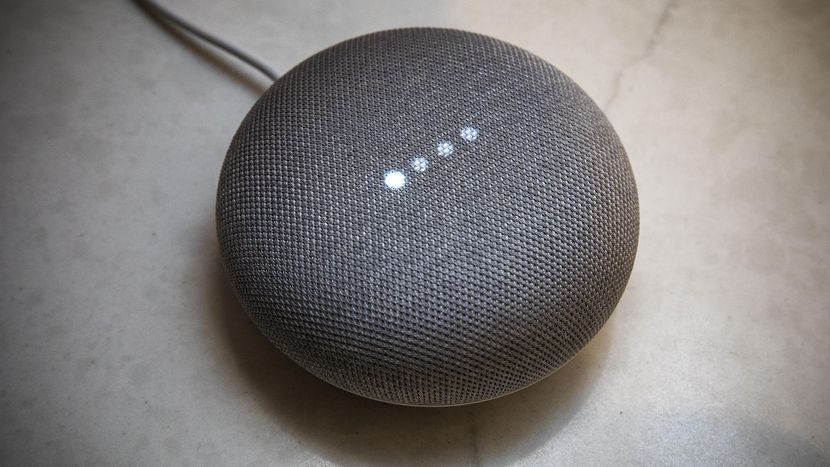
    Photo Credit: CNET

    Google Assistant is getting updated in many meaningful ways. For one, the Duplex technology will likely be implemented to allow it to have much more natural, human-like speech patterns. It will be receiving new functionality with children, attempting to teach them to be more polite. Additionally, the technology will soon be able to execute two actions on a single command and continue conversation while executing actions, making the user interface more natural and giving the AI more flow.

    Google Maps

    Google’s GPS app is set to receive augmented reality functionality. The new Google Maps will allow for superimposed directions in a manner that is similar to the Google Lens technology and allows for live tracking of crowds. The ability to navigate crowded city areas on foot by camera is certainly intriguing, making visiting new cities and exploring on foot more attractive and much safer!

    Google News

    Continuing the focus on AI technology, Google News is set to receive updates to increase personalization. As something of a response to growing anxiety over so-called “fake news,” the new Google News initiative uses technology to help users find and support news sources they trust, and to help users fully understand the news they consume. The technology will use your preferences and location to populate your news feed with stories relevant to you. Such a redesign is likely to be a big hit, helping users to trust their news sources and stay informed about events relevant to their lives.

  • Top Ten Coolest Raspberry Pi DIY Projects

    Top Ten Coolest Raspberry Pi DIY Projects

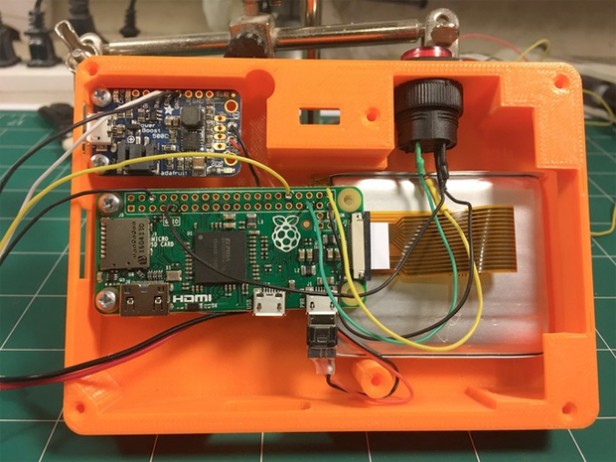
    Anyone who has ever built their own computer and watched it whir to life for the first time can tell you the sheer joy of creating a complicated piece of technology with their own two hands. Operating in that same space is the Raspberry Pi family of DIY-friendly microcomputers. The new Raspberry Pi 3 B+ and the Raspberry Pi Zero W (which sports built-in wi-fi!) are flexible, all-purpose boards capable of tons of awesome applications! Everything from miniature Macintosh computers to retro console emulators can be built from these slick little circuit boards, and here we round up our top ten favorite Raspberry pie DIYs!

    A Disposable GIF Camera

    Photo Credit: TrustedReviews.com

    A neat little piece of throwback-style tech, the Pix-E, pet project of Nick Brewer, takes advantage of the Pi Camera Module and GifCam, PiCamera and GraphicsMagic to create easily-sharable GIFs. With 3-D printable cases and paper print-outs that emulate a 90’s aesthetic, the Pix-E is a stylish and functional piece of DIY tech. It does require a bit of engineering skill: some bread-boarding and a bit of soldering are required to get this sucker moving. The Pix-E would make a neat little addition to a vacation or hike, making GIFs on the fly as you move from place to place!

    DIY NES Classic Mini

    Photo Credit: RetroPie

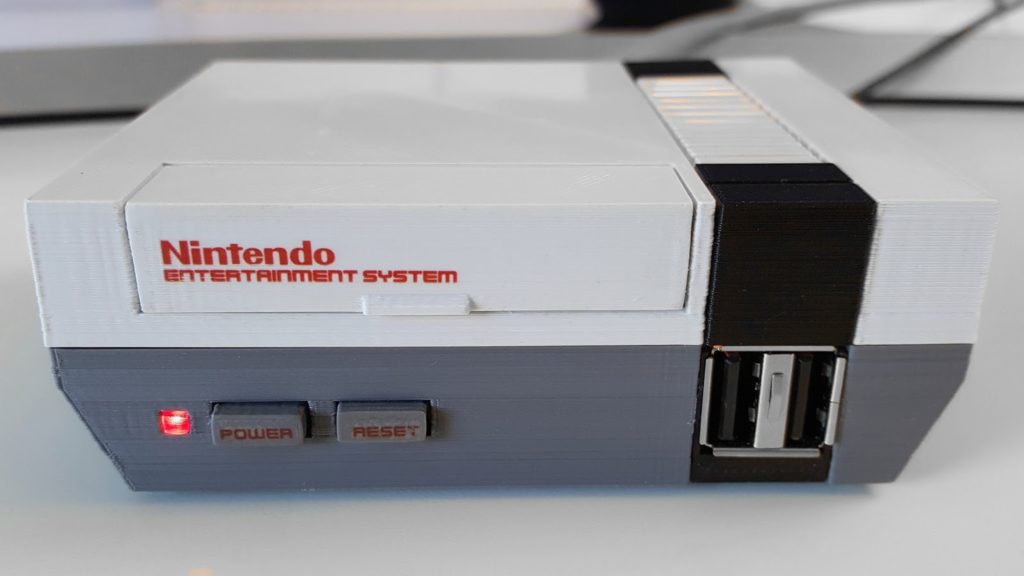
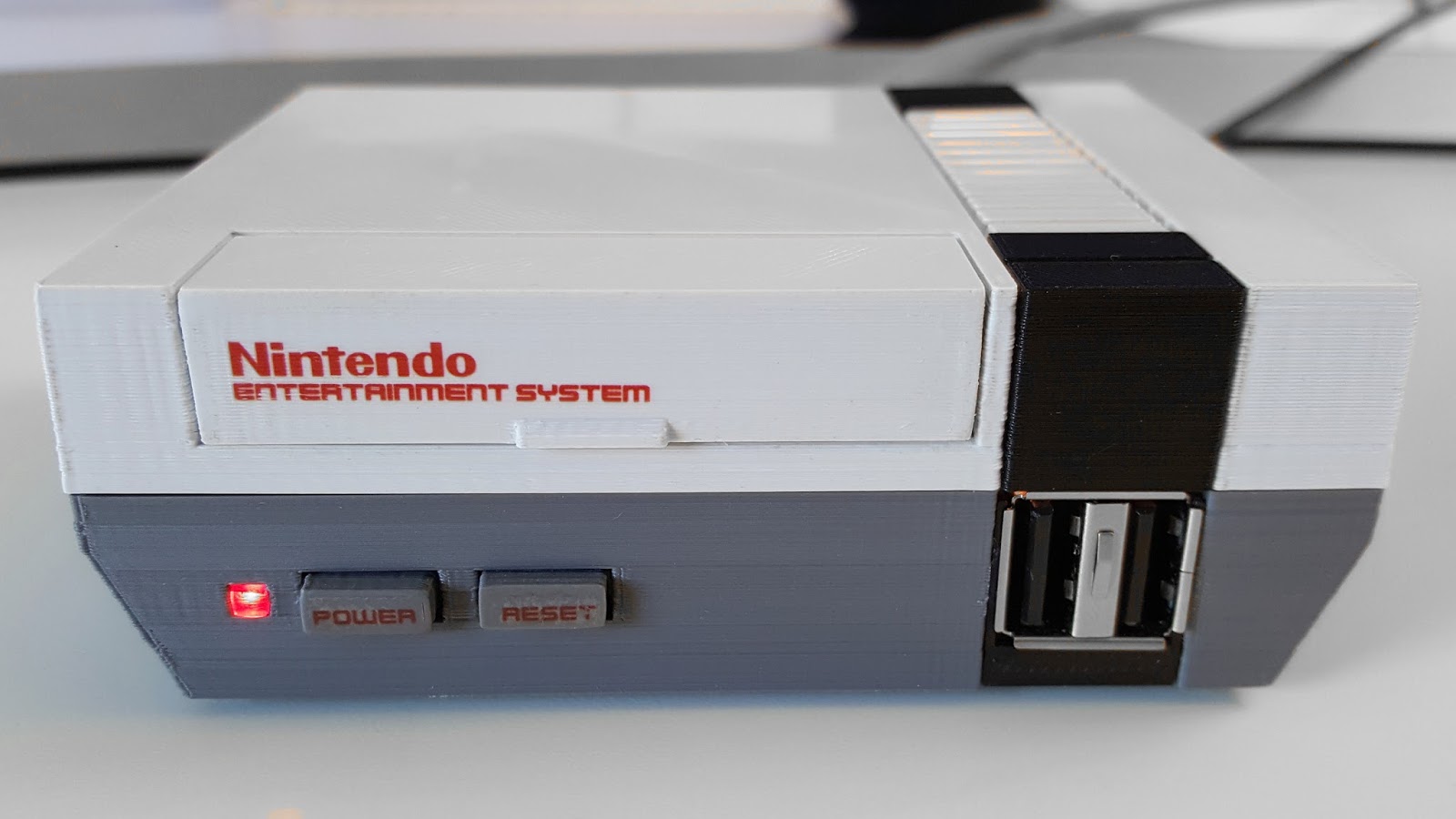
    The NES Classic was a much bigger hit than Nintendo anticipated (turns out people love retro games! Go figure!) and sold out everywhere in a matter of weeks. eBay scalpers sell the mini console for many times more than MSRP, and even if you are lucky enough to lay hands on one, it is only outfitted with 30 games. In order to add more, you would need to do some serious hacking to your expensive collector’s item.

    Thankfully, a bit of tech know-how allows you to build your own using Raspberry Pi boards! Using the Pi Zero board and RetroPie software, you can create near-perfect emulation for a fraction of the price of an NES Classic on eBay. You can even get an NES-like case to house the console (or 3-D print one!), completing the look and feel of a retro console!

    Stylish Word Clock

    Photo Credit: HardTech.tv

    Where clocks were once commonplace pieces of simple technology found in everyone’s house, smart devices and interconnected smart watches have all but rendered the traditional clock obsolete. This word clock, by comparison, is a very cool piece of tech to have on a shelf: eye-catching and easily understood, this simple project can lend a hip and stylish vibe to any room! A simple program, some LEDs and a bit of soldering, and boom! A fashionable way to make sure you’re not running late!

    A Functional Desktop Computer

    Photo Credit: Michael Davis

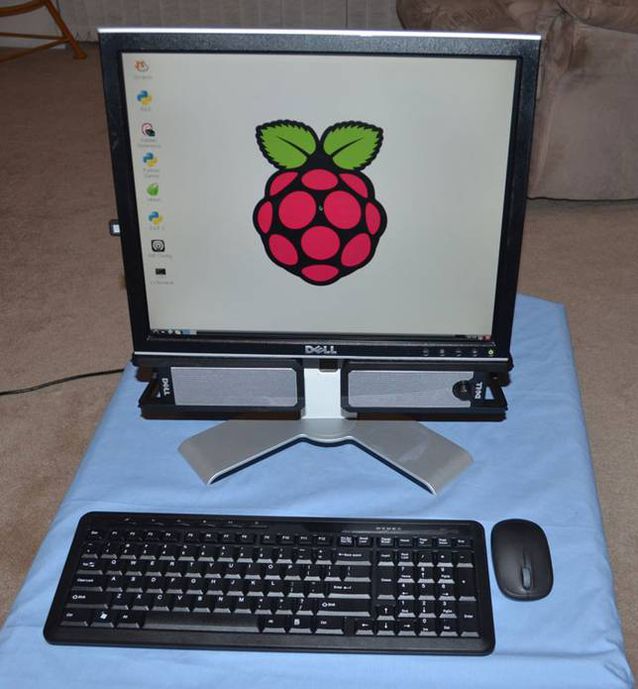
    As adorable as it is functional, the Raspberry Pi can even be used as the brains of a desktop computer. While it certainly won’t be running any modern games or pulling duty as your full-time home computer, it’s a cute project and would work great as a computer for a young child or a student who simply needed access to email, word processors and a simple web browser for research. The desktop even has a very stylish upside: it’s CPU is a tiny circuit board, so it’s easy to mount behind the monitor to save space in an office or bedroom!

    A One-Touch Audiobook Player

    Photo Credit: Michael Clemens

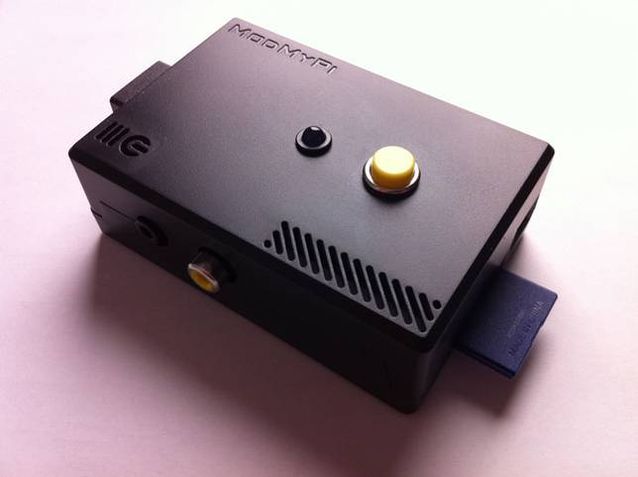
    The schematics for this minimalist design were drawn up as a prototype to help older users with disabilities easily access audiobooks. The playback device reads the data from a USB port, and then plays the media with a push of the top button. In addition to being very useful for those with disabilities, the player is very minimal and light, and those who wish to keep their smartphone memory from being filled by audiobooks may wish to use this device instead, carrying USB thumb drives loaded with books instead!
    A Kodi Media Center

    Photo Credit: TrustedReviews.tv

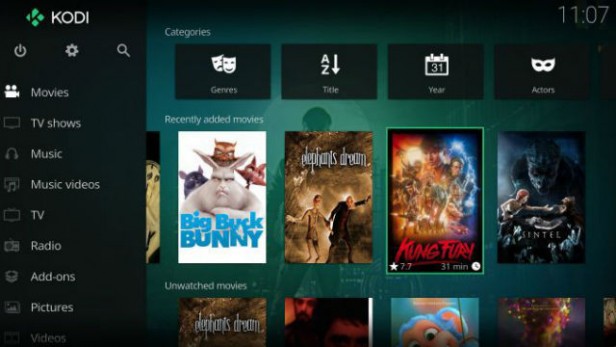
    While Roku devices, Amazon’s FireStick and SmartTV devices are popular for using official streaming services like Netflix and Hulu, those wishing to customize and personalize their media experience are often drawn to the Kodi platform. Raspberry Pi-based media centers make natural pairs for Kodi, as the two of them are both user-friendly DIY-style products. Using a Wi-Fi USB converter, or a Raspberry Pi Zero W, connecting to wi-fi with a Pi based streaming box is simple and easy. Saving money and getting to watch TV is a win-win in our book!

    MintyPi2.0 Retro Console

    Photo Credit: YouTube.com

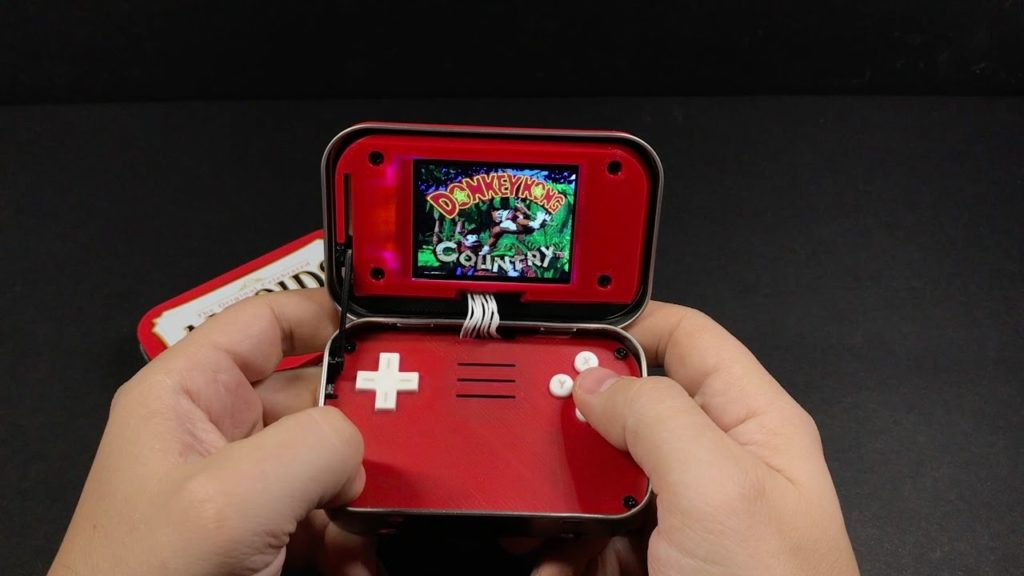
    The tiny, endearing and portable MintyPi retro console fits inside an empty Altoids can. Using Zero W boards allows for built in wi-fi to update and games. With a form-factor reminiscent of the GameBoy Advance SP model, the MintyPi is a delightful little device and controls beautifully. While creating one of these devices requires a good deal of 3-D printing, soldering and technical know-how, the finished product is an enviable, minty little piece of tech! Full guides for how to build these are available online!

    Mini Lego Macintosh

    Photo Credit: Mactrast

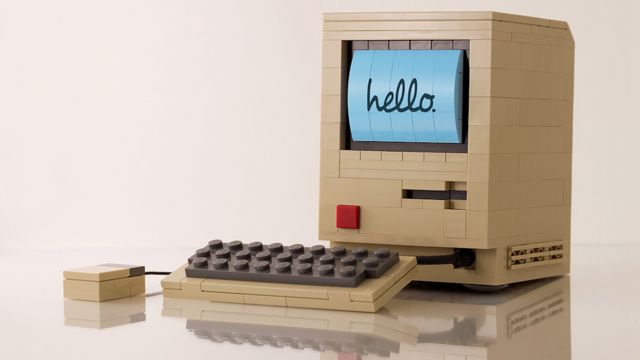
    Using a very small e-paper display, sporting a lego housing and powered by a Raspberry Pi board, Jannis Hermanns created this tiny, adorable Mac. The device technically functions but is so tiny and simple that it’s mostly a labor of love and adorable conversation piece. While Hermanns has posted guides for how to create these online, creating your own Mini Mac would require quite a bit of soldering and careful work with tiny parts. However, Mac and Lego enthusiasts would likely find such a project very rewarding!

    Arcade Table

    Photo Credit: grahamgelding

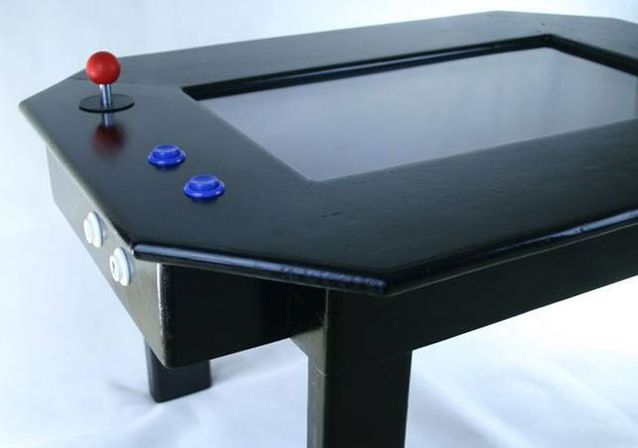
    Echoing the table-top arcade design of pizza parlors and bowling alleys, this cool blend of furniture and technology is powered by a Raspberry Pi board. Capable of playing classics like Space Invaders, Galaga, Asteroids and Pac-Man, as well as browsing the internet and displaying cool images, this table would make a welcome addition in any game room or den. While a good bit larger and more involved than many other projects on this list, this gaming table would make a striking impression on friends who came to game!

    Electric Skateboard

    Photo Credit: YouTube.com

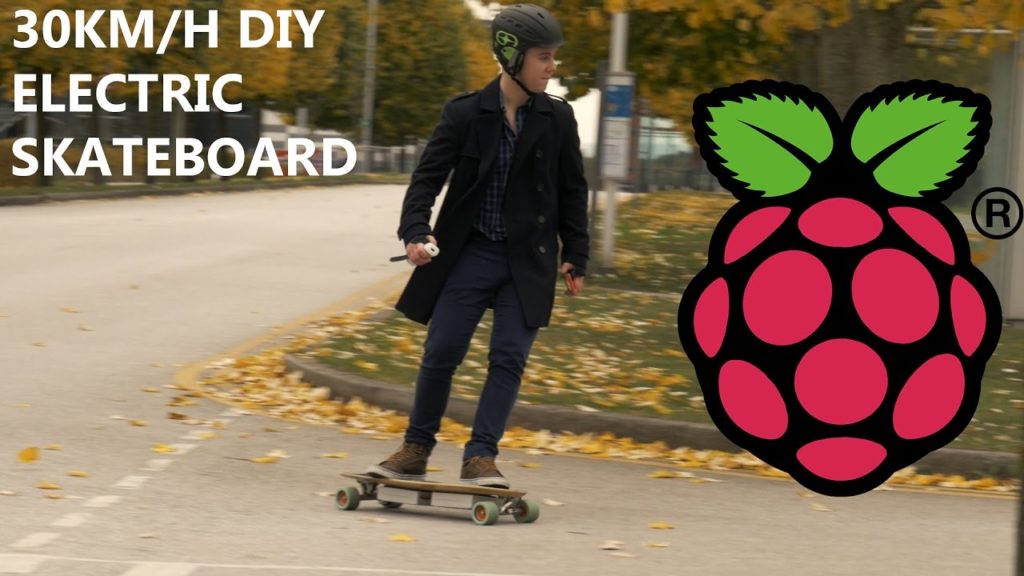
    Our favorite DIY project yet has got to be this stellar electric skateboard project made by YouTuber “the Raspberry Pi Guy,” who is known for his DIY work on his channel. Powered by a Raspberry Pi board and controlled from a Wii Remote (yes, that Wii. I know, right?) this electric skateboard is an awesome intersection of extreme sports, video game peripherals and circuit boards. Really, a nerdy kid’s dream tech. The assembly and code for this project are all quite simple compared to how awesome the finished project is, and as such makes a great DIY for a user looking for a first “big” project!

    Anxious to get started? Be sure to check out our top recommended Raspberry Pi Starter Kits!

  • It’s Star Wars Day! Here is the Top 10 Coolest Tech From Our Favorite Space Opera.

    It’s Star Wars Day! Here is the Top 10 Coolest Tech From Our Favorite Space Opera.

    May the 4th be with you! A long time ago, in a galaxy far, far away, there’s some positively awesome pieces of technology. The Star Wars films paint a picture of an ancient, lived-in galactic community, with rusty, beat-up machines churning away at their tasks. With that in mind, let’s check out the top ten coolest pieces of technology in Star Wars!

    10. Blasters

    Photo Credit: StarWars.com

    Where the series’ main protagonists prefer to use the more elegant lightsaber, most scoundrels, smugglers and pirates in the galaxy far, far away prefer to use the tried-and-true blaster. Capable of blasting open doors, blasting doors closed, slagging combat droids, and everything in between, the blaster is the workhorse of the average Star Wars hero’s arsenal. Apparently never needing to reload or cool down and sporting some really cool special effects from Industrial Light and Magic, these slick pieces of combat tech are sure to stick with the viewer!

    9. Holographic Displays

    Photo Credit: Richard Hoefer

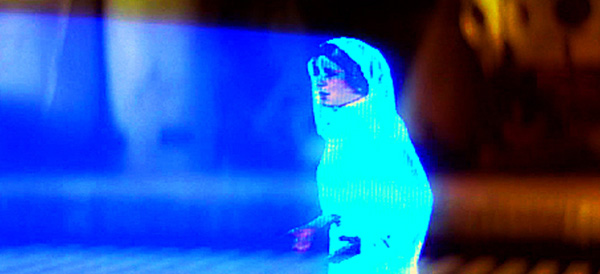
    With a galaxy as large and far-flung as the one Star Wars takes place in, it helps to communicate remotely. An iconic aspect of the series, the holographic display first seen in Obi Wan’s hut on Tatooine, immediately sets the heroic tone of the series: a distant princess sends a distress signal to a forgotten knight in the middle of nowhere. He and his young apprentice rush to save the day.

    While we have similar technology in our own world, with video communication services being commonplace, we’re still hashing out the details of proper holographic displays and three-dimensional projections. It seems even in the sci-fi Star Wars universe they haven’t yet figured out how to project holograms in any color but blue…

    8. X-Wing Fighters

    Photo Credit: Wookiepedia- Fandom

    While Luke Skywalker would come to be known for his lightsaber skills, in his first adventure it was his ace piloting of the series’ signature X-Wing Starfighter that saved the day and destroyed the Death Star. Complete with a full suite of communication tech, a port for navigational droids like R2-D2, and full support for combat targeting (that Luke promptly disables: Space Magic, baby!) the X-Wing fighter is a very advanced and iconic piece of tech for the series.

    Seeing X-Wing fighters engaged in tense dogfights with their Imperial counterparts, the TIE Fighters, evokes the WWII-era film reels that Lucas was inspired by as a child, lending a swashbuckling, adventurous feeling to the otherwise mythical and heavy monomyth the film is presenting at its heart.

    7. Bacta Tanks

    Photo Credit: StarWars.com

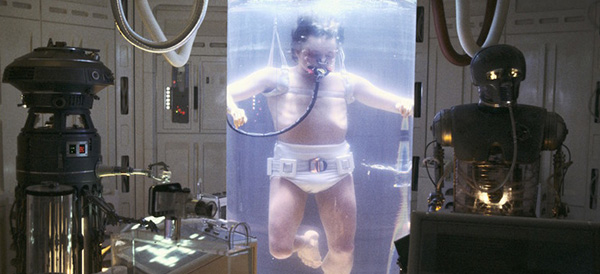
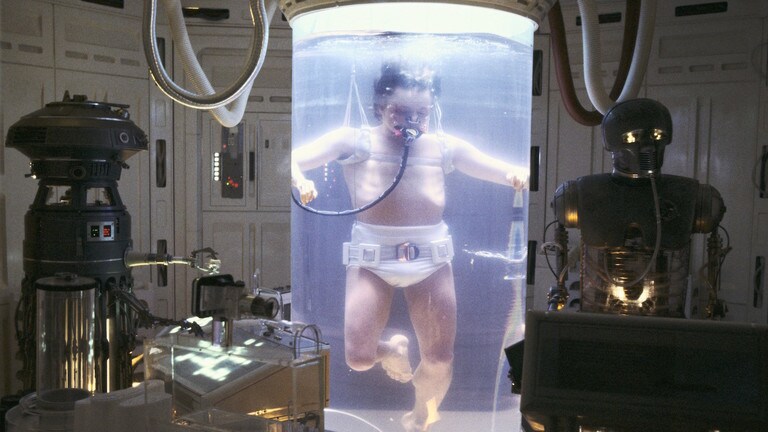
    In Empire Strikes Back, Luke is badly injured in the opening and to facilitate his speedy recovery, he’s put in a diaper and submerged in healing goo. Okay, that doesn’t sound too cool, but the Bacta tank is a slick piece of medical tech! I don’t know about you, but I’d certainly prefer to float in a gel tank to heal severe wounds in a few hours instead of having to wait for months in a hospital bed. Access to this sort of tech in the real world would be revolutionary for medical science, and the number of deaths to things like traffic accidents and other traumatic injuries would likely go way down! It seems the Rebels on Hoth just take the tank for granted, as it’s a completely normal occurrence for them, suggesting that tech like this has all but replaced traditional doctors.

    6. Hyperspace Drives

    Photo Credit: Tor.com

    As we discussed, galaxies are very big. If one wishes to tell a tale on a galactic scale, faster-than-light travel is a requirement. True to genre, Star Wars sees its ships outfitted with Hyperspace Drives, like Han Solo’s Millennium Falcon, that allow them to accelerate past the speed of light and cross vast distances of space in the blink of an eye. In later films, interactions between ships in hyperspace, such as tracking ships that travel through hyperspace, and accelerating a ship into hyperspace to perform a destructive ramming maneuver, have become a hallmark of the series’ space combat. While the best and brightest scientists in our world study quantum physics in pursuit of a real-world answer to hyperspace, in the Star Wars galaxy even scoundrels like Solo have access to this reality-altering tech.

    5. Jet Packs

    Photo Credit: Sideshow Collectibles

    While not seen often, the jet pack technology utilized by bounty hunters like Boba Fett and his father Jango, are objects of envy for nearly every kid who watches Star Wars. The freedom to jet about while blasting bad guys is an exciting prospect, and really, what sci-fi series is complete without a few jet packs? While most folks would likely end up hurting themselves while trying to impress their friends, you could rest assured that if tech as cool as this was made available, I’d be all over it! Cat in a tree? Got it. Frisbee on the roof? No problem! Traffic jam? Hop on, guys, I’ll boost us out of here!

    4. Droids

    Photo Credit: Screenrant

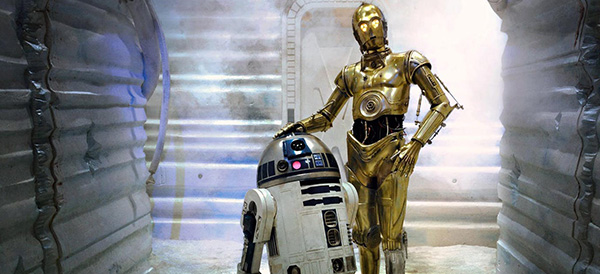
    Another series mainstay, droids with various applications and skills populate the Star Wars universe. From the prim and proper C3PO to the spunky, dauntless R2D2, droids have been a core part of the series from the very beginning. In our world, we’re actually not too far from similar technology: leaps and bounds in robotics and artificial intelligence brings the concept of a fully autonomous robotic companion or worker closer to reality. Star Wars, in contrast to films like Terminator and I, Robot, presents a world where the robotic companions are happy to live with their human creators and don’t resent their lives as something between ally and tool.

    3. Advanced Prosthetics

    Photo Credit: CNN.com

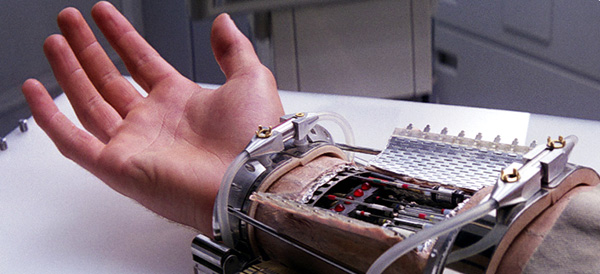
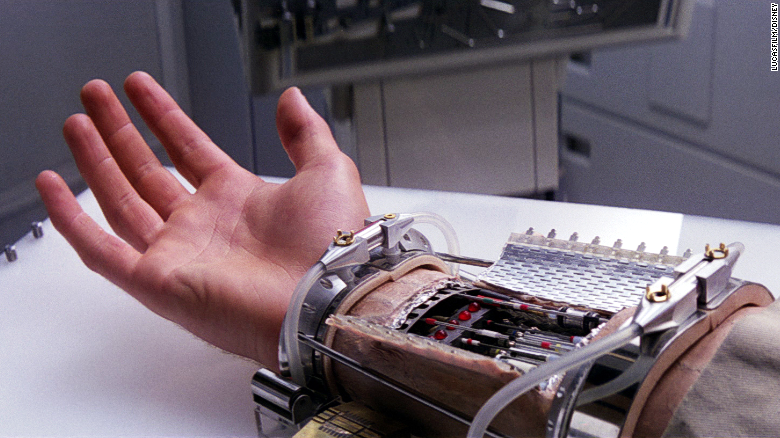
    During his lightsaber showdown with his father in the Cloud City, Luke has his arm removed unceremoniously and painfully. Thankfully, just like with the Bacta tanks, the Rebels have ample medical technology on hand to restore Luke to fighting shape: not long after he lost his original hand, Luke is outfitted with an advanced robotic prosthetic. Luke’s new hand looks and acts just like the original, and likely has superior strength and durability, to boot! While this technology was firmly in the realm of science fiction in the 80’s, it has since become a much more plausible piece of tech. Modern robotics and prosthetic technology has created very similar devices for amputees, and every year the fine motor control and accessibility of these prototypes goes up.

    2. Landspeeders & Speeder Bikes

    Photo Credit: Geek Tyrant

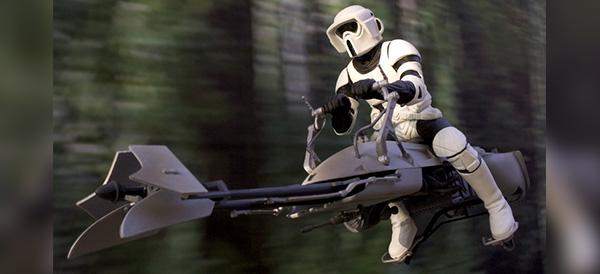
    The coolest way to crash into a tree this side of Tatooine! Landspeeders and speeder bikes are endlessly awesome, jetting around effortlessly and efficiently. Using what we can only assume is advanced antigravity tech, the speeders of the series hover a few feet off the ground and avoid the typical vehicular pratfalls of rough terrain and wear and tear to tires or treads. In our world, tech like this, while potentially possible, is still so difficult to replicate as to make it an unlikely prospect for us to see any time soon. Antigravity technology in the real world is incredibly bulky, costly, and experimental, so don’t expect to see it in a motorcycle-shaped vehicle in the near future.

    1. Lightsabers

    Photo Credit: Wookiepedia

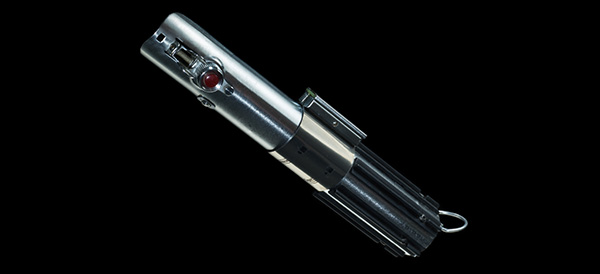
    No list of the coolest technology in Star Wars would be complete without mentioning the Jedi’s signature weapon. Combining sci-fi beam projection technology with the form factor and fighting style of ancient samurai warriors, the lightsaber sets Star Wars apart from its contemporaries, like Star Trek and 2001: A Space Odyssey; the lightsaber represents the series mythical soul, its fascination with the monomyth and with the classic tale of the young hero against all odds.

    Where other sci-fi series use blasters, phasers and the like as armaments for their protagonists, Star Wars outfits a sword for the main characters to carry. This elegant, and downright awesome, weapon might be unrealistic, even in the context of the universe it exists in, but the Jedi’s mastery over the mystical Force that pervades their universe allows them a supernatural control of themselves and their weapon.

    Coordinating the superheated beam in such a way that the user doesn’t harm themselves or destroy the beam projector surely takes immense skill coupled with a mastery of the Force, and as such the lightsaber is a much more elite and exclusive weapon than the blaster, and marks those that carry it as worthy opponents.