Month: June 2019

  • Samsung Galaxy Fold Postmortem: What Happened, and What’s Next

    Samsung Galaxy Fold Postmortem: What Happened, and What’s Next

    The Samsung Galaxy Fold is dead, but its legacy may live on. Following the disastrous prototype phase in April of this year, Samsung indefinitely delayed the release of their purportedly revolutionary folding smartphone. Issues like screen failures, bulges under the plastic screen and serious overheating caused Samsung to go back to the drawing board with the unproven design.

    While the company initially announced that the device would see a wide-release by the end of May, that clearly didn’t happen. Now, months after what was to be its initial release date, it appears as though the Samsung Galaxy Fold is well and truly dead. While the massive 10.5-inch variation may never see the light of day, however, it appears that a more compact version of the design could be coming as early as the beginning of next year.

    What Happened?

    Three months ago, the tech world was abuzz with anticipation for the Galaxy Fold. To hear it told then, massive, tablet-sized screens that folded down to smartphone size to be pocketed were to be the future of cell phones. Today, the idea of such a massive folding screen being durable or usable as a daily device is laughable. How did this happen?

    Well, Samsung sent out a few prototypes of the Galaxy Fold to journalists. And what happened next was a case study in design failure. Several handsets had their screens simply fail altogether when reviewers removed small film protectors from the screen, protectors that apparently were required for the screen to work properly. Other devices developed unsightly bulges under the screens from trapped debris. Others still had odd flickering and partial screen failures just from daily use.

    Cancelled?

    The most recent word on the Samsung Galaxy Fold came late in June. In an interview with the Korean Herald, a Samsung spokesperson stated that nothing has progressed with the device since the April delay of the wide-release. While Samsung has made no comment as to the device’s cancellation, it seems clear that the version of the phone reviewers saw in April will never see a wide-release.

    The true nail in the coffin for the original Galaxy Fold, however, isn’t the news that it’s proving hard to make viable. Instead, the news that Samsung is hard at work on the successor, a smaller, clamshell-like design tells the tale. According to a leak from ET News, the new design will likely see a mass-market release in early 2020.

    What This Means

    Given that the original Fold has had no updates and there’s not even a release window, we can assume that Samsung’s putting it out to pasture. At the soonest, with no current news, Samsung could announce the original Fold for a Fall or Winter release. However, that would be foolish if they intend to release the device’s successor a short few months later.

    Meanwhile, the Fold 2 appears to be a much sounder, more practical design. The screen is a more reasonable 6.7-inch size, making it comparable to some other premium smartphones. When it folds, it becomes a much smaller device with a simple one-inch display for showing notifications.

    Why This is Better

    This design is much more reasonable for Samsung, if not as exciting or flashy. We’re actually quite disappointed that the original, massive Fold didn’t work out, but it was always too good to be true. A tablet that folds into a phone that you can carry in your pocket is simply technology that’s a few years away.

    Meanwhile, the updated design is a more practical and durable application of the existing folding-screen tech, making it something we’re excited to see. Hopefully it’s just the shot in the arm Samsung needs to keep their top spot against competition like Huawei!



  • Perk Up! Best Organic Energy Drinks

    Perk Up! Best Organic Energy Drinks

    We all need a nice boost from time to time. Maybe you didn’t get enough sleep, or maybe you’ve got to pull an extra-long shift. In either event, an energy drink can be a great way to give yourself that boost to make it through the day. That said, you might not want to pick up just any old energy drink: a lot of them are quite bad for your health.

    Today we’ll be looking at a few organic alternatives to normal energy drinks. These are options that might not be healthy, per se, but they’re not as detrimental as drinks like Monster or Red Bull. Let’s start with some of the basics!

    Black Coffee

    The warm, bitter drink of choice for health-conscious people who need a boost is, of course, black coffee. If you don’t add any cream or sugar to the morning beverage, it’s got zero calories and it’s actually pretty good for you. There’s not really much to it, so all you get from black coffee is the caffeine content.

    As you well know, one of the most concentrated and efficient ways to get caffeine is just through drinking coffee. So, if you want a good way to get energy without taking in a ton of sugars and other compounds from energy drinks, go with a nice, black coffee. If you’re looking for the boost later in the day and don’t want such a hot drink, you can go with an iced coffee or a cold brew, both of which are also fine for your health.

    Black Tea

    Maybe the bitter, intense flavor of coffee isn’t your cup of tea. Jokes aside, if you don’t like coffee, maybe you’ll like black tea. You can drink it hot or cold, just like coffee, and it offers caffeine and no calories. That is, if you take it without any cream or sugar. This might all be sounding pretty familiar.

    In the case of sweetened tea, of course, that changes the conversation. Southern-style sweet iced tea has a tremendous amount of sugar added in, making it a decidedly different beverage. If you’re trying to watch out for your health, try to avoid ingesting that much added sugar! Black tea is quite good for you if you take it with nothing added, and it’ll give you a great boost of caffeine to get in gear.

    Schekter’s Organic Energy Drink

    Schekter’s is a true energy drink, in that it’s a canned concoction with a proprietary caffeine blend and an interesting taste profile. The basic flavor is a pomegranate taste, with hints of elderberry and lemon juice, giving the drink an unusual but good taste profile.

    The energy from this drink is described as “clean” and “jitter-free,” coming courtesy of an all-natural caffeine blend in the drink. As such, this drink isn’t dissimilar from coffee, aside from the added sugars from the fruit juices in the recipe. If you don’t mind a bit of extra sugar, this is a good option.

    Sambazon Amazon Energy Drink

    Another “proper” energy drink, Sambazon Amazon Energy Drink is also marketed as all-natural and organic. The drink has a number of antioxidants, courtesy of the acai berry and acerola cherry in the recipe. The company proudly proclaims that it obtains the ingredients used in the drink from the Amazon Rainforest, using sustainable methods to source them.

    The caffeine mix in the drink is obtained from guarana, green tea and yerba mate, and is supposedly a “cleaner” boost than some competitors. The amount of caffeine in one can is comparable to a double shot of espresso. That makes this a rather impactful drink, so it should help you tackle any challenges in your day!

  • 2019 Audi Q5: Luxury SUV Review

    2019 Audi Q5: Luxury SUV Review

    When you think of luxury, a few names come to mind. Foremost, names like Audi, BMW and Mercedes might occur to you. Since SUVs are the kings of practicality and comfort, these companies’ luxury SUV entries have been competing for that top spot. With that in mind, how does the Audi Q5 stack up to the competition?
    Today we’re going to look at design, comfort, performance and price to determine whether the Audi Q5 is right for you. We’ll take a look at this luxury SUV and see how it stacks up to the competition. Let’s ride! Design The first thing you’ll notice about any vehicle, of course, is the design. Audi never disappoints in this category, and the Q5 is no exception. The creases across the body are sleek and, dare we say, sexy. The “tornado line” that wraps along the entire top third of the car’s body give it that distinct Audi feel, despite being an SUV. The large, wide front grille looks sporty and aggressive, and the car’s wide stance gives it a very impressive profile. The headlamps are stylish and square, offering a sleek and posh appearance to an otherwise sporty-looking vehicle. Likewise, the brake lights are rectangular, angled at an interesting degree and largely as stylish as the rest of the vehicle. Comfort
    The next thing you’ll notice about any vehicle, but especially a luxury vehicle, is comfort. Thankfully, Audi has you covered in that department. The cabin of the Q5 is spacious, offering ample legroom for driver and passengers alike. You’ve got tons of cargo space in the back hatch, and you can even get the sliding back seats option to give you even more back space. The back seats also have their own vents and fold-out center cupholders, which is great for drivers with kids. The infotainment system is huge and easy to navigate, which makes the added Android Auto and Apple CarPlay work very well. The center console also sports a wireless Qi phone charger, a nice touch on such a high-tech car. The seats are wide and made of soft leather, offering both great support and a good driving position. Performance If the design didn’t give it away, the engine’s performance will: this is an Audi, through and through. Just because it’s got huge door openings, tons of cargo room and a tall profile, this vehicle can still tear it up on the road. The base trim’s engine offers 248 horses, though that can be scaled all the way up to 349 horsepower with the right trim and options. If you’re looking for an SUV that doesn’t compromise a fun drive, then you’ll want to go with one of the sport trims. Another option you might consider for a smoother ride would be the optional air suspension. This is as practical as it is comfortable, in fact. The air suspension gives you a smooth, quiet ride, for one thing. However, it also gives you the option to lower the car’s profile so you can load more easily into and out of the vehicle! Price Unsurprisingly, as a luxury vehicle, the Audi Q5 carries a bit of a hefty price tag. The base-level trim starts out at $42,950, though you’d be hard-pressed to get us to settle for the base trim. A few options you should consider springing for include the optional air suspension, the tech package for the improved sound system, and one of the sport trims to increase the engine performance.
    Once you’ve added a few options, though, the price starts to really add up. On the high end, the Audi Q5 can run as much as $53,000, making it one of the pricier SUVs on the market. That said, you really get what you pay for with this exceptional vehicle.
  • Do You Smell Funky? Preventing Body Odor

    Do You Smell Funky? Preventing Body Odor

    Let’s not mince words: when your body odor is strong, people aren’t going to hang around with you. Most people are too polite to say anything, and you might not even notice how nasty the smell coming off of you is. However, there’s no reason to freak out. There’s a lot you can do to keep that smell under control, from deodorant to showers. Here’s our top tips for not smelling funky.

    Stop Smelling Funky

    Stay Vigilant

    Don’t just assume you smell fine after a workout, or after a long day at work. Head to a restroom and give yourself a sniff test. If you’re smelling a little weird to yourself, imagine how nasty you might smell to someone else. If you find yourself smelling gross after a shift or workout, don’t panic. There’s a few steps you can take to keep the scent under control.

    Be Prepared

    If your schedule includes working out or working long, hot shifts, stay prepared. Keep a pack of wet wipes and a stick of deodorant in your exercise bag or desk at work. This way, if you’re smelling a little fresh after your physical activity, you can wipe yourself down with the wet wipes to knock some of that sweat off.

    If this is something you’re embarrassed about, you can do it discreetly. It’s fine to head to a bathroom stall and freshen up. It’s much preferable to take a quick cat bath after work and apply a layer of deodorant than to head to hang out with friends smelling like a gym sock.

    While you’re at it, consider wearing antiperspirant for your daily activities that make you sweat a lot. Remember: not all deodorants are antiperspirants, and vice versa, though many products are 2-in-1’s. Not everyone sweats the same amount, and some people might not need to wear antiperspirants or deodorants at all. However, everyone should have at least one of each on hand for days with serious physical activity.

    Shower Daily

    This is one we can’t stress enough: try to shower or bathe daily. This goes double if your work is physical in nature and results in you sweating a lot. It’s rather important that you clean yourself off thoroughly after a hard day. Alternatively, if you work in an office or some similar (air-conditioned) environment, you can probably shower in the mornings to knock the sleep off of you and make you fresh for your shift.

    If you’re concerned about the effect on your skin from taking a hot shower daily, fret not. There’s a solution that lets you keep the funk from emanating off of you without giving yourself dry skin: take cooler showers! Now, we’re not suggesting you take an ice-cold dip, but you don’t have to crank the heat up to 120 degrees Fahrenheit, either. Go for a nice, even 85 degrees or so, which feels refreshing without freezing your skin off.

    Wear Breathable Material

    Fabrics that are lighter and breath better will help you keep from sweating immensely. If you’ve got a serious problem with sweat, you could consider getting moisture wicking shirts and underwear that help to keep you from getting… swampy. These materials are great for both your comfort as well as keeping you from getting musky and gross at the end of a long shift.

    Along this track, if your sweating also makes you chafe, you could consider getting some baby powder, or talcum powder, and applying some to the affected area. This helps with both your mobility, letting things slide better, while also preventing the area from sweating as profusely. You’ll feel a lot better, and you’ll smell a lot better, too.


  • Managing Cat Allergies when You Own a Cat

    Managing Cat Allergies when You Own a Cat

    Who doesn’t love cats? Their sweet demeanors, soft purrs and adorable meows make them appealing for fans of all things cute. Their propensity for cuddling and spending time in their owners’ laps makes them great for people looking for a little companion. However, they also have unique proteins in their saliva and urine that can cause allergic reaction in some people.

    If you want a cat, or have a cat, but suffer from cat allergies, you’re probably wondering how best to handle the situation. On the one hand, you want a sweet little kitty to keep you company. On the other hand, you don’t want to be sneezing and scratching your eyes in your own home. So, how do you manage your cat allergies?

    The Good News

    Here’s the good news: most people with cat allergies find themselves experiencing less and less symptoms as they are exposed to cats for longer. Most people will lose the worst of their symptoms after they own a cat for a few months. While this isn’t true for everyone, it means that most people can look forward to eventually being able to hug their kitty without sneezing and having their eyes water.

    Cleaning

    One of the first things you’ll need to get in the habit of when you get a cat is cleaning regularly. Their saliva and their urine are the causes of your allergies, and their saliva is present in the dander they leave behind, since they lick themselves to bathe.

    As such, dusting, sweeping and vacuuming need to become common parts of your routine. Letting their dander pool up in corners, under furniture and around the house is going to make you a very sad camper very fast, as your allergies pile up and your motivation to clean vanishes.

    Likewise, you’re going to need to keep that litter box cleaned out. Even if you only have one cat, it’s a good idea to clean their box out once a day. This keeps the smells from accumulating, keeps bugs from infesting the room you keep the box in, and it also helps you to not have as strong of an allergic reaction. On this note, you’ll also want to fully rotate all of the litter from the box about once a week, replacing it with all-new litter.

    Washing the Cat

    We know that washing your kitty is likely about as easy as chasing a car on foot down the highway, but this can help a lot with your allergies. If you can manage to give your cat a proper bath about once every four to six week, you’ll likely see a marked improvement in your allergy symptoms. Just make sure you’re careful and gentle with your kitty: she probably hates the bath tub.

    For a few pieces of advice on how to pull this off without getting scratched all to pieces, ask your vet if they know a way to carefully give your kitty a bath. Some things you could try would include bribing the kitty with their favorite wet food, or even sneaking them some (vet approved) sedatives that will make them kind of drowsy while you sponge them off. Remember: don’t give your kitty any medicine that a vet did not write a prescription for!

    Air Purifier

    Air purifiers can help to contain any lingering cat dander in the air. This is a good way to help your cleaning efforts if you feel like sweeping and vacuuming alone aren’t covering all of the dander in your home. Not to mention, air purifiers can also help to make the smells of the litter box much harder to notice, if at all!


  • Best Treatments for Migraines: Treating the Symptoms

    Best Treatments for Migraines: Treating the Symptoms

    Those who suffer from migraines know the feeling creeping up on them. It’s a tightness behind the eyes, stiffness in the neck and shoulder. Before they can respond, they’ve got a full-blown migraine hammering away inside their head. How can you take steps to alleviate your migraine symptoms?

    Today we’re taking a look at some of the medicines and treatments that are most effective for curtailing the effects of a bad migraine. While there’s no cure-all for the condition, there are steps you can take to make the symptoms a bit more bearable. So, let’s take a look.

    What is a Migraine?

    First, let’s look at what migraines are. Scientists aren’t sure, definitively, what causes a migraine, or what exactly they are. However, the symptoms are well-documented: splitting headaches, photosensitivity, nausea and extreme pain. The prevailing theory as to their physical origins in the body holds that they occur when your brain sends a wave of activity across your nerves into you trigeminal nerve.

    This, in turn, causes something of a “cascade” effect. The body releases a series of neurotransmitters that cause the blood vessels around the skull to enlarge, putting more stress on the nerves and muscles of the cranium. This, in turn, causes more of these neurotransmitters to be released, further engorging the blood vessels and increasing the pain. This creates a feedback loop that makes migraines incredibly painful.

    Remember, however, that migraines are not life-threatening, and you’re in no danger from them: they just hurt very badly. Your symptoms will not cause any long-term damage to you, they’re just highly uncomfortable.

    Setting

    Often, one of the best things you can do for a migraine is change your setting. If you’re finding yourself battling migraine symptoms in public, you might want to try to find a nice, quiet area to rest in. Migraines are usually exacerbated by bright lights and loud sounds, which prevent you from recovering from the symptoms quickly.

    In some cases, extreme temperature fluctuations can also make migraine symptoms worse. If you’re in a very cold room, or a very hot room, try to find an area that’s milder and more neutral. This will help you to focus on just feeling better!

    Stress

    Stress is a major factor in migraines. In many cases, stress is the only actual trigger for the headache, but just an emotional one. If you find yourself experiencing a major migraine while you’re stressing out, grab a stress ball and try to work out your emotions. Breathing meditation, yoga and the like can also be helpful for reducing stress.

    If you work in a stressful environment, consider keeping some tea on hand that you can brew and then drink. Ideally, this will allow you to take a brief break from your duties, if they’re stressing you out, while you steep your tea and drink it. The warm liquid and calming ritual both work wonder in helping you calm down!

    Pain Relievers

    Another way to address migraines is through the use of pain-relieving medicine. If you have them on hand, common NSAIDs can be helpful. Drugs like ibuprofen, Tylenol and Aleve are examples of these kinds of pain relievers. They typically take a few hours to get into your system, but they are rather effective at dealing with headache symptoms in most people.

    Another type of medication you can take is the “migraine abortive” variety of drugs. These usually can’t be taken with migraines that have an “aura” (a period of sensory overload before the onset of the actual migraine symptoms), so speak with your doctor about these types of medications. They’ll be able to help you select one that is right for your specific situation.


  • Which Franchise is the Best to Own?

    Which Franchise is the Best to Own?

    If you’re an entrepreneur considering getting into your own business, you might not know what exactly you want to get into selling. The market in your area may be crowded, and you’re looking for a sure-thing investment that will return your money consistently. In this case, you should consider buying a franchise.

    Franchises give you the benefit of an existing brand you can market, a supply chain you can take advantage of and a legal overhead you can rely on for staying within local and state laws. Of course, when you get into a franchise, you’ve got some up-front costs to consider. Let’s look at some popular franchises that are considered some of the best to own right now.

    Considerations

    Before you get into a franchise, know that you’re signing up for some up-front expenses. These include franchise fees, which you pay to become a franchisee, up-front inventory stocking costs, royalties and real estate fees. As such, you could be looking at a rather heft up-front investment out of your own pocket. While you may be able to get a business loan for the expenses, this is a lot of money to owe.

    As such, make sure you do your research on any franchise you’re considering buying. Make sure they have good brand recognition, a strong financial standing and a good presence to help back up your investment. Otherwise you might be throwing a lot of money away.

    Seven-Eleven

    This highly popular convenience store is one of the best franchises to own at the moment, thanks in part to its recognizable name and potentially low franchise fee. The franchise fee could be as low as $10,000, but could be as a bit higher for certain regions.

    The strengths of Seven-Eleven include its name-recognition and its position as a convenience store with gas pumps. Everyone needs to stop in and get gas from time to time, so you’re guaranteed to make snack and beverage sales when people drop by. This is a surefire way to get some revenue coming in.

    McDonald’s

    Everyone knows the name McDonald’s, and everyone has been into one to grab some food. While McDonald’s might have a very high franchise fee, it’s for good reason. You’d be hard-pressed to find a more recognizable name, or a product that is easier to sell, than McDonald’s burgers. If you can get together the $45,000 franchise fee, you’re likely to have a great investment on your hands.

    Every town in America has a McDonald’s. This gives you a huge edge: everyone already loves the products you’ll be selling. You’ll find it easy to market yourself to people, and you’ll likely find customers just coming to you. It’s every franchisee’s dream.

    Dunkin Donuts

    Okay, they’re just called “Dunkin” now, but they still sell doughnuts, so let’s not mince words. This popular donut shop sells a ton of coffee and a ton of pastries, and is a regional favorite in areas like New England and parts of the Southeast. It’s also got locations all over the world, in 32 countries, and has a very recognizable name.

    As a franchisee, you only need an up-front fee of $40,000 to $90,000 in order to get started. From there, you’re in business selling coffee and donuts to people who have been fans of the long-running brand for years. The company also supports franchisees with help marketing, managing and even selecting and constructing sites! There’s a lot to love about Dunkin, and they make sure to take care of their franchisees. After all, the better the franchise does, the better they do!


  • Best Milk Substitutes: Avoid Dairy without Compromising

    Best Milk Substitutes: Avoid Dairy without Compromising

    Dairy isn’t exactly good for you, but you probably already knew that. However, skipping out on milk and cheese and yogurt can all be quite difficult when you’re living in the US. So, what are some of the best non-dairy options for milk? After all, you still want to be able to cook and eat cereal without getting too much dairy intake. Let’s look at some of the dairy-free favorites.

    Best Milk Substitutes

    Why Avoid Milk?

    Dairy in general is a substance that many people in the world choose to avoid. Globally, about three out of every four people are lactose intolerant. In fact, America is a bit unusual in that it is comprised of so many people that can process dairy. So, if you’ve got lactose intolerance, don’t feel bad, it just means that you’re like most of the species!

    Another reason to avoid dairy is that it’s just flat-out not good for you. Very high in fat, very high in sugar and lacking in many nutrients, milk is something of a weird cultural artifact in American cuisine. It’s one claim to nutrition, that it helps build strong bones through its calcium, is actually debated by many nutritionists as being misleading. After all, almonds, figs and kale are all much better sources of calcium, and they’re much better for your body.

    Almond Milk

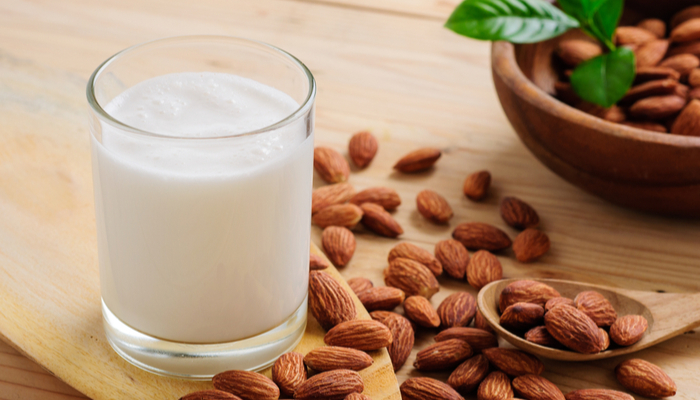
    One of the first substitutes for milk anyone will mention is almond milk. It’s common, relatively inexpensive and full of calcium. In fact, if your main reason to drink milk was for the calcium to help build up strong bones, then almond milk is perfect for you. The flavor has been described as being more “watery” than cow’s milk, but when used in cooking or cereal it’s hard to notice the difference.

    There’s notably much less fat and much fewer calories in almond milk than cow’s milk. There’s also lower protein and lower in carbs, and almond milk is one of the least-fattening milk substitutes. If you’re trying to watch your calorie intake and still get plenty of calcium, then almond milk is likely the right substitute for you.

    Soy Milk

    Don’t let half-formed concerns fool you: soy milk is a great replacement for milk if you’re lactose intolerant or just don’t like consuming animal products. This drink is created from soybeans or soy protein isolate, and it is usually thickened by various agents and vegetable oils to help the drink’s consistency.

    Soy milk has a similar concentration of protein as cow’s milk, but it has decidedly less fat, carbs and calories. Soy is also a major source of “complete” proteins that include the full range of amino acids that you have to acquire from your food and can’t create on your own. Contrary to what some internet theories claim, there’s also no evidence that soy milk adversely affects any hormone receptors in the body. Soy milk is perfectly safe and healthy for normal adults to drink.

    Oat Milk

    A very simple milk substitute, oat milk is essentially just oats and water. Often, oils, salts and gums are added to the mix to give the beverage a more “milk-like” texture and taste. Oat milk is popular in cooking, mixed into smoothies and in cereal. It has been noted as being a very close reproduction of the flavor and texture of cow’s milk.

    Notably, oat milk is actually not as good for you as some of the other substitutes available. It’s got double the carbs, the same amount of calories and half of the protein of milk. Thankfully, it also contains half the fat that milk does. However, for those on a diet or watching their calories, oat milk might not be the best substitute.


  • Best Ways to Relieve Back Pain without Breaking the Bank

    Best Ways to Relieve Back Pain without Breaking the Bank

    If you struggle with back pain, you know how much of a drain it can be on your daily life. Whether you’re getting out of bed, standing from being seated too long or just trying to play outside with your kids, chronic back pain can rear its ugly head. Thankfully, there are a few ways you can get some relief from your chronic pain that don’t involve spending an arm and a leg. Let’s get into it.

    How to Stop Back Pain

    NSAIDs

    One of the simplest approaches to tackling back pain would be to take simple NSAIDs like ibuprofen, Advil and the like. These general pain relievers are effective at stopping your pain in the short-term, though they might take a bit longer to get going than you’d prefer. If you’ve tried these and they haven’t helped, read on.

    Heat and Cold

    Applying a cold pack or a bag of frozen veggies (wrapped in a washcloth) to your back during a period of extreme pain can have a numbing effect. This can also help to curb inflammation, which is a common cause of general back pain. Make sure you don’t apply ice to any part of your body for more than 20 minutes.

    After a cold treatment, you can use a heating pad or something similar to apply some heat to the affected area. The heat can help loosen stiff muscles, and often helps to reduce aches. Many people find the one-two punch of ice and heat to be incredibly effective for short-term pain relief when their backs are flaring up with pain.

    Exercise

    This might sound counterintuitive, but you need to get tons of exercise in order to keep your muscles loose and limber. This applies to your back muscles too, which could be the culprit in your back pain. Taking a short walk or a quick dip in a pool for some light laps can be a great way to loosen your muscles and strengthen them for the future.

    Likewise, low-impact exercise regiments like yoga and tai chi are excellent for back pain. They aren’t high-impact, so they won’t cause any damage to your back muscles or spine, and they help you to build up stronger muscles. If you don’t already have one, get into a good exercise routine to combat your back pain.

    Stretches

    If you don’t have time for a full-blown yoga routine, that’s okay. Try some low-impact stretching in the morning to limber your back up and help you to reduce your overall discomfort. For instance, try touching your toes from a standing position by slowly reaching down. This stretches your hamstrings and loosens your back muscles.

    Another stretch to try in the mornings could be a simple yoga exercise called the “child’s pose.” This involves kneeling in a sitting position with your knees parallel to your hips. Then, you stretch forward, putting your head down on the exercise mat and stretching your hands out straight along the floor.

    Orthopedic Shoes

    Make sure your shoes aren’t what is causing issues with your back. Often, if you’re wearing shoes that are ill-fitting or offer no support it could exacerbate, or even cause, back pain issues. If this is the case, make sure you get some orthopedic shoes that offer good support for your body.

    These kinds of shows often include soft padding in the soles that distribute your weight more effectively across your feet. This helps you to keep better posture, which, in turn, is great for your back health. You can often speak to a chiropractor about your back pain issues and get their advice on what kinds of shoes might be helpful.


  • Dental Implants: Everything You Need to Know

    Dental Implants: Everything You Need to Know

    When you’re missing teeth or have to have teeth removed, their absence can be embarrassing and can make it difficult to eat, speak or even go about your daily activities. Today we’re looking at dental implants and how they can help you with your condition. We’ll look at what makes them so popular, what the procedure to implant them looks like, and how they stack up to bridges and dentures.

    Dental Implants

    What are Dental Implants?

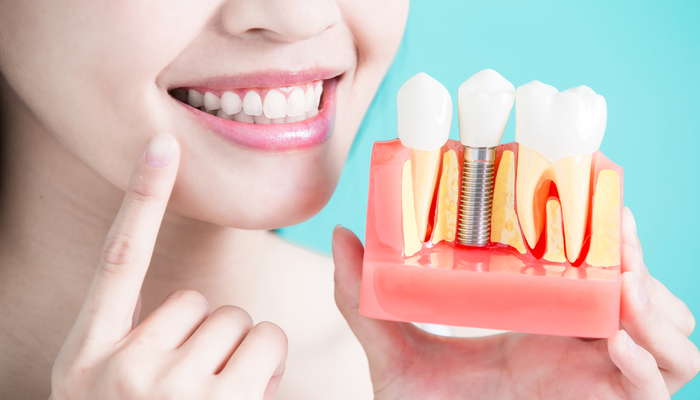
    Dental implants are a relatively knew dental surgical solution for missing teeth. For years, the main way to address lost teeth has been through dentures or bridges. However, dental implants allow for an artificial root to be implanted in the gum to act as a foundation for either fixed or removable replacement teeth.

    As such, they are dental prosthetics, not unlike dentures or bridges. By contract, they are much more in-depth to get: as the name suggests, they have to be implanted directly into your gum. This means that the procedure to get them involves dental surgery, which is daunting for more reasons than just a fear of drills.

    Why Would You Need Them?

    Generally speaking, you would only get a dental implant if you were missing a tooth, or teeth. Typically, people lose teeth to tooth decay, injury or, occasionally, through periodontal disease. Often, younger patients who lose teeth prefer to not have dentures or bridges, due to those prosthetics’ reputations as being for older people only.

    Dental implants offer a number of benefits for patients of any age, though. Firstly, they tend to look better than older prosthetic types. They both look and feel like the patient’s own teeth, since they fuse with the bone and are permanent fixtures.

    Dental Implant Benefits

    There are other benefits for dental implants than just appearance, though. They also offer better comfort, as they are more closely fitted to your own mouth and fit with the rest of your teeth in a natural way, unlike bridges or dentures. Your speech, likewise, is improved when you’re speaking with implants versus dentures, which can slip or slide and cause you to slur or mumble.

    Dental implants are also great for your self-esteem. Since they’re a part of your actual body, there’s no embarrassment about having them. They are more durable, on average, than other prosthetics and can even last an entire lifetime if properly cared for. Finally, dental implants are just more convenient than removable dentures: you don’t have to worry about forgetting them or losing them. They’re just like having your actual teeth.

    Costs

    A drawback to dental implants, as with almost all cosmetic surgeries, is that they are often not covered by insurance. This means you’ll likely have to pay mostly out of pocket to cover the costs of the procedure. As such, you might find dental implants prohibitively expensive compared to other options. However, in some cases, depending on the cause of your tooth loss, insurance may cover the costs of the implants. Your individual case can vary.

    In general, however, dental implants are more costly than dentures or bridges. This is because they become a part of your body: they fuse with your bones and act much like your own natural teeth.

    Bottom Line

    Getting a dental implant is a much more in-depth process, of course, than getting fitted for dentures or a bridge. It involves a surgical procedure that implants a synthetic tooth root in your gum, meaning you’ll have to get a personalized treatment plan from the dental team.

    After the procedure, it can take up to twelve weeks for the gum to heal around the implant. After that, an abutment is attached to the implant to hold the new tooth. Finally, the new false teeth, called crowns, are attached to the abutments and become part of your bite.