Tag: cancer

  • Medicare Now Covers At-Home DNA Cancer Testing!

    Medicare Now Covers At-Home DNA Cancer Testing!

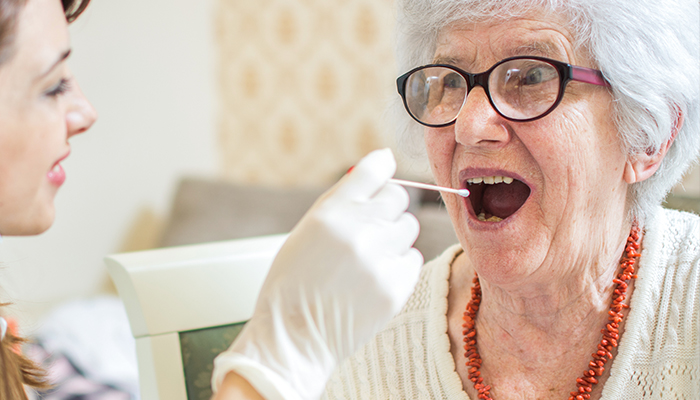
    Cancer sucks. Your chances of surviving cancer are much better when you find it early. Well, we’ve got great news: Medicare will now cover genetic evaluation of cancer by FDA-approved tests. It’s just saliva. No blood. No needles. All from home. Cancer screening increases the chances of detecting certain cancers early and might be easier to treat!

    No Doctors Appointment Needed

    Let’s be honest, genetic testing can be time consuming and expensive. Some tests cost more than others, and the final bill can be thousands of dollars. Yikes! Well, we’ve got great news for you: Medicare now pays for certain preventive health care services and some of the screening tests used to help find cancer with home-based saliva collection kits. No need to leave the comfort of your own home!

    Better Safe Than Sorry

    Sooner is almost always better when it comes to spotting cancer. It’s easier to treat if you catch it before it spreads. In today’s day and age, it is nearly impossible to find someone that has not been affected by cancer in one way or another. Whether its their mom, sister, aunt, grandma, neighbor, friend, or teacher, we all know someone who has suffered from cancer. Knowing your unique risks can help your doctor lower your odds of getting cancer. These at-home cancer DNA tests give you the power to take control of your health and help reduce your cancer risk.

    Easy as 1-2-3

    Just like those at-home ancestry tests you keep hearing about, Medicare now covers at-home cancer detection tests. With three simple steps, you’re one step closer to a healthier you. All you need to do is order your cancer DNA test and wait for it to come in the mail. Then you simply send your DNA, or a tube with your saliva, to the lab. The last step is to wait for your results to be mailed back to you and review the results. They have made the process as simple as possible!

    Do I Qualify?

    One of the best things you can do to lower your odds of getting cancer is to know your risks. With Medicare just implementing this new national policy, here is the following criteria that must be met to qualify for coverage of genetic testing.

    The patient has:
    • recurrent, relapsed, refractory, metastatic, or advanced stage III or IV cancer; and,
    • not previously tested using the same genetic test for the same cancer diagnosis (repeat testing using the same genetic test is covered only when a new primary cancer diagnosis is made); and,
    • decided to seek further cancer treatment (e.g., chemotherapy).

    The laboratory/genetic test must have:
    • Food & Drug Administration (FDA) approval or clearance as a companion diagnostic; and,
    • an FDA-approved or -cleared drug/treatment for use in the patient’s cancer; and,
    • results provided to the physician for management of the patient’s cancer using a report that specifies treatment options

  • Is Your Weed Killer Giving You Cancer? Roundup Lawsuit Awards $289 Million!

    Is Your Weed Killer Giving You Cancer? Roundup Lawsuit Awards $289 Million!

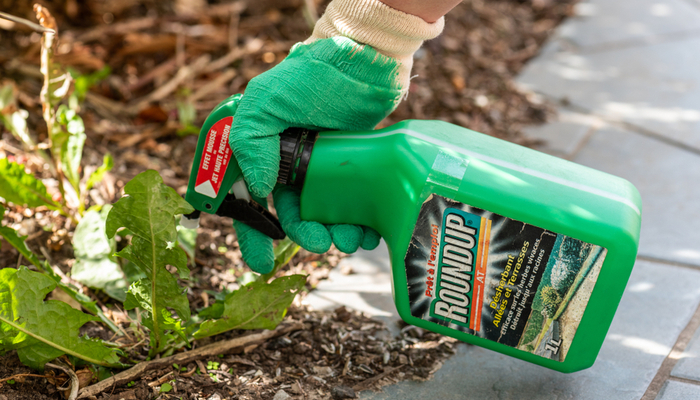
    Monsanto, the company that makes Roundup weed killer, is in a bit of hot water recently due to new lawsuits over their weed killer formula. The first case to go to trial, wherein former groundskeeper Dewayne Johnson sued the company after being diagnosed with non-Hodgkin’s lymphoma, resulted in the plaintiff being awarded a $289 million verdict.

    This has led to a sudden surge in interest in the Monsanto Roundup case. Class action suits are now underway for people who have used Roundup and then been diagnosed with non-Hodgkin’s lymphoma. There are legal teams offering free case reviews, and many people who have been affected may be owed money from litigation against Monsanto.

    Is Roundup Dangerous?

    At the time of this writing, the only organization to outright state that glyphosate is a potential carcinogen is the International Agency for Research on Cancer. Their findings hold that glyphosate, the main chemical found in Roundup, is a “probable” carcinogen. Interestingly enough, the EPA continues to deny the potential health hazards of glyphosate.

    In fact, the EPA recently published (and hastily took down) a paper with numerous inaccuracies claiming that glyphosate was actually not a carcinogen. In 2013, the EPA changed regulations defining what the safe level of glyphosate in soybean and oilseed crops was, allowing Monsanto’s product to be marketed as “safe”. This has led to some lawsuits alleging that the EPA has been doctoring research on behalf of Monsanto.

    Global Context

    Monsanto is a global mega-corporation that operates all around the world. The class action suit against them is a major factor in recent protests against the company’s business practices. Globally, the company has come under harsh scrutiny in places like Germany. There, many people are protesting the projected merger between Monsanto and German company Bayer.

    Ostensibly, the merger is to increase Monsanto and Beyer’s global reach and to pool their considerable resources. Many have speculated, however, that the move is to allow Monsanto to hide its name by operating globally as just “Bayer.” This would allow Monsanto to avoid negative associations with its old name, while rebranding itself as a clean and respectable agriculture company.

    Bans

    In France, Roundup was banned in 2015 following many protests including professional chefs. In an open letter, over 100 chefs in France wrote “citizens cannot stand by and watch their plates be filled with chemicals.” The Netherlands joined France in banning Roundup, and the two have been pressuring the EU to ban the product altogether.

    The EU voted against a 15-year license for glyphosate recently, and instead only offered an 18-month extension to the product. In light of the current class-action suit and other litigation going on in America, however, it is likely that the product will be pulled before long.

    Similar Suits

    Many lawsuits are ongoing in relation to glyphosate’s potential status as a carcinogen. Monsanto themselves have sued the state of California for allegedly “falsely listing” glyphosate as a carcinogen. Quaker Oats, another mega-corporation involved in agriculture, has also been sued over “deceptive labeling.” The plaintiffs in that case are claiming that Quaker Oats labelled products “all-natural” when they had traces of glyphosate residue on them.

    Numerous other similar suits are cropping up in the US legal system as products like baby food and wine are also found to contain traces of glyphosate. As these cases unfold, it becomes clear that use of Monsanto’s Roundup product is likely to prove rather costly for several companies.

    What This Means

    For individuals, this means if you’ve been diagnosed with non-Hodgkin’s lymphoma after being exposed to Monsanto’s Roundup product, you could be entitled to monetary compensation. It would be worth contacting a relevant legal team to have them review your case.