Tag: Wellness

  • Top Arthritis Pain Remedies

    Top Arthritis Pain Remedies

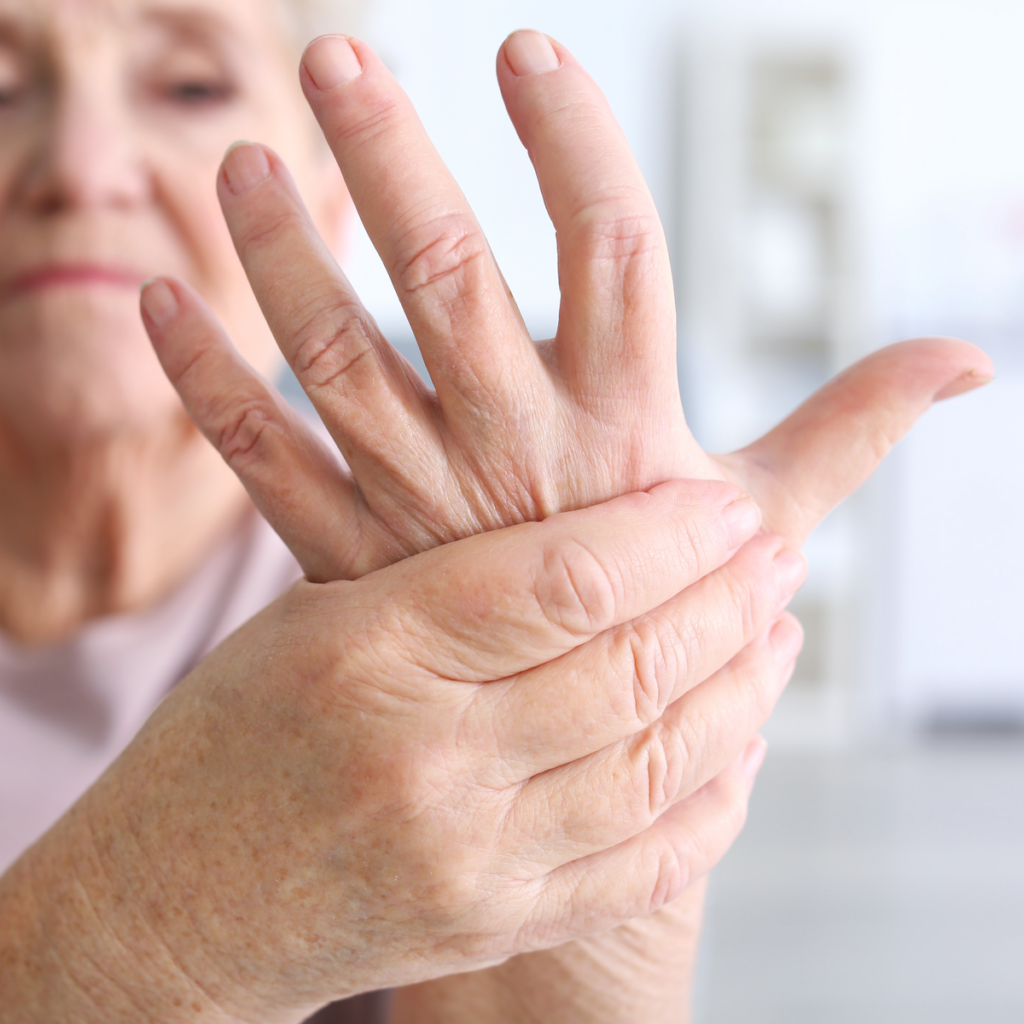
    More than 50 million people in the United States are affected by arthritis, and up to 67 million are expected to be diagnosed by the year 2030. Arthritis pain can be downright incapacitating if it gets intense enough.

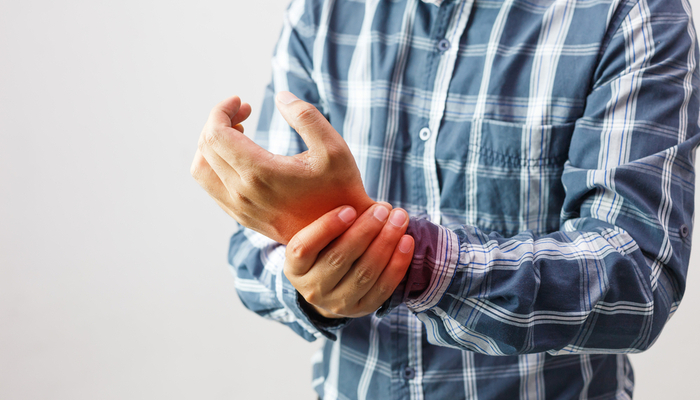
    Wrists and joints ache and you feel as though nothing can make you feel normal. Every joint can be affected, but most often hands, wrists, knees, and feet are affected.
    When not properly treated, arthritis can be damaging to many aspects of people’s lives, causing all kinds of physical and emotional issues stemming from chronic pain and the loss of mobility. There has been much research into arthritis remedies for those suffering with aching joints. Here are a few you can try.

    Top Arthritis Remedies

    1-Enbrel

    Etanercept (Enbrel) is effective in treating rheumatoid arthritis. It is a prescription only injection that has been proven to stop joint pain, and prevent joint damage. It has many side effects, despite its effectiveness. Contact your physician for more information.

    2-NSAIDs

    Two non-steroid anti-inflammatory drugs, ibuprofen and naproxen are available without a prescription, and are quite effective at treating arthritis pain. Aspirin, the proptype of this class, is still used quite commonly in treating arthritic pain. Avoid upset stomach by taking these medications with food.

    3-Over the Counter Rubs

    There are a wide array of creams and ointments available without a prescription that are effective in alleviating pain and inflammation due to arthritis. Look for ingredients like menthol, camphor, and methyl salicylate when choosing a product.

    4-Ginger

    Ginger is quite effective at treating and preventing arthritic pain. It is available in many forms including the root which can be chewed, cooked, or used in teas.
    5-Black Seed Oil

    A teaspoonful a day is helpful in treating arthritis. Black seed oil has many other uses.

    6-Hot and Cold Therapy

    Hot and cold therapy can do wonders for aching joints from arthritis. Taking a nice, long and hot bath or shower in the morning can do aching joints wonders. Alternatively, using electric blankets or heating pads can help to relax stiff joints.

    On the other hand ice therapy can be used to alleviate intense pain rapidly. Ice packs wrapped in towels and applied to sore joints can provide fast relief. Follow this cold treatment with a bit of heat treatment for relief from joint pain!

    7-Turmeric
    Consider adding turmeric to your diet in higher quantities. This root plant is a known anti-inflammatory and has been used as a natural remedy for hundreds of years. You can add it to dishes easily, as it is a common spice. It tastes really good, too! While it’s not a cure-all, you might find it helps to alleviate symptoms of joint pain.

    The anti-inflammatory properties of turmeric could result in your joints and tendons feeling some relief from your arthritis symptoms. This is a great way to attempt to tackle your symptoms from several angles.

    Because, at the very worst, it’ll just add some spice to your dishes!

    8-Cocoa/Chocolate
    Did you know that cocoa provides an abundant source of phytochemicals? You might not know much about phytochemicals, but this odd ingredient means cocoa is an antioxidant – and antioxidants are known to help with cardiovascular health, brain function, and cancer prevention. If you have RA, consuming cocoa (yes, even in the form of chocolate) can also benefit your immune system.

    Chocolate, specifically dark chocolate, can significantly reduce inflammation throughout the body. Cocoa properties are known to decrease COX-2 enzymes that cause inflammation, meaning every bite of dark chocolate helps decrease what’s causing your aches and pains.

    When you consume chocolate, it triggers the release of serotonin in the brain – or what many people call “the happiness chemical.” Serotonin literally changes your mindset, releasing happiness and lifting your mood.

    Suffering from the symptoms of RA can have a devastating impact on your well-being. However, treating yourself with dark chocolate can help combat both a bad mood and a little of your pain. Enjoying dark chocolate (in moderation, of course) is enough to lift up your spirits, even if just for a moment.

    9-Acupuncture
    The use of acupuncture for treating pain is a bit contentious. However, many patients claim that their chronic pain symptoms are greatly alleviated by acupuncture. Consider visiting a specialist for a consultation and a quote! They might be able to help you.

    In short, acupuncture is a practice that uses select placement of needles to attempt to manipulate the body’s pain receptors. Some practitioners ascribe the benefits of acupuncture to the manipulation of chi flow in the patient. Chi is an energy force that many Eastern traditions believe flows through all living things, though scientific examination has shown no evidence of such a force.

    Those patients who have had acupuncture treatments have had varying responses, though many claim that the procedures have helped them manage their arthritis pain.

    10-Massage
    Along those same lines, you could consider visiting a massage therapist. They could use massage techniques to help relax your muscles and loosen stiff joints. Alternatively, you could work with a physical therapist to learn techniques of self-massage if it would be difficult to see a professional regularly.

    11-Exercise
    Make sure you get lots of exercise! Simply staying active can work wonders on aching or stiff joints. Make sure you walk often and don’t spend all day indoors. If you find walking to be too high-impact, consider hitting the pool. Getting some light swimming in is a great way to work your joints, tendons and muscles without putting a lot of stress on them. Staying limber and exercising often is a great way to directly tackle arthritis symptoms.
    Try a combination of these arthritis remedies and hopefully they will alleviate your symptoms!

  • Best Treatments for Migraines: Treating the Symptoms

    Best Treatments for Migraines: Treating the Symptoms

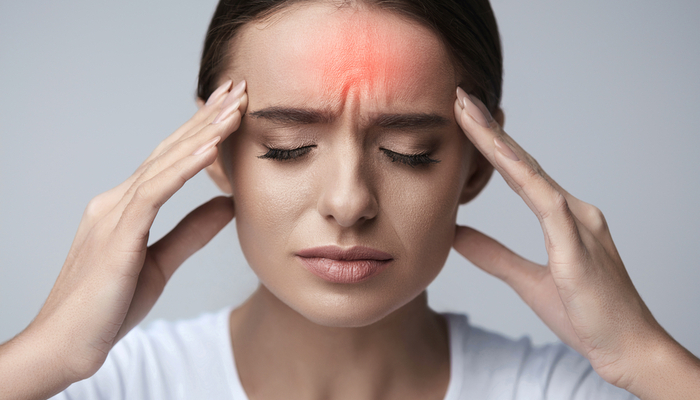
    Those who suffer from migraines know the feeling creeping up on them. It’s a tightness behind the eyes, stiffness in the neck and shoulder. Before they can respond, they’ve got a full-blown migraine hammering away inside their head. How can you take steps to alleviate your migraine symptoms?

    Today we’re taking a look at some of the medicines and treatments that are most effective for curtailing the effects of a bad migraine. While there’s no cure-all for the condition, there are steps you can take to make the symptoms a bit more bearable. So, let’s take a look.

    What is a Migraine?

    First, let’s look at what migraines are. Scientists aren’t sure, definitively, what causes a migraine, or what exactly they are. However, the symptoms are well-documented: splitting headaches, photosensitivity, nausea and extreme pain. The prevailing theory as to their physical origins in the body holds that they occur when your brain sends a wave of activity across your nerves into you trigeminal nerve.

    This, in turn, causes something of a “cascade” effect. The body releases a series of neurotransmitters that cause the blood vessels around the skull to enlarge, putting more stress on the nerves and muscles of the cranium. This, in turn, causes more of these neurotransmitters to be released, further engorging the blood vessels and increasing the pain. This creates a feedback loop that makes migraines incredibly painful.

    Remember, however, that migraines are not life-threatening, and you’re in no danger from them: they just hurt very badly. Your symptoms will not cause any long-term damage to you, they’re just highly uncomfortable.

    Setting

    Often, one of the best things you can do for a migraine is change your setting. If you’re finding yourself battling migraine symptoms in public, you might want to try to find a nice, quiet area to rest in. Migraines are usually exacerbated by bright lights and loud sounds, which prevent you from recovering from the symptoms quickly.

    In some cases, extreme temperature fluctuations can also make migraine symptoms worse. If you’re in a very cold room, or a very hot room, try to find an area that’s milder and more neutral. This will help you to focus on just feeling better!

    Stress

    Stress is a major factor in migraines. In many cases, stress is the only actual trigger for the headache, but just an emotional one. If you find yourself experiencing a major migraine while you’re stressing out, grab a stress ball and try to work out your emotions. Breathing meditation, yoga and the like can also be helpful for reducing stress.

    If you work in a stressful environment, consider keeping some tea on hand that you can brew and then drink. Ideally, this will allow you to take a brief break from your duties, if they’re stressing you out, while you steep your tea and drink it. The warm liquid and calming ritual both work wonder in helping you calm down!

    Pain Relievers

    Another way to address migraines is through the use of pain-relieving medicine. If you have them on hand, common NSAIDs can be helpful. Drugs like ibuprofen, Tylenol and Aleve are examples of these kinds of pain relievers. They typically take a few hours to get into your system, but they are rather effective at dealing with headache symptoms in most people.

    Another type of medication you can take is the “migraine abortive” variety of drugs. These usually can’t be taken with migraines that have an “aura” (a period of sensory overload before the onset of the actual migraine symptoms), so speak with your doctor about these types of medications. They’ll be able to help you select one that is right for your specific situation.


  • Best Joint Pain Remedies

    Best Joint Pain Remedies

    More than 50 million people in the United States are affected by arthritis, and up to 67 million are expected to be diagnosed by the year 2030. Arthritis pain can be downright incapacitating if it gets intense enough.

    Wrists and joints ache and you feel as though nothing can make you feel normal. Every joint can be affected, but most often hands, wrists, knees, and feet are affected.
    When not properly treated, arthritis can be damaging to many aspects of people’s lives, causing all kinds of physical and emotional issues stemming from chronic pain and the loss of mobility. There has been much research into arthritis remedies for those suffering with aching joints. Here are a few you can try.

    Top Arthritis Remedies

    1-Enbrel

    Etanercept (Enbrel) is effective in treating rheumatoid arthritis. It is a prescription only injection that has been proven to stop joint pain, and prevent joint damage. It has many side effects, despite its effectiveness. Contact your physician for more information.

    2-NSAIDs

    Two non-steroid anti-inflammatory drugs, ibuprofen and naproxen are available without a prescription, and are quite effective at treating arthritis pain. Aspirin, the proptype of this class, is still used quite commonly in treating arthritic pain. Avoid upset stomach by taking these medications with food.

    3-Over the Counter Rubs

    There are a wide array of creams and ointments available without a prescription that are effective in alleviating pain and inflammation due to arthritis. Look for ingredients like menthol, camphor, and methyl salicylate when choosing a product.

    4-Ginger

    Ginger is quite effective at treating and preventing arthritic pain. It is available in many forms including the root which can be chewed, cooked, or used in teas.
    5-Black Seed Oil

    A teaspoonful a day is helpful in treating arthritis. Black seed oil has many other uses.

    6-Hot and Cold Therapy

    Hot and cold therapy can do wonders for aching joints from arthritis. Taking a nice, long and hot bath or shower in the morning can do aching joints wonders. Alternatively, using electric blankets or heating pads can help to relax stiff joints.

    On the other hand ice therapy can be used to alleviate intense pain rapidly. Ice packs wrapped in towels and applied to sore joints can provide fast relief. Follow this cold treatment with a bit of heat treatment for relief from joint pain!

    7-Turmeric
    Consider adding turmeric to your diet in higher quantities. This root plant is a known anti-inflammatory and has been used as a natural remedy for hundreds of years. You can add it to dishes easily, as it is a common spice. It tastes really good, too! While it’s not a cure-all, you might find it helps to alleviate symptoms of joint pain.

    The anti-inflammatory properties of turmeric could result in your joints and tendons feeling some relief from your arthritis symptoms. This is a great way to attempt to tackle your symptoms from several angles.

    Because, at the very worst, it’ll just add some spice to your dishes!

    8-Cocoa/Chocolate
    Did you know that cocoa provides an abundant source of phytochemicals? You might not know much about phytochemicals, but this odd ingredient means cocoa is an antioxidant – and antioxidants are known to help with cardiovascular health, brain function, and cancer prevention. If you have RA, consuming cocoa (yes, even in the form of chocolate) can also benefit your immune system.

    Chocolate, specifically dark chocolate, can significantly reduce inflammation throughout the body. Cocoa properties are known to decrease COX-2 enzymes that cause inflammation, meaning every bite of dark chocolate helps decrease what’s causing your aches and pains.

    When you consume chocolate, it triggers the release of serotonin in the brain – or what many people call “the happiness chemical.” Serotonin literally changes your mindset, releasing happiness and lifting your mood.

    Suffering from the symptoms of RA can have a devastating impact on your well-being. However, treating yourself with dark chocolate can help combat both a bad mood and a little of your pain. Enjoying dark chocolate (in moderation, of course) is enough to lift up your spirits, even if just for a moment.

    9-Acupuncture
    The use of acupuncture for treating pain is a bit contentious. However, many patients claim that their chronic pain symptoms are greatly alleviated by acupuncture. Consider visiting a specialist for a consultation and a quote! They might be able to help you.

    In short, acupuncture is a practice that uses select placement of needles to attempt to manipulate the body’s pain receptors. Some practitioners ascribe the benefits of acupuncture to the manipulation of chi flow in the patient. Chi is an energy force that many Eastern traditions believe flows through all living things, though scientific examination has shown no evidence of such a force.

    Those patients who have had acupuncture treatments have had varying responses, though many claim that the procedures have helped them manage their arthritis pain.

    10-Massage
    Along those same lines, you could consider visiting a massage therapist. They could use massage techniques to help relax your muscles and loosen stiff joints. Alternatively, you could work with a physical therapist to learn techniques of self-massage if it would be difficult to see a professional regularly.

    11-Exercise
    Make sure you get lots of exercise! Simply staying active can work wonders on aching or stiff joints. Make sure you walk often and don’t spend all day indoors. If you find walking to be too high-impact, consider hitting the pool. Getting some light swimming in is a great way to work your joints, tendons and muscles without putting a lot of stress on them. Staying limber and exercising often is a great way to directly tackle arthritis symptoms.
    Try a combination of these arthritis remedies and hopefully they will alleviate your symptoms!
    Related Posts

    Natural Arthritis Pain Relief

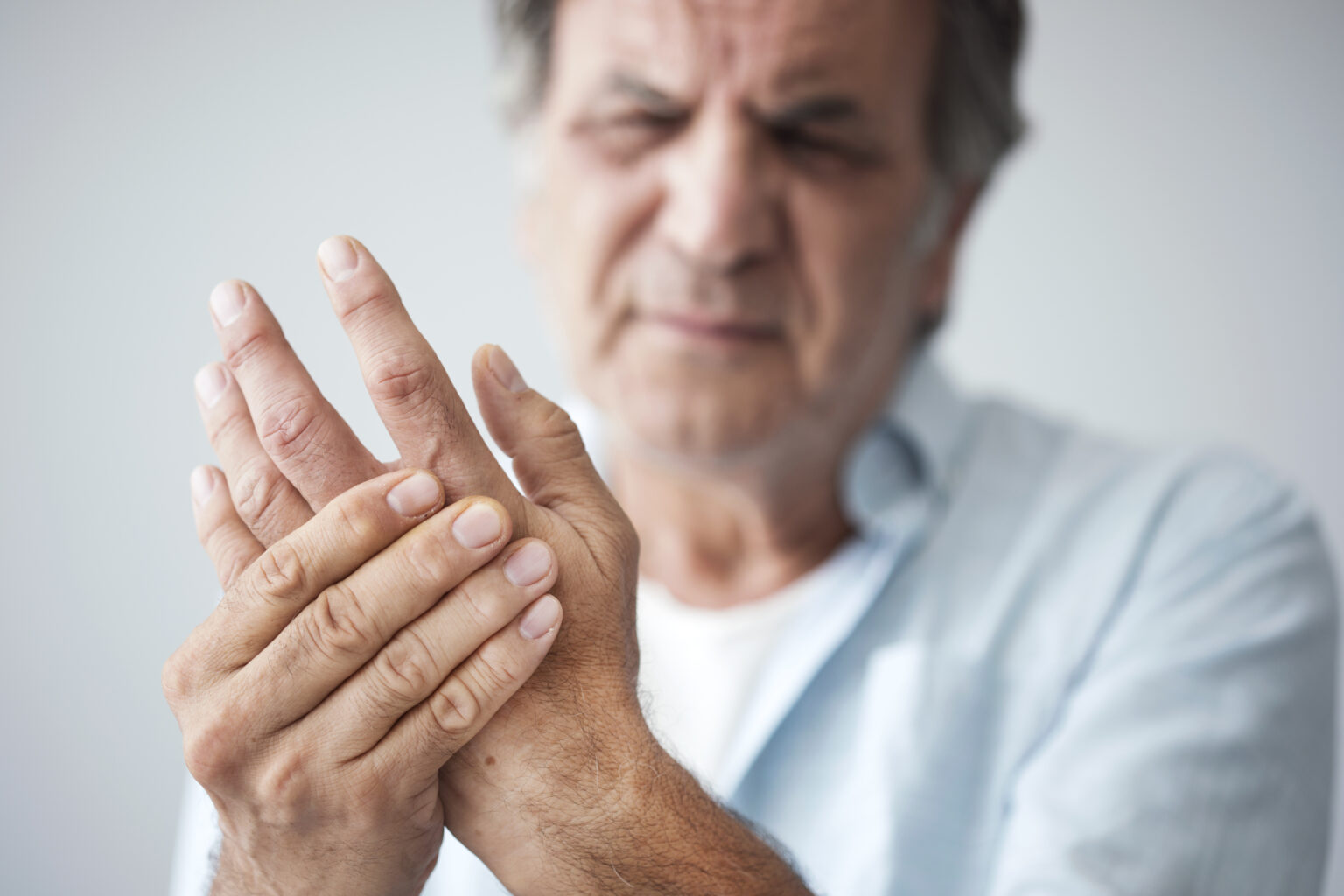
    Natural pain relief is a great alternative to potentially harmful painkillers or NSAIDs. While you should always take medicine as directed by your doctor, there are non-medicinal ways to combat aches and pains. This goes double for arthritis pain, which can be a big deal for older people. Here are some of our top picks […]

    arthritis

    What is Rheumatoid Arthritis?

    Rheumatoid arthritis is a commonly-occurring autoimmune disorder that often occurs in older patients. RA is caused by the body’s own immune system mistakenly attacking its own tissues and resulting in inflammation. In particular, RA attacks the lining of the joints, resulting in stiffness, soreness and joint pain. What is Rheumatoid Arthritis? Arthritis Overview Generally speaking, […]


  • Type 2 Diabetes: Causes and Symptoms

    Type 2 Diabetes: Causes and Symptoms

    As American lifestyles have changed, occurrences of type 2, or late onset, diabetes have become more common. Today we’ll be looking at some of the most common causes of type 2 diabetes, its symptoms, and treatments that are designed to manage the condition. If you feel as though you may have diabetes, speak to your doctor for a full test.

    Type 2 Diabetes

    What is Type 2 Diabetes?

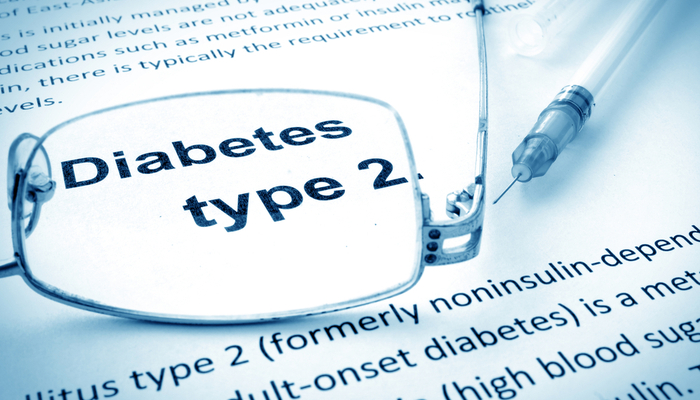
    Type 2 diabetes is a chronic condition that refers to the way that your body processes (or doesn’t process) sugar. Diabetes is caused by your body’s own resistance to insulin, a compound meant to help your cells process glucose. Occasionally, the condition occurs when the body doesn’t produce enough insulin on its own.

    While type 2 diabetes was once referred to as “adult-onset” diabetes, this is no longer an accurate description, as children can be diagnosed with the condition as well. This is likely due to changing lifestyles in the developed world, such as the rise in childhood obesity and poor diets among some children and families.

    Symptoms

    Symptoms of diabetes include increased thirst, increased hunger, fatigue, unintentional weight loss, slow healing of wounds, blurry vision and frequent infections. If you suffer from some of these symptoms, it could be wise to visit your doctor to do some tests and see if you’re suffering from diabetes.

    Contrast to Type 1

    Type 2 diabetes is contrasted with type 1 diabetes, which is caused by a combination of genetic and environmental factors. In type 1 cases, the culprit of the symptoms is the pancreas: the pancreas fails to produce the correct levels of insulin in type 1 patients, due to auto-immune cells destroying important beta cells in the pancreas.

    Type 1 was once known as “juvenile onset” diabetes, but this is also inaccurate. There are currently more adults diagnosed with type 1 diabetes than children. Type 1 diabetes, however, is much less common than type 2: only between five and ten percent of all cases of diabetes are type 1.

    Genetics

    The most common factors in the onset of type 2 diabetes are lifestyle and genetic predisposition. One of the biggest things we’ve learned in recent years about type 2 diabetes is that you can inherit a high likelihood of developing the condition from your parents.

    This doesn’t mean that if your mom or dad had type 2 diabetes that you’re guaranteed to develop it, it just means that you’ll be at a higher likelihood of doing so based on your lifestyle. This makes lifestyle incredibly important for people with a genetic predisposition to the disease.

    Diet and Exercise

    From a lifestyle standpoint, the biggest cause of diabetes comes from diet and exercise. A lack of meaningful exercise is often connected to the onset of type 2 diabetes, and people with a genetic predisposition are more likely to develop the condition if they don’t work out often.

    Diet is just as important as exercise, too: people with high-fat, high-sugar diets that are more overweight are more likely to develop diabetes. Notably, diets that are too low in fiber are some of the most common diets among people who develop type 2 diabetes.

    Treatments

    There’s no cure for diabetes. People living with the condition simply have to make a number of lifestyle changes to accommodate their symptoms. For instance, it’s common for sufferers to have insulin pumps to help manage their body’s insulin levels. Monitoring their blood sugar levels is very important, as well.

    Diet and exercise can be important factors in managing the condition, as well. While nothing can fully cure diabetes, being in good physical shape and eating healthy foods make managing diabetes symptoms significantly easier.


  • Finger Arthritis Remedies

    Finger Arthritis Remedies

    More than 50 million people in the United States are affected by arthritis, and up to 67 million are expected to be diagnosed by the year 2030. Arthritis pain can be downright incapacitating if it gets intense enough.

    Wrists and joints ache and you feel as though nothing can make you feel normal. Every joint can be affected, but most often hands, wrists, knees, and feet are affected.
    When not properly treated, arthritis can be damaging to many aspects of people’s lives, causing all kinds of physical and emotional issues stemming from chronic pain and the loss of mobility. There has been much research into arthritis remedies for those suffering with aching joints. Here are a few you can try.

    Top Arthritis Remedies

    1-Enbrel

    Etanercept (Enbrel) is effective in treating rheumatoid arthritis. It is a prescription only injection that has been proven to stop joint pain, and prevent joint damage. It has many side effects, despite its effectiveness. Contact your physician for more information.

    2-NSAIDs

    Two non-steroid anti-inflammatory drugs, ibuprofen and naproxen are available without a prescription, and are quite effective at treating arthritis pain. Aspirin, the proptype of this class, is still used quite commonly in treating arthritic pain. Avoid upset stomach by taking these medications with food.

    3-Over the Counter Rubs

    There are a wide array of creams and ointments available without a prescription that are effective in alleviating pain and inflammation due to arthritis. Look for ingredients like menthol, camphor, and methyl salicylate when choosing a product.

    4-Ginger

    Ginger is quite effective at treating and preventing arthritic pain. It is available in many forms including the root which can be chewed, cooked, or used in teas.
    5-Black Seed Oil

    A teaspoonful a day is helpful in treating arthritis. Black seed oil has many other uses.

    6-Hot and Cold Therapy

    Hot and cold therapy can do wonders for aching joints from arthritis. Taking a nice, long and hot bath or shower in the morning can do aching joints wonders. Alternatively, using electric blankets or heating pads can help to relax stiff joints.

    On the other hand ice therapy can be used to alleviate intense pain rapidly. Ice packs wrapped in towels and applied to sore joints can provide fast relief. Follow this cold treatment with a bit of heat treatment for relief from joint pain!

    7-Turmeric
    Consider adding turmeric to your diet in higher quantities. This root plant is a known anti-inflammatory and has been used as a natural remedy for hundreds of years. You can add it to dishes easily, as it is a common spice. It tastes really good, too! While it’s not a cure-all, you might find it helps to alleviate symptoms of joint pain.

    The anti-inflammatory properties of turmeric could result in your joints and tendons feeling some relief from your arthritis symptoms. This is a great way to attempt to tackle your symptoms from several angles.

    Because, at the very worst, it’ll just add some spice to your dishes!

    8-Cocoa/Chocolate
    Did you know that cocoa provides an abundant source of phytochemicals? You might not know much about phytochemicals, but this odd ingredient means cocoa is an antioxidant – and antioxidants are known to help with cardiovascular health, brain function, and cancer prevention. If you have RA, consuming cocoa (yes, even in the form of chocolate) can also benefit your immune system.

    Chocolate, specifically dark chocolate, can significantly reduce inflammation throughout the body. Cocoa properties are known to decrease COX-2 enzymes that cause inflammation, meaning every bite of dark chocolate helps decrease what’s causing your aches and pains.

    When you consume chocolate, it triggers the release of serotonin in the brain – or what many people call “the happiness chemical.” Serotonin literally changes your mindset, releasing happiness and lifting your mood.

    Suffering from the symptoms of RA can have a devastating impact on your well-being. However, treating yourself with dark chocolate can help combat both a bad mood and a little of your pain. Enjoying dark chocolate (in moderation, of course) is enough to lift up your spirits, even if just for a moment.

    9-Acupuncture
    The use of acupuncture for treating pain is a bit contentious. However, many patients claim that their chronic pain symptoms are greatly alleviated by acupuncture. Consider visiting a specialist for a consultation and a quote! They might be able to help you.

    In short, acupuncture is a practice that uses select placement of needles to attempt to manipulate the body’s pain receptors. Some practitioners ascribe the benefits of acupuncture to the manipulation of chi flow in the patient. Chi is an energy force that many Eastern traditions believe flows through all living things, though scientific examination has shown no evidence of such a force.

    Those patients who have had acupuncture treatments have had varying responses, though many claim that the procedures have helped them manage their arthritis pain.

    10-Massage
    Along those same lines, you could consider visiting a massage therapist. They could use massage techniques to help relax your muscles and loosen stiff joints. Alternatively, you could work with a physical therapist to learn techniques of self-massage if it would be difficult to see a professional regularly.

    11-Exercise
    Make sure you get lots of exercise! Simply staying active can work wonders on aching or stiff joints. Make sure you walk often and don’t spend all day indoors. If you find walking to be too high-impact, consider hitting the pool. Getting some light swimming in is a great way to work your joints, tendons and muscles without putting a lot of stress on them. Staying limber and exercising often is a great way to directly tackle arthritis symptoms.

    Try a combination of these arthritis remedies and hopefully they will alleviate your symptoms!

  • Medicare Now Covers At-Home DNA Cancer Testing!

    Medicare Now Covers At-Home DNA Cancer Testing!

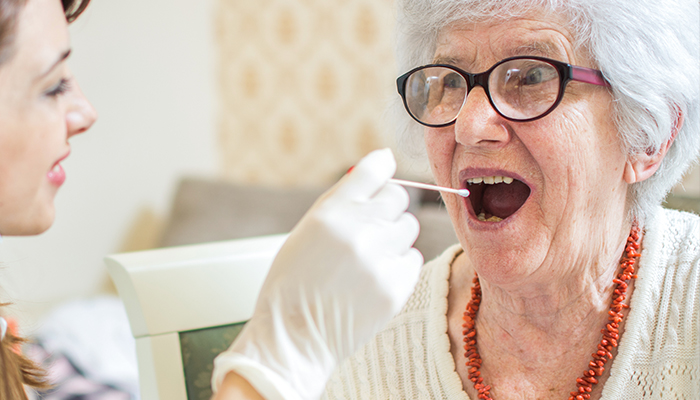
    Cancer sucks. Your chances of surviving cancer are much better when you find it early. Well, we’ve got great news: Medicare will now cover genetic evaluation of cancer by FDA-approved tests. It’s just saliva. No blood. No needles. All from home. Cancer screening increases the chances of detecting certain cancers early and might be easier to treat!

    No Doctors Appointment Needed

    Let’s be honest, genetic testing can be time consuming and expensive. Some tests cost more than others, and the final bill can be thousands of dollars. Yikes! Well, we’ve got great news for you: Medicare now pays for certain preventive health care services and some of the screening tests used to help find cancer with home-based saliva collection kits. No need to leave the comfort of your own home!

    Better Safe Than Sorry

    Sooner is almost always better when it comes to spotting cancer. It’s easier to treat if you catch it before it spreads. In today’s day and age, it is nearly impossible to find someone that has not been affected by cancer in one way or another. Whether its their mom, sister, aunt, grandma, neighbor, friend, or teacher, we all know someone who has suffered from cancer. Knowing your unique risks can help your doctor lower your odds of getting cancer. These at-home cancer DNA tests give you the power to take control of your health and help reduce your cancer risk.

    Easy as 1-2-3

    Just like those at-home ancestry tests you keep hearing about, Medicare now covers at-home cancer detection tests. With three simple steps, you’re one step closer to a healthier you. All you need to do is order your cancer DNA test and wait for it to come in the mail. Then you simply send your DNA, or a tube with your saliva, to the lab. The last step is to wait for your results to be mailed back to you and review the results. They have made the process as simple as possible!

    Do I Qualify?

    One of the best things you can do to lower your odds of getting cancer is to know your risks. With Medicare just implementing this new national policy, here is the following criteria that must be met to qualify for coverage of genetic testing.

    The patient has:
    • recurrent, relapsed, refractory, metastatic, or advanced stage III or IV cancer; and,
    • not previously tested using the same genetic test for the same cancer diagnosis (repeat testing using the same genetic test is covered only when a new primary cancer diagnosis is made); and,
    • decided to seek further cancer treatment (e.g., chemotherapy).

    The laboratory/genetic test must have:
    • Food & Drug Administration (FDA) approval or clearance as a companion diagnostic; and,
    • an FDA-approved or -cleared drug/treatment for use in the patient’s cancer; and,
    • results provided to the physician for management of the patient’s cancer using a report that specifies treatment options


  • Signs of Depression You Shouldn’t Ignore

    Signs of Depression You Shouldn’t Ignore

    Life isn’t easy: everyone has moments when they feel low, lonely or sad. That’s to be expected, and a bit of the blues is perfectly normal for someone to go through. However, when loneliness and sadness become so profound that you feel as though they’re impacting your ability to lead a fulfilling life, it’s time to seek help. Here are some of the biggest signs of depression you shouldn’t ignore.

    Sings of Depression You Shouldn’t Ignore

    Constant Fatigue

    If you feel like you’re always fighting an uphill battle to gain your energy and face the day, you might be experiencing a symptom of depression. Constant fatigue, sleeping all the time and shirking activities just to rest more could be a symptom of depression. Oversleeping all the time is bad for you for a number of reasons, both physically and socially.

    For one thing, if you’re always oversleeping, you’re encouraging your metabolism to be slower, your skin to be greasier and your organs to be less efficient. You’re also likely to abuse caffeine more in order to feel awake enough to face the day. Likewise, you’re more likely to sleep in too late and miss class or work if you’re always snoozing your alarms and sleeping longer than you should.

    Memory Loss

    An often overlooked and extremely distressing side effect of depression is memory loss. Many people who feel otherwise happy and normal might find themselves suffering from being “scatterbrained” and finding it hard to focus. Their main depression symptoms tend to be fatigue and a habit of forgetting information, both critical and frivolous.

    This memory loss is very distressing for people who don’t know why it’s occurring. Things like the time you need to be at class or at work, where you put your keys or phone, and even dates to meet friends or loved ones can slip the mind. Less commonly, memory loss from depression could include entire spans of time, though this kind of memory loss could be a symptom of other serious neurological disorders.

    Loss of Interest

    A pervasive and telltale sign of depression is a lack of interest in hobbies and activities you once found engaging. This loss of interest can cause you to stop doing things you once enjoyed, like playing sports or video games, painting or singing, and even reduce your interest in sex and relationships. The emotional state of people suffering this depression symptom can be described as malaise, resignation and helplessness.

    Loss of interest in the things once found interesting is a very telltale sign of depression as it is so unlikely to occur for other reasons. While people might occasionally just lose interest in an individual hobby or person, if they suddenly have no interest in any of their former passions, it’s a red flag that they should speak to their doctor about their symptoms.

    Negative Relationship to Food

    A huge indication of a burgeoning problem with depression is a negative relationship with food. This can include thinking about food too often, overeating, eating because you feel bored and indulging in food to ignore your emotions. Another way this can manifest is the opposite effect: some people suffering from depression are so disinterested in food that they simply don’t eat.

    If you find most of your time is spent thinking about food, or you’re not eating enough and don’t seem to feel hungry or have any desire for food, you could be suffering from depression symptoms. No matter what your symptoms are manifesting as, it’s vital that you speak to a medical professional about how you’re feeling. Whether it’s a doctor or a therapist, you can reach out for the resources available to you to help.


  • Headache Pain Relief: Weathering the Worst Symptoms

    Headache Pain Relief: Weathering the Worst Symptoms

    If you’ve got a mean headache brewing under the surface, you know that horrible feeling. You begin to rub your temples, breath out your nostrils instead of in, and try to get away from loud noises and bright lights. Today we’re going to look at some of the best ways to get relief from your headache pain.

    Headache Pain Relief

    Over the Counter

    One of the most straightforward ways to deal with headache pain is to just take an over the counter pain reliever. These include NSAIDs, like ibuprofen and Tylenol. There are also headache powders you can take, which are usually loaded with caffeine and other ingredients, to help reduce your headache symptoms.

    Dedicated headache relief medicine also exists. These tend to be a great way to throw pain relief directly at whatever type of headache you’ve got brewing. The downside to these types of medication is that they don’t work right away. You’ll often have to wait for as long as two or three hours for your body to metabolize the medicine for it to take effect. For quicker-acting relief, you’ll need to use a headache powder, as we mentioned earlier.

    Setting

    If your headache symptoms stem from migraine tendencies, you might need to change your setting to deal with them. Migraines get worse in the face of bright lights, loud sounds and rooms of extreme temperature. Try to get somewhere dark and quiet with a nice, neutral temperature where you can recover. If you’re still having trouble recovering, try breathing in through your mouth and out through your nose, warming your sinuses.

    Headaches can be caused by inflamed blood vessels around the skull. In these cases, you could get a bit of relief by pinching the bridge of your nose or rubbing your temples. These simple acts are similar to a massage, sending signals to your nerves to relax. This could, in turn, cause your blood vessels to stop expanding and constricting your skull.

    Stay Hydrated

    Many headaches are caused by dehydration. If this is true of yours, a great preventative action could be to try to stay well-hydrated. Keep a reusable bottle for water with you during your job or during class. This will allow you to drink water when you’re thirsty and help to keep you hydrated throughout the day. Make sure to refill it between classes or on breaks from the job.

    Another common cause of headaches is not eating enough food. Make sure you don’t skip any meals throughout the day. In the morning, make sure you get some breakfast. Don’t be afraid to grab some healthy snacks if you’re hungry between meals! Keeping your body hydrated and full of the right nutrients is a cornerstone of good health.

    Relaxation

    Other headaches can be caused by stress, plain and simple. These are the simplest, but also some of the hardest to address. How do you get rid of stress? If you’re suffering from a headache and can’t get away from the stress that is causing it, such as at work, you’ve got a few options available to you. You can keep a stress ball with you to help physically work out any stress you may have.

    Another option is to listen to calming music throughout the day, if your school or work is conductive to this. Consider adopting a mantra, a personal saying, that you can repeat throughout the day to help calm yourself. Other calming techniques include deep-breathing exercises, short jogs while between classes or during breaks, and doing yoga or tai chi before or after school or work. Hopefully some of these tips help you tackle your headaches and manage your pain symptoms!


  • Are Energy Drinks Bad for You?

    Are Energy Drinks Bad for You?

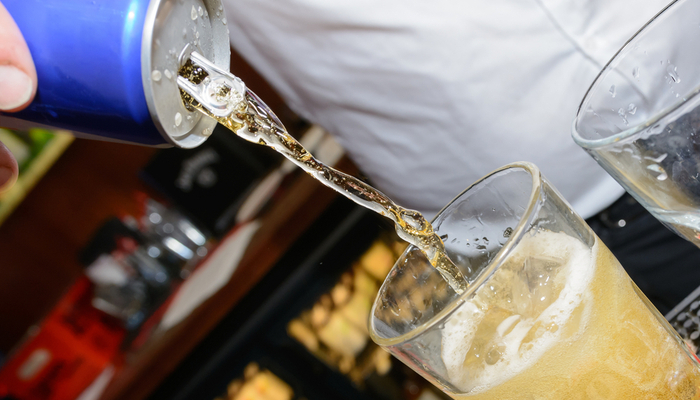
    We all have those days when we need a pick-me-up. Some folks like to start their day with coffee, while others might prefer to have an energy drink with their lunch. Next to multivitamins, energy drinks are one of the most popular dietary supplements in the US. However, many people are curious as to whether these sugary, caffeine-filled drinks are actually good for them. Let’s take a closer look.

    Are Energy Drinks Bad for You?

    High Caffeine

    Caffeine is normally fine for your body to take in when it comes in smaller amounts, such as the 100 mg in a cup of coffee. However, the average energy drink has around 250 mg of caffeine, making it a significantly higher percentage of caffeine per liquid than most other beverages ingested for their caffeine content.

    This high amount of caffeine raises a number of health concerns. Primarily, high concentrations of caffeine have been linked to blood vessel complications, heart rhythm disturbances, high blood pressure, and increases in heart rate. Notably, the high quantity of caffeine can cause damage to younger people’s developing cardiovascular systems.

    With Alcohol

    Many younger adults and even some teenagers who commonly drink energy drinks will often mix them with alcohol. These beverages combined raise a number of serious health concerns. The dehydrating potential of both substances when combined is increased, and they each offset some of the visible negative effects of the other.

    When intoxicated, one of the limiting factors to binge drinking is the drowsiness that accompanies high alcohol intake. Likewise, when drinking energy drinks, the feeling of jitteriness and increased heartrate often keeps people from over-indulging in them. When alcohol and energy drinks are mixed together, however, they offset one another and can lead to a dramatic increase in binge drinking behaviors.

    Added Sugars

    A single 16 ounce can of energy drink can contain as much as 62 grams of added sugars. This is a tremendous amount of sugar, and well exceeds the recommended daily allotment of added sugars in an adult’s diet. Added sugars in energy drinks serve to sweeten and mask the powerful flavors that the high caffeine content generates.

    In the case of these larger, 16-ounce cans, the amount of sugar is enough alone to make them worrisome from a health perspective. The shorter, energy “shot” type of drink tends to have a high sugar content, usually around 30 grams, which still makes them high in added sugars. However, they tend to pack just as much caffeine as the larger-size drinks, so those health concerns remain.

    Sleep Patterns

    Excessive consumption of energy drinks has been shown to interfere with the natural sleeping patterns of teenagers and young adults. Due to the high caffeine content, it’s likely that younger people, with more sensitive systems, stay up for much longer than they may even want to with energy drinks.

    Staying up later means they’ll lose out on sleep, which will make it harder to focus on school or work the following day. This, in turn, leads them to drink energy drinks to wake up from their grogginess. Thus, energy drinks can be a negative, self-reinforcing habit.

    Organs

    The high amount of caffeine and sugar in energy drinks may also cause more strain on internal organs. For instance, the kidneys and liver, which serve to filter impurities from the blood, could be damaged by the high amounts of sugar and caffeine they filter.

    Likewise, energy drinks can have a negative impact on the heart, causing it to beat faster and increasing blood pressure. In short, energy drinks put the body into “overdrive,” pushing it beyond its normal operating limits and putting extra stress on the internal organs. Drink them sparingly, if you really want to drink them, and consider replacing them in your diet with drinks like coffee or tea instead.


  • Type 2 Diabetes: Causes and Symptoms

    Type 2 Diabetes: Causes and Symptoms

    As American lifestyles have changed, occurrences of type 2, or late onset, diabetes have become more common. Today we’ll be looking at some of the most common causes of type 2 diabetes, its symptoms, and treatments that are designed to manage the condition. If you feel as though you may have diabetes, speak to your doctor for a full test.

    Type 2 Diabetes

    What is Type 2 Diabetes?

    Type 2 diabetes is a chronic condition that refers to the way that your body processes (or doesn’t process) sugar. Diabetes is caused by your body’s own resistance to insulin, a compound meant to help your cells process glucose. Occasionally, the condition occurs when the body doesn’t produce enough insulin on its own.

    While type 2 diabetes was once referred to as “adult-onset” diabetes, this is no longer an accurate description, as children can be diagnosed with the condition as well. This is likely due to changing lifestyles in the developed world, such as the rise in childhood obesity and poor diets among some children and families.

    Symptoms

    Symptoms of diabetes include increased thirst, increased hunger, fatigue, unintentional weight loss, slow healing of wounds, blurry vision and frequent infections. If you suffer from some of these symptoms, it could be wise to visit your doctor to do some tests and see if you’re suffering from diabetes.

    Contrast to Type 1

    Type 2 diabetes is contrasted with type 1 diabetes, which is caused by a combination of genetic and environmental factors. In type 1 cases, the culprit of the symptoms is the pancreas: the pancreas fails to produce the correct levels of insulin in type 1 patients, due to auto-immune cells destroying important beta cells in the pancreas.

    Type 1 was once known as “juvenile onset” diabetes, but this is also inaccurate. There are currently more adults diagnosed with type 1 diabetes than children. Type 1 diabetes, however, is much less common than type 2: only between five and ten percent of all cases of diabetes are type 1.

    Genetics

    The most common factors in the onset of type 2 diabetes are lifestyle and genetic predisposition. One of the biggest things we’ve learned in recent years about type 2 diabetes is that you can inherit a high likelihood of developing the condition from your parents.

    This doesn’t mean that if your mom or dad had type 2 diabetes that you’re guaranteed to develop it, it just means that you’ll be at a higher likelihood of doing so based on your lifestyle. This makes lifestyle incredibly important for people with a genetic predisposition to the disease.

    Diet and Exercise

    From a lifestyle standpoint, the biggest cause of diabetes comes from diet and exercise. A lack of meaningful exercise is often connected to the onset of type 2 diabetes, and people with a genetic predisposition are more likely to develop the condition if they don’t work out often.

    Diet is just as important as exercise, too: people with high-fat, high-sugar diets that are more overweight are more likely to develop diabetes. Notably, diets that are too low in fiber are some of the most common diets among people who develop type 2 diabetes.

    Treatments

    There’s no cure for diabetes. People living with the condition simply have to make a number of lifestyle changes to accommodate their symptoms. For instance, it’s common for sufferers to have insulin pumps to help manage their body’s insulin levels. Monitoring their blood sugar levels is very important, as well.

    Diet and exercise can be important factors in managing the condition, as well. While nothing can fully cure diabetes, being in good physical shape and eating healthy foods make managing diabetes symptoms significantly easier.