Category: Top Ten

  • Top Ten Retro Consoles Millennials Will Never Forget

    Top Ten Retro Consoles Millennials Will Never Forget

    If you were a kid before the turn of the century, it’s pretty likely you played some console now considered retro. If you’re looking for a trip down memory lane, we’ve got you covered! Today, we’re rounding up the ten best retro consoles that you’re never going to forget! Did your favorite make the list? Read on! 

    10. Playstation 
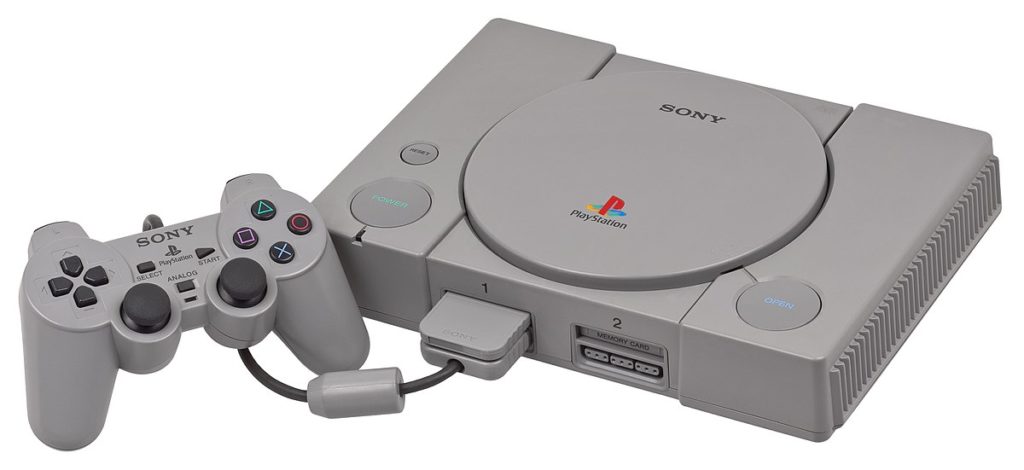
    Photo Credit: Wikipedia 

    Sony’s first foray into the gaming industry was certainly a memorable one. The PlayStation, released in late 1995, promised to be a more mature, adult-friendly console than Nintendo’s N64. To be fair, in many ways, it was. Boasting games like Twisted Metal, Metal Gear Solid and Tomb Raider, the original Playstation solidified itself as a real competitor for Nintendo.  

    Notably, Nintendo’s N64 console opted to use cartridges, instead of CD’s, for storing games. However, this led to some developers, like Square Soft, opting to make games for the Playstation instead of the N64. For instance, the ground-breaking Final Fantasy VII, initially slated for an N64 release, went to the Playstation. This migration of third party developers would go on to really sting for Nintendo in the coming console generations.  

    9. Sega Dreamcast 
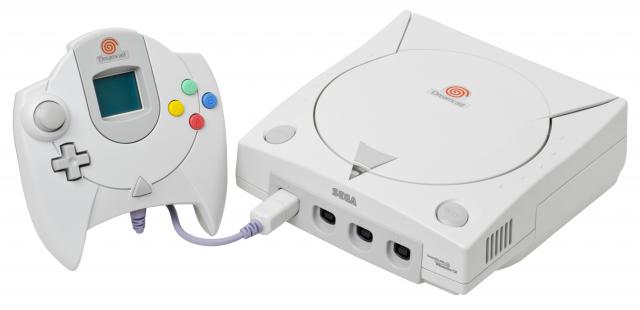
    Photo Credit: VG Chartz 

    The ill-fated Dreamcast remains a favorite of many gamers. It is largely considered one of the most-often forgotten retro consoles. The Dreamcast is largely remembered for being Sega’s last game console. Following a reasonable release, the Dreamcast lost ground to the Playstation 2. So, Sega decided to cut their losses and become a game publisher instead of a console manufacturer.  

    Yet Dreamcast had an eclectic library of unique games. While considered by many to be ahead of their time, many of these games are cult classics now. Jet Set Radio, Shenmue and Crazy Taxi are all considered to be examples of the interesting and new designs Sega was exploring. Also unique for the time was the Dreamcast’s built-in modem for supporting online play. However, due to the release of the PS2 and increasing competition in the industry, the Dreamcast was to be Sega’s last console.

    8. Game Boy Color 
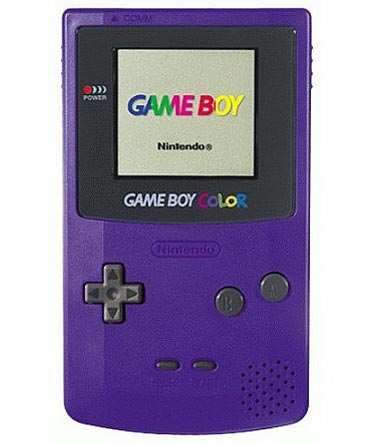
    Photo Credit: Lukie Games 

    While the original Game Boy sold an absurd number of units, its successor is largely remembered by millennials as their first handheld console. The Game Boy Color boasted graphics in color (gasp!) on a handheld system, a first for Nintendo. Handheld versions of classic Nintendo series like the Legend of Zelda and Mario helped solidify the Game Boy Color as a must-have retro console. 

    A conversation about the Game Boy can’t leave out the juggernaut that is Pokemon. Originally a fun, cute little RPG about training little monsters became an international phenomenon. Millennials are united by their shared memory of how freaking huge Pokemon was. Between the card games, the cartoon and the video games, you couldn’t escape Pokemania. The first Pokemon Games were technically original Game Boy games, but Pokemon Yellow was a Color exclusive so we’ll count it. 

    7. Sega Saturn 
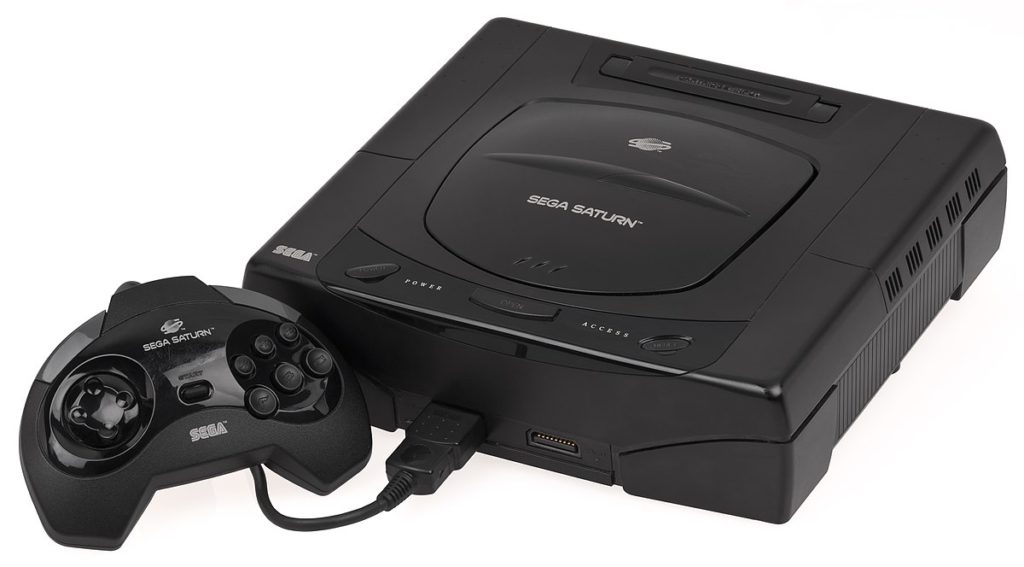
    Photo Credit: Wikipedia 

    The Saturn was created as a competitor to the then-aging Super Nintendo. Sporting more “mature” titles like Virtua Fighter and Panzer Dragoon, the Saturn tried to set itself apart from Nintendo. Well remembered for its faithful ports of many arcade fighting games, the Saturn was a must-have for fighting enthusiasts. 

    While the Saturn would go on to be eclipsed by the more powerful Playstation, it is still fondly remembered by many as home to many interesting games and great ports. In addition, notable non-fighting games on the system included Nights into Dreams, a trippy rail-shooter, and the blisteringly-hard Panzer Dragoon series. 

    6. Xbox 
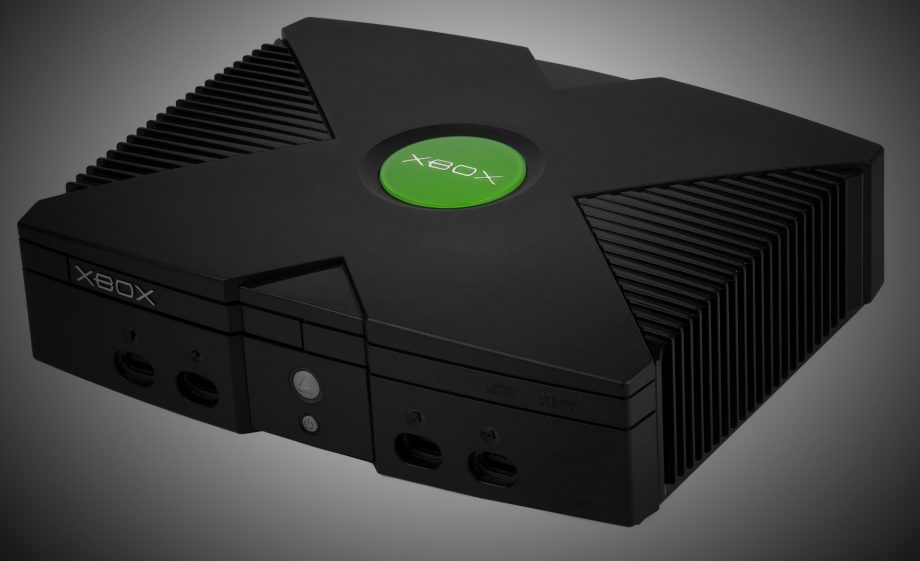
    Photo Credit: Trusted Reviews 

    While consoles released after 2000 might not feel like retro consoles, they still fit the bill for this list. The original Xbox, released in 2001, marked Microsoft’s entry into the console wars. Buoyed considerably by the phenomenal Halo: Combat Evolved, the Xbox defined its niche as a serious-minded console. Sony’s Playstation 2 was viewed by many as a direct competitor with the Xbox, while Nintendo’s GameCube was somewhat relegated to “kiddy-console” status.  

    The Xbox is largely remembered for its humongous controller and as being something of a successor to the Sega Dreamcast. Sega released a sequel to Jet Set Radio, called Jet Set Radio Future, and another entry in the Panzer Dragoon series on the Xbox. However, Halo can’t be overstated: many millennials fondly remember LAN parties playing Halo. Additionally, when the sequel, Halo 2 was released, it pioneered Microsoft’s Xbox Live online service, showing a glimpse into the future of gaming.  

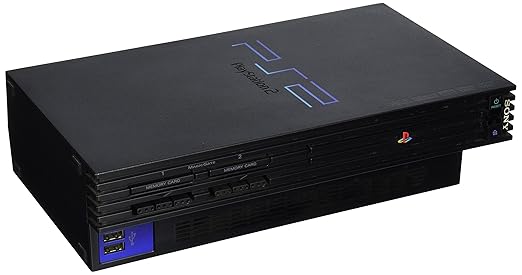
    5. Playstation 2 
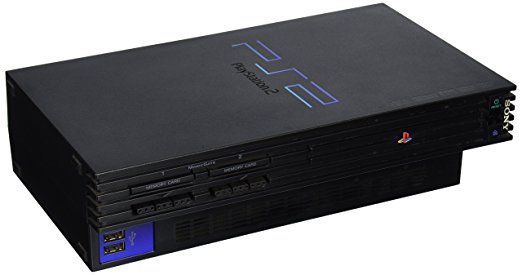
    Photo Credit: Amazon 

    Sony’s successor to the Playstation would go on to become one of the best-selling consoles of all time. Home to countless incredible first- and third-party games, the Playstation 2 is considered by many a high-water mark for video games. From racing games to fighting games to first person shooters, the PS2 had something for absolutely everyone. Almost everyone had one of these things. Heck, they even played DVDs back in the days when DVD players were pretty expensive! 

    With a library encompassing Ratchet & Clank, Jak & Daxter, Sly Cooper, Shadow of the Colossus, Okami and numerous other masterpieces, it’s no wonder so many millennials remember this retro console.  

    4. GameCube 
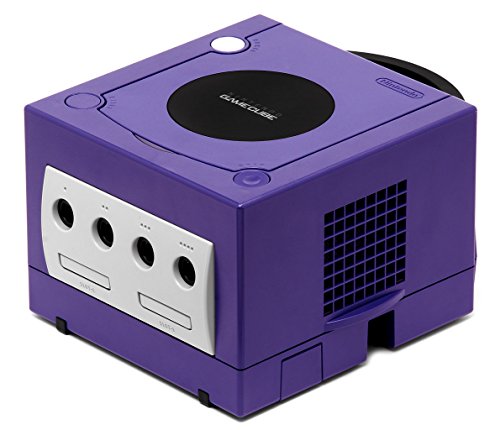
    Photo Credit: Amazon 

    The successor to the N64, the GameCube was Nintendo’s first console to use an optical drive. For some inexplicable reason they chose to use mini-DVDs for storing games. This marked the second generation in a row that Nintendo chose to forego the industry standard for game storage. While the PS2 had countless games from 3rd party devevlopers, the GameCube is an example of how strong first-party support can make a console. Hence, beloved games like Wind Waker and Super Mario Sunshine helped the console prove its pedigree. 

    Yet as the console wars wore on in this generation, it became clear that Nintendo was moving more into their own space. While this allowed Sony and Microsoft to duke it out, Nintendo was making “purer” games, forgoing the flash and glitz of their competition. While this was met with mixed success, not all gamers loved it. Many found it refreshing that Nintendo stuck to their guns as a family-friendly developer. Others found this frustrating and longed for a more serious Nintendo.  

    3. Nintendo 64 
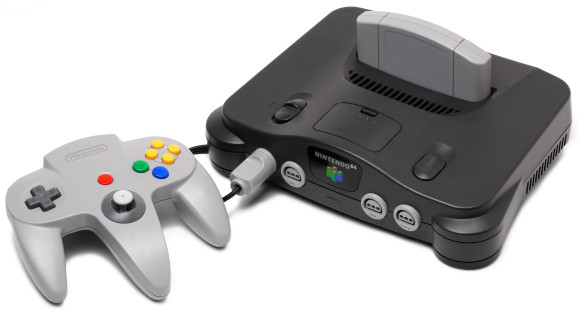
    Photo Credit: Venture Beat 

    How many strange decisions can a console manufacturer make and still create one of the greatest systems of all time? Let’s check the N64 to find out. Giant, three-pronged controller with odd button layout? Check. Uses cartridges instead of CDs for physical media? Check. Near-total lack of third-party support? Check.  

    Jokes aside, if you thought the GameCube got along on first-party support alone, the N64 is the poster child of the “Nintendo-machine” stereotype. However, Rare Games released game after awesome game in this era. For instance, Banjo Kazooie and Diddy Kong Racing are examples of Rare’s excellent design. However, nearly every other notable game was Nintendo-made. Pokemon Stadium, Ocarina of Time, Star Fox 64, the list goes on. 

    Rather than blemish its memory, however, this is one of the coolest retro consoles of them all, and it easily earns its high spot. 

    2. Game Boy Advance 
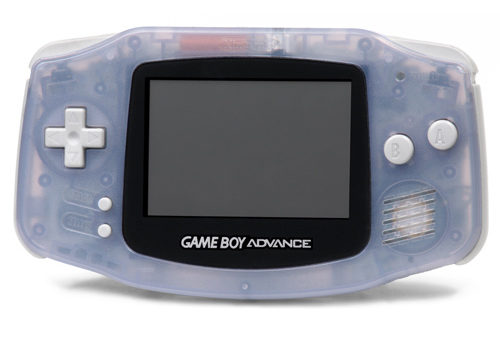
    Photo Credit: iFixit 

    If you’re a millennial there is a 95 percent chance you owned a GBA. This thing was huge. It’s far and away the best-selling console of all time, and for good reason. The GBA represented a renaissance of the 16-bit era, and developers were in rare form on the console. After spending a whole generation perfecting 16-bit design on the Super Nintendo, Nintendo’s developers were clearly poised to flex their design muscles. Therefore games like Metroid: Zero Mission, Pokemon Ruby and Sapphire, Golden Sun are examples of some of the greatest games ever.

    In addition to introducing a whole generation of gamers to gaming in general, the GBA also had a great series of ports. Older games like Link to the Past and the NES Classics series introduced a ton of millennial gamers to an era they might have otherwise overlooked. Because of its ubiquity, it’s impossible to overstate just how popular and influential the GBA was. Most of all, the GBA is remembered as the greatest of the handheld retro consoles.

    The Best of the Retro Consoles: The Super Nintendo Entertainment System 
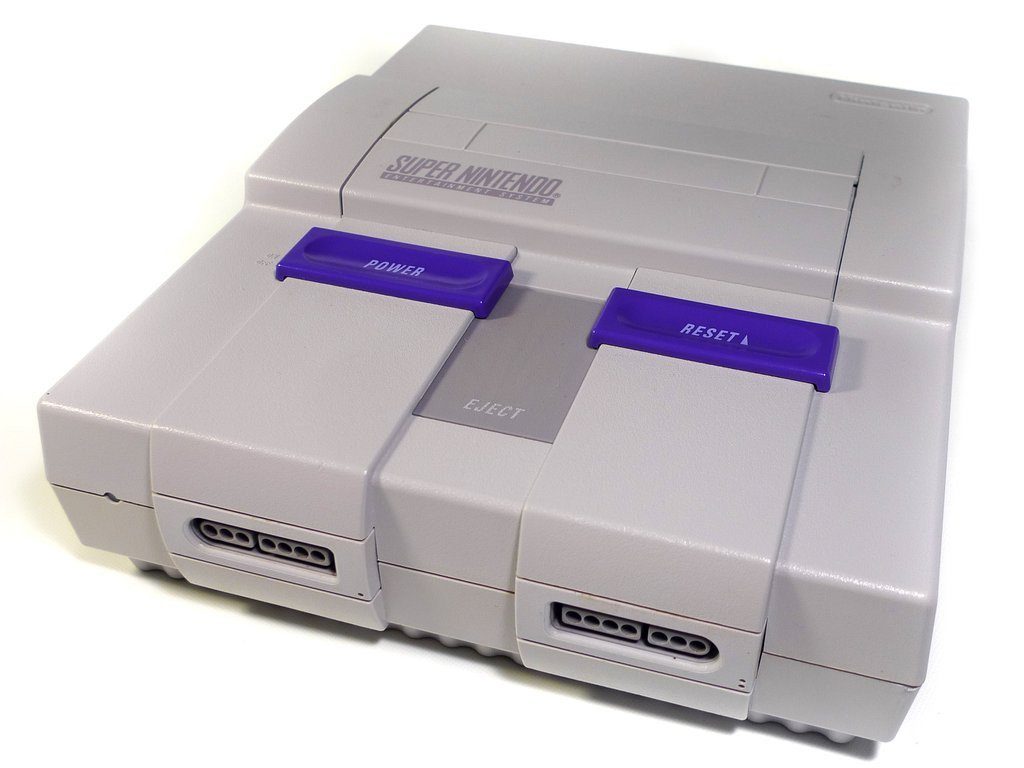
    Photo Credit: Retro Fixes 

    Nintendo easily swept the top half of this list, and it’s not hard to see why. Because the consoles they released in these eras were defining, helping usher tons of kids into the hobby. The Super Nintendo is the most impressive of them all. With a revolutionary controller layout that would go on to define every gamepad that followed and some seriously impressive hardware for the time, the SNES left its mark. 

    This generation served as a golden age for 2D-platforming and RPGs. Super Mario Land and Donkey Kong Country represent the very greatest of the former. Secret of Mana, Chrono Trigger and Final Fantasy III are the prime examples of the latter. Other notable games, like Star Fox and F-Zero, showed off what the future of 3D games might end up looking like.  

    In retrospect, it’s incredible just how many mind-blowing games were on the SNES. Looking back, you can see the seeds for modern game design taking root for the first time in this era. The legacy of this generation lives on today in the design philosophy of all major studios. It also lives on forever in the memories of the kids who grew up playing these amazing games.  
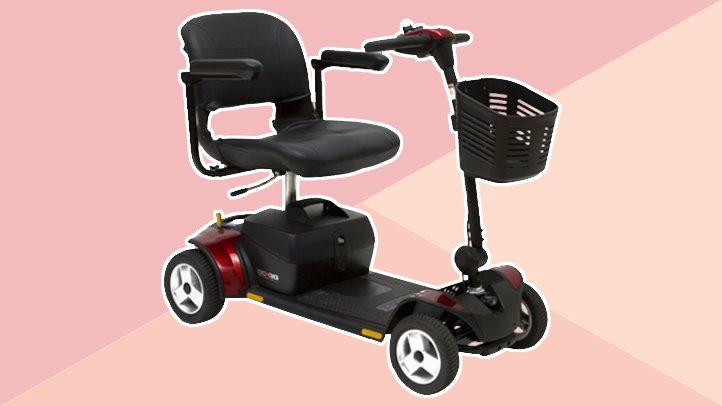
  • Which Mobility Scooter is Right for You?

    Which Mobility Scooter is Right for You?

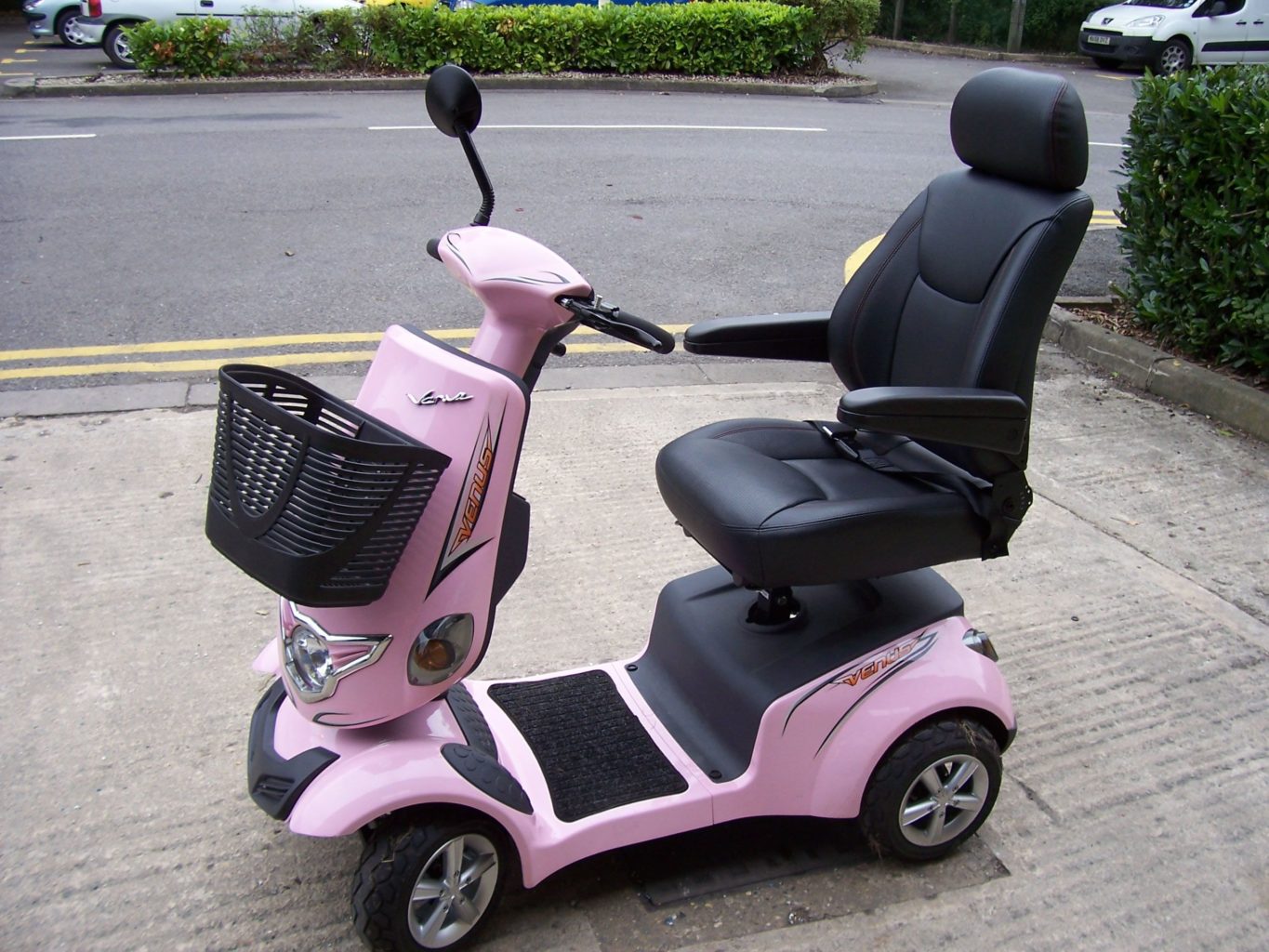
    So your mobility isn’t what it used to be… no problem! Today, some insurance companies will actually help with coverage on a mobility scooter, or even pay for the whole thing. Check it out for yourself! Either way, it may be worth checking them out and seeing if it fits your lifestyle. With that in mind, let’s look at the top ten mobility scooters.

    Drive Medical Phoenix Heavy Duty

    A heavy, sturdy scooter for a great price, this one is a good pick. This one has a headlight, which is good for darker areas. It also has a basket in the front for carrying things, making it great for grocery store trips! The seat is customizable, broad and comfortable. For $1,200, this is a great heavy-duty pick.

    Pride Mobility Go-Go Sport

    This scooter is notable for its four-wheel drive and durability. It’s not terribly fast, topping at 4 MPH. That said, it’s rugged and durable, and works great when outdoors! If you like being outside and enjoying the sunlight, this is a great pick! For a combination of durability and mobility, check out the Go-Go Sport!

    E-Wheels EW-72

    A stylish and slick scooter, the E-Wheels EW-72 has a look inspired by classic cars! For those looking to really zoom, this scooter has a top speed of 15 MPH! As a heavy-duty scooter, it works quite well, as it has a top weight rating of 500 pounds! If you’re looking for a great, stylish, heavy-duty scooter, this is a great choice for you!

    Transformer Electric Folding Mobility Scooter

    Another great choice for carrying in a trunk and carrying around with you, this transforming scooter is pretty neat. It folds up into a nice, compact shape so it can go anywhere with you! The battery is airline compliant, so it can fly with you, which is great for those who fly often. If you’re on the move and need a scooter that can keep up, this is the one for you!

    E-Wheels Jellybean Electric Scooter

    The second E-Wheels scooter on our list, this one is also quite heavy-duty! This one is three-wheeled, though, so it’s got a bit of a different construction from some others on this list. The best thing about this scooter, though, is the high speed! It tops out at 18 MPH, which makes it a serious scooter! It has a great battery, too, offering up to 45 miles on a single charge. This one also has an anti-theft alarm, which is great! It sports a huge back-mounted basket, perfect for trips to the market.

    Spitfire 420 Ex

    Another great scooter, this one has interchangeable panels in different colors. The panels come in red, blue and silver, and are easy to change out! It also boasts quick-connect batteries, a comfortable seat and padded armrests. The wheels are anti-tip, which makes this a very safe pick. The front-mounted basket even has an interior lining, which is great for shopping. If you’re looking for a good mobility scooter for medical reasons, such as old age, this is a good pick.

    SmartScoot Lithium Foldable Travel Scooter

    This folding scooter is great to throw in the trunk or backseat and carry with you to a destination. The best thing about this scooter: the battery! It has great battery life for how portable it is for travel. It lasts for up to 12 miles! It also breaks down into three parts, and only weighs 27 pounds.

    Drive Medical Scout 3 Wheel

    At the very low price of right around $600, this three-wheeled scooter is a popular choice. A little less expensive than its four-wheeled counterpart, this one is a good value. The drawbacks to this scooter include its three-wheeled construction, slightly low battery life and make. There are more comfortable, high-end scooters, but if you’re looking for a good bargain, this is it. This scooter is the most affordable on our list!

    Best Value: Drive Medical Scout Compact 4 Wheel

    For those on a budget, the Drive Medical Scout Compact is a very popular choice. At $700, it’s a fantastic value, and it shows in its popularity. It’s a good scooter, with all the trimmings you’d expect from a medical mobility scooter. Older customers on a fixed income love the low price, and the price doesn’t compromise the quality. This one also has interchangeable panels in red and blue, so you can change your style! A great value for the money for those looking to save.

    Best Overall Mobility Scooter: Shopride Sunrunner

    If you’re looking for an especially comfortable scooter, look no further than the Sunrunner! It has a 300-pound capacity and a huge 25-mile battery. You can opt for a headlight, which is quite useful. It has a front basket, perfect for shopping. The star of the show is the big, comfortable seat, though. You can’t beat the level of comfort on display here! It’s hard to find something this premium and high-quality for this price! It retails for $1,500 but can often be found on sale for less.


  • These Tech Startups Are So Dumb You May Never Unroll Your Eyes

    These Tech Startups Are So Dumb You May Never Unroll Your Eyes

    The wide world of technology is rife with start-ups and venture capitals. Companies are all vying to be the next Apple, always pushing the envelope and redefining themselves. Or, at least, they’re trying to do these things. Sometimes they’re hit with the rough wake-up call that their ideas are just freaking weird, man. Sometimes that might be a good thing, and other times it’s… well, you’ll see. Check out the ten weird tech developments we could find. You won’t be disappointed, but the investors might! 

     
    [adPH1]  

    10. Rapt.fm 

    Photo Credit: Forbes 

    This one is odd yet endearing. Rapt.fm is a social platform dedicated to teaching people how to rap. And it has 50,000 users. Color me impressed! Now, this isn’t the odd part, rap is tremendously popular, and it makes sense that people would want to learn. The odd part is the venue the startup got their footing in.  

    The CEO, Erik Torenberg (catchy rap stage name), got the initial money for the platform in an unusual way. Originally, he and his team taught employees at businesses like Fathead, Chalkfly and Quicken Loans. What? Yeah, they were marketed as “team-building” exercises. Corporate America is weird, guys. Look no further than white-collar worker-turned-rapper Little Dicky to see more evidence of this. Textbook weird tech. 
     
    [adTextOnly]

  • Which Mobility Scooter is Right for You?

    Which Mobility Scooter is Right for You?

    So your mobility isn’t what it used to be… no problem! Today, some insurance companies will actually help with coverage on a mobility scooter, or even pay for the whole thing. Check it out for yourself! Either way, it may be worth checking them out and seeing if it fits your lifestyle. With that in mind, let’s look at the top ten mobility scooters.

    Drive Medical Phoenix Heavy Duty

    A heavy, sturdy scooter for a great price, this one is a good pick. This one has a headlight, which is good for darker areas. It also has a basket in the front for carrying things, making it great for grocery store trips! The seat is customizable, broad and comfortable. For $1,200, this is a great heavy-duty pick.

    Pride Mobility Go-Go Sport

    This scooter is notable for its four-wheel drive and durability. It’s not terribly fast, topping at 4 MPH. That said, it’s rugged and durable, and works great when outdoors! If you like being outside and enjoying the sunlight, this is a great pick! For a combination of durability and mobility, check out the Go-Go Sport!

    E-Wheels EW-72

    A stylish and slick scooter, the E-Wheels EW-72 has a look inspired by classic cars! For those looking to really zoom, this scooter has a top speed of 15 MPH! As a heavy-duty scooter, it works quite well, as it has a top weight rating of 500 pounds! If you’re looking for a great, stylish, heavy-duty scooter, this is a great choice for you!

    Transformer Electric Folding Mobility Scooter

    Another great choice for carrying in a trunk and carrying around with you, this transforming scooter is pretty neat. It folds up into a nice, compact shape so it can go anywhere with you! The battery is airline compliant, so it can fly with you, which is great for those who fly often. If you’re on the move and need a scooter that can keep up, this is the one for you!

    E-Wheels Jellybean Electric Scooter

    The second E-Wheels scooter on our list, this one is also quite heavy-duty! This one is three-wheeled, though, so it’s got a bit of a different construction from some others on this list. The best thing about this scooter, though, is the high speed! It tops out at 18 MPH, which makes it a serious scooter! It has a great battery, too, offering up to 45 miles on a single charge. This one also has an anti-theft alarm, which is great! It sports a huge back-mounted basket, perfect for trips to the market.

    Spitfire 420 Ex

    Another great scooter, this one has interchangeable panels in different colors. The panels come in red, blue and silver, and are easy to change out! It also boasts quick-connect batteries, a comfortable seat and padded armrests. The wheels are anti-tip, which makes this a very safe pick. The front-mounted basket even has an interior lining, which is great for shopping. If you’re looking for a good mobility scooter for medical reasons, such as old age, this is a good pick.

    SmartScoot Lithium Foldable Travel Scooter

    This folding scooter is great to throw in the trunk or backseat and carry with you to a destination. The best thing about this scooter: the battery! It has great battery life for how portable it is for travel. It lasts for up to 12 miles! It also breaks down into three parts, and only weighs 27 pounds.

    Drive Medical Scout 3 Wheel

    At the very low price of right around $600, this three-wheeled scooter is a popular choice. A little less expensive than its four-wheeled counterpart, this one is a good value. The drawbacks to this scooter include its three-wheeled construction, slightly low battery life and make. There are more comfortable, high-end scooters, but if you’re looking for a good bargain, this is it. This scooter is the most affordable on our list!

    Best Value: Drive Medical Scout Compact 4 Wheel

    For those on a budget, the Drive Medical Scout Compact is a very popular choice. At $700, it’s a fantastic value, and it shows in its popularity. It’s a good scooter, with all the trimmings you’d expect from a medical mobility scooter. Older customers on a fixed income love the low price, and the price doesn’t compromise the quality. This one also has interchangeable panels in red and blue, so you can change your style! A great value for the money for those looking to save.

    Best Overall Mobility Scooter: Shopride Sunrunner

    If you’re looking for an especially comfortable scooter, look no further than the Sunrunner! It has a 300-pound capacity and a huge 25-mile battery. You can opt for a headlight, which is quite useful. It has a front basket, perfect for shopping. The star of the show is the big, comfortable seat, though. You can’t beat the level of comfort on display here! It’s hard to find something this premium and high-quality for this price! It retails for $1,500 but can often be found on sale for less.


  • Considering a Tech Job? Check Out Our Top Ten Jobs in Tech!

    Looking for a tech job? Thankfully the tech world is a very different place than it once was.

    At one point in time, tech jobs were considered very niche and not many opportunities were available. In the modern day, however, some of the best jobs in the world are tech jobs! If you’re seriously interested in pursuing a career in technology, there are a lot of paths you could head down. With that in mind, here’s our 10 favorite tech jobs.

    Computer Support Specialist

    Starting our list is the computer support specialist job! This tech job has an average salary of around $52,000 per year. Computer support specialist responsibilities typically include helping people with operating systems, malfunctioning computers and login issues. Part computer whiz, part customer service expert, computer support specialists often work in call centers. Occasionally they will also work in traditional office settings, helping other employees of the same company.

    Web Developer

    Web developers are specialized coders who use code languages to create websites. The typical web developer makes around $66,000 per year and can expect steady work. Web developers tend to work for corporate or business clients who need a website built. Some designers work alone to create the front and back end of a website, while others are more specialized and work with a group of designers. In either event, knowledge of code and programming is required, making this a good fit for coders looking to use their skills artistically.

    Computer Programmer

    A computer programmer uses code like C++ or Python to tell software what to do. Making around $79,000 on average, computer programmers have no lack of available jobs. Indeed, nearly all tech companies have openings for programmers. Due to the nature of coding, many programmers are able to work for home, which is a plus for some. However, many note that programming can be tedious and stressful, so it’s certainly not for everyone. If you have the know-how and the will, however, it can be a great career to pursue!

    Computer Systems Administrator

    Systems admins work with servers and networking to ensure a company’s local network is operating efficiently. This tech job is for those who can think on their feet and problem solve rapidly: companies depend on their networks. When those networks aren’t working, the systems admin has to be able to react quickly and fix the problem. That said, these employees are certainly compensated for their hard work. A systems administrator makes an average of around $80,000 in a year.

    Database Administrator

    This tech job is a little more complex to explain. A database administrator is sort of like a curator of information. Most DBAs help maintain databases of a company’s most valuable info, keeping it organized and concise for readability. This job requires superb communication skills, as you will need to keep others informed of where to find relevant data. It also requires a detail-oriented, organized person with a good deal of computer knowledge. If you fit the bill, you’ll be happy to find that DBAs make around $85,000 a year.

    Computer Systems Analyst

    Computer systems analysts oversee system overhauls and upgrades. When a firm or business hires a systems analyst, the analyst figures out their client’s tech needs, shows them a proposal for a new system that will be more efficient and cost-effective, and then oversees the installation. As a job that requires constant interaction with clients and programmers and installers, this position is often held by outgoing and personable professionals. These analysts have a large number of responsibilities to manage. However, they also make a good deal of money doing it. The average systems analyst makes $87,000 a year.

    Information Security Analyst

    This is a very important job in any organization. Acting as an information security specialist requires great knowledge of counter-intrusion software and great patience in monitoring systems. Many who have deep knowledge of hacking and computer viruses find this field appealing. As a legal way to ply the trade of hacking and dissecting viruses, this is an interesting position. If you have the required skill and dedication, you can make an average of $92,000 a year.

    Computer Network Architect

    As a network architect you build and maintain an interconnected network of servers. In addition to the technical knowledge required to build these systems, network architects also manage staff. Overseeing teams installing new servers and maintaining networks is a key aspect of this tech job. Additionally, people in this position would work closely with their company to help them achieve their network goals. Network connectivity like cloud saves and other internet-based infrastructure are the work of network architects. Computer Network Architects make around $101,000 per year.

    IT Manager

    The highest average salary on this list, IT managers make an average of nearly $140,000 per year. However, that salary comes with a lot of responsibility! These managers typically work closely with other top management to help guide the organization. Tech needs are always changing, so this guidance is important for any business to grow. Additionally, any upgrades or changes to a business’s technology would likely be overseen by the IT manager.

    Our Top Pick for Best Tech Job: Software Developer

    Software developers help create the apps we interact with every day. From recipe apps to banking apps to social media, most every software suite was shaped by a software developer. Our pick for best tech job, software development is in high demand. And that demand isn’t going away anytime soon! Android and iOS are immensely popular and software development for them is sought after by many large companies. For those with the artistic and coding skill to develop software, this career pays well and offers loads of opportunity. With average salaries of $100,000 a year and tons of potential for advancement, software development is a great choice for tech job.

  • Top Ten Ways AI Will Change Your Life Forever

    Top Ten Ways AI Will Change Your Life Forever

    After watching Google Duplex demonstrations at this year’s I/O conference, one thing is clear: Artificial intelligence will change our lives. All manner of practical applications are being explored by leading AI companies like Microsoft and Google. To help you wrap your head around what the future holds, we’ve rounded up 10 ways AI will be changing your life forever!

    Speech Recognition

    01-ai

    Photo Credit: Robohub

    The technology that powers all AI assistants, speech recognition tech is very exciting going forward. The ability to organize your life and appointments with your voice alone is engaging and exciting to a degree that is hard to overstate. Alexa, Google Assistant and the like all make excellent use of this technology to power their unique promise of being user-friendly, dynamic and useful to users of all skill levels. This technology can also help disabled people type by using their voices, increasing the accessibility of personal computers and other platforms.

    Making Appointments

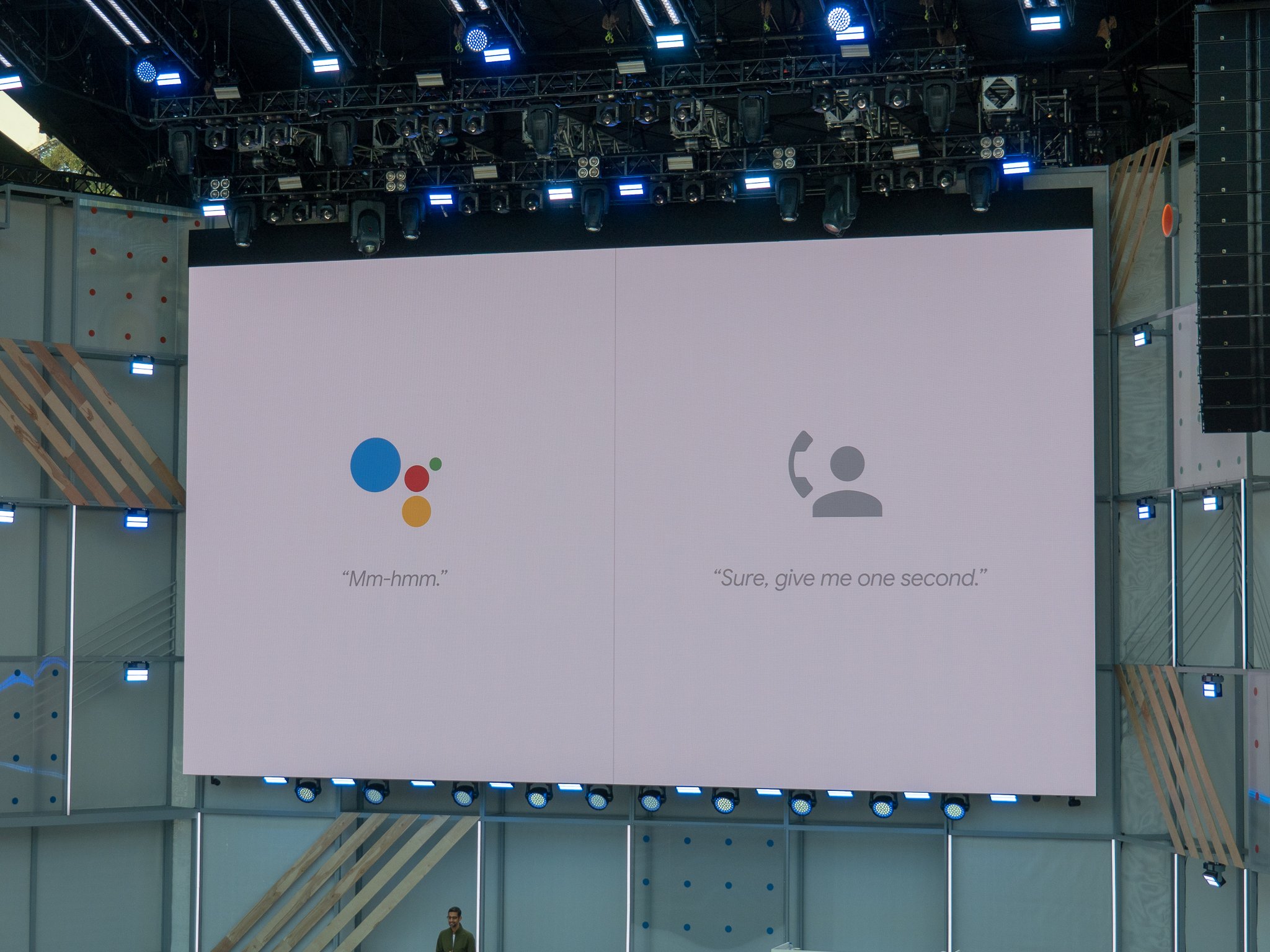
    02-googleduplex

    Photo Credit: Android Central

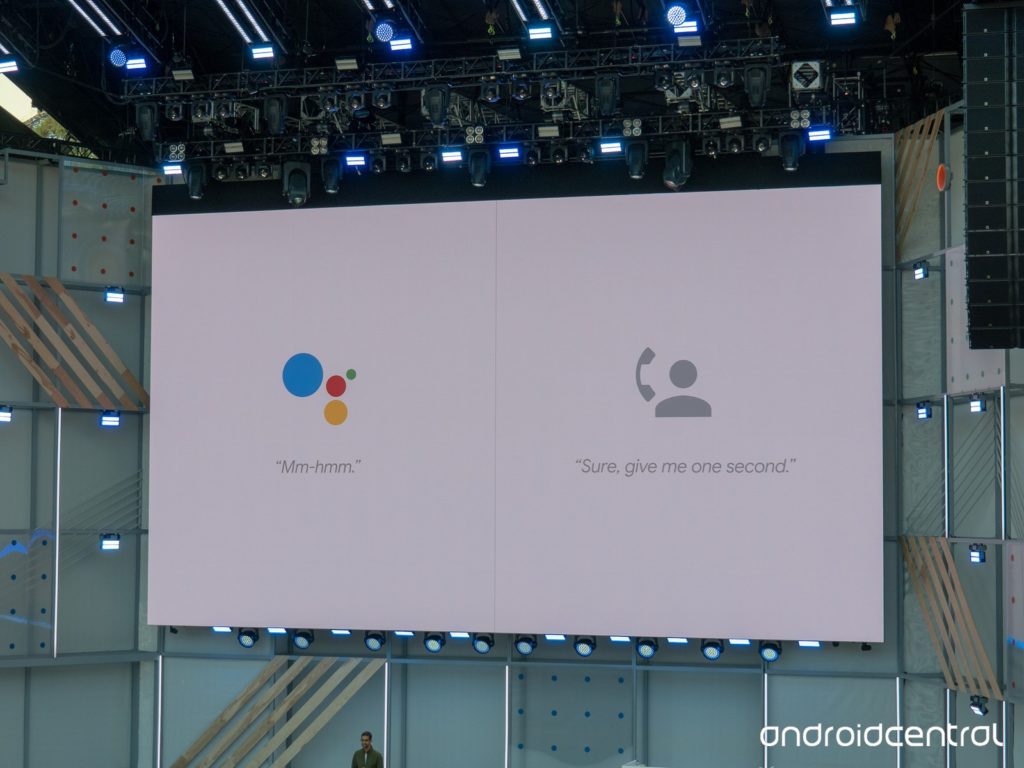
    Assistant calling was unveiled at 2018’s I/O conference by Google, in the form of their Google Duplex technology. This revolutionary AI functionality allows the Google Assistant platform to make phone calls for users, setting up appointments, reservations and the like. This is exciting for users with phone anxiety or trouble speaking, or just for users who are busy and don’t have time to call in themselves. While this raises a few ethical questions regarding machine voices being indistinguishable from human voices, the practical applications of the technology are undeniable.

    Machine Learning

    03-machine-learning

    Photo Credit: Future of Life Institute

    Machine learning is largely considered the marker of “true” artificial intelligence. By synthesizing concepts encountered and reacting based on past information, AI with machine learning capabilities would be able to react in ways humans can’t predict. These applications could be applied to market trends in order to assist stock brokers or as assistants to surgeons during procedures. The potential uses of this type of learning are staggering: imagine intelligences reasoning and problem solving with the speed and accuracy of a machine during such tense activities as piloting a spaceship or during peace talks between warring nations.

    Advertising

    04-facebook

    Photo Credit: The Sun

    People are still understandably anxious regarding companies like Facebook using algorithms to target them with content. However, this will hardly stop the future of learning algorithms and, eventually, true AI using their data collection to target users with advertisements and articles. As with many AI-related fields, this is a hotly debated subject, raising ethical questions as to the responsibility of advertisers and media platforms. It seems unlikely that such reservations will stop companies from leveraging the considerable power of machine learning in order to boost their profits.

    Personal Assistants

    05-echo

    Photo Credit: B & H

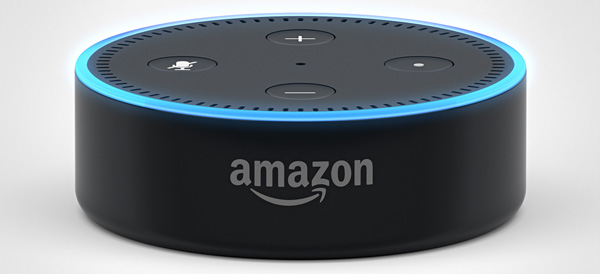
    The most obvious and immediate effect artificial intelligence has on the lives of everyday consumers is through the virtual assistants we all now carry in our pockets. Using a virtual assistant has become second nature to most smart phone owners. The act of asking Siri or Cortana or Google to make a phone call for us is natural and easy. Incorporating similar technology into smart speakers and smart displays was a logical next step: Google and Amazon want to bring their brand of AI into your life and make themselves indispensable. Individual reliance on AI assistants will likely become as commonplace as reliance on cell phones and the internet is now.

    Data Gathering

    06-ai

    Photo Credit: News Medical

    A pressing application for businesses, sifting through and organizing data is likely to be the primary role of corporate AI. For companies with extensive logs and ledgers, the ability to instruct an AI to quickly sort data and parse it for relevant information is likely to change the face of business. Reading market trends and sales data at speeds impossible for humans, AI could give companies an edge over competition and help them make smart business decisions. Similar to artificial intelligence applications in advertising, AI use as information comb is likely to be a primary function of AI for business.

    Biometrics

    07-biometrics

    Photo Credit: Security Exhibition and Conference

    For consumers, thumbprint scanners that unlock their phones are a well-known application of biometric technology. Biometrics also, however, have many applications in relation to AI. Using AI to learn about people from their biometrics would allow for numerous advances. For example, early warning of diseases like cancer and diabetes would become more common. Additionally, such AI could help in developing treatments and cures for diseases monitored through biometrics. Market applications of biometric AI tech would likely include AI interfaces in retail stores that allowed for checkout using thumbprint or facial recognition. Technology in this vein is already in use via services like Apple Pay.

    AI-Optimized Hardware

    08-ai

    Photo Credit: Out of the Box Science

    As computer processors and graphics cards have begun pushing the limits of what their hardware is capable of, manufacturers have begun speculating on the potential of AI-assisted hardware. Using advanced learning AI to make micro-adjustments on the fly could help high end graphics cards or processors speed up beyond their current limitations. Coupled with experimental quantum computing techniques, such technology would likely reshape the face of computing as an industry and redefine what computers are capable of.  Such a leap ahead could potentially dwarf previous technological advancements.

    Automation of Processes

    09-automation

    Photo Credit: Forbes

    Much like the robotics boom that helped automate factory labor, AI technology will likely see automation of numerous work tasks previously able to be done only by humans. Utilizing Google Duplex-like technology, phone customer service could be fully automated. Rather than staffing buildings full of workers to answer phone calls, companies could outsource all phone calls to an AI programmed to answer questions. This is only one example: programming, research and development, analytics and market research could all be tackled by learning AI. Such advancements could be monumental, allowing for full automation of nearly all virtual jobs.

    Robotics

    10-ai

    Photo Credit: CardsChat

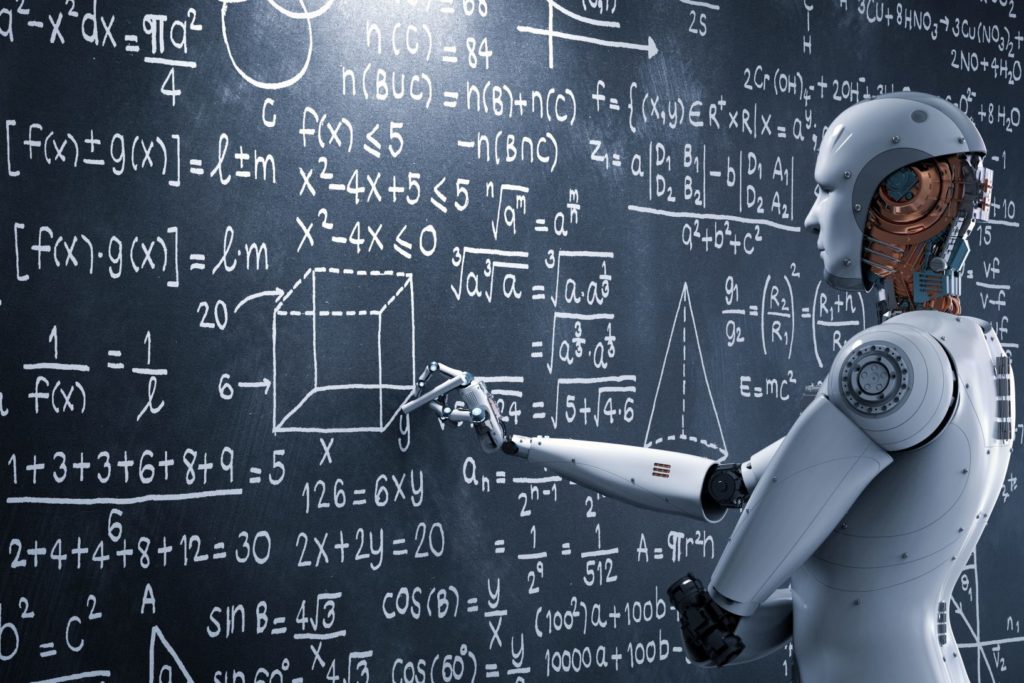
    Beyond just automating jobs that occur in a virtual space, complex AI software housed in advanced robotics could automate physical labor on a scale previously impossible. Agriculture, construction and maintenance work could potentially all be automated by AI-powered robots. While this likely sounds like high-concept sci-fi, such a future is becoming more possible, and more likely, with each passing day. As companies continue to push the boundaries of what AI is capable of, a future where all work tasks are automated becomes more and more likely. This could lead to a utopia where all people are free to pursue their own desires, or a dystopia where people are ruled robots. Just kidding! Or maybe not. We’ll cross that bridge when we get to it! For now, I’ll suspiciously eye my Amazon Echo and hope it doesn’t try to kill all humans anytime soon.

  • Tech Trivia That Will Blow Your Mind!

    Tech Trivia That Will Blow Your Mind!

    If you’re like me, you love technology and you love trivia. And what better than trivia about technology? Today we’re rounding up our top ten favorite pieces of tech trivia!

    PayPal, then and now

    Photo Credit: Barron’s

    Way back in the dark ages of 1999, a survey found that PayPal, with its unique business model, was voted in the top ten worst business ideas. Ironically, the company is now worth millions of dollars.

    Apollo 11

    02-apollo11

    Photo Credit: TripAdvisor

    The Apollo 11, the first spacecraft to carry humans to the moon, is an iconic piece of technology in human history. Fascinatingly, the computers carried onboard have less processing power than modern-day cell phones. You carry technology in your pocket that would have been unthinkable fifty years ago.

    Email, pre-WWW

    03-rotaryphone

    Photo Credit: Amazon

    Before the World Wide Web and the establishment of URLs, individual web pages were numbered and accessing them was less than easy. In this era, it was possible to send email, but it required a rotary phone to connect to a now-obscure service called Micronet via your computer. The webpage number for email? 7776.

    The First Computer Mouse

    04-mouse

    Photo Credit: Newegg

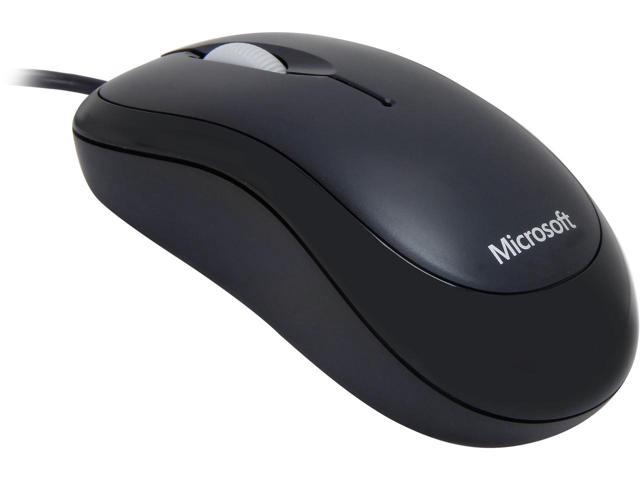
    In the early 60’s, Stanford Research Institute professors Douglas Engelbart and Bill English Stanford unveiled their “X-Y Position Indicator for Display Systems,” a device designed to point to elements on a computer display. We would come to refer to such technology as a computer mouse!

    First designed for use with the Xerox Alto computer and demoed in 1968, Engelbart also showed off early version of word processing and computer graphics. Engelbart is also responsible for the name “mouse,” as he thought the cord that ran from the pointer to the computer was reminiscent of a mouse tail!

    Ever-shrinking Computer Memory

    05-supercomputer

    Photo Credit: AIS Computer Centers

    It’s well-known that memory is always getting smaller and more efficient: where once SD cards with a few gigabytes of memory cost $100, they now cost less than $30. Going back sixty years, however, is even more quaint.

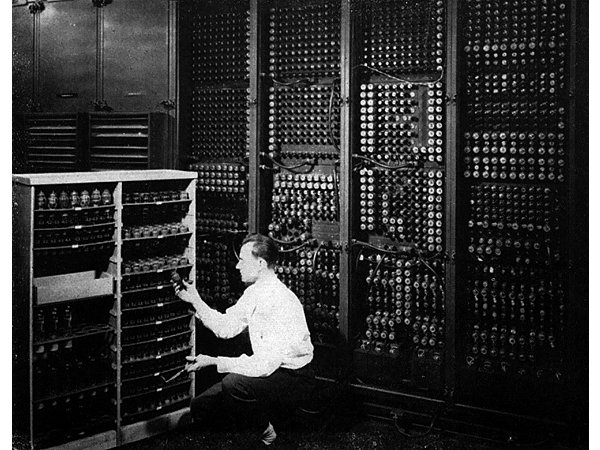
    In 1956, IBM unveiled the RAMAC computer, one of the first devices to use a hard drive-like device for memory. The RAMAC (Random Access Method of Accounting and Control) had 5 megabytes of storage and weighed over 2000 pounds.


    Most of the Worlds Currency is Digital

    06-creditcards

    Photo Credit: PYMNTS.com

    According to educated guesses by global economists, only 8 percent of money in the world is physical cash. The rest exists only in the form of ones and zeroes on the internet. This is fascinating, showing just how much we’ve come to rely on technology for our global economy. With most transactions occurring digitally and paper money and coins becoming less prevalent, it won’t be surprising to see physical money phased out entirely eventually.

    QWERTY May have been invented to slow typists

    07-typewriter

    Photo Credit: USB Typewriters

    The story goes that, originally, typewriters were laid out in alphabetical order, but the QWERTY layout was implemented to slow down typists. Supposedly typists had become so fast that they were consistently jamming their typewriters as the arms would cross and lock up. In order to combat this, the QWERTY layout would set commonly used letters further apart, leading to less jams and overall more efficient typing.

    Domain Names used to be Free

    Photo Credit: Quora

    Until 1995 it was free to register a domain name. Let that sink in. From as little as 23 years ago, understanding of just how big and important the Internet was going to end up being was almost nonexistent. By 1995, though, a company called Network Solutions was given the rights to charge for domain name registration. A percentage of money from this, though, ended up going to the National Science Foundation for Internet Research.

    A Hollywood Star Helped Invent Wi-Fi

    09-HedyLamarr

    Photo Credit: Tablet Magazine

    Hedy Lamarr is remembered for her roles in early-era Hollywood films. She is also remembered by many for her exceptional contributions to computer technology! Together with George Antheil, she helped create radio signal technology that was intended to prevent torpedoes from being jammed. While her ideas were patented, they weren’t implemented until the Cuban Missile Crisis, when the Navy would use them to develop several new radio forms, including Wi-Fi.

    Amazon’s Name was Chosen so it Would Be Higher in Alphabetical Order

    10-amazon

    Photo Credit: Wikimedia Commons

    Amazon is the odd Internet giant that has been around since the early days. As a direct example, take the anecdote of how the company got its name. CEO Jeff Bezos originally thought to name the company Cadabra, but a combination of that name being misheard as “cadaver” and a desire for visibility changed his mind. In the 90’s it was common to browse the Internet using Yahoo’s search directory, which listed websites alphabetically. Thus, Amazon was chosen to put the company near the top of the list.

  • The Ten Dumbest Apps Ever

    The Ten Dumbest Apps Ever

    Not every app is a winner. Sometimes developers run out of money, time or patience and simply ship an unfinished product. Other times, devs set out to make a tremendously stupid app. In either event, you came here to see mind-numbingly stupid apps, so here goes: our list of the ten dumbest apps ever.
     
    [adSOC]  

    The Little Application That Does Nothing

    01-nothing

    Photo Credit: Apple Store

    This app gets bonus points for doing what it says it does. It actually does nothing. Seriously, it doesn’t do anything. Actively. It’s received updates, for some reason, and still does nothing. I’m actually sort of mad that this exists, but it’s also hilarious, so, that’s alright.
     
    [adTextOnly]

  • The Top New Features Coming with Android P

    The Top New Features Coming with Android P

    Android P, the newest OS for Android devices, was shown in greater detail at the I/O 2018 conference. If you missed it, or just want a recap, here’s a quick rundown of the coolest new features coming with Android P!

    Gesture Navigation

    Since 2011, Android devices have utilized three navigation buttons: home, back and multitask. Android P sports only a home button, relegating other tasks to gesture control, much like the iPhone X. This might be a drawback to users accustomed to the older style, but it will surely open up screen space for more attractive app designs.

    Additionally, as iPhone users have known for years, gesture controls feel much more natural for a device meant to get out of your way. Navigation buttons feel very analog, which is at odds with a smart phone’s purpose of making things easy and quick.

    App Suggestions

    Another iOS-like feature, Android P will now intelligently use your habits and location to suggest apps to you. When you plug in headphones in the morning for your job, you may be prompted to open Spotify. When you get home and crash on the couch, Facebook could be suggested. These and other minor quality-of-life app integrations simply make your phone feel more like a natural extension of you.

    Additionally, app “slices” are going to be integrated into the core functionality of the phone, another idea inspired by Apple. For instance, when using the map to look up various places, you may see a price from Uber or Lyft, encouraging you to open that app.

    Adaptive Battery Life and Brightness

    More ways to save your battery and save you headaches, Android P is said to intelligently learn which apps you use which days and preemptively turns off apps to save battery life. Google says this technology works with Deep Mind technology, using deep learning algorithms to better suit users’ needs.

    Similarly, Android P introduces adaptive brightness, a system powered by similar learning algorithms. Between the time of day, amount of light hitting the sensor, user behavior and other factors, adaptive brightness seeks to help users manually adjust the brightness less and just enjoy their phones more.

    Best New Android Feature: App Timers and Shush

    Interestingly, Android P also comes with functionality to help you use it less. Firstly, the app dashboard will show you which apps you use the most, and which the device feels as though you are spending too much time using. Through this functionality you can set self-imposed time limits on apps, and the OS will shut them down after you have used up your self-allotted time.

    In that same vein, Android P introduces Shush functionality. Shush is similar to a Do Not Disturb mode and can be enabled by setting the phone down with its front face on a surface. In Shush mode, the phone won’t alert you of any notifications, audio or otherwise. These features are very responsible and help users more tightly control their smart phone usage.

  • The Top Ten Films About Artificial Intelligence

    With Amazon’s Alexa and Google Assistant becoming more lifelike and responsive with each update, it’s growing more and more likely that we will soon see fully-fledged artificial intelligence that rivals that of humans. While the future is looking brighter for AI in the real world, pop culture has taught us that most AI constructs will inevitably run amok and try to kill all humans! With that in mind, let’s run down our list of our top ten favorite films about artificial intelligence!

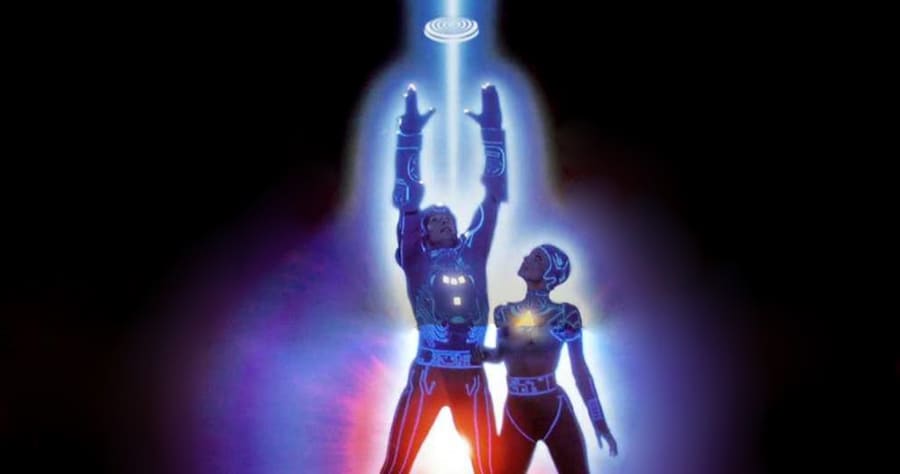
    Tron

    01-tron

    Photo Credit: Moviefone

    The 80’s classic was mind-blowing when it released. Casual moviegoers, unfamiliar with abstractions such as cyberspace and digitization, were treated to a visually stunning and downright puzzling film when they first saw Tron. Now regarded as a cult classic, and having garnered a sequel and animated series, Tron makes for a fantastic look back at an early visualization of a digital space.

    Starring Jeff Bridges as Flynn, a hacker and programmer, the nerd-tastic tale has him being pulled into the world of the arcade game he has created to do battle with the evil, rampaging Master Control Program. The story is quaint and cheesy today, but audiences at the time generally found the plot “incoherent” and hard to follow. Oh, how times have changed!

    I, Robot

    02-irobot

    Photo Credit: 20th Century Fox

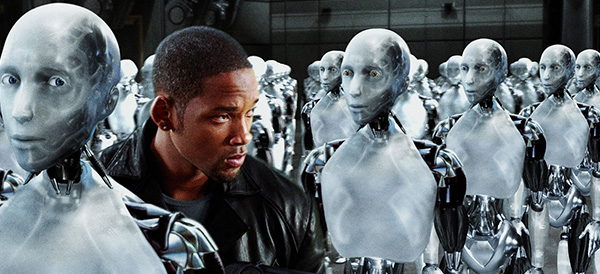
    Released in 2004, this gritty, noir-style action film is loosely based on the Asimov compilation of the same name. Will Smith stars as Del Spooner, a detective investigating a murder he blames on a robot, despite such an act being strictly forbidden by all robots’ programming.

    A fantastic meditation on what it means to be human, and what makes something alive, I, Robot is the rare action movie that makes the viewer actually think in between bombastic shootouts. Will Smith’s Spooner is equal parts engaging and frustrating, as his anti-robot bias is affirmed and challenged in equal measure by the film’s plot.

    Avengers: Age of Ultron

    03-ultron

    Photo Credit: YouTube

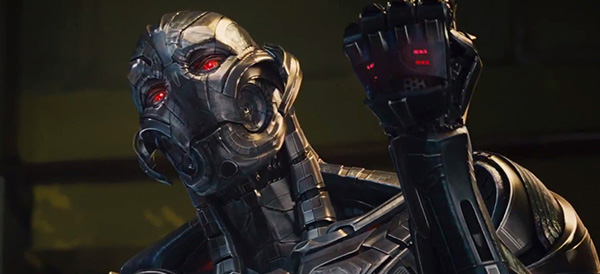
    While the plot may be somewhat derivative and the action a bit too fast-paced for deep meditations on the dangers of unchecked AI development, the second Avengers film does an excellent job of entertaining. Iron Man, Hulk, Thor, Captain America and the rest of the Avengers crew have to throw down with Ultron, an AI construct that Tony Stark and Bruce Banner accidentally create while experimenting with the mystical Mind Stone.

    Ultron decides to protect humanity from itself and creates its own vibranium body and an army of drones that do his bidding. The film ultimately pits the Avengers and their new artificial life form friend Vision against Ultron and his robo-soldiers in a spectacular final battle.

    Ex Machina

    04-exmachina

    Photo Credit: Nerdist

    The classic tale of scientist creating a synthetic companion modeled after a human female is a pretty well-established trope. Metropolis and Weird Science, to name a few, explore this narrative. In Ex Machina, protagonist Caleb is brought in by his friend Nathan to administer a Turing test to Nathan’s AI Ava. Ava is a humanoid robot with highly advanced programming, and Caleb soon finds himself caught in a power struggle between Nathan and Ava.

    The uneasy chemistry between human and machine is the focus here and is all too familiar to viewers who commonly interact with rudimentary artificial intelligence. Ava’s intentions are mysterious, her origins and dubious and her methods are worrisome: she represents all of humanity’s anxieties about artificial intelligence.

    A.I. Artificial Intelligence

    05-ai

    Photo Credit: Time Out

    A sci-fi take on Pinocchio, Spielberg’s sprawling technological opus is a treat for the eyes, if a little long in the runtime. With superb performances by Jude Law and Haley Joel Osment, A.I. juggles its myriad of ideas regarding morality and mortality with respectable deft. The film tells a touching story of a robotic child programmed to love unconditionally, and his journey to find a place he can call home.

    The film has a surprising amount of pathos for a story that almost exclusively follows artificial life forms. A unique take on an artificial intelligence-centered tale, the robots aren’t depicted as the antagonists, but instead, time and circumstance keep our characters from their goals.

    Terminator

    06-terminator

    Photo Credit: Mental Floss

    What if the artificial intelligence only wants to terminate you? I’d be surprised if you haven’t heard of this one. At the very least, you’ve probably heard someone doing a poor Arnold impersonation of one of his iconic lines. Terminator is the rare absurd sci-fi action movie that crosses over into the mainstream. Between the mechanical sheen and menace of the titular antagonist and the over-the-top, cheesy action sequences, Terminator oozes “80’s action flick,” wearing that badge proudly for all to see.

    The plot revolves around some pretty absurd sci-fi tropes: in the future, machines, led by a system called SkyNet, have taken over the world. The only hope for humanity is John Connor, a resistance fighter who leads the scattered human enclave. In order to secure victory, SkyNet sends an advanced robotic assassin back in time to kill Connor before he becomes the savior of humanity. A ton of ridiculous action set-pieces in then-modern America ensue.

    The Matrix

    07-matrix

    Photo Credit: Letterboxd

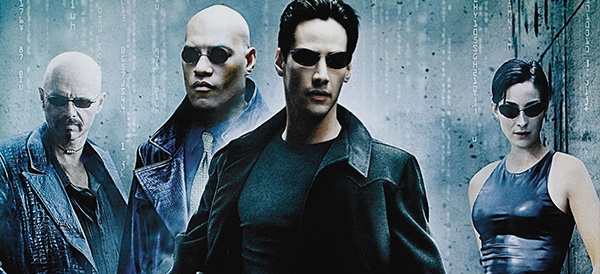
    Another very well-known action film with AI at its center, the Matrix is an interesting tale of perception, reality and questioning the status quo. When Thomas Anderson, also known under his alias Neo, discovers that his reality is actually a simulation, he joins a resistance against the machines who rule over his world. As another take on the “evil A.I. overlords” story, the Matrix uses surprisingly deep philosophical ideas to power its action and shootouts.

    Highly influential upon release for its use of slow-motion special effects and “bullet time” whirling camera techniques, as well as its intriguing premise. The Matrix is largely considered to be a turning point for Hollywood blockbusters.

    Her

    08-her

    Photo Credit: Roger Ebert

    Featuring excellent voice work from Scarlett Johansson, Heris a surprisingly sweet romance film about an AI and her human operator who fall in love. The quasi-Romeo and Juliet tale is effective at bringing about genuine emotional depth by imbuing the titular AI, Samantha, with very human desires and behavior.

    The film paints a fascinating picture of human emotional complexity conflicting with computerized algorithms. Protagonist Theodore, who is a sensitive and soft man, finds himself unable to cope when he discovers Samantha’s functions are also dating thousands of other operators and AI constructs. The near-limitless potential of Samantha’s intelligence allows her to grow exponentially, and experience far more than Theodore could ever imagine.

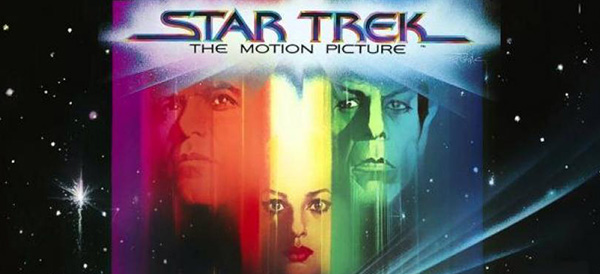
    Star Trek: The Motion Picture

    09-star-trek

    Photo Credit: Den of Geek

    The first time the crew of the Starship Enterprisewere seen on the silver screen, they did battle with a mysterious gas cloud known as V’Ger. While the film is somewhat divisive among fans, it makes this list for its fascinating antagonist. V’Ger, who turns out to be a sentient ship, is on a mission to obtain all the information in the universe and is tearing through reality to do so. When Commander Spock finally manages to mind meld with the A.I., he learns that it was originally the Voyager 6 probe, upgraded and given new purpose by a race of sentient machines.

    Blade Runner

    10-bladerunner

    Photo Credit: Mashable

    The cream of the crop when it comes to entertaining films about artificial intelligence, Blade Runner is a weighty, cerebral noir film. Main character Rick Deckard, played by Harrison Ford, works to untangle a deep conspiracy involving the shadowy Tyrell Corporation and its lifelike robots. These robots, called Replicants, are able to near-perfectly mimic human emotions and responses. Deckard, as a “blade runner,” is specialized in hunting and “decommissioning” rogue replicants.

    Sporting unique pacing and unconventional story structure, Blade Runneris one of the very best cyberpunk films ever made. If you haven’t seen it, you really should! It also received a sequel in the form of Blade Runner 2049, a worthy successor to the original and a bit more accessible to modern audiences.