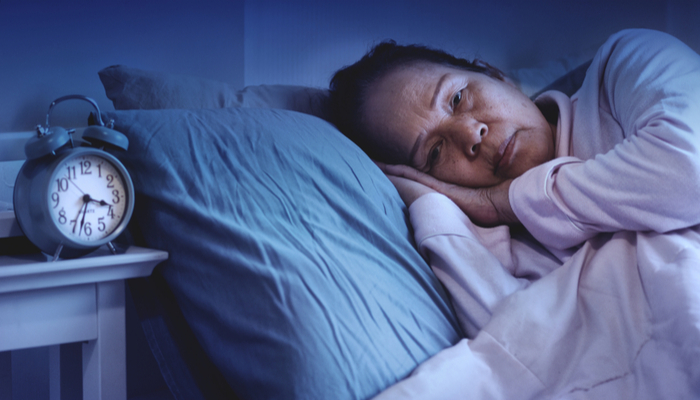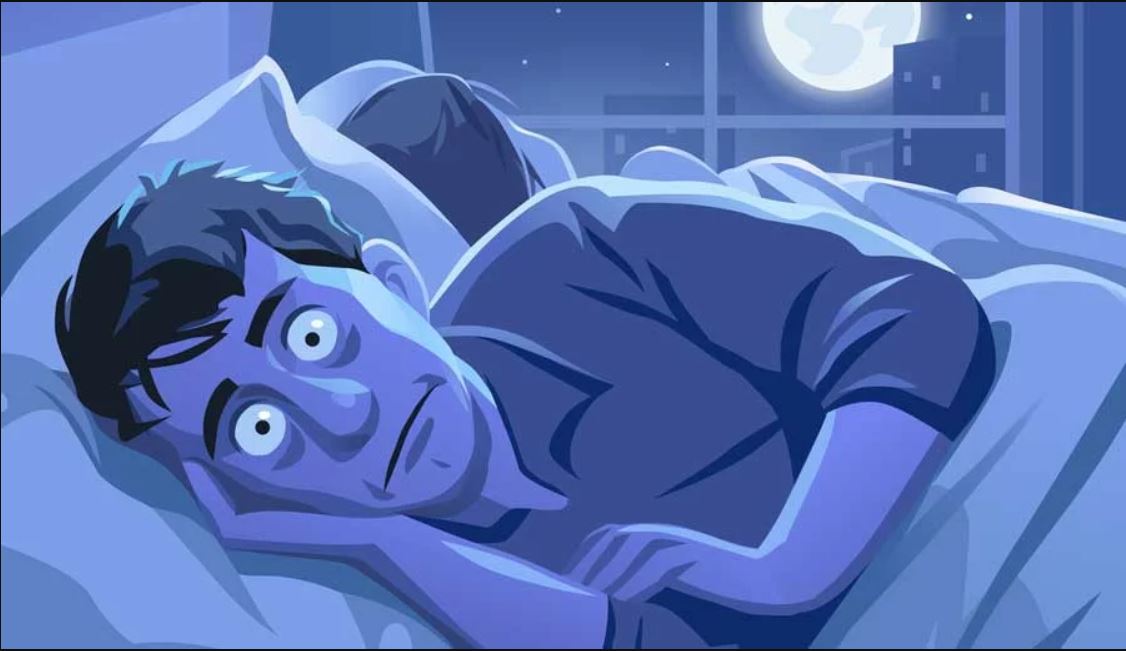
You’re finding it tough to get to sleep at a reasonable hour. Even when you do manage to get to sleep, you’re finding it difficult staying asleep for the full six to eight hours you need to get good rest. You’re sick of waking up groggy and tired and you’re looking for something to help you get some decent sleep. Well, you’ve come to the right place! Here are some of the best natural sleep aids to help you sleep soundly.
Natural Sleep Aids
Almost half of us are sleep deprived – but not because we don’t want to sleep. Sometimes we simply can’t fall asleep or stay asleep due to a range of biological forces and lifestyle choices. You know how it goes: You put your head on the pillow and it appears as though the mind suddenly goes into overdrive.
Regularly sleeping fewer than seven hours per night increases the risk of developing heart disease, diabetes, unhealthy eating habits that can lead to other chronic illnesses. Increased and better sleep, on the other hand, can lower levels of stress, and improve mental clarity and memory. Improved sleep also affects our immune systems, encourages better eating habits and weight management.
Meditation for Sleep
Healthy sleep has more to do with quality of rest than quantity of hours.Sleep meditations help create the inner conditions needed for a truly restful night. Because when we settle the mind, we rest the body—and that restfulness is what makes it easier to wind down and drift off. The mind’s tendency to get caught up in thoughts is perhaps strongest at bedtime, when we suddenly stop and be still. Meditation trains us to be less in our head and more aware of the present moment.
Most Americans don’t sleep enough, and this can lead to fairly serious mental and physical health problems. Meditation for sleep is a specific, guided experience that offers a natural sleep aid all on its own, allowing us to let go of the day—everything that’s happened and everything that’s been said — so that we can rest the mind while simultaneously resting the body. That’s why using guided meditation apps, such as Headspace as a tool for better, deeper, longer sleep can be a game changer, especially if you’re someone who has insomnia. Try it, it can change your life!
Exercise
Our first natural sleep aid is really quite straightforward: get plenty of exercise throughout the day. Nothing can keep you awake quite like being full of restless energy and having no way to burn it off. When you’re feeling restless, anxious and full off too much energy, it’s time to hit the gym and burn those emotions along with some calories.
Not only will this help you to feel better and burn off some anxiety, it’ll also help you sleep better. Your mental state is likely to improve just from a routine of exercise, along with your physique. When you’re constantly hitting the gym and getting into great shape, you’ll find it much easier to get to sleep and sleep through the night.
Good Diet
This one goes hand-in-hand with the exercise step. Get a better diet going! Try to eat bigger meals earlier in the day, and then taper down to a smaller dinner. If you can, try to not eat within four hours of when you’re trying to get to sleep. This keeps you from getting too stimulated before laying down for bed.
Another thing to look out for is your caffeine intake. Make sure you’re not having caffeine within six hours of when you’re trying to sleep. If you drink energy drinks, stop! Those are terrible for you. Likewise, don’t drink sugary, caffeine-filled sodas all day, either. If you need a pick-me-up in the mornings, black coffee is a fine way to do it, but switch to tea later in the day to taper down your caffeine intake.
Melatonin Supplement
Alright, we’re certain you didn’t come to this article for us to tell you “eat better and work out,” so here’s something you might not have tried yet. Melatonin is a hormone your body creates when it’s later in the day and it’s time to get ready for bed. Often, insomnia is caused by a lack of this hormone in the body, so supplements can help regulate healthy sleep.
Melatonin is also great for those who have to sleep during the daytime for work. While we don’t recommend shift work like this, it’s often hard to choose one’s own schedule. If you have to sleep during the day and work at night, melatonin supplements are a great way to pull that off.