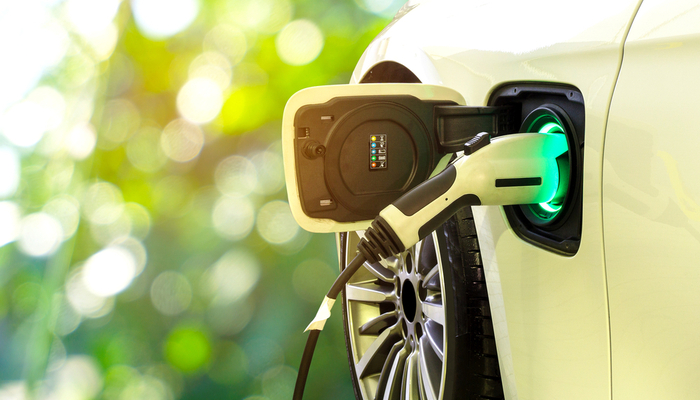
Electric cars have been swirling about in the automotive world for decades now. However, more and more it seems as though they may truly represent the future of automobiles. How realistic is it to assume that the future will be full of electric cars and that gas stations will become a thing of the past? Let’s take a closer look.
Electric Cars vs Gas-Powered
Why Gasoline
While there are many people who speculate that gasoline-powered vehicles are now being buoyed by the oil industry, the origins of automobiles show just how we started with gas. When creating the early automobile, the engineers realized that crude oil was incredibly rich with latent energy. What other substance could you use to carry a few thousand pounds of car for upwards of twenty miles on a single gallon?
This rich potential energy, and the plentiful supply of crude oil that can be found in the world, long made gasoline the natural go-to for automotive manufacturers. However, the substance brings about a lot of issues. Firstly, sourcing it can lead to serious environmental damage, and burning the fuel source is likely a major contributor to global climate change.
Alternatives
Historically, electric-powered cars date back to as early as 1828, when Anyos Jedlik created a prototype electric motor that could push a small car around. However, it wouldn’t be until the mid-1890’s that these types of vehicles became more practical. After the turn of the century, interest in electric cars waned as the distances that could be covered with petroleum far outpaced common batteries at the time.
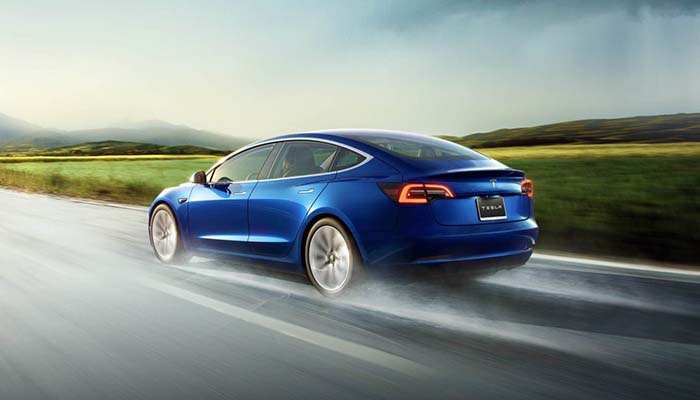
In the modern era, batteries are finally advanced enough to compete with gasoline-powered engines in terms of acceleration, top speed and range. Spurred on by the success of the 2008 Tesla Roadster, many automotive manufacturers now offer electric options for some of their vehicles. For instance, cars from manufacturers like Honda, Nissan, BMW and General Motors can now all be found in electric configurations.
Becoming the Norm
There are some serious hurdles that electric cars with have to clear before they can become the norm, however. These obstacles include the high up-front cost of the vehicles, their battery range, and resistance from the oil industry. Notably, most electric cars have a high buy-in price, often exceeding $30,000 for a vehicle with comparable performance to gas-powered vehicles.
While electric enthusiasts are quick to point out that electric vehicles have a lower cost of ownership, due to not needing gas or oil changes, this does little to soften the blow of the hefty initial buy-in. Likewise, for people with longer commutes, electric cars can introduce a bit of “range anxiety.” Unless there happens to be a charging station where you work, you might be worried about running out of range on the way home from work if you have a taxing commute.
Entrenched Culture
Bucking the entrenched culture of the oil industry is the biggest hurdle that electric cars will need to clear. While becoming more affordable and offering more reasonable range, such as the ranges seen on some of Tesla’s cars, will help, the biggest issues is going to be dethroning gas as king of automobiles. A lot of the issues here are going to include convincing consumers that electric cars are reliable and powerful, and that making the switch to electric is good for the environment as well as the driver.
That said, a future is foreseeable where gas stations become charging stations and oil companies shift their priorities away from gas and onto renewable sources of energy. As prices come down and electric motors become better and better, it’s hard to see a reason not to switch over.