Tag: Health

  • Navigating Dental Implant Financial Aid for Seniors: 2025 Guide

    Navigating Dental Implant Financial Aid for Seniors: 2025 Guide

    For seniors considering dental implant financial aid, understanding both the procedure experience and current financial options is essential for making informed decisions without compromising financial security.

    The Senior Experience with Dental Implants

    Most seniors undergo dental implant procedures that span 3-6 months, involving evaluation, possible extraction, bone grafting if needed, implant placement, healing time, and finally crown attachment. While initially anxious, many seniors report minimal discomfort during recovery and are pleasantly surprised by how natural the implants feel compared to traditional dentures.

    Current Financial Aid Options in 2025

    According to Forbes, dental implant costs in 2025 range from $3,000 to over $4,500 per tooth, making financial assistance crucial for many seniors. Here are the most viable options:

    Government Programs

    Medicare or Medicaid may cover dental implants when deemed medically necessary, such as for injuries or reconstructive surgery following cancer treatment. However, eligibility requirements can be strict.

    Dedicated Grant Programs

    The Dental Grants Program offers partial grants covering up to 30% of dental implant costs through participating dentists with no claim forms to complete. The American Dental Foundation offers senior care grants for prosthetic procedures, with most programs requiring participants to be at least 62 years old.

    Non-Profit Organizations

    Organizations like the Dental Lifeline Network partner with the ADA Foundation to offer dental implant grants based on factors such as income, age, disability, and special needs.

    Alternative Options

    Dental schools, clinical trials, community health centers, and HSA/FSA accounts all provide viable paths to more affordable dental implants for seniors on fixed incomes.

    Red Flags in Financial Agreements

    When reviewing dental implant financing options, watch for these concerning practices:

    – Pressure tactics disguised as “limited-time offers”
    – Hidden interest rates or fees buried in fine print
    – Prepayment penalties or accelerated payment clauses
    – Vague treatment guarantees lacking clear remediation terms
    – Excessive upfront deposits before treatment begins

    Questions to Ask Before Signing

    Before committing to any dental implant financial agreement:

    1. Will you need basic dentistry work (fillings, cleanings, extractions) before qualifying for financial assistance? These costs are typically your responsibility.
    2. What specific procedures and materials are included in the quoted price?
    3. How much of the total cost will the financial aid program actually cover?
    4. Are there cooling-off periods to cancel agreements if needed?
    5. What happens if treatment doesn’t proceed as planned?

    For seniors navigating dental implant financial aid in 2025, thorough research into all available assistance programs combined with careful review of financial terms will help achieve improved dental health without compromising retirement security. By exploring government programs, grants, and alternative options while avoiding predatory financial arrangements, seniors can make confident decisions about their dental implant journey.

  • Avoid Bad Breath With These Science Backed Tricks

    Avoid Bad Breath With These Science Backed Tricks

    Bad breath, or halitosis, is like that uninvited guest at your party – it just shows up unannounced and makes things awkward. Whether it’s after munching on a garlic-loaded pizza or just randomly, bad breath can be a real downer, especially in social situations. But don’t sweat it! Understanding and tackling this smelly situation is easier than you think.

    Could These Be Your Issue?


    Food Frenemies: Love garlic bread? Big fan of onions on your burger? These foods can make your breath a bit funky. Coffee and alcohol aren’t great for your breath either.
    Brush Up on Cleaning: If you’re not brushing and flossing regularly, food bits hang out in your mouth way longer than they should, giving bacteria a party zone.
    Dry Mouth Drama: Saliva is like the janitor of your mouth. If you’re not producing enough (maybe because of certain meds or just being dehydrated), bad breath can move in.
    The Tobacco Trouble: Smoking or chewing tobacco isn’t just bad for your health – it’s a fast track to stinky breath and can even lead to gum disease.
    Health Check: Sometimes, bad breath is a sign that something else is up with your health, like diabetes or sinus issues.

    What You Can Do About It


    Level Up Your Oral Hygiene: Brushing twice a day, flossing like a boss, and using mouthwash can make a huge difference. Oh, and don’t forget those dentist visits!
    Drink Up: Keep a water bottle handy and sip throughout the day. It keeps your saliva flowing and your mouth clean.

    Drop the Tobacco: Kicking the smoking or chewing habit is a win for your breath and your overall health.
    Eat Smart: Steering clear of breath-busting foods and munching on fruits, veggies, and whole grains can help.
    Chewing Gum Magic: Popping a piece of sugarless gum can be a quick fix, especially when you’re on the go.

    Help I’ve Tried These all

    If you’re doing all the right things and your breath still isn’t fresh, it might be time to chat with a dentist or a doctor. They can check for stuff like gum disease or other health issues that might be causing the problem.


  • Say Goodbye to Chronic Kidney Disease: Simple Treatment Options to Help You Recover

    Say Goodbye to Chronic Kidney Disease: Simple Treatment Options to Help You Recover

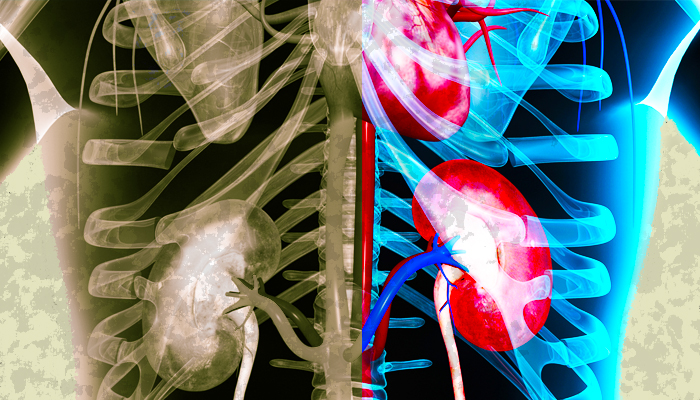
    Chronic kidney disease can make daily tasks a struggle. Chronic Kidney Disease (CKD) is a long-term, progressive, condition. CKD leaves sufferers with a gradual loss in kidney function resulting in their inability to filter waste and excess fluid from the body. CKD can develop for many reasons but high blood pressure, diabetes and autoimmune diseases are some of the leading causes.

    Start Your Wellness Journey

    While treatments largely depend on the cause of your CKD , here are some of the top doctor recommended ways to help manage your condition and slow its progression

    Maintain a Balanced Diet

    It’s not enough just to avoid bad foods. To manage CKD you need to regularly provide your body with a variety nutrients from fresh food sources. It’s important to closely monitor protein intake because of the tax it puts on the kidneys. Sodium intake is another important nutrient for CKD sufferers to monitor. The National Kidney Foundation recommends a daily intake of no more than 2,400 mg. Taking the time to reach out to a nutritionist or other medical professional is an important step in getting specific guidance tailored to you needs.

    Control your blood sugar

    Occasionally rewarding yourself with something sweet is a traditional way to celebrate special milestones in your life. However, consistently overeating sweet foods can lead to unhealthy spikes in your blood sugar. Continually spiking your blood sugar can lead to insulin resistance and other complications like diabetes.

    Quit Smoking

    Smoking can dramatically increase your risk of kidney damage and other complications. It also makes cardiovascular activities easier, which is another great way to slow CKD. Regular exercise can also help lower blood pressure and maintain a healthy level of muscular strength.

    While it may be difficult to treat CKD, maintaining a healthy lifestyle and work closely with your healthcare team can help slow the progression improve your outlook.


  • The Unbelievably Simple Tricks to Banishing Arthritis Pain For Good

    The Unbelievably Simple Tricks to Banishing Arthritis Pain For Good

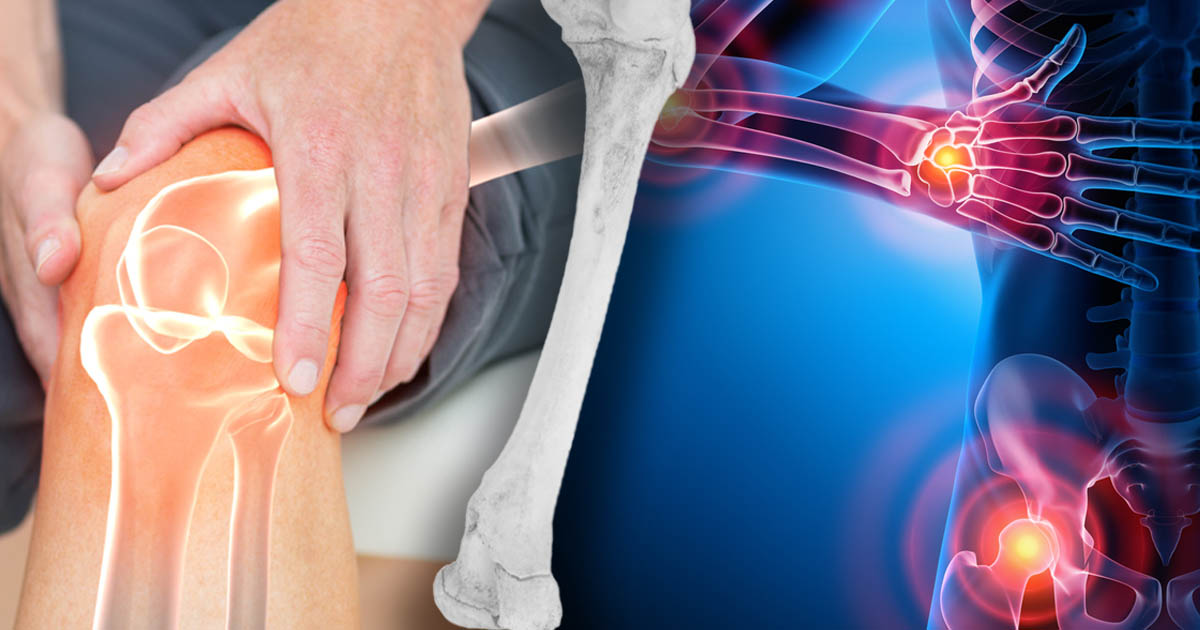
    Arthritis is not just something people suffer from when they age. It’s not a single disease either. There are hundreds of types of arthritis with numerous methods to find relief. In this article, we’ll deliver some of the best ways doctors recommend to achieve arthritis relief and get back to living your best life. .

    Learn From Your Immune System
    Inflammatory arthritis can be the byproduct of your body generating an immune response to rid it’s self of infection or prevent disease. But it can also be due to a diet high in items like processed sugar and refined carbohydrates can often exacerbate rheumatoid symptoms. Reducing your intake of these items can be helpful in relieving some of the pain caused by this type of arthritis, but the nature of the autoimmune-related illness means a more robust approach will likely be necessary to obtain comprehensive relief.

    Finding Everyday Relief
    Osteoarthritis the broad term for arthritis caused by a wearing of the cartilage cushioning our bones. It’s the most common type of arthritis and affects 10% of men and 13% of women over the age of 60.

    According to the Mayo Clinic symptoms include joint stiffness, tenderness, loss of flexibility, swelling, and bone spurs. Osteoarthritis is a degenerative disease which means it’s something that progresses over time. That’s why many of the steps doctors recommend tend to focus on daily preventative care.

    One Ounce of Prevention
    Recommendation #1 – Regular low impact exercise is key. With low impact exercise you can expect to see relieved stiffness, reduced pain and fatigue and increased muscle and bone strength.

    Recommendation#2 – Maintain a healthy weight. Being overweight putting extra stress on your joints which speeds up degeneration of joint cartilage. Like with inflammatory arthritis, avoiding processed sugar and excess refined carbohydrates can be key to helping you avoid arthritis pain in the future.

    Recommendation #3 – Get adequate rest. Living an active lifestyle can be key to maintaining a healthy weight but knowing how to properly balance activity with rest is the real trick. Overuse can easily lead to swollen joints, injury, and future cartilage degeneration. Supplementation with omega-3 fish oils is a good way to help protect your joints if you live an active lifestyle. They help restore and supplement joint tissue by providing additional natural lubrication.


  • The Unbelievably Simple Tricks to Banishing Arthritis Pain For Good

    The Unbelievably Simple Tricks to Banishing Arthritis Pain For Good

    Arthritis is not just something people suffer from when they age. It’s not a single disease either. There are hundreds of types of arthritis with numerous methods to find relief. In this article we’ll deliver some of the best ways doctors recommend to achieve arthritis relief and get back to living your best life. .

    Learn From Your Immune System

    Inflammatory arthritis can be the byproduct of your body generating an immune response to rid it’s self of infection or prevent disease. But it can also be due to a diet high in items like processed sugar and refined carbohydrates that often exacerbate rheumatoid symptoms. Reducing your intake of these items can be helpful in relieving some of the pain caused by this type of arthritis, but the nature of the autoimmune-related illness means a more robust approach will likely be necessary to obtain comprehensive relief.

    Finding Everyday Relief

    Osteoarthritis the broad term for arthritis caused by a wearing of the cartilage cushioning our bones. It’s the most common type of arthritis and affects 10% of men and 13% of women over the age of 60.

    According to the Mayo Clinic symptoms include joint stiffness, tenderness, loss of flexibility, swelling, and bone spurs. Osteoarthritis is a degenerative disease which means it’s something that progresses over time. That’s why many of the steps doctors recommend tend to focus on daily preventative care.

    One Ounce of Prevention

    Recommendation #1 – Regular low impact exercise is key. With low impact exercise you can expect to see relieved stiffness, reduced pain and fatigue and increased muscle and bone strength.

    Recommendation#2 – Maintain a healthy weight. Being overweight putting extra stress on your joints which speeds up degeneration of joint cartilage. Like with inflammatory arthritis, avoiding processed sugar and excess refined carbohydrates can be key to helping you avoid arthritis pain in the future.

    Recommendation #3 – Get adequate rest. Living an active lifestyle can be key to maintaining a healthy weight but knowing how to properly balance activity with rest is the real trick. Overuse can easily lead to swollen joints, injury, and future cartilage degeneration. Supplementation with omega-3 fish oils is a good way to help protect your joints if you live an active lifestyle. They help restore and supplement joint tissue by providing additional natural lubrication.


  • Top Arthritis Pain Remedies

    Top Arthritis Pain Remedies

    More than 50 million people in the United States are affected by arthritis, and up to 67 million are expected to be diagnosed by the year 2030. Arthritis pain can be downright incapacitating if it gets intense enough.

    Wrists and joints ache and you feel as though nothing can make you feel normal. Every joint can be affected, but most often hands, wrists, knees, and feet are affected.
    When not properly treated, arthritis can be damaging to many aspects of people’s lives, causing all kinds of physical and emotional issues stemming from chronic pain and the loss of mobility. There has been much research into arthritis remedies for those suffering with aching joints. Here are a few you can try.

    Top Arthritis Remedies

    1-Enbrel

    Etanercept (Enbrel) is effective in treating rheumatoid arthritis. It is a prescription only injection that has been proven to stop joint pain, and prevent joint damage. It has many side effects, despite its effectiveness. Contact your physician for more information.

    2-NSAIDs

    Two non-steroid anti-inflammatory drugs, ibuprofen and naproxen are available without a prescription, and are quite effective at treating arthritis pain. Aspirin, the proptype of this class, is still used quite commonly in treating arthritic pain. Avoid upset stomach by taking these medications with food.

    3-Over the Counter Rubs

    There are a wide array of creams and ointments available without a prescription that are effective in alleviating pain and inflammation due to arthritis. Look for ingredients like menthol, camphor, and methyl salicylate when choosing a product.

    4-Ginger

    Ginger is quite effective at treating and preventing arthritic pain. It is available in many forms including the root which can be chewed, cooked, or used in teas.
    5-Black Seed Oil

    A teaspoonful a day is helpful in treating arthritis. Black seed oil has many other uses.

    6-Hot and Cold Therapy

    Hot and cold therapy can do wonders for aching joints from arthritis. Taking a nice, long and hot bath or shower in the morning can do aching joints wonders. Alternatively, using electric blankets or heating pads can help to relax stiff joints.

    On the other hand ice therapy can be used to alleviate intense pain rapidly. Ice packs wrapped in towels and applied to sore joints can provide fast relief. Follow this cold treatment with a bit of heat treatment for relief from joint pain!

    7-Turmeric
    Consider adding turmeric to your diet in higher quantities. This root plant is a known anti-inflammatory and has been used as a natural remedy for hundreds of years. You can add it to dishes easily, as it is a common spice. It tastes really good, too! While it’s not a cure-all, you might find it helps to alleviate symptoms of joint pain.

    The anti-inflammatory properties of turmeric could result in your joints and tendons feeling some relief from your arthritis symptoms. This is a great way to attempt to tackle your symptoms from several angles.

    Because, at the very worst, it’ll just add some spice to your dishes!

    8-Cocoa/Chocolate
    Did you know that cocoa provides an abundant source of phytochemicals? You might not know much about phytochemicals, but this odd ingredient means cocoa is an antioxidant – and antioxidants are known to help with cardiovascular health, brain function, and cancer prevention. If you have RA, consuming cocoa (yes, even in the form of chocolate) can also benefit your immune system.

    Chocolate, specifically dark chocolate, can significantly reduce inflammation throughout the body. Cocoa properties are known to decrease COX-2 enzymes that cause inflammation, meaning every bite of dark chocolate helps decrease what’s causing your aches and pains.

    When you consume chocolate, it triggers the release of serotonin in the brain – or what many people call “the happiness chemical.” Serotonin literally changes your mindset, releasing happiness and lifting your mood.

    Suffering from the symptoms of RA can have a devastating impact on your well-being. However, treating yourself with dark chocolate can help combat both a bad mood and a little of your pain. Enjoying dark chocolate (in moderation, of course) is enough to lift up your spirits, even if just for a moment.

    9-Acupuncture
    The use of acupuncture for treating pain is a bit contentious. However, many patients claim that their chronic pain symptoms are greatly alleviated by acupuncture. Consider visiting a specialist for a consultation and a quote! They might be able to help you.

    In short, acupuncture is a practice that uses select placement of needles to attempt to manipulate the body’s pain receptors. Some practitioners ascribe the benefits of acupuncture to the manipulation of chi flow in the patient. Chi is an energy force that many Eastern traditions believe flows through all living things, though scientific examination has shown no evidence of such a force.

    Those patients who have had acupuncture treatments have had varying responses, though many claim that the procedures have helped them manage their arthritis pain.

    10-Massage
    Along those same lines, you could consider visiting a massage therapist. They could use massage techniques to help relax your muscles and loosen stiff joints. Alternatively, you could work with a physical therapist to learn techniques of self-massage if it would be difficult to see a professional regularly.

    11-Exercise
    Make sure you get lots of exercise! Simply staying active can work wonders on aching or stiff joints. Make sure you walk often and don’t spend all day indoors. If you find walking to be too high-impact, consider hitting the pool. Getting some light swimming in is a great way to work your joints, tendons and muscles without putting a lot of stress on them. Staying limber and exercising often is a great way to directly tackle arthritis symptoms.
    Try a combination of these arthritis remedies and hopefully they will alleviate your symptoms!


  • Have You Gained Weight over the Holidays? Simple Diet Changes That Lead to Weight Loss

    Have You Gained Weight over the Holidays? Simple Diet Changes That Lead to Weight Loss

    Are you looking to lose weight? Have you gained the ‘stay-at-home’ 15? Losing weight isn’t easy, but if you pay attention to what you eat, you may be surprised at the weight you can lose. Simple choices like replacing ultra-processed foods that come out of bags, boxes or cans can make a big improvement to your diet.

    More specifically, you can shed weight by reducing 500 calories a day, or about a pound’s worth of calories each week, all while eating the same foods you love.
    Most Americans get nearly 60 percent of their daily calories from eating processed foods. We took a look at a study conducted by National Institute of Health which studied the differences when people eat processed foods versus unprocessed options

    Results Are In:
    Participants spent two weeks indulging in ultra-processed foods, resulting in gaining about a pound of weight each week. They then spent another two weeks eating the same exact foods, but this time they were unprocessed. The results showed a loss in weight of about a pound each week when unprocessed foods replaced processed foods.

    To do this for yourself- try avoiding foods in the ‘middle’ aisles of most grocery stores. Many of these foods may be your favorites- but this is exactly where extra calories lurk.

    Undeniable Health Benefits:
    While the meal prep time increased by an average of 15-20 minutes, the health benefits far outweighed the processed options. Not only did they lose up to a pound each week, but their overall health improved greatly. Lower cholesterol levels, lower sodium levels, increased energy, and overall mood were some of the benefits reported.

    The best part? The participants all noted that they found both diets to be equally delicious! They also reported they preferred to continue with the healthier options rather than the ultra-processed options.

    Misleading Nutrition Labels:
    While it may be easy to fall victim to misleading nutrition labels claiming to offer “fat-free” options, this is far usually far from the truth. Next time you hit the grocery store, skip the frozen dinners and chips- opt for a healthier, do it yourself version from the produce section. Your health and waistline will thank you!


  • Best Joint Pain Remedies

    Best Joint Pain Remedies

    More than 50 million people in the United States are affected by arthritis, and up to 67 million are expected to be diagnosed by the year 2030. Arthritis pain can be downright incapacitating if it gets intense enough.

    Wrists and joints ache and you feel as though nothing can make you feel normal. Every joint can be affected, but most often hands, wrists, knees, and feet are affected.
    When not properly treated, arthritis can be damaging to many aspects of people’s lives, causing all kinds of physical and emotional issues stemming from chronic pain and the loss of mobility. There has been much research into arthritis remedies for those suffering with aching joints. Here are a few you can try.

    Top Arthritis Remedies

    1-Enbrel

    Etanercept (Enbrel) is effective in treating rheumatoid arthritis. It is a prescription only injection that has been proven to stop joint pain, and prevent joint damage. It has many side effects, despite its effectiveness. Contact your physician for more information.

    2-NSAIDs

    Two non-steroid anti-inflammatory drugs, ibuprofen and naproxen are available without a prescription, and are quite effective at treating arthritis pain. Aspirin, the proptype of this class, is still used quite commonly in treating arthritic pain. Avoid upset stomach by taking these medications with food.

    3-Over the Counter Rubs

    There are a wide array of creams and ointments available without a prescription that are effective in alleviating pain and inflammation due to arthritis. Look for ingredients like menthol, camphor, and methyl salicylate when choosing a product.

    4-Ginger

    Ginger is quite effective at treating and preventing arthritic pain. It is available in many forms including the root which can be chewed, cooked, or used in teas.
    5-Black Seed Oil

    A teaspoonful a day is helpful in treating arthritis. Black seed oil has many other uses.

    6-Hot and Cold Therapy

    Hot and cold therapy can do wonders for aching joints from arthritis. Taking a nice, long and hot bath or shower in the morning can do aching joints wonders. Alternatively, using electric blankets or heating pads can help to relax stiff joints.

    On the other hand ice therapy can be used to alleviate intense pain rapidly. Ice packs wrapped in towels and applied to sore joints can provide fast relief. Follow this cold treatment with a bit of heat treatment for relief from joint pain!

    7-Turmeric
    Consider adding turmeric to your diet in higher quantities. This root plant is a known anti-inflammatory and has been used as a natural remedy for hundreds of years. You can add it to dishes easily, as it is a common spice. It tastes really good, too! While it’s not a cure-all, you might find it helps to alleviate symptoms of joint pain.

    The anti-inflammatory properties of turmeric could result in your joints and tendons feeling some relief from your arthritis symptoms. This is a great way to attempt to tackle your symptoms from several angles.

    Because, at the very worst, it’ll just add some spice to your dishes!

    8-Cocoa/Chocolate
    Did you know that cocoa provides an abundant source of phytochemicals? You might not know much about phytochemicals, but this odd ingredient means cocoa is an antioxidant – and antioxidants are known to help with cardiovascular health, brain function, and cancer prevention. If you have RA, consuming cocoa (yes, even in the form of chocolate) can also benefit your immune system.

    Chocolate, specifically dark chocolate, can significantly reduce inflammation throughout the body. Cocoa properties are known to decrease COX-2 enzymes that cause inflammation, meaning every bite of dark chocolate helps decrease what’s causing your aches and pains.

    When you consume chocolate, it triggers the release of serotonin in the brain – or what many people call “the happiness chemical.” Serotonin literally changes your mindset, releasing happiness and lifting your mood.

    Suffering from the symptoms of RA can have a devastating impact on your well-being. However, treating yourself with dark chocolate can help combat both a bad mood and a little of your pain. Enjoying dark chocolate (in moderation, of course) is enough to lift up your spirits, even if just for a moment.

    9-Acupuncture
    The use of acupuncture for treating pain is a bit contentious. However, many patients claim that their chronic pain symptoms are greatly alleviated by acupuncture. Consider visiting a specialist for a consultation and a quote! They might be able to help you.

    In short, acupuncture is a practice that uses select placement of needles to attempt to manipulate the body’s pain receptors. Some practitioners ascribe the benefits of acupuncture to the manipulation of chi flow in the patient. Chi is an energy force that many Eastern traditions believe flows through all living things, though scientific examination has shown no evidence of such a force.

    Those patients who have had acupuncture treatments have had varying responses, though many claim that the procedures have helped them manage their arthritis pain.

    10-Massage
    Along those same lines, you could consider visiting a massage therapist. They could use massage techniques to help relax your muscles and loosen stiff joints. Alternatively, you could work with a physical therapist to learn techniques of self-massage if it would be difficult to see a professional regularly.

    11-Exercise
    Make sure you get lots of exercise! Simply staying active can work wonders on aching or stiff joints. Make sure you walk often and don’t spend all day indoors. If you find walking to be too high-impact, consider hitting the pool. Getting some light swimming in is a great way to work your joints, tendons and muscles without putting a lot of stress on them. Staying limber and exercising often is a great way to directly tackle arthritis symptoms.
    Try a combination of these arthritis remedies and hopefully they will alleviate your symptoms!

    Related Posts

    Natural Arthritis Pain Relief

    Natural pain relief is a great alternative to potentially harmful painkillers or NSAIDs. While you should always take medicine as directed by your doctor, there are non-medicinal ways to combat aches and pains. This goes double for arthritis pain, which can be a big deal for older people. Here are some of our top picks […]

    arthritis

    What is Rheumatoid Arthritis?

    Rheumatoid arthritis is a commonly-occurring autoimmune disorder that often occurs in older patients. RA is caused by the body’s own immune system mistakenly attacking its own tissues and resulting in inflammation. In particular, RA attacks the lining of the joints, resulting in stiffness, soreness and joint pain. What is Rheumatoid Arthritis? Arthritis Overview Generally speaking, […]


  • Type 2 Diabetes: Causes and Symptoms

    Type 2 Diabetes: Causes and Symptoms

    As American lifestyles have changed, occurrences of type 2, or late onset, diabetes have become more common. Today we’ll be looking at some of the most common causes of type 2 diabetes, its symptoms, and treatments that are designed to manage the condition. If you feel as though you may have diabetes, speak to your doctor for a full test.

    Type 2 Diabetes

    What is Type 2 Diabetes?

    Type 2 diabetes is a chronic condition that refers to the way that your body processes (or doesn’t process) sugar. Diabetes is caused by your body’s own resistance to insulin, a compound meant to help your cells process glucose. Occasionally, the condition occurs when the body doesn’t produce enough insulin on its own.

    While type 2 diabetes was once referred to as “adult-onset” diabetes, this is no longer an accurate description, as children can be diagnosed with the condition as well. This is likely due to changing lifestyles in the developed world, such as the rise in childhood obesity and poor diets among some children and families.

    Symptoms

    Symptoms of diabetes include increased thirst, increased hunger, fatigue, unintentional weight loss, slow healing of wounds, blurry vision and frequent infections. If you suffer from some of these symptoms, it could be wise to visit your doctor to do some tests and see if you’re suffering from diabetes.

    Contrast to Type 1

    Type 2 diabetes is contrasted with type 1 diabetes, which is caused by a combination of genetic and environmental factors. In type 1 cases, the culprit of the symptoms is the pancreas: the pancreas fails to produce the correct levels of insulin in type 1 patients, due to auto-immune cells destroying important beta cells in the pancreas.

    Type 1 was once known as “juvenile onset” diabetes, but this is also inaccurate. There are currently more adults diagnosed with type 1 diabetes than children. Type 1 diabetes, however, is much less common than type 2: only between five and ten percent of all cases of diabetes are type 1.

    Genetics

    The most common factors in the onset of type 2 diabetes are lifestyle and genetic predisposition. One of the biggest things we’ve learned in recent years about type 2 diabetes is that you can inherit a high likelihood of developing the condition from your parents.

    This doesn’t mean that if your mom or dad had type 2 diabetes that you’re guaranteed to develop it, it just means that you’ll be at a higher likelihood of doing so based on your lifestyle. This makes lifestyle incredibly important for people with a genetic predisposition to the disease.

    Diet and Exercise

    From a lifestyle standpoint, the biggest cause of diabetes comes from diet and exercise. A lack of meaningful exercise is often connected to the onset of type 2 diabetes, and people with a genetic predisposition are more likely to develop the condition if they don’t work out often.

    Diet is just as important as exercise, too: people with high-fat, high-sugar diets that are more overweight are more likely to develop diabetes. Notably, diets that are too low in fiber are some of the most common diets among people who develop type 2 diabetes.

    Treatments

    There’s no cure for diabetes. People living with the condition simply have to make a number of lifestyle changes to accommodate their symptoms. For instance, it’s common for sufferers to have insulin pumps to help manage their body’s insulin levels. Monitoring their blood sugar levels is very important, as well.

    Diet and exercise can be important factors in managing the condition, as well. While nothing can fully cure diabetes, being in good physical shape and eating healthy foods make managing diabetes symptoms significantly easier.


  • Finger Arthritis Remedies

    Finger Arthritis Remedies

    More than 50 million people in the United States are affected by arthritis, and up to 67 million are expected to be diagnosed by the year 2030. Arthritis pain can be downright incapacitating if it gets intense enough.

    Wrists and joints ache and you feel as though nothing can make you feel normal. Every joint can be affected, but most often hands, wrists, knees, and feet are affected.
    When not properly treated, arthritis can be damaging to many aspects of people’s lives, causing all kinds of physical and emotional issues stemming from chronic pain and the loss of mobility. There has been much research into arthritis remedies for those suffering with aching joints. Here are a few you can try.

    Top Arthritis Remedies

    1-Enbrel

    Etanercept (Enbrel) is effective in treating rheumatoid arthritis. It is a prescription only injection that has been proven to stop joint pain, and prevent joint damage. It has many side effects, despite its effectiveness. Contact your physician for more information.

    2-NSAIDs

    Two non-steroid anti-inflammatory drugs, ibuprofen and naproxen are available without a prescription, and are quite effective at treating arthritis pain. Aspirin, the proptype of this class, is still used quite commonly in treating arthritic pain. Avoid upset stomach by taking these medications with food.

    3-Over the Counter Rubs

    There are a wide array of creams and ointments available without a prescription that are effective in alleviating pain and inflammation due to arthritis. Look for ingredients like menthol, camphor, and methyl salicylate when choosing a product.

    4-Ginger

    Ginger is quite effective at treating and preventing arthritic pain. It is available in many forms including the root which can be chewed, cooked, or used in teas.
    5-Black Seed Oil

    A teaspoonful a day is helpful in treating arthritis. Black seed oil has many other uses.

    6-Hot and Cold Therapy

    Hot and cold therapy can do wonders for aching joints from arthritis. Taking a nice, long and hot bath or shower in the morning can do aching joints wonders. Alternatively, using electric blankets or heating pads can help to relax stiff joints.

    On the other hand ice therapy can be used to alleviate intense pain rapidly. Ice packs wrapped in towels and applied to sore joints can provide fast relief. Follow this cold treatment with a bit of heat treatment for relief from joint pain!

    7-Turmeric
    Consider adding turmeric to your diet in higher quantities. This root plant is a known anti-inflammatory and has been used as a natural remedy for hundreds of years. You can add it to dishes easily, as it is a common spice. It tastes really good, too! While it’s not a cure-all, you might find it helps to alleviate symptoms of joint pain.

    The anti-inflammatory properties of turmeric could result in your joints and tendons feeling some relief from your arthritis symptoms. This is a great way to attempt to tackle your symptoms from several angles.

    Because, at the very worst, it’ll just add some spice to your dishes!

    8-Cocoa/Chocolate
    Did you know that cocoa provides an abundant source of phytochemicals? You might not know much about phytochemicals, but this odd ingredient means cocoa is an antioxidant – and antioxidants are known to help with cardiovascular health, brain function, and cancer prevention. If you have RA, consuming cocoa (yes, even in the form of chocolate) can also benefit your immune system.

    Chocolate, specifically dark chocolate, can significantly reduce inflammation throughout the body. Cocoa properties are known to decrease COX-2 enzymes that cause inflammation, meaning every bite of dark chocolate helps decrease what’s causing your aches and pains.

    When you consume chocolate, it triggers the release of serotonin in the brain – or what many people call “the happiness chemical.” Serotonin literally changes your mindset, releasing happiness and lifting your mood.

    Suffering from the symptoms of RA can have a devastating impact on your well-being. However, treating yourself with dark chocolate can help combat both a bad mood and a little of your pain. Enjoying dark chocolate (in moderation, of course) is enough to lift up your spirits, even if just for a moment.

    9-Acupuncture
    The use of acupuncture for treating pain is a bit contentious. However, many patients claim that their chronic pain symptoms are greatly alleviated by acupuncture. Consider visiting a specialist for a consultation and a quote! They might be able to help you.

    In short, acupuncture is a practice that uses select placement of needles to attempt to manipulate the body’s pain receptors. Some practitioners ascribe the benefits of acupuncture to the manipulation of chi flow in the patient. Chi is an energy force that many Eastern traditions believe flows through all living things, though scientific examination has shown no evidence of such a force.

    Those patients who have had acupuncture treatments have had varying responses, though many claim that the procedures have helped them manage their arthritis pain.

    10-Massage
    Along those same lines, you could consider visiting a massage therapist. They could use massage techniques to help relax your muscles and loosen stiff joints. Alternatively, you could work with a physical therapist to learn techniques of self-massage if it would be difficult to see a professional regularly.

    11-Exercise
    Make sure you get lots of exercise! Simply staying active can work wonders on aching or stiff joints. Make sure you walk often and don’t spend all day indoors. If you find walking to be too high-impact, consider hitting the pool. Getting some light swimming in is a great way to work your joints, tendons and muscles without putting a lot of stress on them. Staying limber and exercising often is a great way to directly tackle arthritis symptoms.

    Try a combination of these arthritis remedies and hopefully they will alleviate your symptoms!